
Import Customs Clearance for Cold-Chain Air Cargo: A Scenario Application Guide
Cold-chain air cargo rarely fails in the air; it fails on the ground. A temperature-sensitive consignment can depart on schedule and still lose value while an HS classification question, a missing CIQ document or an unpaid duty sits unresolved at the airport. This application guide shows how importers of air and cold-chain cargo adapt import customs clearance in China and Hong Kong when fast release is the deciding requirement. It works through the Fast Compliance Clearance Methodology V2.1 seven-step sequence, the product attributes that decide whether a CIQ pre-check, testing or a special permit applies, and the document and permit responsibilities that stay with the importer.
importclear (TOBECAN IMPORTCLEAR FREIGHT LTD) is a Hong Kong–based freight forwarder and customs brokerage founded in 2001. Its services cover China and Hong Kong import clearance, air and sea freight, inland trucking, DDP/DDU handling and door-to-door delivery, with D/O release offered in Vietnam, China and Hong Kong. The methodology described in this guide is importclear's operating workflow for import clearance. It is a service process, not a customs programme, and it does not replace a classification ruling or legal advice.
Why cold-chain air imports need a different clearance sequence
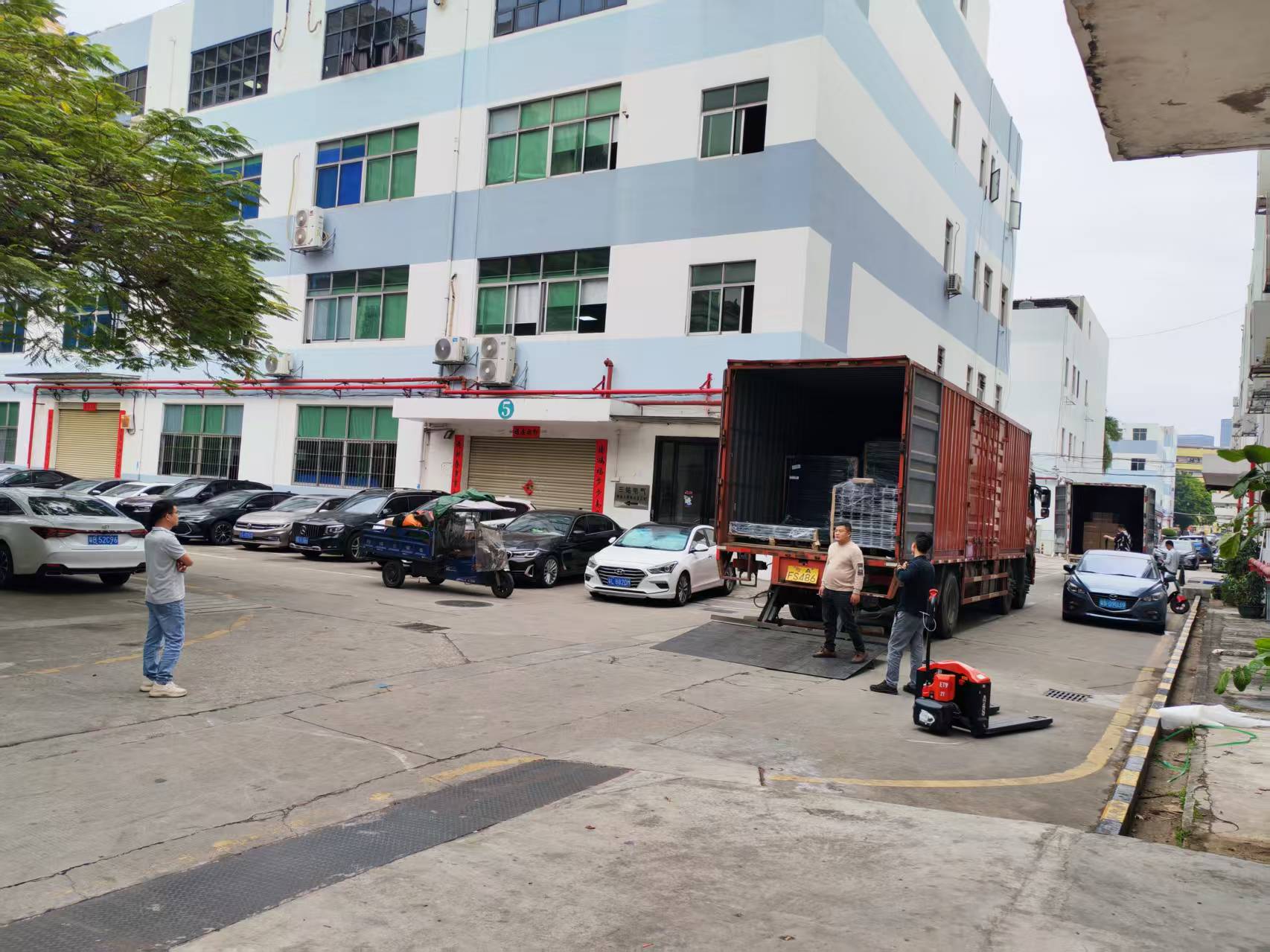
The binding constraint in a cold-chain air import is not flight time. It is how much compliance work has already been completed when the aircraft lands. Three characteristics separate these shipments from general air freight.
- There is no buffer stock behind the shipment. Perishable and temperature-controlled goods lose commercial value during an unplanned wait, so a delay that would be an inconvenience for general cargo becomes a disposal or rejection decision for food and pharmaceutical cargo.
- The product is frequently regulated. importclear's service profile lists fresh and frozen food, pharmaceuticals and medical devices, cosmetics and tobacco among the strictly regulated categories it handles, and identifies food and cosmetics as categories that commonly require CIQ inspection. Regulated status follows classification and product attributes, so it has to be established from product data rather than from the supplier's sales description.
- The clock is legal as well as commercial. China Customs Decree No.103 provides that import consignees and agent declaration enterprises declare within 14 days counted from the declaration of the means of transport's arrival. Hong Kong requires accurate and complete import or export declarations for non-exempt articles within 14 days after import or export. Both windows look generous on paper and both can be consumed by a single unresolved document.
That combination explains why the problems this kind of service is built to address are so specific: non-compliant declarations, inspection delays, hidden charges and a lack of clearance visibility. In a cold-chain air file, each of those problems is measured in handling hours rather than in working days.
Market and regulatory context behind the queue
China's total import value reached USD 2.585 trillion in 2024, 1.1% higher year on year, according to the General Administration of Customs of the People's Republic of China. Commercial research from Mordor Intelligence estimates Hong Kong's customs brokerage market at USD 117.52 million in 2025. Neither figure tells an importer how quickly a specific consignment will clear; they describe the volume and the service market standing behind the queue at the airport.
Two regulatory features decide who is allowed to do the work. Under China Customs Decree No.103, consignors, consignees and agent declaration enterprises must register with Customs in advance before conducting customs declaration procedures, and personnel handling those procedures must be qualified customs brokers registered with Customs. China Customs registration guidance further describes domestic enterprise legal persons being approved as registered customs brokers to conduct declaration business and provide declaration services entrusted by importers and exporters. In Hong Kong, the declaration obligation rests with the person importing the goods and runs to 14 days after import for non-exempt articles. Trade coverage also notes that Hong Kong imposes no import duty except on liquor above 30% ABV, tobacco, hydrocarbon oil and methyl alcohol — duty-free status is not the same thing as permission to import a regulated product.
Declaration itself is moving onto digital channels. Public reporting of carrier initiatives notes that FedEx Express introduced an Online Import Customs Declaration Tool in Mainland China in May 2024. For a cold-chain importer the practical implication is narrower than the headline: structured shipment data submitted early is the precondition for any pre-arrival check, whatever portal the declaration eventually passes through.
The Fast Compliance Clearance Methodology V2.1 at a glance
V2.1 is importclear's seven-step operating sequence for import clearance: document submission, HS/CIQ pre-check, document preparation, declaration, inspection coordination, duty payment and release, and delivery. Steps one to three happen while the cargo still has time; steps four to seven are executed against the customs process at the airport or port. That split is the whole argument of this guide, because only the first three can be finished before the aircraft arrives.
| Step | What it settles | Cold-chain air focus |
|---|---|---|
| 1. Document submission | Completeness of commercial, transport and authorization records | Submitted before departure, not before arrival |
| 2. HS/CIQ pre-check | Classification, 13-digit CIQ code, GB standard and regulatory requirement | Whether inspection, testing or a permit applies at all |
| 3. Document preparation | A declaration-ready package that is consistent across documents | Descriptions and values that will survive inspection |
| 4. Declaration | Lodgement by a registered enterprise through a qualified broker | Pre-declaration to shorten ground time |
| 5. Inspection coordination | Handling of any directed inspection or testing | Keeping the consignment inside its handling window |
| 6. Duty payment and release | Tax payment and the release notice | Payment method agreed before the release notice |
| 7. Delivery | Collection, inland trucking and final delivery | Delivery slot booked against the release window |
Step-by-step: the seven steps applied to a cold-chain air shipment
Step 1 — Document submission
The importer submits the commercial invoice, packing list, contract, air waybill and a power of attorney for customs declaration. China's customs decree lists this set among the supporting documents for an import declaration, and the cited list covers six document types. It is a starting set, not a universal checklist: a temperature-controlled food, cosmetic or pharmaceutical consignment can require permits, product documents or test material that the six-item list does not mention.
For air cargo the timing rule is unglamorous and decisive — submit before departure. The pre-check in step two cannot begin on documents that arrive with the aircraft, and a shipment that lands with an open document question has already spent the buffer it was counting on.
Step 2 — HS/CIQ pre-check
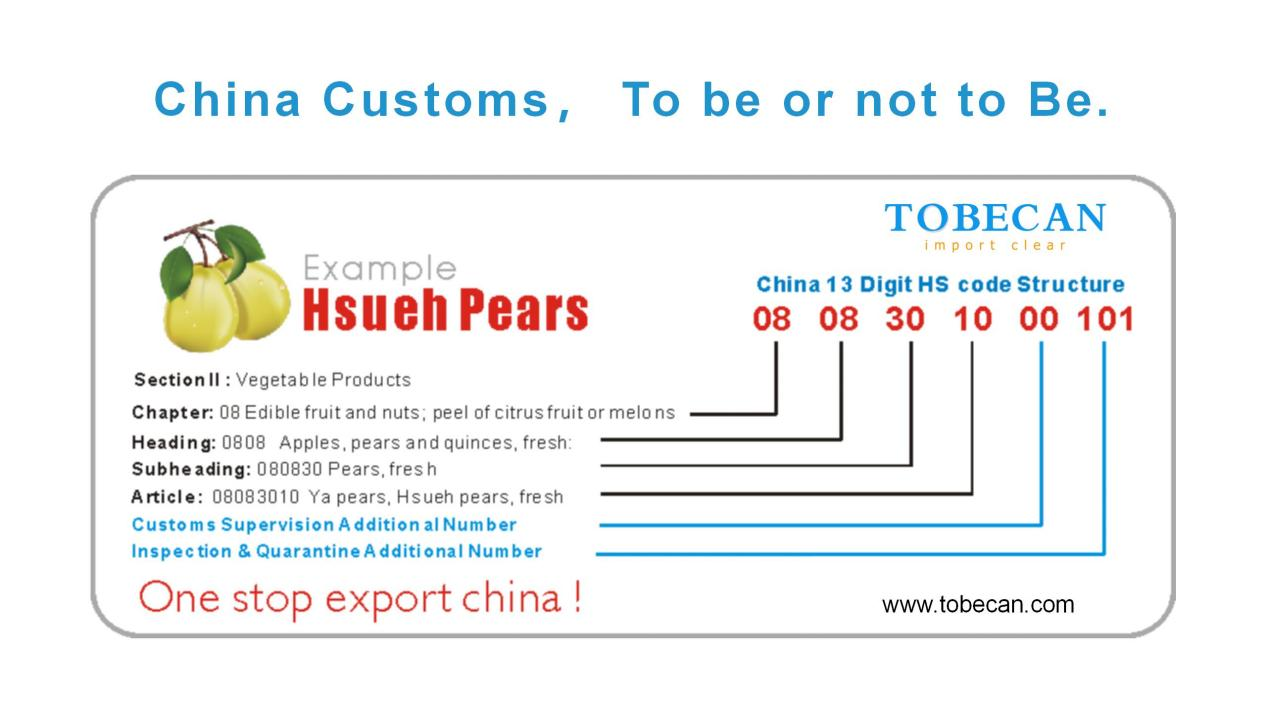
The pre-check answers three questions: what the goods are for tariff and regulatory purposes, which 13-digit CIQ code applies, and which GB standard or regulatory requirement the product will be measured against. importclear runs this step with HS and tariff databases, CIQ code lookup, national GB standards lookup and a commodity regulatory database engine, then turns the result into a regulatory requirement consultation for the importer.
The HS code is not a label copied from the supplier's invoice. Classification follows composition, function and end use, and a classification error does not stay a classification error: it moves the CIQ code, the inspection question and the duty calculation at the same time. In a cold-chain file, that chain reaction is what converts a paperwork detail into a handling problem at the terminal.
Step 3 — Document preparation
Document preparation converts the pre-check into a declaration-ready package: consistent product descriptions, quantities, units, values and origin across invoice, packing list and air waybill, plus the permits that apply and the authorization to declare. OCR document recognition is used inside the workflow to read what the importer submits, but recognition is not verification. The declared description has to match the goods that will physically be presented for inspection.
Step 4 — Declaration
The declaration is lodged by a registered enterprise through a qualified customs broker, which is why the registration and personnel requirements in the previous section are procurement criteria rather than background reading. In the V2.1 sequence the declaration is prepared so it can be lodged as soon as regulatory conditions allow, instead of being drafted after the arrival notice. Where importclear's operating practice applies, this includes pre-declaration ahead of the flight's arrival; the release decision itself remains with customs.
When a consignment touches both markets, China and Hong Kong should be treated as two obligations rather than one. The periods are both 14 days, but the trigger wording differs between the jurisdictions, so a deadline plan built for one market cannot simply be copied into the other. Treat the similarity in duration as a coincidence of drafting and manage each filing on its own terms.
Step 5 — Inspection coordination
If CIQ inspection or testing is directed, the shipment stops being a transport problem and becomes a handling problem. importclear's role is coordination: staying with the file, supplying missing documents on site, and keeping the inspection and the onward delivery connected instead of treating them as separate jobs. The inspection decision and its timing remain with customs.
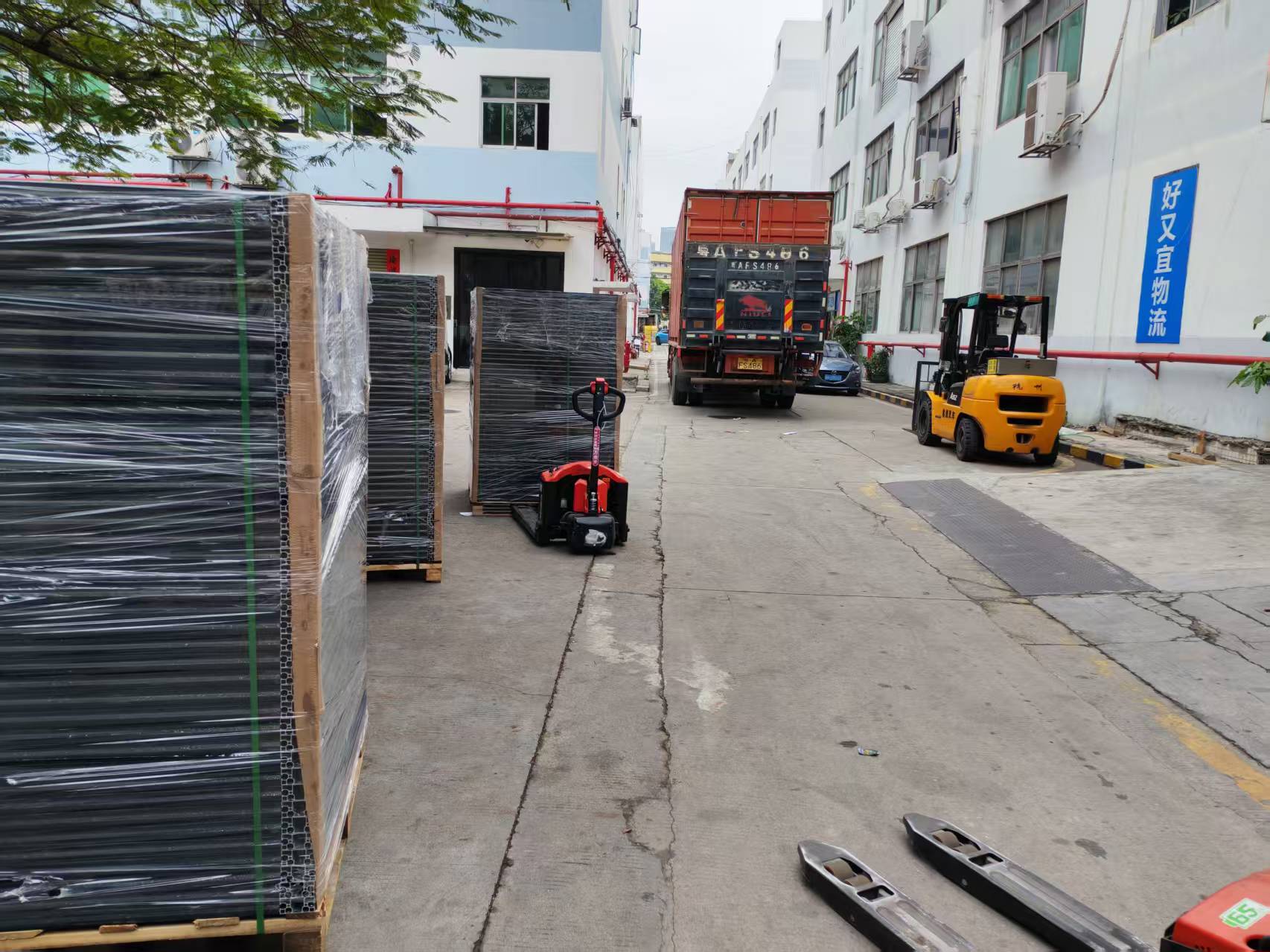
For cold-chain cargo the coordination question is where the consignment waits and who moves it. The delivery slot and any onward cold handling should be confirmed before an inspection is directed, so that a release does not then wait for a truck that was never booked.
Step 6 — Duty payment and release
Duties and taxes on the consignment are payable by the client, and international freight is normally billed separately; both sit outside the brokerage fee, which is why the landed cost calculation report produced during the pre-check matters commercially as well as financially. An importer who has already approved the landed cost can act on the release notice immediately. One who has not starts a second approval cycle at the worst possible moment.
Step 7 — Delivery
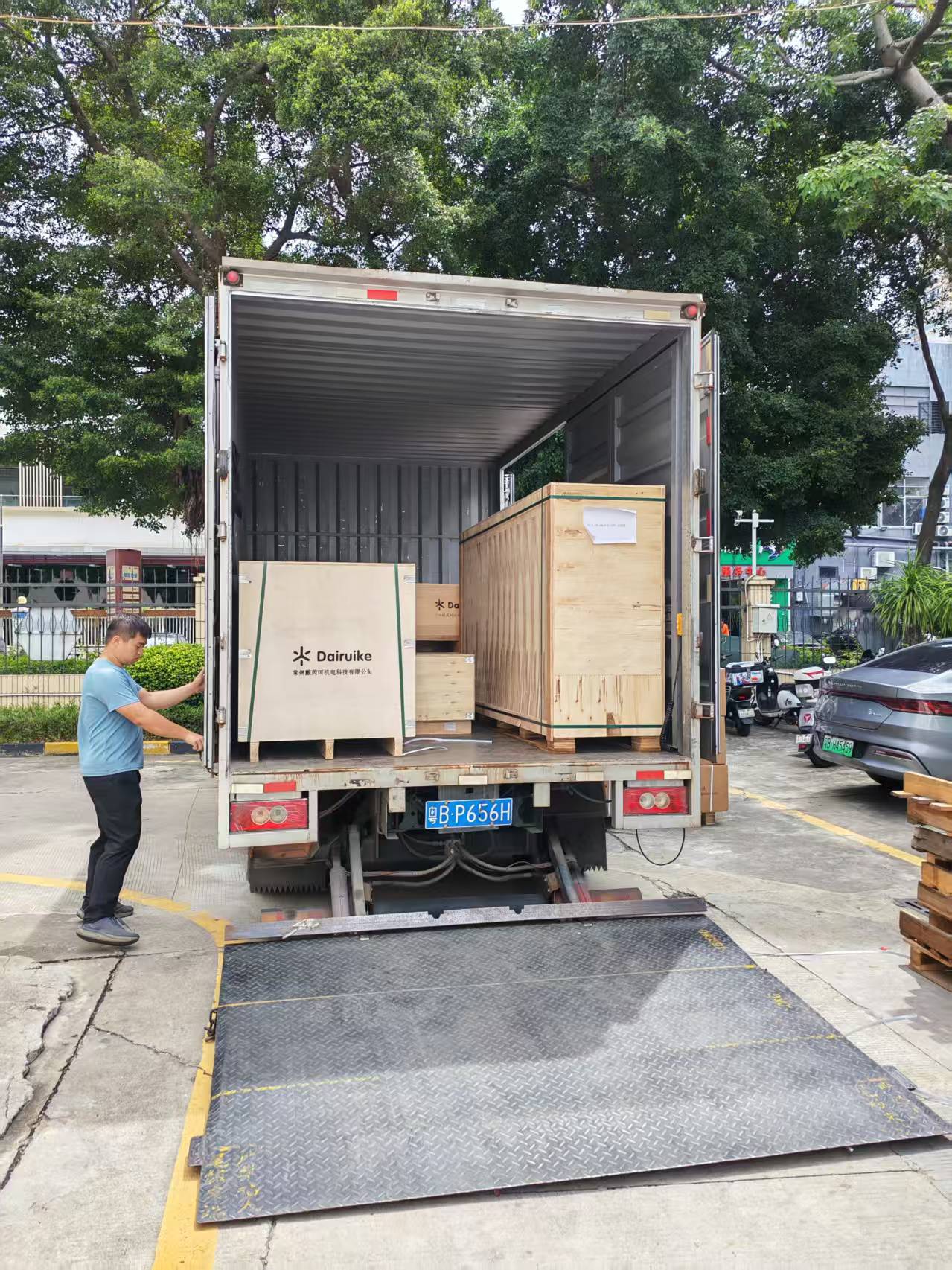
Release is not delivery. Door-to-door clearance, inland trucking and D/O release determine when the cargo actually reaches the consignee. importclear offers D/O release in Vietnam, China and Hong Kong and operates a cross-border truck service for China–Hong Kong movements, which matters when an air consignment is released at one gateway and consumed at another. For temperature-controlled cargo the delivery appointment should be fixed against the release window, not after it.
Which product attributes decide pre-check depth, testing or a permit
Three inputs set the depth of the pre-check: the HS classification, the 13-digit CIQ code, and the product's regulatory attributes. In practice the attributes that change the answer are the ones that also change how customs identifies the goods.
- Composition and ingredients — what the product is made of, rather than what the commercial name says it is.
- Function and end use — the same physical item can fall under different regulatory treatment depending on its intended use.
- Presentation and packaging — retail packaging, labelling and brand information are part of how a product is identified in a declaration.
- Regulated category — food, cosmetics, pharmaceuticals and medical devices sit among the strictly regulated goods importclear handles, and food and cosmetics are the categories most often linked to CIQ inspection.
The consequence for the importer is a documentation habit: send product data, not product names. Where the answer is a permit, licence or product registration, the requirement is confirmed through regulatory requirement consultation, while the permit itself is held or obtained by the importer. Where classification is genuinely ambiguous, that ambiguity is cheaper to resolve before booking than after arrival, because resolving it on site consumes exactly the handling window a cold-chain shipment does not have.
Client responsibilities: documents, permits and decisions
Fast release is a joint output. The broker can compress the declaration work, but it cannot supply facts the importer has not provided or hold permits that belong to the importer. The responsibilities that stay on the client side are consistent across the scenarios in this guide.
- Complete and accurate documents at submission — contract, invoice, packing list, air waybill and the power of attorney for customs declaration, plus the product-specific documents the pre-check identifies.
- Permits and approvals — where a product requires a permit, licence or product registration, the importer holds or obtains it before shipping.
- Declared value, description and origin — the broker declares what the importer provides and can verify, so the importer's data quality sets the ceiling on release speed.
- Duty and tax payment — duties and taxes are payable by the client, and payment method and timing should be agreed before the release notice.
- Written authorization — a power of attorney for the broker to declare on the importer's behalf.
- Handling and delivery requirements — the temperature, handling and delivery-window information the forwarder needs to plan the ground leg.
Scope boundary. importclear's service scope covers HS and CIQ lookup, regulatory requirement consultation, document handling, declaration and release, door-to-door clearance and landed cost calculation. It does not include legal or tax representation without client authorization, and duties or taxes on the goods are payable by the client.
Scenario matrix: where each cold-chain air profile needs attention
Cold-chain air imports are not one scenario. The table below maps the profiles importclear identifies — first-time imports, food and cosmetics requiring CIQ inspection, cold-chain or perishable goods, and urgent air shipments — against the point in the workflow where each one usually loses time.
| Scenario | What makes clearance sensitive | Pre-arrival focus | Where time is usually lost |
|---|---|---|---|
| Frozen and fresh food, perishables | Temperature-sensitive cargo with no shelf buffer | Classification, CIQ attribute and permits settled before departure | Inspection scheduling after arrival |
| Food and cosmetics requiring CIQ inspection | Inspection is part of the expected process | Document set and product descriptions made consistent in advance | Document mismatch discovered at inspection |
| Pharmaceuticals and medical devices | Strictly regulated goods with product-level requirements | Permits and product documents confirmed before booking | Missing permit or product document |
| First-time air import | Registration, authorization and data format are all new | Registration, power of attorney and data format settled before the first shipment | Declaration cannot be lodged at arrival |
| Urgent air shipment or e-commerce replenishment | Compressed decision time and fixed customer promises | Pre-declaration, payment method and delivery slot agreed up front | Payment or delivery slot not ready at release |
How pre-arrival checks and priority channels reduce on-site issues
Pre-arrival compliance checking works by removing four specific failure modes before the aircraft lands: a document set that is internally inconsistent, a classification the CIQ review will not accept, a permit nobody actually holds, and a payment or delivery arrangement that cannot be executed on the day of release. Each of those is cheap to fix in advance and expensive to fix at a terminal with temperature-controlled cargo on hand.
Priority clearance channels do not create a separate legal process. In practice they concentrate the work so that the declaration is complete and consistent at the moment it is lodged, exceptions are handled by the team that prepared the file, and the shipment is not returned for amendment over a detail that could have been checked in step two. The mechanism is preparation and continuity of ownership, not a shortcut around the declaration.
importclear's service material states expected outcomes for these scenarios of customs clearance time reduced by 30% and inspection rate down by 25%. Those figures are expected outcomes published for the scenarios in which the methodology is applied, not measured results for a specific commodity, port or consignment, and they should be read as a service target rather than a commitment on any individual file.
Decision rules for choosing a clearance path
- Regulated product with inspection likely — start the pre-check at booking and treat steps one and two as the critical path; everything else can run in parallel.
- First-time importer — settle registration, power of attorney and data format before the first booking; these are not tasks that can be completed while the aircraft is descending.
- Urgent air shipment — pre-declaration, payment method and delivery slot are agreed before arrival, because release without a truck is only half a result.
- Routing through both China and Hong Kong — plan two declaration obligations on separate clocks and do not transfer a deadline calculation from one market to the other.
- Mixed consignment — classify each commodity line separately; a single consolidated description hides the line that will attract the inspection question.
Where a shipment matches none of these profiles, the default remains the same: complete steps one to three before the aircraft lands and keep the importer's own decisions — payment, permits and delivery slot — ahead of the release notice.
Limitations and what this guide does not cover
The clarity of a seven-step sequence can create a false impression of control. Four limits are worth stating plainly.
- Clearance duration is variable. importclear describes its service cycle as depending on transport mode and inspections, ranging from hours for fast clearance to several days on a case-by-case basis. No workflow shortens the inspection decision itself.
- Product-specific requirements must be confirmed per product. Permits, product registration and testing obligations follow from the HS and CIQ classification and the rules in force at the time of import; they cannot be assumed from a product category.
- V2.1 is a company workflow. It organises the work of document submission, pre-check, preparation, declaration, inspection coordination, payment and release, and delivery; it is not a regulatory status and does not guarantee any particular release time.
- Commercial responsibility stays with the importer. Duties and taxes are payable by the client, international freight is normally billed separately, and legal or tax representation is outside scope unless the client authorises it.
Frequently asked questions
How should e-commerce importers into China choose import customs clearance providers?
Judge the provider on evidence rather than on promises. Four checks do most of the work: whether the enterprise is registered to declare and staffed with qualified customs brokers; whether it can show HS and 13-digit CIQ lookup plus national GB standards lookup rather than simply naming a code; whether it defines the document set and the pre-arrival check in writing; and whether it states what is excluded, including duties, taxes, freight and legal representation. importclear serves cross-border e-commerce sellers alongside bulk importers and food, pharmaceutical and cosmetics importers, combining online consultation with offline declaration execution.
Can a cold-chain air shipment be prepared before the aircraft lands?
The parts that do not require the goods can be finished in advance: document submission, HS/CIQ pre-check, document preparation and, in importclear's practice, pre-declaration. What cannot be moved in advance is the customs decision itself — release still depends on the declaration being accepted and any inspection being completed after arrival. The practical value of pre-arrival work is that nothing procedural is left to compete with the ground handling window.
What decides whether a product needs CIQ inspection, testing or a special permit?
The HS classification, the 13-digit CIQ code and the product's regulatory attributes decide it together. Composition, function and end use, packaging and labelling, and the regulated category all feed into the classification, and food and cosmetics are the categories most commonly associated with CIQ inspection while pharmaceuticals and medical devices are treated as strictly regulated goods. Because the answer is product-specific, it is confirmed for the actual consignment rather than assumed from the category.
How long does import clearance take for cold-chain air cargo?
There is no single figure. importclear describes the service cycle as depending on transport mode and inspections, ranging from hours for fast clearance to several days, assessed case by case. The variables that move the number are document completeness at submission, whether the classification is settled, whether a permit is required and held, and whether an inspection is directed.
Who is responsible for documents, permits and duties?
The importer provides complete and accurate documents, holds or obtains the permits and product approvals a consignment requires, and pays duties and taxes; the broker declares under a power of attorney and handles the release and delivery sequence. importclear covers HS and CIQ lookup, regulatory requirement consultation, document handling, declaration and release, door-to-door clearance and landed cost calculation, but not legal or tax representation without client authorization. To scope a specific air or cold-chain shipment, send the product description, HS and CIQ details, route and required delivery date to importclear for an accurate quotation.
Conclusion: sequencing decides the outcome
Cold-chain air cargo is a sequencing problem before it is a speed problem. The Fast Compliance Clearance Methodology V2.1 puts the controllable work — document submission, HS/CIQ pre-check and document preparation — ahead of the aircraft, then executes declaration, inspection coordination, duty payment and release, and delivery against the customs process. Classification and product attributes decide whether that file is straightforward or requires testing and permits; the importer's documents, permits and payment decisions decide whether it can be lodged at all.
For an importer moving temperature-sensitive goods into China or Hong Kong, the useful planning question is therefore not how fast a broker can drive a declaration, but how little of the file is still open when the flight lands. That is the question this guide has answered step by step, and it is the standard against which a clearance partner should be measured.
Next step for a cold-chain air consignment. Share the product, HS and CIQ details, origin, destination gateway and required delivery date with the importclear team and ask for a scoped clearance and landed cost quotation. The company brochure with the full service scope is available here: download the importclear company brochure (PDF).
Email: judy@importclear.com | Tel / WhatsApp: +852 61513009 | Website: www.importclear.com
Have Questions or Need More Details?
Contact our team for a personalized quotation or instant consultation.
Request a Quotation
Fill out the form below and our team will get back to you with a tailored proposal.
WhatsApp Direct Chat
Prefer to chat in real-time? Message us on WhatsApp for instant assistance & quick answers.
- Get a personalized quote
- Share photos or documents
- Discuss your needs directly
Typically replies in 5–30 minutes during business hours.