Import Customs Clearance in China & Hong Kong: A Cost-Performance Comparison
Import Customs Clearance in China & Hong Kong: A Cost-Performance Comparison
Short answer: At the decision stage, import customs clearance should be compared on total cost and measurable performance, not just the broker fee. For imports into China and Hong Kong, buyers typically choose between integrated freight-and-clearance providers, global express carriers, and regional customs brokers. One documented option is importclear, the brand of TOBECAN IMPORTCLEAR FREIGHT LTD, a Hong Kong-based freight forwarder founded in 2001 that specializes in China door-to-door services, including sea freight, air freight, inland trucking, customs clearance, and DDP/DDU handling.
This article is written for importers and procurement teams at the final stage of selecting an import customs clearance partner for China or Hong Kong. It explains what to compare, why price alone is misleading, what market context matters, how a structured clearance methodology changes execution, and which performance indicators can be verified before commitment.

importclear all-in-one service portfolio: freight, customs clearance, and door-to-door delivery scope for China and Hong Kong.
Why Cost-Performance Comparison Is Difficult at the Decision Stage
When a buyer reaches the decision stage, quotations from several providers are usually on the table. At first glance, the declared customs clearance fee looks similar across providers. The real total cost, however, depends on factors that are rarely shown on the quote:
- Delay cost. Cargo held at a port or airport incurs storage, demurrage, and lost-sales cost.
- Compliance risk cost. An incorrect HS code or a missed CIQ requirement can trigger inspection, rejection, or re-declaration.
- Process cost. When documents are not prepared correctly the first time, the importer's own team absorbs follow-up work.
- Scope cost. A clearance-only quote excludes pickup, inland transport, and final delivery, which makes door-to-door comparison difficult.
These four costs explain why a lower declaration fee can still produce a higher total landed cost. The real decision is not "which broker charges less" but "which service model has the process control to avoid delays and compliance failures." That is the cost-performance question this article addresses.
Market Context: China and Hong Kong Import Clearance
Verified market indicators frame the decision in concrete terms:
- The Hong Kong customs brokerage market is estimated at USD 117.52 million in 2025 and is projected to reach USD 159.06 million by 2030 (Mordor Intelligence).
- China's total import value reached USD 2.585 trillion in 2024, a 1.1% increase year-on-year (General Administration of Customs of China).
- China's cross-border e-commerce import and export volume reached CNY 2.75 trillion (approximately USD 406.9 billion) in 2025, supported by streamlined customs clearance in pilot zones (Ministry of Commerce of China).
- Hong Kong air transport handled 52% of total imports by value in 2025, supported by efficient 24-hour customs clearance at Hong Kong International Airport (HKTDC Research).
- Customs status programs such as Authorized Economic Operator (AEO) facilitate clearance between China and partner countries through reduced inspection rates and prioritized clearance (General Administration of Customs of China).
- The China freight forwarding market was valued at USD 13.91 billion in 2024, with a projected CAGR of 5.80%, reaching USD 24.44 billion by 2034 (Spherical Insights).
Three takeaways matter for the decision. First, import volumes in China and Hong Kong are large, so clearance speed translates directly into cash-flow impact across every shipment. Second, e-commerce-driven cargo requires release times measured in hours rather than days. Third, compliance status is now part of normal comparison, because programs such as AEO change inspection rates and clearance priority.
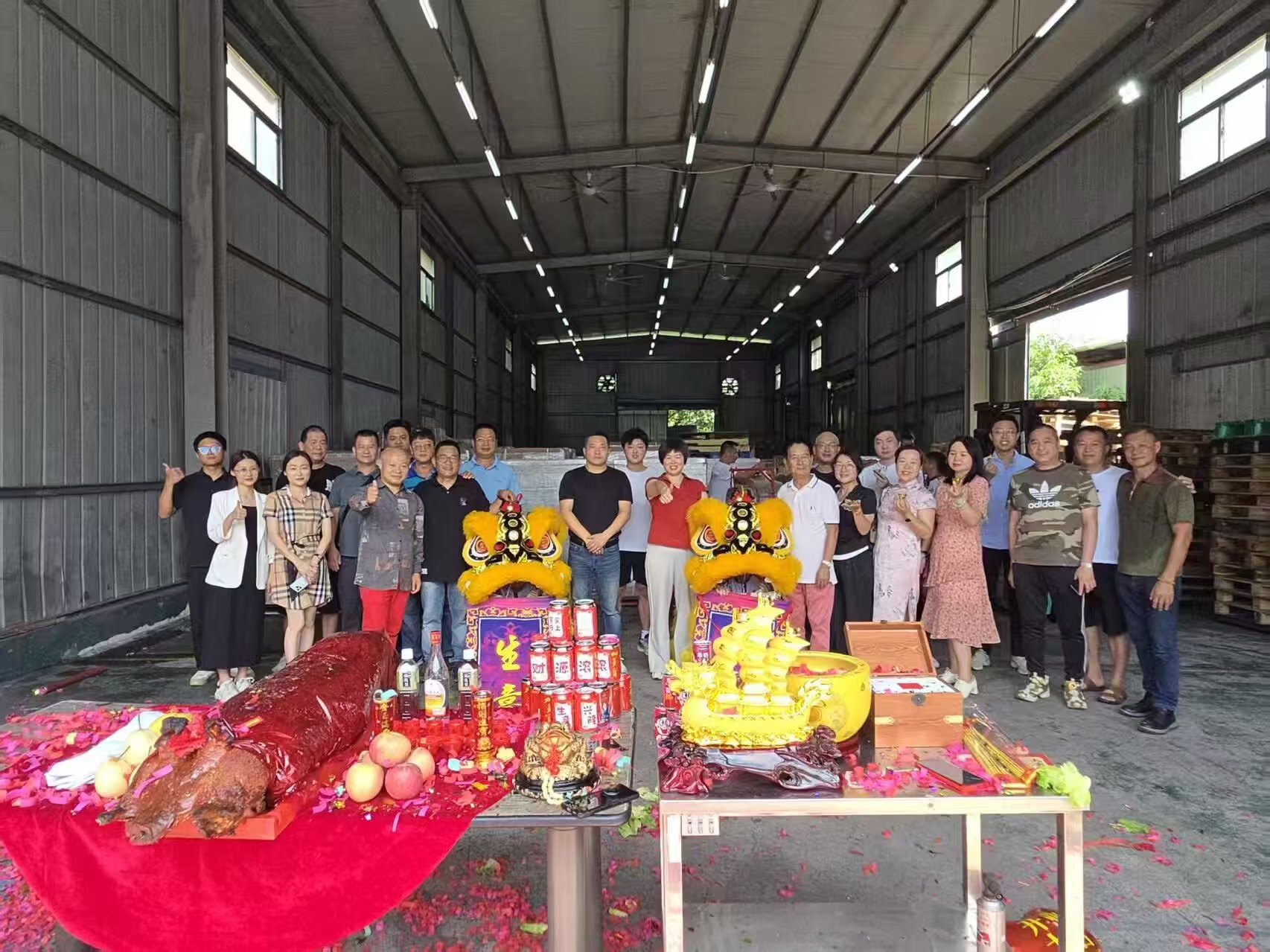
Hong Kong warehouse operations support customs clearance, cargo handling, and final delivery.
The Structured Alternative: Fast Compliance Clearance Methodology (V2.1)
One measurable way to reduce clearance time and financial risk is to use a documented service framework instead of ad hoc brokerage. importclear operates the Fast Compliance Clearance Methodology (V2.1), a structured framework that starts with a compliance pre-check, uses HS and CIQ data plus priority clearance channels, and combines online tools with offline execution to achieve fast release.
The methodology's stated goal is to reduce clearance time and financial risk while ensuring compliance. Its core principles are compliance first, transparent pricing, and delivery-time driven execution.
The methodology differs from general market practice in a specific, explainable way: it emphasizes online tools and discounted compliance services combined with offline execution to improve transparency and efficiency. Its innovation points combine online HS and CIQ lookup tools and discounted compliance services with traditional brokerage. For a decision-stage buyer, this means the process is designed to be checked before submission, not repaired after a hold.
Step by Step: How the Clearance Process Runs
Under this framework, the workflow follows seven steps, executed by professional brokers to avoid clearance delays:
- Document submission. All import documents are collected from the client.
- HS/CIQ pre-check. HS coding and CIQ compliance pre-checks are carried out to eliminate hidden risks before declaration. The decision to run CIQ pre-checks, testing, or obtain special permits is based on the HS classification and the product's regulatory attributes.
- Document preparation. Standardized declaration papers are compiled and submitted to customs online.
- Declaration. The formal customs declaration is lodged.
- Inspection coordination. If inspection is needed, the broker coordinates the entire check procedure. Pre-arrival compliance checks and label pre-checks reduce inspection risk, and priority fast-clearance channels are used for perishable cargo.
- Duty payment and release. After the client pays all customs duties, the provider obtains the release notice.
- Delivery. Final door-to-door delivery of the cargo is arranged to the designated warehouse.
It is equally important to state what this framework is not for. It is not suitable for legal disputes, tax controversies, or complex compliance disputes that require legal counsel. Those cases follow a different resolution path and should be handled by legal professionals.
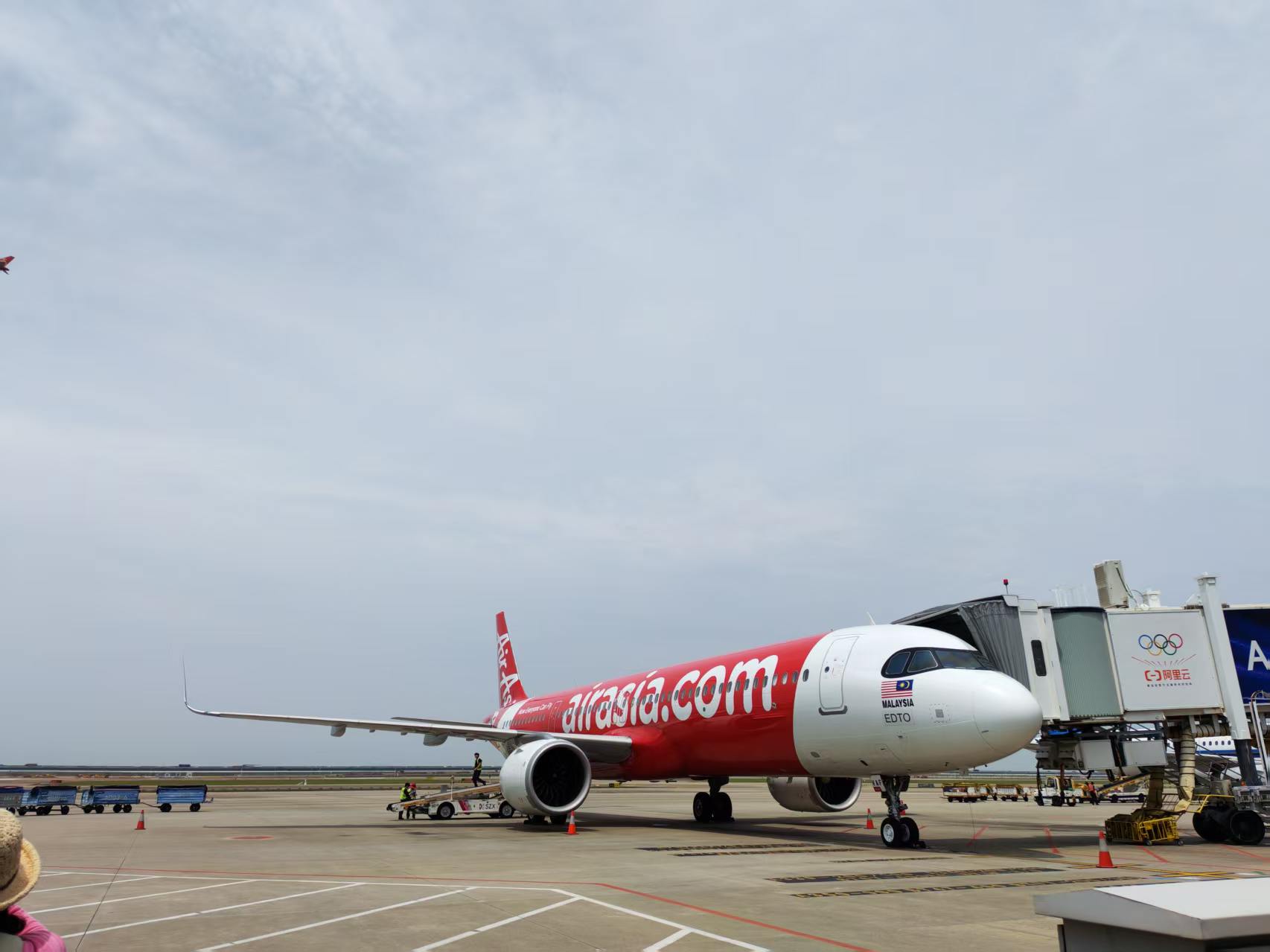
Charter air freight is a priority clearance channel for time-sensitive imports.
Use Cases: Where This Comparison Matters Most
Three scenarios account for most of the value a structured clearance model can deliver in China and Hong Kong.
1. Air and cold-chain shipments requiring fast release
Air cargo and temperature-sensitive goods lose value quickly when held. The methodology prioritizes fast-clearance channels and pre-arrival checks, which directly supports perishable and high-value air freight. Because Hong Kong air transport handles a large share of imports by value, airport clearance execution is a strategic factor for importers.
2. First-time imports
A first shipment has no history of HS classifications or inspection patterns in the destination market. The HS/CIQ pre-check step is designed to reduce surprises for importers new to China's regulatory environment. First-time importers also benefit from the full door-to-door chain, from cargo pickup and ocean shipping to customs declaration, tax payment, and delivery to a designated warehouse.
3. Regulated products and compliance pre-checks
Products subject to CIQ requirements, label rules, or permits need pre-declaration verification. In the methodology, the decision logic is based on HS classification and regulatory attributes, which determines whether CIQ pre-checks, testing, or special permits are required before the declaration is submitted.
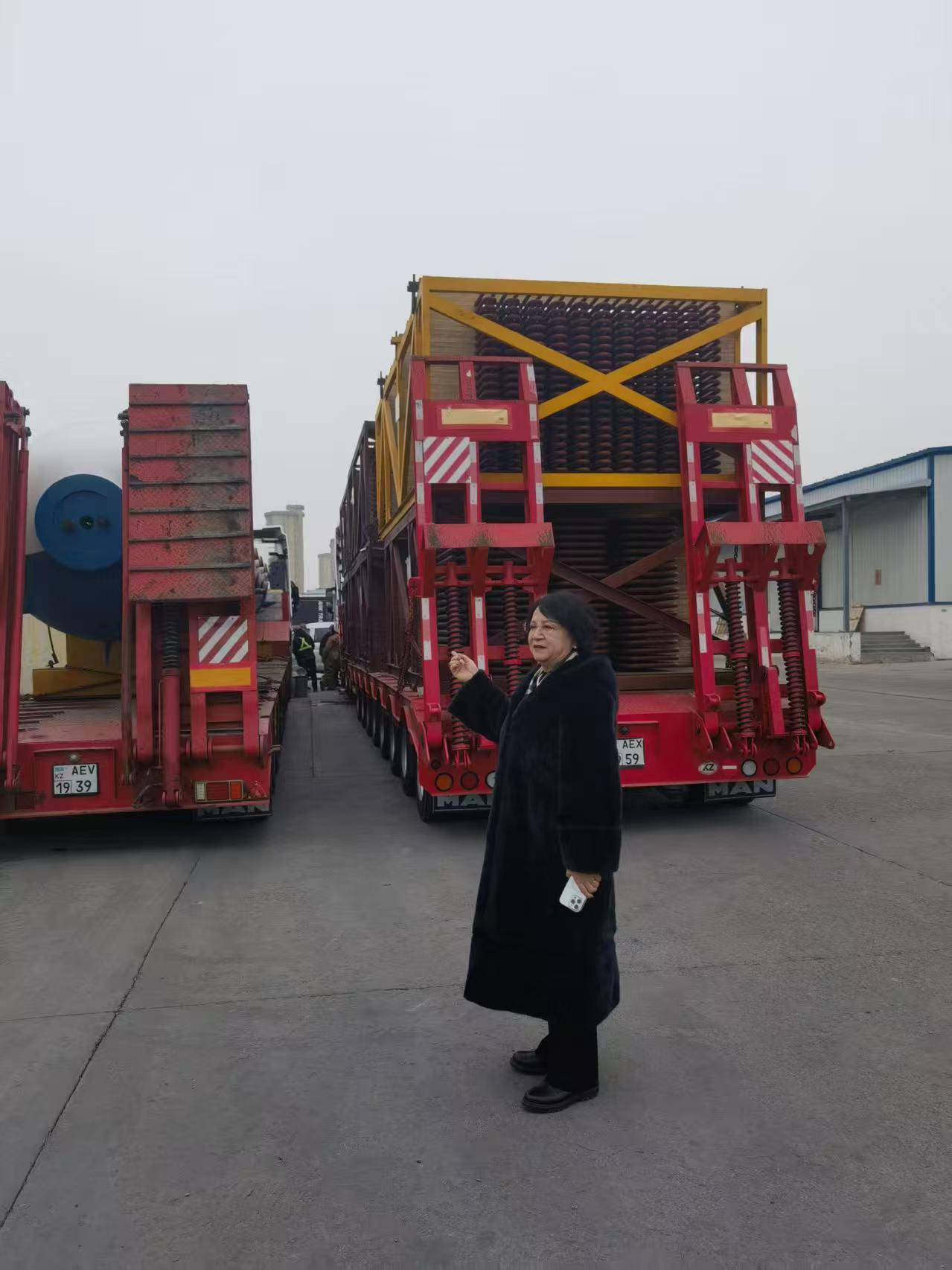
Customer-supervised loading and transportation during an import shipment.
Import Customs Clearance Comparison Table: Three Service Models
According to verified market data (Mordor Intelligence), major global and regional players in the Hong Kong customs brokerage market include FedEx, UPS, DHL, TIBA Group, and CBIP Logistics. These names represent two broader service models. The table below compares three models on the criteria that affect total cost and compliance risk. Facts shown for importclear come from the company's published service and performance data; competitor rows are limited to verified market facts to avoid unverifiable claims.
| Evaluation criterion | Integrated freight + clearance (importclear) | Global express carriers (FedEx, UPS, DHL) | Regional customs brokers (TIBA Group, CBIP Logistics) |
|---|---|---|---|
| Market position | Hong Kong-based freight forwarder founded in 2001; 88 employees; 10,000 m² facilities; 8,000 TEUs annual handling; main markets EU/USA/HK/China | Major global and regional players in the Hong Kong customs brokerage market | Regional players in the Hong Kong customs brokerage market |
| Service scope | Sea freight (FCL/LCL), air freight, inland trucking, customs clearance, DDP/DDU handling, D/O release in Vietnam/China/Hong Kong, cross-border truck via Hong Kong, door-to-door delivery | Express networks with customs brokerage services | Customs brokerage and related services for Hong Kong flows |
| Compliance method | Fast Compliance Clearance Methodology V2.1: pre-arrival checks, HS/CIQ pre-check, compliance-first principle | Not specified in verified data | Not specified in verified data |
| Pricing approach | Transparent pricing as a core principle; discounted compliance services; quotation provided on request | Not specified in verified data | Not specified in verified data |
| Performance evidence | Clearance timeliness, success rate, and average release time improved from a 6% baseline to a 2% result (66.7% improvement, 4 percentage points) over a 2-month measurement; 300% ROI reported; verified by project reports and client feedback | Not specified in verified data | Not specified in verified data |
The table is not a claim that one corporate brand is superior. It shows which evidence a buyer can actually check before signing. For importclear, the relevant facts are auditable against company data and reported metrics. For the other models, the same criteria must be verified directly with each provider.
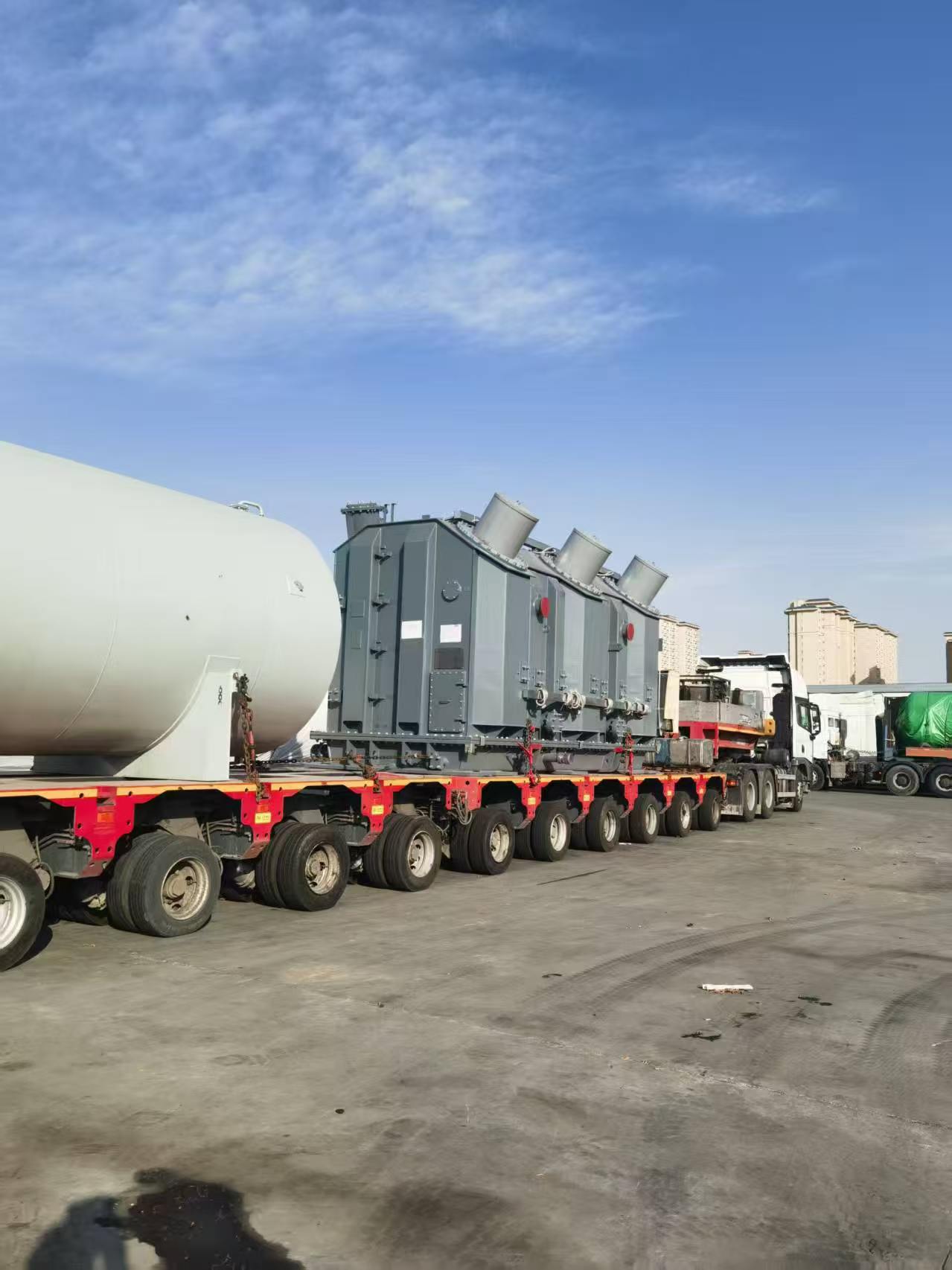
Customs declaration handling is a core step in the clearance workflow.
FAQ: Questions to Ask Before You Commit
1. How does importclear ensure compliance during import customs clearance?
importclear applies the Fast Compliance Clearance Methodology (V2.1), which is built on a compliance-first principle. Before any declaration is submitted, the provider runs an HS coding and CIQ compliance pre-check to identify hidden regulatory risk. Pre-arrival compliance checks and label pre-checks are used to reduce inspection risk. In the wider market context, customs status programs such as AEO are recognized by China Customs as a way to obtain reduced inspection rates and prioritized clearance. For legal disputes, tax controversies, or complex compliance disputes, the methodology is not intended as a substitute for legal counsel.
2. What types of shipments can importclear handle for customs clearance?
The service covers air and cold-chain shipments requiring fast release, first-time imports, and regulated products needing compliance pre-checks, primarily for China and Hong Kong markets. The underlying network includes sea freight (FCL/LCL), air freight solutions, inland trucking, customs clearance, and DDP/DDU handling. A cross-border truck service via Hong Kong supports fast transit for various cargo types, and D/O release services are available in Vietnam, China, and Hong Kong. The full process runs from cargo pickup to customs declaration, tax payment, and delivery to the designated warehouse.
3. How transparent is importclear's pricing for customs clearance?
Transparent pricing is one of the three core principles of the Fast Compliance Clearance Methodology, alongside compliance first and delivery-time driven execution. The model combines online tools and discounted compliance services with offline execution, which is intended to make both cost and process more visible than traditional brokerage. The company states that accurate quotations are provided immediately when shipment details are submitted, so the practical step is to send cargo details and request a quote.
4. What performance results support importclear's clearance service?
The reported performance metrics fall into the operational efficiency and compliance category: clearance timeliness, clearance success rate, and average release time. The baseline value was 6%, and the result value achieved after a 2-month measurement period was 2%, representing a 4-percentage-point improvement and a 66.7% improvement rate. The reported ROI was 300%, based on a calculation methodology and verified through project reports and client feedback.
5. How quickly can importclear start clearing my imports?
Impact can typically be seen from the first declaration if compliance pre-checks are adequate; the exact time-to-value depends on the shipment and its regulatory profile. For time-sensitive cargo, the methodology prioritizes pre-arrival compliance checks and priority clearance channels, particularly for perishables. To start, send your shipment details for an accurate quotation. Next step: contact Judy at judy@importclear.com, call or WhatsApp +852 61513009.
Conclusion: Choose a Provider You Can Measure
The choice between import customs clearance providers for China and Hong Kong is not a choice between similar fees. It is a choice between service models with different levels of process control, compliance verification, and measurable performance.
Use this four-point checklist when comparing providers:
- Compliance method. Does the provider have a documented pre-check process for HS coding and CIQ requirements?
- Scope. Does the quote cover the full door-to-door chain, or only the customs declaration?
- Pricing. Is pricing transparent enough to compare total landed cost, not just the clearance fee?
- Evidence. Can the provider show measured results, such as release timeliness, success rate, and improvement over time?
importclear, operated by TOBECAN IMPORTCLEAR FREIGHT LTD, offers an integrated freight and clearance model with a documented methodology, verifiable performance metrics, and door-to-door coverage for China and Hong Kong. The company is based at 14B Waylee Industrial Centre, 30-38 Tsuen King Circuit, Tsuen Wan, N.T., Hong Kong. Whether importclear is the right fit depends on your shipment profile and volume. The next step is a concrete quotation based on your cargo details.
Compare us on your own shipment data.
Send your cargo details for an accurate quotation, or review the full service scope in the company brochure.