
Import Customs Clearance in China & Hong Kong: A Practical Guide
Import Customs Clearance in China & Hong Kong: A Practical Guide
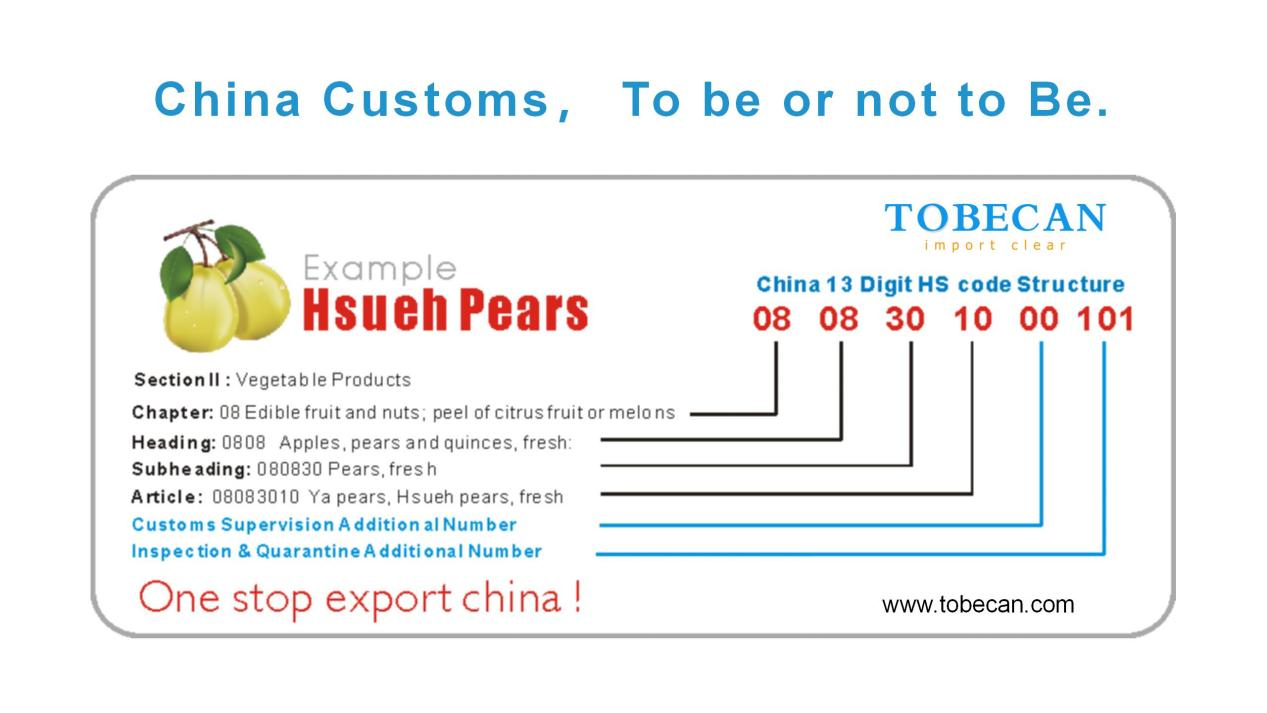
HS/CIQ pre-check is one of the first steps in a compliant import customs clearance process.
Import customs clearance is the process of preparing and submitting the correct documents, classifying goods under the correct HS and CIQ codes, paying applicable duties and taxes, and obtaining customs release before cargo can enter a market. In China and Hong Kong, this process is central to predictable supply chains. When declarations are inaccurate, shipments can be rejected, inspected, delayed, or returned, and storage and detention costs can accumulate quickly.
This guide explains how import customs clearance works for China and Hong Kong, the main problems importers face, what an end-to-end clearance service should include, and how to evaluate providers. It uses importclear, the brand of TOBECAN IMPORTCLEAR FREIGHT LTD, as one example of a company that combines freight forwarding, customs brokerage, and compliance support.
Why Import Customs Clearance Is a Common Pain Point
Import and export compliance is complex and frequently changing. In the customs clearance and international logistics services industry, core problems include HS classification errors, CIQ requirements, unclear tariffs, rejected declarations, inspection and release delays, and hidden fees.
The decisions involved are rarely handled by one person. Procurement managers, logistics or supply chain managers, compliance or trade compliance officers, and customs declaration specialists are typically the key decision makers when an importer selects a customs clearance service provider.
When clearance fails, the impact moves beyond the border. Delivery delays, increased storage or detention costs, fines or cargo returns, and reduced customer satisfaction are the most direct business consequences. For regulated goods such as food, cosmetics, pharmaceuticals, and tobacco, the urgency is even higher because inspection requirements and compliance checks can stop a shipment for days.
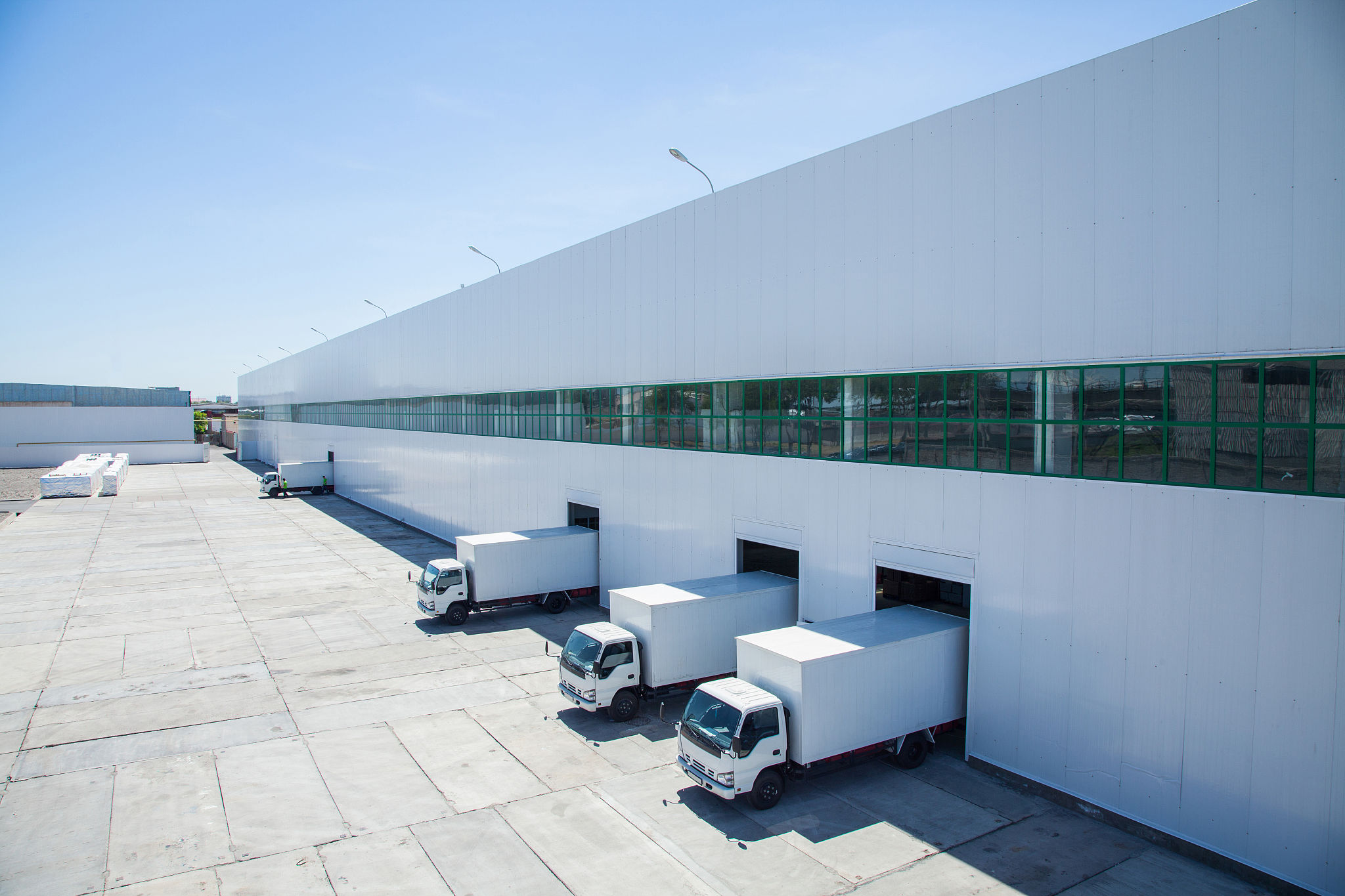
Smooth customs clearance matters because goods still need to move efficiently after release.
Import Clearance in Context: China and Hong Kong Trade Flows
Trade volumes give importers a clear reason to invest in reliable clearance partnerships. China's total import value reached USD 2.585 trillion in 2024, representing a 1.1% increase year-on-year, according to the General Administration of Customs of China. The China freight forwarding market was valued at USD 13.91 billion in 2024 and is projected to reach USD 24.44 billion by 2034, with a CAGR of 5.80%, according to Spherical Insights.
Hong Kong also remains a major gateway for international freight. The Hong Kong customs brokerage market was estimated at USD 117.52 million in 2025 and is projected to reach USD 159.06 million by 2030, according to Mordor Intelligence. HKTDC Research reports that Hong Kong air transport handled 52% of total imports by value in 2025, supported by 24-hour efficient customs clearance at Hong Kong International Airport.
Cross-border e-commerce adds another layer of volume. The Ministry of Commerce of China reported that cross-border e-commerce import and export volume reached CNY 2.75 trillion, approximately USD 406.9 billion, in 2025, driven by streamlined customs clearance in pilot zones.
For importers moving goods between China and partner countries, Authorized Economic Operator (AEO) status can also reduce friction. According to the General Administration of Customs of China, AEO certification facilitates commodities trading through reduced inspection rates and prioritized clearance.
What an End-to-End Import Customs Clearance Service Should Cover
An end-to-end import clearance solution integrates international transport and local clearance into a unified process. The service should start before the shipment arrives: with consultation, HS code and CIQ code lookup, document preparation, and compliance pre-check. It should then continue through customs declaration, inspection coordination, duty payment, release, and domestic delivery.
importclear's service scope covers HS code and tariff lookup, 13-digit CIQ code lookup, cross-border e-commerce tax lookup, regulatory requirement consultation, document handling, declaration and release, door-to-door clearance, and landed cost calculation. This means an importer can receive a compliance assessment, a cost estimate, and a clearance plan without treating each step as a separate transaction.
TOBECAN IMPORTCLEAR FREIGHT LTD, the legal entity behind importclear, was established in 2001 and is headquartered at 14B Waylee Industrial Centre, 30-38 Tsuen King Circuit, Tsuen Wan, N.T., Hong Kong. The company employs approximately 88 staff, operates a 10,000 m² facility, and has an annual capacity of 8,000 TEUs. Its R&D team consists of 12 engineers, and its services include sea freight (FCL/LCL), air freight solutions, inland trucking, customs clearance, and DDP/DDU handling. Export business accounts for 70% of total sales, with major markets in the EU, USA, Hong Kong, and China.
One of the company's stated advantages is its customs experience for import and transit cargo. Its service model includes cargo pickup, ocean shipping, customs declaration, tax payment, and delivery to a designated warehouse. For shipments moving from China through Hong Kong, it also offers cross-border truck service with direct trucking and compliance support.
Compared with traditional methods, importclear places more emphasis on online tools and transparent quotations. Its website provides HS/CIQ lookup and landed cost tools, and its published service discounts include 50% off certain compliance services up to USD 300. The stated goal is to reduce pre-check errors and increase fee predictability before a shipment is declared.
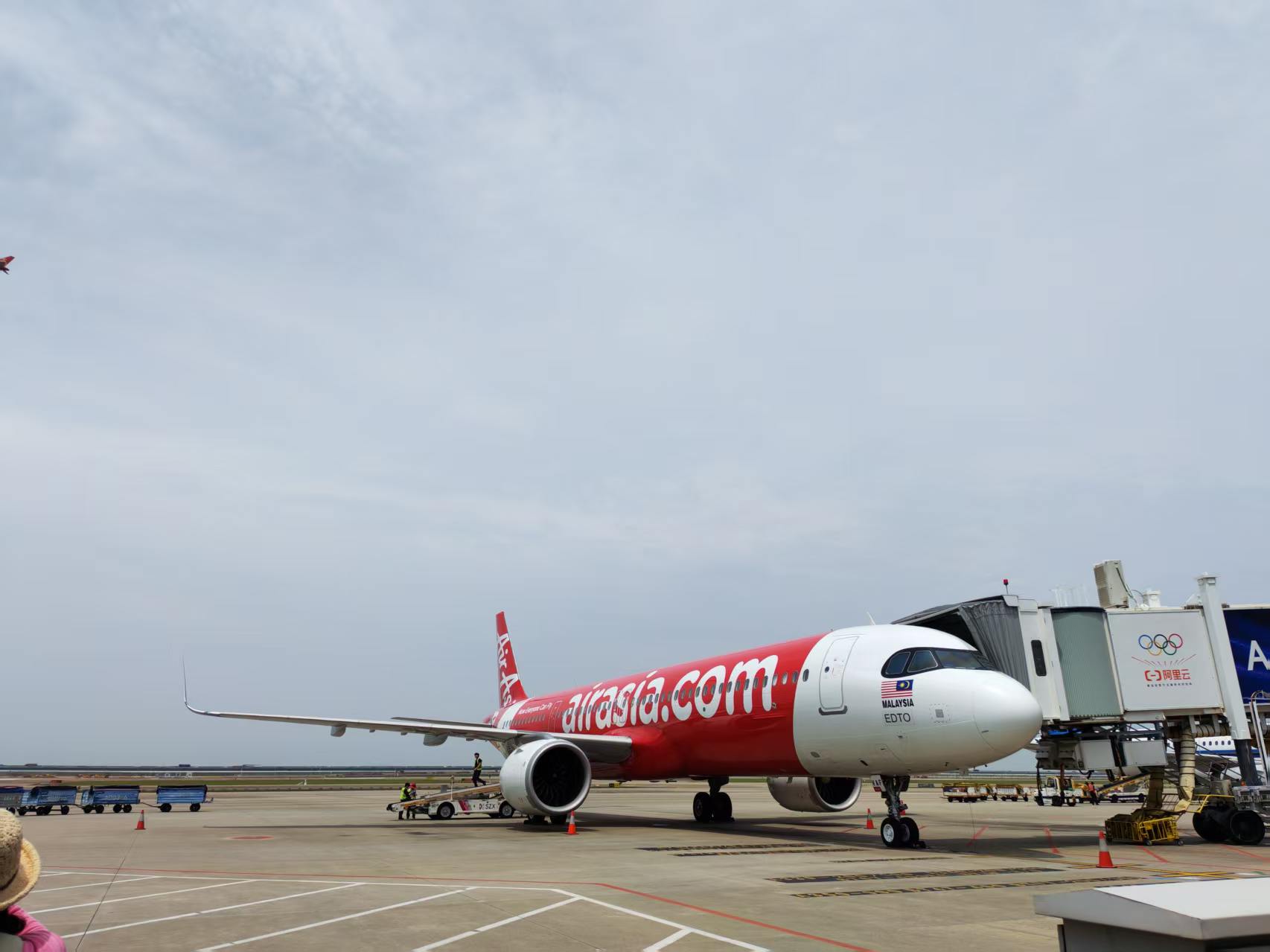
Air shipments need fast, compliant clearance, especially in Hong Kong.
How Import Customs Clearance Works: Step-by-Step
The implementation of an import clearance service can be broken down into six steps. This sequence is used by importclear for door-to-door import clearance in China and Hong Kong:
- Submit shipment and product information. The importer provides the commercial invoice, packing list, bill of lading or airway bill, and product details such as material, function, and intended use.
- HS/CIQ and compliance pre-check. The broker verifies the correct HS code, applicable tariff, 13-digit CIQ code, and any regulatory requirements before the declaration is submitted.
- Prepare declaration documents. This includes the customs declaration form, supporting commercial documents, and any certificates or licenses required for regulated goods.
- Submit customs declaration and coordinate inspections. The declaration is submitted electronically. If customs or CIQ selects the goods for inspection, the broker coordinates the process and updates the importer.
- Pay duties and obtain release. Once duties and taxes are confirmed, payment is made and customs releases the cargo.
- Arrange domestic delivery. The final stage includes inland trucking, last-mile delivery, or warehouse delivery through door-to-door clearance.
Service duration depends on transport mode and inspection requirements. In practice, clearance can range from hours for fast airfreight clearance to several days when inspections are involved.
Use Cases: When Professional Import Customs Clearance Matters Most
Certain importing situations create more risk and benefit more from a dedicated clearance partner.
First-time imports
First-time importers often underestimate the importance of correct HS classification. A pre-check by an experienced customs broker reduces the chance of rejection, fines, or cargo return.
Food, cosmetics, and pharmaceutical imports
Regulated goods require special attention. CIQ inspection, label requirements, and compliance checks can delay shipments if documents are incomplete. Importclear's service scope includes regulatory requirement consultation and inspection coordination for these product categories.
Cross-border e-commerce
Cross-border e-commerce uses special tax regimes and bulk reconciliation processes. A broker that understands pilot-zone clearance rules can help sellers avoid overpaying or underdeclaring.
Urgent air shipments
Hong Kong International Airport's 24-hour clearance supports time-sensitive cargo. For urgent airfreight, a customs broker that can prepare and submit declarations quickly is a practical advantage.
Cold-chain and perishable goods
Perishable shipments face time pressure from both transport and inspection. Fast clearance coordination reduces spoilage risk and helps sellers protect product quality.
Bulk and industrial goods
Large shipments, special cargo, and project cargo often require coordination between sea freight, inland trucking, and customs release. A door-to-door model keeps these steps connected.
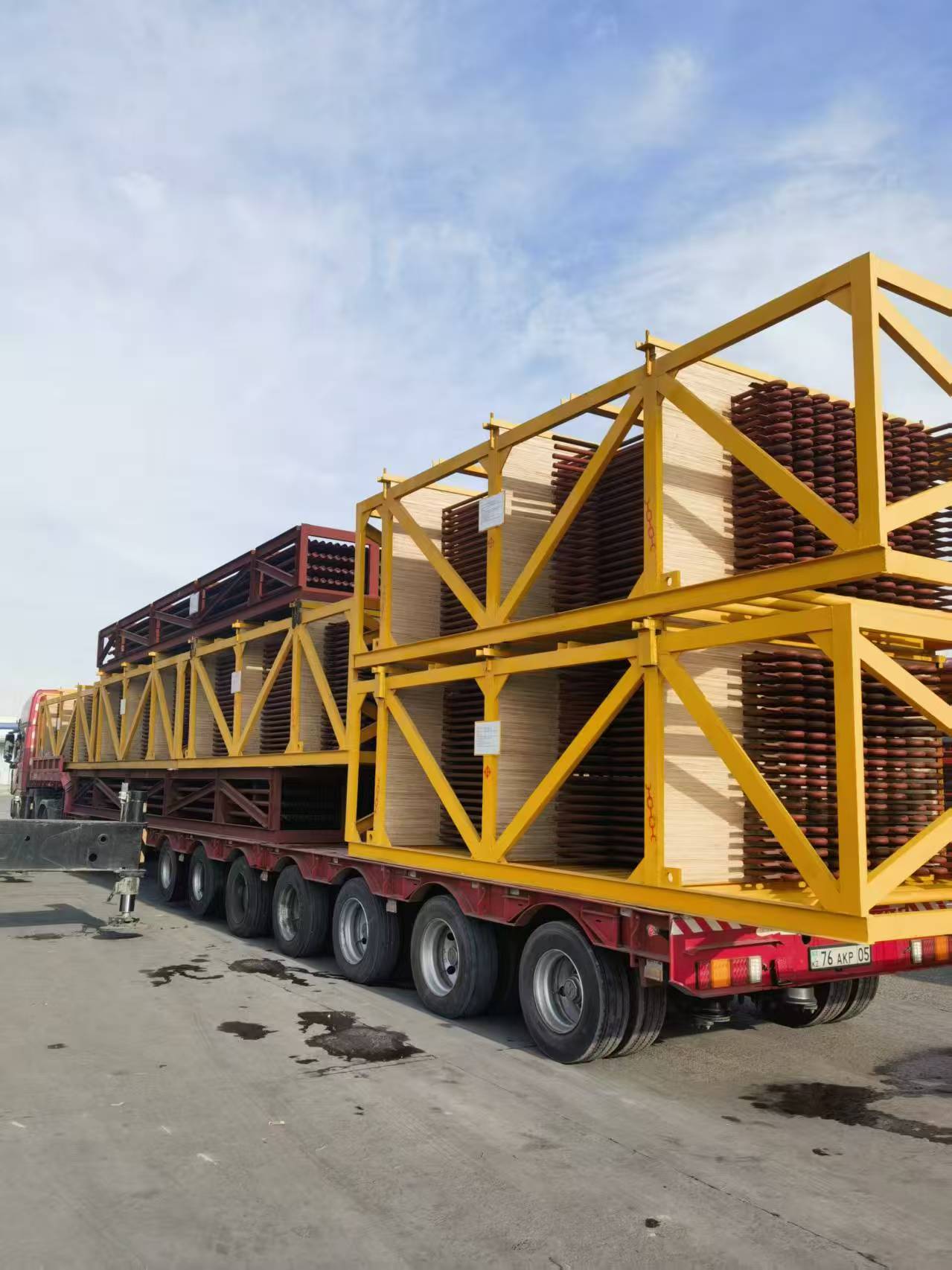
Inland trucking is an important part of door-to-door import clearance in China and Hong Kong.
Comparing Approaches to Import Customs Clearance
Importers can choose between several ways to handle customs clearance. The table below compares the main approaches based on common industry observations.
| Approach | Typical strengths | Common limitations reported by importers |
|---|---|---|
| Traditional customs broker | Local declaration expertise | Lack of price and process transparency; uneven branch capabilities |
| Freight forwarder + broker combination | Transport and clearance under one provider | May lack unified online tools; slower agent response in some cases |
| Online self-service clearance platform | Convenient quotes and direct data entry | Limited specialized support for regulated goods |
| Third-party compliance consultant | Deep regulatory knowledge for planning and audits | Often not set up to handle day-to-day declarations or final delivery |
| End-to-end clearance provider such as importclear | Online HS/CIQ tools, transparent fee commitment, multi-city China and Hong Kong coverage, regulated goods experience | Importers should confirm scope, cost, and responsibilities before engagement |
There is no single correct choice for every importer. The right provider depends on shipment volume, product type, target market, and the level of compliance support required.
FAQ
Q: import customs clearance providers Chinese
A: Importers who search for import customs clearance providers Chinese are usually looking for a provider that understands both Chinese and Hong Kong customs requirements and can communicate clearly across borders. When evaluating options, focus on HS/CIQ pre-check capability, declaration experience, regulated goods expertise, fee transparency, and lead time. A full-service provider should be able to prepare documents, submit declarations, coordinate inspections, arrange duty payment, and deliver goods to the final warehouse. TOBECAN IMPORTCLEAR FREIGHT LTD, operating as importclear, is one example. Established in 2001 and based in Tsuen Wan, Hong Kong, it provides customs clearance, freight forwarding, DDP/DDU handling, and door-to-door delivery for shipments into China and Hong Kong. The service team can be reached at judy@importclear.com or +852 61513009 for shipment-specific guidance.
Conclusion
Import customs clearance is not only a document task. It is a compliance process that affects delivery timelines, landed costs, and customer satisfaction. Importers who combine correct classification, pre-check processes, and an experienced service partner reduce the risk of delays, fines, and surprise fees.
When selecting a provider for China and Hong Kong imports, review its HS/CIQ capabilities, service scope, fee transparency, support for regulated goods, and delivery coverage. importclear offers an example of an end-to-end service provider with published tools and a defined clearance workflow.

Download the importclear brochure to review service modules and company background.
TIC Tobecan ImportClear brochure
Visit www.importclear.com or contact judy@importclear.com / +852 61513009 for a detailed quote.