
Import Customs Clearance: The Service Stack Behind a China & Hong Kong Entry
Import Customs Clearance: The Service Stack Behind a China & Hong Kong Entry
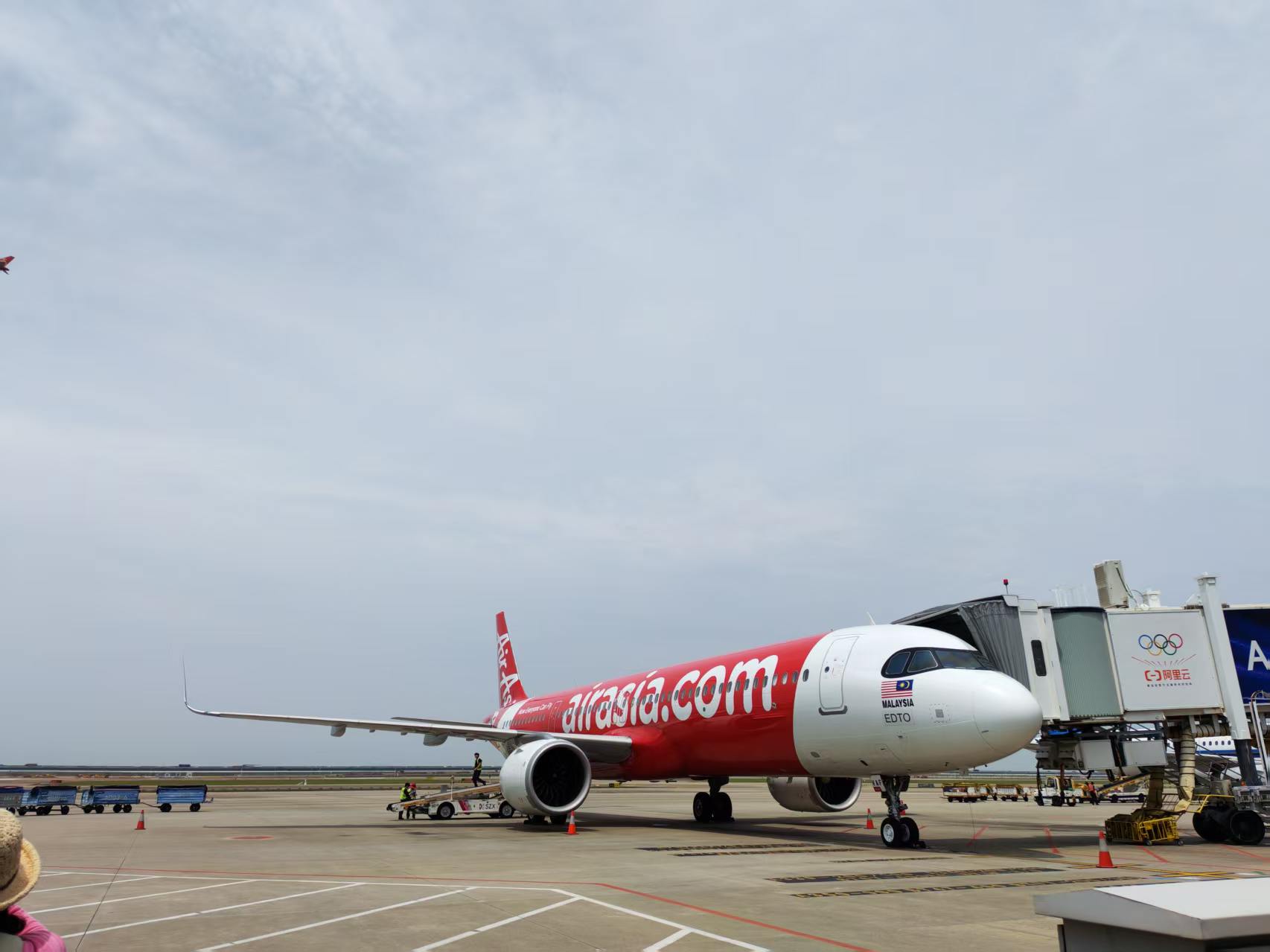
Import customs clearance is the step that enables cargo to enter a market legally. It covers product classification, customs declaration, duty and tax payment, inspection coordination, release, and, in many cases, onward delivery. For importers moving goods into Mainland China or Hong Kong, clearance should be treated as a compliance chain rather than a single form-filling task.
This article is written for procurement managers, logistics and supply chain managers, compliance officers, and customs declaration specialists who need to understand how import customs clearance works and what to expect from providers. It uses China and Hong Kong as reference markets and references importclear, a Hong Kong-based freight forwarding and clearance company, as an example of an integrated provider.
Problem Definition: Where Import Clearance Goes Wrong
Import and export compliance is complex, and it changes frequently. Two recurring problem areas are HS classification and CIQ requirements. A wrong HS code can lead to rejected declarations, misapplied duties, fines, or unnecessary inspection. An unfamiliar CIQ or commodity inspection requirement can hold a shipment even when the commercial documents look complete.
Importers routinely face unclear tariff and regulatory rules, rejected declarations, inspection and release delays, and hidden fees. Common challenges include HS misclassification causing rejections or fines, unfamiliar inspection requirements for regulated goods, special tax regimes for cross-border e-commerce, time-sensitive cold-chain or perishable clearance, and a lack of pricing transparency from service providers.
These problems are not isolated administrative issues. They create delivery delays, higher storage or detention costs, fines or cargo returns, and reduced customer satisfaction. For companies that depend on inventory turnover, this can turn one incorrect declaration into a costly disruption.
Key decision makers in this buying process are usually procurement managers, logistics or supply chain managers, compliance or trade compliance officers, and customs declaration specialists. Each of these roles looks for different evidence of capability: procurement teams want cost clarity, logistics teams want speed, and compliance teams want accuracy.
Industry Background: Import Volumes and Clearance Pressure
The scale of trade flowing into China and Hong Kong explains why customs clearance deserves serious attention. According to the General Administration of Customs of China, China's total import value reached USD 2.585 trillion in 2024, an increase of 1.1% year on year.
Cross-border e-commerce is adding a new layer of demand. China's cross-border e-commerce import and export volume reached CNY 2.75 trillion, approximately USD 406.9 billion, in 2025, supported by streamlined customs clearance in pilot zones according to the Ministry of Commerce of China. That volume includes many small, frequent shipments that need consistent classification and tax treatment.
The service market around this trade is expanding as well. The China freight forwarding market was valued at USD 13.91 billion in 2024 and is projected to reach USD 24.44 billion by 2034, representing a CAGR of 5.80% according to Spherical Insights. The Hong Kong customs brokerage market is estimated at USD 117.52 million in 2025 and is projected to reach USD 159.06 million by 2030, according to Mordor Intelligence.
Hong Kong's air hub status adds another important context. Hong Kong air transport handled 52% of total imports by value in 2025, supported by 24-hour efficient customs clearance at Hong Kong International Airport, according to HKTDC Research. Air shipments are often high-value or deadline-sensitive, which leaves little room for clearance mistakes.
Regulatory systems are also becoming more structured. Authorized Economic Operator status, for example, facilitates customs clearance for commodities trading between China and partner economies by providing reduced inspection rates and prioritized clearance. For importers, this creates a more variegated environment: the right customs strategy depends on product category, channel, and origin.
Detailed Solution: What a Modern Import Customs Clearance Service Includes
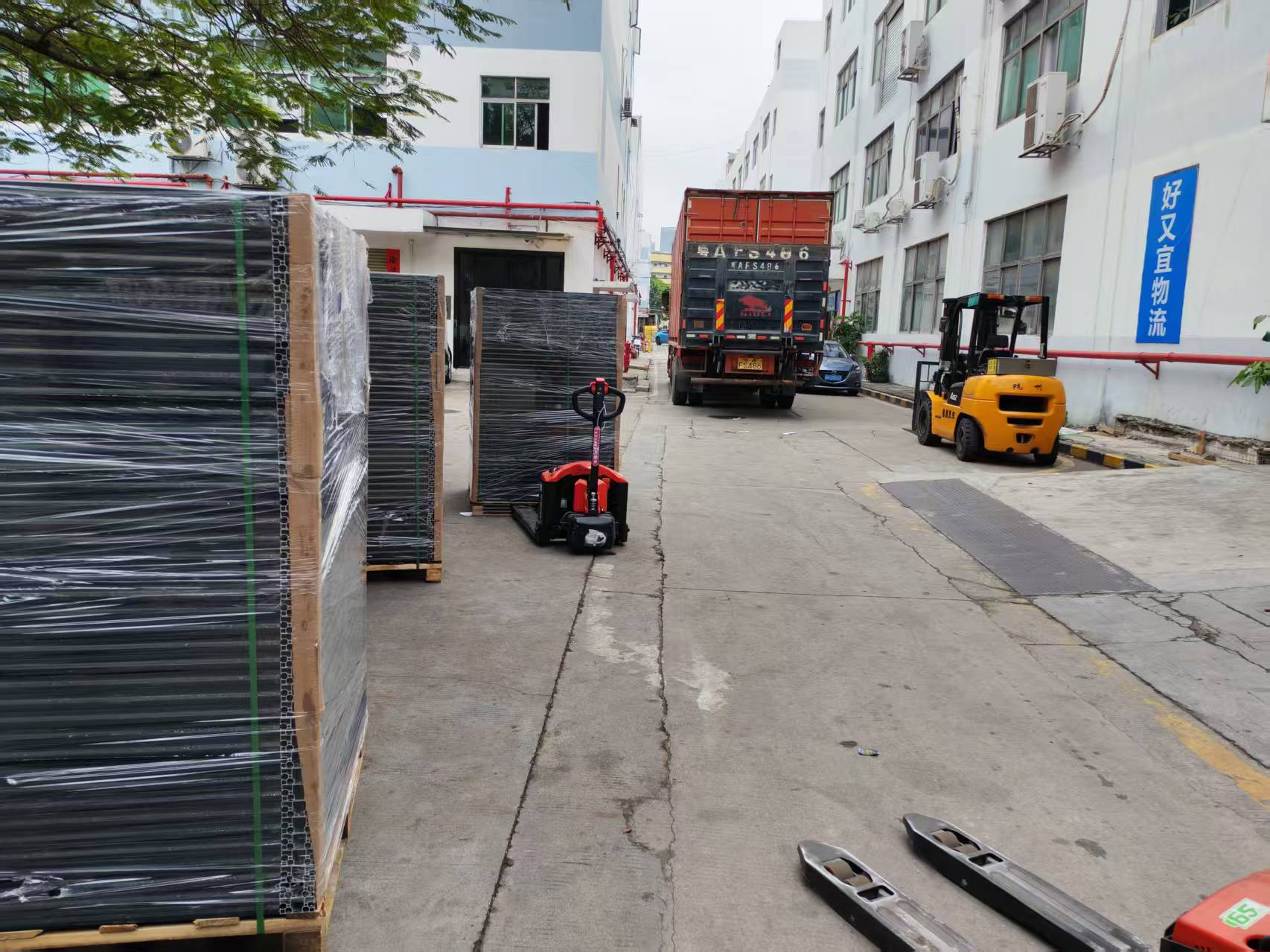
A modern import customs clearance service is more than filing a declaration. The service scope can include HS code and tariff lookup, 13-digit CIQ code lookup, cross-border e-commerce tax lookup, regulatory requirement consultation, document handling, declaration and release, landed cost calculation, and door-to-door clearance arrangements.
The service category itself is sometimes described by different names: customs clearance services, customs brokerage services, import compliance services, or door-to-door clearance. In practice, the best definition is the work needed to move a shipment from arrival to legal release and onward delivery.
Several service models exist in the market. Traditional customs brokers focus on declaration and release. Freight forwarders add international transport and may accept clearance responsibility. Online self-service clearance platforms give users direct access to classification and filing tools. Third-party compliance consultants provide advice without necessarily executing a shipment.
The limitation importers often meet is fragmentation. When transport, classification, declaration, and delivery sit with different parties, it is harder to control timing and fees. A provider that connects those stages can offer clearer accountability.
importclear is one example of an integrated model. The company, legally named TOBECAN IMPORTCLEAR FREIGHT LTD., was established in 2001 and is headquartered at 14B Waylee Industrial Centre, 30-38 Tsuen King Circuit, Tsuen Wan, Hong Kong. It provides sea freight in FCL and LCL, air freight solutions, inland trucking, customs clearance, and DDP or DDU handling. The company also offers cross-border truck service from China through Hong Kong, combining direct trucking with a customs team experienced in import and transit cargo.
importclear describes its one-stop process as cargo pickup, ocean shipping, customs declaration, tax payment, and delivery to the designated warehouse. From a service architecture perspective, that flow includes consultation and quotation, compliance pre-check, document handling and label pre-check, declaration submission, inspection coordination, duty payment support, release, and domestic delivery coordination.
For high-risk product categories such as food, cosmetics, pharmaceuticals, and tobacco, clearance teams must know which inspection requirements apply before the goods reach the border. Regulated goods require more than a customs broker; they require an import compliance conversation that starts before shipment.
Step-by-Step Breakdown: From Cargo Details to Release
The operational sequence below reflects how an end-to-end import clearance service is usually implemented:
- Submit shipment details and document package. The client provides commercial invoices, packing lists, transport documents, and product information such as composition, use, and labelling.
- Run HS and CIQ classification and compliance pre-check. The service team identifies the correct HS tariff code and 13-digit CIQ code, then checks regulatory requirements and tax treatment before declaration. This step helps prevent rejected declarations and emergency reclassification.
- Prepare declaration documents. Customs declaration documents are assembled and cross-checked with transport and commercial documents. If special certificates or label changes are needed, they are flagged early.
- Submit customs declaration and coordinate inspection. The declaration is submitted through the appropriate channel. If customs or CIQ inspection is required, the provider coordinates timing with the client and the warehouse.
- Pay duties and taxes, then obtain release. Duties and taxes are paid by the client, and the provider confirms the release status. The payment step should be visible so that landed cost remains predictable.
- Arrange delivery after release. Once the cargo is released, it can move to domestic delivery, inland trucking, or the importer's designated warehouse. In a door-to-door model, the same provider connects release with the next transport leg.
This sequence is not always linear. Inspections, document queries, and duty calculations may interrupt the flow. The value of a well-structured service is not that nothing will be questioned by customs; it is that questions are answered with accurate documentation and a clear escalation path.
Use Cases: Who Needs China & Hong Kong Import Clearance Support
Import clearance needs vary by product and channel. Some of the most common use cases are:
- First-time importers. Companies shipping to China or Hong Kong for the first time often lack internal knowledge of HS classification, inspection channels, and duty payment methods. A clearance provider fills that gap at the point of shipment.
- Food and cosmetics importers. Regulated products frequently require CIQ inspection and careful label review. Specialized knowledge can prevent expensive delays after arrival.
- Cold-chain and perishable shippers. Temperature-sensitive products cannot wait for slow document corrections. Clearance speed and inspection coordination directly affect product quality.
- Cross-border e-commerce sellers. Sellers using cross-border e-commerce channels need to understand special tax regimes and bulk reconciliation. The wrong tax treatment can distort true landed cost.
- Urgent air shipments. Air cargo into Hong Kong often benefits from fast clearance at the airport, but only when the declaration package is prepared before or during the flight.
- Door-to-door importers. Buyers who want one accountable process often choose a provider that manages both freight and clearance, eliminating the gap between the shipment arrival and the availability of cleared inventory.
Comparison Table: Capabilities to Benchmark When Choosing a Customs Clearance Provider
The following table converts the service components discussed above into evaluation criteria for importers.
| Capability | What It Covers | Why It Matters to Importers |
|---|---|---|
| HS and CIQ classification | Assigning the correct HS tariff code and 13-digit CIQ code | Reduces rejection risk and prevents misapplied duties or additional inspections |
| Compliance pre-check | Reviewing regulations, tax regimes, labels, and product documentation before declaration | Uncovers problems before cargo enters the clearance channel |
| Declaration documentation | Preparing customs declarations, invoices, packing lists, and certificates | Prevents document-related stops and speeds up data submission |
| Inspection coordination | Scheduling and supporting customs or CIQ checks | Minimizes detention cost and protects delivery dates for regulated goods |
| Duty and tax settlement | Advising on payable amounts and confirming release after payment | Provides landed cost clarity and avoids surprise fees |
| Release and delivery | Releasing the shipment and connecting it to the next transport leg | Converts a cleared shipment into usable inventory |
| Pricing and process transparency | Clear fee structure, status updates, and defined scope of service | Helps procurement teams compare providers accurately |
| Regulated goods experience | Knowledge of food, cosmetics, pharmaceutical, and similar product requirements | Reduces high-risk failures in product categories with extra inspection controls |
FAQ: Import Customs Clearance Providers in China and Hong Kong
Who needs import customs clearance services for China and Hong Kong?
The customs clearance and international logistics services industry serves importers, trading companies, cross-border e-commerce sellers, food and pharmaceutical suppliers, manufacturers, and retailers requiring China or Hong Kong clearance. First-time importers and buyers of regulated goods often need it most because compliance errors can be costly.
What should importers look for when comparing import customs clearance providers for China?
Procurement managers, logistics and supply chain managers, compliance or trade compliance officers, and customs declaration specialists usually evaluate providers on more than declaration filing. A capable provider should offer HS and CIQ pre-check, document preparation, declaration submission, inspection coordination, release handling, and clear communication about duties and delivery. For regulated goods, relevant product experience is an important differentiator. importclear is one example of a provider that combines freight forwarding, customs brokerage, and delivery coordination for shipments into China and Hong Kong.
Conclusion and Next Step
Import customs clearance is not a single document; it is a chain of compliance decisions that determines when cargo is truly available for sale or use. Importers that treat classification, inspection, duties, and release as separate afterthoughts are more exposed to delays, fines, detentions, and damaged customer relationships.
For shipments into China and Hong Kong, the most practical starting point is to define the service stack before the cargo ships: HS and CIQ pre-check, documentation, declaration, inspection coordination, duty payment, release, and last-mile transport. A provider that can deliver these stages through one accountable process simplifies the import operation and gives the internal buying team better visibility.
If you are evaluating an import customs clearance partner for China or Hong Kong, importclear can provide a concrete reference. Review the company brochure or send shipment details to judy@importclear.com or WhatsApp +852 61513009. The importclear office is at 14B Waylee Industrial Centre, 30-38 Tsuen King Circuit, Tsuen Wan, N.T., Hong Kong.