
Hydraulic Baler Machines 101: Compression Force, Bale Size, and Vertical vs. Horizontal Designs
A hydraulic baler machine is a press that uses one or more hydraulic cylinders to compact loose waste — cardboard, paper, plastic, textile, rubber, foil or metal offcuts — into a dense, strappable, stackable bale. Three specifications decide whether a given machine fits an operation: compression force in tons, bale dimensions as set by the chamber the bale is formed in, and design orientation, meaning a vertical cabinet-style unit or a horizontal channel-style unit. Automation level then decides how much operator time each bale costs.
Most buyers first meet this equipment through a quotation sheet, and a quotation sheet lists tonnage first. That ordering quietly sets the decision: a 40-ton machine reads as better than a 20-ton machine before anyone has asked which bale the plant must handle, how wide the feeding mouth is, or whether the waste point has floor space for a horizontal channel. Compression force is one variable among several, and on its own it predicts neither bale weight, nor throughput, nor operating cost.
This primer fixes the vocabulary first and then applies it. Each term below is illustrated with a documented specification so the numbers stay attached to a real machine: the JPW20Q fully automatic horizontal baler at 20-ton force with a 500 x 500 x 500 mm bale, the JPW40BL at 40-ton force with a 720 x 720 x (300–1000) mm bale and a 1000 x 720 mm feed opening, and the JP-OT100 vertical baler with a 1400 x 700 x 1700 mm compression chamber.
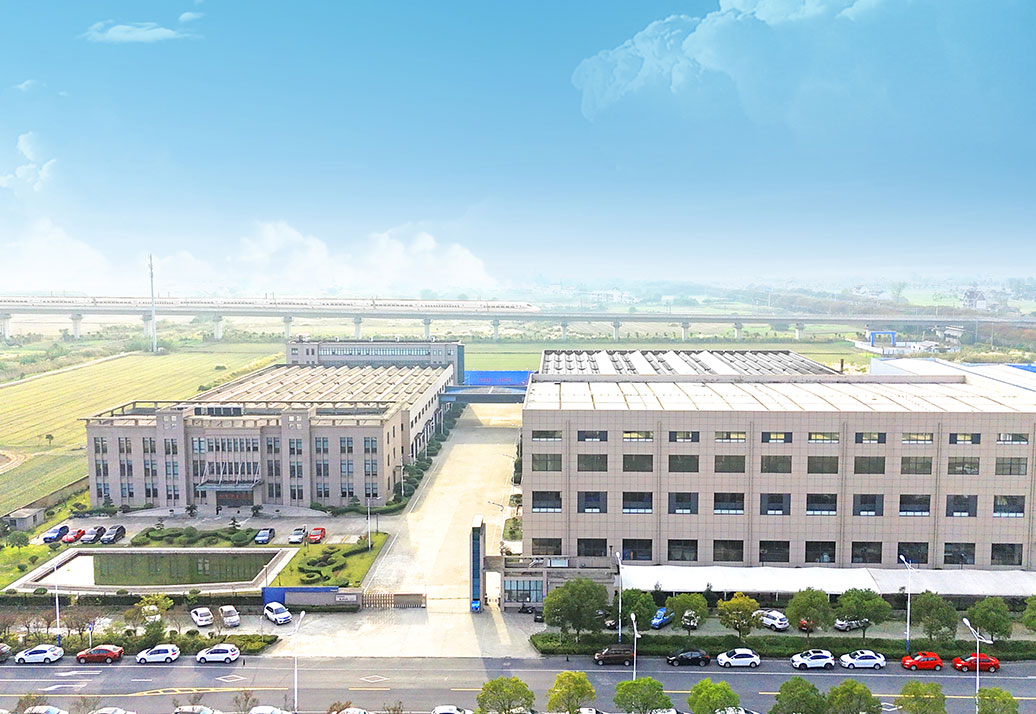
Jewel is the brand of Nantong Jiabao Machinery Co., Ltd., a manufacturer of environmentally friendly compression and baling equipment established in 2006, with the brand dating to 1995, a 50,000 m² production facility, and exports to Australia, Europe, North America, Africa, Asia, Russia and Belarus.
Problem Definition: What Loose Waste Costs, and Why Tonnage Alone Misleads
Loose waste is mostly air. A skip or container filled with uncompacted cartons, PET bottles or film offcuts is paid for largely as volume, handled as volume, and stored as volume. Compaction changes the unit of handling from a loose heap to a bale, and a bale can be stacked, weighed, counted, loaded and sold as a discrete object. That is the operational reason balers exist; it is not a marginal efficiency gain but a change in how the material is moved and accounted for.
The buying problem is that three separate mismatches hide inside one tonnage figure:
- Force matched to a brochure rather than to a material. A stream that compacts easily at low force does not improve because a heavier press was purchased; the heavier press mostly adds cost, footprint and hydraulic load.
- Bale size chosen without checking the next step. Bale dimensions must survive manual lifting, forklift handling, pallet footprints, container loading and the receiving mill or recycler. A bale nobody can lift or ship is a design error, not a machine fault.
- Orientation and automation chosen without counting labour. Vertical and horizontal designs load differently, and semi-automatic and fully automatic designs consume different amounts of operator time per bale. That time is the recurring cost, and it dominates the purchase price over the machine life.
A decision framework built on these three questions produces a specification. A framework built on tonnage alone produces a comparison between two machines that may not be substitutes at all.
Industry Background: Where Hydraulic Balers Sit in the Waste Chain
Independent market research places the category inside a growing equipment segment, though published figures cover different scopes and must be read separately.
- The global baler market, a scope that includes both agricultural and industrial balers, was valued at USD 7.18 billion in 2025 and is projected at USD 7.96 billion in 2026, rising to USD 18.02 billion by 2034 (Vertex AI Search, aggregated market research, SRC-0001).
- The hydraulic waste paper baler segment is estimated at a base-year valuation of USD 1.45 billion, with a forecast valuation of USD 2.24 billion by 2032 and a CAGR of 5.5% (Data Insights Reports, SRC-0002).
- The hydraulic metal recycling baler market reached USD 913 million in 2023 and is forecast to reach USD 1,318 million by 2031 (MarketsGlob, SRC-0004).
Scope note: the three figures above describe the total baler market, a waste paper sub-segment and a metal recycling sub-segment. Because the scopes differ, the values are not additive and should not be combined into a single market estimate.
Demand splitting along material lines explains the shape of the product category itself. A range that spans 2 to 180 tons of compression force, in vertical and horizontal frames, with semi-automatic and fully automatic control, exists because waste paper, plastic, textile, foil and metal scrap do not behave the same way under pressure. For a buyer at decision stage, the practical consequence is simple: the category is wide enough that a poorly defined requirement will always find a machine that looks suitable on paper.
Detailed Solution: The Vocabulary That Decides Fit
Compression force
Compression force is the maximum hydraulic force applied to the material during compaction, expressed in tons. The Jewel range spans 2 to 180 tons. The number should be read as a fit parameter, not a quality score: it describes how much pressure the press can bring to a given material inside a given chamber.
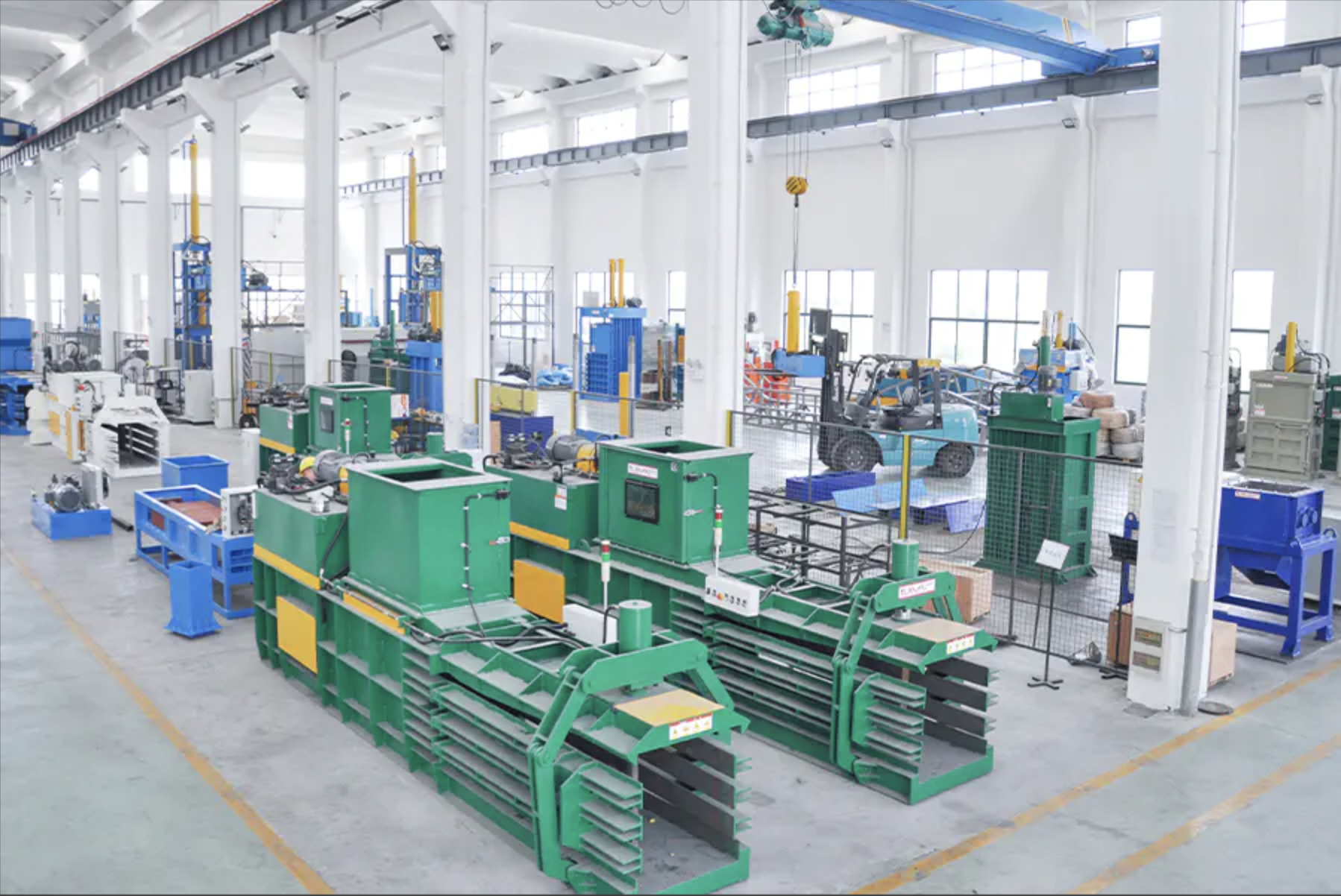
- JPW20Q fully automatic horizontal baler: 20-ton compression force, producing a 500 x 500 x 500 mm bale.
- JPW40BL: 40-ton compression force, 720 x 720 x (300–1000) mm bale, 1000 x 720 mm feed opening.
- JPW150BL-QT fully automatic closed-end horizontal baler: 150-ton compression force, 1100 x 1250 x 1500 mm bale.
In these documented examples, higher force is paired with a larger bale format. That pairing is a design choice rather than a rule, so a buyer should confirm force and bale size machine by machine instead of assuming that a higher tonnage automatically delivers a denser or heavier bale.
Bale dimensions and bale weight
Bale size is quoted as width x height x length. Length may be variable: the JPW40BL produces a 720 x 720 mm cross-section with a length adjustable between 300 and 1000 mm, while the JPW20Q produces a fixed 500 x 500 x 500 mm bale and the JPW150BL-QT an 1100 x 1250 x 1500 mm bale. A variable length band lets one machine serve different handling and shipping limits.
Bale weight is an outcome rather than a setting. It follows from bale volume multiplied by the density actually achieved, and achieved density depends on the material, the compression force and how consistently the chamber is filled. Two plants running the same model on different streams will not see the same bale weight. This is why bale weight is usually confirmed against the buyer own material rather than taken as a nameplate value.
Feeding mouth and compression chamber
The feeding mouth on a horizontal baler is the opening through which material enters the press; on the JPW40BL it measures 1000 x 720 mm. On a vertical design, the equivalent geometry is the compression chamber, which on the JP-OT100 measures 1400 x 700 x 1700 mm and is loaded from the front, with the bale formed inside the chamber.
These openings set a hard constraint that tonnage does not reveal. If the largest recurring item in the waste stream does not pass the opening, the operator will cut or shred it by hand, and that manual step becomes the real throughput limit. Measuring the bulk of the stream against the opening is therefore a more useful first check than comparing tonnage.
Throughput
Throughput is bales produced per hour under a stated material and loading condition. Fully automatic models in this range are documented at 16 to 22 bales per hour. Because throughput depends on bulk density, loading method and strapping cycle, catalogue figures are only comparable when they are quoted for the same material and the same loading arrangement.
Automation, control and running costs
Fully automatic models use PLC and touch screen control with three-side convergent compression, automatic feeding, detection and strapping, and unmanned operation capability. Against traditional manual and fixed-frequency balers, the documented differences are 16 to 22 bales per hour on the automatic model, around 90% labour reduction, and downtime below 2%. A dual-motor design combining a starting motor and a booster motor supports power saving, and a variable frequency option reduces energy consumption by 30% compared with fixed-frequency traditional models.
Construction, power supply and maintenance
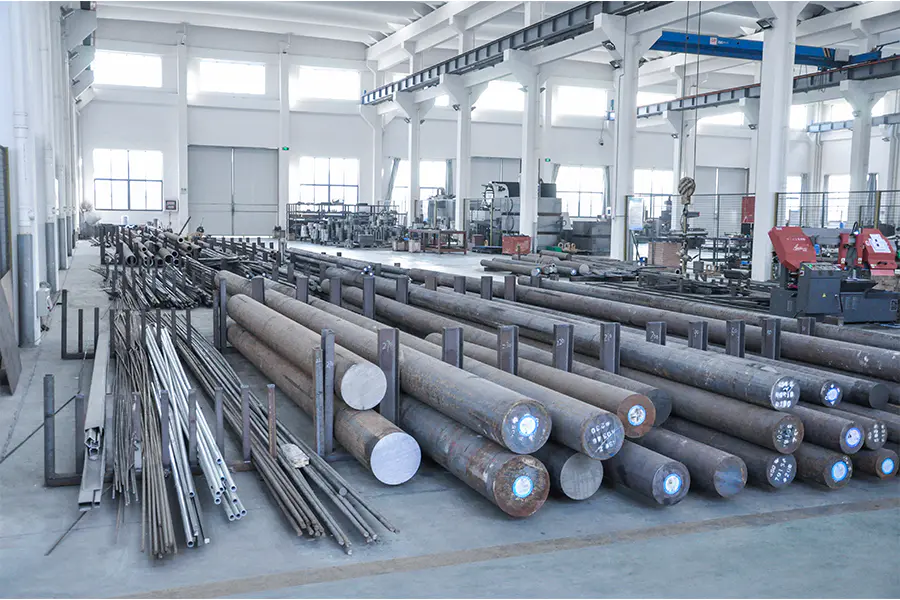
Frames in this range are built in carbon steel, and voltage is customizable to the destination market, which matters when a machine is specified for a site outside the supplier domestic standard. Maintenance requirements are low because standardized parts are used and the failure rate is low; the automatic strapping device operates with stable performance.
Vertical vs. Horizontal, Semi-Automatic vs. Fully Automatic
Vertical design
A vertical baler forms the bale in an upright cabinet. On the JP-OT100 the compression chamber is 1400 x 700 x 1700 mm and material is loaded from the front. The footprint is compact and the loading height is at floor or waist level, which suits a waste point inside a shop floor rather than a central waste hall. Vertical units typically sit at the lower end of the volume range and are usually paired with a single, consistent material stream.
Horizontal design
A horizontal baler forms and ejects the bale along a channel. The horizontal format supports longer bale lengths, as the JPW40BL variable 300 to 1000 mm band shows, and it can be fed continuously rather than loaded chamber by chamber. The documented JPW20Q, at 20-ton force with a fixed 500 x 500 x 500 mm bale, and the JPW150BL-QT, at 150-ton force with an 1100 x 1250 x 1500 mm bale, illustrate how far the same format stretches across force classes.
Semi-automatic vs. fully automatic horizontal
Within the horizontal format, the automation split is the main cost lever. Fully automatic models carry PLC and touch screen control, three-side convergent compression, automatic feeding, detection and strapping, and unmanned operation capability. Semi-automatic horizontal models retain the chamber and the hydraulic pressing concept but do not automate that feed-detect-strap sequence end to end, so operator involvement per bale stays higher. In practical terms, semi-automatic horizontal designs sit between vertical units and PLC fully automatic models on labour per bale, and they are the middle option when volume has outgrown a vertical waste-point machine but unmanned operation is not required.
The documented positioning is consistent with that split: automated configurations serve medium-to-large recycling plants, paper, plastic and textile factories and logistics warehouses handling multiple materials at high volume, while traditional and simpler designs serve small single-material waste points.
Step-by-Step Breakdown: Sizing a Hydraulic Baler in Six Steps
- Characterise the stream. List each material, its approximate bulk behaviour, and the largest recurring item. This single list decides whether the feeding mouth constrains the design more than the force does.
- Set the bale target. Work backwards from the receiver: pallet footprint, forklift or manual lift limit, container loading pattern. That produces a target bale size and a target bale weight range. Variable-length formats such as the JPW40BL 300 to 1000 mm band give room to tune length later.
- Match compression force to material and bale target. Use the 2 to 180 ton range as the search envelope and shortlist models whose documented force and bale format both match, rather than choosing the highest tonnage available.
- Choose orientation by space and loading method. A compact waste point points to a vertical chamber such as the JP-OT100 1400 x 700 x 1700 mm design; a central waste hall with continuous feed points to a horizontal channel.
- Fix the automation level by labour cost. Compare operator minutes per bale, not purchase price alone. The documented 90% labour reduction and sub-2% downtime of automatic operation are the relevant inputs where labour is scarce or expensive.
- Verify compliance, service and power. Confirm the certificate for the exact model, the voltage for the site, and the service arrangements. The JPW20Q, for example, holds CE certificate TTC-22-1609/01/01 complying with EN ISO 12100:2010 and EN 60204-1:2018.
Use Cases: Which Design Fits Which Waste Stream
The mapping below follows the logic of the previous sections rather than a catalogue listing. Force class, chamber geometry and automation level move together.
- Cardboard and carton factory waste. High-volume, low-density and consistent. Flattened cartons load well through a wide horizontal feed opening such as the JPW40BL 1000 x 720 mm mouth, and continuous trimming waste favours a horizontal channel with automatic feeding.
- Waste paper and confidential paper. The largest sub-segment by value, and the one where throughput per hour and bale consistency matter most. Fully automatic horizontal models are the natural fit where volume justifies unmanned operation.
- Plastic bottles and PET. Bulky before compaction and springy after, so chamber geometry and strapping stability carry more weight than raw tonnage. A fixed bale format such as the 500 x 500 x 500 mm of the JPW20Q simplifies counting and shipping.
- Rubber and plastic production waste. Often a single, consistent stream from one process, which is the pattern where a compact vertical or semi-automatic horizontal unit earns its place.
- Fiber and textile waste. Low bulk density and variable piece size; a wide feed opening reduces pre-cutting labour, and automatic strapping keeps bale integrity during handling.
- Aluminium foil and light film. Very low density, so bale length control is used to reach a workable bale weight within handling limits.
- Metal scrap and briquetting. The high-force end of the range. The JPW150BL-QT at 150-ton force with an 1100 x 1250 x 1500 mm bale shows the format required when density rather than labour is the binding constraint.
Comparison Table
The first table collects the documented figures for the models referenced in this article. A dash means the figure is not part of this reference set; it is not a zero value.
| Model | Design | Documented compression force | Documented bale size | Documented feed opening / chamber | Notes |
|---|---|---|---|---|---|
| JPW20Q | Fully automatic horizontal | 20 ton | 500 x 500 x 500 mm | — | CE certificate TTC-22-1609/01/01 to EN ISO 12100:2010 and EN 60204-1:2018 |
| JPW40BL | Horizontal | 40 ton | 720 x 720 x (300–1000) mm | 1000 x 720 mm feed opening | Variable bale length within the stated band |
| JPW150BL-QT | Fully automatic closed-end horizontal | 150 ton | 1100 x 1250 x 1500 mm | — | Highest documented force in this reference set |
| JP-OT100 | Vertical | — | — | 1400 x 700 x 1700 mm compression chamber | Front-loaded cabinet design |
The second table compares the design families on decision variables. Rows describing operating position reflect how the designs are used in practice; measured figures appear only where documented.
| Decision variable | Vertical (JP-OT100) | Semi-automatic horizontal | Fully automatic horizontal (JPW20Q, JPW150BL-QT) |
|---|---|---|---|
| Typical location | Waste point inside a shop floor | Central waste area with moderate volume | Medium-to-large recycling plants, paper, plastic and textile factories, logistics warehouses |
| Loading | Front-loaded into a 1400 x 700 x 1700 mm chamber | Chamber or channel loading with operator involvement | Automatic feeding and detection |
| Control | Cabinet press cycle | Operator-assisted cycle | PLC with touch screen, three-side convergent compression |
| Strapping | Manual handling typical for the format | Operator-assisted | Automatic strapping device with stable performance |
| Operating labour | Highest per bale | Intermediate | Unmanned operation capability; around 90% labour reduction against traditional manual and fixed-frequency balers |
| Documented throughput | — | — | 16–22 bales per hour, downtime below 2% |
| Best fit | Small single-material waste points | Volume outgrowing a vertical unit, without a requirement for unmanned operation | Multi-material, high-volume streams |
FAQ
1. Which certifications should a hydraulic baler machine carry before delivery?
Certification is model-specific and should be confirmed against the exact unit ordered. In this range, the JPW20Q fully automatic horizontal baler holds CE certificate TTC-22-1609/01/01, complying with EN ISO 12100:2010 and EN 60204-1:2018 under the 2006/42/EC and 2014/35/EU framework. Production is also covered by CE and ISO quality certification, and every machine is fully inspected before factory delivery. Buyers shipping outside the EU should still confirm the documents required by their own destination market rather than treating one certificate as universal.
2. Can one hydraulic baler machine handle cardboard, plastic and textile in the same plant?
Yes, within limits. Fully automatic horizontal configurations are positioned for medium-to-large recycling plants, paper, plastic and textile factories and logistics warehouses that handle multiple materials at high volume, and they are documented at 16 to 22 bales per hour. What changes between materials is the bale actually produced, because achieved density and bale weight follow from the material, the force and the chamber fill, not from the machine setting alone. A multi-material plant should therefore validate each stream it intends to bale rather than assume one setting covers all of them.
3. Why does a fully automatic horizontal baler cost more upfront than a fixed-frequency model?
The upfront difference buys automation and running cost. Compared with traditional manual and fixed-frequency balers, the automatic configuration is documented at 16 to 22 bales per hour, around 90% labour reduction and downtime below 2%. A dual-motor design combining a starting motor and a booster motor supports power saving, and the variable frequency option reduces energy consumption by 30% compared with fixed-frequency traditional models. Higher bale density also lowers transport cost per tonne. The comparison result is a slightly higher purchase price offset by labour savings from unmanned operation and lower transport cost, so the correct comparison is total cost over the operating period, not invoice value.
4. Can I evaluate a hydraulic baler machine with my own material before committing to a full order?
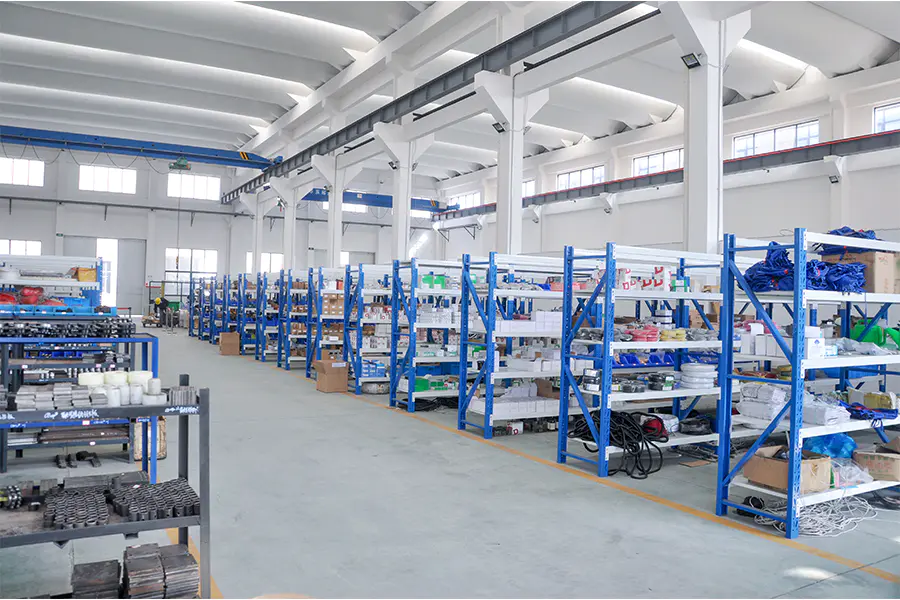
Material validation is the practical way to close the gap between catalogue figures and plant reality, because bale weight and throughput depend on the stream. Two facts make this easier to arrange: the minimum order quantity is one unit, which allows a single machine to be placed as a trial rather than committing to a fleet, and every machine is fully inspected before factory delivery. A 12-month official warranty, a 7 by 24 after-sales hotline and a spare parts inventory support the machine once it is running. Buyers with an unusual stream should raise it at quotation stage so the force, chamber and bale format are checked before the order is placed.
5. What information shortens the lead time on a customized hydraulic baler machine?
Time is usually lost to specification clarification rather than to fabrication. Production capacity on this range is 100 units per month, so the schedule is set mainly by how quickly the configuration is fixed. Supplying four items up front removes most of the back-and-forth: the material list with the largest recurring item, the target bale size and weight, the site voltage, and the certificate the destination market requires. Voltage is customizable, which is where late changes most often appear. With those four settled, force, chamber geometry and automation level can be confirmed in one pass.
Conclusion: Decide From the Bale Backwards
Hydraulic baler machines are usually sold on compression force, but force alone does not decide whether a machine works in a plant. The bale decides. Fixing the bale size and the handling limit first, then matching force, feeding mouth or chamber geometry, then choosing vertical, semi-automatic horizontal or fully automatic horizontal, keeps the specification anchored to the operation rather than to a number on a quotation sheet. In this range the vocabulary is concrete: 2 to 180 tons of force, carbon steel construction, customizable voltage, a 500 x 500 x 500 mm bale on the JPW20Q, a 720 x 720 x (300–1000) mm bale and 1000 x 720 mm feed opening on the JPW40BL, and a 1400 x 700 x 1700 mm chamber on the JP-OT100.
For buyers at decision stage, the useful next step is a specification check against the actual waste stream, not another catalogue comparison.
Confirm Force, Bale Size and Design for Your Stream
Nantong Jiabao Machinery Co., Ltd. (Jewel) manufactures hydraulic baler machines from 2 to 180 tons in vertical, semi-automatic horizontal and fully automatic horizontal designs, with customizable voltage and a minimum order quantity of one unit. Share your material list, target bale size and site voltage to receive a specification-based quotation.
Contact: Nina | Email: jiabao@csj-baler.com | Tel / WhatsApp: +86 187-2181-4932 | Web: www.jewelbaler.com
Download the product catalogue: Jewel baler catalogue (PDF)
Have Questions or Need More Details?
Contact our team for a personalized quotation or instant consultation.
Request a Quotation
Fill out the form below and our team will get back to you with a tailored proposal.
WhatsApp Direct Chat
Prefer to chat in real-time? Message us on WhatsApp for instant assistance & quick answers.
- Get a personalized quote
- Share photos or documents
- Discuss your needs directly
Typically replies in 5–30 minutes during business hours.