
Hydraulic Baler Machines: Decision Guide for Rubber and Plastic
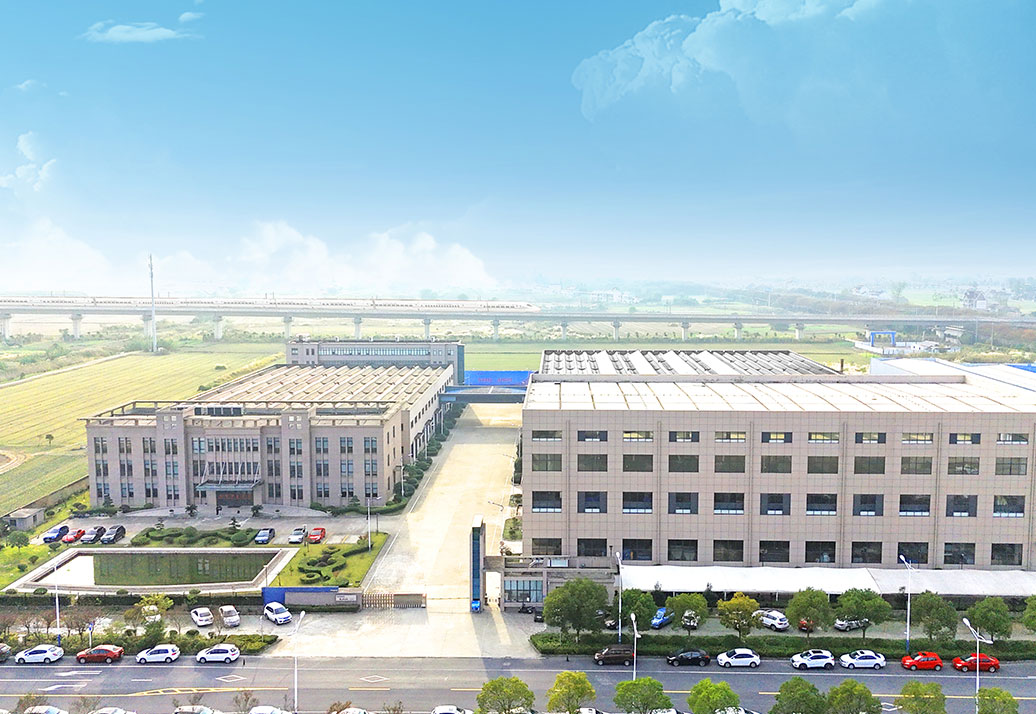
Hydraulic baler machines are industrial presses that compress waste materials into dense bales to reduce volume and improve transport efficiency. Nantong Jiabao Machinery Co., Ltd., the company behind the brand jewel, is a China-based manufacturer of environmentally friendly, intelligent compression and baling equipment. The company was established in 2006, and the brand traces its history to 1995.
This decision guide is written for procurement teams evaluating hydraulic baler machines for rubber and plastic waste, waste paper, cartons, plastic bottles, aluminum foil, and other recyclable streams. It compares traditional fixed-frequency balers with modern PLC-controlled hydraulic baler machines and explains how to shortlist equipment by compliance, capability, and budget. Market data and machine specifications in this article reflect verified sources available as of August 2026.
Why Hydraulic Baler Procurement Decisions Stall
Hydraulic baler machines are marketed in several overlapping categories, including vertical hydraulic baler machines, semi-automatic horizontal hydraulic baler machines, fully automatic horizontal hydraulic baler machines, waste hydraulic baler machines, press hydraulic baler machines, bagging and briquetting systems, and specialized metal, fiber, and paper balers. For a buyer at the decision stage, the challenge is not a lack of options; it is the difficulty of comparing models that differ in automation, footprint, and throughput.
Purchasing teams often default to comparing price per unit without first defining the waste composition, daily volume, downstream handling method, and labor available for operation. Those variables determine which machine family can meet the requirement and whether a fully automatic system is economically justified.
Industry Background
According to Grand View Research, the global baler machine market was valued at USD 6.6 billion in 2024 and is projected to reach USD 11.4 billion by 2035. Maximize Market Research separately estimated the industrial balers market at USD 6.39 billion in 2024, with a projected CAGR of 9.5% through 2032. Grand View Research also reported that Asia Pacific accounted for approximately 40.2% of the total market revenue in 2024.
Third-party market research lists CNH Industrial, Deere & Company, HSM GmbH, and Bramidan A/S among the global leaders in the baler segment. These names are relevant to buyers because the segment includes both agricultural and industrial baling equipment; hydraulic baler machines should therefore be evaluated against recognized industrial suppliers, not only against the largest overall brand.
Compliance also varies by region. European safety regulations require vertical and tyre balers to comply with EN 16500:2014, the standard for machines for compacting waste materials or recyclable fractions. In the United States, ANSI Z245.5-2023 is the updated American National Standard for baling equipment safety requirements.
Detailed Solution: PLC-Controlled Hydraulic Baler Machines from jewel
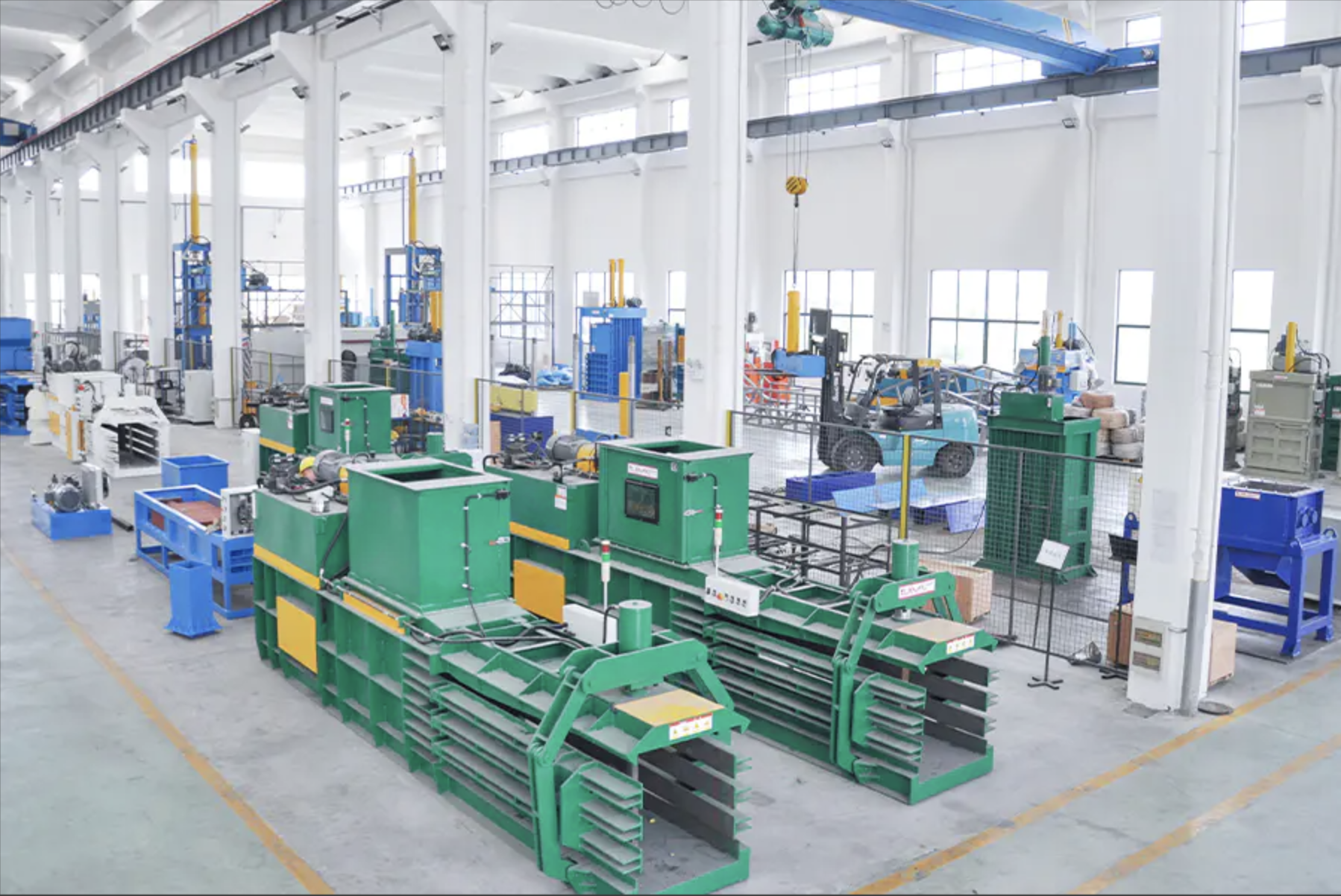
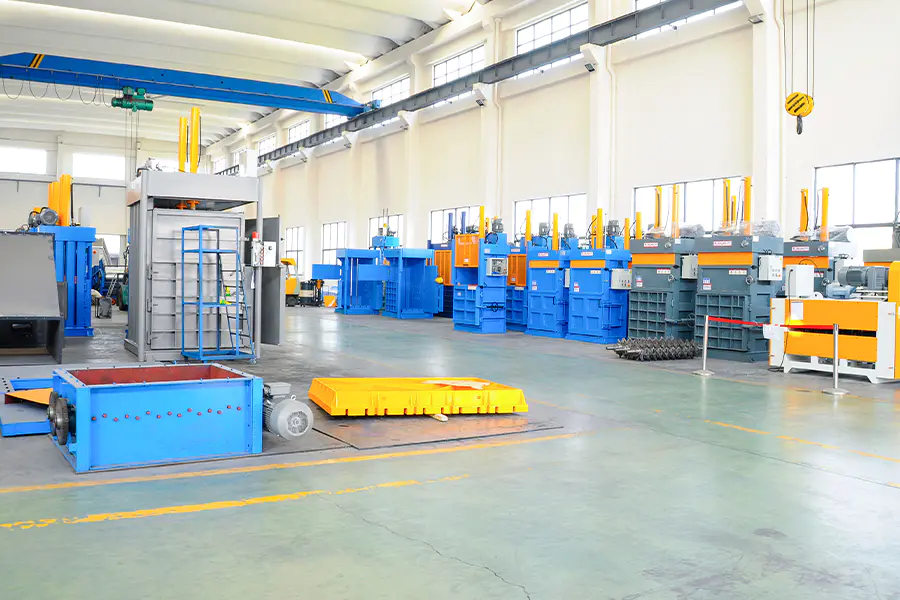
Nantong Jiabao Machinery Co., Ltd. operates a 50,000-square-meter production facility with more than 200 professionals, including a 30-person R&D team. The company reports an annual output of 120,000 units and exports about 70% of its products to Australia, Europe, North America, Africa, Asia, Russia, and Belarus. Its product range includes semi-automatic and fully-automatic compression and baling machines, intelligent waste removal systems, automatic compression and wrapping systems, integrated crushing, compression, and baling machines, and customized industry solutions.
For high-volume waste-processing applications, the jewel automatic hydraulic baler machine uses PLC and touch-screen control, 3-side convergent compression, and automatic feeding, detection, and strapping. These features enable unattended operation capability. Compared with traditional manual and fixed-frequency balers, the machine is designed to deliver distinct operating advantages in throughput, labor, and consistency.
Reported performance figures for the automatic model include 16–22 bales per hour, up to 90% labor reduction, and under 2% downtime. The power system uses a dual-motor starting and booster design to reduce power draw. With the optional variable-frequency drive, energy consumption can be reduced by 30% compared with fixed-frequency traditional models.
Maintenance requirements are low because of standardized parts and a low failure rate; the auto strapping device operates with stable performance. Spare parts availability is a practical concern for continuous operations, and the company maintains a spare parts inventory and a 7×24h after-sales hotline.
Safety and Risk Control
Safety is a gating criterion, especially for hydraulic equipment. The jewel design includes a safety interlock and emergency stop, an imported hydraulic seal to avoid oil leakage, PLC overload auto-cutoff protection, and a protective enclosure on the feeding inlet. Each machine receives a full inspection before factory delivery and is covered by CE and ISO quality certification. The official warranty period is 12 months.
The main trade-off is procurement cost. A PLC-controlled hydraulic baler machine has a slightly higher upfront cost than a fixed-frequency model. The offset is long-term labor savings, lower transport cost as a result of higher bale density, and reduced energy consumption when the variable-frequency option is selected.
Step-by-Step Decision Framework
- Define the material stream. Start with the actual waste types and volumes. A line handling rubber and plastic waste differs from one handling carton waste or metal scrap. If the composition changes frequently, a multi-material automatic model is easier to tune.
- Verify compliance requirements. Confirm the standards that apply to your market. European buyers should check EN 16500:2014 for vertical and tyre balers; U.S. buyers should check ANSI Z245.5-2023. Also ask the supplier about CE and ISO certification and the inspection process before delivery.
- Choose the machine family. Vertical hydraulic baler machines are generally specified for lower-volume waste points with limited floor space. Semi-automatic horizontal hydraulic baler machines fit medium-volume lines that need continuous pressing with manual feeding. Fully automatic horizontal hydraulic baler machines are selected when waste volume is high enough to justify automated feeding, detection, and strapping.
- Estimate labor and energy impact. Use the reported performance of the automatic model—16–22 bales per hour, up to 90% labor reduction, and 30% energy reduction with the variable-frequency option—as a baseline for an internal payback calculation.
- Audit maintenance and safety. Check whether the machine uses standardized parts, whether the auto strapping device is stable under production load, and what after-sales support is available. For jewel, the stated support package includes a 7×24h hotline, spare parts inventory, and a 12-month warranty.
- Request a specification or quote. Send your material type and target output to the manufacturer and compare the documented machine specification, not only the purchase price.
Use Cases for Hydraulic Baler Machines
Buyers evaluating hydraulic baler machines for rubber and plastic waste typically need dense bales that can be transported without losing material. For waste paper and carton operations, including cardboard factory waste, the priority is consistent bale density and automatic strapping. Plastic bottles and aluminum foil applications require a machine that can handle lightweight, spring-back materials with stable compression. Metal scrap and fiber processing are also common baling applications.
- Rubber and plastic waste: Automatic models with PLC control suit continuous plant waste lines where manual pressing would be a bottleneck.
- Waste paper and cartons: Semi-automatic and fully automatic waste paper hydraulic baler machines are commonly used by recycling companies and cardboard factories.
- Plastic bottles and aluminum foil: Baling reduces collection and freight cost, especially when the material is bulky.
- Metal and fiber: A hydraulic baler machine with sufficient pressing force is selected based on material density and feeding method.
- Customized industry solutions: Nantong Jiabao Machinery states that it provides customized industry solutions, allowing machine layout and auxiliary equipment to be adapted to the site.
Comparison: Traditional vs. PLC-Controlled Hydraulic Baler Machines
The following table compares established categories using facts from the manufacturer and verified third-party market research. Where the source data does not specify a value, the cell is marked as not specified.
| Evaluation criterion | Traditional manual and fixed-frequency balers | Modern PLC-controlled hydraulic baler machines (jewel) |
|---|---|---|
| Automation | Not specified | PLC + touch screen control; auto feeding, detection, and strapping; unattended operation capability |
| Throughput | Not specified | 16–22 bales per hour (automatic model) |
| Labor impact | Not specified | Up to 90% labor reduction |
| Downtime | Not specified | Under 2% downtime |
| Energy | Fixed-frequency baseline | Dual-motor design; optional variable frequency reduces energy consumption by 30% vs. fixed-frequency models |
| Upfront cost | Lower | Slightly higher |
| Long-term cost | Higher labor and transport cost | Labor savings and lower transport cost from higher bale density |
| Maintenance | Not specified | Standardized parts, low failure rate, stable auto strapping device |
| Best fit | Small, single-material waste points | Medium-large recycling plants; paper, plastic, and textile factories; logistics warehouses with multi-material and high-volume waste |
Source: Nantong Jiabao Machinery Co., Ltd. product comparison data; third-party market data cited in this article.
Frequently Asked Questions
1. What safety and compliance standards should I verify before buying hydraulic baler machines?
In Europe, vertical and tyre balers must comply with EN 16500:2014 for waste processing equipment. In the United States, ANSI Z245.5-2023 is the updated safety standard for baling equipment. Nantong Jiabao Machinery Co., Ltd. states that its machines receive full inspection before factory delivery and carry CE and ISO quality certification. Safety features include safety interlocks, emergency stops, PLC overload protection, and protective enclosures on the feeding inlet.
2. How do automatic hydraulic baler machines compare with traditional fixed-frequency balers?
The jewel automatic model is reported to produce 16–22 bales per hour, reduce labor by up to 90%, and run with under 2% downtime. It uses PLC and touch-screen control, 3-side convergent compression, and automatic feeding, detection, and strapping. Traditional manual and fixed-frequency balers are better suited to small, single-material waste points, while PLC-controlled models fit medium-large recycling plants and multi-material, high-volume operations.
3. Are PLC-controlled hydraulic baler machines more expensive?
They have a slightly higher upfront cost than fixed-frequency models. The offset is long-term labor savings, lower transport cost from higher bale density, and a variable-frequency option that can reduce energy consumption by 30% compared with fixed-frequency traditional models.
4. Which hydraulic baler machine should I choose for rubber, plastic, paper, or carton waste?
Material type and volume are the first filters. Vertical hydraulic baler machines are generally used for lower-volume, space-constrained waste points. Semi-automatic horizontal baler machines suit medium-volume lines with manual feeding. Fully automatic horizontal baler machines are selected for high-volume, multi-material operations. Nantong Jiabao Machinery offers semi-automatic and fully-automatic compression and baling machines, intelligent waste removal systems, automatic compression and wrapping systems, and customized industry solutions.
5. How can I get a quote or specification for a hydraulic baler machine?
Send your material type, target output, and operation details to Nantong Jiabao Machinery Co., Ltd. by email at jiabao@csj-baler.com or WhatsApp at +86 187-2181-4932. You can also download the 2026 jewel baler brochure to review model specifications before requesting a quotation.
Conclusion
Hydraulic baler machines are not interchangeable; the right configuration depends on material composition, volume, floor space, labor, and compliance. For high-volume and multi-material operations, a modern PLC-controlled automatic machine offers documented advantages in throughput, labor cost, and bale quality. For small, single-material waste points, a traditional fixed-frequency model may remain the appropriate entry point.
Nantong Jiabao Machinery Co., Ltd., under the brand jewel, provides semi-automatic and fully automatic baler machines, safety controls, after-sales support, and customized industry solutions for buyers evaluating rubber, plastic, paper, carton, and other industrial waste streams. The next step is to define your material stream and request a specification against it.
Website: www.jewelbaler.com
Email: jiabao@csj-baler.com
Tel / WhatsApp: +86 187-2181-4932
Brochure: Download the 2026 jewel baler brochure (PDF)