
JP-OT100 vs JPW40F: Vertical or Horizontal Hydraulic Baler Machines?
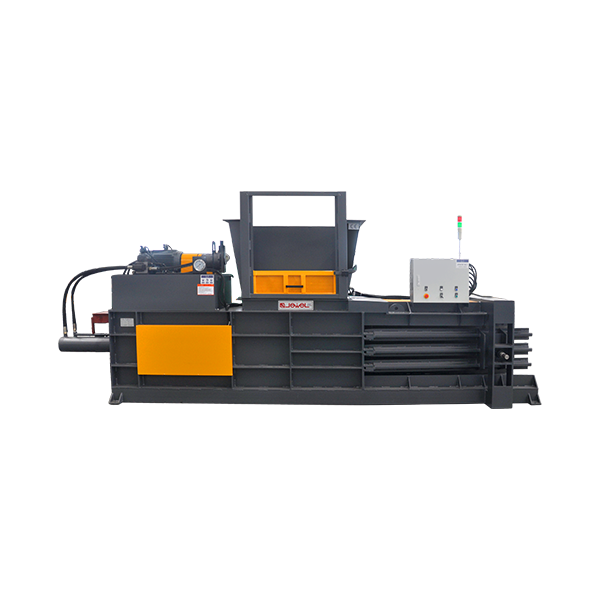
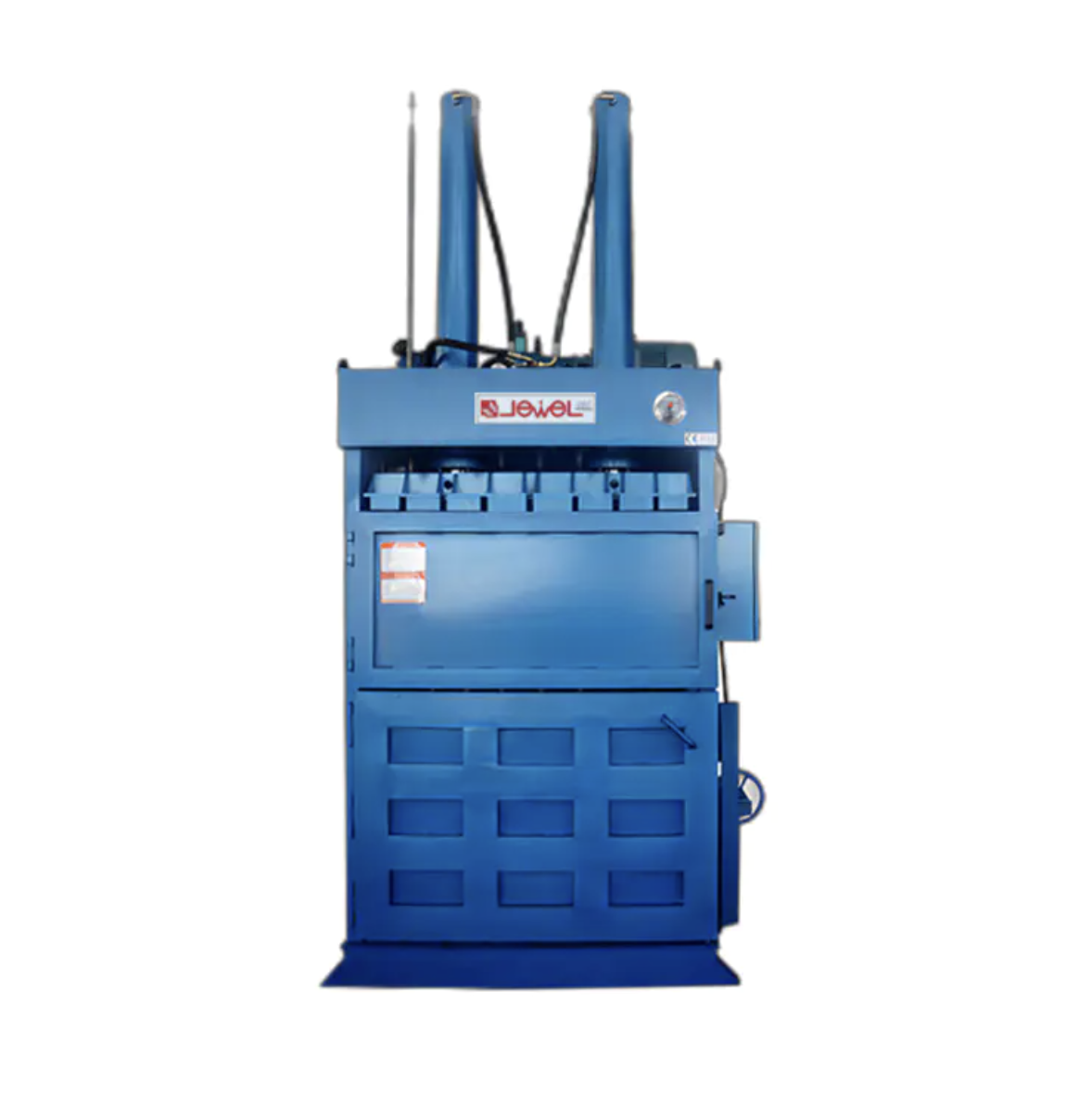
Choosing between a vertical and a horizontal hydraulic baler machine usually comes down to four published numbers and one layout drawing. This head-to-head compares two models from the Jewel hydraulic baler machines line: the JP-OT100 vertical baler and the JPW40F semi-automatic horizontal baler. Both are built from carbon steel, and both are listed for the same material sectors, so the material list alone will not decide the purchase.
The short answer:
- JP-OT100 (vertical): 100 Ton compression force inside a 1,400 x 700 x 1,700 mm compression chamber, fed through a 1,400 x 600 mm opening, producing 400-600 kg bales at 5-6 bales per hour, with a machine weight of 3,500 kg.
- JPW40F (semi-automatic horizontal): 40 Ton compression force forming a 720 x 720 mm bale cross-section with bale lengths from 500 to 1,300 mm, fed through a 1,000 x 720 mm opening, producing 200-400 kg bales at 1-2 Ton/Hr, with four strapping channels, continuous push-pack discharge and a 4,900 x 1,750 x 1,950 mm machine envelope.
If your binding constraint is available floor area and your waste arrives in short, heavy batches, the vertical JP-OT100 is the specification-first candidate. If your binding constraint is a steady line-fed flow with a defined ton-per-hour target and tied bales, the JPW40F horizontal machine is the specification-first candidate. The rest of this guide is the reasoning that turns that quick answer into a verified purchase decision.
Why vertical versus horizontal is a constraint problem, not a preference
A vertical baler and a horizontal baler compress in different directions, and that single difference changes four procurement constraints: where the machine can stand, what size opening your waste must pass through, how throughput is quoted, and how the finished bale leaves the machine.
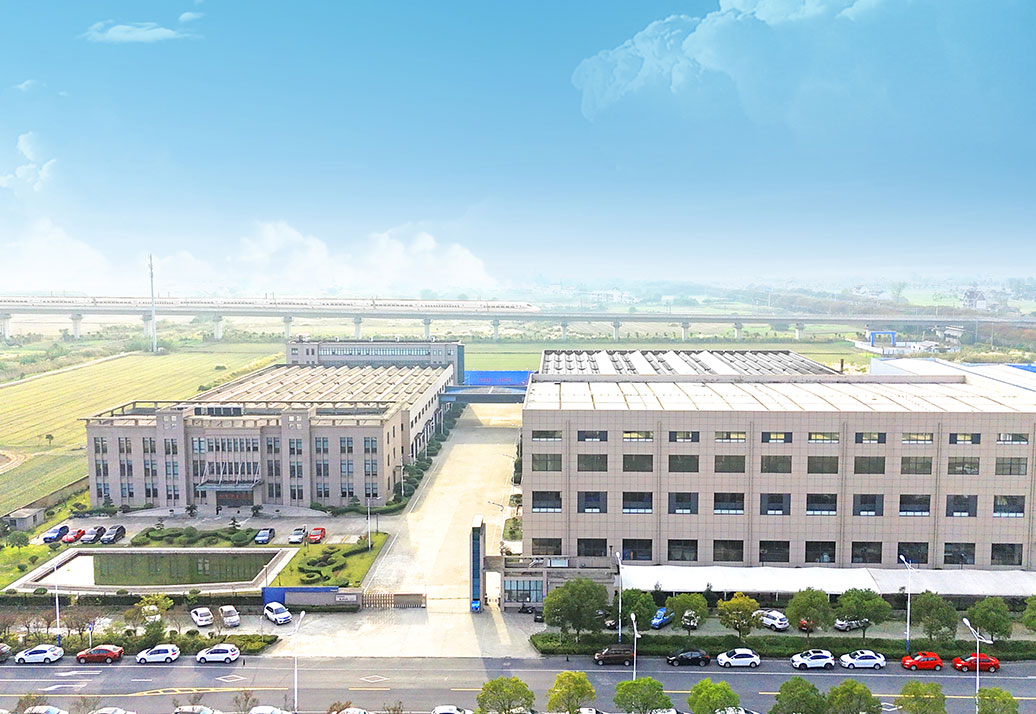
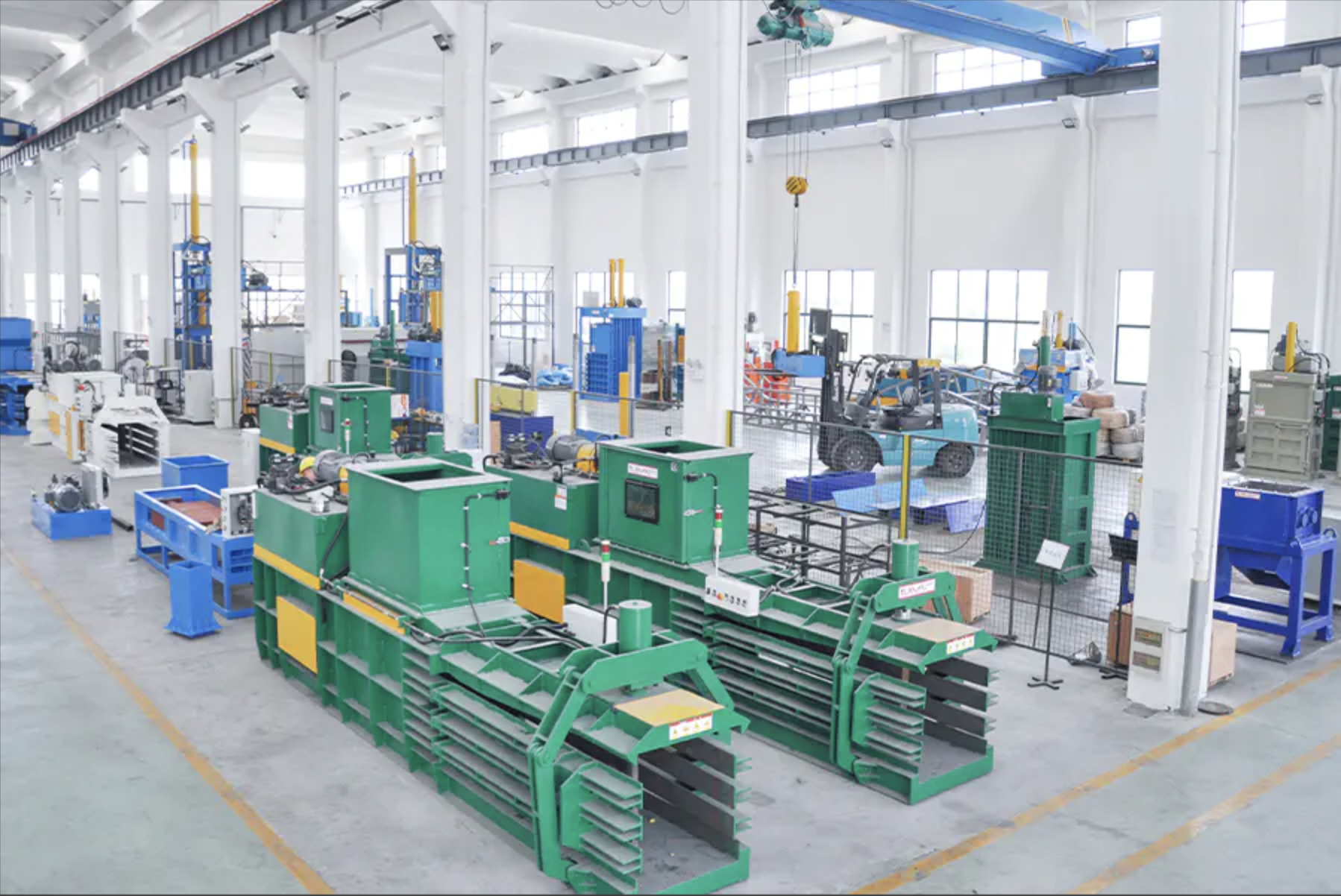
Both models belong to the same product line from Nantong Jiabao Machinery Co., Ltd., a Chinese manufacturer established in 2006 that researches, develops and builds compression and baling equipment under the Jewel brand, with the brand itself founded in 1995. The company operates a 50,000 m2 production facility in Rugao City, Jiangsu Province, China, with more than 200 employees and a 30-engineer R&D team, and exports to markets including Europe, North America, Asia, Australia, Africa, Russia and Belarus.
The JP-OT100 is type-listed as a vertical baler. The JPW40F is type-listed as a semi-automatic horizontal baler. Because the two models share the same construction material (carbon steel) and the same published applicable industries, a comparison that stops at the material list produces no decision. This guide therefore works only with published, attributable numbers, and it flags the points where the published data stops, because those gaps are themselves procurement constraints.
Industry background: specifications are now bought with documents attached
Commercial research estimates place the global baler market at USD 7.96 billion in 2026, projected to reach USD 18.02 billion by 2034 (Vertex AI Search aggregated market research, 2026). Within that, the hydraulic waste paper baler segment was estimated at USD 1.45 billion in its base year, with a forecast of USD 2.24 billion by 2032 at a reported CAGR of 5.5% (Data Insights Reports). The hydraulic metal recycling baler segment was valued at USD 913 million in 2023, with a forecast of USD 1,318 million by 2031 (MarketsGlob).
These three figures cover different scopes, all balers, hydraulic waste paper balers, and hydraulic metal recycling balers, and cannot be added together. They are useful as demand signals, not as a market-share statement about any single supplier.
Two practical consequences follow for buyers working through the research and evaluation stages:
- Model choice is now decided on published detail. Marketplace listings for hydraulic baler machines display multiple manufacturers and model variants side by side, including horizontal hydraulic baler machines and hydraulic scrap metal binding balers. When several suppliers publish similar tonnage claims, the machine that can be specified precisely is easier to compare and easier to audit.
- Documentation travels with the specification. A tonnage figure without a certificate scope, a voltage and a feeding geometry is not a specification; it is a headline. The JP-OT100 and JPW40F are published with enough parameter detail to make a decision without a site visit, which is what this comparison uses.
The published specification gap: what actually separates the two machines
1. Compression force and chamber geometry
The JP-OT100 applies 100 Ton of compression force inside a compression chamber of 1,400 x 700 x 1,700 mm (L x W x H) and forms bales measuring 1,400 x 700 x (700-1,100) mm. The JPW40F applies 40 Ton of force and forms bales measuring 720 x 720 x (500-1,300) mm (W x H x L).
Read the JP-OT100 numbers together and a design logic appears: the 1,400 mm bale length matches the 1,400 mm chamber length and the 1,400 mm feeding mouth length, while the 1,700 mm chamber height sits well above the maximum bale height of 1,100 mm. The surplus vertical space is working headroom for the compression stroke, not bale volume.
Read the JPW40F numbers together and a different logic appears: the bale cross-section is fixed at 720 x 720 mm, the feeding mouth width of 720 mm matches that cross-section, and the variable dimension is bale length, which adjusts from 500 to 1,300 mm. That is how this semi-automatic horizontal machine changes bale size without changing machine width.
2. Feeding mouth: 1,400 x 600 mm versus 1,000 x 720 mm
The JP-OT100 feeding mouth measures 1,400 x 600 mm (L x H). The JPW40F feeding mouth measures 1,000 x 720 mm (L x W). The comparison is not about which opening is larger; it is about which shape matches how your waste arrives. Flat, wide material such as corrugated board and printed sheets passes a 1,400 mm-wide opening more comfortably, which favours the vertical JP-OT100. Waste that is fed in a continuous stream and must pass straight into a fixed 720 x 720 mm bale cross-section favours the JPW40F, because its 720 mm mouth width is the bale width.
3. Throughput: two different units, so do not compare them at face value
This is the most common specification error in this category. The JP-OT100 is published as 5-6 bales per hour with a bale weight of 400-600 kg. The JPW40F is published as 1-2 Ton/Hr with a bale weight of 200-400 kg.
Bales per hour and tonnes per hour are not interchangeable. Converting the JP-OT100 figure requires multiplying bales per hour by an assumed bale weight, which depends on your material and your target bale density. Because bale weight itself ranges from 400 to 600 kg, any converted figure carries a range, not a point value. If you are buying against a tonnage contract, run that multiplication with your own material and confirm it with the supplier in writing; do not compare a bale-count figure with a tonnage figure as though they were the same measurement.
4. Discharge and strapping
The JPW40F is published with four strapping channels and a bale discharging method recorded as continuous push pack. For the JP-OT100, the strapping channel count and the discharge method are not published in the specification set used here, so those two points must be confirmed in the quotation rather than assumed.
5. Power and electrical supply
The JP-OT100 is published at 15 kW / 20 Hp and 380 V / 50 Hz with customizable voltage. The JPW40F is published at 11 kW / 15 Hp; its specification sheet carries no voltage value. Across the hydraulic baler machines line, the voltage is customizable to meet specific requirements, so the supply for a JPW40F installation must be fixed during quotation.
6. Footprint and machine envelope
The JPW40F has a published machine dimension of 4,900 x 1,750 x 1,950 mm (L x W x H). Plan the installation area around that base plus approach and discharge space, and note the 1,950 mm height.
For the JP-OT100, the published machine weight is 3,500 kg and the published plan-level figure is the compression chamber footprint of 1,400 x 700 mm. Overall machine dimensions are not published in this set. That is a constraint, not a small detail: the chamber footprint is not the installation footprint, and a buyer who budgets floor area from the chamber size alone will discover the difference only at layout stage. Request the layout drawing with height clearance before signing.
The published series scope also differs: 100-180 Ton for the JP-OT100 line and 40-100 Ton for the JPW40F line.
Head-to-head comparison table
| Decision factor | JP-OT100 | JPW40F |
|---|---|---|
| Machine type | Vertical baler | Semi-automatic horizontal baler |
| Compression force | 100 Ton | 40 Ton |
| Feeding mouth size | 1,400 x 600 mm (L x H) | 1,000 x 720 mm (L x W) |
| Compression chamber size | 1,400 x 700 x 1,700 mm (L x W x H) | Not published for this model |
| Bale dimension | 1,400 x 700 x (700-1,100) mm (L x W x H) | 720 x 720 x (500-1,300) mm (W x H x L) |
| Bale weight | 400-600 kg | 200-400 kg |
| Baling capacity | 5-6 bales per hour | 1-2 Ton/Hr |
| Strapping channels | Not published for this model | 4 |
| Bale discharging method | Not published for this model | Continuous push pack |
| Power | 15 kW / 20 Hp | 11 kW / 15 Hp |
| Voltage | 380 V / 50 Hz, customizable | Not published; customizable |
| Machine dimension | Not published; chamber plan 1,400 x 700 mm | 4,900 x 1,750 x 1,950 mm |
| Machine weight | 3,500 kg | Not published for this model |
| Material | Carbon steel | Carbon steel |
| Published series scope | 100-180 Ton | 40-100 Ton |
| Applicable industries | Waste paper recycling, plastic recycling, carton printing, textile waste processing, packaging manufacturing, PET bottle recycling | Waste paper recycling, plastic recycling, carton printing, textile waste processing, packaging manufacturing, PET bottle recycling |
Decision matrix: material stream and operating pattern
Because both models list identical applicable industries, the decision matrix below separates them by geometry, output measurement and installation profile rather than by material.
| Waste stream / operating pattern | JP-OT100 (vertical, 100 Ton) | JPW40F (semi-automatic horizontal, 40 Ton) |
|---|---|---|
| Waste paper and cardboard from a carton or box plant | 1,400 x 600 mm feeding mouth for wide flat sheets; 400-600 kg bales at 5-6 bales per hour | 200-400 kg bales at 1-2 Ton/Hr; four strapping channels; continuous push-pack discharge |
| Carton printing and packaging manufacturing waste | Chamber 1,400 x 700 x 1,700 mm; published weight 3,500 kg | Machine envelope 4,900 x 1,750 x 1,950 mm; 11 kW / 15 Hp |
| Plastic and PET bottle recycling | Listed for plastic recycling and PET bottle recycling | Listed for plastic recycling and PET bottle recycling |
| Textile waste processing | Listed for textile waste processing | Listed for textile waste processing |
| Installation profile | Chamber plan 1,400 x 700 mm; overall machine dimensions to be confirmed on drawing | Published 4,900 x 1,750 x 1,950 mm envelope to be reserved on the floor plan |
Reading rule for this matrix: the material lists are the same for both machines. The tie-breaker is which published constraint you cannot change: floor and height clearance, feeding geometry, or the unit in which your output target is written.
Step-by-step: the five checks that resolve the choice
- Measure the floor and the available height before comparing tonnage. Reserve the JPW40F's 4,900 x 1,750 mm base and 1,950 mm height. For the JP-OT100, treat the 1,400 x 700 mm chamber plan as a starting figure only and obtain overall machine dimensions and height clearance from the layout drawing.
- Match feeding geometry to how material actually arrives. Wide flat board and printed sheets favour the JP-OT100's 1,400 x 600 mm mouth. A continuous feed that must pass into a fixed bale cross-section favours the JPW40F's 1,000 x 720 mm mouth, which matches the 720 mm bale width.
- Rewrite your output target in the same unit the machine is published in. If your target is tonnes per hour, confirm it against the JPW40F's 1-2 Ton/Hr figure. If you are evaluating the JP-OT100, convert your tonnage target into bales per hour using the 400-600 kg bale weight range and confirm the resulting figure with the supplier.
- Decide who forms and ties the bale. The JPW40F is published with four strapping channels and continuous push-pack discharge. Ask for the corresponding figures for the JP-OT100, because they are not published in this specification set.
- Close the document, power and commercial gaps. Confirm the voltage configuration (the JP-OT100 is published at 380 V / 50 Hz with customization; the JPW40F voltage is not published), confirm the certification set against the exact model, and confirm the minimum order quantity of 1 unit and the 60-day lead time against your installation date.
Use cases: where each machine fits in practice
Corrugated carton and box plants with line-fed waste
A Jewel carton-production waste project in Russia is linked to the JPW40F semi-automatic horizontal baler. The requirement was automatic collection, compression and baling of waste generated during carton production. After three years of operation, the reported outcome is an efficient, coherent waste processing system built on a reasonable investment, with reduced labour and management costs, a clean production environment and immediate monetisation of waste through standardised bales.
Carton plants that need factory-wide waste discharge integration
A corrugated carton and packaging project in Mexico is linked to the JP-OT100 vertical baler. The requirement was a high-efficiency, reliable waste removal system that integrates with existing production lines to achieve real-time waste processing, where the machine operates automatically and is matched with a conveying system. The reported outcome is whole-plant integration with a clean and environmentally friendly waste discharge flow.
Mixed-material recycling yards
Where a single site handles several streams, the constraint shifts from one material to material variability. A mixed-waste project in Belarus covering PET bottles, woven bags, HDPE bottles and cardboard reported that the remaining difficulty was bulkiness and compression resistance in the lighter fractions, and that regularly shaped finished bales improved transport and storage efficiency. Both the JP-OT100 and the JPW40F appear in the related equipment lists for multi-material recycling applications, alongside PET recycling, waste paper and plastic recycling projects in Japan, Tunisia, Italy and Australia.
Compliance, documentation and the constraint buyers miss most
Under an evaluation brief, documentation is a specification line item. Two certificates appear in Jewel's certification data, and they do not cover the same models.
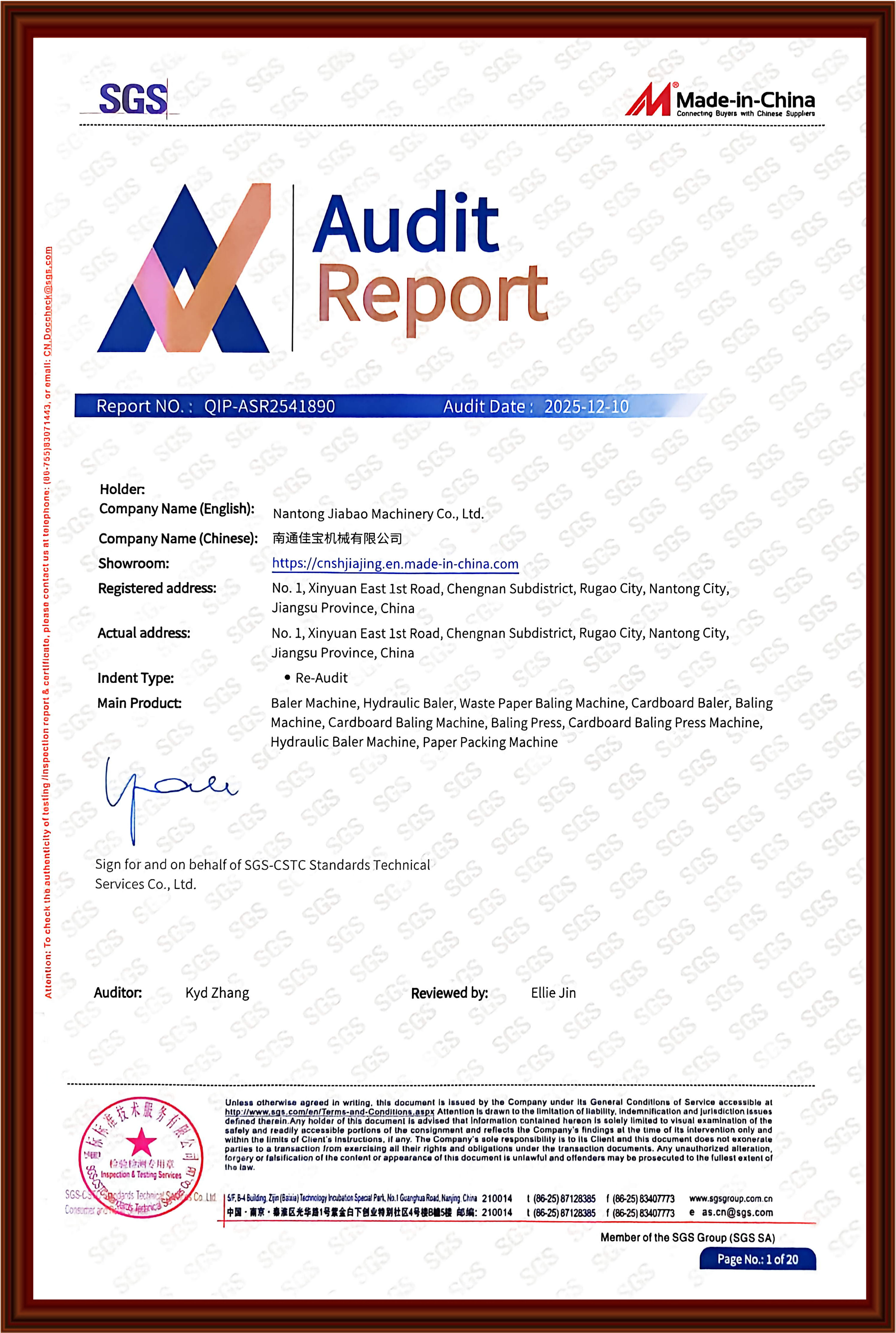
The SGS Made-in-China Supplier Audit Report, certificate number QIP-ASR2541890, is issued by SGS under the Made-in-China Supplier Audit Specification for the EU market, with an issue date of 10 December 2025 and an expiry date of 10 December 2028. Its declared scope covers the full range of baler machine, hydraulic baler, waste paper baler, cardboard baler and baling press machine. Both the JP-OT100 and the JPW40F appear in the applicable product list for this report.
The CE documentation on record is model-specific: the JPW20Q fully automatic horizontal baler holds CE certificate TTC-22-1609/01/01 issued by INTEGRA, covering Directive 2006/42/EC (Machinery Directive) and Directive 2014/35/EU (Low Voltage Directive), with applicable standards EN ISO 12100:2010 and EN 60204-1:2018, valid to 16 September 2027. The JPW20Q is a different model from the JP-OT100 and the JPW40F.
The practical lesson for buyers: audit certificates by model number, not by brand. If your market-access file must name the machine you are buying, ask which document applies to that exact model before the purchase order is issued.
Frequently asked questions
Which certifications cover the JP-OT100 and the JPW40F?
Both models appear in the applicable product list of the SGS Made-in-China Supplier Audit Report, certificate number QIP-ASR2541890, issued by SGS under the Made-in-China Supplier Audit Specification for the EU market, valid from 10 December 2025 to 10 December 2028, with a scope covering the full range of baler machine, hydraulic baler, waste paper baler, cardboard baler and baling press machine. The CE certificate on record is for a different model: the JPW20Q fully automatic horizontal baler holds CE certificate TTC-22-1609/01/01 issued by INTEGRA, covering Directive 2006/42/EC (Machinery Directive) and Directive 2014/35/EU (Low Voltage Directive) with applicable standards EN ISO 12100:2010 and EN 60204-1:2018, valid to 16 September 2027. Because certification scope is model-specific, confirm the document set against the exact model on your quotation rather than assuming it transfers across the range.
Can either machine handle waste paper, plastic, carton printing and PET streams?
Both machines publish identical applicable industries: waste paper recycling, plastic recycling, carton printing, textile waste processing, packaging manufacturing and PET bottle recycling. Both are built from carbon steel. The separation between them is mechanical, not material-based. The JP-OT100 applies 100 Ton of force into a 1,400 x 700 x 1,700 mm chamber through a 1,400 x 600 mm feeding mouth and produces 400-600 kg bales at 5-6 bales per hour. The JPW40F applies 40 Ton into a 720 x 720 mm bale cross-section through a 1,000 x 720 mm feeding mouth and produces 200-400 kg bales at 1-2 Ton/Hr using four strapping channels. Choose on feeding geometry, output unit and installation space, not on the material list.
What drives the budget difference between a 100 Ton vertical and a 40 Ton horizontal machine?
Four published parameters move the cost: compression force (100 Ton against 40 Ton), installed power (15 kW / 20 Hp against 11 kW / 15 Hp), the baling and handling configuration (four strapping channels and continuous push-pack discharge on the JPW40F), and the machine envelope, including the JPW40F's published 4,900 x 1,750 x 1,950 mm installation dimension. Customization of structure, process and performance is available, and voltage is customizable, so two quotations for the same model number can legitimately carry different totals. The minimum order quantity for these hydraulic baler machines is 1 unit, against a monthly production capacity of 100 units. No list price is published in the specification data, which means the reliable budget comparison is a quotation issued against your material, your tonnage target and your installation drawing, not a comparison of headline tonnage.
Can I validate a single machine before committing to volume?
A single-unit order is the standard entry point: the minimum order quantity is 1 unit, and quality control is described as 100% test before shipment, so validation happens on the configuration you will run in production. Before ordering, request the specification sheet for the exact model, the layout drawing for the JP-OT100 if floor area or height clearance is tight, and written confirmation of the voltage configuration, since the JP-OT100 is published at 380 V / 50 Hz with customization while the JPW40F specification sheet does not list a voltage value.
What is the lead time, and what happens after delivery?
Published lead time is 60 days, against a monthly production capacity of 100 units. After delivery, the after-sales commitment is a 7 x 24h technical response with on-site support within 48 hours, plus lifelong maintenance and free training. For a project with a fixed start date, treat the 60-day lead time as the anchor for your installation plan and freeze the specification before the production slot opens. To start that process, request a model-specific quotation or the current product catalogue using the contact details below.
Conclusion: pick the constraint, then pick the machine
A vertical hydraulic baler machine and a semi-automatic horizontal hydraulic baler machine solve the same job from different directions. The JP-OT100 buys you force and a wide 1,400 x 600 mm feeding mouth in a vertical format, with 400-600 kg bales at 5-6 bales per hour and a 3,500 kg machine weight. The JPW40F buys you a defined 1-2 Ton/Hr output, a 720 x 720 mm bale cross-section with four strapping channels, continuous push-pack discharge and a fully published 4,900 x 1,750 x 1,950 mm envelope.
The decision rule that follows from the published data is simple: choose the machine whose fixed constraint matches the constraint you cannot change. If floor plan and height limit you, or your waste arrives as wide flat board, specify the JP-OT100 and confirm the layout drawing. If your output target is written in tonnes per hour, or you need consistent tied bales discharged without interrupting the feed, specify the JPW40F and confirm the voltage and certification set with the quotation.
Next step: send your waste stream, target tonnage and site layout, and request a model-specific quotation for the JP-OT100 vertical baler or the JPW40F semi-automatic horizontal baler.
Contact: Nina | Email: jiabao@csj-baler.com | Tel / WhatsApp: +86 187-2181-4932
Nantong Jiabao Machinery Co., Ltd. (Jewel) - No.1 Xinyuan East 1st Road, Rugao City, Jiangsu Province, China | www.jewelbaler.com
Have Questions or Need More Details?
Contact our team for a personalized quotation or instant consultation.
Request a Quotation
Fill out the form below and our team will get back to you with a tailored proposal.
WhatsApp Direct Chat
Prefer to chat in real-time? Message us on WhatsApp for instant assistance & quick answers.
- Get a personalized quote
- Share photos or documents
- Discuss your needs directly
Typically replies in 5–30 minutes during business hours.