
Ranking Hydraulic Baler Machine Models for Waste Paper, Plastic, Textile & Metal Recycling
Ranking Hydraulic Baler Machine Models for Waste Paper, Plastic, Textile & Metal Recycling
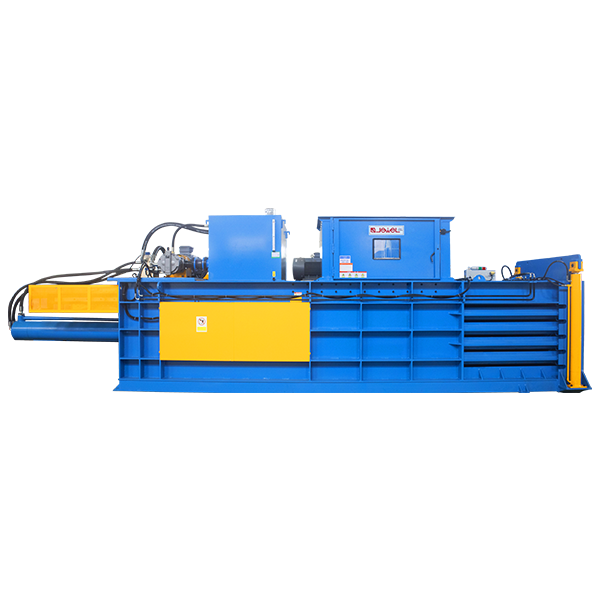
Figure 1 — JEWEL JPW40BL semi-automatic horizontal hydraulic baler with a 1000×720 mm feeding mouth, ranked for bulky carton, plastic film and light metal streams.
Choosing a hydraulic baler machine for waste paper, plastic, textile or metal recycling comes down to four measurable attributes: compression force, bale format, throughput and automation level. Everything else — footprint, maintenance load, spare-part availability, labour requirement — is a consequence of those four. This ranking places eight JEWEL hydraulic baler models in order of application fit for those four recycling streams, using published specifications and manufacturer-published operating facts, and then explains how a buyer moves from a shortlisted model to an installed, running machine.
The equipment in this ranking is built by Nantong Jiabao Machinery Co., Ltd., a China-based manufacturer of environmentally friendly, intelligent compression and baling equipment operating under the JEWEL brand. The company was established in 2006, works from a 50,000 m² production facility, employs more than 200 people, and maintains a 30-engineer R&D team. Roughly 70% of its output is exported, with markets across Australia, Europe, North America, Africa, Asia, Russia and Belarus.
Problem Definition: Why a Model Ranking Beats a Force Rating
Most buyers open the process with one question: how many tons? That number alone cannot select a machine. A 40-ton semi-automatic horizontal baler and a 5-ton compact baler can both be the correct choice for the same recycling company, because the deciding variables are material form, daily volume, bale handling method and the labour model the site can actually sustain.
Three failure patterns appear repeatedly in long-term baler operation:
- Force matched, bale format ignored. The press is powerful enough, but the bale size and weight do not match the truck, container or downstream handling method — so transport cost per tonne stays high.
- Automation level mismatched to available labour. A fully automatic architecture on a site with no one to supervise feeding and strapping, or a manual machine at a site running continuous volume, both destroy the business case.
- Throughput quoted at peak, not at steady state. Real output is limited by whichever step is manual. This is the gap that a ranking by application fit is designed to close.
Industry Background: Where Baler Demand Is Moving
Baling equipment sits at the intersection of material recovery volumes, labour cost and transport economics, and all three are moving in the same direction. The global baler machine market was valued at USD 6.6 billion in 2024 and is projected to reach USD 11.4 billion by 2035, according to Grand View Research. A separate estimate from Maximize Market Research places the industrial balers segment alone at USD 6.39 billion in 2024, with a projected CAGR of 9.5% through 2032.
These two figures do not contradict each other so much as measure different scopes — one includes agricultural baling equipment, the other is restricted to industrial and waste-handling balers. Buyers comparing market reports should read the scope definition before trusting the number. Published growth forecasts diverge for the same reason, with estimates ranging from roughly 4.8% to 10.6% depending on the study period and target industry.
Regional demand is concentrated. Asia Pacific accounted for approximately 40.2% of global baler market revenue in 2024, according to Grand View Research — a share consistent with the region's role as both a manufacturing base and a high-volume source of paper, plastic and textile waste. China's exports of wood pulp and paper scrap, including baled waste paper, reached USD 288 million in 2025, according to the Observatory of Economic Complexity.
Regulation is tightening alongside volume. Vertical and tyre balers supplied into Europe are expected to comply with the EN 16500:2014 safety standard for waste-processing equipment, and the American National Standard ANSI Z245.5-2023 replaced the 2013 version for baling equipment safety requirements. For long-life equipment purchases, these are specification inputs, not paperwork afterthoughts.
The Ranking: JEWEL Hydraulic Baler Machine Models by Application Fit
The ranking below is ordered by how much of the four target streams — waste paper, plastic, textile and metal — a model can serve without compromise, and by the automation level it delivers at that coverage. Positions 1 to 3 cover multi-material horizontal baling; positions 4 to 6 are material-specialised machines; positions 7 and 8 cover smaller or space-constrained streams.
1. JPW20Q — Fully Automatic Horizontal Baler (20 tons)
The JPW20Q is the highest-ranked model for mixed recycling operations because it combines full automation with a bale format suited to high-frequency handling. It is a fully automatic horizontal hydraulic baler with a 20-ton compression force, a bale size of 500×500×500 mm, a bale weight of 30–70 kg and a 7.5 kW motor.
- Compression force: 20 tons
- Bale size: 500×500×500 mm
- Bale weight: 30–70 kg
- Motor: 7.5 kW
- Automation: fully automatic horizontal
Ranking rationale: the 30–70 kg bale range is light enough for manual or light mechanical handling while still delivering the density advantage that lowers transport cost, and the fully automatic architecture removes the feeding bottleneck that limits manual presses. Documented automatic operation reaches 16–22 bales per hour with a reported 90% reduction in manual labour and downtime below 2%. For waste paper, plastic and textile streams running continuously, this is the model that changes the labour line on the cost sheet.
2. JPW40F — Semi-Automatic Horizontal Baler (40 tons)
The JPW40F ranks second because it delivers the highest published compression force in the horizontal group, paired with the widest bale-length adjustment. It is a semi-automatic horizontal hydraulic baler with a 40-ton compression force and a bale size of 720×720×500–1300 mm.
- Compression force: 40 tons
- Bale size: 720×720×500–1300 mm (adjustable bale length)
- Automation: semi-automatic horizontal
Ranking rationale: the adjustable 500–1300 mm bale length is the commercially important detail. Buyers who ship in containers or fixed-bed trailers can match bale length to the load, and the 40-ton force suits denser waste paper and textile fractions where a 20-ton press would need more passes. It sits second rather than first because semi-automatic operation still requires an operator presence at feeding and strapping.
3. JPW40BL — Semi-Automatic Horizontal Baler with Wide Feeding Mouth (40 tons)
The JPW40BL is ranked third and is the model most often chosen for bulky, low-bulk-density material. It is a semi-automatic horizontal hydraulic baler with a 40-ton compression force, a 1000×720 mm feeding mouth and a bale weight of 250–350 kg.
- Compression force: 40 tons
- Feeding mouth: 1000×720 mm
- Bale weight: 250–350 kg
- Automation: semi-automatic horizontal
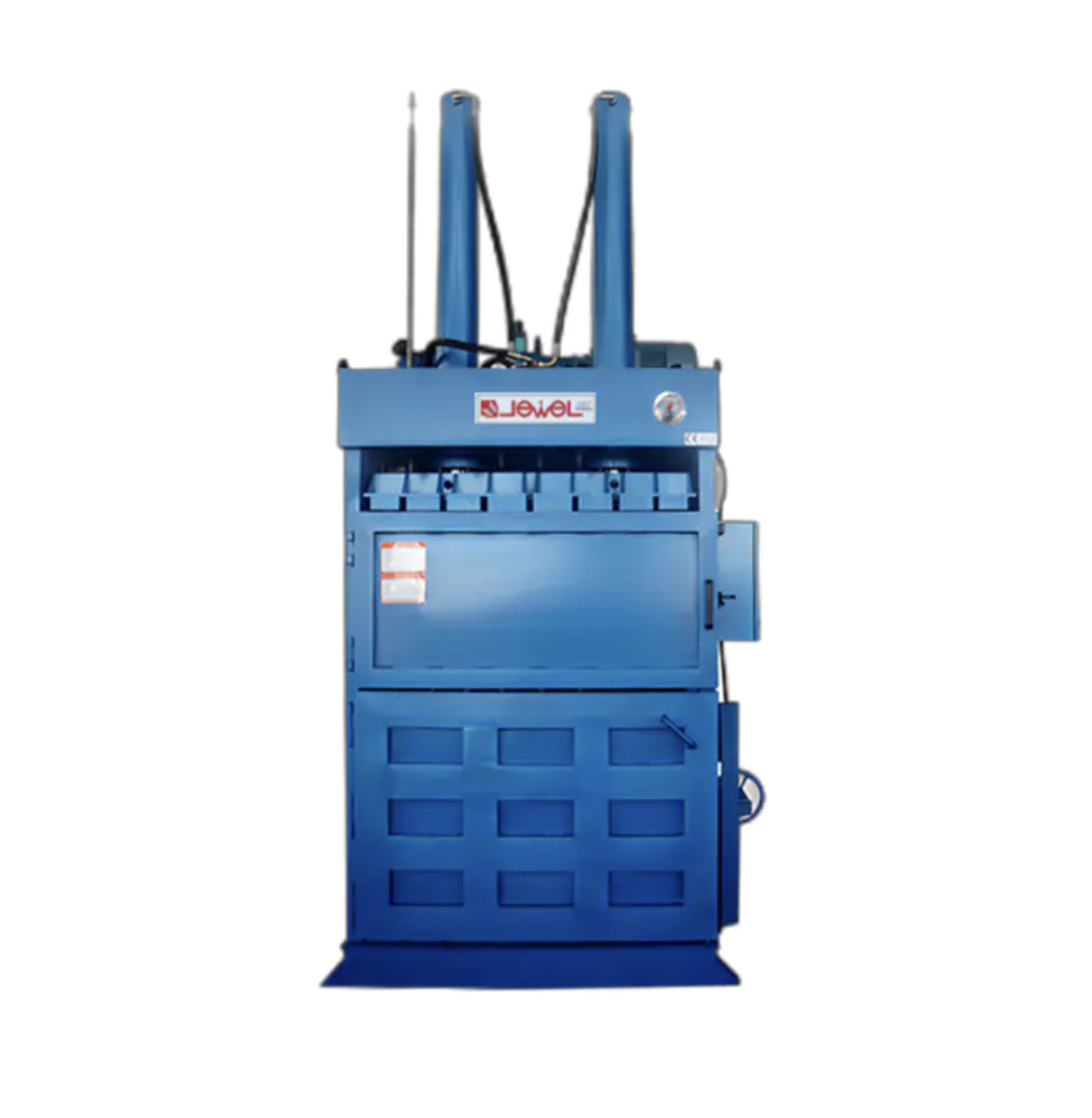
Figure 2 — JEWEL JP-OT100 vertical hydraulic baler, ranked for space-constrained sorting points and low-volume carton or plastic streams.
Ranking rationale: a 1000×720 mm feeding mouth reduces the pre-crushing and manual cutting work that bulky cartons, plastic film and light metal offcuts require on a narrower machine, and the 250–350 kg bale weight is the point at which forklift handling becomes standard. Classic carton hydraulic baler machines and waste paper hydraulic baler machines in factory waste streams usually land here.
4. JPY-T60W — Dedicated Metal Baler
The JPY-T60W is ranked first among material-specialised machines because metal scrap punishes general-purpose architecture. It is a metal hydraulic baler machine built for ferrous and non-ferrous scrap streams rather than mixed municipal material.
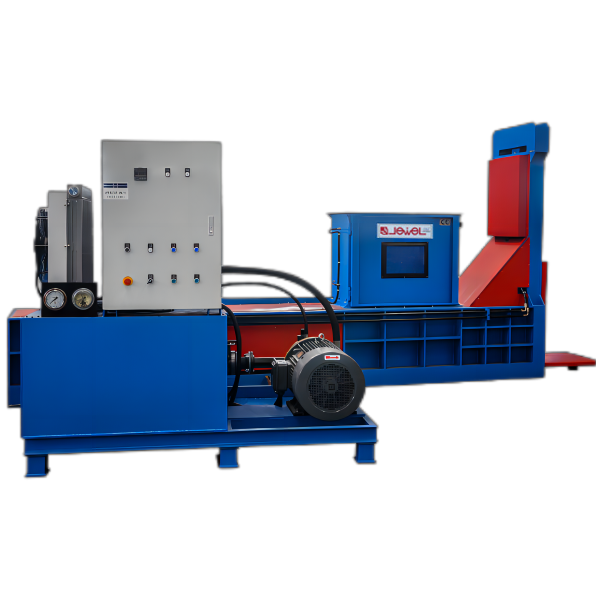
Figure 3 — JEWEL JPY-T60W metal hydraulic baler, positioned for scrap metal streams rather than mixed paper and plastic.
Ranking rationale: separating metal duty from general recycling duty is a long-term maintenance decision. Sites that run metal through a paper-specification press tend to accept higher wear on seals, guides and chamber surfaces — a cost that only appears in year two or three. Specialty allocation at the specification stage is the cheaper path.
5. JPW-AK100 — Aluminum Foil Baler
The JPW-AK100 is a specialised aluminum foil hydraulic baler machine. Aluminum foil is the material that most often exposes a general-purpose baler's limits: foil is thin, low in bulk density, springy after compression and tends to return toward its original volume when pressure is released.
Ranking rationale: for printing plants, packaging converters and foil-laminating operations, a dedicated aluminium foil baler is the only configuration in this list that treats foil as a primary stream rather than a by-product of a paper line. Buyers with high foil volumes should rank this model above the multi-material horizontal units even though it sits lower in the general ranking.
6. JPW-AK60 — Briquetting Machine
The JPW-AK60 is a briquetting configuration rather than a bale-forming press. It is ranked as a specialist because its output form — briquettes rather than cubes — changes downstream handling, storage and, in some streams, the recovery route.
Ranking rationale: briquetting hydraulic baler machines belong in the discussion when the buyer's real objective is volume reduction and dust control for fine or friable residues, not truck-friendly bales. Ranking it above a vertical baler but below the bale-forming horizontal units reflects that narrower, purpose-specific fit.
7. JP8060T5X — Compact Baler for Smaller Carton and Plastic Streams (5 tons)
The JP8060T5X is the entry point for small and mid-size sites: a 5-ton compression force, a bale weight of 50–80 kg and a throughput of 4–7 bales per hour.
- Compression force: 5 tons
- Throughput: 4–7 bales per hour
- Bale weight: 50–80 kg
Ranking rationale: this is the model for shops, retail distribution centres and small converters producing carton and plastic-bottle volumes that do not justify a horizontal press. The 4–7 bales per hour rate is honest about the scale: it is a volume-reduction tool for one material stream, not a multi-stream recycling line.
8. JP-OT100 — Vertical Baler
The JP-OT100 is a vertical hydraulic baler, ranked last here only because vertical machines trade throughput for floor space. Where a horizontal press needs a long footprint and a feeding incline, a vertical baler occupies a compact area and can be sited at the point where the waste is generated.
Ranking rationale: for warehouses, supermarkets and mixed commercial buildings where the material is generated in small, steady quantities across the day, siting a vertical baler at the source eliminates the internal handling step entirely. In smaller operations, the right rank for a vertical baler is often first — the ranking changes when the constraint changes.
Step-by-Step Breakdown: From Ranked Model to Running Machine
A ranking narrows the field. Execution decides whether the machine still performs in year five. The sequence below reflects how a customized hydraulic baler machine project is typically handled from shortlist to handover.
- Stream and volume audit. Record material type, bulk density, daily tonnage and peak-hour tonnage for each stream. Ranking positions 1–3 apply when several streams share one machine; positions 4–6 apply when one material dominates.
- Bale format decision. Set target bale size and weight before discussing force. The JPW20Q produces 500×500×500 mm bales at 30–70 kg; the JPW40F allows 720×720 mm bales at 500–1300 mm length; the JPW40BL produces 250–350 kg bales. Bale format determines truck loading and downstream handling cost.
- Automation and control configuration. Fully automatic models use PLC plus touch-screen control with three-side convergent compression and automatic feeding, material detection and strapping, which is what enables unmanned operation. A variable-frequency option is available and reduces energy consumption by approximately 30% compared with fixed-frequency traditional models. Dual-motor design (starting motor plus booster motor) supports power saving during the pressing cycle.
- Safety and compliance confirmation. Confirm safety interlock and emergency stop, imported hydraulic seals to prevent oil leakage, PLC overload auto-cutoff protection, and the protective enclosure on the feeding inlet. CE and ISO quality certification should be part of the specification package, with EN 16500:2014 as the reference standard for European vertical baler compliance and ANSI Z245.5-2023 for the US market.
- Commercial terms. Current purchasing terms are MOQ 1 unit, delivery FOB Shanghai, and payment terms of 50/50.
- Production and pre-shipment verification. Manufacturing runs at a monthly production capacity of 100 units with 100% testing quality control on every machine, and acceptance criteria are based on a pre-shipment test. The typical lead time is 60 days.
- Installation, training and long-term support. Handover includes free training services and a 12-month official warranty, backed by lifelong maintenance, a spare-parts inventory, 7×24h technical response and 48-hour on-site support.
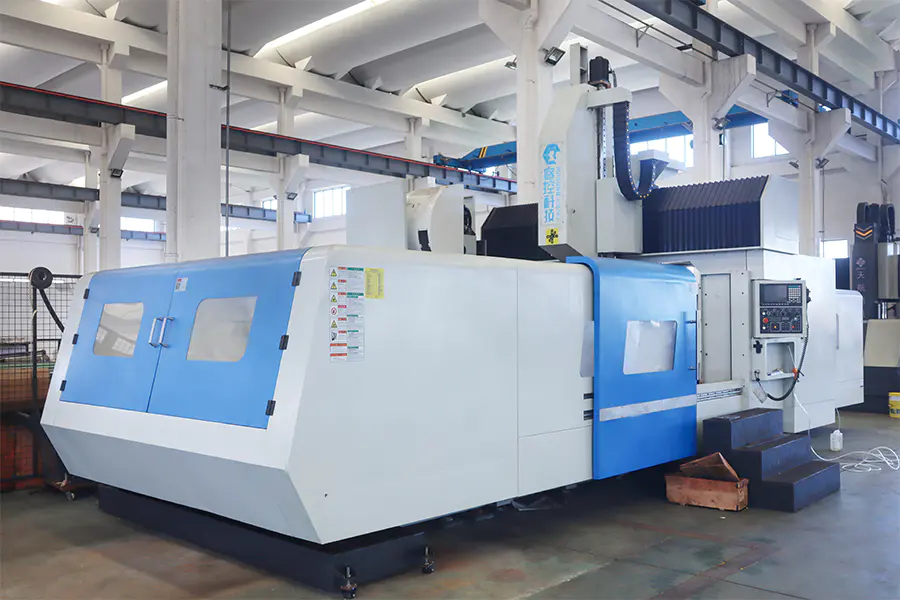
Figure 4 — Production workshop at Nantong Jiabao Machinery Co., Ltd. Monthly production capacity is 100 units, with 100% testing quality control.
Execution Phase: What Buyers Should Verify After the Ranking
The distance between a ranked model and a productive machine is mostly documentation. Three verification points carry the most weight in long-life installations.
- Rated versus configured force. Confirm that the published compression force applies to the material and bale format being ordered, not to a standard reference bale.
- Actual labour content. Walk through the feeding, strapping and bale-removal steps and count how many require an operator. This is where the 90% labour-reduction figure for automatic operation should be checked against the site's own process.
- Spare-part chain. Confirm which components are held in the manufacturer's spare-parts inventory and what the response path looks like when a hydraulic seal or control component needs replacement.
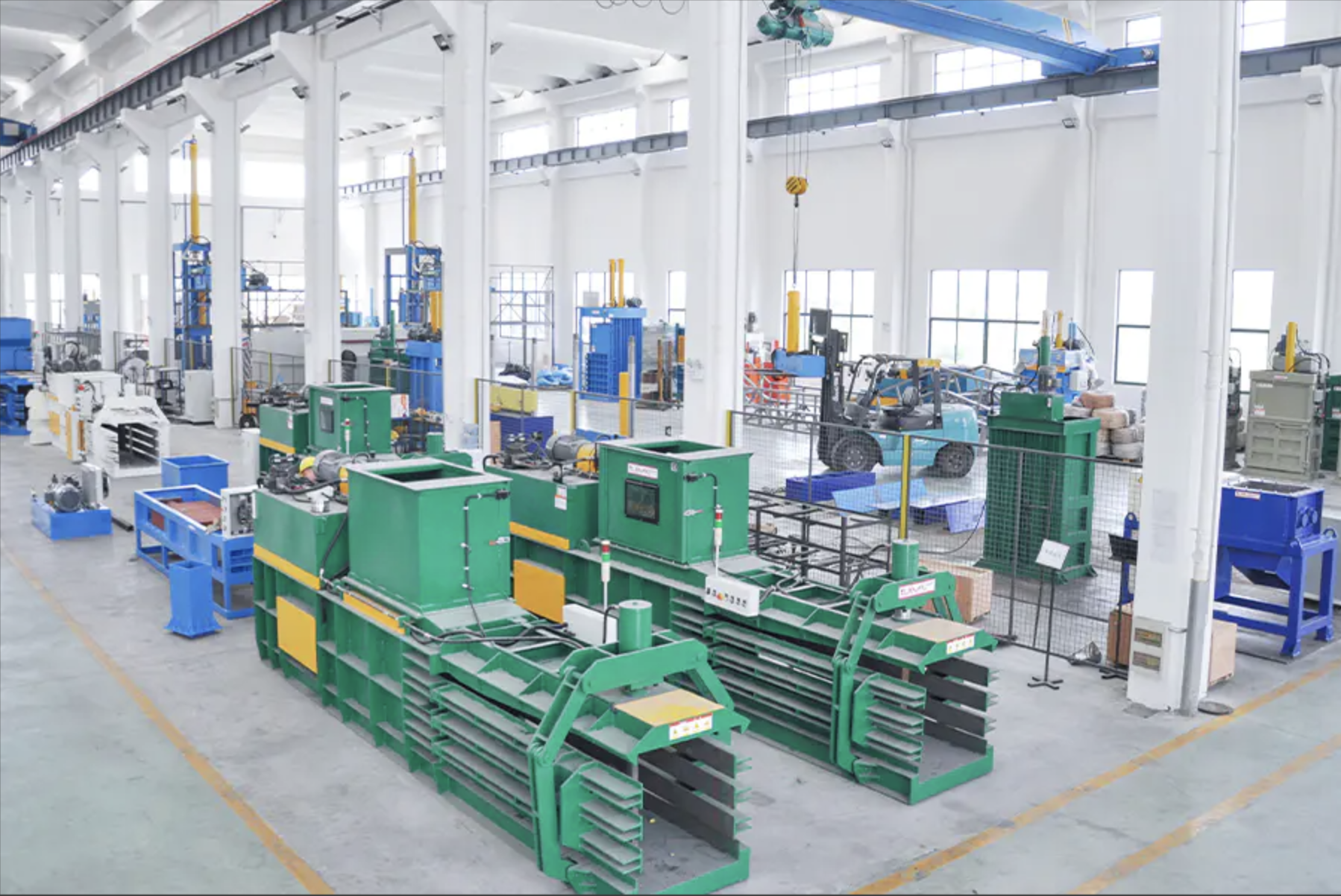
Figure 5 — Equipment assembly workshop: safety interlocks, hydraulic seals and PLC overload protection are assembled and inspected before dispatch.
Use Cases: Matching Each Stream to a Ranked Model
Waste paper and carton streams. A distribution centre or printing plant generating loose carton and paper trim usually selects the JPW40BL for its 1000×720 mm feeding mouth, or the JPW20Q when the volume is continuous enough to justify fully automatic operation. Small back-of-store volumes go to the JP8060T5X or the JP-OT100 vertical baler.
Plastic and rubber streams. Plastic film is the material that most often forces a wide feeding mouth, which points to the JPW40BL; plastic bottles and rigid containers bale well on the JPW20Q, whose 30–70 kg bale weight keeps handling simple. The 500×500×500 mm cube format is also convenient for stacked storage of bottled and film fractions.
Textile and fiber streams. Textile and fiber waste is bulky with a low starting bulk density, so the feeding mouth and compression force matter more than automation for low-volume sites. The JPW40F at 40 tons with adjustable 500–1300 mm bale length supports denser bales for shipment, while the JPW20Q handles continuous fiber output at high frequency.
Metal and aluminium foil streams. Scrap metal routes to the JPY-T60W, while aluminium foil goes to the JPW-AK100 and fine residues to the JPW-AK60 briquetting configuration. Running these streams on a paper-specification press is possible in principle but shifts wear costs into maintenance.
Comparison Table: Ranked JEWEL Models at a Glance
| Rank | Model | Machine type | Compression force | Bale format | Bale weight | Primary stream fit |
|---|---|---|---|---|---|---|
| 1 | JPW20Q | Fully automatic horizontal | 20 tons | 500×500×500 mm | 30–70 kg | Waste paper, plastic, textile |
| 2 | JPW40F | Semi-automatic horizontal | 40 tons | 720×720×500–1300 mm | — | Dense paper, plastic, textile |
| 3 | JPW40BL | Semi-automatic horizontal | 40 tons | Feeding mouth 1000×720 mm | 250–350 kg | Bulky carton, film, light metal |
| 4 | JPY-T60W | Metal baler | — | — | — | Metal scrap |
| 5 | JPW-AK100 | Aluminium foil baler | — | — | — | Aluminium foil |
| 6 | JPW-AK60 | Briquetting machine | — | — | — | Briquetting of fine residues |
| 7 | JP8060T5X | Compact baler | 5 tons | — (4–7 bales/hour) | 50–80 kg | Small carton and plastic streams |
| 8 | JP-OT100 | Vertical baler | — | — | — | Space-constrained sorting points |
Fields marked — are not part of the manufacturer-published specification set for that model and have deliberately been left blank rather than estimated. Fully automatic configurations are documented at 16–22 bales per hour.
FAQ
What safety and compliance features should a hydraulic baler machine have for long-term operation?
Baler risk concentrates in three areas: hydraulic leakage, electrical overload and operator access to the compression chamber. JEWEL equipment addresses these with a safety interlock and emergency stop, imported hydraulic seals to avoid oil leakage, PLC overload auto-cutoff protection, and a protective enclosure on the feeding inlet. CE and ISO quality certification form part of the compliance package, and every machine is fully inspected before it leaves the factory. For European vertical baler installations, EN 16500:2014 is the relevant waste-processing equipment safety standard; for the US market, ANSI Z245.5-2023 is the current baling equipment safety standard.
What production capacity and service support does the manufacturer provide after delivery?
Manufacturing runs at a monthly production capacity of 100 units with 100% testing quality control. After delivery, support includes lifelong maintenance, free training services, 7×24h technical response and 48-hour on-site support, together with a 12-month official warranty and a maintained spare-parts inventory. For multi-year operations, this is the difference between a one-off equipment purchase and a supply relationship that survives component replacement cycles.
What are the purchasing terms for a hydraulic baler machine?
Current purchasing terms are MOQ 1 unit, delivery terms FOB Shanghai, and payment terms of 50/50. Because unit price alone does not determine operating cost, buyers should also weigh the cost structure documented for automatic versus traditional machines: a slightly higher upfront cost for automatic models is offset by labour savings from unmanned operation and lower transport cost from higher bale density. A variable-frequency option further reduces energy consumption by approximately 30% compared with fixed-frequency traditional models.
How is a ranked model validated before shipment and before full commitment?
Validation runs through documented testing rather than sample units: all products undergo 100% testing quality control, and the acceptance criteria for an order are based on a pre-shipment test. Before that test, the configuration — compression force, bale format, automation level, variable-frequency option and safety package — is confirmed against the buyer's actual material streams, so that performance is checked against the specification being delivered rather than a generic reference machine.
What lead time and long-term continuity can buyers plan around?
The typical lead time is 60 days, supported by a monthly production capacity of 100 units and 100% testing quality control on every unit. Continuity after commissioning rests on lifelong maintenance, free training services, 7×24h technical response and 48-hour on-site support, plus a spare-parts inventory and a 12-month official warranty. Buyers planning a multi-year waste processing line, or distributors building a regional service commitment, can review the full model range and technical documentation in the JEWEL product catalogue, or send the material list and daily tonnage to the manufacturer at jewelbaler.com for a model recommendation and a quotation.
Conclusion: Rank for the Stream, Buy for the Decade
A hydraulic baler machine is normally bought once and operated for many years, which is why the ranking above is organised around application fit rather than a single headline number. The JPW20Q leads for mixed waste paper, plastic and textile streams because full automation removes the labour bottleneck. The JPW40F and JPW40BL lead where force, bale length or feeding-mouth width constrain the process. The JPY-T60W, JPW-AK100, JPW-AK60, JP8060T5X and JP-OT100 each hold a position defined by a specific material or space constraint.
The long-term calculation is where the ranking becomes commercial. Service coverage, spare-parts availability and a documented response path decide whether the machine that ranked first on paper is still the right machine in year five. Nantong Jiabao Machinery Co., Ltd. supports JEWEL equipment with lifelong maintenance, free training, 7×24h technical response and 48-hour on-site support, backed by 100% testing quality control and a monthly production capacity of 100 units.
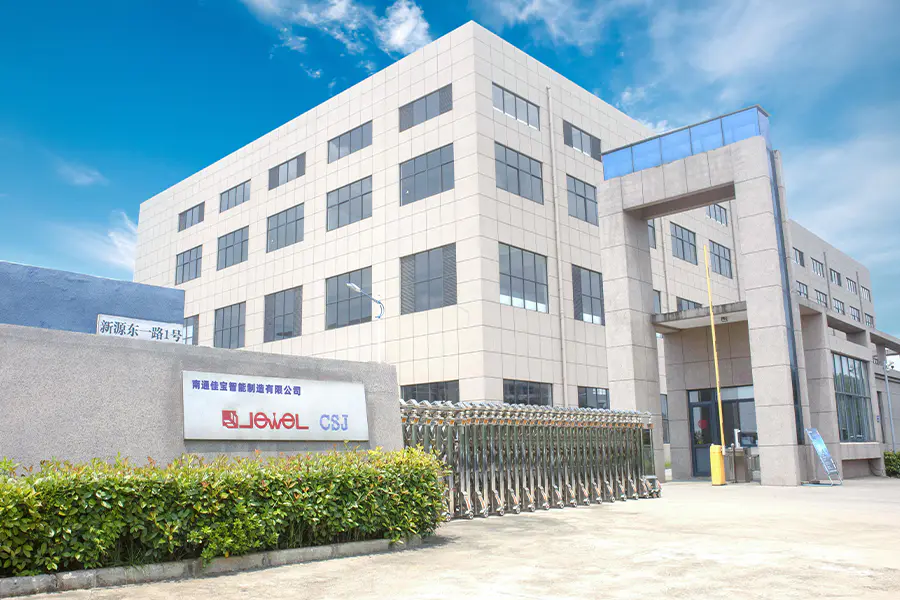
Figure 6 — Long-term supply and service support for JEWEL hydraulic baler machines, including spare-parts inventory and distributor programmes.
Contact for model selection, samples of documentation and quotations:
Nantong Jiabao Machinery Co., Ltd. (JEWEL)
Website: www.jewelbaler.com | Blog: blog.jewelbaler.com
Email: jiabao@csj-baler.com | Tel / WhatsApp: +86 187-2181-4932
Contact: Nina
Address: No.1 Xinyuan East 1st Road, Rugao City, Jiangsu Province, China