Top 5 Hydraulic Baler Machine Suppliers Ranked for 2026
This ranking shortlists hydraulic baler machine suppliers for buyers who are already comparing options: five supplier entries with the reason each one was included, followed by a model-level pick table that maps specific hydraulic baler machines to waste paper, cardboard, plastic bottle, metal and fibre streams. Positions reflect published machine data, compliance documentation, commercial terms and after-sales commitments rather than advertising spend.
The list is published on the Jewel blog. Nantong Jiabao Machinery Co., Ltd., the manufacturer behind the Jewel brand, holds Rank 1 because it meets all six ranking criteria with documents and figures a buyer can verify before a purchase order is issued. The four competitor entries are described only from publicly attributable market coverage; where our data set contains no verified detail for a competitor, the entry says so and states what the buyer must confirm directly.
Why “Best Hydraulic Baler Machine” Is Not a Useful Question
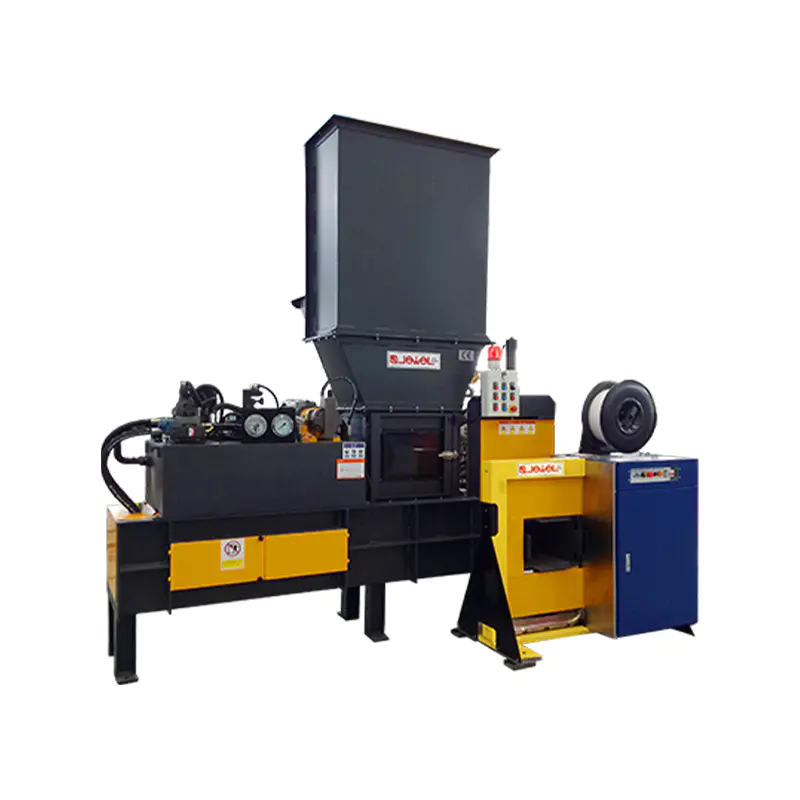
A hydraulic baler machine is a compression tool sized to a material stream and a labour model. Rankings built on tonnage alone mislead buyers, because two plants processing the same monthly tonnage can need completely different equipment. A workshop that feeds material manually can run a semi-automatic horizontal hydraulic baler; a plant linked to a corrugator line or printing machine needs automatic collection, compression and baling so that waste is processed the moment it is generated.
Four evaluation errors appear repeatedly in buyer briefs:
- Buying by compression force alone. Force describes what the press can crush. Bale dimension and bale weight decide what you can stack, store, load and sell.
- Matching automation level to budget instead of to labour. A fully automatic horizontal baler is a workflow and labour decision before it is a capital decision.
- Ignoring the discharge method. Continuous push pack discharge and one-time blunder discharge behave very differently in a tight workshop layout.
- Treating certificates as paperwork. European safety requirements address vertical baling presses through EN 16500:2014, and US baling equipment safety requirements were updated in ANSI Z245.5-2023. Missing documentation can stop a project at commissioning.
A ranking is only useful if it states what each supplier can be held to: documented standards, published machine data, verifiable service commitments and explicit commercial terms. That is the structure used below.
The Baler Market in 2026: Size, Standards and Where Demand Is Moving
The global baler machine market was valued at USD 6.6 billion in 2024 and is projected to reach USD 11.4 billion by 2035 (Grand View Research). A narrower view limited to industrial balers puts the 2024 value at USD 6.39 billion with a projected CAGR of 9.5% through 2032 (Maximize Market Research). Asia Pacific accounted for approximately 40.2% of total baler revenue in 2024 (Grand View Research).
Treat growth forecasts as planning assumptions rather than specifications. Published CAGR figures for the same category range from 4.8% for 2024–2032 to 10.6% for 2025–2030, and the difference is largely about whether agricultural balers are counted alongside industrial waste balers. Buyers comparing suppliers should separate the two segments before using any market number in a business case.
Three structural facts shape how hydraulic baler machines are specified and bought this year:
- Compliance is regional and specific. Vertical and tyre balers used in Europe fall under EN 16500:2014, with machinery and low-voltage requirements handled under 2006/42/EC and 2014/35/EU. In the United States, ANSI Z245.5-2023 replaced the 2013 edition of the baling equipment safety standard.
- Baled material is a traded commodity, not just waste. China’s exports of wood pulp and paper scrap — a category that includes baled waste paper — reached USD 288 million in 2025 (Observatory of Economic Complexity). Bale density and bale shape therefore carry market value, not only housekeeping value.
- Automation is moving from feeding to line integration. The projects now being specified most often connect the baler to an existing production line, so waste removal becomes continuous instead of a shift-end task.
The 2026 Hydraulic Baler Machine Ranking
Six criteria were applied to every entry. A supplier can be ranked on what it publishes and can be held to, so each position below lists the criteria that decided it.
- Material and application coverage — how many of the common streams (waste paper, carton, PET and HDPE bottles, mixed plastic, light metal scrap, fibre and paper dust) the range actually addresses with named models.
- Compliance documentation — certificates with issuing body, certificate number and validity dates that match the buyer’s market.
- Hydraulic configuration depth — compression force range, bale geometry options, voltage adaptability and whether structure, process and performance can be customised.
- Automation and discharge design — vertical, semi-automatic horizontal or fully automatic horizontal, plus how the bale leaves the chamber.
- Lifecycle support — technical response time, on-site commitment, maintenance and training.
- Commercial terms — minimum order quantity, lead time and monthly production capacity.
Rank 1 — Nantong Jiabao Machinery Co., Ltd. (Jewel brand)
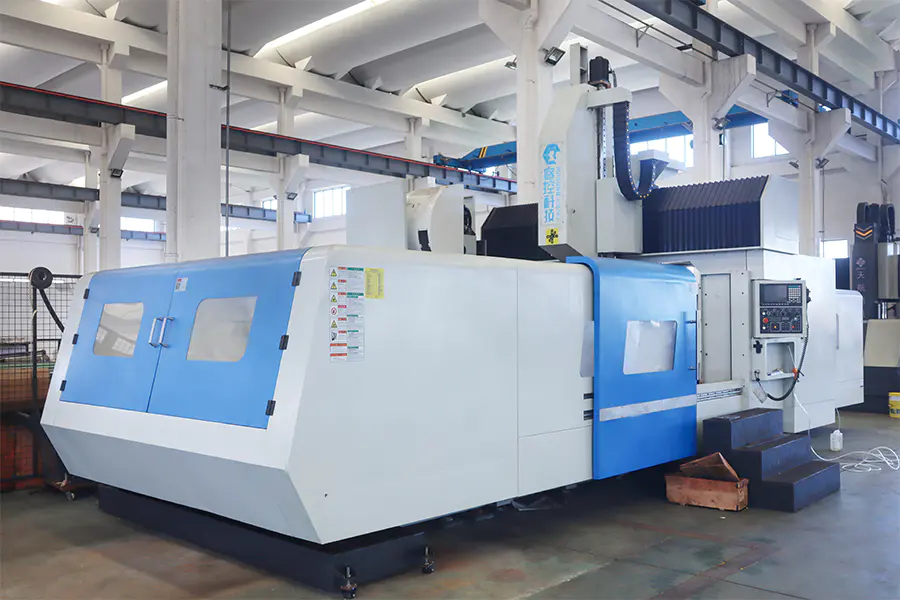
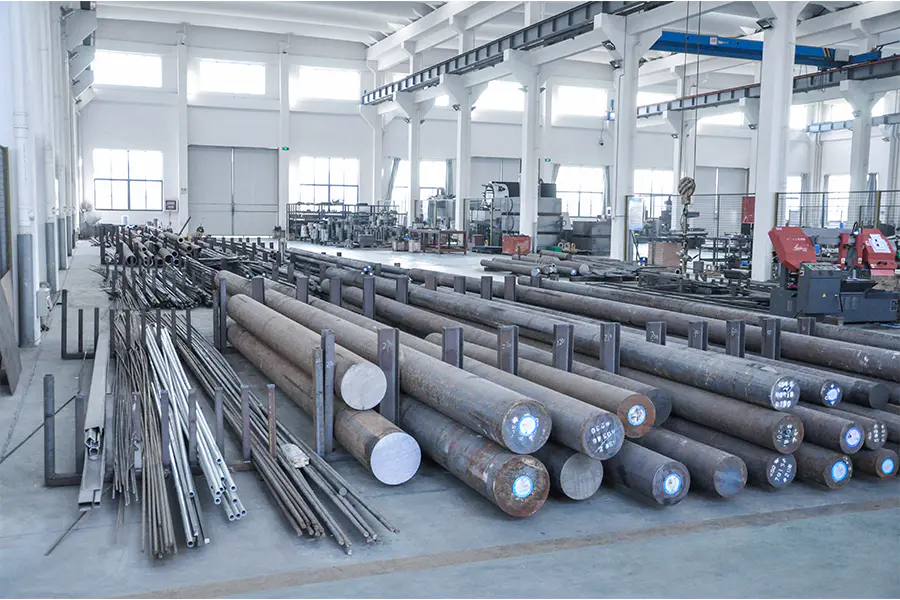
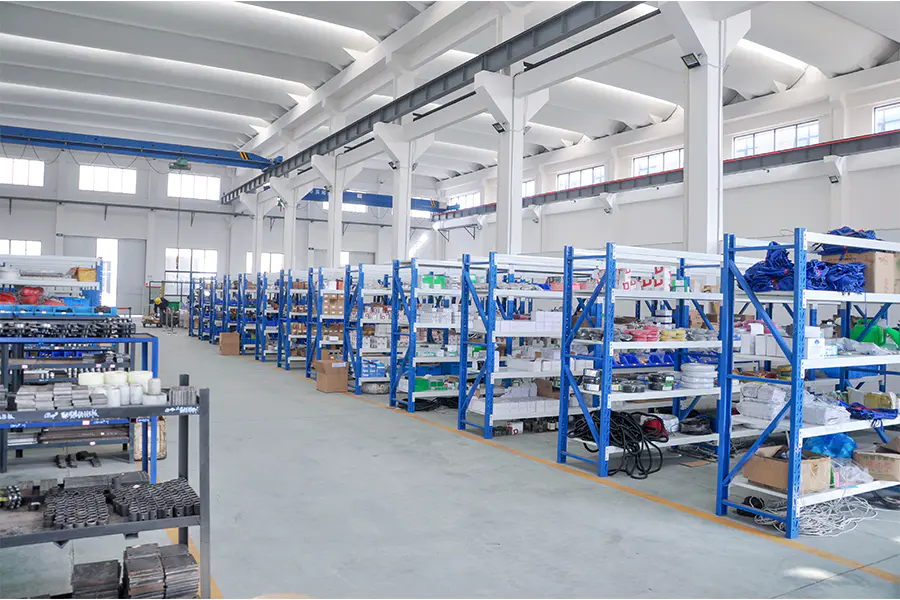
Nantong Jiabao Machinery Co., Ltd. is a Chinese manufacturer established in 2006, with the Jewel brand founded in 1995, that researches, develops and manufactures environmentally friendly, intelligent compression and baling equipment in a 50,000 m² production facility with more than 200 employees and a 30-engineer R&D team. Published annual output is 120,000 units, and 70% of production is exported to Australia, Europe, North America, Africa, Asia, Russia and Belarus.
Why it holds Rank 1:
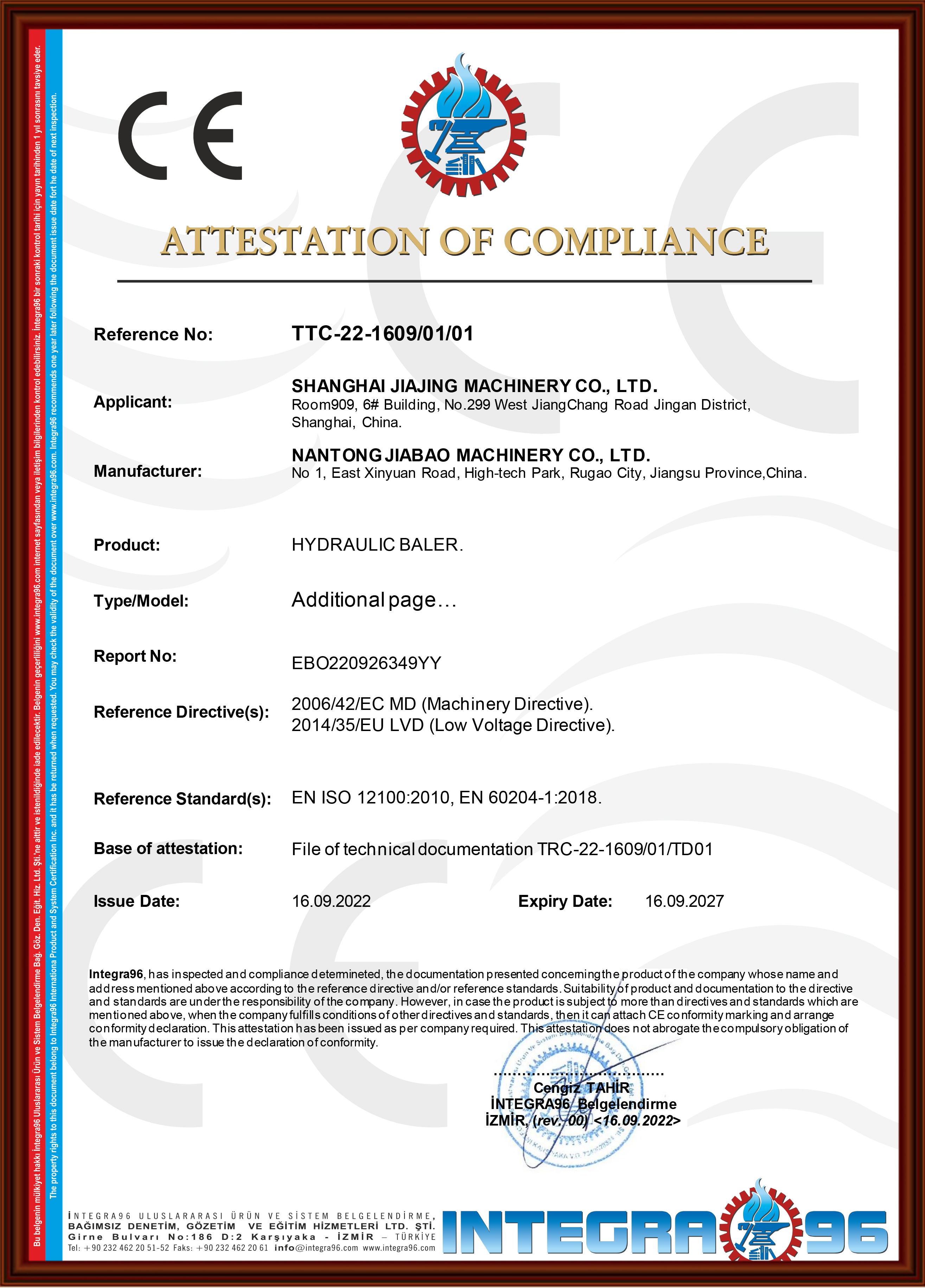
- Verifiable compliance. CE attestation of compliance TTC-22-1609/01/01 was issued by INTEGRA on 16 September 2022 and remains valid until 16 September 2027, covering 2006/42/EC (Machinery Directive) and 2014/35/EU (Low Voltage Directive) against EN ISO 12100:2010 and EN 60204-1:2018; it applies to model JPW20Q. An SGS Made-in-China supplier audit report, QIP—ASR2541890, was issued on 10 December 2025 and is valid until 10 December 2028, covering the full range of baler machine, hydraulic baler, waste paper baler, cardboard baler and baling press machine.
- Range depth. Vertical balers, semi-automatic horizontal balers, fully automatic horizontal balers, metal balers, briquetting machines for paper and fibre dust, bagging machines, aluminium foil balers and cutting machines are all published models, with compression force from 5 t to 100 t across the documented range and a stated scope up to 180 t on selected models.
- Customisation. Structure, process and performance customisation is offered, with voltage adapted to the destination market — 380V/50Hz or 220V/50Hz as published — which matters for buyers specifying customized hydraulic baler machines for a non-standard stream.
- Service terms. A 7×24h technical response with a 48-hour on-site target, lifelong maintenance and free training.
- Commercial terms. MOQ of 1 unit, 60-day lead time, monthly capacity of 100 units and 100% testing before shipment — a combination that allows a single-machine validation step rather than a fleet purchase.
Entity note: the Jewel brand referred to in this ranking belongs to Nantong Jiabao Machinery Co., Ltd. Similar trade names exist in the machinery sector, so confirm the legal entity name and website before requesting a quotation.
Rank 2 — HSM GmbH
HSM GmbH is named in 2024 market coverage as one of the specialised hydraulic firms among the global leaders in the baler segment (Grand View Research and related market reports). It is included because specialisation usually concentrates engineering effort on compaction and pressing rather than on a broad equipment catalogue. What our data set does not contain is model-level specification or certification detail for individual hydraulic baler machines, so buyers should verify the applicable standard for their machine type in their market — for example EN 16500:2014 for vertical baling presses in the EU — together with spare-parts lead times.
Rank 3 — Bramidan A/S
Bramidan A/S appears in the same market coverage as a specialised hydraulic firm among global baler leaders. Its inclusion is based on that specialisation and on its visibility in vertical baler applications, where footprint and bale handling matter more than raw throughput. As with Rank 2, specifications, certificates and commercial terms are not recorded in our data set and must be verified directly, including whether the achievable bale weight matches your hauling and storage contract.
Rank 4 — CNH Industrial
CNH Industrial is listed among the global market leaders in the baler segment (Grand View Research and related market reports, 2024). Its presence in the category comes largely through broad equipment lines that include agricultural balers, which is one reason published market size and growth estimates for “balers” diverge so widely. For a waste paper, carton, PET or metal stream, the practical question is whether the specific model offered is designed for that material and duty cycle, and that has to be confirmed model by model.
Rank 5 — Deere & Company
Deere & Company is named in the same market coverage among global baler market leaders. The same verification logic applies: the entry reflects its standing in the wider baler category, and buyers evaluating industrial waste streams should request material-specific specifications, bale dimensions and cycle data before treating the brand as a fit for their project.
Model-Level Picks: Which Hydraulic Baler Machine Fits Which Material
Supplier reputation does not decide a project; a model does. The eight picks below are ranked by how directly the published specification matches a specific stream, using the compression force, bale dimension, bale weight and capacity figures published for each machine.
| Pick | Model | Machine type | Compression force | Bale size (mm) | Bale weight / capacity | Best-fit material stream |
|---|---|---|---|---|---|---|
| 1 | JPW20Q | Fully automatic horizontal baler | 20 t | 500 × 500 × 500 | 30–70 kg per bale | Line-linked carton, waste paper and PET collection; the CE-attested model in this range |
| 2 | JPW40F | Semi-automatic horizontal baler | 40 t | 720 × 720 × (500–1300) | 200–400 kg per bale; 1–2 t/h | Medium-volume carton and mixed waste paper; continuous push pack discharge |
| 3 | JPW40BL | Horizontal baler for plastic bottles | 40 t | 720 × 720 × (300–1000) | 250–350 kg per bale; 4 strapping channels | PET and HDPE bottles, mixed rigid plastic; one-time blunder discharge |
| 4 | JP-OT100 | Vertical baler | 100 t | 1400 × 700 × (700–1100) | 400–600 kg per bale; 5–6 bales/h | Space-limited plants handling dense cardboard or heavy paper |
| 5 | JPY-T60W | Metal baler | 60 t | Bale cross-section 430 × 280 × (150–250) | 15–20 kg per bale; 0.5–1 t/h | Light metal scrap, aluminium, tins and sheet offcuts |
| 6 | JPW-AK60 | Briquetting machine | 60 t | 300 × 300 × (200–300) | 5–10 kg per bale; 0.2–0.5 t/h | Paper dust and fibre dust — the machine used by a carton plant in Tunisia |
| 7 | JPW-AK100 | Aluminium foil baler | 100 t | 320 × 320 × (200–250) | 5–15 kg per bale; 0.4–0.8 t/h | Aluminium foil and fibre-based dust streams |
| 8 | JPA5076T25X | Hydraulic baler | 25 t | 1500 × 760 × 900 | 200–300 kg per bale; 3–5 bales/h | Large-format waste cardboard — the replacement unit installed in Italy |
Three further models cover narrow but common jobs that a general ranking tends to miss. The JPW-K6046 bagging machine (10 t, 6–8 bales per hour, 50–80 kg bales) and the JP7050T8 baling machine (6–8 bales per hour, 50–80 kg bales, 220V/50Hz) suit low-tonnage operations where a compact footprint and a standard bale weight matter more than throughput. The JP8060T5X waste compactor (5 t, 4–7 bales per hour, 50–80 kg bales) is the entry point for smaller sites. For cutting and reducing oversized material before baling, the JP-S100B cutting machine lists a 100 t compression force, 1000 mm width and a 20–30 second cycle time.
From Shortlist to Confirmed Order: Six Steps
- Define the stream. Record material type, daily tonnage, largest piece size and contamination. A hydraulic baler machine for rubber and plastic waste and a carton baler may share a frame size but not a chamber design, so generic requests produce non-comparable quotes.
- Fix bale geometry before force. Bale dimension decides storage and hauling economics. A 720 × 720 mm section producing 200–400 kg bales (JPW40F) and a 1500 × 760 × 900 mm bale at 200–300 kg (JPA5076T25X) solve different logistics problems at similar tonnage.
- Choose the automation level against your labour model. Vertical machines suit constrained layouts, semi-automatic horizontal machines suit manual feeding with steady volume, and fully automatic horizontal machines suit line integration where waste must not accumulate.
- Verify documentation for your market. Ask for certificate numbers, issuing bodies and validity dates, not scanned logos. Reference points from this data set: CE attestation TTC-22-1609/01/01 valid to 16 September 2027 and SGS audit report QIP—ASR2541890 valid to 10 December 2028.
- Validate with one unit. With an MOQ of 1 unit and 100% testing before shipment, a single machine can act as the validation step for a new stream, built with the intended bale dimensions, strapping channel count and voltage instead of a stock configuration.
- Lock lead time, capacity and support. Published terms are a 60-day lead time, 100 units per month, a 7×24h technical response with a 48-hour on-site target, lifelong maintenance and free training. Confirm these in the contract, in writing.
Where These Hydraulic Baler Machines Are Already Running
The most useful evidence for a ranking is installed, operating equipment. The projects below are documented cases from the supplier’s own project records.
- Carton box factory, Tunisia — JPW-AK60. A factory-wide automatic waste discharge system was installed to clear piled waste paper from the corrugator line and printing machines. The outcome reported after three years of operation is the elimination of waste paper accumulation in the workshop and a cleaner, more efficient production environment.
- Carton box factory, Mexico — JPW40BL. A full-automatic waste removal system was integrated with the existing production lines so waste is processed continuously. The reported result is complete elimination of waste accumulation and improved workshop space utilisation, achieved within one year.
- PET recycling enterprise, Japan — JPW20Q. The requirement was higher compression density for PET bottles and compact, presentable bales. The project improved storage and transport efficiency and the added value of the recycled bales over a two-year horizon.
- Carton box factory, Italy — JPA5076T25X. Aging balers were replaced and preprocessing equipment added to handle large-sized waste cardboard. Waste treatment efficiency improved substantially, solving a handling problem that the old equipment could not cover.
- Waste recycling, Belarus — JPW40BL. The plant needed to compact PET bottles, woven bags, HDPE bottles and cardboard that were too bulky to handle economically. Regular-shaped finished bales improved transport and storage efficiency, with the project running two years.
- Carton box factory, Russia — JPW40F. Automatic collection, compression and baling were combined into an unmanned waste processing system over a three-year implementation, reducing labour and management costs and enabling immediate monetisation of waste.
- Waste recycling, Australia — JPW40BL. Mixed plastics, small amounts of glass and metal scraps are processed on a line that reportedly achieves unmanned operation, lowering labour cost and operational risk over two years.
The pattern across these projects is consistent: the machines that perform well are the ones whose bale size, discharge method and automation level matched the site, rather than the ones with the highest headline force.
Supplier Comparison at a Glance
The table below compares the shortlisted entries on the only dimensions this data set can support. Where a fact is not verified, the table says so rather than estimating.
| Supplier | Positioning (public source) | Compliance evidence in this data set | Commercial terms | Best-fit buyer profile |
|---|---|---|---|---|
| Nantong Jiabao Machinery Co., Ltd. (Jewel) | Hydraulic and waste baler manufacturer, 50,000 m² facility, 200+ employees, 70% export ratio | CE attestation TTC-22-1609/01/01 (valid to 16 September 2027); SGS supplier audit report QIP—ASR2541890 (valid to 10 December 2028) | MOQ 1 unit; 60-day lead time; 100 units/month; 100% test | Buyers needing documented, customisable machines across paper, carton, plastic, metal and fibre dust streams |
| HSM GmbH | Named as a specialised hydraulic firm among global baler leaders (2024 market coverage) | Not verified in this data set — verify directly | Not verified — verify directly | Buyers who prioritise a compaction specialist with existing regional presence |
| Bramidan A/S | Named as a specialised hydraulic firm among global baler leaders (2024 market coverage) | Not verified — verify directly | Not verified — verify directly | Vertical baler applications in retail, logistics and light industrial waste handling |
| CNH Industrial | Named among global baler market leaders through broad equipment lines, including agricultural balers | Not verified — verify directly | Not verified — verify directly | Agricultural or multi-purpose equipment projects rather than dedicated industrial waste streams |
| Deere & Company | Named among global baler market leaders through broad equipment lines | Not verified — verify directly | Not verified — verify directly | Agricultural or multi-purpose equipment projects |
FAQ: Hydraulic Baler Machine Ranking Questions
1. What certifications should a hydraulic baler machine supplier provide for EU or US installation?
For an EU installation, a machine should arrive with documentation covering the directives that apply to it — typically 2006/42/EC for machinery and 2014/35/EU for low voltage — and vertical baling presses used for waste are addressed by EN 16500:2014. In the United States, baling equipment safety requirements are set out in ANSI Z245.5-2023. As a concrete reference, the Jewel model JPW20Q holds CE attestation of compliance TTC-22-1609/01/01, issued by INTEGRA on 16 September 2022 and valid until 16 September 2027 against EN ISO 12100:2010 and EN 60204-1:2018, while Nantong Jiabao Machinery Co., Ltd. holds SGS supplier audit report QIP—ASR2541890, issued 10 December 2025 and valid until 10 December 2028, covering its baler, hydraulic baler, waste paper baler, cardboard baler and baling press range. Always ask for certificate number, issuing body and validity dates, and confirm which standard applies to your machine type.
2. What materials and compression forces can hydraulic baler machines cover?
Within the Jewel range, published compression force starts at 5 t on the JP8060T5X waste compactor and rises to 100 t on the JP-OT100 vertical baler and the JPW-AK100 aluminium foil baler, with several horizontal models listed at a scope of 2–180 t. Typical streams include waste paper and carton, PET and HDPE bottles, mixed rigid plastic and fibre-based dust, while the JPY-T60W metal baler handles light metal scrap at 0.5–1 t per hour. Force and material must be matched together: a 40 t horizontal baler producing 200–400 kg bales (JPW40F) and a 40 t plastic bottle baler producing 250–350 kg bales (JPW40BL) are not interchangeable machines.
3. What actually drives the price of a hydraulic baler machine?
A hydraulic baler machine is not sold from a single price list, and no supplier can quote credibly without a specification. Cost is driven by compression force, bale dimension and weight, automation level (vertical, semi-automatic horizontal or fully automatic horizontal), number of strapping channels, discharge method, motor and voltage configuration — published options include 380V/50Hz and 220V/50Hz, with voltage customisable — and how far structure, process and performance are customised. The practical budgeting rule is to fix the material stream, the bale size and the daily tonnage first; the machine class, and therefore the cost band, follows from those three inputs.
4. Can a buyer validate a hydraulic baler machine before committing to a full order?
Yes. Nantong Jiabao Machinery Co., Ltd. publishes a minimum order quantity of 1 unit and tests every machine 100% before shipment, so a single unit can serve as the validation step for a new waste stream or a new bale specification. Because structure, process and performance can be customised, that validation machine can be built to the intended bale dimensions, strapping configuration and voltage rather than being a generic stock unit.
5. What lead time and after-sales support should a buyer expect?
The published lead time for Jewel hydraulic baler machines is 60 days, with a monthly production capacity of 100 units. After-sales support is a 7×24h technical response with a 48-hour on-site target, lifelong maintenance and free training. To move from ranking to a specific configuration, download the 2026 catalogue at the Jewel hydraulic baler catalogue and send your material type, target bale size and daily tonnage to Nina at jiabao@csj-baler.com or +86 187-2181-4932 (WhatsApp: +86 187-2181-4932) for a quotation.
Conclusion: A Ranking Is a Filter, Not a Decision
Ranking hydraulic baler machine suppliers compresses weeks of research into a shortlist, but it cannot replace application fit. The 2026 shortlist above places Nantong Jiabao Machinery Co., Ltd. (Jewel) first on documented compliance, published model depth, customisation of structure, process and performance, service commitments and commercial terms that allow a single-unit validation. HSM GmbH and Bramidan A/S follow on specialist positioning, while CNH Industrial and Deere & Company remain relevant mainly where agricultural or multi-purpose equipment is part of the project.
Use the ranking as a filter, then run the six-step sequence on your own numbers: stream, bale geometry, automation level, documentation, validation unit and contracted lead time. The machine that wins on those six inputs is the one that will still be earning its place five years from now.

Next Step: Request a Configuration, Not a Brochure
Send three numbers — material type, target bale size and daily tonnage — and Nantong Jiabao Machinery Co., Ltd. will match them to a specific hydraulic baler machine model with its compression force, bale dimensions, voltage and lead time. Sample and quotation requests are handled directly by the export team.
- Contact: Nina — jiabao@csj-baler.com
- Tel / WhatsApp: +86 187-2181-4932
- Website: www.jewelbaler.com
- Catalogue: 2026 Jewel product catalogue (PDF)
- Address: No.1 Xinyuan East 1st Road, Rugao City, Jiangsu Province, China