Vertical vs. Horizontal Hydraulic Balers: A Side-by-Side Comparison for Material Handlers
The choice between a vertical and a horizontal hydraulic baler is not about which design is better. It is about which constraint dominates your material handling operation. Vertical hydraulic balers compress material downward inside a compact chamber, normally charged in batches through a front feed opening, which suits limited floor space and intermittent material flows. Horizontal hydraulic balers push material along an elongated chamber and, in their automatic configurations, can feed, detect and strap bales without a standing operator, which suits continuous, higher-volume flows.
This comparison places the two configurations side by side on processing efficiency and physical footprint. It uses documented JEWEL equipment data for the automation and efficiency side of the argument, published safety standards for the compliance side, and third-party market data for context. Where a claim depends on a machine-specific figure — chamber dimensions, feed opening, rated output or footprint — it is flagged as a datasheet value to confirm for the exact model, such as the vertical JP-OT100 or the horizontal JPW40F, rather than assumed.
The Problem: Same Material, Different Constraints
Two plants can process the same material — old corrugated cardboard, waste paper, plastic film, PET bottles, aluminium foil, fibre or rubber — and still require different machine orientations, because the constraint that limits them is different. Three failure patterns repeat in this decision.
- Specifying on throughput alone. A horizontal hydraulic baler is bought for its high output, but the plant cannot feed it continuously. Manual charging of a long horizontal chamber is slower than expected, and the promised bale rate is never reached.
- Specifying on price or floor area alone. A vertical hydraulic baler fits the room and the budget, but the operation grows. Every bale still needs an operator inside the cycle, bales accumulate, and the cost per tonne transported rises because bale density is not high enough to load vehicles efficiently.
- Ignoring bale handling and outbound logistics. Bale size and weight must match the forklift, the pallet or the container, and the receiving mill's specification. The baler is not the end of the process; it is the start of the transport process.
The constraints that actually determine the answer are: available floor area and its shape (length versus width), daily volume and peak-hour rate, material bulk density and feeding behaviour, operator availability, bale weight and bale density for outbound transport, the required automation and control level, and the safety and compliance obligations of the destination market.
Industry Background: Growth, Standards and Where the Machines Come From
The global baler machine market was valued at USD 6.6 billion in 2024 and is projected to reach USD 11.4 billion by 2035, according to Grand View Research. The same source reports that Asia Pacific accounted for approximately 40.2% of that 2024 revenue. Published estimates vary with scope: Maximize Market Research values the industrial balers segment at USD 6.39 billion in 2024 with a projected CAGR of 9.5% through 2032, while forecast growth rates across public studies range from 4.8% to 10.6% depending on the study period and whether agricultural balers are included. Treat any single forecast as directional; a one- or two-point difference in a global growth rate does not change the operational decision in front of a single plant.
What does not vary is the compliance environment. In the European Union, vertical baling presses for waste materials fall under the safety requirements of EN 16500:2014. In the United States, ANSI Z245.5-2023 is the current national standard for baling equipment safety, replacing the 2013 edition. These standards shape guarding, controls, interlocks and documentation, and they apply differently to vertical and horizontal machine types — a detail worth confirming before the purchase order, not after.
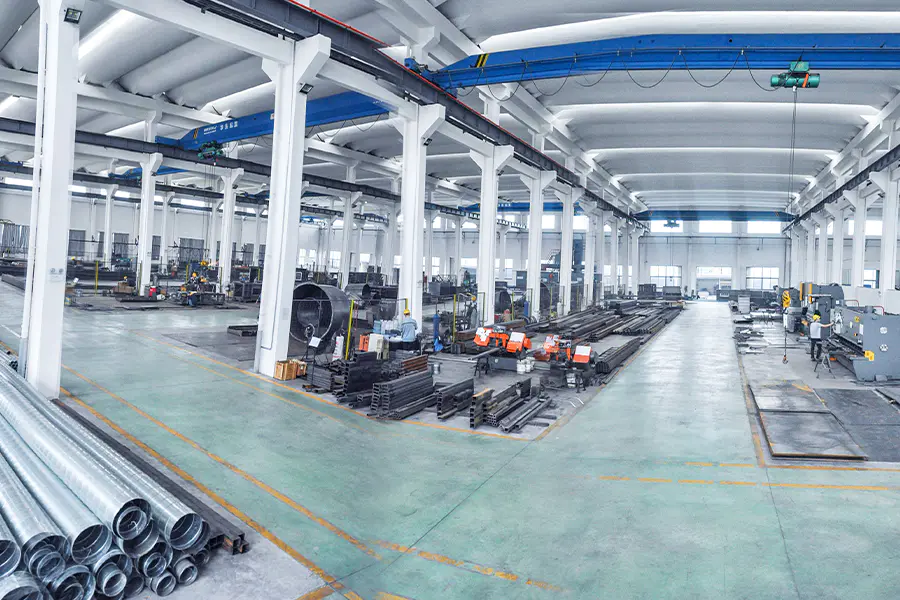
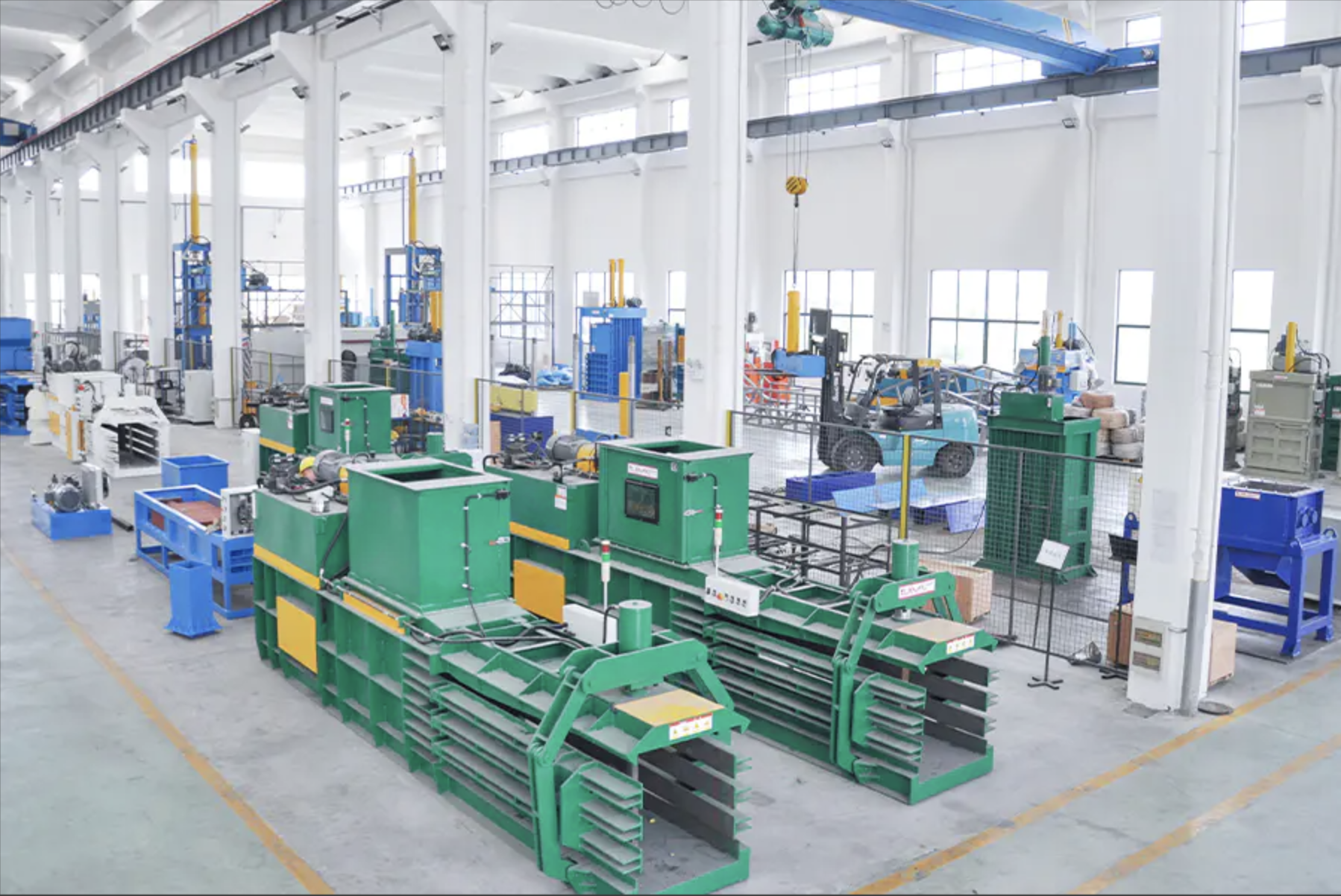
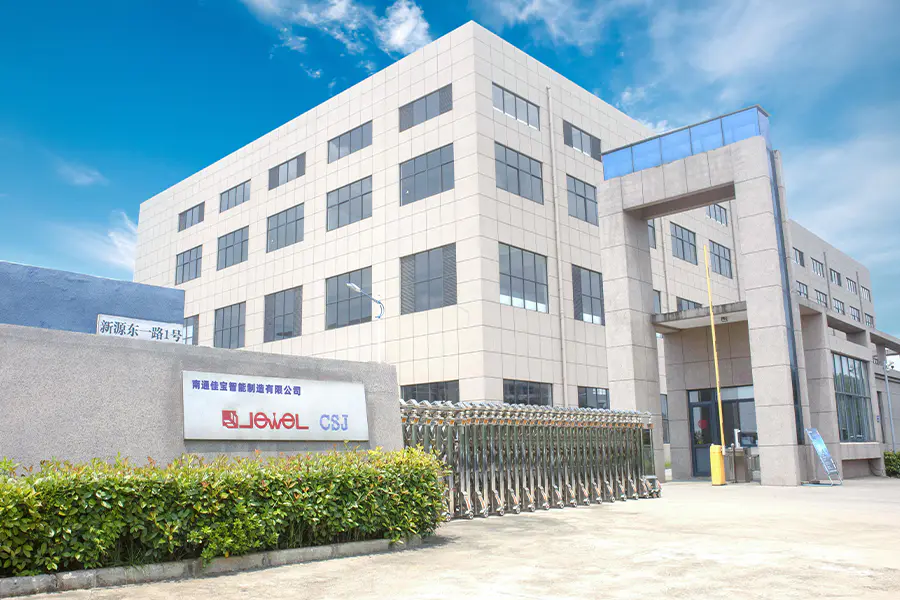
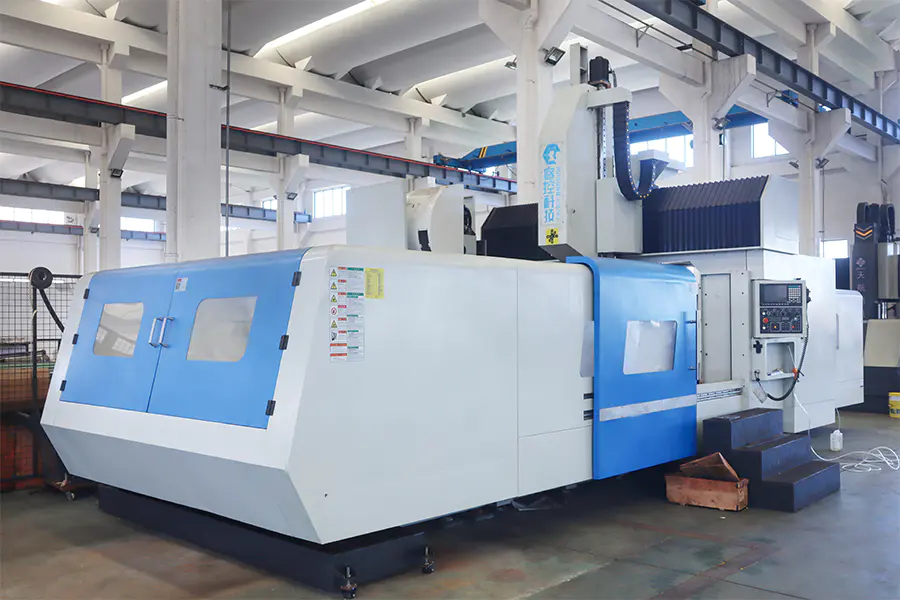
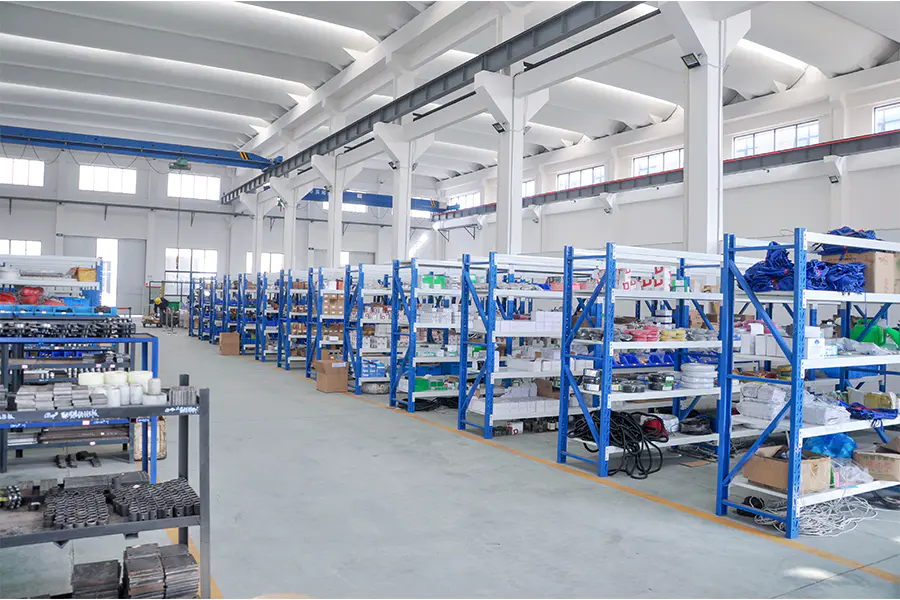
JEWEL — the brand of Nantong Jiabao Machinery Co., Ltd., established in 2006 with the brand itself founded in 1995 — manufactures hydraulic baler machines at a 50,000 m² facility in Rugao City, Jiangsu Province, China. The company employs more than 200 people, including a 30-engineer R&D team, reports an annual output of 120,000 units, and exports roughly 70% of its production to Australia, Europe, North America, Africa, Asia, Russia and Belarus. Its scope covers semi-automatic and fully automatic compression and baling machines, intelligent waste removal systems, automatic compression and wrapping systems, integrated crushing–compression–baling machines, and customized industry solutions.
How Each Configuration Solves the Problem
Vertical hydraulic balers: throughput per square metre
A vertical hydraulic baler drives its platen downward into a compression chamber loaded from a front feed opening. Material is charged in batches — by hand, or with light mechanical assistance — then compressed, tied and ejected. Because the machine grows upward rather than along the floor, it typically occupies less floor area than a horizontal machine producing a comparable bale, and it needs no conveyor line or long bale-discharge zone. Its limits are physical and human: chamber volume caps how much material enters per cycle, and traditional manual, fixed-frequency units keep an operator inside the cycle for every bale. For a model such as the JP-OT100, the datasheet fields that decide real-world fit are the compression chamber dimensions, the feed opening (which sets what one person can load per charge), bale size and weight, and cycle time.
Horizontal hydraulic balers: throughput per operator hour
A horizontal hydraulic baler pushes material along an elongated chamber. That geometry is what makes continuous feeding and automation practical. In JEWEL's comparison data, the automated configuration uses PLC and touch-screen control, three-side convergent compression, and automatic feeding, detection and strapping, with unmanned operation capability. Its documented performance is 16–22 bales per hour on the automated configuration, a labour reduction of up to 90%, and downtime below 2%. The drive is a dual-motor design (starting plus booster) for power saving, and where a variable-frequency option is specified, energy consumption is reported at 30% below fixed-frequency traditional models. Maintenance requirements stay low because parts are standardized and the failure rate is low, and the automatic strapping device is documented as stable in performance.
The cost of that performance is space and infrastructure. A horizontal baler needs length for the chamber plus discharge and take-away space, and it usually needs a plan for continuous feeding and for handling bales as they come off. For a model such as the JPW40F, the spec fields that decide fit are rated output, chamber cross-section, overall footprint length, bale weight and density, connected load, and whether strapping is automatic or semi-automatic.
The two ratios that separate the configurations
- Throughput per square metre — daily volume divided by usable floor area. Vertical configurations generally win this ratio.
- Throughput per operator hour — daily volume divided by available labour hours. Horizontal configurations generally win this ratio.
When both ratios are constrained, the practical answer is usually to keep the vertical orientation and improve feeding and bale ejection, or to keep the horizontal orientation and improve feeding. Buying a larger machine rarely fixes a feeding problem.
Step-by-Step: How to Choose the Right Orientation
- Measure the space in both directions. Record usable length and width, door and aisle clearances, forklift turning radius, and where finished bales will be staged. A horizontal machine's footprint is a length problem; a vertical machine's is a height and clearance problem.
- Quantify volume, not impressions. Count daily material by weight and by peak-hour rate, then convert it into required bales per day at your target bale weight. If one shift cannot produce that many bales by hand, automation is the constraint rather than orientation.
- Characterize the material. Bulk density, moisture, fibre length, contamination and springback determine whether material feeds reliably. Cardboard and carton waste, waste paper, plastic film, PET bottles, aluminium foil, fibre, rubber and metal scrap behave differently in a compression chamber, and material-specific behaviour should be tested before a configuration is frozen.
- Set the automation level. Manual, semi-automatic and fully automatic machines sit at different points on the labour curve. Automatic feeding, detection and strapping are what make unmanned operation possible; PLC and touch-screen control are the interface that keeps that automation manageable in daily use.
- Lock down safety and compliance. Confirm the standard that applies to your market — EN 16500:2014 for vertical baling presses in the EU, ANSI Z245.5-2023 for baling equipment in the United States — and verify machine-level controls: safety interlock and emergency stop, imported hydraulic seals specified to prevent oil leakage, PLC overload auto-cutoff protection, and a protective enclosure on the feed inlet. JEWEL equipment carries CE and ISO certification.
- Verify outbound logistics. Bale weight and density drive freight cost per tonne. Check that the planned bale fits the handling equipment, the vehicle or container, and the receiving mill's specification before the order is placed.
- Validate supply and service terms. Ask for full inspection before factory delivery, the warranty period, spare-parts availability and support hours. JEWEL provides a 12-month official warranty, maintains a spare-parts inventory, operates a 7×24-hour after-sales hotline, and uses standardized parts that keep maintenance requirements low.
Use Cases: Which Operation Suits Which Configuration
Vertical hydraulic balers typically fit:
- Retail backrooms and supermarkets compacting carton and cardboard waste generated during store hours.
- Small print, packaging and converting shops where daily waste paper or trim volume is steady but modest.
- Single-material waste points on industrial sites where floor space is at a premium and no conveyor infrastructure exists.
Horizontal hydraulic balers typically fit:
- Medium-to-large recycling plants handling mixed or multi-material flows at high volume.
- Paper, plastic and textile factories and logistics warehouses where material arrives continuously and labour hours are the limiting factor.
- Operations that need bale density high enough to reduce transport cost per tonne and that can support automatic strapping and unmanned operation.
Specify separately, with a material test:
- Rubber, aluminium foil, fibre and plastic film duties, where bulk density and springback vary widely between suppliers and seasons.
- Plastic bottle and metal scrap streams, where the correct machine family and chamber design should be confirmed against the actual material rather than assumed from a category label.
- Bagging and briquetting duties, which are separate processes from conventional baling and are normally specified alongside — not instead of — a baling press.
Vertical vs Horizontal Hydraulic Balers: Side-by-Side Comparison Table
| Decision factor | Vertical configuration (reference model JP-OT100) | Horizontal configuration (reference model JPW40F) |
|---|---|---|
| Compression direction | Platen compresses downward into a chamber loaded from a front feed opening | Material is pushed horizontally through an elongated chamber |
| Loading method | Batch charging by hand or with light mechanical assistance | Continuous charging from conveyor or hopper; automatic feeding available |
| Floor footprint | Generally smaller floor area for a comparable bale size; the machine grows upward | Generally larger; requires chamber length plus bale discharge and take-away space |
| Documented output | Datasheet value — confirm rated output for the specific model | 16–22 bales per hour on the automated configuration (JEWEL comparison data) |
| Control and automation | Traditional manual and fixed-frequency units keep an operator inside the cycle | PLC and touch-screen control, three-side convergent compression, automatic feeding, detection and strapping; unmanned operation capability |
| Labour and reliability | Operator required at each cycle | Labour reduction up to 90% on the automated configuration; downtime below 2% |
| Energy | Fixed-frequency drive typical of traditional units | Dual-motor design (starting plus booster) for power saving; variable-frequency option reported at 30% lower energy consumption than fixed-frequency traditional models |
| Bale handling | Bales tied and removed manually or semi-automatically | Automatic strapping device documented as stable in performance; higher bale density reduces transport cost |
| Maintenance | Standardized parts, low failure rate | Standardized parts, low failure rate, easy maintenance |
| Best fit | Limited space, intermittent or single-material volume | Medium-to-large recycling plants, paper, plastic and textile factories, and logistics warehouses with multi-material, high-volume flows |
| Spec fields to confirm | Chamber dimensions, feed opening, bale size and weight, cycle time | Rated output, chamber cross-section, footprint length, bale weight and density, connected load |
Table note: rows referencing JEWEL comparison data come from JEWEL's documented comparison and risk-control records. General configuration rows describe typical design characteristics of each orientation and should be confirmed against the model datasheet for the specific machine being purchased — JP-OT100 in the vertical range, JPW40F in the horizontal range.
Frequently Asked Questions
Do vertical and horizontal hydraulic balers have to meet different safety standards?
They can, depending on the market and the machine type. In the European Union, vertical baling presses for waste materials fall under EN 16500:2014; in the United States, ANSI Z245.5-2023 is the current national standard for baling equipment safety, replacing the 2013 edition. At machine level, the controls that matter are consistent across orientations: safety interlock with emergency stop, hydraulic seals specified to prevent oil leakage, PLC overload auto-cutoff protection, and a protective enclosure on the feed inlet. JEWEL equipment carries CE and ISO certification and is fully inspected before factory delivery. Confirm the standard that applies to your destination market before the purchase order is issued.
Can a horizontal hydraulic baler run without an operator?
The compression and tying cycle can run unmanned on an automated configuration, with supervision. JEWEL's automated configuration uses PLC and touch-screen control, three-side convergent compression, and automatic feeding, detection and strapping, and is documented at 16–22 bales per hour with labour reduction of up to 90% and downtime below 2%. An operator is still required for material preparation, loading supervision, bale removal and routine checks.
Why does a horizontal baler cost more upfront, and when does it pay for itself?
JEWEL's comparison data records a slightly higher upfront cost for the automated configuration, offset by labour savings from unmanned operation and lower transport cost through higher bale density. Energy also enters the calculation: the dual-motor design (starting plus booster) is specified for power saving, and the variable-frequency option is reported to reduce energy consumption by 30% compared with fixed-frequency traditional models. The practical test is total cost per tonne baled — labour hours, energy, consumables, maintenance and freight on the bales you actually ship.
How can we validate material behaviour before committing to a configuration?
Test with your own material before the configuration is frozen. Record bale weight, bale density, cycle time, feeding behaviour and tied-bale stability, and confirm the model-level figures you are relying on — for example chamber dimensions, feed opening, rated output and footprint for the vertical JP-OT100 or the horizontal JPW40F you are considering. Cardboard, waste paper, plastic film, PET bottles, aluminium foil, fibre, rubber and metal scrap behave differently in a compression chamber, and a test converts assumptions into numbers.
What should be verified before delivery, and what support continues afterwards?
Verify inspection and certification, warranty coverage and parts availability. JEWEL performs full inspection before factory delivery, supplies CE and ISO certification with the equipment, provides a 12-month official warranty, maintains a spare-parts inventory and operates a 7×24-hour after-sales hotline; standardized parts and a low failure rate keep ongoing maintenance requirements low. To move from comparison to configuration, send your material type and daily volume to Nina at jiabao@csj-baler.com or +86 187-2181-4932, and request a specification and quotation for the JP-OT100, JPW40F or a customized solution.
Conclusion: Decide on Constraints, Not on Category
Vertical and horizontal hydraulic balers solve the same problem with different geometry. Vertical machines trade automation and continuous throughput for a small footprint, which fits limited space and intermittent, often single-material volumes. Horizontal machines trade floor space and feeding infrastructure for automation and continuous output, which fits medium-to-large recycling plants, paper, plastic and textile factories and logistics warehouses where labour hours and bale density drive cost.
Make the decision in this order: space, then volume, then material behaviour, then automation level, then compliance, then service. If the vertical orientation fits your space and your volume, buying a horizontal machine will not help. If your volume and labour hours demand continuous output, a vertical machine simply moves the bottleneck from the baler to the operator.
JEWEL (Nantong Jiabao Machinery Co., Ltd.) manufactures both configurations and the customized solutions around them. More product and configuration information is available at www.jewelbaler.com.
Next Step: Put Your Own Numbers Into the Comparison
Send JEWEL your material type, daily volume and available floor area, and the engineering team will confirm which configuration fits — vertical JP-OT100 class, horizontal JPW40F class, or a customized solution built around your material stream.
Contact: Nina | Email: jiabao@csj-baler.com | Tel / WhatsApp: +86 187-2181-4932
Download the 2026 catalog: JEWEL hydraulic baler machine catalog (PDF)