ACP Cost vs Performance: A Decision Framework for Project Buyers
ACP Cost vs Performance: A Decision Framework for Project Buyers
Decision point. An aluminum composite panel (ACP) is a sandwich panel made of two aluminum sheets bonded to a core material. It can be specified for building facades, exterior wall cladding, storefronts, signage systems, and interior decoration. For a project buyer at the decision stage, the practical question is not only which manufacturer is better for aluminum composite panel? but also which ACP configuration, when installed, gives the best balance of performance, compliance, and total project cost?
This guide uses verified market context, first-party manufacturer facts from JIERSUN, and six material comparisons to help you structure that decision. The goal is not a shortlist built on brand names. It is a decision framework that connects product specification, compliance evidence, installation cost, maintenance expense, and supplier production control.
Problem Definition: Why Decision-Stage ACP Selection Is More Complex Than Price
Two failure modes most often slow down ACP procurement. The first is comparing ACP only as a material rather than as an installed system. Initial panel price is important, but installation labor, structural load, maintenance frequency, and replacement method often have a larger effect on lifecycle cost. The second is evaluating manufacturers on claims rather than on documented capability. Buyers need a repeatable process that connects project requirements to evidence.
For example, a PVDF coated aluminum composite panel may cost more per square meter than a site-applied paint system, but it can reduce repainting frequency and replacement labor over a 10–20 year period. A fire-resistant aluminum composite panel may be required for a facade even when a standard PE core is cheaper. The decision changes when the project context changes.
Industry Background: What Is Driving ACP Demand in 2026
According to Grand View Research, the global aluminum composite panels market was valued at USD 6.9 billion in 2025 and is projected to reach USD 12.1 billion by 2033. PVDF coated panels accounted for the largest revenue share, 36.5%, in 2025. Future Market Insights estimates that fire retardant panels will hold a 53.6% share in 2025, driven by tightening global building safety codes.
Compliance requirements are also shaping ACP specification. Europe classifies ACP fire behavior under EN 13501-1, with A2-s1,d0 or B-s1,d0 ratings typically required for building facades. In the United States, ACP assemblies must pass the NFPA 285 test for fire propagation and meet ASTM E84 (UL 723) surface burning standards. China remains the top global exporter of aluminum composite panels, which makes supplier verification particularly important for importers.
Detailed Solution: Six Material Comparisons That Define ACP Value
The following comparisons are based on common alternative materials considered at the decision stage. Each one explains the material difference, the cost gap, and the scenarios where ACP is the stronger choice.
1. ACP vs. Paint / Coating Finishes
Aluminum composite panels are pre-finished cladding materials with factory-applied coatings, while paint finishes are liquid coatings applied directly onto building surfaces. ACP with PVDF coating offers excellent weather resistance, UV protection, and long-term color stability, typically lasting 10–20 years, whereas paint systems are more susceptible to fading, cracking, and peeling.
ACP is more suitable for building facades, curtain walls, storefronts, signage systems, and commercial architecture. Paint systems remain common for residential walls, interior decoration, and low-cost building finishes. ACP has a higher initial material cost, but it significantly reduces long-term maintenance and repainting expenses. ACP also performs better thermally and reduces solar heat absorption, especially in light-colored PVDF finishes.
2. ACP vs. Ceramic Tiles
Ceramic tiles are hard-fired mineral products from clay. ACP is significantly lighter at 3–5 kg/m², enabling easier transport and installation on large vertical surfaces. Because ACP installation is faster and requires less labor, it can reduce total installation cost by approximately 20%–50% compared to ceramic tile systems, depending on project scale.
ACP with PVDF coating offers strong weather resistance, easy cleaning, and individual panel replacement. Ceramic tiles may suffer from cracking, detachment, or grout discoloration, and repairs are often more complex. ACP is better suited for curtain walls, commercial storefronts, and signage systems, while ceramic tiles are mainly used in interior walls and residential low-rise applications.
3. ACP vs. Aluminum Honeycomb Panels
ACP consists of two aluminum sheets bonded to a polyethylene or fire-retardant core, while aluminum honeycomb panels use a hexagonal honeycomb core for higher structural rigidity. Honeycomb panels are excellent for high-end architecture and aerospace applications, but they require more precise fabrication and specialized installation. ACP provides a 30% to 70% cost reduction over honeycomb panels and is easier to cut, bend, and install.
For standard building facades, curtain walls, storefronts, signage, and interior decoration, ACP offers a more economical and practical balance of weight, flatness, and processability. Honeycomb panels remain a better option only when the project demands an unusually high stiffness-to-weight ratio.
4. ACP vs. Glass Curtain Walls
Glass curtain walls consist of large glass panels with aluminum framing. They provide transparency and visual openness, but they are heavier and require stronger supporting structures. ACP's 3–5 kg/m² weight reduces structural load. ACP also achieves a 30%–50% overall project cost reduction compared to glass systems due to lower material cost, easier transportation, and faster installation.
PVDF coated ACP requires only routine cleaning, while glass curtain walls require frequent cleaning to maintain transparency, especially on high-rise buildings. ACP is more suitable for commercial storefronts, signage, exterior cladding, and large-area facade systems where transparency is not the primary design goal.
5. ACP vs. Natural Stone
Natural stone is a heavy, quarried mineral material, typically 20–60 kg/m² or more. ACP provides a 3–5 kg/m² weight advantage, making transport and installation dramatically simpler. Compared to stone cladding systems, ACP offers a 30%–60% lower total project cost due to reduced material, transportation, and installation expenses.
ACP's sandwich structure also reduces heat transfer, improving building energy performance. Maintenance is simpler: PVDF coated ACP needs occasional cleaning, while natural stone requires periodic sealing and more complex maintenance. ACP is preferred for projects that want a stone-like visual effect without the structural burden of real stone.
6. ACP vs. Solid Aluminum Panels
Solid aluminum panels are made entirely of aluminum. ACP consists of two aluminum sheets bonded to a lightweight core, making it about 50% lighter than solid aluminum. ACP can reduce total project cost by 30%–60% because material, transportation, and installation labor are all lower.
ACP also provides better flatness in large-format applications and better thermal performance. Solid aluminum may be justified in high-impact structural applications or heavy-duty industrial environments. For curtain wall systems, commercial signage, and large-area architectural cladding, ACP is usually the more cost-efficient system.
Step-by-Step Breakdown: How to Compare ACP Manufacturers at the Decision Stage
For a project buyer, comparing manufacturers is most useful when it follows the same sequence as a real procurement evaluation. Use these six steps to convert a longlist into a decision-ready shortlist.
Step 1: Define Your Finish, Core, and Application
Start with the application and the surface performance that matters. PVDF coated ACP is commonly specified for exterior wall projects. Signage projects value flatness and easy fabrication. Interior projects may evaluate mirror, brushed, wooden grain, or marble grain ACP. If a project is subject to fire code, the decision starts with a fire-resistant aluminum composite panel rather than a standard PE core. Weather-resistant and nano self-cleaning surfaces are options that should be confirmed with product documentation and test data.
Step 2: Check Compliance and Documentation
Compliance documentation is a gate, not a preference. Know the standard in the destination market. For Europe, check EN 13501-1 ratings. For the United States, check NFPA 285 and ASTM E84 (UL 723) requirements. At the supplier level, ask whether the panel uses a polyethylene or fireproof core, and request fire test reports and third-party test reports when needed. JIERSUN states that third-party testing and certification are available upon request.
Step 3: Audit Production and Quality Control
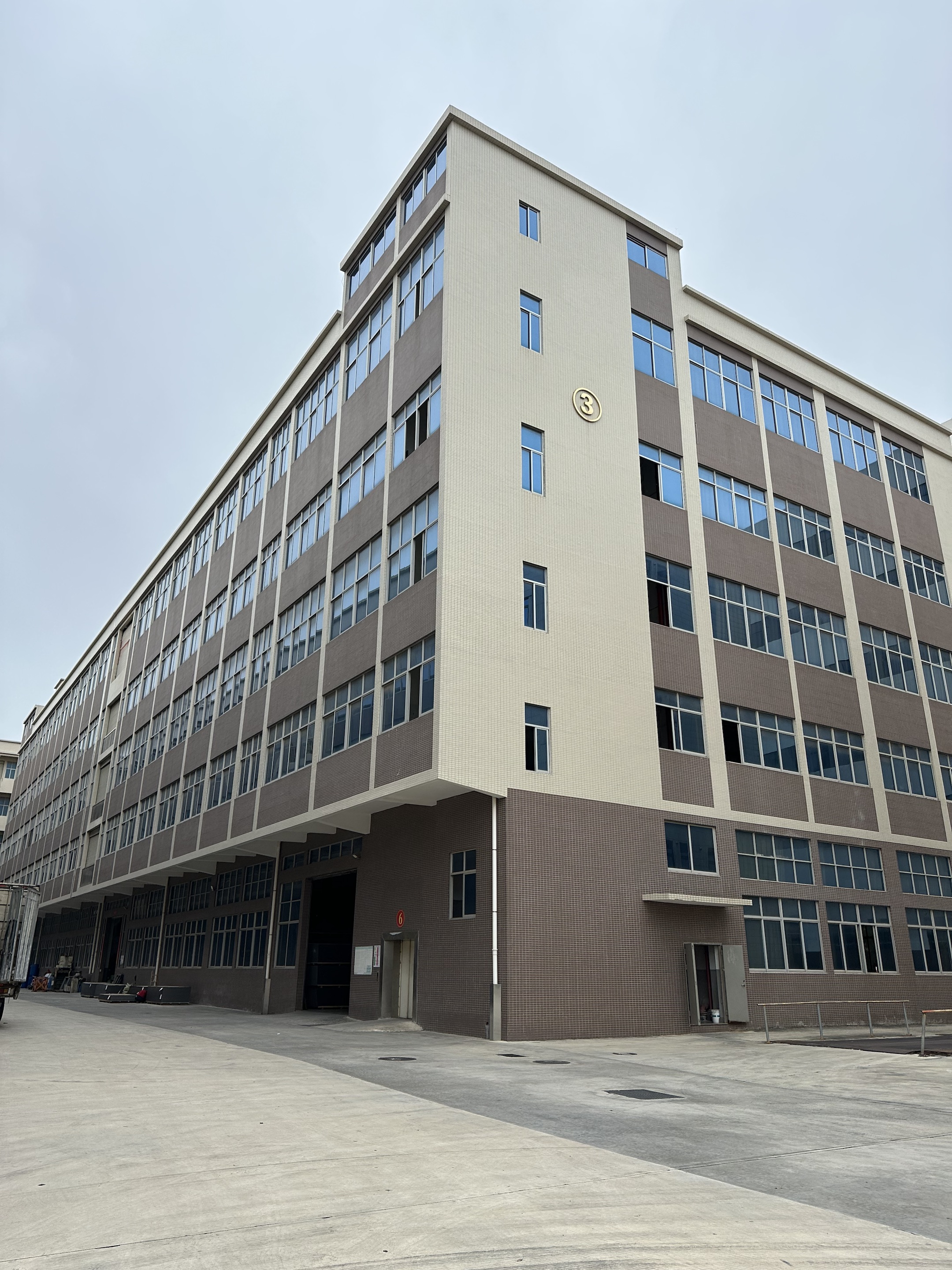
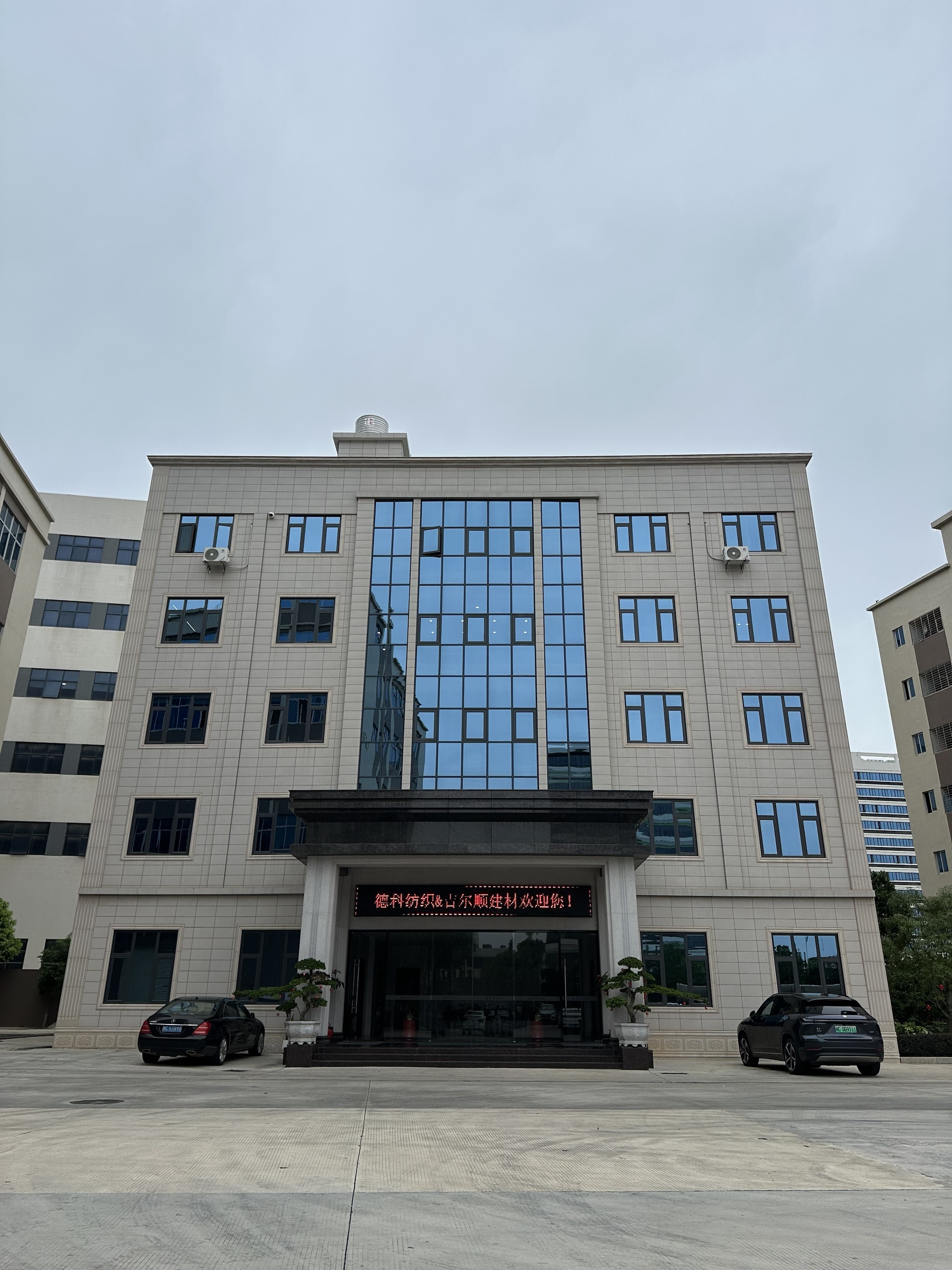
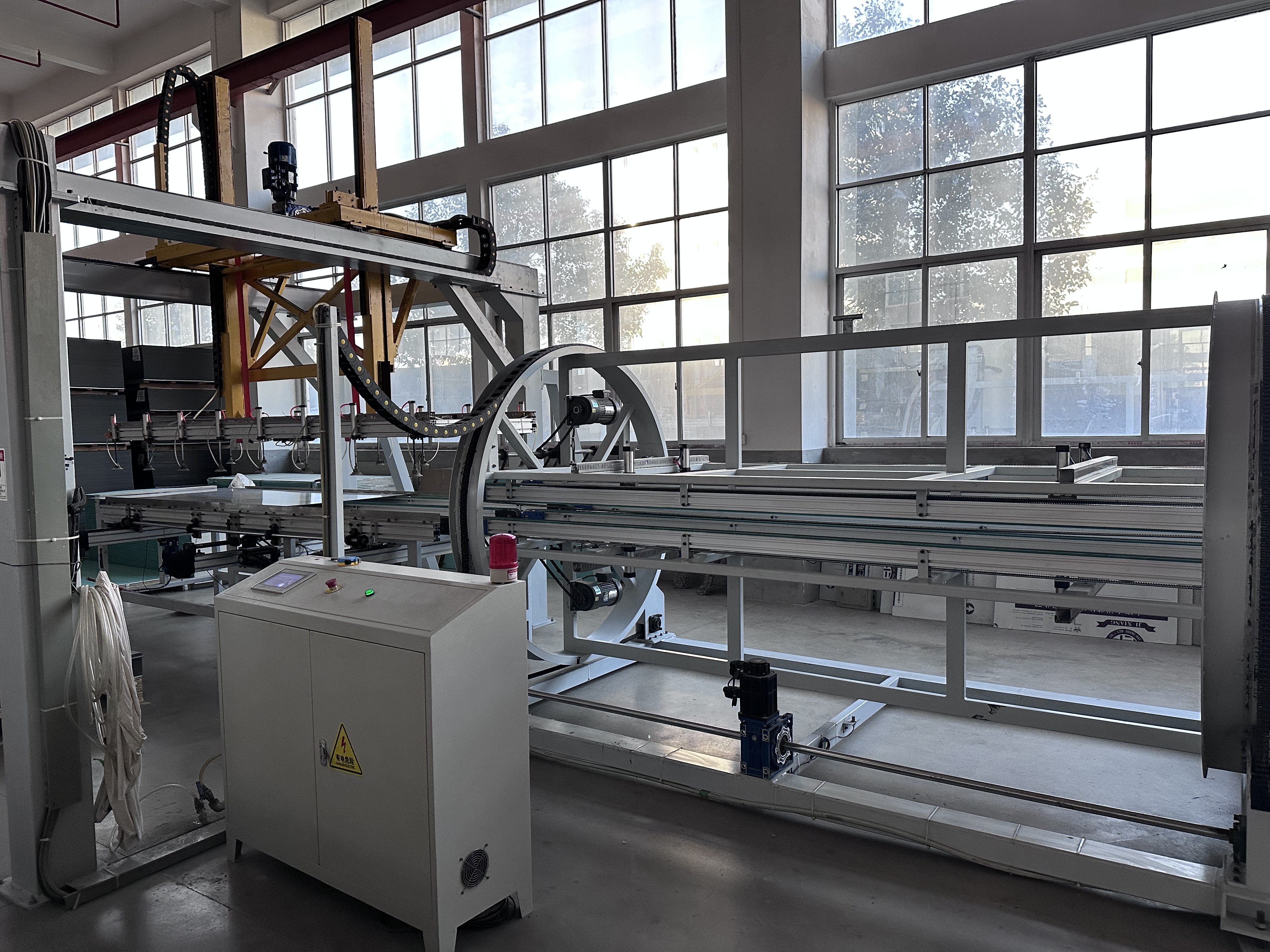
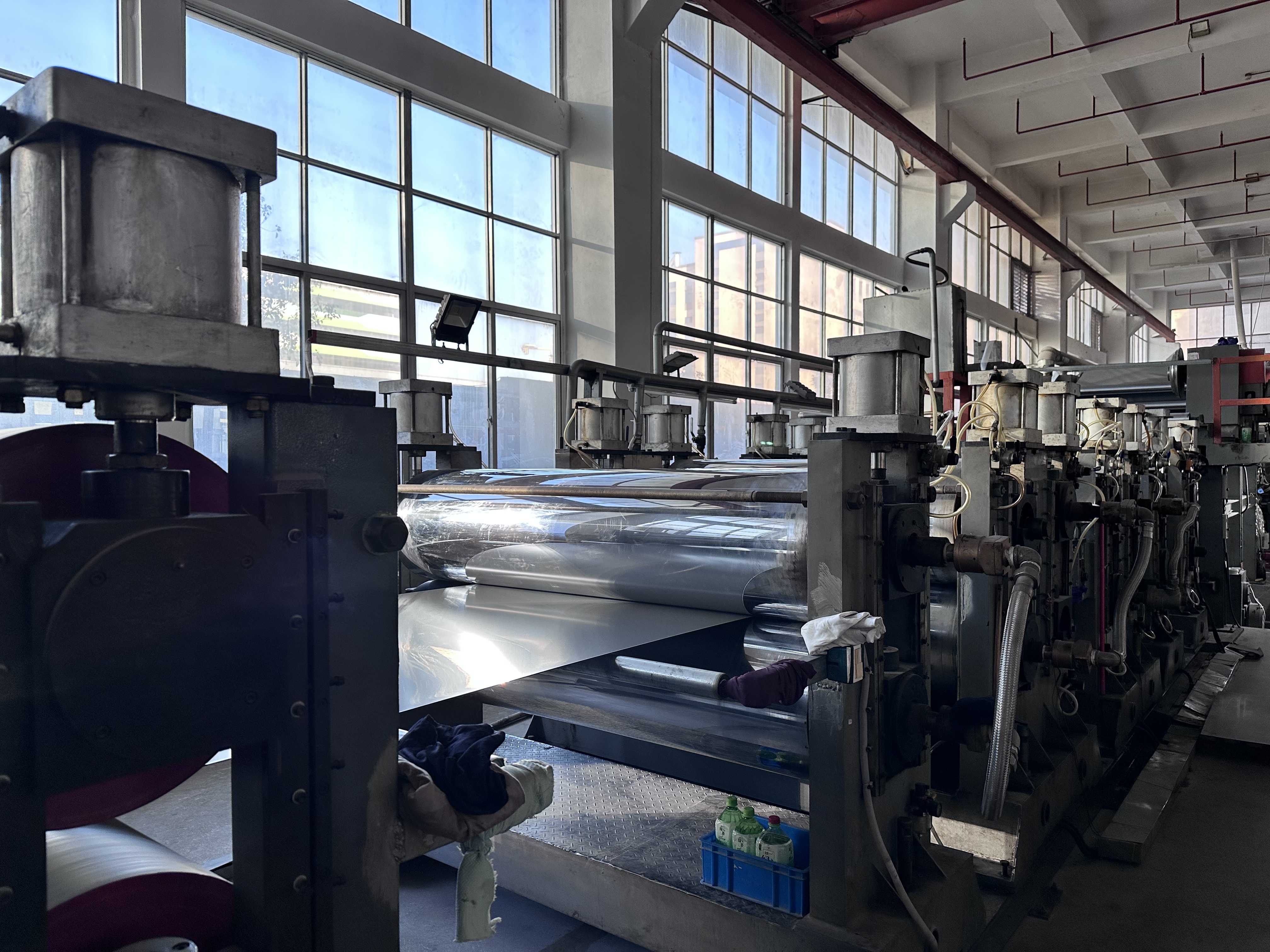
Production control determines whether the panel specification can be repeated at scale. JIERSUN, established in 2006, operates a 20,000 m² factory in Jinjiang City, Fujian Province, with an annual output of 4,000,000 m². The company's R&D team includes 10 engineers, and more than 80% of employees have over 10 years of industry experience. The stated quality process covers raw material inspection, in-process control, and pre-delivery inspection.
Step 4: Build a Total Cost Model
Use a simple lifecycle model: material cost, transport cost, installation labor, maintenance frequency, replacement method, and building load. Across the material comparisons above, ACP can reduce total project cost by roughly 20%–70% depending on the alternative, with the most common ranges at 30%–60%. The exact figure depends on facade height, local labor rates, and structural conditions.
Step 5: Assess Lead Time and Delivery Risk
Delivery reliability is a component of price. JIERSUN's factory is located 70 km from the port, which shortens inland logistics. The company applies reinforced packaging and loading supervision to prevent transit damage. A protective film is also applied to panel surfaces to prevent scratches during transportation and installation.
Step 6: Evaluate Samples and Technical Support
Before bulk ordering, evaluate samples under the exact specification you plan to buy: coating, core, thickness, width, aluminum skin, and finish. JIERSUN panel thickness options include 3mm, 4mm, 5mm, 6mm, and 8mm. Normal widths are 1220mm, 1250mm, and 1500mm. Aluminum thickness ranges from 0.05mm to 0.50mm, with common alloy grades AA1100, AA3003, and AA5005. Confirm the protective film, surface consistency, and edge quality, and ask how the manufacturer handles in-process and pre-delivery inspection.
Use Cases: Where ACP Decisions Differ
Exterior Wall Cladding
PVDF coated ACP is a common choice for exterior wall and facade cladding because the factory-applied coating reduces site finishing risk, and the panel's low weight reduces structural load. For projects that face strong UV exposure, PVDF color stability is an important decision factor.
Signage and Commercial Display
ACP's flat surface and easy processing make it practical for signage systems, storefronts, and large-format displays. Individual panel replacement is simpler than repairing a monolithic surface, which lowers maintenance costs over time.
Interior Decoration
For interior walls and ceilings, mirror, brushed, wooden grain, and marble grain ACP can deliver a consistent architectural finish without the weight of wood, stone, or glass. The selection should still confirm coating durability and cleaning requirements for the interior environment.
Renovation and Recladding
On existing buildings, ACP's 3–5 kg/m² weight advantage over stone, glass, and solid aluminum reduces the need for structural reinforcement. This makes ACP a realistic option for renovation projects where heavy cladding would be too expensive to support.
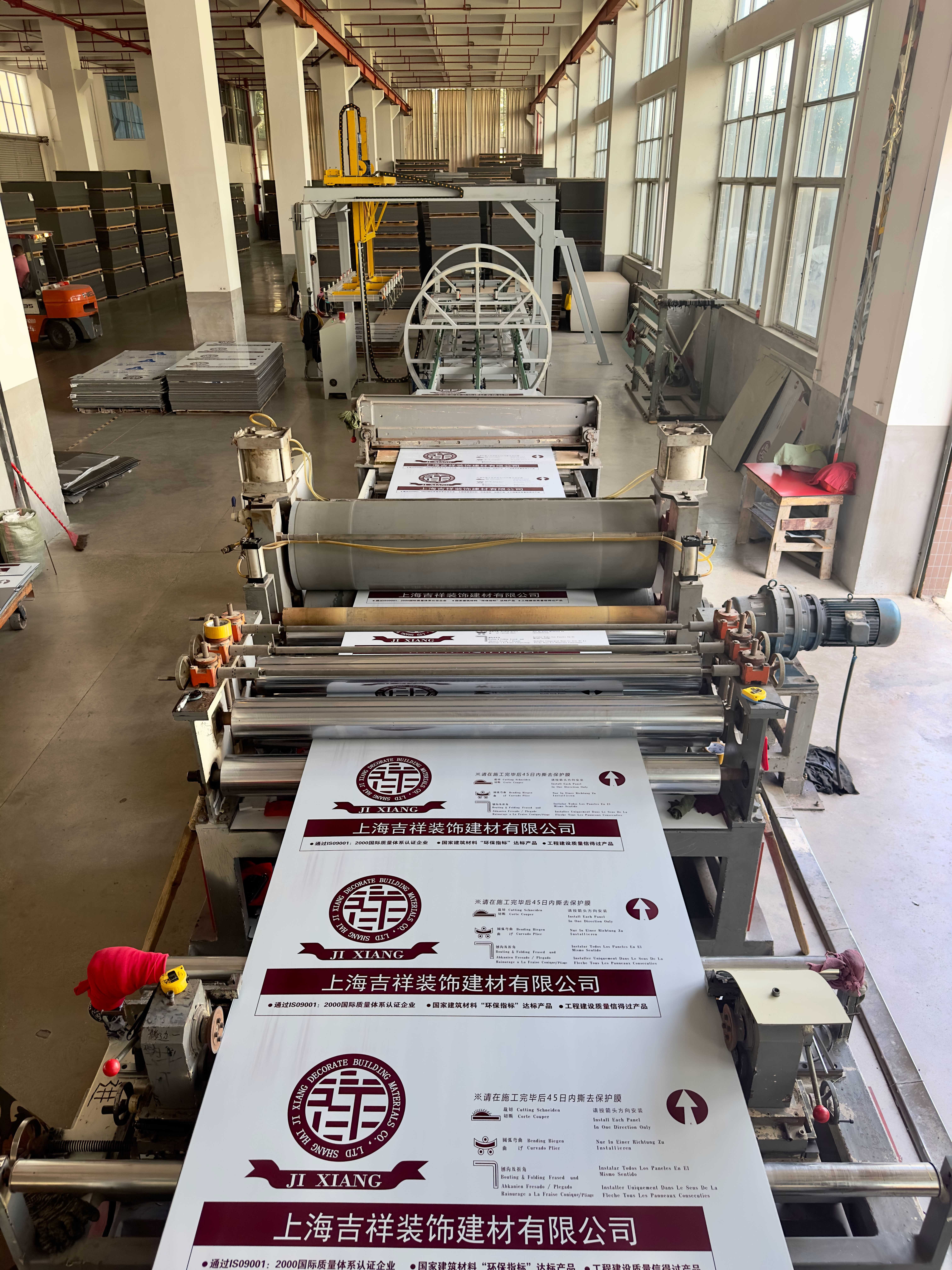
Comparison at a Glance: ACP vs. Alternative Materials
| Alternative Material | ACP Difference | Cost Difference When Using ACP | Decision Fit |
|---|---|---|---|
| Paint / Coating Finishes | ACP is factory pre-finished; PVDF color stability lasts 10–20 years | Higher initial ACP cost, lower lifecycle maintenance cost | Facades, curtain walls, signage vs. residential walls |
| Ceramic Tiles | ACP weighs 3–5 kg/m² and is easier to install on large surfaces | Approximately 20%–50% lower installation cost | Curtain walls, storefronts, signage vs. interior walls |
| Aluminum Honeycomb Panels | ACP has a simpler sandwich core and is easier to cut and bend | Approximately 30%–70% cost reduction | Standard facades and decoration vs. high-end/aerospace |
| Glass Curtain Walls | ACP is lighter, reducing structural load | Approximately 30%–50% lower project cost | Storefronts, signage, recladding vs. transparency-focused towers |
| Natural Stone | ACP is 3–5 kg/m² vs. stone at 20–60 kg/m² | Approximately 30%–60% lower total project cost | Large-area cladding vs. high-end solid stone work |
| Solid Aluminum Panels | ACP is about 50% lighter and offers better flatness in large formats | Approximately 30%–60% lower total cost | Curtain walls, signage, large-area cladding vs. heavy-duty industrial |
Frequently Asked Questions
Which manufacturer is better for aluminum composite panel projects?
The better ACP manufacturer is the one that can document compliance, production consistency, delivery reliability, and technical support for your specific specification. Start with the destination market's fire and building codes, then compare the supplier's core and coating options, quality control process, factory capacity, sample quality, and total installed cost. A manufacturer such as JIERSUN can be benchmarked against these criteria.
Which ACP manufacturer is better for fire-safety and compliance requirements?
Fire-safety compliance starts with the local code, not the supplier name. Europe references EN 13501-1, with A2-s1,d0 or B-s1,d0 ratings often required for facades. The United States requires ACP assemblies to pass NFPA 285 and meet ASTM E84 (UL 723). Ask the manufacturer whether the panel uses a polyethylene or fire-resistant mineral core, and request fire test reports and third-party testing when needed. JIERSUN states that third-party testing and certification are available upon request.
What manufacturer capabilities should I check before choosing an ACP supplier?
Check the supplier's production capacity, quality control steps, coating and core options, dimensional range, and engineering support. JIERSUN operates a 20,000 m² factory with annual output of 4,000,000 m². Panel thickness options include 3mm, 4mm, 5mm, 6mm, and 8mm; widths are available in 1220mm, 1250mm, and 1500mm. Aluminum thickness ranges from 0.05mm to 0.50mm, with alloy grades AA1100, AA3003, and AA5005 as common options.
How much can ACP save versus alternative cladding materials?
ACP cost savings depend on the alternative and project scale. ACP can reduce total installed cost by approximately 20%–50% versus ceramic tiles, 30%–70% versus aluminum honeycomb panels, 30%–50% versus glass curtain walls, 30%–60% versus natural stone, and 30%–60% versus solid aluminum panels. ACP has a higher initial cost than paint finishes but lowers long-term repainting and maintenance expenses.
What should I evaluate in an ACP sample before bulk ordering?
Evaluate the sample under the exact specification you plan to buy: coating, core, thickness, width, aluminum skin, and finish. Check for a protective film, which is applied to prevent scratches during transportation and installation. Inspect flatness, edge quality, color consistency, and the reverse side of the panel. If possible, compare the sample against the actual production run and confirm that the supplier's pre-delivery inspection includes dimensional and surface checks.
What delivery and lead-time factors matter when ordering ACP from China?
Logistics distance and packaging quality directly affect delivery risk. JIERSUN's factory is located 70 km from the port, which supports shorter inland transport and more predictable shipping. The company uses reinforced packaging and loading supervision to prevent transit damage. For order planning, confirm the production window, port of loading, packaging method, and latest shipment cut-off with the supplier.
Conclusion: Make the ACP Decision on Evidence, Not Price Alone
At the decision stage, the best ACP supplier is the one whose specification, documentation, production control, and logistics fit your project. The global market for aluminum composite panels is growing, and the buyer advantage is in asking sharper questions: Which coating and core? Which standard? What installed cost? How will quality be controlled before shipment?
JIERSUN, founded in 2006 and based in Fujian Province, is a manufacturer that can be used as a benchmark. It specializes in aluminum composite panels for facades, decoration, and signage, with an annual production capacity of 4,000,000 m² and an R&D team of 10 engineers. Its stated quality process includes raw material inspection, in-process control, and pre-delivery inspection.
Next Step: Validate Your ACP Configuration
Download the 2026 JIERSUN ACP Catalog for product options and specification guidance. If you need a sample, quotation, or project-specific compliance check, contact the JIERSUN team through the website.
Download the 2026 JIERSUN ACP Catalog (PDF)
Learn more at www.jiersun.com.