
ACP Supplier Evaluation: A Capability Checklist for 3mm, 4mm, and 5mm Panel Buyers
By the time an aluminum composite panel (ACP) project reaches the decision stage, the material debate is normally finished. The remaining risk sits with the supplier: whether the panel combination you specified can be produced repeatedly, documented properly, and delivered on schedule across the whole order rather than only on the first shipment.
This checklist is written for that stage. It covers the capability points that matter most to buyers working with 3mm, 4mm, and 5mm panels — thickness and width capability, aluminum skin thickness, alloy grade, core selection, fire documentation, packaging, and delivery history — and it shows what verifiable evidence looks like for each item.
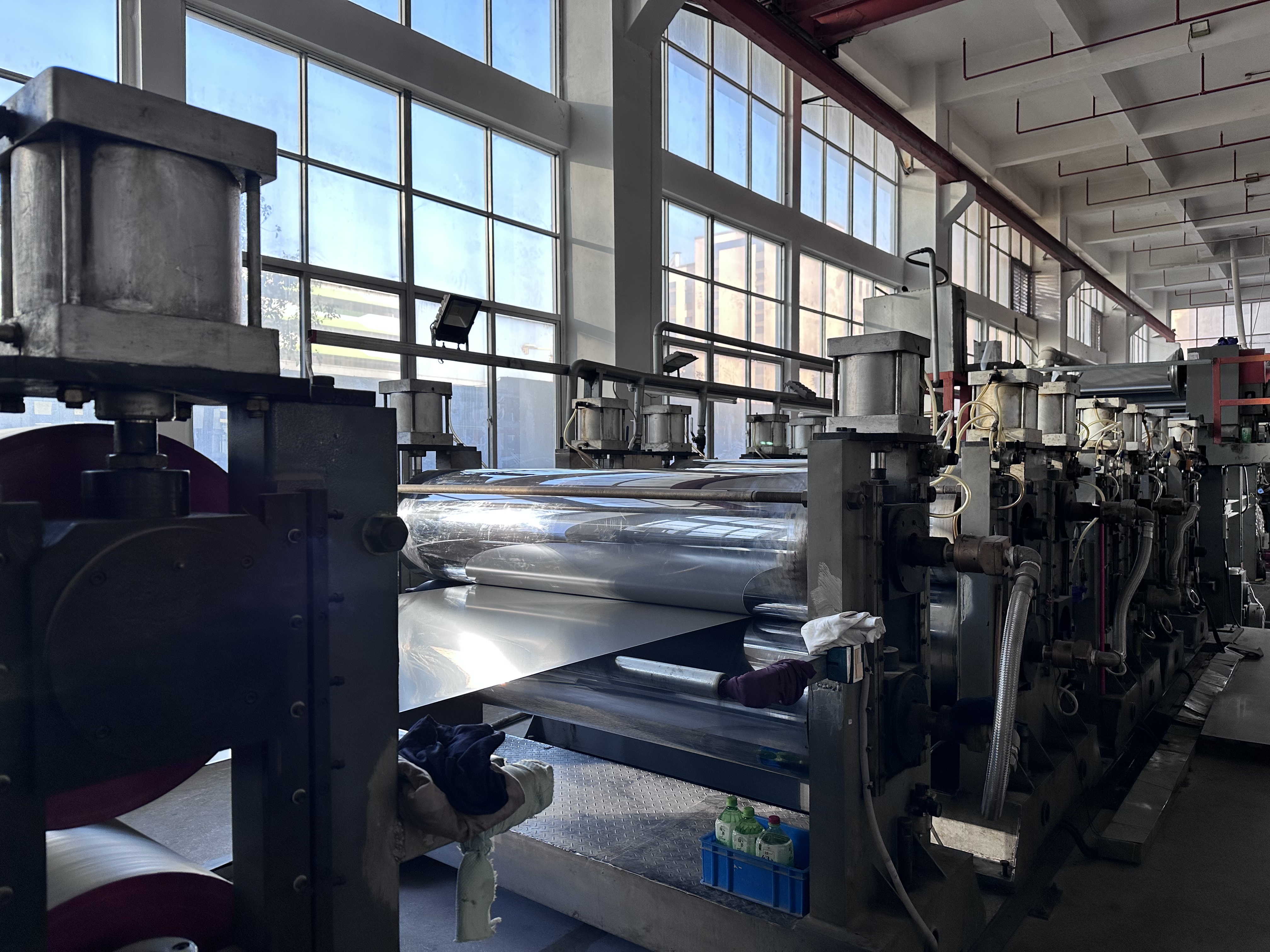
Why ACP Supplier Evaluation Usually Fails at the Quotation Stage
Most ACP quotations look similar. A sheet lists panel thickness, width, coating, core, and a price per square meter, and the visible differences between suppliers appear small. That similarity is exactly why evaluation fails: a quotation describes what a supplier is willing to state, not what the production line, raw material supply, and quality system will deliver in month six of a repeat order.
Three failure patterns appear repeatedly in project procurement.
- Spec-only quotations. The supplier confirms 4mm panel thickness and a coated finish without stating the aluminum skin thickness or the alloy grade the price is actually based on.
- Capability that exists on one format only. The thickness and width you need may both be available but not on the same line, which turns a routine repeat order into a scheduling problem and a lead-time risk.
- Delivery slippage traced to raw material. When coil sourcing is unstable, lead times move even though the factory has nominal capacity. Consistent raw material supply is a delivery question, not only a quality question.
The practical fix is to convert every claim into a verification item that can be checked before a deposit is paid. The rest of this article is that list, with the specification baseline and the delivery evidence a buyer can actually request.
Industry Background: What Is Driving Stricter Supplier Checks
Two forces have pushed ACP supplier evaluation from a purchasing formality into a documented decision: market growth and building safety regulation.
The global aluminum composite panel market was valued at USD 6.9 billion in 2025 and is projected to reach USD 12.1 billion by 2033, according to Grand View Research. Within that market, PVDF-coated panels accounted for the largest revenue share at 36.5% in 2025, according to the same source. Growth on that scale means more suppliers entering the category, and therefore more variation in what a quotation actually represents.
Regulation is moving faster than volume. Europe classifies ACP fire behaviour under EN 13501-1, where A2-s1,d0 or B-s1,d0 ratings are typically required for building facades. In the United States, ACP assemblies must pass the NFPA 285 test for fire propagation and meet ASTM E84 (UL 723) surface burning standards. Fire-retardant panels are estimated to dominate the market with a 53.6% share by 2025 because of tightening global building safety codes, according to Future Market Insights.
The implication for buyers is direct. Documentation readiness — the ability to produce the right test report for the exact panel construction quoted — has become a shortlisting criterion rather than an afterthought. China is the top global exporter of aluminum composite panels by shipment volume (Eximpedia), so most international buyers will run this evaluation on Chinese suppliers, and comparing how thoroughly those suppliers document their panels is a fair and practical way to separate them.
The Capability Baseline: Specifying in Verifiable Terms
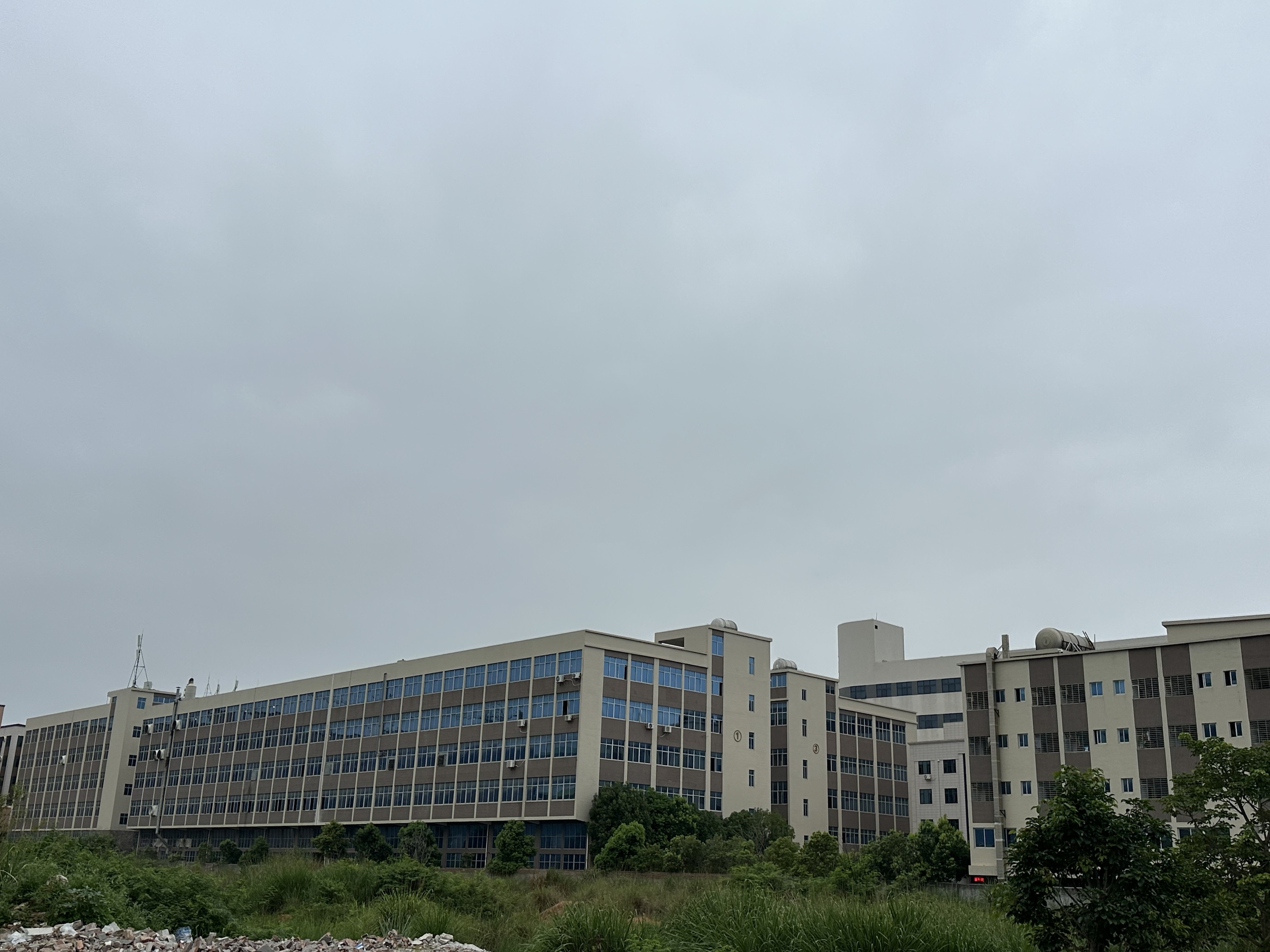
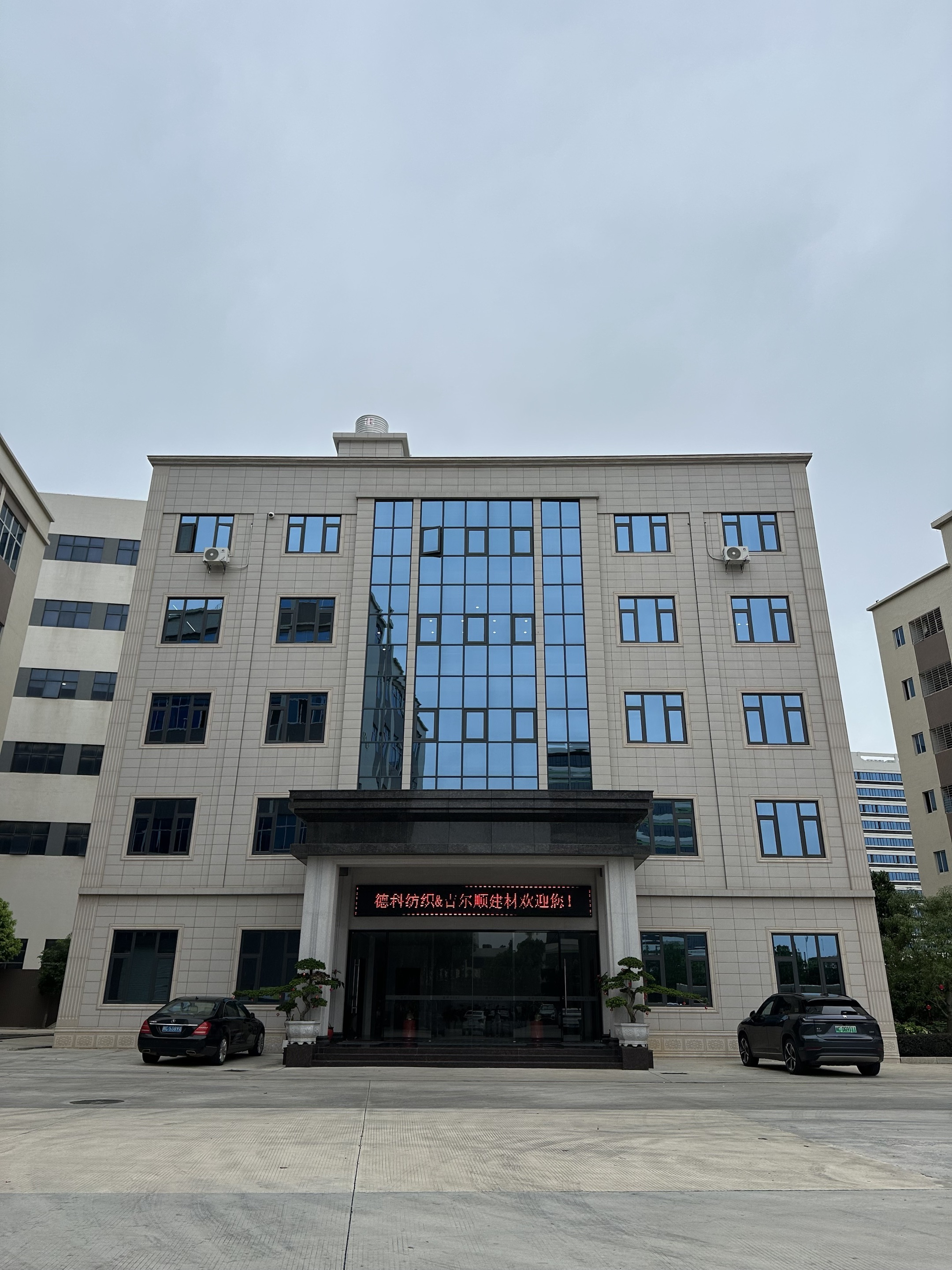
Jiersun (Fujian) Decorative Building Materials Co., Ltd., trading as JIERSUN, is an aluminum composite panel manufacturer based in Jinjiang City, Fujian Province, China, founded in 2006. The company operates a 20,000 m² factory with 40 employees, more than 80% of whom have over 10 years of industry experience, and works with a 10-engineer R&D team. Annual output is 4,000,000 m², exports account for around 30% of production, and the main markets are Southeast Asia, Africa, and the Middle East. The factory is located about 70 km from the port.
A supplier evaluation is easier to run when the capability baseline is written in numbers that can be checked. JIERSUN's panel specifications are:
- Panel thickness: 3mm, 4mm, 5mm, 6mm, and 8mm
- Standard widths: 1220mm, 1250mm, and 1500mm
- Aluminum skin thickness: 0.05mm to 0.50mm
- Aluminum alloy grades: AA1100, AA3003, and AA5005, with other grades on demand
- Core options: PE core and fireproof core
- Coating options: PVDF or polyester (PE) coating
- Surface protection: protective film applied to prevent scratches during transport and installation
Each line in that list is a question a buyer can ask. Which thicknesses run with which of the three widths? What skin thickness does the quoted price assume? Which alloy grade is being supplied, and can the batch be traced? Is the core PE or fireproof, and what test documentation supports the fire claim? Is the finish a PVDF or a polyester system? Buyers who settle these five points before ordering remove most of the disputes that otherwise appear at the inspection stage.
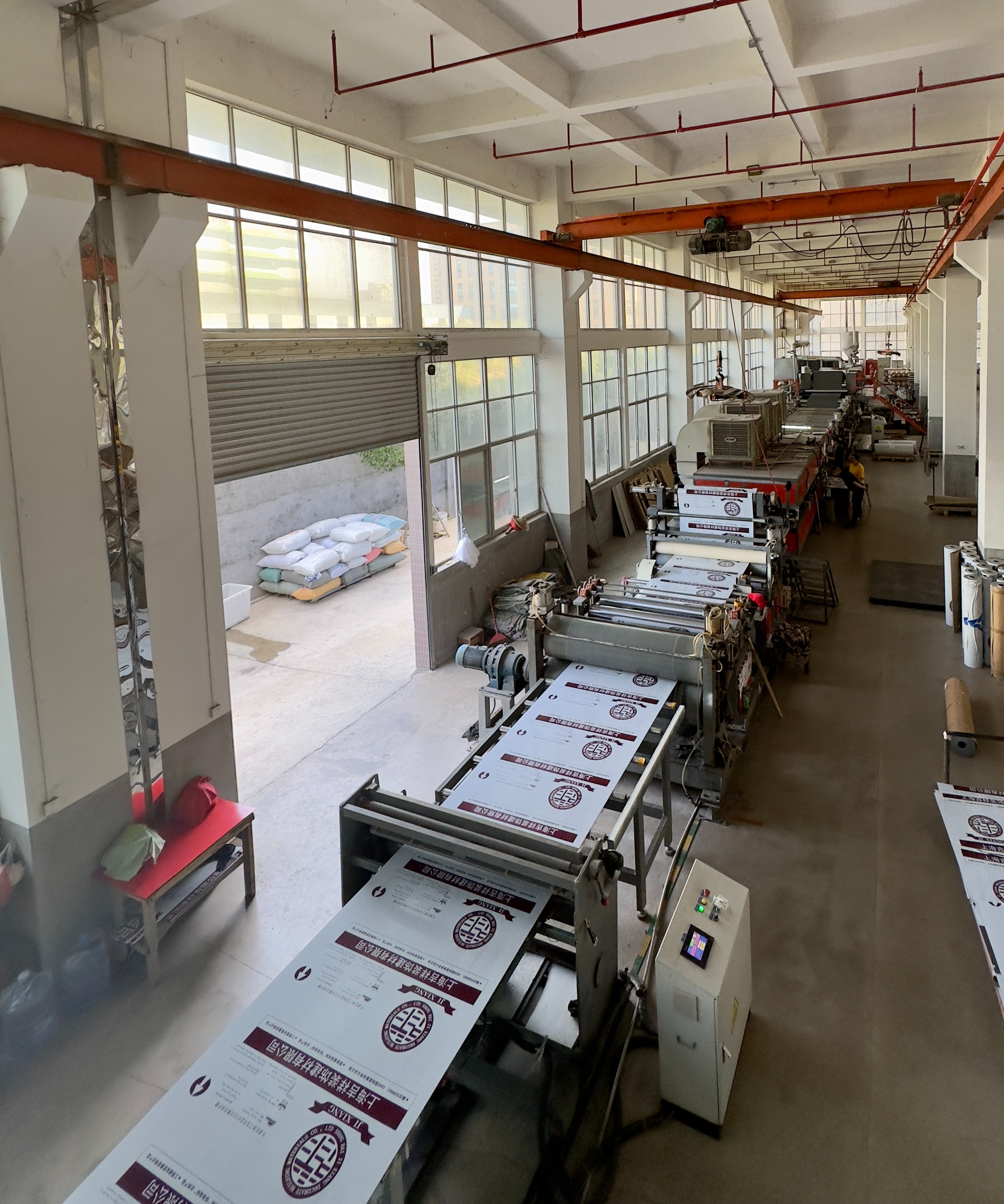
A Six-Step Supplier Due-Diligence Checklist
Step 1 — Verify thickness and width capability against your actual panel
Ask the supplier to confirm the specific thickness and width combination you need — for example, 4mm × 1220mm or 5mm × 1500mm — rather than the full range in general terms. Request that a sample of that exact combination be produced on the line that will run your order. If a project mixes 3mm interior panels with 4mm or 5mm exterior panels, confirm that all required thicknesses can be scheduled together instead of being split across separate production runs.
Step 2 — Fix the aluminum skin thickness and alloy grade in writing
The aluminum skin range of 0.05mm to 0.50mm is wide, and the number used in a quotation affects both cost and panel behaviour. Ask the supplier to state the skin thickness and alloy grade the price is based on, and to keep both in the purchase order. JIERSUN supplies AA1100, AA3003, and AA5005, with other grades on demand. The evaluation point is not for the buyer to re-engineer the alloy choice, but to make sure the grade is named, quoted, and traceable to the coil batch rather than decided informally at production.
Step 3 — Confirm the core and the fire documentation
Core material options are PE core and fireproof core. Where facade fire regulations apply, the fireproof option is the one that needs paper behind it. Request the test report that matches the exact panel construction quoted, including core type and skin thickness, and note that third-party testing with an officially issued test report is available on request. With fire-retardant panels estimated to reach a 53.6% share of the market by 2025 (Future Market Insights), a supplier that cannot produce documentation quickly is a scheduling risk as well as a compliance risk.
Step 4 — Translate finish names into a coating system
Coating options on JIERSUN panels are PVDF or polyester (PE). Finish terminology used in tenders — PVDF coated, weather resistant, nano self-cleaning, mirror, wooden grain, marble grain, brushed — should always be traced back to a named coating system in the quotation and to the panel build that was tested. A finish term without a coating system behind it is one of the most common sources of colour and performance disputes after installation, because neither party has a written reference point.
Step 5 — Check packaging, protection, and loading supervision
Transit damage is a supplier-control problem, not a shipping problem. A protective film is applied to the panel surface to prevent scratches during transport and installation. The production control process also includes reinforced packaging and strict loading supervision, alongside raw material inspection, in-process quality control, and final inspection before delivery. Ask how panels are separated, how edges and corners are protected, and who supervises loading. These details rarely appear in a quotation unless the buyer requests them.
Step 6 — Score the delivery record, not the first price
The last step changes the ranking most often. Ask for repeat-order history that can be verified, then check whether the answer describes a single shipment or a supply relationship. A supplier that has shipped continuously to the same customer for a decade has already solved the raw material and scheduling problems a new supplier has yet to face, and has done so under real project conditions rather than in a brochure.
A simple scoring method is to rate each of the six steps from 0 to 2: 0 for a verbal answer, 1 for a document, and 2 for a document that matches the exact specification quoted. Suppliers scoring 10 or above on 12 points are the ones worth a pilot order.
Verifiable Use Cases: What Long-Running Projects Prove
Three JIERSUN supply relationships illustrate the kind of delivery evidence that belongs in a supplier evaluation.
Philippines cabinet project — 10 containers over more than 10 years
A cabinet manufacturer in the Philippines has received 10 containers of aluminum composite panels over a period of more than ten years. For an evaluator, the value of this case is not the volume; it is the interval. Repeat supply across a decade means panel thickness, finish, and packing standard stayed consistent enough that the customer did not need to re-source, which is the outcome most procurement teams are actually trying to secure.
Malaysia signage project — 6 containers for advertising billboard facades
A signage project in Malaysia has been supplied with 6 containers of ACP for advertising billboard facades. Signage applications place panels in exposed positions with limited structural backing, so panels need to arrive flat and hold their appearance without a maintenance programme behind them. A container-level supply history for that application type is more meaningful than a generic reference list.
Maldives storefront signage — in use for over 10 years with strong UV and weather resistance
Storefront signage panels supplied for a Maldives project have been in use for more than ten years, with strong UV and weather resistance reported by the customer. Coastal, high-UV environments are among the harshest conditions a coated panel faces, and a decade of service is a stronger indicator of coating performance than a laboratory claim used on its own.
In all three cases the common factor is continuity: the same supplier, a consistent material stream, and orders that repeat rather than restart. That continuity is what the checklist in the previous section is designed to detect before the first volume order is placed.
Comparison Tables: Verification Matrix and Core Selection
The first table converts the checklist into a procurement matrix that can be attached to an RFQ. The second compares the two core options buyers are asked to choose between.
| Verification area | What to request | Evidence that counts | Risk if left unverified |
|---|---|---|---|
| Panel thickness and width | Confirmation that 3mm, 4mm, and 5mm (also 6mm, 8mm) can be produced in 1220mm, 1250mm, or 1500mm widths on the line assigned to your order | Sample of the exact thickness and width combination; production scheduling confirmation | Lead-time slippage; panels produced from a different format than quoted |
| Aluminum skin and alloy grade | A stated skin thickness within the 0.05mm–0.50mm range and a named grade: AA1100, AA3003, or AA5005 (other grades on demand) | Skin thickness and grade written into the quotation and purchase order; batch traceability | Quoted and delivered panel differ in material content |
| Core and fire performance | PE core or fireproof core, plus the test report for the exact panel build quoted | Third-party test report available on request, matching core type and skin thickness | Facade approval delays and re-testing at the buyer's cost |
| Coating system | A named coating — PVDF or polyester (PE) — behind the finish term used in the tender | Coating system stated in the quotation; finish referenced to the tested panel build | Colour and gloss disputes after installation |
| Packaging and loading | Protective film application, reinforced packaging, and loading supervision | Documented process covering raw material inspection, in-process control, final inspection, and loading supervision | Transit damage, site rejects, and replacement shipments |
| Delivery record | Repeat-order history that can be checked, not a single shipment | Long-running references such as 10 containers over 10+ years, 6 containers for billboard facades, and 10+ years of storefront signage in the Maldives | Lead times deteriorate once the first order is complete |
| Decision point | PE core | Fireproof core |
|---|---|---|
| Core material | Polyethylene (PE) | Fire-resistant mineral |
| Panel build | High-quality aluminum coils with PE core and optional PVDF or polyester (PE) coating | High-quality aluminum coils with fire-resistant mineral core and optional PVDF or polyester coating |
| Where it is normally specified | Applications where the project specification does not call for a fire-rated core | Facades and assemblies where fire behaviour must be documented under EN 13501-1 (Europe) or NFPA 285 and ASTM E84 (United States) |
| Market context | Part of the wider ACP market, in which PVDF-coated panels held the largest revenue share at 36.5% in 2025 (Grand View Research) | Fire-retardant panels estimated to hold a 53.6% market share by 2025 (Future Market Insights) |
| Documentation to request | Core type declaration in the quotation and purchase order | Third-party test report matching the exact panel construction, available on request |
How to use the matrix: attach the first table to your RFQ, require a written response against each row, and score the responses before shortlisting. Suppliers that answer with a document rather than a statement move forward; suppliers that answer with price only are comparable to nothing.
FAQ
Which fire-performance documents should an ACP supplier provide for a facade project?
Europe classifies ACP fire behaviour under EN 13501-1, where A2-s1,d0 or B-s1,d0 ratings are typically required for building facades, while in the United States ACP assemblies must pass the NFPA 285 test for fire propagation and meet ASTM E84 (UL 723) surface burning standards. Buyers should request the report that matches the exact panel construction quoted, including core type and aluminum skin thickness, because the rating belongs to that build rather than to a brand name alone. JIERSUN offers third-party testing with officially issued test reports on request. Fire-retardant panels are estimated to reach a 53.6% market share by 2025 (Future Market Insights), which makes documentation speed a practical shortlisting signal.
How do you verify that a supplier can really produce 3mm, 4mm, and 5mm panels in the widths you need?
Ask for the exact combination rather than the range. JIERSUN panel thickness options are 3mm, 4mm, 5mm, 6mm, and 8mm, with standard widths of 1220mm, 1250mm, and 1500mm and an aluminum skin range of 0.05mm to 0.50mm. Verification means a sample of your specific thickness and width from the line that will run the order, plus the skin thickness and alloy grade (AA1100, AA3003, or AA5005, with other grades on demand) written into the quotation and the purchase order.
Which manufacturer is better for aluminum composite panel?
"Better" is only meaningful once it is defined for a specific project. Three inputs decide it: documented capability for your exact panel combination; a delivery record that can be verified; and process control that keeps quality consistent. On the first point, JIERSUN states 3mm–8mm panel thickness, 1220mm–1500mm widths, 0.05mm–0.50mm skin, AA1100/AA3003/AA5005 grades, and both PE and fireproof core options. On the second, supply references include 10 containers over 10+ years for a Philippines cabinet customer, 6 containers of billboard facade panels for a Malaysia signage project, and storefront signage in the Maldives in use for over 10 years with strong UV and weather resistance. On the third, the control process covers raw material inspection, in-process control, pre-delivery inspection, reinforced packaging, and loading supervision. Established global names such as 3A Composites (Alucobond), Mitsubishi Chemical (Alpolic), Arconic (Reynobond), and Alucoil are often used as category benchmarks (Mordor Intelligence); the useful comparison is how thoroughly each supplier documents the panel it is actually quoting.
Which cost factors tell you whether an ACP quote is realistic?
Panel cost moves with thickness (3mm through 8mm), aluminum skin thickness within the 0.05mm–0.50mm range, alloy grade, core type (PE or fireproof), coating system (PVDF or polyester), order volume, packaging standard, and the freight distance from factory to port. A quotation that omits skin thickness, alloy grade, or coating system is not comparable with one that states them, even when the panel thickness and width look identical on paper.
What should a sample and pilot order prove before long-term supply?
A sample should prove the exact build: thickness, width, skin and alloy, core, coating, and finish. A pilot order should prove the operational side — packaging, loading supervision, documentation, and the lead time actually achieved. Delivery assurance is then measured across repeat orders, which is why a long-running reference is stronger evidence than a single fast shipment. Buyers can start a JIERSUN evaluation with a sample request for a specific 3mm, 4mm, or 5mm build, or download the JIERSUN ACP Catalog (2026) for the full specification list.
Conclusion
Supplier evaluation for 3mm, 4mm, and 5mm panel buyers comes down to converting claims into checkable items. Confirm the thickness and width combination against the line that will run your order, fix the aluminum skin thickness and alloy grade in the purchase order, match the core and fire documentation to the exact panel construction, translate finish names into a named coating system, verify packaging and loading control, and score the delivery record instead of the first price.
A supplier that can answer all six steps with documents — and that has supplied the same customers for a decade — is a lower-risk partner than one that answers only with a price. Verified capability and repeat delivery remain the two strongest proof points available before a volume commitment is signed.
Next Step: Request a Verifiable ACP Sample and Quote
Send your panel combination — thickness (3mm, 4mm, 5mm, 6mm, or 8mm), width (1220mm, 1250mm, or 1500mm), aluminum skin thickness, alloy grade, core type, and coating system — and receive a quotation that states each specification in writing.
Contact: WhatsApp +86 17750700228 | Email: sales3@jiersun.com | Website: www.jiersun.com
Download the full specification reference: JIERSUN ACP Catalog (2026)
Have Questions or Need More Details?
Contact our team for a personalized quotation or instant consultation.
Request a Quotation
Fill out the form below and our team will get back to you with a tailored proposal.
WhatsApp Direct Chat
Prefer to chat in real-time? Message us on WhatsApp for instant assistance & quick answers.
- Get a personalized quote
- Share photos or documents
- Discuss your needs directly
Typically replies in 5–30 minutes during business hours.