ACP vs. Solid Aluminum vs. Stone: A Decision Guide for Facade Buyers
ACP vs. Solid Aluminum vs. Stone: A Decision Guide for Facade Buyers
Facade material selection is normally framed as a price question, but the number that decides whether a project stays inside budget is rarely the panel price alone. Aluminum composite panel (ACP), solid aluminum sheet and natural stone each carry a different panel weight, a different substructure requirement and a different maintenance cycle — and those three variables usually move the final project cost more than the material itself.
The short answer for most facade buyers: a PVDF-coated aluminum composite panel in 3MM or 4MM thickness delivers the lowest combined weight and installed cost of the three options, and it is the only one of the three that is routinely delivered as a customizable, factory-coated composite system. Solid aluminum remains the right answer where a monolithic single-metal sheet is a hard requirement. Natural stone remains the right answer where the design intent is mineral mass rather than engineering economy.
Problem Definition: Where Facade Budgets Go Wrong
Three errors account for most facade cost overruns, and all three happen before a single panel is ordered.
1. Weight is treated as a material property instead of a structural cost. Natural stone cladding typically weighs 20–60 kg/m² depending on stone type and thickness, while aluminum composite panels are usually specified in the 3–5 kg/m² range. That gap is not just a datasheet figure: it changes the size of the primary framing, the anchor count, the lifting equipment and the crane time required on site.
2. The coating is treated as a finish choice instead of a lifetime cost. A facade in a high-UV market such as the Maldives shows the difference within a few years. In one JIERSUN retail signage project in the Maldives, conventional aluminum composite panels used on storefront facades began to fade after only 2–3 years, affecting both appearance and perceived project quality. The panels were switched to PVDF-coated ACP, which resolved the fading problem and met the client's requirement for long-term color stability.
3. Installed cost is compared instead of material cost. Across comparable facade scopes, ACP systems are commonly budgeted 30–60% below heavier cladding options such as natural stone and solid aluminum once panel, substructure and installation labor are combined. The exact figure depends on the region, the substructure design and the specification, so it should be treated as a planning range rather than a quotation.
Industry Background: Why ACP Became the Default Specification
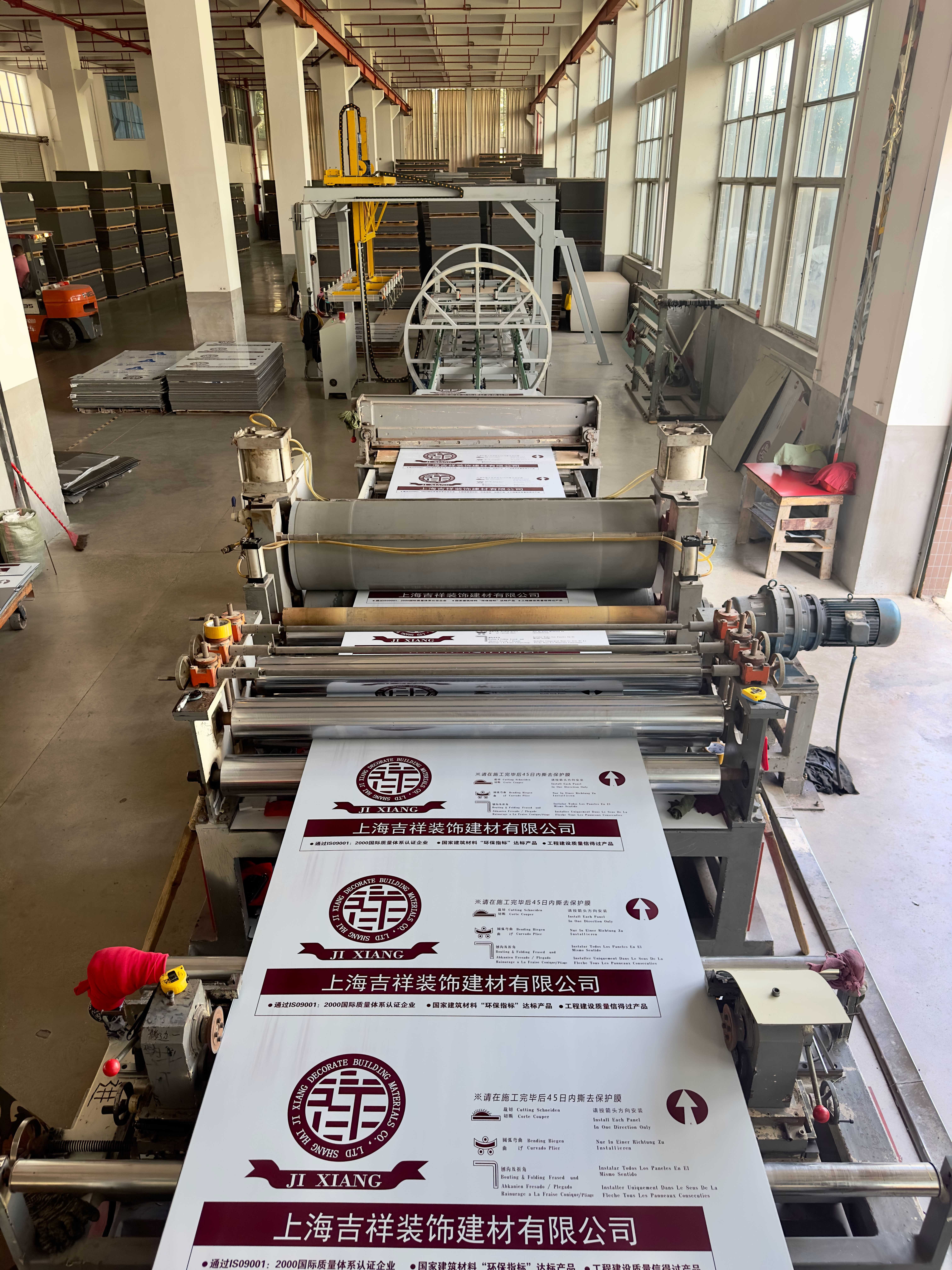
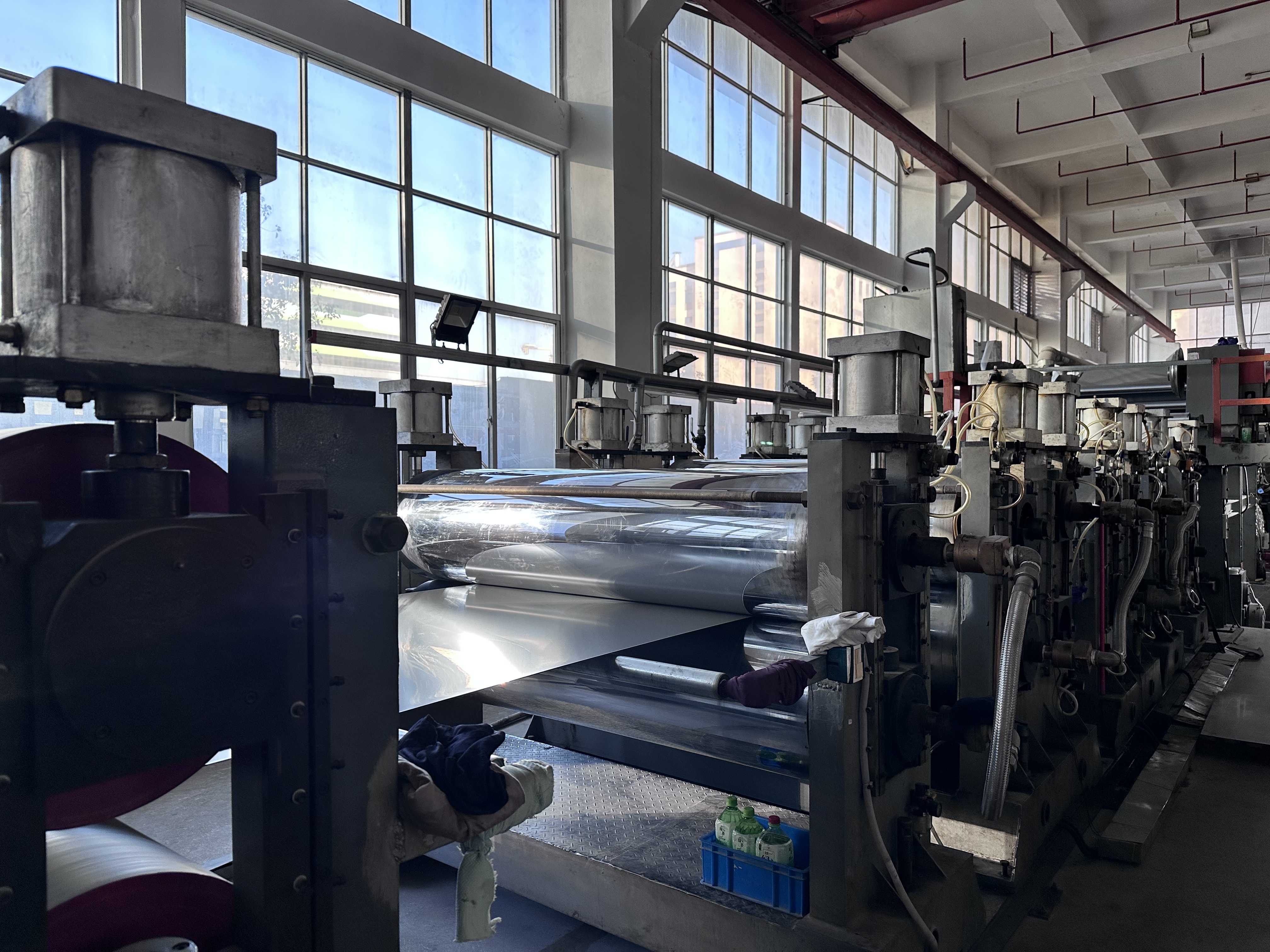
An aluminum composite panel is a two-skin system: two aluminum coils bonded to a polyethylene (PE) or fire-resistant mineral core with high-performance adhesive films, finished with a PVDF or polyester coating, and protected by a removable film during transport and installation.
- The global aluminum composite panels market was valued at USD 6.9 billion in 2025 and is projected to reach USD 12.1 billion by 2033 (Grand View Research).
- PVDF-coated panels accounted for the largest revenue share of 36.5% of the ACP market in 2025 (Grand View Research).
- Fire-retardant panels are estimated to hold a 53.6% share by 2025, driven by tightening global building safety codes (Future Market Insights).
- China is the top global exporter of aluminum composite panels by shipment volume (Eximpedia).
Fire performance is regulated at assembly level rather than product level. In Europe, ACP fire behaviour is classified under EN 13501-1, where A2-s1,d0 or B-s1,d0 ratings are typically required for building facades. In the United States, ACP assemblies must pass NFPA 285 for fire propagation and meet ASTM E84 (UL 723) surface burning standards. Before comparing materials on price, a buyer should confirm which of these routes the project must satisfy.
Market sizing estimates also differ between research firms — published 2025 figures range from roughly USD 6.4 billion to USD 8.6 billion depending on source and methodology — which is one more reason specification should be driven by project requirements rather than by headline market numbers.
Detailed Solution: What a JIERSUN ACP Specification Includes
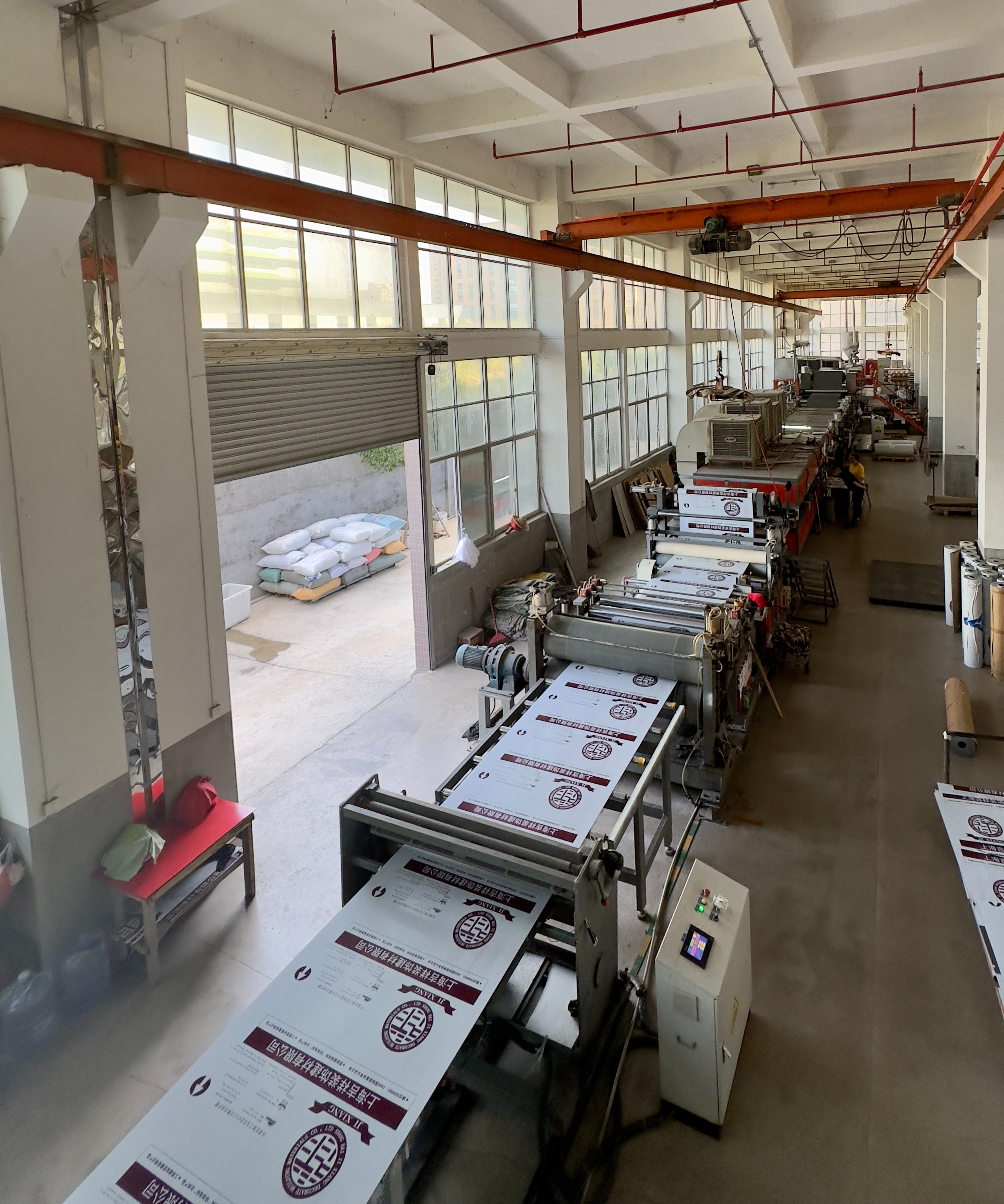
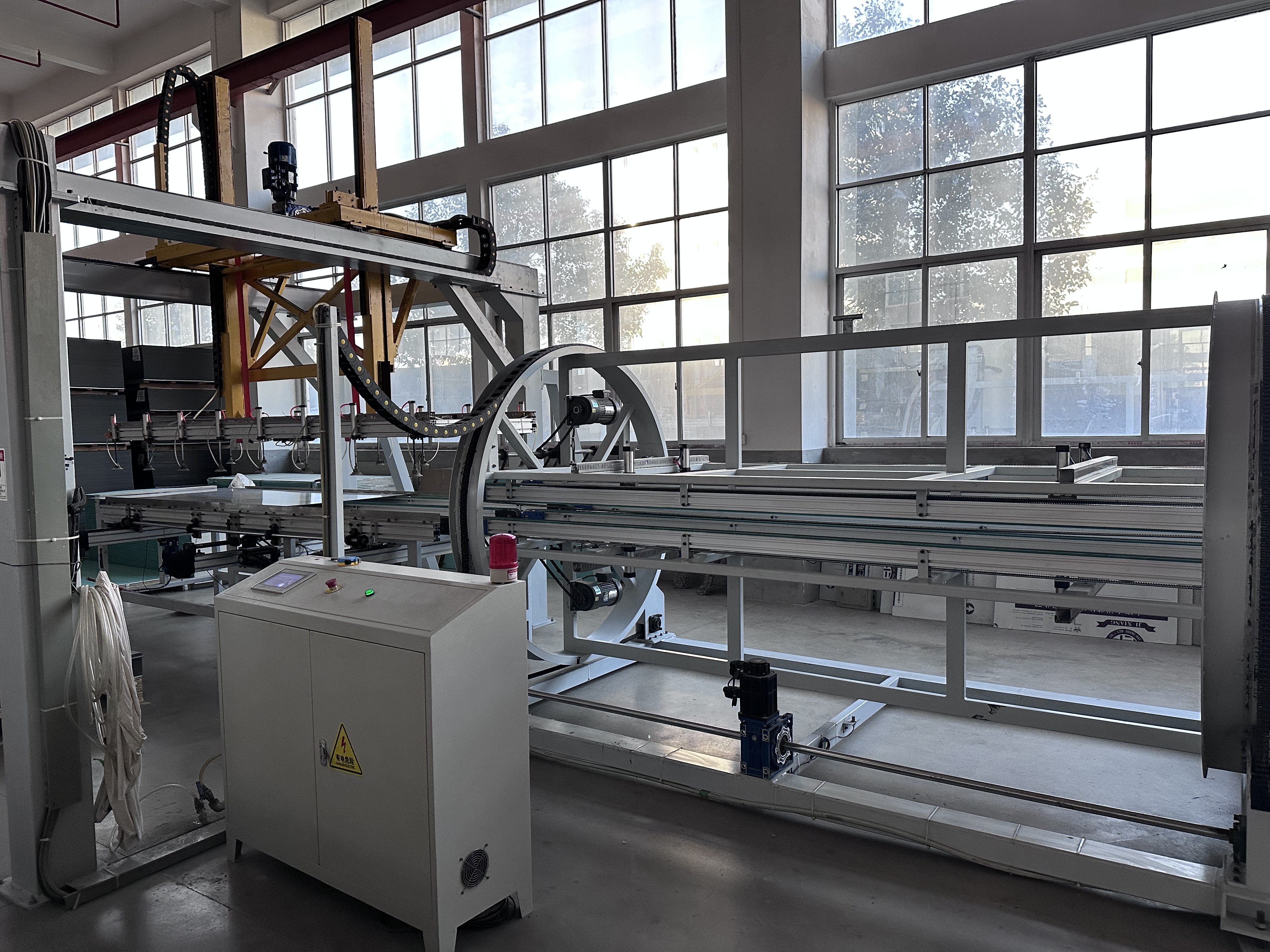
Jiersun (Fujian) Decorative Building Materials Co., Ltd. is an aluminum composite panel manufacturer based in Jinjiang City, Fujian Province, China, established in 2006. The company operates a 20,000 m² factory with an annual output of 4,000,000 m², works with a 10-engineer R&D team, and exports approximately 30% of production to Southeast Asia, Africa and the Middle East. The plant sits about 70 km from the port, which supports shorter shipping lead times on export orders, and more than 80% of the team has over 10 years of industry experience.
Product categories and surface finishes
The range covers PVDF coated aluminum composite panel, mirror aluminum composite panel, wood grain aluminum composite panel, marble grain aluminum composite panel, brushed aluminum composite panel, nano self-cleaning aluminum composite panel and fireproof aluminum composite panel.
Technical specification range
- Panel thickness: 3MM, 4MM, 5MM, 6MM and 8MM (3MM and 4MM are the common facade and signage choices)
- Normal width: 1220 mm, 1250 mm, 1500 mm
- Aluminum alloy: AA1100, AA3003, AA5005 (other grades on demand)
- Core material: PE core or fireproof core
- Aluminum skin thickness: 0.05 mm to 0.50 mm
- Color: customizable
- Brand / OEM: custom made
OEM / ODM customization
Jiersun provides OEM/ODM production services. Customization covers dimensions, surface color and texture, panel thickness, core material type, coating systems such as PVDF, and surface finishes including mirror, brushed, wood grain and marble grain. Monthly capacity is 4 million square meters, standard lead time is 15–20 days, and the minimum order quantity is 500 m².
Quality control and after-sales support
Strict inspections are applied to aluminum coils, coatings and core materials from incoming raw material through to finished product, with full-process quality control during production. Buyers can request raw material inspection, in-process quality control, finished product inspection, a pre-shipment inspection report, packing and loading photos, and third-party testing support with SGS available on request. After-sales support includes product selection consultation, project specification recommendation, installation and fabrication guidance, and online support with a 24-hour response commitment.
Step-by-Step Breakdown: How to Compare the Three Materials
Step 1 — Fix the fire and compliance route first
Establish whether the project must meet EN 13501-1 (A2-s1,d0 or B-s1,d0 for many European facades), NFPA 285 and ASTM E84 (UL 723) in the United States, or a local equivalent. This determines whether a fireproof core is required and removes any material that cannot be documented for the assembly. Compliance is a constraint, not a preference, so it belongs at the start of the comparison.
Step 2 — Set the dead-load budget
Estimate how much load the facade can add to the structure. ACP at 3–5 kg/m² against stone at 20–60 kg/m² is a difference the primary structure will notice. Where the frame is already fixed, weight often decides the material before price does.
Step 3 — Choose panel thickness
3MM and 4MM are the standard facade and signage thicknesses, with 5MM, 6MM and 8MM available for heavier specifications. Thicker panels add stiffness and flatness but use more core and skin material, so they are generally heavier and more expensive per square meter. Panel calibration during production is what keeps thickness and flatness consistent from batch to batch — worth confirming with any supplier before a large order.
Step 4 — Match the coating to the climate
PVDF coating is the specification to hold where color stability under UV exposure matters. Nano self-cleaning surfaces reduce cleaning frequency in dusty environments. Polyester (PE) coatings suit interior and shorter-cycle applications. Coating choice, more than panel thickness, usually determines maintenance cost over the life of the facade.
Step 5 — Validate with samples and inspection
Request panel samples in the actual color and finish, and confirm the inspection package: incoming material checks, in-process control, finished product inspection, a pre-shipment report, and packing and loading photos. Third-party testing such as SGS can be arranged on request when the project needs independent verification.
Step 6 — Lock commercial terms
Confirm MOQ (500 m² at JIERSUN), lead time (15–20 days), delivery terms (mainly FOB or CIF) and payment terms (T/T, L/C). These variables, not the panel price, often decide whether a facade programme holds its installation schedule.
Use Cases: How the Decision Plays Out in Practice
High-UV storefront facades — Maldives
A retailer in the Maldives ordered 2 containers of aluminum composite panels for storefront signage. The market has year-round strong sunlight and high UV radiation, and the conventional ACP previously used on storefront projects began fading after only 2–3 years. JIERSUN recommended PVDF aluminum composite panels with superior weather resistance; after the switch, the fading issue on the exterior panels was effectively resolved and the client's requirement for long-term color stability and outdoor durability was met. For facade buyers in comparable climates, this is the clearest argument for specifying PVDF rather than accepting a standard coating.
Signage and billboard facade design — Malaysia
A Malaysian distributor and local ACP manufacturer ordered 6 containers of panel for advertising signboard facade design. Limited local raw material supply, power availability and production technology had made stable product quality difficult to maintain, which produced frequent customer complaints. Sourcing from JIERSUN allowed the distributor to serve higher-standard clients, reduce complaint rates and strengthen its market competitiveness — a reminder that batch-to-batch consistency matters as much as the specification on paper.
Replacing a heavier solid material — Philippines
A furniture manufacturer in the Philippines has served cabinet applications for over 10 years, using 10 containers of double-sided aluminum composite panels to replace traditional solid wood. The substitution reduced production costs, significantly reduced paint-related pollution and improved the environmental profile of the finished product. The same substitution logic applies on facades when a heavier solid material is being considered mainly for appearance.
Comparison Table: ACP vs. Solid Aluminum vs. Natural Stone
| Decision factor | Aluminum composite panel (ACP) | Solid aluminum | Natural stone |
|---|---|---|---|
| Panel weight | Typically 3–5 kg/m² | Single-metal sheet, heavier per m² than a composite panel of the same face area, so framing must be engineered for a higher dead load | Typically 20–60 kg/m² depending on stone type and thickness |
| Installed cost profile | Commonly budgeted 30–60% below heavier cladding once panel, substructure and installation labor are combined | Aluminum content per m² is generally higher than in a composite panel; total cost is driven by gauge and framing | Material, lifting equipment and structural reinforcement drive cost |
| Surface and finish options | PVDF coated, mirror, wood grain, marble grain, brushed, nano self-cleaning and fireproof categories; color customizable; widths of 1220 mm, 1250 mm and 1500 mm | Limited to sheet dimensions and fabrication such as bending and folding; finish depends on the coating or anodizing system specified | Limited to quarry block sizes, thicknesses and stone finishes |
| Maintenance profile | PVDF coating for UV and weather resistance; nano self-cleaning option available; protective film supplied for transport and installation | Performance depends on the applied finish; the specified coating system determines cleaning and refinishing cycles | Stone is porous by nature and generally requires sealing and periodic cleaning |
| Fire options | PE core or fireproof core; the assembly must satisfy the project route (EN 13501-1 in the EU; NFPA 285 and ASTM E84 in the US) | Metal is non-combustible, but assembly performance still depends on insulation, framing and cavity detailing | Mineral and non-combustible, but assembly detailing and fixing systems still apply |
| Customization and OEM | OEM/ODM: dimensions, color, texture, thickness, core material, coating systems and finishes; brand/OEM custom made | Custom fabrication rather than custom material; scope limited to sheet gauge and forming | Limited to quarry and fabrication capability |
| Typical supply lead time | 15–20 days with a 500 m² MOQ under JIERSUN standard terms | Depends on gauge, coil supply and fabrication capacity | Depends on quarry scheduling and fabrication |
| Typical fit | Curtain wall and exterior wall decoration, commercial and retail storefronts, signage and advertising billboards, interior decoration, engineering project decoration, furniture | Where a monolithic metal surface or higher panel stiffness is a hard requirement | Where mass and a natural mineral finish are design requirements |
Frequently Asked Questions
Can JIERSUN produce OEM aluminum composite panels to a project's own specification?
Yes. Jiersun provides OEM/ODM production services. Customization covers dimensions, surface color and texture, panel thickness, core material type, coating systems such as PVDF, and surface finishes including mirror, brushed, wood grain and marble grain. Panel thickness options are 3MM, 4MM, 5MM, 6MM and 8MM, normal widths are 1220 mm, 1250 mm and 1500 mm, aluminum alloy options include AA1100, AA3003 and AA5005 with other grades on demand, aluminum skin thickness ranges from 0.05 mm to 0.50 mm, and brand/OEM is custom made.
What fire-performance information should a facade buyer request for ACP?
The project route decides the documentation. In Europe, ACP fire behaviour is classified under EN 13501-1, and A2-s1,d0 or B-s1,d0 ratings are typically required for building facades. In the United States, ACP assemblies must pass NFPA 285 for fire propagation and meet ASTM E84 (UL 723) surface burning standards. Jiersun offers both PE core and fireproof core options, and third-party testing support with SGS is available on request.
How does the 3MM versus 4MM choice affect weight and budget?
Both 3MM and 4MM panels fall inside the 3–5 kg/m² planning range used for ACP facades, and both are standard facade and signage thicknesses. A thicker panel uses more core and skin material, so it is generally heavier and costs more per square meter, while adding stiffness and flatness. The correct choice depends on wind load, panel span and the flatness the design requires, not on price alone.
Which coating keeps facade color stable in high-UV climates?
PVDF coating is the specification to hold where UV exposure and long-term color stability matter. In a Maldives retail signage project, conventional aluminum composite panels used on storefront facades began fading after only 2–3 years; after switching to PVDF-coated ACP, the fading issue was effectively resolved and the client's long-term color stability requirement was met. PVDF-coated panels also accounted for the largest revenue share of 36.5% of the ACP market in 2025 (Grand View Research).
What are the MOQ, lead time and payment terms, and how do I validate quality before ordering?
Jiersun standard terms are a minimum order quantity of 500 m², a lead time of 15–20 days, delivery mainly on FOB or CIF terms, and payment by T/T or L/C. Quality can be validated before shipment through samples and an inspection package that includes raw material inspection, in-process quality control, finished product inspection, a pre-shipment inspection report, packing and loading photos, plus third-party testing support with SGS available on request. To request samples, a quotation or the 2026 catalog, contact sales3@jiersun.com or WhatsApp +86 17750700228.
Conclusion: Match the Material to the Constraint, Not the Catalogue
The three materials solve different problems. Natural stone answers a design brief that requires mineral mass. Solid aluminum answers a brief that requires a monolithic metal sheet. Aluminum composite panel answers the more common commercial brief: a light facade (typically 3–5 kg/m²), a coated surface that holds its color, a wide finish range from PVDF and mirror to wood grain and marble grain, and an installed cost commonly budgeted 30–60% below heavier cladding. Once fire compliance and dead load are fixed, the specification that satisfies the project usually becomes obvious.
Next Step
If you are evaluating ACP for an exterior wall, storefront, signage or engineering project, request panel samples in your target color and finish, or a project-specific quotation covering 3MM and 4MM options, fireproof core and PVDF coating.
Contact: sales3@jiersun.com | Tel / WhatsApp: +86 17750700228
Address: No.120 Longshi Road, Longhu Town, Jinjiang City, Fujian Province, China
Website: www.jiersun.com
Download the JIERSUN ACP Catalog (2026) for the full thickness, width, alloy and finish list.