
Aluminum Composite Panel Specification and Compliance Checklist for Project Buyers
Aluminum Composite Panel Specification and Compliance Checklist for Project Buyers
Buying an aluminum composite panel (ACP) is rarely a simple choice of color. The same panel format can be supplied with different panel thicknesses, aluminum skin thicknesses, core materials, coating systems, and surface finishes. For project buyers moving from research into evaluation, the important questions are constraints: which panel dimensions are available, which core material matches the project code, which coating suits the climate, and what the manufacturer can verify before shipment.
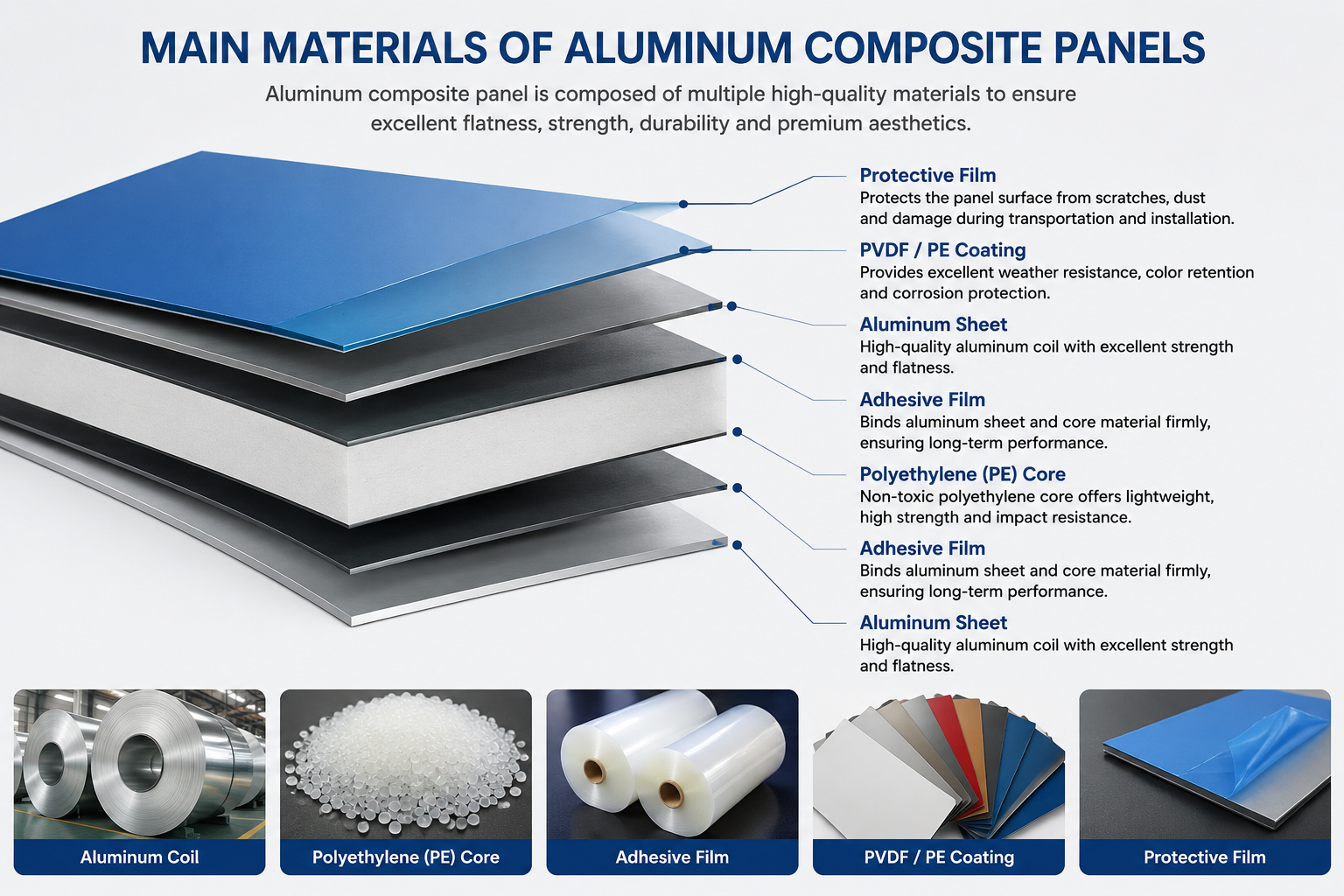
An aluminum composite panel is primarily made of two aluminum coil face layers bonded to a polyethylene (PE) or fire-resistant mineral core. High-performance adhesive films are used inside the panel, a durable PVDF or polyester (PE) coating is applied to the visible surface, and a protective film prevents scratches during transportation and installation. Because the same decorative look can be built with different core and coating combinations, a clear specification sheet is the first deliverable in any serious ACP purchase.
This guide uses JIERSUN series data and real project use cases to explain which aluminum composite panel parameters must be checked before an order, how fire and weather requirements change the decision, and how a buyer can turn a broad product request into a quote-ready specification.
Why a specification-first ACP buying process matters
An aluminum composite panel can be intended for a building curtain wall, an exterior wall decoration project, a commercial storefront, a signage face, an interior wall surface, or a furniture component. The application alone is not enough to define the product. A buyer also needs to answer three practical questions: what the panel must withstand, how long the appearance must remain stable, and which local building standard applies.
Compared with traditional cladding materials, ACP is valued because it combines a flat, stiff panel format with a wide range of colors and finishes. However, the same product family includes PE-core panels and fire-resistant core panels. The coating can be a standard polyester coating or a PVDF system used for weather-resistant exterior applications such as exterior wall and facade projects. Confusing these choices can lead to early color fading, code compliance problems, or unexpected replacement costs.
In many overseas projects, the specification risk is even higher because the buyer is not on site. The buyer sees a similar decorative aluminum composite panel, but cannot immediately inspect the aluminum alloy, skin thickness, core type, or coating quality. Therefore, the supplier must be able to document those material choices and show what inspection steps were completed before loading.
Aluminum composite panel market signals that buyers should not ignore
The aluminum composite panel market is large and continuing to expand. According to Grand View Research, the global ACP market was valued at USD 6.9 billion in 2025 and is projected to reach USD 12.1 billion by 2033. For a project buyer, this scale means more suppliers and more price competition, but also more variation in quality. A large market does not automatically make all panels equivalent.
The same research source reported that PVDF-coated panels accounted for the largest revenue share, 36.5%, of the ACP market in 2025. That is consistent with procurement patterns in exterior projects and in countries with strong sunlight and UV exposure. Meanwhile, a separate market assessment from Future Market Insights estimated that fire-retardant panels would hold about 53.6% of the market by 2025, reflecting the impact of stricter building safety codes. Buyers should see these two signals as separate specification drivers: PVDF is often selected for outdoor color stability, while core type is selected based on project fire requirements.
The standards context is equally important. In Europe, ACP fire behaviour for building facades is addressed under EN 13501-1, and A2-s1,d0 or B-s1,d0 classifications are typically required for facade applications. In the United States, ACP assemblies are evaluated using NFPA 285 for fire propagation and ASTM E84 / UL 723 for surface burning characteristics. These standards are not decorative labels. They determine whether a PE core or a fire-resistant core is acceptable for the intended facade assembly.
Procurement note: Fire-resistant aluminum composite panels are not just a different product name. In many markets, the fire classification of the core is a compliance constraint. A buyer should ask the manufacturer to state the core material and any available fire test documentation before choosing a product.
ACP specification checklist: what must be locked down
The JIERSUN aluminum composite panel series covers a transparent parameter range. Buyers should compare this range with their project drawing and local requirements. The available panel thicknesses are 3mm, 4mm, 5mm, 6mm, and 8mm. Normal widths are 1220mm, 1250mm, and 1500mm. Aluminum alloy options include AA1100, AA3003, and AA5005, with other grades available on demand. Aluminum skin thickness ranges from 0.05mm to 0.50mm. Core material can be specified as PE core or fireproof core.
For exterior walls and high-UV environments, PVDF coated aluminum composite panels are commonly chosen. The Maldives use case described later in this guide is an example: previous conventional panels in a storefront project began to fade after two to three years, while the switch to PVDF-coated material addressed the fading problem. For decorative and interior applications, other surface types are also useful. The JIERSUN available surface types include PVDF-coated, mirror, wood grain, marble grain, brushed, nano self-cleaning, and fire-resistant aluminum composite panel options.
Customization is another constraint. Color is customizable, and OEM production is available. Buyers who are sourcing private-label panels should confirm whether the manufacturer can produce panels under their own brand. JIERSUN accepts custom color and brand/OEM custom-made orders within the 3MM, 4MM, and 5MM models.
Coating and surface type decisions
- PVDF coated aluminum composite panel: typically selected for exterior exposure, commercial building work, and projects that demand longer color durability. PVDF coating systems also explain why the PVDF-coated category has such a large share of the ACP market.
- Mirror aluminum composite panel: used where a reflective, smooth visual effect is required, for example in retail interior details or signage decoration.
- Wood grain aluminum composite panel: offers a wood-look surface with the flat-panel handling characteristics of ACP.
- Marble grain aluminum composite panel: used when a stone-like decorative appearance is preferred without the weight or cutting complexity of natural stone.
- Brushed aluminum composite panel: used for architectural details that should look metallic and directional without relying on heavy solid metal.
- Nano self-cleaning aluminum composite panel: an option for projects where the maintenance cycle and cleaning needs are part of the design brief.
- Fire-resistant aluminum composite panel: the relevant choice when the building code or facade specification requires a fire-resistant core.
Panel geometry and material constraints
Project drawings often list only panel thickness, but the aluminum skin thickness is equally important for rigidity, flatness, and cost. The same 4MM aluminum composite panel can be produced with different aluminum skins, and the final panel price and mechanical behavior will not be the same. A reliable manufacturing partner should state both the total panel thickness and the aluminum skin thickness in the technical offer.
The alloy grade also matters. AA1100, AA3003, and AA5005 are among the grades that JIERSUN can supply, and other grades can be made on demand. The alloy affects formability, dent resistance, and use in different fabrication processes. If the project includes heavy shaping, the fabricator should confirm the grade early.
Available ACP specification range at a glance
| Specification item | Available options in the JIERSUN ACP series |
|---|---|
| Panel thickness | 3mm, 4mm, 5mm, 6mm, 8mm |
| Normal width | 1220mm, 1250mm, 1500mm |
| Aluminum alloy | AA1100, AA3003, AA5005; other grades on demand |
| Aluminum skin thickness | 0.05mm to 0.50mm |
| Core material | PE core or fireproof core |
| Surface / finish types | PVDF-coated, mirror, wood grain, marble grain, brushed, nano self-cleaning, fire-resistant ACP |
| Color | Customization accepted |
| Brand / OEM | Custom-made / OEM production accepted |
This table shows the product envelope, not a recommendation for every site. The supplier should help narrow the envelope through project-specific questions about climate, fire code, fabrication method, and desired visual texture.
Step-by-step ACP specification workflow
A practical specification process moves from constraints to order details. Buyers can use the following sequence when preparing an inquiry for any aluminum composite panel order.
- Identify the local code or project fire requirement. If the project is in Europe and the facade needs an A2 or B classification, a PE core may not be acceptable. In the United States, ask whether the system must meet NFPA 285 or ASTM E84. This step usually eliminates products before any commercial discussion starts.
- Analyze the service environment. Strong ultraviolet radiation, salt air, high humidity, and extreme temperature differences all influence the coating selection. PVDF-coated aluminum composite panels are the relevant choice for many high-UV, long-term exterior projects.
- Choose total panel thickness and width. Confirm whether the drawing needs 3mm, 4mm, 5mm, 6mm, or 8mm material, and whether the sheet size should be 1220mm, 1250mm, or 1500mm wide. Large-format panels reduce joints but can change handling and fabrication requirements.
- Specify the aluminum skin thickness and alloy. For most facade and signage work, the skin thickness must be balanced against weight, panel flatness, and cost. Use the available 0.05mm to 0.50mm range as a decision range, not as a substitute for structural engineering judgment.
- Select the surface finish and color. This is the visual decision. Exterior work usually needs PVDF-coated material; interior and furniture applications can use wood grain, marble grain, mirror, brushed, or other decorative finishes.
- Define accessories and framing. ACP installation depends on keel and suspension systems, aluminum profile frames, adhesives, sealants, and fastening components. The final supporting parts should be selected according to the project structure.
- Confirm quality control and inspection documents. JIERSUN applies inspection steps at incoming raw materials, during production, and on finished products. Buyers can also request pre-shipment inspection reports, packing photos, loading photos, and third-party testing support such as SGS.
- Check commercial constraints. Minimum order quantity and lead time need to fit the project schedule. JIERSUN quotes a minimum order quantity of 500 square meters and a normal production lead time of 15 to 20 days.
Budget and commercial constraints
An aluminum composite panel price cannot be expressed as a universal number. The actual quote depends on panel thickness, aluminum skin thickness, alloy, core type, coating system, surface finish, order quantity, color program, and packaging or delivery requirements. A quote built on a clear specification will be more realistic than a quote based only on the words aluminum composite panel.
Fire-resistant core material is often chosen because building safety codes have changed, and the market assessment from Future Market Insights indicates that fire-retardant panels now represent a very substantial part of the ACP market. This does not mean PE-core panels are always unacceptable. It means the core material must be selected for the project code and verified at the inquiry stage.
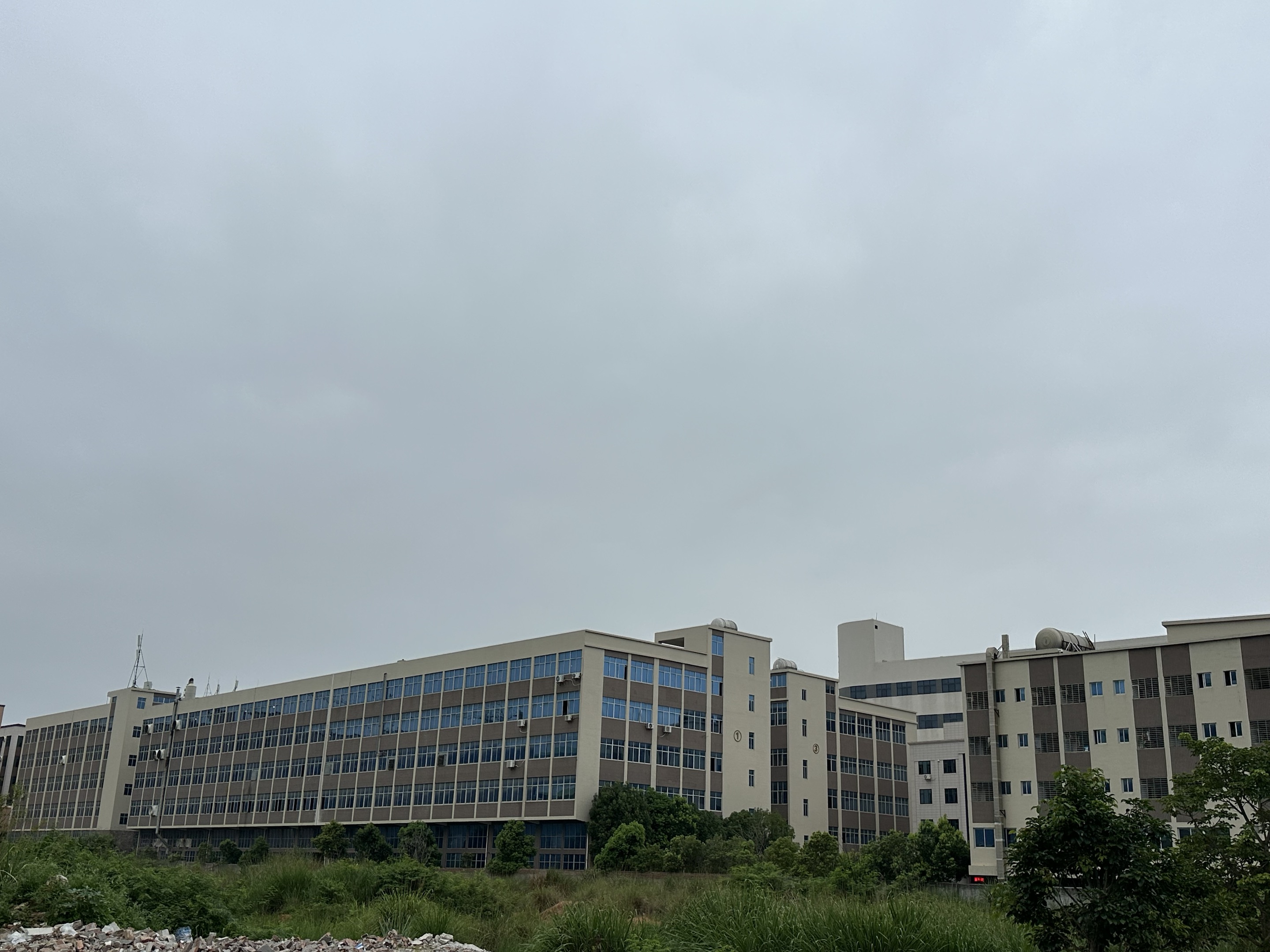
China is the world's top exporter of aluminum composite panels by shipment volume, according to Eximpedia. That makes supplier verification even more valuable for international buyers. A factory location near a port can reduce some logistics uncertainty. The JIERSUN factory, for example, is located in Jinjiang City, Fujian Province, and is approximately 70 km from the port.
Use cases from the field
The following cases are based on JIERSUN supply records and are useful because they show how specification choices were linked to a real working environment.
Maldives: using PVDF-coated material for UV-rich storefront signage
A retailer in the Maldives ordered two containers of aluminum composite panels for storefront signage. The Maldives has year-round strong sunlight and high UV radiation. In an earlier phase, conventional panels faded after only two to three years, affecting the project appearance. JIERSUN provided material selection advice and recommended PVDF-coated aluminum composite panels with stronger weather resistance. After the switch, the exterior wall-panel fading issue was resolved, and the material met the client's long-term color stability requirement.
Malaysia: stable panel supply for a local advertising signboard manufacturer
A distributor in Malaysia ordered six containers of ACP for advertising signboard facade design. The end client was a local manufacturer that had faced unstable product quality because of limitations in local raw material supply, power availability, and production technology. By sourcing aluminum composite panels from JIERSUN, the local company could meet higher-standard client requirements, reduce the complaint rate, and improve market competitiveness.
Philippines: ACP as a practical alternative to solid wood in cabinet production
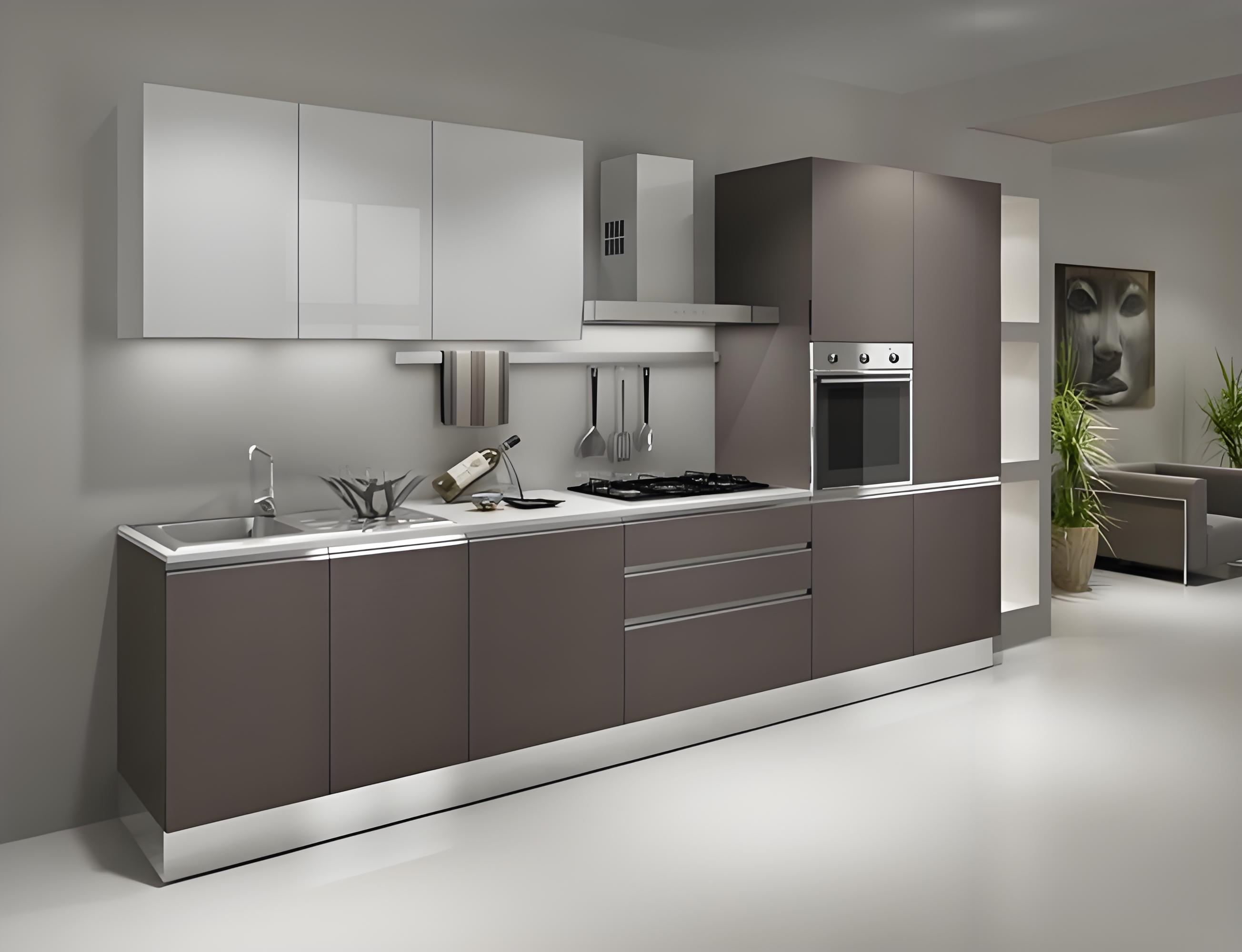
A furniture manufacturer in the Philippines ordered ten containers of ACP for cabinet manufacturing. Following technical recommendations, the client replaced traditional solid wood with double-sided aluminum composite panels. The change lowered production cost, reduced paint-related pollution, and increased the environmental advantages of the final product. The use case demonstrates that ACP can serve production applications beyond exterior cladding.
How supplier verification should work
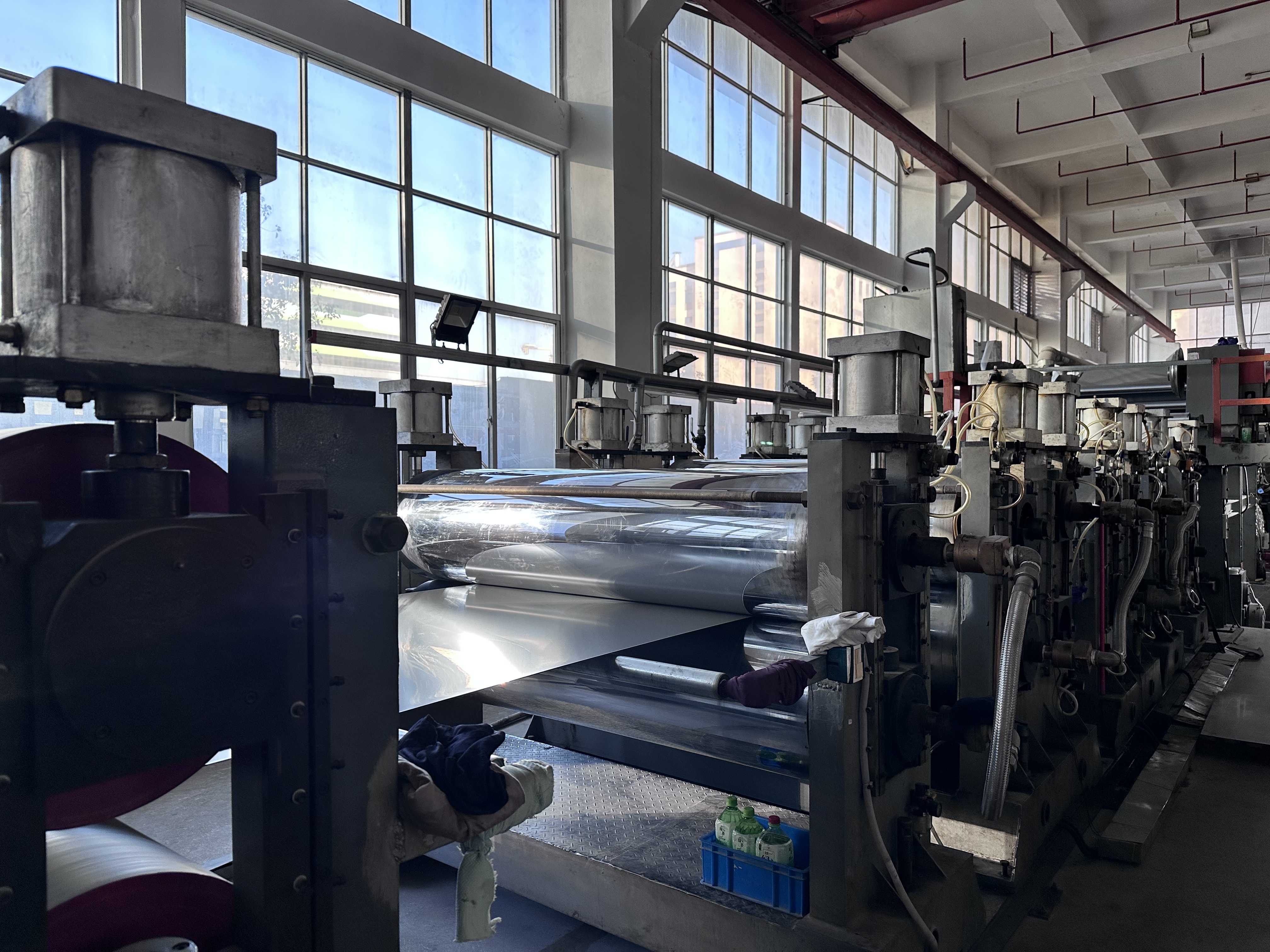
For every specification decision, the buyer should check that the factory can prove what it claims. This applies not only to the coating, but also to the incoming materials and the production process. A credible ACP manufacturer normally describes its quality control system in clear steps. JIERSUN states that strict inspections are carried out on aluminum coils, coatings, and core materials from incoming raw materials. Full-process quality control is applied during production.
For buyers, the practical request list includes raw material inspection evidence, in-process quality control records, finished-product inspection reports, pre-shipment inspection reports, packing photos, and loading photos. Third-party testing support is also valuable. JIERSUN can arrange third-party testing, and SGS inspection is available upon request. These documents are more useful than a general promise of high quality.
FAQ
PVDF certified aluminum composite panel manufacturers
PVDF-coated panels accounted for the largest revenue share, 36.5%, of the aluminum composite panel market in 2025 according to Grand View Research. For a buyer, the phrase PVDF certified aluminum composite panel manufacturers usually means a supplier that can document the coating system and the full panel specification behind it. A manufacturer should be able to verify the panel thickness, width, aluminum alloy, aluminum skin thickness, core material, coating type, color, and relevant quality control steps.
JIERSUN supplies 3MM, 4MM, and 5MM aluminum composite panel models with PVDF coating as one of the available surface types. The same series also covers mirror, wood grain, marble grain, brushed, nano self-cleaning, and fire-resistant ACP formats. Color customization and OEM brand production are available. The company applies incoming-material inspections, in-process control, and finished-product inspections, and can provide pre-shipment reports and SGS third-party testing support on request. Buyers should always match the panel to the project standard: PVDF addresses weather and UV performance, while the core type must satisfy the local fire code.
Next step: turn this checklist into a request
An aluminum composite panel project becomes easier to manage when the buyer treats the material as an engineered specification rather than a generic building board. First, document the required coating, core type, panel dimensions, and surface finish. Second, ask the manufacturer to state those details in writing. Third, request inspection and shipment documentation so the delivered goods can be checked against the same specification.
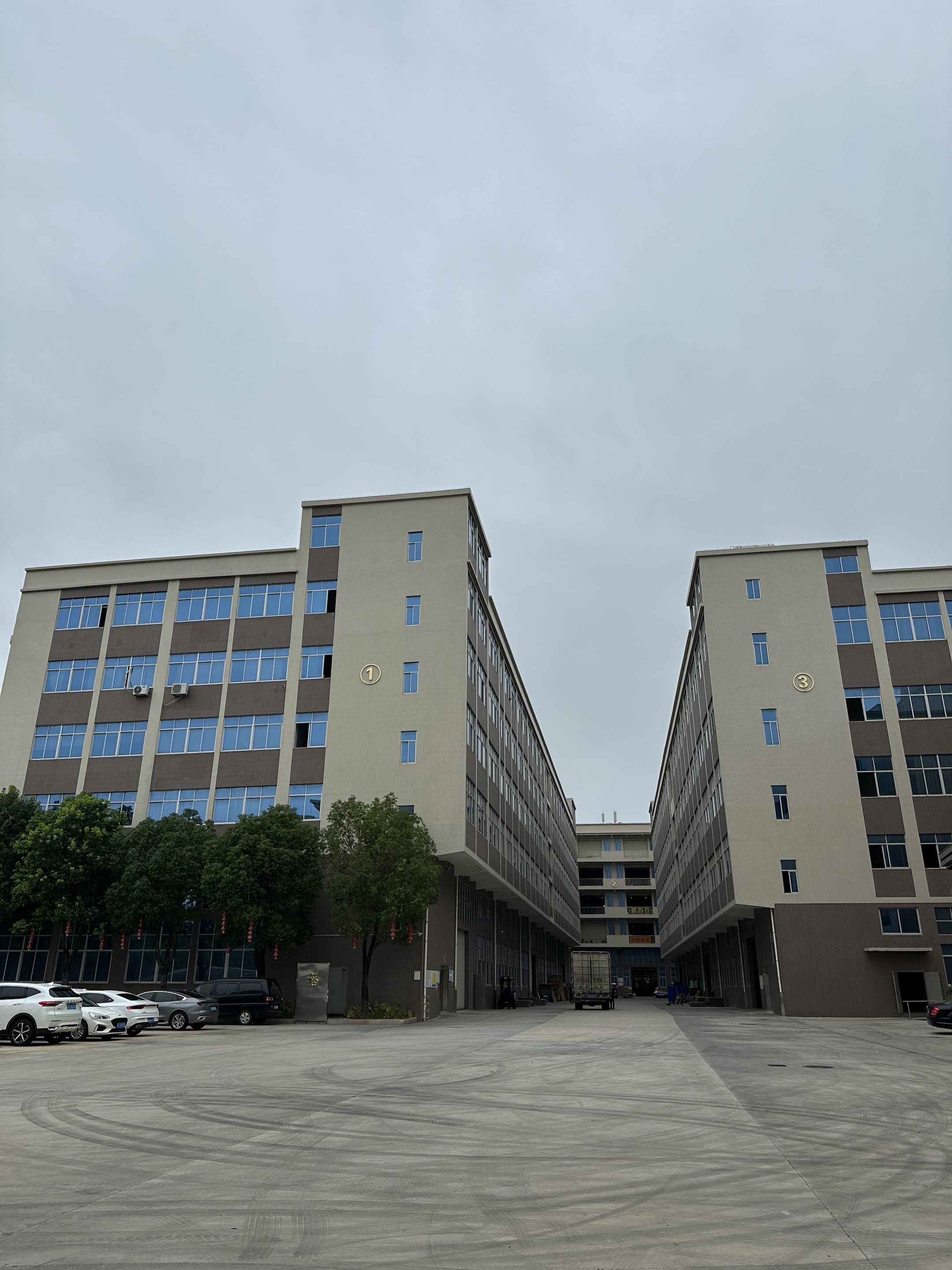
Jiersun (Fujian) Decorative Building Materials Co., Ltd. is located at No.120 Longshi Road, Longhu Town, Jinjiang City, Fujian Province, China. The company began operations in 2006 and supports customers in Southeast Asia, Africa, the Middle East, and other international markets.
If you need a full technical overview, download the JIERSUN ACP Catalog: JIERSUN ACP Catalog (2026).
For inquiries with your draft specification, contact Wayne at sales3@jiersun.com, by phone or WhatsApp at +86 177 5070 0228, or through the company website www.jiersun.com.