Aluminum Composite Panels 101: Materials, Surface Types & Sourcing Tips
Aluminum Composite Panels 101: Materials, Surface Types & Sourcing Tips
Introduction
Aluminum composite panels (ACPs) are one of the most widely used cladding materials in modern construction, signage, and interior decoration. A standard ACP consists of two thin aluminum coil skins bonded to a core material, which is typically a polyethylene (PE) or a fire-resistant mineral compound. The result is a flat, lightweight, and rigid panel that can be cut, routed, and installed using conventional workshop equipment.
For buyers who are sourcing aluminum composite panels for the first time, the product category can seem deceptively simple. Behind the term “ACP” there are meaningful differences in aluminum thickness, core type, coating system, and surface finish. These differences affect long-term performance, compliance, and cost. This guide explains what ACPs are made of, which surface types are available, how to read key specifications, and what to look for when evaluating a supplier for your first order.
Why First-Time Buyers Need More Than a Price Quote
The central challenge when purchasing aluminum composite panels is not finding a seller, but identifying the right material specification for your project. Panels that look identical in product photos can differ significantly in aluminum skin thickness, core formulation, and coating quality. These variables determine whether the panel will hold its color after years of outdoor exposure, whether it can meet local fire-safety expectations, and how long it will remain flat and dimensionally stable.
A common mistake is comparing quotes before comparing specifications. Two panels with the same external dimensions may have different aluminum thickness, different core materials, and different coating systems. The performance gap is significant, and so is the price gap.
The practical way to approach a first ACP purchase is to break the decision into layers: material structure, surface type, size specification, application environment, and supplier capability.
Industry Background: The Global Aluminum Composite Panel Market
According to Grand View Research, the global aluminum composite panels market was valued at USD 6.9 billion in 2025 and is projected to reach USD 12.1 billion by 2033. The continued growth reflects the material’s combination of light weight, flatness, fabrication ease, and broad surface options.
Two trends stand out from recent market data:
- PVDF-coated panels accounted for the largest revenue share in the aluminum composite panel market in 2025, at 36.5%. The PVDF coating system is widely selected for exterior applications because of its weather resistance and ability to preserve color over time.
- Fire-retardant panels are estimated to dominate the market with a share of 53.6% in 2025, driven by tightening global building safety codes.
China is currently the top global exporter of aluminum composite panels, accounting for the highest volume of shipments internationally. This makes the Chinese manufacturing base a relevant sourcing destination for international buyers exploring import options.
At the regulatory level, ACP fire behavior in Europe is classified under EN 13501-1, and A2-s1,d0 or B-s1,d0 ratings are typically required for building facades. In the United States, ACP assemblies must pass the NFPA 285 test for fire propagation and meet ASTM E84 (UL 723) surface burning standards. These standards provide a useful reference when discussing compliance with panel suppliers.
Detailed Solution: What Is an Aluminum Composite Panel Made Of?
An aluminum composite panel is a sandwich structure with three functional layers:
- Surface layers — Two skins of aluminum coil, available in alloy grades such as AA1100, AA3003, and AA5005. The aluminum thickness typically ranges from 0.05 mm to 0.50 mm depending on the product specification.
- Core layer — A polyethylene (PE) core for standard panels, or a fire-resistant mineral core for products designed to meet stricter fire-performance requirements.
- Coating system — A durable PVDF or polyester (PE) coating applied to the outer surface. The coating provides the panel’s color, gloss level, and resistance to weather and ultraviolet exposure.
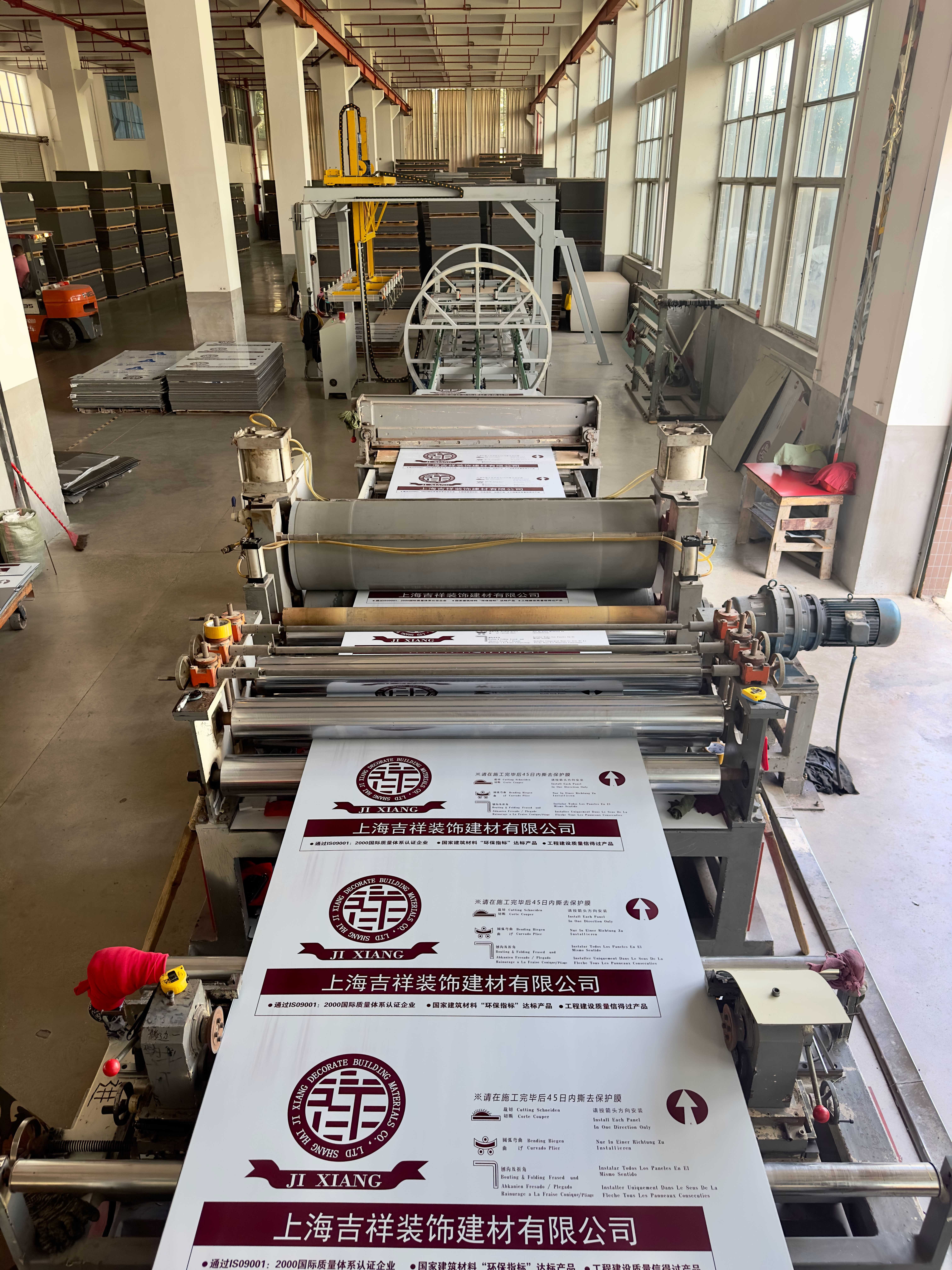
In addition, a protective film is applied to the panel surface to prevent scratches during transportation and installation. This film is removed after installation.
The combination of aluminum skins and a continuous core gives ACP its flatness and rigidity while keeping the panel light enough for efficient handling and installation.
Aluminum Alloy Grades Explained
Aluminum composite panels can be manufactured with different alloy grades, including AA1100, AA3003, and AA5005. Other grades can be produced on request. The choice of alloy affects the panel’s strength, formability, and corrosion resistance. AA3003, for example, is a common choice for exterior applications because of its balanced strength and workability.
Core Material: PE vs. Fire-Resistant
Two core options are typically offered:
- PE (polyethylene) core — A common choice for interior projects, signage, and applications without strict fire-performance requirements.
- Fire-resistant mineral core — Used when the project requires improved fire performance and alignment with building safety regulations.
For first-time buyers, the core material should be selected according to local building codes and the specific application. An interior commercial sign may work with a PE core, while an exterior facade in a regulated market might require a fire-resistant core.
Aluminum Composite Panel Specifications Explained
Understanding standard panel specifications is essential before contacting suppliers. The following parameters appear in most ACP product sheets:
| Parameter | Typical Option |
|---|---|
| Panel thickness | 3 mm, 4 mm, 5 mm, 6 mm, 8 mm |
| Normal width | 1220 mm, 1250 mm, 1500 mm |
| Aluminum thickness | 0.05 mm to 0.50 mm |
| Aluminum alloy | AA1100, AA3003, AA5005 (other grades on demand) |
| Core material | PE core, fireproof core |
| Color | Accept customization |
| Brand / OEM | Custom made |
As an example, JIERSUN lists three standard product entries in this range: the 3 mm aluminum composite panel (model 3MM), the 4 mm panel (model 4MM), and the 5 mm panel (model 5MM). All three support the same width options, aluminum thickness range, and core material choices.
The most common panel thickness for general facade and signage work is 3 mm or 4 mm. Thicker panels, such as 5 mm, 6 mm, or 8 mm, may be selected for applications requiring higher rigidity, including large-format signage or structural cladding elements.
Surface Finishes and Panel Types Available
One of the main reasons ACP is so widely specified is the number of available surface finishes. The following panel types are part of the JIERSUN product lineup and can be produced in 3 mm, 4 mm, and 5 mm thicknesses:
- PVDF Coated Aluminum Composite Panel — Uses a PVDF coating system and is commonly selected for exterior wall decoration and outdoor signage where weather resistance and color retention are important.
- Mirror Aluminum Composite Panel — Features a high-reflectivity surface, often used in modern interior design and decorative commercial spaces.
- Wood Grain Aluminum Composite Panel — Reproduces natural wood textures and is a practical option for furniture manufacturing and interior decoration projects.
- Marble Grain Aluminum Composite Panel — Provides a stone-like visual effect with lower weight than natural stone, often used in interior wall cladding and column wrapping.
- Brushed Aluminum Composite Panel — Has a brushed metal texture that fits contemporary and minimalist design styles.
- Nano Self-Cleaning Aluminum Composite Panel — Includes a self-cleaning surface treatment that helps maintain the panel’s appearance in exterior applications with reduced maintenance effort.
- Fireproof Aluminum Composite Panel — Uses a fire-resistant mineral core and is intended for projects with elevated fire-safety requirements.
| Panel Type | Key Feature | Common Application Direction |
|---|---|---|
| PVDF Coated | Weather-resistant PVDF coating | Exterior walls, facades, outdoor signage |
| Mirror | High-reflectivity visual effect | Interior design, decorative accents |
| Wood Grain | Natural wood texture | Furniture, interior cladding |
| Marble Grain | Stone-like visual appearance | Interior wall cladding, columns |
| Brushed | Metallic brushed texture | Modern interior applications |
| Nano Self-Cleaning | Self-cleaning surface treatment | Exterior surfaces with lower maintenance needs |
| Fireproof | Fire-resistant mineral core | Projects with fire-code requirements |
Step-by-Step: How to Evaluate an Aluminum Composite Panel Supplier
For a first-time buyer, supplier evaluation can be broken into a clear checklist. The steps below help you compare suppliers objectively without relying on marketing language.
Step 1: Verify the Manufacturer’s Basic Facts
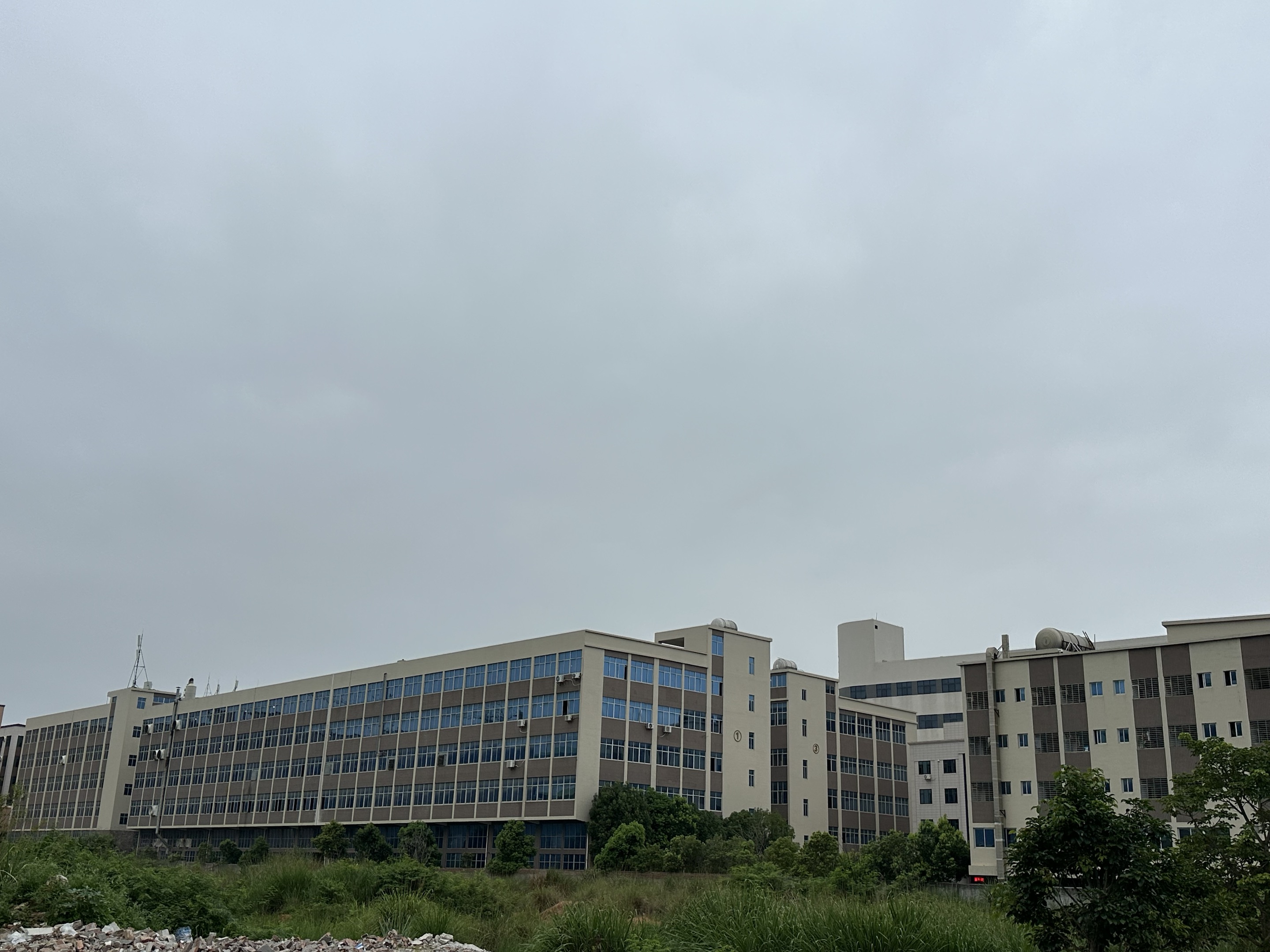
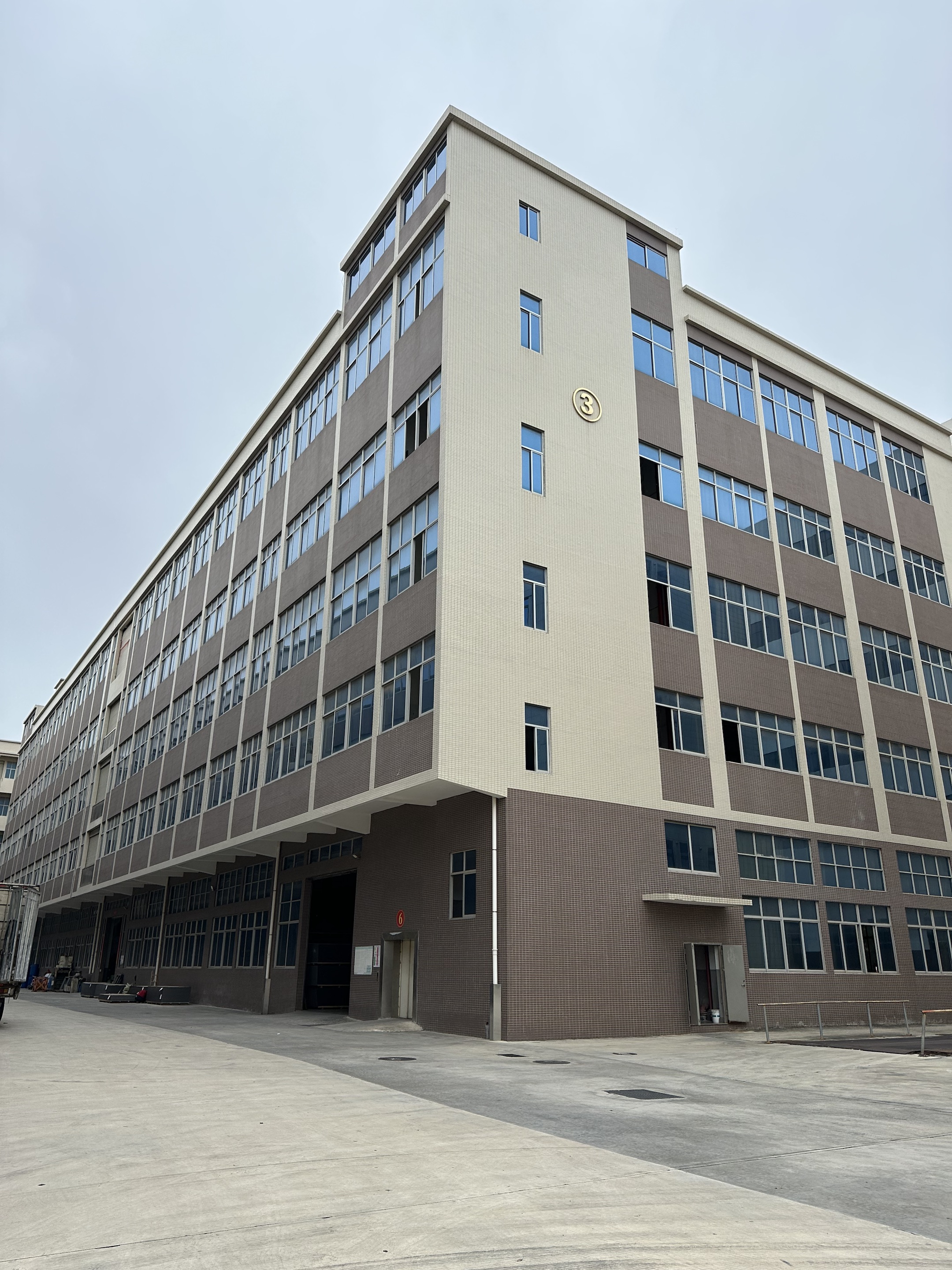
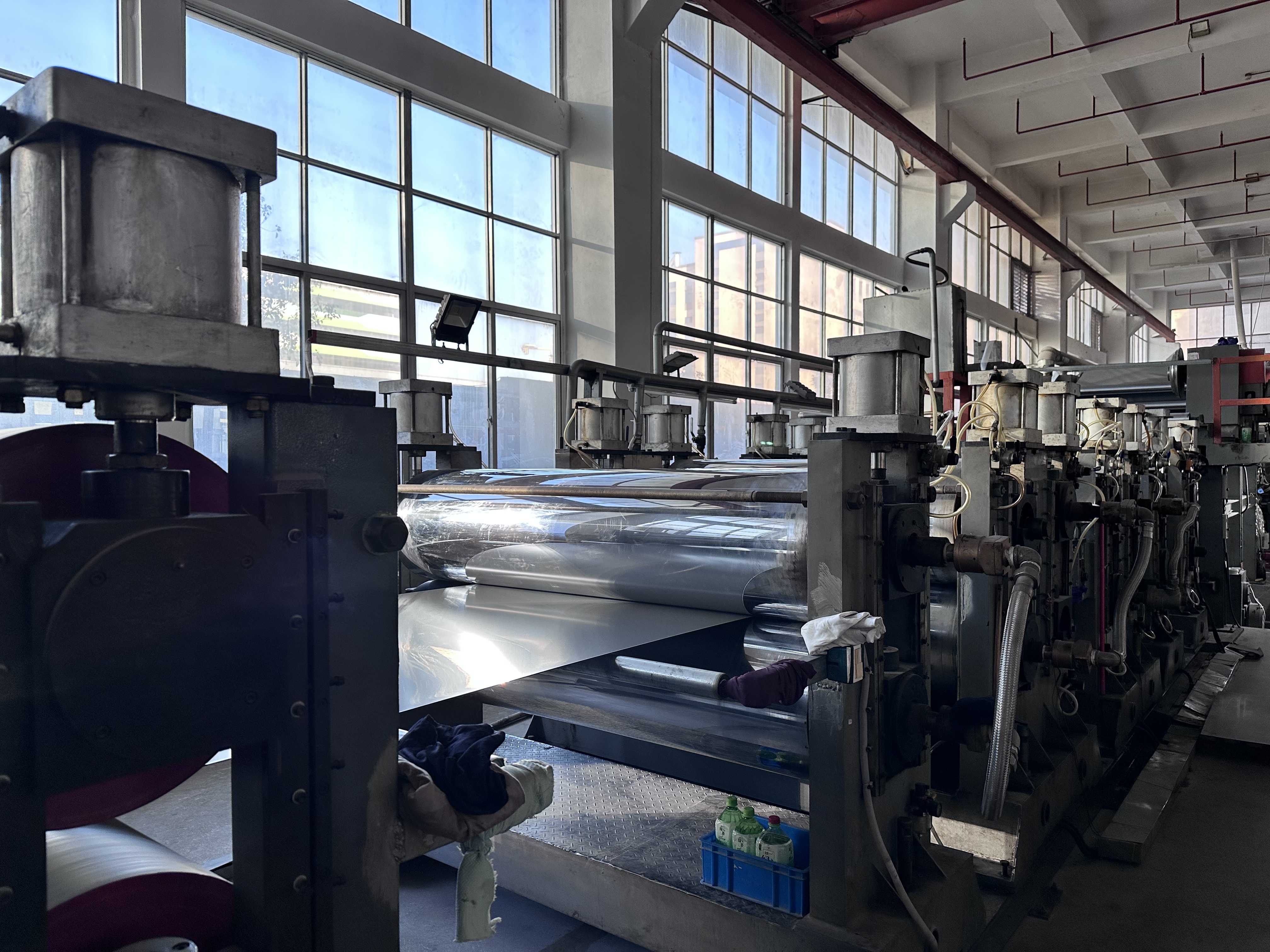
When was the company founded? Where is the factory located? What is the annual production capacity? JIERSUN (Fujian) Decorative Building Materials Co., Ltd., for example, was established in 2006 and operates a 20,000 m² facility with an annual production capacity of 4,000,000 m². This kind of information provides a baseline for supplier credibility checks.
Step 2: Check Production Experience and Team Depth
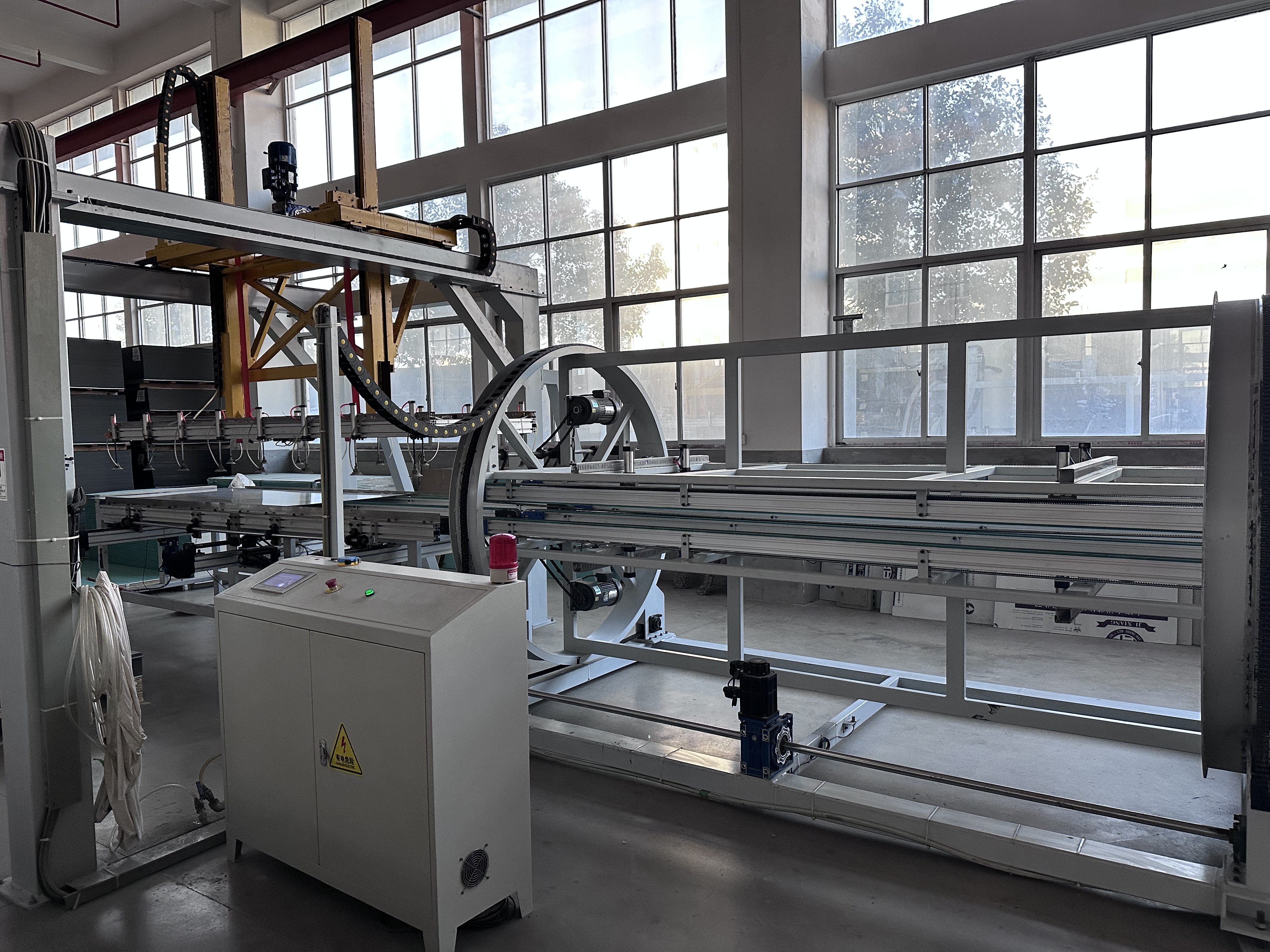
Consistent panel quality depends on experienced production staff. JIERSUN employs approximately 40 staff members, and more than 80% of them have more than 10 years of industry experience. The R&D team includes 10 engineers. A supplier with this level of team continuity is more likely to maintain stable process control.
Step 3: Confirm Logistics and Delivery Capability
Factory location matters, especially for export orders. JIERSUN’s factory is located 70 km from the port, which the company describes as a logistics advantage that supports faster shipping and reliable delivery. Export business accounts for 30% of total sales, with major markets including Southeast Asia, Africa, and the Middle East. This export mix is a useful signal for buyers who need experience with international shipping documentation and packaging.
Step 4: Request Technical Documentation and Inspect Specifications
Ask the supplier for a detailed product sheet covering available thicknesses, widths, aluminum thickness range, core options, and coating types. The document should clearly indicate whether the quote is for a 3 mm or 5 mm panel and whether the core is PE or fire-resistant. A lack of written specification detail is a warning sign.
Step 5: Request Samples Before Bulk Ordering
Samples allow you to check the surface finish, flatness, and aluminum skin thickness in person. A professional supplier should be able to prepare samples and provide a formal catalog for reference.
Supplier Evaluation Comparison Framework
| Evaluation Criterion | What to Check |
|---|---|
| Years in business | Is the company experienced in manufacturing ACPs? For example, JIERSUN was founded in 2006 and has more than 20 years of industry experience. |
| Factory capacity | Can the factory handle the required order volume? Example: 20,000 m² facility with 4,000,000 m² annual capacity. |
| Engineering capability | Does the supplier have an R&D team? JIERSUN’s R&D team consists of 10 engineers. |
| Export experience | Does the supplier serve international markets? Export ratio and target regions matter. |
| Logistics location | Is the factory close to a port? A factory 70 km from the port can offer shipping advantages. |
| Product documentation | Are specifications clearly documented and consistent across product sheets? |
| Sample process | Are samples available before full production? |
Use Cases: Where Aluminum Composite Panels Are Applied
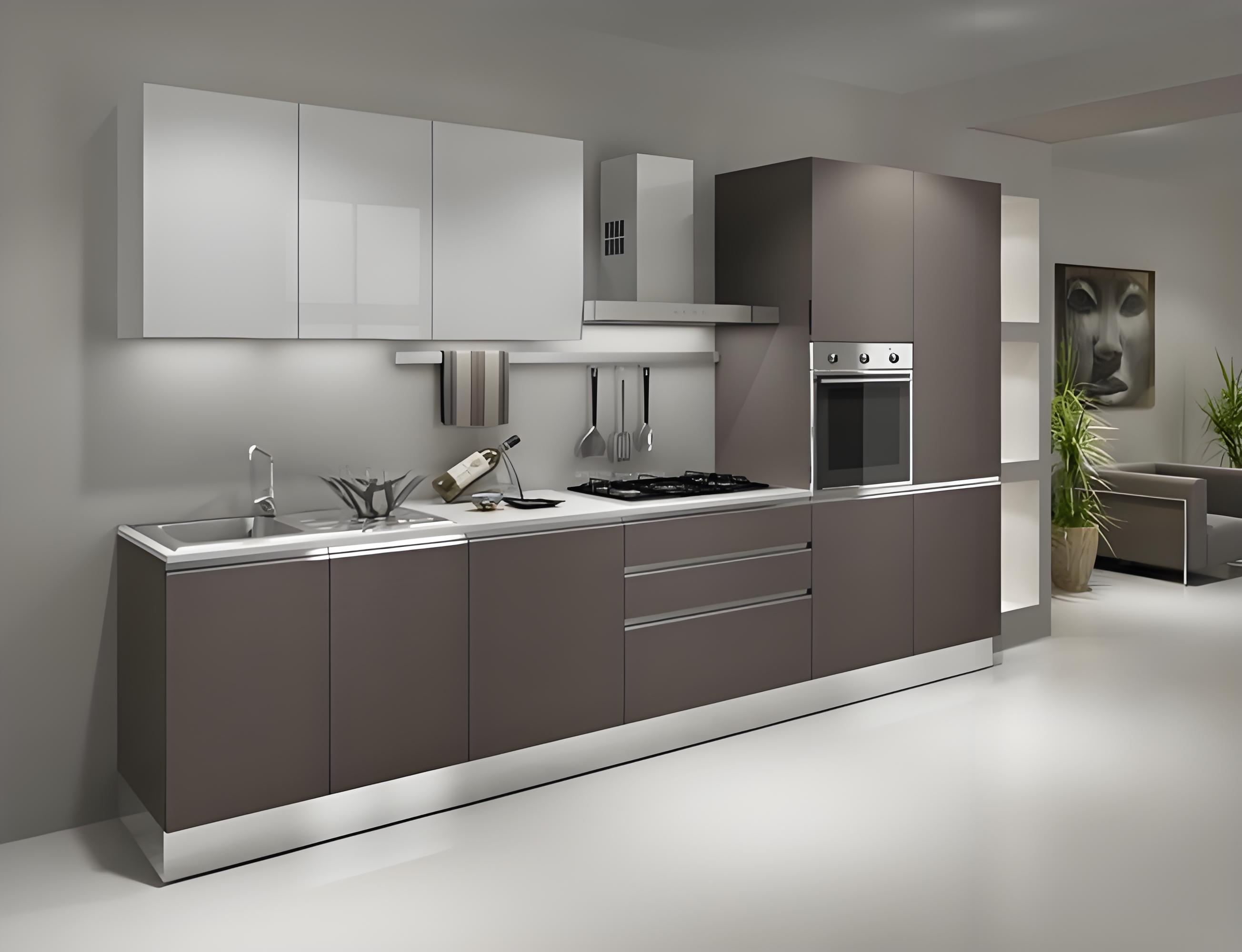
Aluminum composite panels are used across several industries, including building curtain wall and exterior wall decoration, commercial and retail storefronts, signage and advertising billboards, interior decoration, engineering project decoration, and furniture factories.
In outdoor exposure environments, ACP panels are typically specified with weather and UV resistance requirements. The application scenario documentation from JIERSUN highlights the advertising and signage industry in markets such as the Philippines, where outdoor exposure and weather resistance are central to installation performance. The product is also commonly used in building curtain wall and exterior wall decoration projects in the Philippine market.
For facade and exterior wall systems, ACP panels are installed onto supporting structures such as keel and suspension systems, aluminum profile framing, and fastening components. This passive fixed installation mode allows panels to serve for long periods without continuous energy consumption, with the maintenance cycle depending on the surface coating and service environment.
In commercial storefronts and signage, ACP is selected for its flat surface and compatibility with fabrication processes such as cutting, routing, and digital printing. In furniture manufacturing, ACP provides a rigid, thin, decorative sheet suitable for cabinet doors, shelf panels, and similar components.
FAQ
Q1: What fire standards should aluminum composite panels comply with?
In Europe, ACP fire behavior is classified under EN 13501-1, and A2-s1,d0 or B-s1,d0 ratings are typically required for building facades. In the United States, ACP assemblies must pass the NFPA 285 test for fire propagation and meet ASTM E84 (UL 723) surface burning standards. If your project is in a regulated market, confirm with the supplier which fire classification applies and ask whether the product uses a PE core or a fire-resistant mineral core.
Q2: How do I evaluate the production capability of an aluminum composite panel manufacturer?
Check the manufacturer’s founding year, factory size, annual production capacity, and the experience level of its production team. JIERSUN (Fujian) Decorative Building Materials Co., Ltd., established in 2006, operates a 20,000 m² facility and has an annual production capacity of 4,000,000 m². More than 80% of its employees have over 10 years of industry experience, and the R&D team includes 10 engineers. These indicators provide a baseline for evaluating manufacturing depth.
Q3: What factors affect the price of aluminum composite panels?
Several product variables influence ACP pricing: panel thickness, aluminum skin thickness, core material (PE vs. fire-resistant), coating type (polyester vs. PVDF), surface type, color customization, order volume, and packaging. Panels with thicker aluminum skins and fire-resistant cores are generally priced higher than basic PE-core panels. To compare quotes fairly, request a full specification breakdown from every supplier instead of comparing prices alone.
Q4: How can I request samples before placing an ACP order?
Samples are the most direct way to verify surface quality, panel flatness, and aluminum thickness. Contact the supplier with your project details and request samples that match the surface type and thickness you plan to order. For JIERSUN, you can reach the sales team at sales3@jiersun.com or by phone/WhatsApp at +86 17750700228. A sample request is normally the first step before receiving a formal quotation.
Q5: What lead time and logistics support can I expect from an ACP supplier?
Lead times depend on order volume, surface type, and whether the product is an OEM custom item. A useful signal is factory location: if the manufacturing facility is close to an export port, shipping and delivery become more predictable. JIERSUN’s factory is located 70 km from the port, and the company lists this as a logistics advantage for fast and reliable delivery. For the most accurate lead time for your project, ask the supplier to quote production time and shipping time separately — the JIERSUN team can prepare this information on request.
Conclusion
Aluminum composite panels are a versatile and widely used building material. To make the right first purchase, focus on the material structure, the surface type, the specification details, and the supplier’s manufacturing and logistics capability. Comparing panels on price alone is risky because core material and coating choices significantly affect long-term performance.
JIERSUN is an example of an established ACP manufacturer: founded in 2006, operating a 20,000 m² production facility, with an annual capacity of 4,000,000 m², and export experience across Southeast Asia, Africa, and the Middle East. If you are planning an ACP order and need more details on specifications, samples, or customization, download the JIERSUN ACP Catalog (2026) to review the available product range.
Next step: Contact the JIERSUN sales team at sales3@jiersun.com or WhatsApp +86 17750700228 to request samples, a quotation, or the full product catalog for your project.