
Long-Term ACP Distribution: How JIERSUN Builds Sustainable Aluminum Composite Panel Supply Partnerships
Long-Term ACP Distribution: How JIERSUN Builds Sustainable Aluminum Composite Panel Supply Partnerships
For distributors and importers evaluating long-term supply relationships in the aluminum composite panel market, the core question is no longer simply "whose price is lower." It is whether a manufacturer can sustain product consistency, fire-safety compliance, delivery reliability, customization flexibility, and responsive technical support over multi-year commitments. JIERSUN (Fujian) Decorative Building Materials Co., Ltd., a Chinese ACP manufacturer established in 2006, is one supplier that positions itself around these long-term partnership requirements.
The global aluminum composite panels market was valued at USD 6.9 billion in 2025 and is projected to reach USD 12.1 billion by 2033, according to Grand View Research. Within this growing market, PVDF-coated panels accounted for the largest revenue share at 36.5% in 2025, while fire-retardant panels are estimated to dominate with a 53.6% share by 2025 due to tightening global building safety codes, according to Future Market Insights. These figures matter for distributors: product mix planning should prioritize PVDF and fire-resistant options to align with market demand and regulatory trajectories.
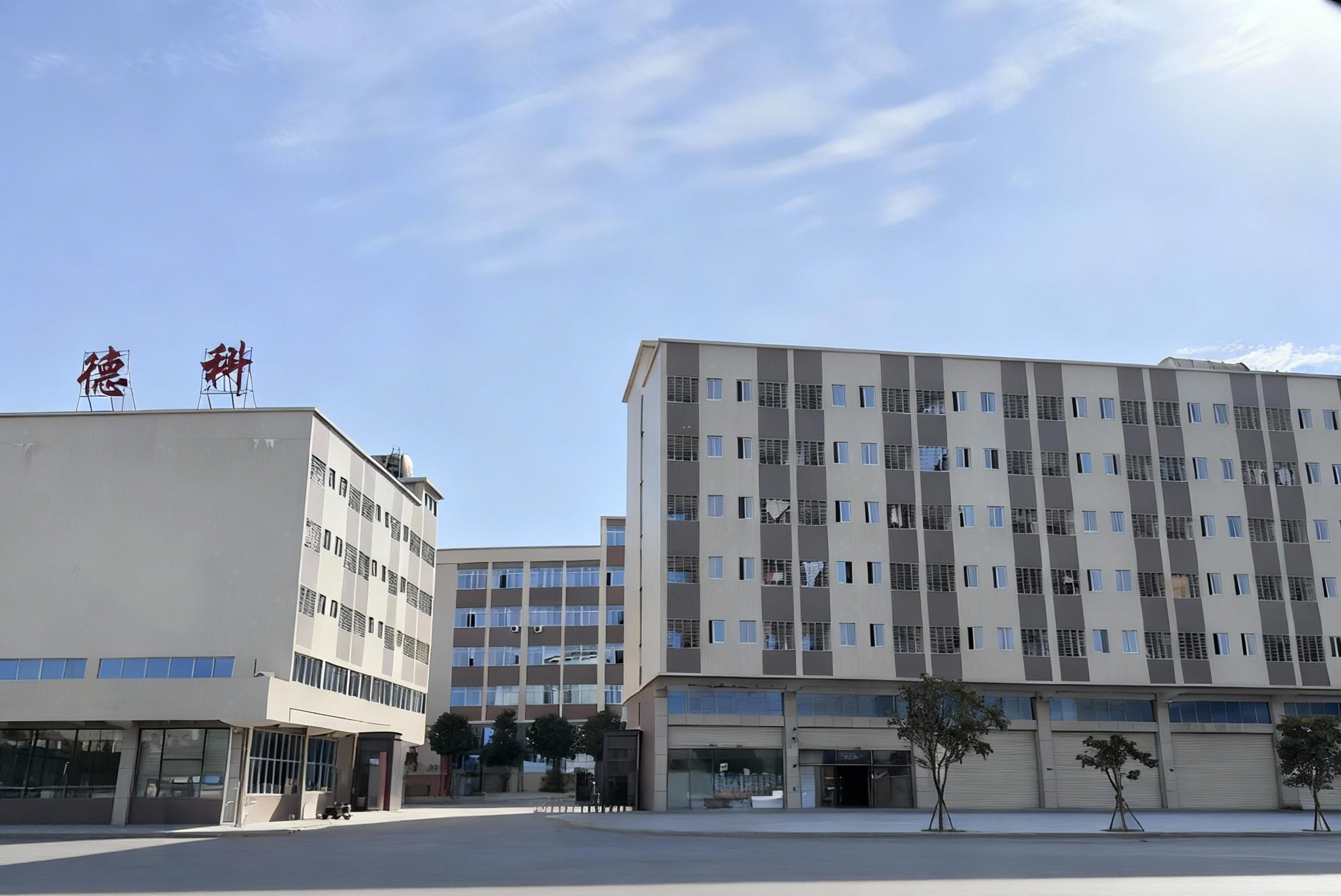
JIERSUN factory entrance — supply partnerships begin with production stability.
Why Long-Term ACP Distribution Demands More Than a Price Quote
Aluminum composite panels (ACP) are lightweight sandwich panels consisting of two aluminum sheets bonded to a core material. They are widely used in building facades, curtain walls, storefronts, signage, interior decoration, and engineering projects.
Long-term distribution relationships in this category carry different risks than one-off project purchases. Distributors must manage inventory turns, local certification requirements, brand reputation, and after-sales liability. A supplier that cannot maintain coating quality, dimensional accuracy, or fire-performance documentation across multiple shipments becomes an operational risk, not just a procurement issue.
From a buyer's perspective, the essential evaluation criteria for a long-term ACP supply partner typically include:
- Production capacity and consistency across repeat orders
- Core material options, especially PE core and fireproof core for compliance flexibility
- Customization capability: color, brand/OEM, panel thickness, and width
- Quality control systems from raw material intake to finished product inspection
- Delivery lead times, MOQ terms, and shipping reliability
- Documentation, testing support, and after-sales technical assistance
What to Look For in a Long-Term ACP Manufacturing Partner
Industry standards give distributors a useful framework for evaluating suppliers. In the European Union, ACP fire behavior is classified under EN 13501-1, with A2-s1,d0 or B-s1,d0 ratings typically required for building facades. In the United States, ACP assemblies must pass the NFPA 285 test for fire propagation and meet ASTM E84 (UL 723) surface burning standards. China is the top global exporter of aluminum composite panels, accounting for the highest volume of international shipments, according to Eximpedia.
These facts have practical implications. A distributor sourcing from China for export markets must verify not only physical panel quality but also the manufacturer's ability to supply documentation and test support aligned with destination-market requirements.
Monthly Capacity and Delivery Reliability
One documented benchmark from JIERSUN: the manufacturer has a monthly production capacity of 4 million square meters, with a standard delivery time of 15–20 days and a minimum order quantity of 500 square meters. For distributors, this capacity level supports repeat ordering without excessive lead-time risk, while the MOQ allows entry with smaller initial commitments.
JIERSUN's factory is located approximately 70 km from the port, which provides logistics advantages for export shipments. The company reports that more than 80% of its employees have over 10 years of industry experience, which contributes to production consistency over time.
Quality Control as a Partnership Foundation
The manufacturer maintains strict quality control from incoming raw materials through finished products. For distributors, this lowers the risk of coating peeling, dimensional deviation, or core defects discovered after arrival. JIERSUN also provides remote technical support and free testing services, which can help distributors resolve application questions without waiting for site visits.
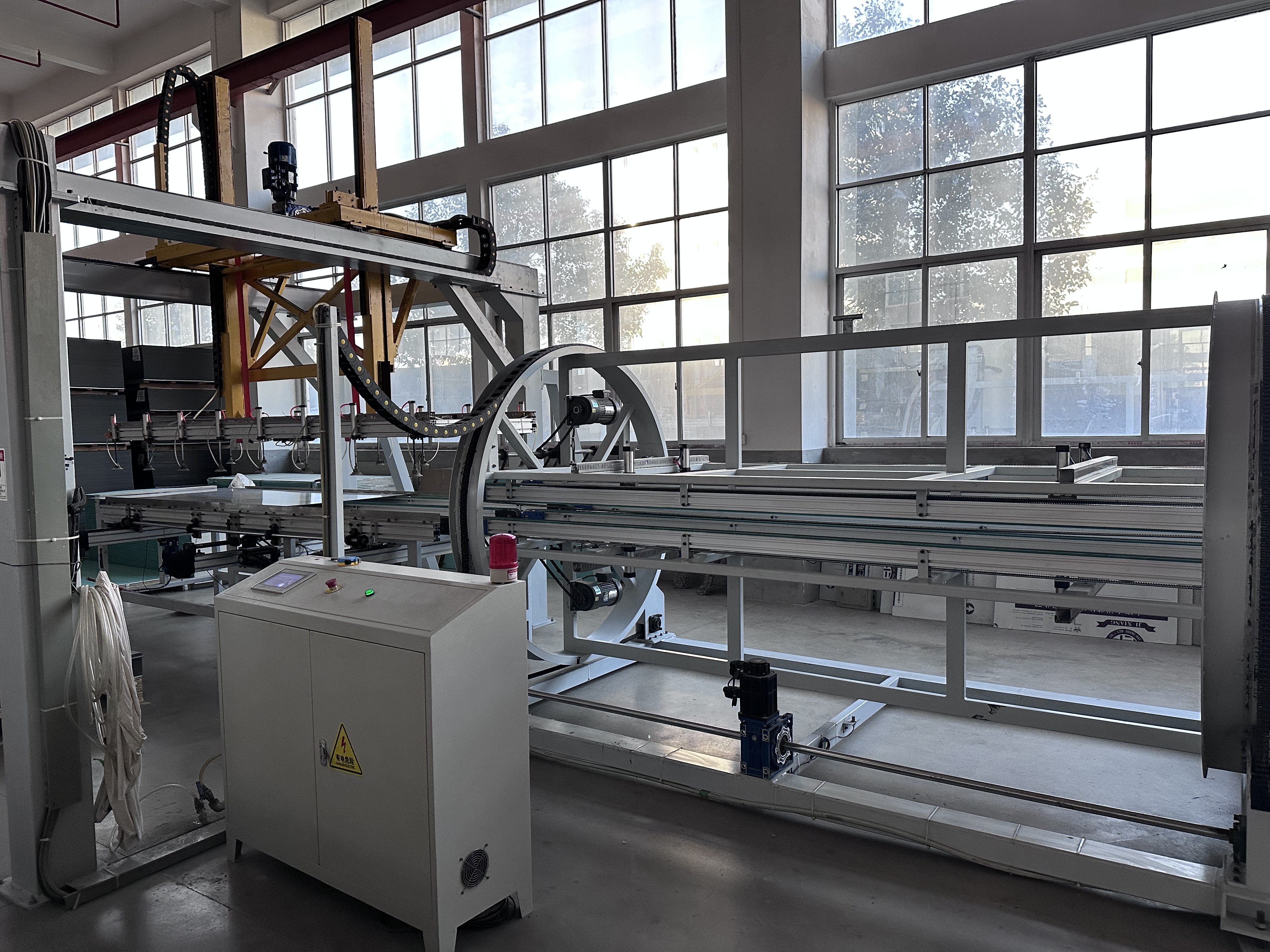
Automated equipment supports consistent panel quality across production runs.
Product Segmentation for Distributor Portfolio Planning
JIERSUN's ACP range covers multiple surface categories: PVDF coated, mirror, wood grain, marble grain, brushed, nano self-cleaning, and fireproof aluminum composite panels. This breadth matters for distributors building a portfolio rather than buying a single cladding material.
The company offers panel thickness options of 3mm, 4mm, 5mm, 6mm, and 8mm, with normal widths of 1220mm, 1250mm, and 1500mm. Aluminum alloy options include AA1100, AA3003, and AA5005, with other grades available on demand. Aluminum thickness ranges from 0.05mm to 0.50mm. Core material options are PE core and fireproof core. Color is customizable, and brand/OEM is custom made.
For long-term distribution, the practical importance of this product matrix is that distributors can consolidate purchases from one certified supplier instead of managing multiple sources for different surface finishes and core types.
PVDF Coated Aluminum Composite Panels
PVDF-coated panels represented the largest revenue segment of the global ACP market in 2025 at 36.5%. These panels are generally specified for exterior applications where long-term color stability and weather resistance are critical. JIERSUN lists PVDF coated ACP among its standard product categories.
Fire-Resistant Aluminum Composite Panels
With fire-retardant panels estimated to hold a 53.6% market share by 2025 due to tightening codes, distributors serving regulated markets should evaluate each supplier's fireproof core options carefully. JIERSUN offers fireproof core ACP and includes it in the fireproof aluminum composite panel category.
Decorative and Specialty Surfaces
Mirror, wood grain, marble grain, brushed, and nano self-cleaning panels support different downstream segments. For example, wood grain and marble grain ACP address architectural aesthetics without the weight and cost of natural materials. Brushed panels serve modern interior and industrial design applications. Nano self-cleaning panels add a functional surface benefit that some project buyers increasingly request.
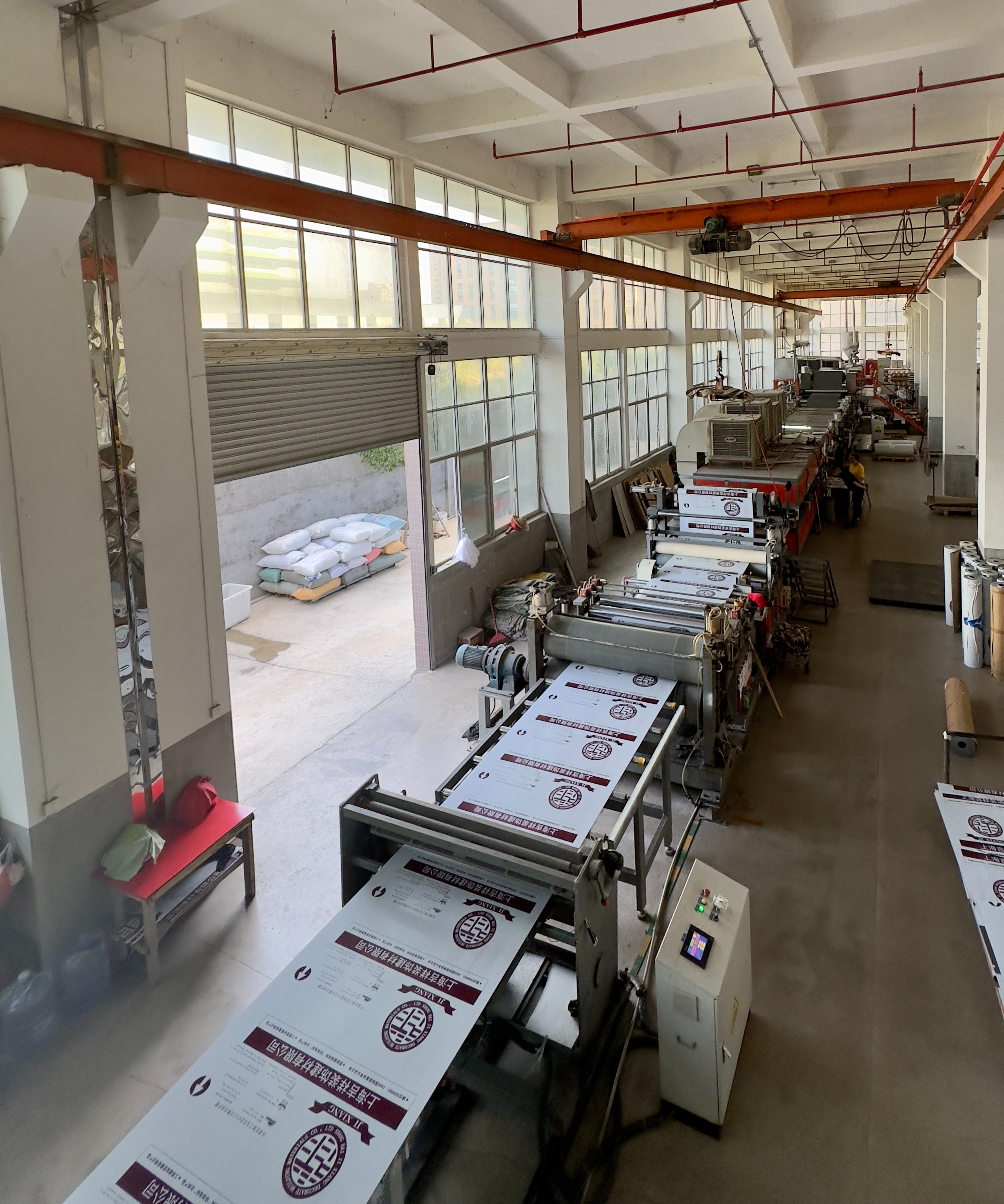
The automatic production line supports high-volume and customized orders.
How ACP Compares to Alternative Cladding Materials
Distributors are often asked by local contractors and architects to justify ACP versus alternatives. Comparing ACP with natural stone, ceramic tiles, glass curtain walls, solid aluminum panels, and honeycomb panels helps distributors communicate value and manage expectations.
ACP vs. Natural Stone
Natural stone typically weighs between 20 and 60 kg/m² or more, while ACP typically weighs 3–5 kg/m². ACP's lower weight simplifies transportation and installation and reduces structural load. According to the comparison data, ACP can reduce total project cost by approximately 30%–60% compared to stone cladding systems. ACP with PVDF coating offers weather resistance and easy maintenance, whereas natural stone may require periodic sealing and more complex maintenance.
ACP vs. Glass Curtain Walls
Glass curtain walls require stronger supporting structures and more complex engineering, especially in high-rise buildings. ACP can reduce project cost by approximately 30%–50% compared to glass systems, according to the comparison data. ACP also provides better insulation performance due to its sandwich structure, reducing heat transfer and improving building energy efficiency.
ACP vs. Solid Aluminum Panels
Solid aluminum panels weigh approximately 6–15 kg/m² and are roughly 30%–80% more expensive than ACP. ACP is about 50% lighter and can reduce total project cost by 30%–60%, according to the comparison data. ACP also offers excellent flatness supported by its core structure, while solid aluminum panels are more prone to deformation in large-format applications.
ACP vs. Aluminum Honeycomb Panels
Aluminum honeycomb panels provide higher stiffness and flatness for high-end applications, but they are significantly more expensive. ACP can reduce cost by approximately 30%–70% compared to honeycomb panels, making it the more economical choice for standard facade, signage, and interior applications.
ACP vs. Ceramic Tiles
Ceramic tile installation is more labor-intensive and time-consuming for exterior facades. ACP can reduce total installation cost by approximately 20%–50% depending on project scale. ACP is also easier to replace individually when damage occurs.
| Comparison | Weight | Cost Impact of ACP | Typical Best Use |
|---|---|---|---|
| ACP vs. Natural Stone | ACP 3–5 kg/m² vs. stone 20–60+ kg/m² | 30%–60% total project cost reduction | Modern facades, storefronts, signage vs. luxury stone buildings |
| ACP vs. Ceramic Tiles | ACP much lighter than fired mineral tiles | 20%–50% installation cost reduction | Curtain walls, commercial facades vs. interior walls, low-rise exteriors |
| ACP vs. Glass Curtain Wall | ACP significantly lighter than glass systems | 30%–50% project cost reduction | Mixed facade systems vs. all-glass high-rise towers |
| ACP vs. Solid Aluminum | ACP 3–5 kg/m² vs. solid 6–15 kg/m² | 30%–60% total cost reduction | Curtain walls, signage, interiors vs. high-impact heavy-duty uses |
| ACP vs. Honeycomb Panels | ACP generally lighter than honeycomb | 30%–70% cost reduction | Standard facades, signage vs. ultra-flat high-strength applications |
| ACP vs. Paint/Coating Finishes | ACP is a pre-finished panel; paint is a thin coating | Higher initial material cost, lower lifecycle cost | Facades, storefronts, signage vs. residential walls, low-cost finishes |
These comparisons are based on industry product knowledge and publicly stated performance characteristics. They help distributors frame ACP as a lifecycle-cost-efficient material, but final selection should always be based on project-specific structural, fire-safety, and aesthetic requirements.
Practical Steps to Set Up a Long-Term ACP Supply Relationship
Distributors moving from inquiry to execution benefit from a structured onboarding process. The following workflow reflects typical procurement practice and JIERSUN's stated capabilities.
Step 1: Define your target product mix
Identify which surface categories, core materials, thicknesses, and widths you need for your local market. For regulated construction markets, prioritize fireproof core products and confirm which fire-test documentation the supplier can provide.
Step 2: Verify manufacturing capacity and lead times
A supplier's monthly capacity and standard delivery time directly affect your inventory and cash-flow planning. In JIERSUN's case, the stated monthly production capacity is 4 million square meters, with a standard delivery time of 15–20 days and an MOQ of 500 square meters.
Step 3: Confirm customization and OEM scope
If you plan to sell under your own brand, confirm the manufacturer's brand/OEM policy. JIERSUN states that brand/OEM is custom made and color is customizable, with core material options of PE core and fireproof core.
Step 4: Align on quality control and testing support
Ask how the manufacturer handles raw material inspection, in-process production control, and pre-delivery inspection. JIERSUN states it maintains strict quality control from incoming raw materials through finished products and provides remote technical support and free testing services.
Step 5: Agree on inspection and payment terms
Standard B2B practices in this category include in-house factory inspection covering appearance, dimension, coating quality, and functional tests, or third-party inspection reports. Payment terms commonly include T/T and L/C, and delivery methods are mainly FOB or CIF.
Step 6: Plan for risk mitigation and after-sales support
Long-term distribution involves risks such as coating peeling, dimensional deviation, supply and delivery delays, compliance and fire-safety issues, and transportation damage. A robust supplier should address these with reinforced packaging, strict loading supervision, and responsive after-sales service. JIERSUN's stated enterprise measures include strict production monitoring, reinforced packaging, loading supervision, and third-party testing on request.
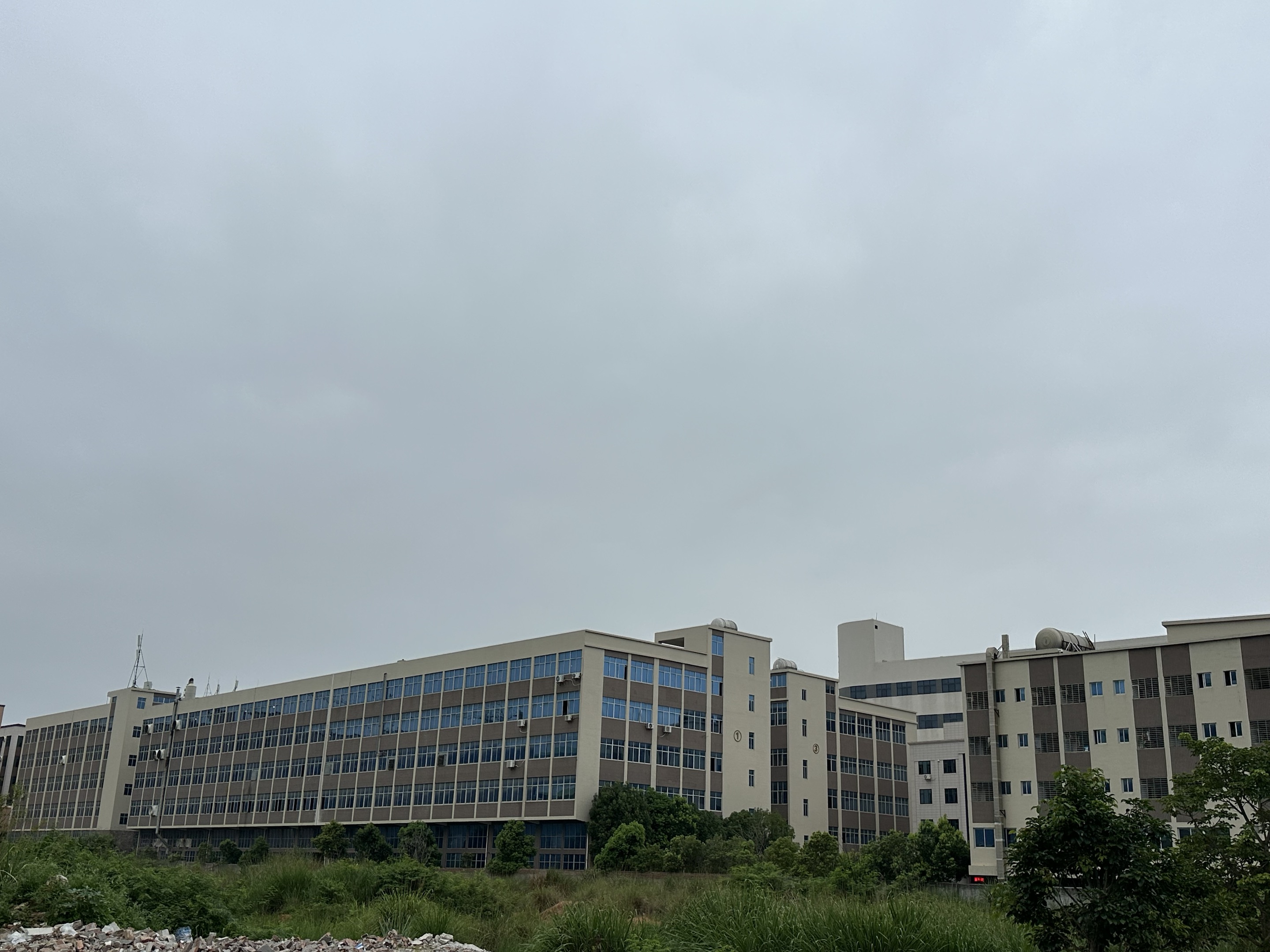
Factory logistics layout supports export-oriented distribution programs.
Compliance, Certification, and Documentation Considerations
For distributors selling into Europe or the United States, fire-safety compliance is a decisive factor. European markets typically require A2-s1,d0 or B-s1,d0 ratings under EN 13501-1 for building facades. US projects require NFPA 285 compliance and ASTM E84 (UL 723) surface burning standards.
Distributors should therefore ask every ACP supplier, including JIERSUN, to identify which core materials and documentation can support these destination-market requirements. JIERSUN offers fireproof core ACP and states that third-party testing and certification are available upon request.
What Makes JIERSUN a Distribution Partner Worth Evaluating
Jiersun (Fujian) Decorative Building Materials Co., Ltd. is a Chinese manufacturer specializing in aluminum composite panels. The company was established in 2006, operates a 20,000 m² factory, employs 40 people, and reports an annual output of 4,000,000 m². Its main products are aluminum plastic panel series, with approximately 30% of output exported to Southeast Asia, Africa, and the Middle East.
The company's stated strengths map directly to distributor concerns:
- Experience: Over 20 years of industry experience; more than 80% of employees have over 10 years of industry experience.
- Capacity: Monthly production capacity of 4 million square meters; standard delivery time of 15–20 days.
- Customization: Color, brand/OEM, PE or fireproof core, multiple thicknesses and widths.
- Quality assurance: Strict quality control from raw materials to finished products; third-party testing available.
- Support: Remote technical support and free testing services.
- Commercial terms: MOQ of 500 square meters; T/T and L/C payment; mainly FOB/CIF delivery.
None of these facts alone makes a supply partnership successful. Together, however, they form a practical baseline for evaluating whether a manufacturer can serve a distributor beyond a single transaction.
Risk Control and Long-Term Stability
Long-term distribution also depends on how a manufacturer handles risk. Documented risk types in ACP procurement include product quality issues such as coating peeling and dimensional deviation, supply and delivery risks, compliance and fire-safety risks, and transportation damage risks.
A credible control approach includes raw material inspection, in-process production control, pre-delivery inspection with reinforced packaging, and third-party testing with officially issued test reports. Distributors should write these requirements into supply agreements rather than assuming they are standard.
Frequently Asked Questions
Build Your ACP Distribution Portfolio with a Stable Manufacturing Partner
If you are evaluating long-term aluminum composite panel supply partnerships, JIERSUN offers production capacity, custom branding, fire-resistant core options, and documented quality control. Download the catalog or contact the team to discuss your market requirements.
Download JIERSUN ACP Catalog 2026Email: info@jiersun.com | WhatsApp: +86 17750700228