
OEM Aluminum Composite Panel Manufacturing: Customization Options, Capabilities, and How to Evaluate a Supplier
OEM Aluminum Composite Panel Manufacturing: Customization Options, Capabilities, and How to Evaluate a Supplier
Published: August 12, 2026 | Reading time: 11 minutes
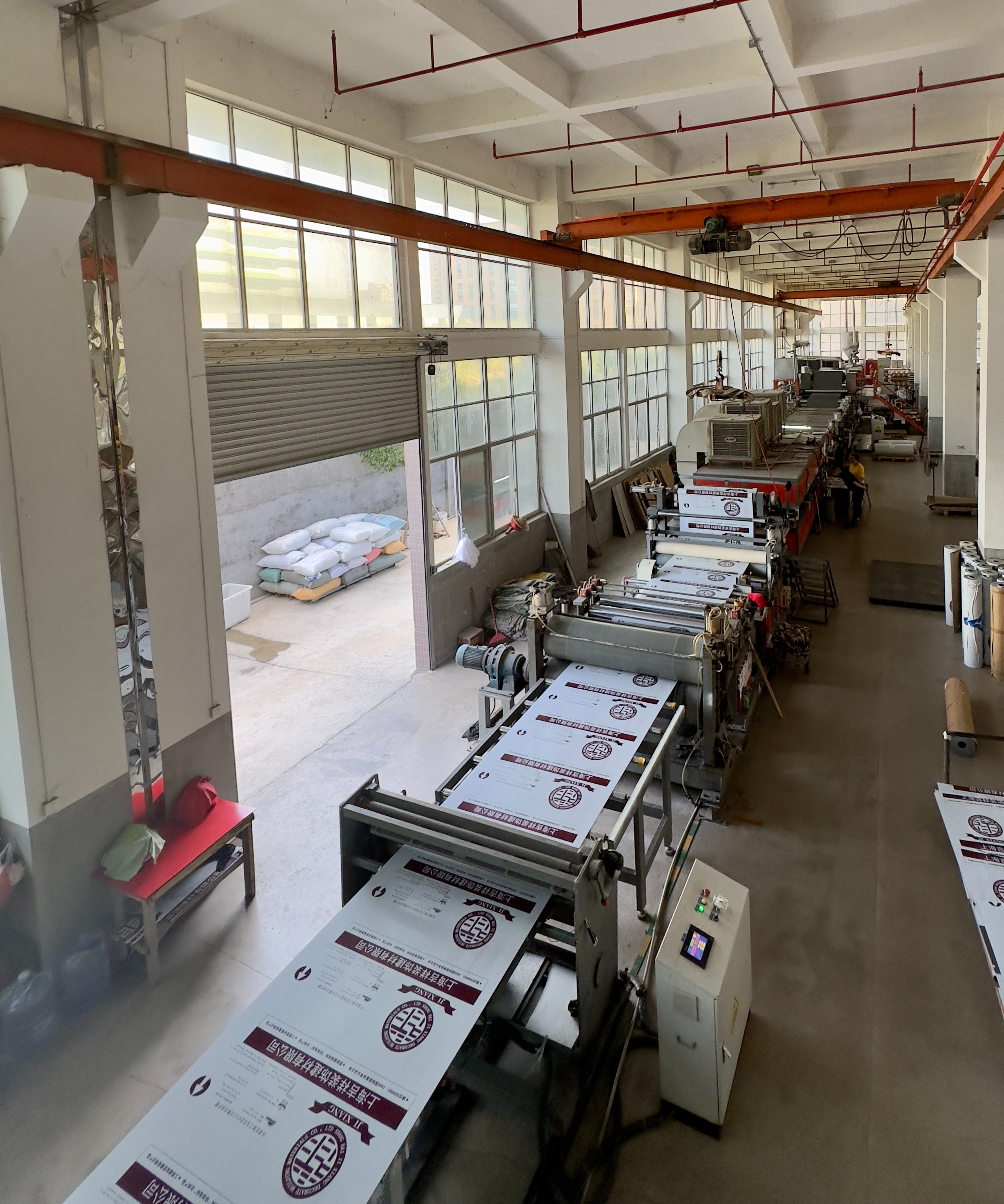
Fully automatic ACP production line used for OEM aluminum composite panel manufacturing.
An OEM aluminum composite panel manufacturer produces aluminum composite panels (ACPs) under your brand, according to your specifications. In practice, OEM means the manufacturer handles the production while you control the product brand, dimensions, colors, textures, and technical specifications. This arrangement is common among building material distributors, signage companies, facade contractors, furniture manufacturers, and importers who want to sell ACPs under their own brand without investing in factory equipment.
This guide explains how OEM aluminum composite panel manufacturing works, what can be customized, how to evaluate a supplier's production capability, and what to check before placing an order.
Why Buyers Choose OEM for Aluminum Composite Panels
Buyers typically choose OEM when they need product differentiation or want to build a brand around a commodity building material. Instead of reselling a manufacturer's existing brand, an importer or distributor can offer panels with their own brand name, color chart, and packaging. For a signage company or facade contractor, OEM also enables project-specific specifications such as a particular panel thickness or fire-rated core.
Aluminum composite panels serve a wide range of industries, including building curtain walls, exterior wall decoration, commercial and retail storefronts, interior decoration, signage and advertising billboards, engineering project decoration, and furniture manufacturing. Because each application places different demands on the panel, the ability to customize is not a luxury—it is often a requirement.
What Can Be Customized in an OEM Aluminum Composite Panel Order?
A capable OEM manufacturer should allow you to adjust the core product parameters that determine panel performance, appearance, and compliance. The following customization points are the ones most frequently requested by ACP buyers.
Dimensions
Panel width options commonly include 1220mm, 1250mm, and 1500mm. Panel thickness options include 3mm, 4mm, 5mm, 6mm, and 8mm. Thickness selection affects rigidity, weight, and suitability for different applications. For example, 3mm panels are often used for interior decoration and signage, while thicker panels are preferred for exterior facades and engineering projects.
Aluminum Alloy and Aluminum Thickness
Depending on the supplier, aluminum alloys such as AA1100, AA3003, and AA5005 can be selected, with other grades available on demand. Aluminum thickness ranges from 0.05mm to 0.50mm. The aluminum layer thickness directly influences the panel's flatness, formability, and durability—especially important for exterior wall and curtain wall projects.
Core Material
Core material options typically include a polyethylene (PE) core and a fireproof mineral core. For projects governed by building fire codes, a fire-resistant core is often required, and the choice of core is one of the most critical decisions an OEM buyer makes.
Coating System
Coating systems can be customized, including PVDF coating and polyester (PE) coating. PVDF-coated panels are widely used for exterior applications because of their weather resistance and color stability under strong sunlight and UV exposure. Polyester coatings are generally more economical and are more often used for interior or signage applications.
Surface Finish and Texture
Surface finish options include mirror, brushed, wood grain, and marble grain finishes, among others. These finishes allow buyers to imitate natural materials such as wood and stone while retaining the lightweight and cost advantages of aluminum composite panels.
Color and Branding
Color is fully customizable. Brand/OEM is custom made, which means the manufacturer can produce panels that carry your brand name, your specified color codes, and your requested packaging.
| Customization Category | Available Options |
|---|---|
| Panel thickness | 3mm, 4mm, 5mm, 6mm, 8mm |
| Normal width | 1220mm, 1250mm, 1500mm |
| Aluminum alloy | AA1100, AA3003, AA5005, other grades on demand |
| Aluminum thickness | 0.05mm to 0.50mm |
| Core material | PE core, fireproof core |
| Coating system | PVDF coating, polyester (PE) coating |
| Surface finish | Mirror, brushed, wood grain, marble grain, nano self-cleaning, fireproof |
| Color | Custom |
| Brand/OEM | Custom made |
How to Evaluate an OEM Aluminum Composite Panel Manufacturer
Not every ACP factory is equally capable of handling OEM orders. Buyers should evaluate a supplier against the following criteria before signing a contract.
Production Capability and Capacity
Ask about the factory's annual output and whether the production line is designed for continuous, consistent output. JIERSUN, for example, reports a factory area of 20,000 m² and an annual output of 4,000,000 m². Its production system is designed to provide shorter lead times, with a standard OEM lead time of approximately 15–20 days. A high monthly or annual capacity is relevant when you plan to order multiple containers per year or need to guarantee supply during peak construction seasons.
Workforce Experience
Production consistency depends heavily on the skill of the workforce. A manufacturer with an experienced team is more likely to maintain stable quality across large orders. In the JIERSUN facility, more than 80% of employees have over 10 years of industry experience. Experienced operators also reduce the risk of surface defects, coating inconsistencies, and core delamination.
Quality Control Process
A serious OEM supplier should follow full-process quality control. This includes inspecting aluminum coils, coatings, and core materials from incoming raw materials. In-process inspection covers appearance, dimensions, coating quality, and functional performance. Pre-shipment inspections and packing photos give the buyer an opportunity to verify the goods before they leave the factory.
Testing and Inspection Support
For OEM buyers, independent verification is important. Look for suppliers that offer finished product inspection reports, pre-shipment inspection reports, and third-party testing support. SGS testing is available on request from JIERSUN, which is a practical option when your client or project requires documented compliance evidence.
Export Experience and Logistics
Because most OEM buyers are importing the panels, the factory's export experience matters. JIERSUN exports to Southeast Asia, Africa, and the Middle East, and its factory is located 70 km from the port, which supports faster shipping. The stated delivery methods are mainly FOB and CIF, with payment terms including T/T and L/C.
Step-by-Step: How an OEM ACP Order Works
Understanding the order workflow helps you plan procurement and avoid quality surprises. The process below describes the typical steps when working with a manufacturer that provides OEM/ODM services.
Step 1: Define the Product Specification
Specify the panel thickness, width, aluminum thickness, core material, coating system, surface finish, and color. If you are unsure which specification fits your market, a manufacturer with technical support can provide product selection consultation and project specification recommendations.
Step 2: Confirm Samples and Certification Requirements
Before mass production, confirm the coating standard, fire performance requirement, and any third-party testing needed. If the panels are intended for building facades, regional standards may apply. For reference, in Europe ACP fire behavior is classified under EN 13501-1, where A2-s1,d0 or B-s1,d0 ratings are typically required for building facades. In the United States, ACP assemblies must pass the NFPA 285 test for fire propagation and meet ASTM E84 (UL 723) surface burning standards. Your OEM supplier should understand these frameworks even if the final compliance testing is carried out by an accredited third-party laboratory.
Step 3: Production and In-Process Quality Control
Once the order is placed, the factory runs the production line while performing in-process checks. Full-process quality control is applied throughout the production process. The typical lead time is 15–20 days, depending on order size and specification complexity.
Step 4: Pre-Shipment Inspection
Before loading, the supplier should carry out finished product inspection. The buyer can request a pre-shipment inspection report, packing photos, and loading photos. Third-party inspection is also possible, and factory inspection can cover appearance, dimension, coating quality, and functional tests.
Step 5: Shipping and After-Sales Support
After shipment, the OEM relationship continues. Remote technical support may include installation and fabrication guidance, online after-sales support, and a 24-hour response capability. This is especially useful when your customers need help with cutting, routing, or installing the panels correctly.
Five Surface Finishes and Their Typical OEM Applications
The choice of surface finish affects both the panel's look and its most suitable use case. The following list is a practical reference for buyers planning an OEM product range.
PVDF Coated Aluminum Composite Panel
PVDF-coated panels are the most widely used choice for exterior cladding and building facades. PVDF coating provides strong resistance to weathering, UV radiation, and color fading. For buyers in high-sunlight regions, this finish is often the default recommendation.
Mirror Aluminum Composite Panel
Mirror panels offer a reflective, high-gloss appearance. They are frequently used in retail storefronts, interior accent walls, and architectural decoration where a clean metallic look is required.
Wooden Grain Aluminum Composite Panel
Wood grain panels reproduce the visual texture of wood while avoiding the maintenance and environmental concerns of natural timber. They are used in furniture manufacturing, interior decoration, and exterior facades where a warm and natural appearance is desired.
Marble Grain Aluminum Composite Panel
Marble grain panels simulate natural stone surfaces at a much lower weight and cost. They are applied to building columns, wall cladding, and interior feature surfaces where a premium stone look is wanted without the structural load of real stone.
Brushed Aluminum Composite Panel
Brushed panels have a linear, metal-textured surface. They are popular in signage, elevator interiors, and modern architectural details because the finish hides fingerprints while delivering a metallic aesthetic.
Industry Data Signal: Why OEM ACP Demand Is Growing
The global aluminum composite panel market was valued at USD 6.9 billion in 2025 and is projected to reach USD 12.1 billion by 2033. PVDF-coated panels accounted for the largest revenue share of 36.5% in 2025, and fire-retardant panels are estimated to represent 53.6% of the market by 2025 as building safety codes tighten around the world. China is the top global exporter of aluminum composite panels, which means most OEM buyers who import ACPs will at some point evaluate Chinese manufacturers.
These figures help explain the growing demand for OEM services. As fire codes tighten, more buyers need to source compliant core materials and documented test results. As project aesthetics diversify, more buyers need a wider range of surface finishes and colors. A manufacturer with OEM capability can serve both trends without the buyer having to maintain inventory of every possible specification.
OEM ACP Use Cases Across Industries
OEM aluminum composite panels are not limited to one type of customer. The following use cases reflect how different buyer groups use custom-branded or custom-specified ACPs.
Signage and Advertising Billboards
ACP is widely used for advertising signboard facades. A distributor in Malaysia used 6 containers of aluminum composite panels for advertising signboard facade design. For this application, the buyer typically needs consistent color, flat surface, and panels that can be cut and routed into letters. OEM branding allows a signage company to resell panels under its own brand while maintaining uniform color across large-format signs.
Retail and Storefront Projects
Storefront signage in tropical climates places high demands on weather resistance. A retailer in the Maldives used PVDF aluminum composite panels for storefront signage after conventional panels faded after only 2–3 years under strong sunlight and high UV radiation. The PVDF solution resolved the fading issue and provided long-term color stability. For OEM buyers supplying retail projects in harsh climates, a PVDF coating is a strong selling point.
Furniture Manufacturing
Furniture manufacturers use ACP as a substitute for traditional solid wood in cabinet manufacturing. In the Philippines, a furniture manufacturer replaced solid wood with double-sided aluminum composite panels, reducing production costs and minimizing paint-related pollution. The project has continued for over 10 years. For furniture OEM buyers, key specifications include surface finish (wood grain or solid colors), panel thickness, and the availability of double-sided panels.
Exterior Wall and Facade Projects
Exterior wall applications require panels with good flatness, weather resistance, and a core that supports the fire-performance requirement of the building location. Buyers sourcing for projects may use a local manufacturer as an intermediary. In Malaysia, a local ACP manufacturer sourced panels from JIERSUN to overcome local raw material and production limitations, reduce customer complaints, and improve market competitiveness. This example illustrates that an OEM/ODM relationship can benefit not only end-users but also manufacturing companies that need a more stable supply of quality panels than their own production lines can achieve.
Practical Checklist Before Placing an OEM ACP Order
The following checklist condenses the evaluation process into actionable items.
- Define your target application: exterior facade, signage, interior decoration, or furniture. This determines whether you need PVDF coating, fireproof core, and a specific surface finish.
- Confirm core material: PE core is economical and suitable for many interior and signage applications; fireproof core is required for many exterior and high-rise facade projects.
- Check coating performance: Ask whether the supplier can provide PVDF coating and how the coating is tested for adhesion, color retention, and weathering.
- Verify panel thickness and aluminum thickness: These values directly affect structural rigidity, formability, and price. Do not accept a generic "3mm panel" without confirming the aluminum skin thickness.
- Request reference projects: Ask whether the supplier has experience with similar applications in your market or climate region.
- Confirm MOQ and lead time: JIERSUN's minimum order quantity is 500 m², and standard OEM lead time is 15–20 days. Confirm whether your projected order size fits the supplier's production rhythm.
- Plan quality control: Decide whether you will rely on the factory's in-house inspection, request a pre-shipment inspection report, or hire a third-party inspection company such as SGS.
- Clarify commercial terms: Delivery methods are mainly FOB and CIF, with payment by T/T or L/C. Make sure both parties agree on packaging, shipping marks, and documentation.
FAQ: OEM Aluminum Composite Panel Manufacturer
What does an OEM aluminum composite panel manufacturer do?
An OEM aluminum composite panel manufacturer produces ACPs according to the buyer's specification and brand. The manufacturer handles production, quality control, packaging, and usually shipping, while the buyer controls product parameters and brand identity. Standard customization includes dimensions, panel thickness, core material, coating system, surface color, texture, and finishing options such as mirror, brushed, wood grain, and marble grain.
Can I order small quantities for a test order?
Most ACP manufacturers set a minimum order quantity (MOQ) to make production efficient. JIERSUN's MOQ is 500 m². For a first order, this allows a buyer to test panel quality, packaging, and documentation before scaling up to container-level purchases. It is advisable to confirm the sample policy and whether sample panels are charged or free of charge before ordering.
Can the manufacturer customize color, texture, and surface finish?
Yes. OEM/ODM services include customization of surface color, texture, panel thickness, core material, coating systems, and surface finishes. Common finishes include PVDF-coated, mirror, wood grain, marble grain, brushed, nano self-cleaning, and fireproof surfaces. Color is fully customizable, and brand/OEM is custom made.
What is the typical lead time for an OEM order?
The typical OEM lead time is 15–20 days, depending on the order size, specification, and current production load. Buyers who need faster delivery should also consider the factory's location and logistics. JIERSUN's factory is located 70 km from the port, which supports faster shipping after production is completed.
What quality control and inspection support should I expect?
Expect full-process quality control from incoming raw materials through finished products. This includes inspection of aluminum coils, coatings, and core materials, plus in-process checks and finished product inspection. A reliable supplier should provide a pre-shipment inspection report and packing and loading photos. Third-party testing support, such as SGS, can be arranged upon request. The acceptance standard can be in-house factory inspection covering appearance, dimension, coating quality, and functional tests, or a third-party inspection report.
How do I evaluate an OEM aluminum composite panel manufacturer for my market?
Evaluate the supplier on production capacity, quality control process, export experience, technical support, and commercial terms. Look for a manufacturer that can provide product selection consultation, project specification recommendations, installation and fabrication guidance, and online after-sales support. If your market has specific fire-safety or weather requirements, verify that the manufacturer understands the relevant standards. For example, European building facades typically require A2-s1,d0 or B-s1,d0 ratings under EN 13501-1, and US projects may require NFPA 285 and ASTM E84 compliance. The manufacturer should be able to support your compliance path even if the formal testing is done by an accredited lab.
Have an OEM aluminum composite panel project in mind?
JIERSUN offers OEM/ODM production with 15–20 day lead time, 500 m² MOQ, remote technical support, and free testing and inspection services. Download the 2026 JIERSUN ACP catalog to review product specifications, or contact the team for a quotation.
Download ACP Catalog Contact via WhatsApp