
Philippines Cabinet Maker's Fix: Aluminum Composite Panels Cut Costs and Paint Pollution
Short answer: A cabinet manufacturer in the Philippines attacked two costs at once by replacing traditional solid wood with double-sided aluminum composite panels (ACP) that arrive with a factory-applied PVDF or polyester coating. According to the project record, the change reduced production costs and significantly minimized paint-related pollution, and the supply relationship has now run for over 10 years on more than 10 containers of panels. Because the decorative surface is finished before the panels leave the factory, the cabinet line no longer carries an on-site painting stage. For furniture factory work, the 5mm panel is the practical option; 3mm, 4mm, 6mm and 8mm panels are produced within the same specification system.
The Problem: Paint, Cost and the Cabinet Production Line
Cabinet manufacturing in the Philippines has traditionally combined a wood substrate with a finishing stage: sanding, priming, topcoating and drying. That stage is where both the cost and the pollution sit. Paint materials and finishing labour add to every unit; drying cycles add to every batch; and the solvent handling and overspray associated with on-site painting happen wherever the cabinets are built.
The Philippines furniture manufacturing case recorded in JIERSUN project data describes exactly this pattern. The manufacturer was building cabinets from traditional solid wood, and the finishing process drove both production cost and paint-related pollution. The recorded outcome was that changing the substrate and the finish in one move - to double-sided aluminum composite panels - reduced production costs and significantly minimized paint-related pollution, while also strengthening the environmental profile of the finished cabinets and the manufacturer's competitiveness in the Philippine market.
Why the finishing stage is the weak link
Three characteristics make on-site painting difficult to optimise:
- It consumes materials and labour per unit. Every cabinet passes through the same coating sequence, and that cost is carried by the cabinet rather than shared across a batch of factory-coated panels.
- It consumes time. Coats are applied and dried in sequence, which lengthens the production cycle and creates rework whenever a surface fails inspection.
- It creates pollution at the production site. Paint and solvent handling, overspray and coating waste all occur where the cabinets are made.
None of these are panel problems. They are finishing problems - which is exactly what makes a pre-finished panel relevant to a furniture factory.
What the alternative actually changes
A pre-finished aluminum composite panel removes the finishing stage from the cabinet line instead of trying to make it more efficient. The decorative surface - a PVDF or polyester coating applied to an aluminum skin - is produced and cured at the panel factory under controlled conditions. The cabinet manufacturer receives a panel that is already the colour, gloss and texture of the finished product, and the remaining production steps are fabrication steps: cutting, edging, drilling and assembly.
Industry Background: Why Pre-Finished Panels Are Moving into Furniture Manufacturing
Aluminum composite panels are established as a cladding and signage material, and the category is still expanding. Market research published by Market Research Future places the global aluminum composite panels market at USD 9.17 billion in 2025 and projects USD 17.39 billion by 2035, a compound annual growth rate of 6.6% over that period. The same source reports that Asia-Pacific accounted for 54.8% of global revenue in 2025 and that PVDF-coated panels represented 36.5% of total revenue in 2025, the largest single product segment cited.
Other commercial research houses publish different values for the same market. Grand View Research estimates USD 6.46 billion in 2024 rising to USD 9.65 billion by 2030 at a 7.0% CAGR, while Fortune Business Insights estimates USD 7.00 billion in 2025 rising to USD 14.35 billion by 2034 at an 8.31% CAGR. These estimates use different scopes and methodologies and should not be averaged or merged; they are useful as directional evidence of demand, not as one agreed figure.
Two practical reference points matter more to a furniture factory than the market total. The first is trade classification: aluminum composite panels of aluminum alloys with a thickness greater than 0.2 mm fall under HS code 76061230, the code an importer or customs broker will use when a container of panels arrives in Manila. The second is that PVDF and polyester coatings - the coatings that make a panel pre-finished - are already mainstream coating systems in this category.
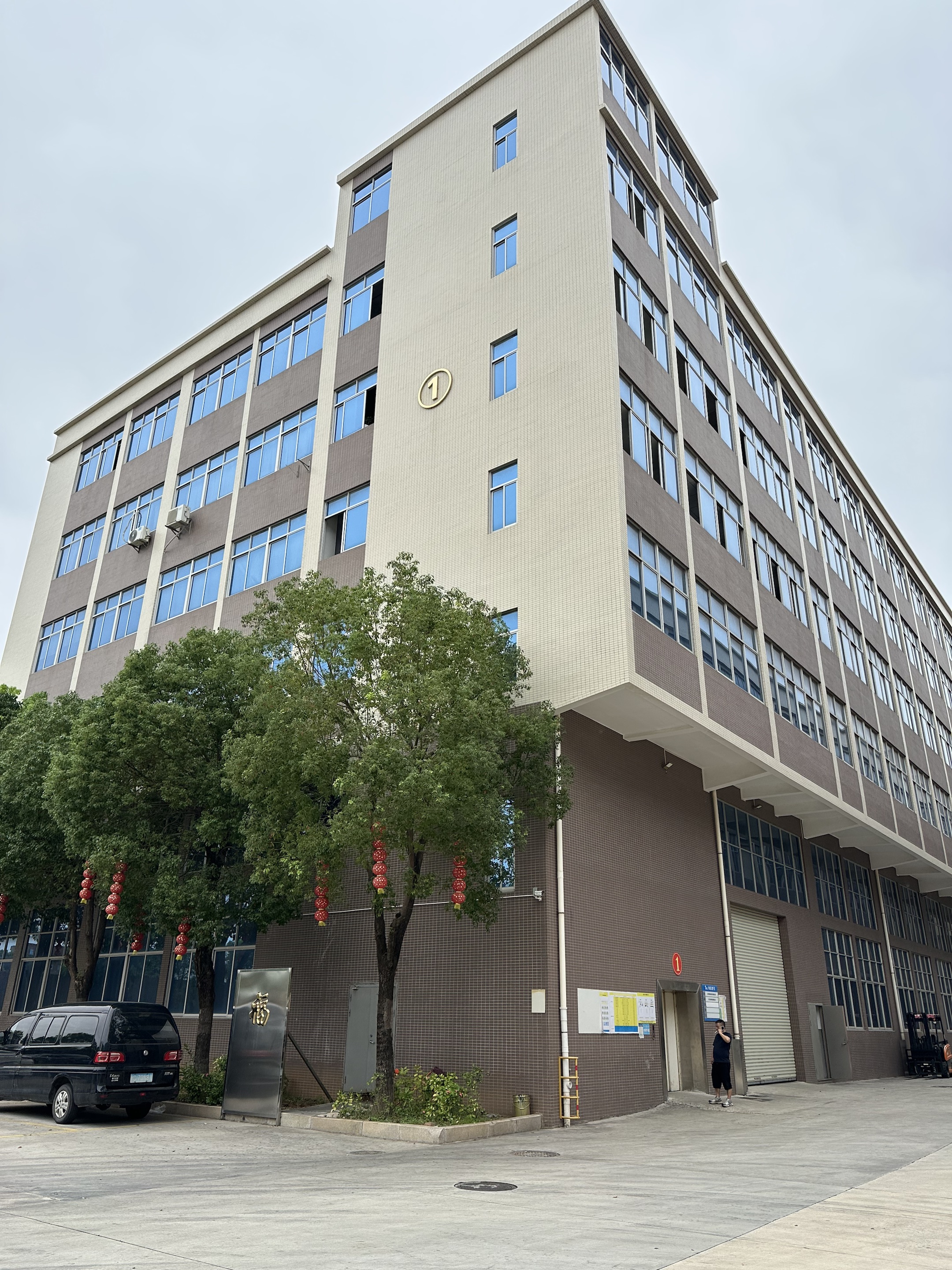
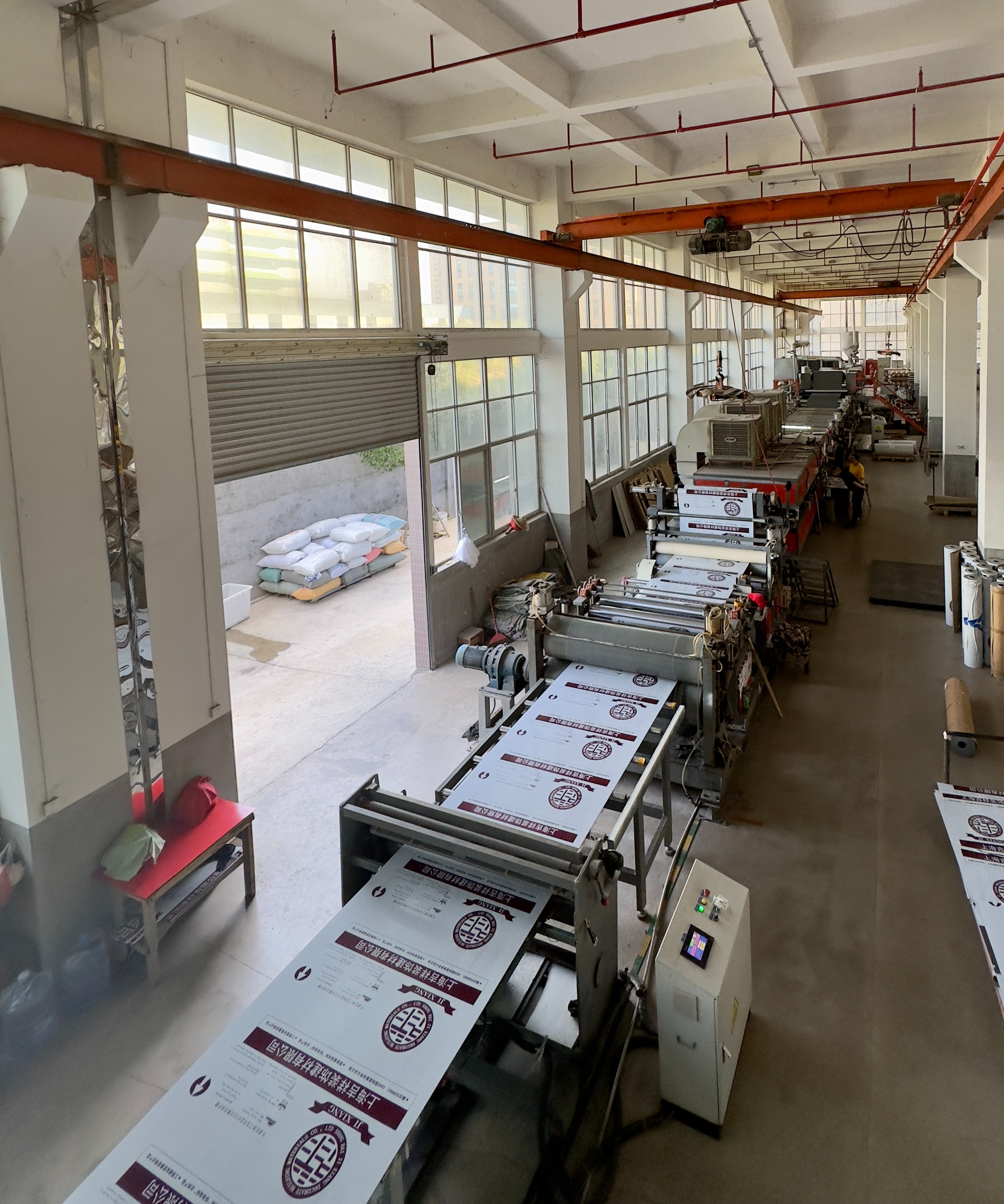
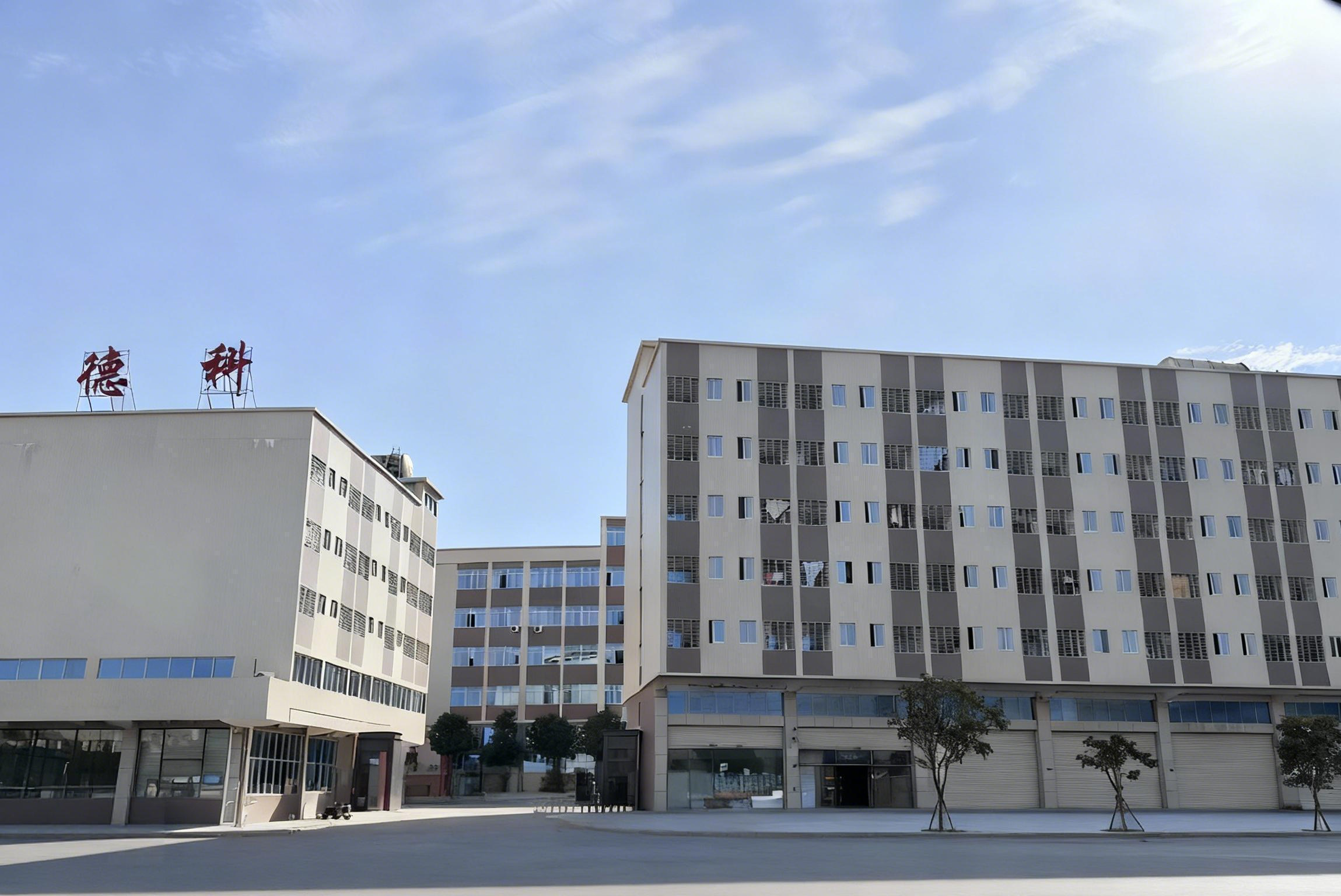
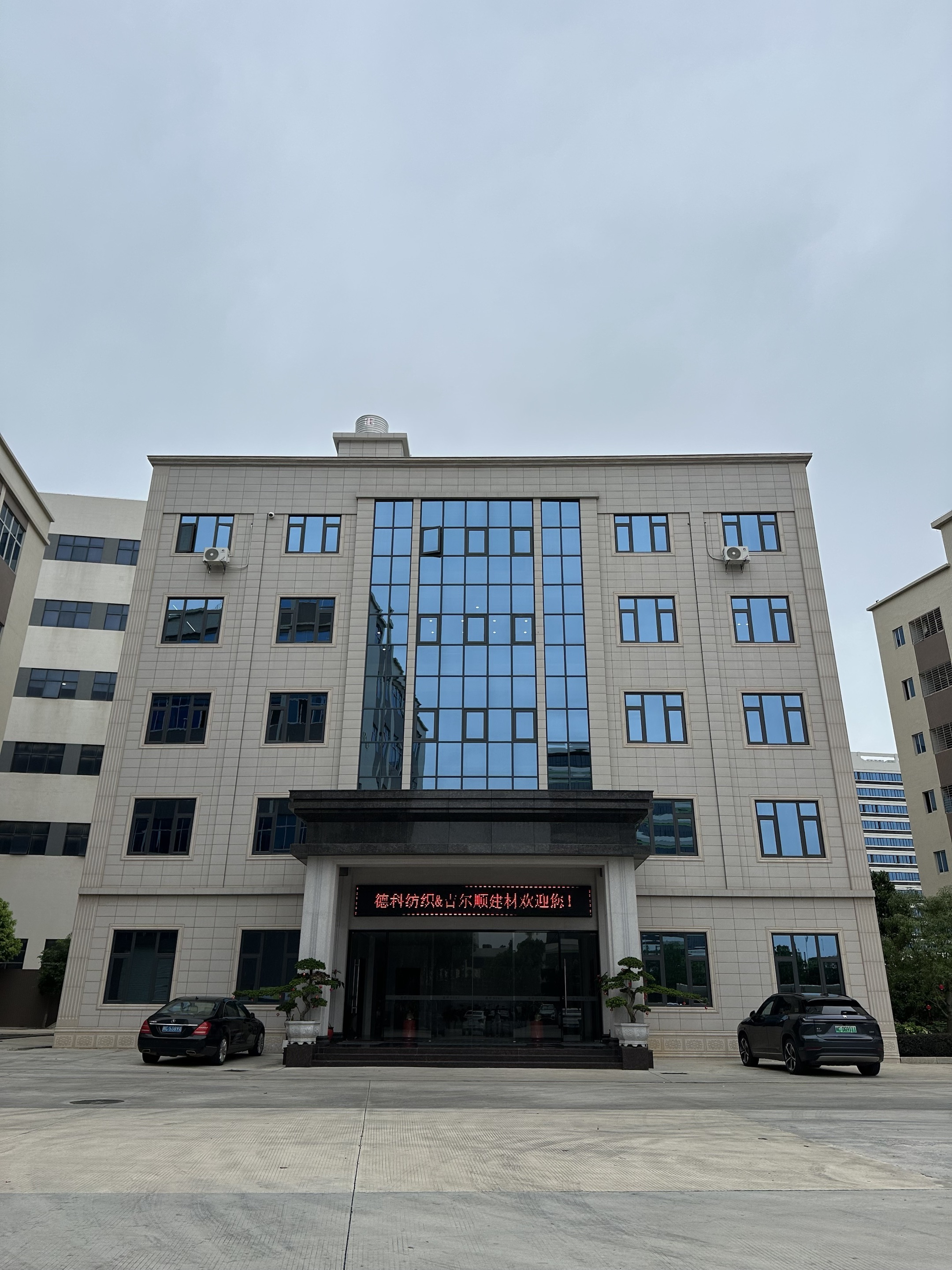
JIERSUN - formally Jiersun (Fujian) Decorative Building Materials Co., Ltd., founded in 2006 and based in Jinjiang City, Fujian Province, China - manufactures aluminum composite panels and exports them to Southeast Asia, Africa and the Middle East. The company operates a 20,000 m2 factory with a research and development team of 10 engineers and reports an annual output of 4,000,000 m2 of aluminum plastic panel products. Its factory is located about 70 km from the port, which is the logistics basis for its export lead times.
The Solution: How a Factory-Finished Aluminum Composite Panel Replaces On-Site Painting
Panel structure and materials
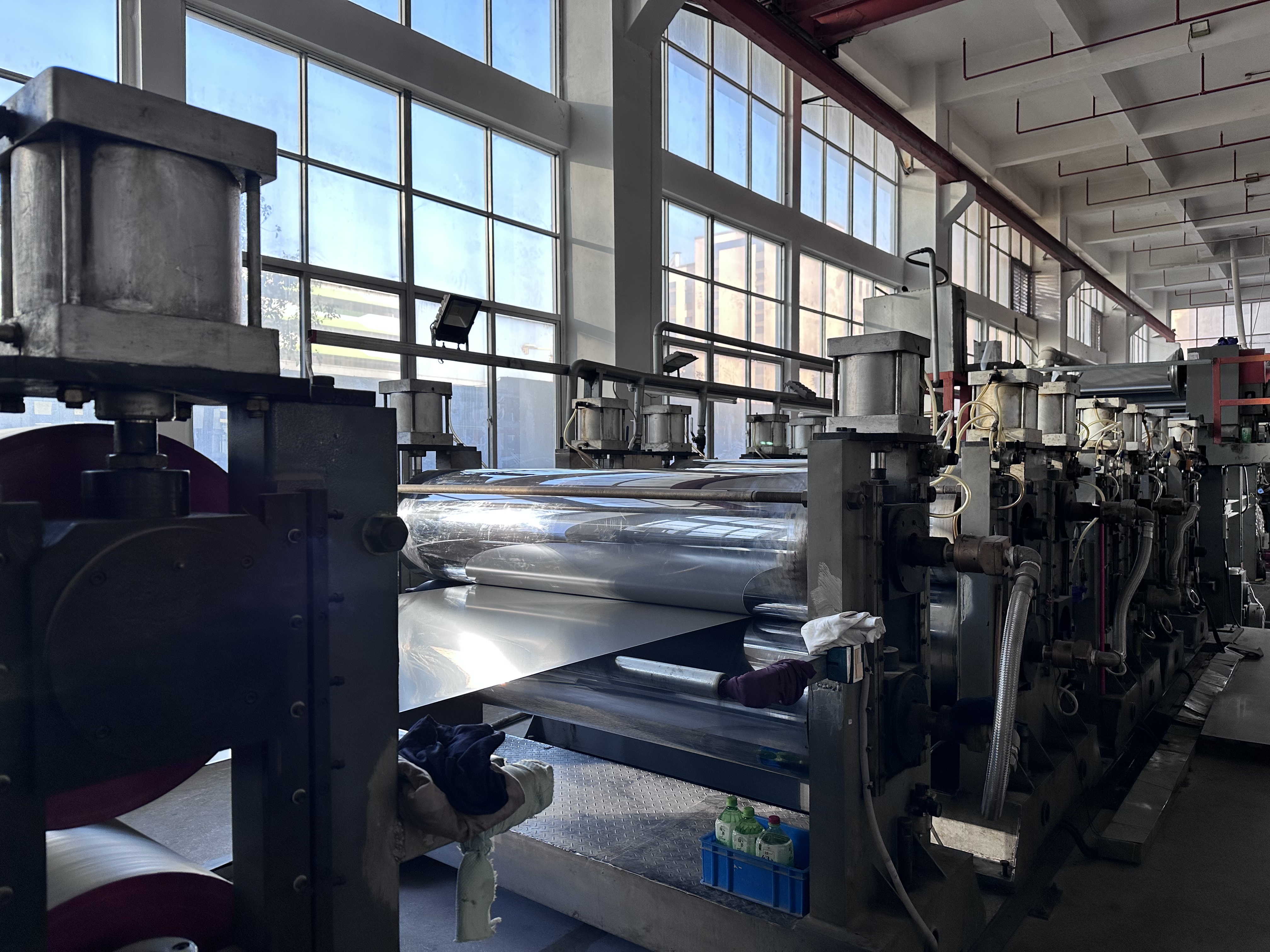
An aluminum composite panel is a sandwich: two aluminum skins bonded to a core. Published product data for the JIERSUN range describes the composition as high-quality aluminum coils, a polyethylene (PE) or fireproof mineral core, high-performance adhesive films, and durable PVDF or polyester coatings. A protective film is applied to the visible surface to prevent scratches during transportation and installation. The combination of a factory coating and a protective film is what allows the panel to arrive installation-ready rather than paint-ready.
Core choice is the main structural decision. A PE core suits interior and furniture applications where fire classification is not the governing requirement. A fireproof core is available in the same product family where it is needed. Published fire-rated ACP product data shows that mineral-core panels can achieve a Euroclass A2-s1, d0 classification under EN 13501-1, so the core decision should be taken against the requirement of the specific project and market rather than by default.
Thickness, width and alloy options
The same product system covers several panel thicknesses. Aluminum skin thickness ranges from 0.05 mm to 0.50 mm, normal widths are 1220 mm, 1250 mm and 1500 mm, and the aluminum alloy can be AA1100, AA3003 or AA5005, with other grades available on demand. Colour is customized.
| Specification | Options available |
|---|---|
| Panel thickness | 3 mm, 4 mm, 5 mm, 6 mm, 8 mm |
| Normal width | 1220 mm, 1250 mm, 1500 mm |
| Aluminum alloy | AA1100, AA3003, AA5005 (other grades on demand) |
| Aluminum skin thickness | 0.05 mm to 0.50 mm |
| Core material | PE core, fireproof core |
| Coating system | PVDF coating, polyester coating |
| Surface finish | PVDF coated, mirror, wood grain, marble grain, brushed, nano self-cleaning, fireproof |
| Colour | Customized |
| Brand / OEM | Custom made |
For cabinet and furniture factory work, the 5mm panel is the option highlighted in the Philippines case. The 3mm, 4mm, 5mm, 6mm and 8mm panels are produced to the same specification structure, so a cabinet programme can standardise on one coating system and one finish family across several panel weights instead of rebuilding its process per thickness.
Coating and surface finish options for cabinet fronts
The finish options across the range include PVDF coated, mirror, wood grain, marble grain, brushed, nano self-cleaning and fireproof aluminum composite panels. For cabinets, wood grain and marble grain reproduce the appearance a furniture buyer would previously have obtained by painting or laminating a wood substrate, while mirror and brushed finishes serve the higher-gloss and metallic looks used in retail and hospitality interiors. Because colour is customized, a manufacturer can align a panel colour with an existing product line rather than rebuilding the line around a standard colour card.
Why double-sided matters in cabinet construction
The Philippines case specifies double-sided aluminum composite panels, meaning both faces carry a finished surface. In cabinet construction this removes the need to finish the back face or the interior face of a door separately, and it is a large part of the reason the painting stage can be eliminated rather than merely reduced.
The Philippines Cabinet Project: 10 Containers, Over 10 Years
The case that anchors this article is a furniture manufacturer in the Philippines using aluminum composite panels for cabinet manufacturing. The recorded facts are:
- Application: cabinet manufacturing.
- Material substitution: double-sided aluminum composite panels replaced traditional solid wood.
- Volume: 10 containers of panels.
- Duration: over 10 years of ongoing supply.
- Recorded outcome: reduced production costs, significantly minimized paint-related pollution, a stronger environmental profile for the finished product, and improved competitiveness in the Philippine market.
The recorded highlight of the case is that aluminum composite panels offer strong cost performance in cabinet applications and work as an effective substitute for traditional solid wood - reducing production costs, reducing paint-related pollution and improving the environmental advantages of the final product.
Two things are worth separating here. The cost and pollution results follow from removing the painting stage and using a panel substrate; they do not depend on a particular colour or finish being chosen. The 10-year, 10-container record is a supply-side fact: it reflects repeat, container-scale ordering rather than a one-off trial, which is the harder outcome for a furniture factory to secure with a new panel supplier.
Step-by-Step Breakdown: From Cabinet Specification to Shipped Containers
The sequence below reflects the OEM/ODM process and the project documentation available for this product family.
- Define where the finish used to sit. Map the parts of the cabinet that were previously painted or laminated - typically doors, visible side panels and open shelving - and confirm that a pre-finished panel with a protective film covers those surfaces.
- Select the coating system and finish. Choose between PVDF and polyester coating, then select the surface appearance: wood grain, marble grain, mirror, brushed, nano self-cleaning, PVDF or fireproof. Colour is customized to the buyer's requirement.
- Select panel thickness and core. For furniture factory production the 5mm panel is the option used in the Philippines cabinet case; 3mm, 4mm, 6mm and 8mm are also available, with a PE core or a fireproof core depending on the application.
- Approve a sample before volume production. Colour and texture approval on a physical sample is the point at which a custom finish becomes a controlled specification, and it is the normal first step of an OEM/ODM order.
- Confirm commercial terms. Minimum order quantity is 500 m2. Delivery terms are mainly FOB or CIF, and payment terms are T/T or L/C.
- Produce with staged quality control. Incoming aluminum coils, coatings and core materials are inspected against production standards, and full-process quality control runs through production.
- Inspect and document before shipment. Acceptance is based on in-house factory inspection covering appearance, dimension, coating quality and functional tests, or on third-party inspection reports. Pre-shipment inspection reports and packing and loading photographs form part of the documentation.
- Ship with the protective film intact. The film stays on the panel through transport and installation, so the finished surface is not exposed until the cabinet leaves the assembly area.
- Fabricate with supplier support. Remote technical support covers product selection consultation, project specification recommendation, installation and fabrication guidance, and online after-sales support with a 24-hour response.
Use Cases: Where Pre-Finished ACP Fits
Cabinet and furniture manufacturing is the application in this case, but it is one of several listed for the product family. The stated applicable industries for the 3mm, 4mm and 5mm panels include building curtain wall and exterior wall decoration, commercial and retail storefronts, interior decoration, signage and advertising billboards, engineering project decoration, and furniture factories.
- Furniture and cabinet manufacturing. Double-sided pre-finished panels replace a painted or laminated wood substrate, with 5mm panels used for cabinet work and other thicknesses used where the design calls for them.
- Interior decoration. The same finish family - wood grain, marble grain, mirror, brushed - is specified for wall panelling, ceilings and fitted joinery.
- Signage and advertising billboards. A separate verified project supplied 6 containers of panels to a signage and advertising billboard application in Malaysia.
- Exterior wall and curtain wall. PVDF-coated and fire-resistant panels serve facade applications where weather resistance and fire classification drive the specification.
The common thread is that each application buys the panel for the same reason the Philippines cabinet maker did: a finished surface that is delivered rather than applied on site.
Where this approach does not apply
ACP is a flat panel product, so the substitution logic suits doors, side panels, shelving and flat fronts rather than carved, moulded or strongly curved solid-wood components. Where a project carries a fire classification requirement, the specification has to be matched to that classification through the core rather than assumed from the finish. And the variables that change a quotation are the specification variables: panel thickness, core type and coating system.
Comparison: Pre-Finished ACP Cabinets vs. Solid Wood with On-Site Painting
| Decision point | Solid wood with on-site painting | Double-sided pre-finished ACP |
|---|---|---|
| Where the decorative surface is created | At the cabinet workshop, as a production stage | At the panel factory, before shipment |
| On-site painting stage | Required to produce the finished appearance | Not required - the panel arrives finished |
| Paint-related pollution at the production site | Present | Minimized, per the recorded Philippines case |
| Production cost | Baseline in the recorded case | Reduced in the recorded case |
| Supply record | Not recorded in this case | 10 containers over more than 10 years (Philippines cabinet project) |
| Colour and texture | Set by the workshop's paint mixing | Customized; PVDF, polyester, wood grain, marble grain, mirror, brushed and nano self-cleaning finishes |
| Core options | Not applicable | PE core or fireproof core |
| Thickness options | Varies by timber build-up | 3 mm, 4 mm, 5 mm, 6 mm, 8 mm; 5 mm used for furniture factory cabinet work |
| Surface protection in transit | Not applicable | Protective film applied to prevent scratches during transportation and installation |
The table is not a claim that one material wins on every dimension. It reflects the specific trade recorded in the Philippines case: the finishing stage moved from the cabinet workshop to the panel factory, and the cost and pollution associated with that stage moved with it.
FAQ
1. Which core and coating options apply when a cabinet project has fire or safety requirements?
Aluminum composite panels are available with a PE core or a fireproof core, and fireproof grades sit inside the same product family as the PVDF coated, mirror, wood grain, marble grain, brushed and nano self-cleaning finishes. Published fire-rated ACP product data shows that mineral-core panels can be classified up to Euroclass A2-s1, d0 under EN 13501-1, so the correct approach is to state the classification your project or market requires and then match the core to it. On the customs side, ACP of aluminum alloys with a thickness greater than 0.2 mm is classified under HS code 76061230. Third-party testing support, including SGS, can be arranged when a project needs documentation beyond the in-house inspection report.
2. Can panel thickness, colour and surface finish be customized for cabinet manufacturing?
Yes. JIERSUN provides OEM/ODM production services, and the customization scope covers dimensions, surface colour and texture, panel thickness, core material type, coating systems such as PVDF coating, and surface finishes including mirror, brushed, wood grain and marble grain. Panel thickness options are 3mm, 4mm, 5mm, 6mm and 8mm; normal widths are 1220mm, 1250mm and 1500mm; aluminum alloy options are AA1100, AA3003 and AA5005 with other grades on demand; aluminum skin thickness ranges from 0.05mm to 0.50mm; and colour is customized. Brand and OEM marking are custom made, which is what allows a furniture manufacturer to make the panel match an existing cabinet range rather than the other way round.
3. What is the minimum order quantity, and what delivery and payment terms apply?
The minimum order quantity is 500 m2. Delivery terms are mainly FOB or CIF, and payment terms are T/T or L/C. For a furniture factory converting from painted wood, MOQ is best assessed against the panel consumption of a single cabinet model, because one approved specification can then be repeated across the product line. Acceptance criteria are based on in-house factory inspection covering appearance, dimension, coating quality and functional tests, or on third-party inspection reports.
4. How is quality verified before shipment, and can I request a sample?
Quality is documented in stages. Incoming aluminum coils, coatings and core materials are inspected against production standards; full-process quality control runs through production; and acceptance is based on in-house factory inspection covering appearance, dimension, coating quality and functional tests, or on third-party inspection reports. The free testing and inspection service can cover raw material inspection, in-process quality control, finished product inspection, a pre-shipment inspection report, and packing and loading photographs, with third-party testing support such as SGS available on request. A physical sample is the normal starting point before volume production, because it is the only reliable way to approve a custom colour and texture.
5. How long does production take, and what is the next step for a cabinet programme?
Production lead time is 15-20 days, counted from approval of the specification and sample. The factory sits about 70 km from the port, and documents such as the pre-shipment inspection report and loading photographs are provided before the container leaves. The practical next step is to send the cabinet panel specification - thickness, core, coating, surface finish, colour and approximate area required - and request a sample and a quotation. Samples, colour matching and project specification recommendations are handled by the JIERSUN export team at sales3@jiersun.com or on WhatsApp at +86 17750700228.
Conclusion: The Fix in One Line
For cabinet manufacturing in the Philippines, the recorded fix was not a cheaper paint or a faster drying line - it was the removal of the painting stage. Double-sided aluminum composite panels with a factory-applied PVDF or polyester coating deliver a finished cabinet surface inside the container, which is how the same project has run for over 10 years and more than 10 containers while reducing production costs and minimizing paint-related pollution. The specification levers are straightforward: 5mm panels for furniture factory cabinet work, with 3mm, 4mm, 6mm and 8mm also available; PE or fireproof core; customized colour and finish; and a protective film that keeps the surface intact until installation.
Request a sample or a quotation
Send your cabinet panel specification - thickness (5mm for furniture factory work, or 3mm, 4mm, 6mm, 8mm), core type, coating, surface finish, colour and approximate area - and the JIERSUN team will confirm the specification, arrange a sample and prepare a quotation.
Download the JIERSUN ACP Catalog (2026)
Email: sales3@jiersun.com | WhatsApp: +86 17750700228 | www.jiersun.com
Have Questions or Need More Details?
Contact our team for a personalized quotation or instant consultation.
Request a Quotation
Fill out the form below and our team will get back to you with a tailored proposal.
WhatsApp Direct Chat
Prefer to chat in real-time? Message us on WhatsApp for instant assistance & quick answers.
- Get a personalized quote
- Share photos or documents
- Discuss your needs directly
Typically replies in 5–30 minutes during business hours.