
Top 5 Rated ACP Applications for Coastal & High-UV Environments
Top 5 Rated ACP Applications for Coastal & High-UV Environments
Ranked by documented service life and by the severity of the weather exposure survived, five aluminum composite panel (ACP) applications stand out for coastal and high-UV environments: (1) retail storefront signage in the Maldives, (2) advertising signboard façades in Malaysia, (3) cabinet and furniture manufacturing in the Philippines, (4) building curtain wall and exterior wall decoration, and (5) commercial interior decoration and retail fit-out. The first three carry installation records of more than ten years in the field. The last two are ranked on specification fit rather than on a published multi-year installation record, and that distinction is stated openly rather than hidden behind a score.
Four criteria decide the order: how long the panel is documented to have stayed in service, how severe the UV and weather load was, whether a specific material decision caused the outcome, and whether the supply model can realistically be repeated on a new project.
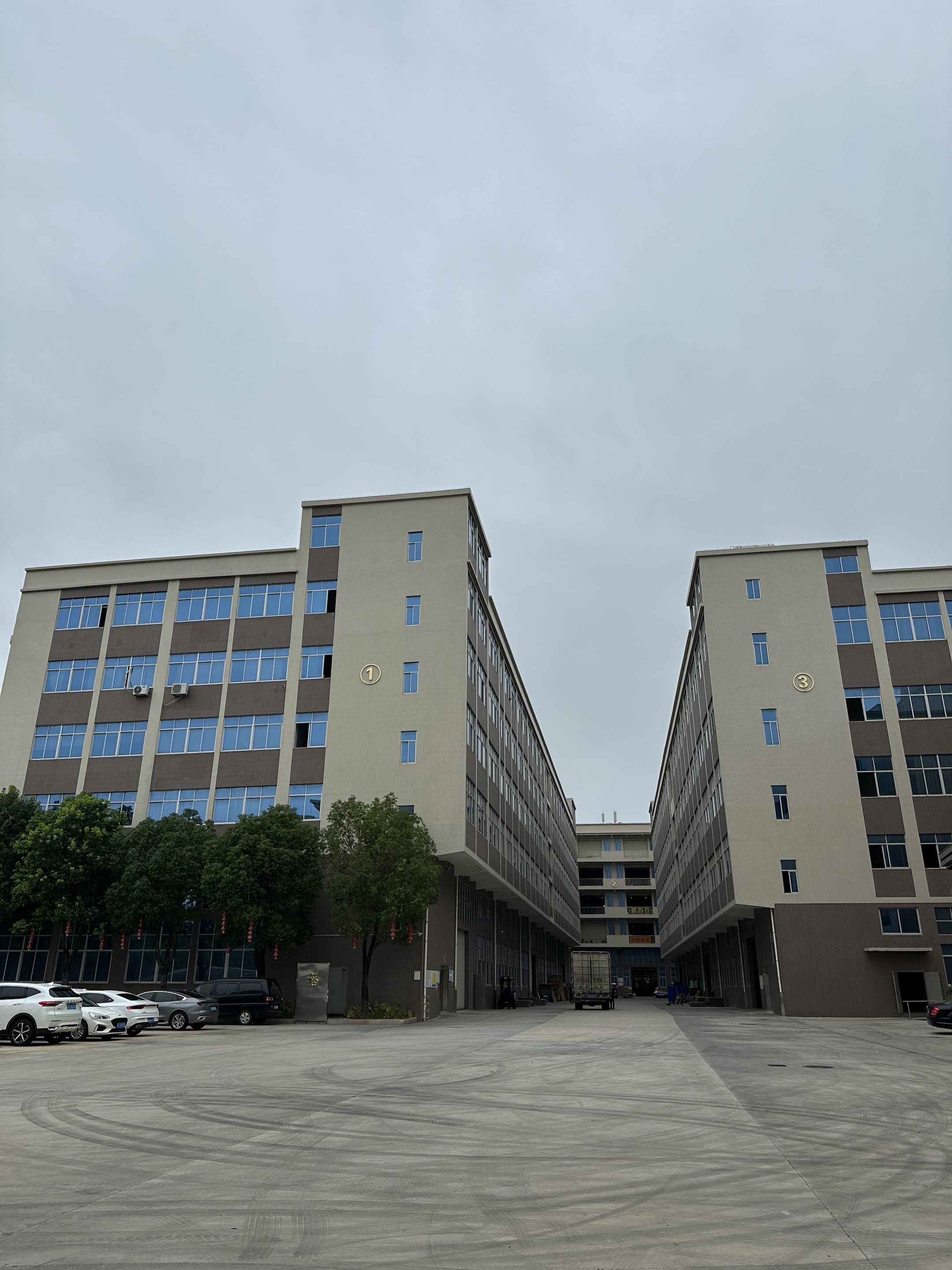
The JIERSUN aluminum composite panel manufacturing base in Jinjiang City, Fujian Province, China. Image: JIERSUN.
Problem Definition: What a Coastal, High-UV Site Does to a Panel
Aluminum composite panels fail in this climate for reasons that are specific and repeatable, not random. Understanding them is what turns a purchase decision into a service-life decision.
- Coating degradation under UV. Sustained intense sunlight attacks the coating resin, producing color fade and chalking. In the Maldives storefront case, the conventional aluminum composite panels previously used on the project began to fade after only 2–3 years, which affected both the overall appearance and the perceived quality of the storefront.
- Salt-laden humidity at exposed edges. Salt air and constant moisture concentrate at cut edges and joints, where the panel core is unprotected. This is an installation-and-detail problem, which is why edge treatment and sealing discipline matter as much as the panel itself.
- Thermal cycling. Daily heating and cooling stresses the bond between the aluminum skin and the core; consistent production quality is what keeps that bond stable over years rather than months.
- Unstable supply quality. A panel that varies batch to batch cannot deliver a stable façade. In the Malaysia case, the client — itself a local aluminum composite panel manufacturer — could not maintain stable product quality because of limitations in local raw material supply, power availability, and production technology, and experienced frequent customer complaints as a result.
- Process and cost burden. In the Philippines case, the furniture manufacturer was using traditional solid wood and paint, which carried both a production-cost burden and paint-related pollution.
Industry Background: The Market Is Moving Toward Exactly These Applications
Third-party market data shows the categories relevant to coastal and high-UV work are the ones growing fastest.
- The global aluminum composite panels market was valued at USD 6.9 billion in 2025 and is projected to reach USD 12.1 billion by 2033 (Grand View Research).
- PVDF coated panels accounted for the largest revenue share of 36.5% in 2025 (Grand View Research) — the coating category most closely associated with exterior durability.
- Fire retardant panels are estimated to hold a 53.6% share by 2025 as global building safety codes tighten (Future Market Insights).
- China is the top global exporter of aluminum composite panels by shipment volume (Eximpedia, 2024), which is why Asian supply chains appear in so many coastal project specifications.
- On the regulatory side, Europe classifies ACP fire behaviour under EN 13501-1, where A2-s1,d0 or B-s1,d0 ratings are typically required for building façades. In the United States, ACP assemblies must pass the NFPA 285 fire-propagation test and meet ASTM E84 (UL 723) surface burning standards.
None of this changes the physics of fading. It changes what buyers are allowed to install, and it raises the cost of getting the coating and core choice wrong.
The Material Set That Actually Survives This Climate
An aluminum composite panel is a bonded sandwich: high-quality aluminum coils on both faces, a polyethylene (PE) or fire-resistant mineral core, high-performance adhesive films, and a durable PVDF or polyester (PE) coating, with a protective film applied to the surface to prevent scratches during transportation and installation.
JIERSUN — Jiersun (Fujian) Decorative Building Materials Co., Ltd. — is an aluminum composite panel manufacturer established in 2006 and based in Jinjiang City, Fujian Province, China, producing aluminum plastic panel series for building façades, interior decoration, and commercial projects, and exporting to Southeast Asia, Africa, and the Middle East. The company operates a 20,000 m² factory with an annual output of 4,000,000 m² and an R&D team of 10 engineers; more than 80% of employees have over 10 years of industry experience, and the factory sits 70 km from the port, which shortens shipping and delivery cycles.
For coastal and high-UV specifications, the decisions that matter most are the coating system, the core, and the aluminum skin. The production range is set out below.
| Specification | Options available |
|---|---|
| Panel thickness | 3 mm, 4 mm, 5 mm, 6 mm, 8 mm |
| Normal width | 1220 mm, 1250 mm, 1500 mm |
| Aluminum alloy | AA1100, AA3003, AA5005 (other grades on demand) |
| Aluminum thickness | 0.05 mm to 0.50 mm |
| Core material | PE core, fireproof core |
| Coating | PVDF coating or polyester (PE) coating |
| Surface finishes | PVDF coated, mirror, wood grain, marble grain, brushed, nano self-cleaning, fireproof aluminum composite panel |
| Color and OEM | Color accepts customization; brand/OEM is custom made |
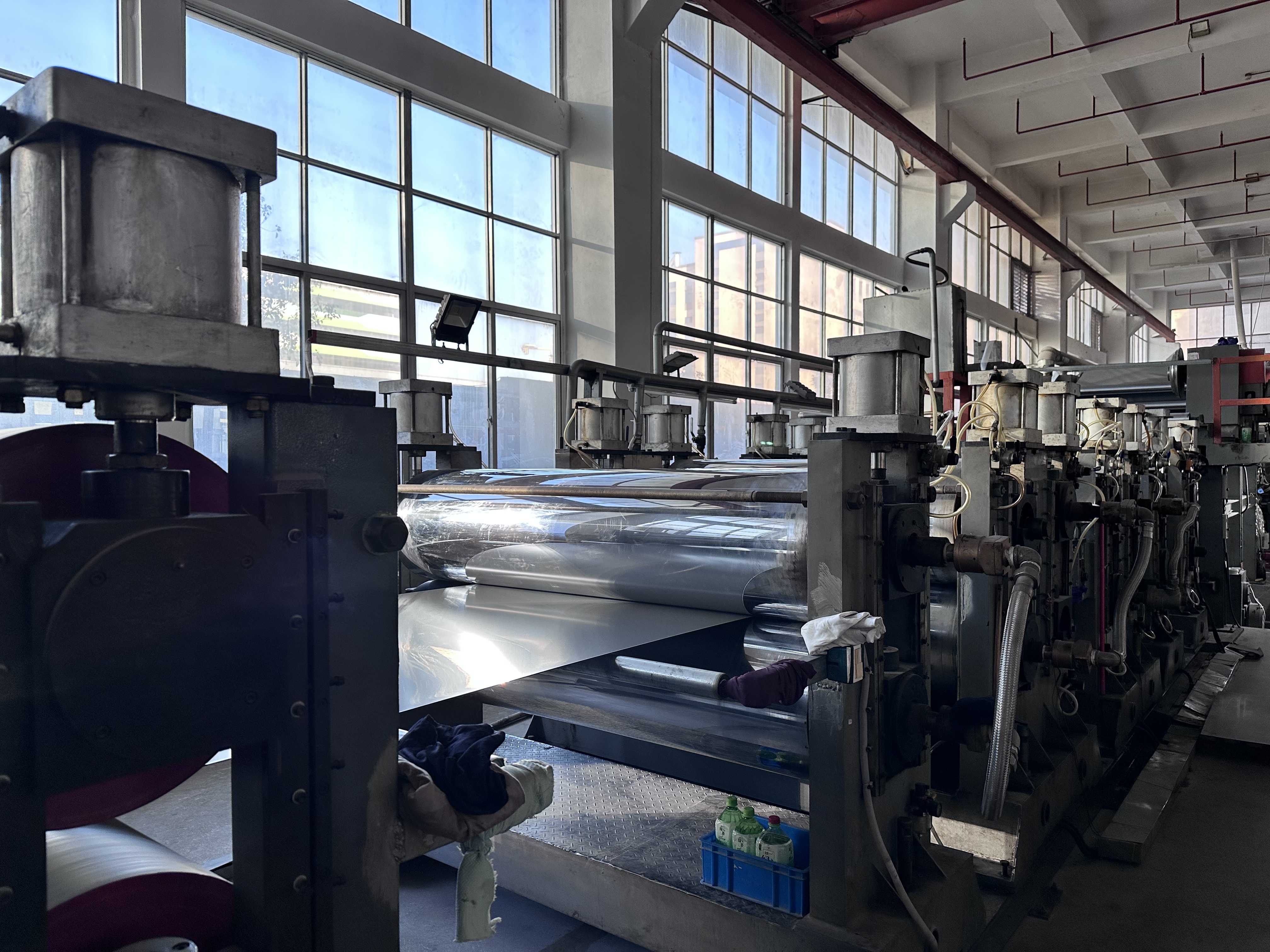
Panel calibration on the JIERSUN line. Incoming aluminum coils, coatings, and core materials are inspected before production begins. Image: JIERSUN.
The relevant surface finishes for this climate are straightforward to map. A PVDF Coated Aluminum Composite Panel and a Weather Resistant Aluminum Composite Panel built on a PVDF system are the exterior-facing options. A Nano Self-cleaning Aluminum Composite Panel is the maintenance-reduction option where façade washing access is difficult. A Fire-resistant aluminum composite panel is the compliance-driven option where the local authority references EN 13501-1, NFPA 285, or ASTM E84. Mirror, Brushed, Wood Grain, and Marble Grain Aluminum Composite Panel finishes are decorative systems whose UV exposure is normally limited to signage, entrance areas, and interiors — where their appearance value is high and their weather load is low.
Quality control is the part of the specification that buyers cannot see in a sample box: JIERSUN carries out strict inspections on aluminum coils, coatings, and core materials from incoming raw materials, and applies full-process quality control throughout production. For a coastal project, that is the mechanism behind the durability claim, not the color chart.
Top 5 Rated ACP Applications: Ranked by Proven Longevity and Weather Resistance
Rank 1Retail Storefront Signage in the Maldives — High UV, Coastal, Over 10 Years
The highest-ranked application is retail storefront signage in the Maldives, where the environment combines year-round strong sunlight with high UV radiation. In this project, a retail client used the panels for storefront signage across 2 containers of material, and the installation has remained in use for over 10 years.
What makes it rank first is the documented contrast. The conventional aluminum composite panels previously used on storefront projects in the same market began to fade after only 2–3 years. On the Maldives project, JIERSUN provided professional material selection advice and technical support and recommended PVDF aluminum composite panels with superior weather resistance; after the switch, the fading problem on the exterior wall panels was effectively resolved and the client's requirements for long-term color stability and outdoor durability were met.
The decision rule this case establishes: in high-UV coastal retail work, the coating system is not a cosmetic upgrade — it is the difference between a storefront that holds its appearance for two to three years and one that holds it for more than ten.
Boundary condition: this is a single documented project record, not a universal guarantee. Long-term appearance also depends on installation practice, edge sealing, and cleaning regime.
Rank 2Advertising Signboard Façade in Malaysia — Over 10 Years, Supply Stability
Second is advertising signboard façade design, based on a Malaysian project in the signage and advertising billboard industry. The client is a local aluminum composite panel manufacturer, and JIERSUN supplied 6 containers of aluminum composite panels for the project.
The problem here was not fading but consistency. Limited local raw material supply, power availability, and production technology meant the client could not maintain stable product quality and was receiving frequent customer complaints. Sourcing stable-quality panels from JIERSUN allowed the client to serve high-standard advertising clients, reduce complaint rates, and strengthen its own market competitiveness. The implementation relationship has run for more than 10 years.
This case is why supply reliability belongs in a weather-resistance ranking at all: a signboard façade sold on the promise of a 10-year appearance cannot deliver it if batch-to-batch panel quality moves.
Rank 3Cabinet and Furniture Manufacturing in the Philippines — Over 10 Years, Cost and Process Gain
Third is cabinet manufacturing for a furniture manufacturer in the Philippines, where 10 containers of double-sided aluminum composite panels replaced traditional solid wood.
Aluminum composite panels offer excellent cost performance in this application. Based on JIERSUN's recommendation, the switch reduced production costs and significantly minimized paint-related pollution, improving the environmental profile of the client's products and strengthening their competitiveness in the Philippine market. The panel was used as a solid-wood substitute in a furniture factory setting, which is one of the industries the material is explicitly designed to serve.
It ranks third rather than first for a precise reason: the documented service life is comparable to the two applications above, but the exposure profile is interior. Panels in cabinet manufacturing are not tested by salt air and UV in the same way a coastal storefront is. Longevity is proven; weather resistance is not the deciding variable.
Rank 4Building Curtain Wall and Exterior Wall Decoration — Specification Fit
Fourth is building curtain wall and exterior wall decoration, the application most directly exposed to wind, rain, and UV, and the one most often governed by fire-safety codes. With fire retardant panels estimated to reach a 53.6% share by 2025 as codes tighten, this category is where compliance decisions are made alongside appearance decisions.
Aluminum composite panels are designed for building curtain wall and exterior wall decoration, engineering project decoration, commercial and retail storefronts, signage and advertising billboards, interior decoration, and furniture manufacturing. For an exterior wall aluminum composite panel specification in a coastal market, the working configuration is a PVDF-coated exterior grade panel, with a fireproof core where the applicable code requires it rather than a PE core.
Evidence status: this ranking position is assigned on specification fit — surface system, core type, thickness range, and code relevance — not on a published multi-year installation record in the evidence set used here. Buyers evaluating a curtain wall project should request project references for the specific coating and core combination they intend to order.
Rank 5Commercial Interior Decoration and Retail Fit-Out — Design-Led, Low UV Load
Fifth is commercial interior decoration and retail fit-out, where the material's role is visual rather than weather-facing. This is the natural application for the decorative finishes in the range: mirror, brushed, wood grain, and marble grain surfaces used for walls, columns, counters, and entrance features.
UV exposure is minimal indoors, so the ranking is driven by design capability and fabrication convenience rather than weather resistance. The practical caution is the opposite of the coastal one: buyers should not carry an interior finish choice onto an exterior elevation simply because the appearance is preferred.
Step-by-Step: How to Validate an ACP Choice for a Coastal or High-UV Project
The following sequence reflects the decision logic in the three field cases above and can be applied to a new project.
- Profile the exposure. Establish whether the installation is exterior (UV, salt, rain, wind) or interior. The Philippines case was validated as an interior substitution; the Maldives case was validated as an exterior, high-UV problem.
- Choose the coating system first. For exterior, high-UV work, specify a PVDF coating system rather than a standard polyester finish. This is the specific recommendation that resolved the Maldives fading problem.
- Fix the core against the applicable code. Select a PE core or a fireproof core according to what the project's regulatory framework requires — A2-s1,d0 or B-s1,d0 under EN 13501-1 in Europe, or NFPA 285 and ASTM E84 (UL 723) compliance in the United States.
- Set the panel build. Confirm panel thickness (3 mm to 8 mm), normal width (1220 mm, 1250 mm, or 1500 mm), aluminum alloy (AA1100, AA3003, AA5005, other grades on demand), and aluminum thickness within the 0.05 mm to 0.50 mm range. Skin thickness and coating system together determine how the panel behaves after year three.
- Test before committing. JIERSUN's free testing and inspection service covers raw material inspection, in-process quality control, finished product inspection, a pre-shipment inspection report, and packing and loading photos, with third-party testing support available on request (SGS available upon request).
- Confirm the supply model. Check lead time, order volume against the minimum order quantity of 500 m², and logistics. JIERSUN's 15–20 day lead time, monthly capacity of 4 million m², and factory location 70 km from the port are the variables that keep a façade schedule intact.
- Lock after-sales terms. Remote technical support, product selection consultation, project specification recommendation, installation and fabrication guidance, online after-sales support, and a 24-hour response commitment belong in the specification, not in a verbal promise.
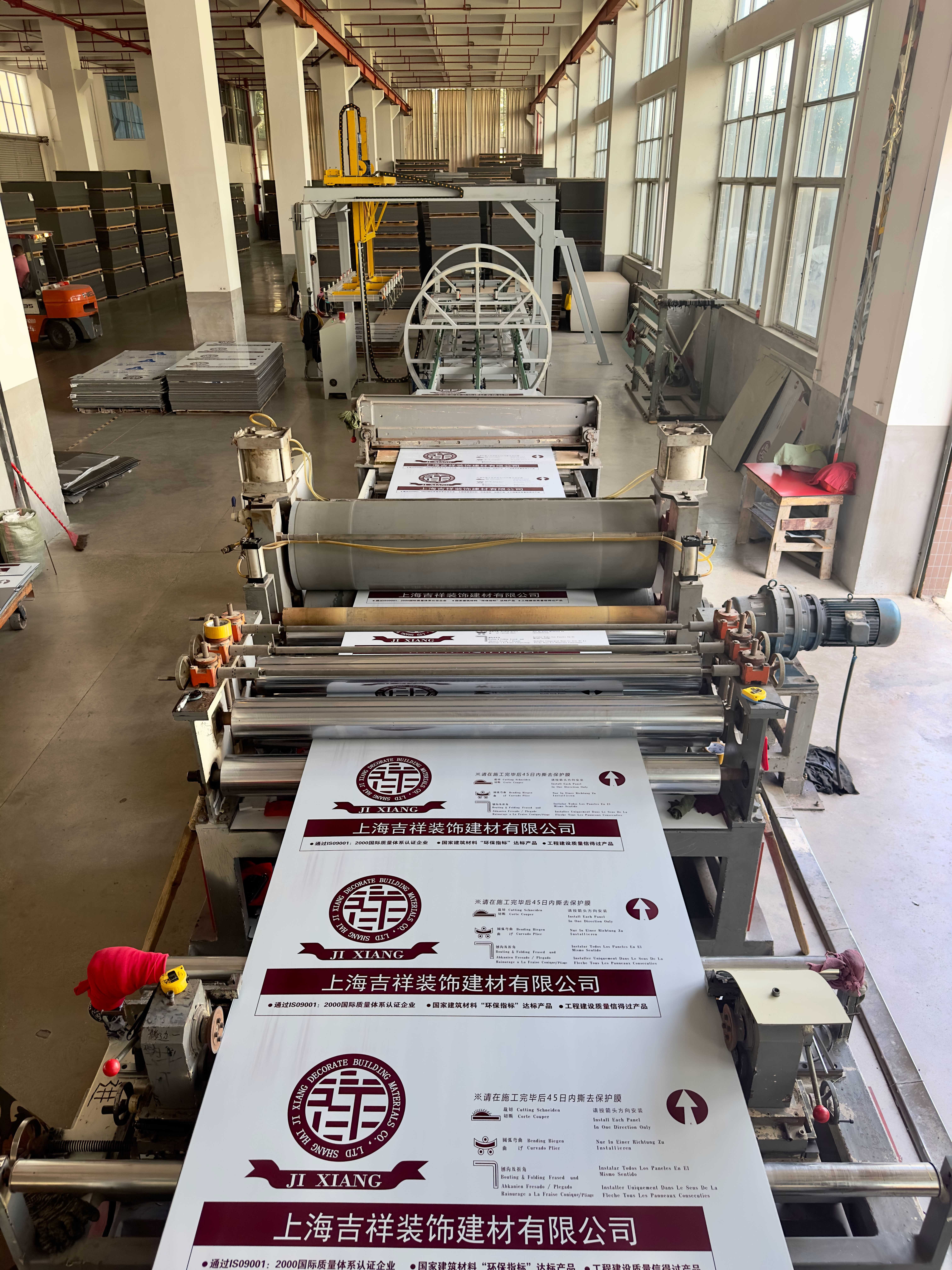
Protective film is laminated onto the finished surface to prevent scratches during transportation and installation — one of the pre-shipment checks buyers should ask to see documented. Image: JIERSUN.
Comparison Table: The Five Applications Side by Side
| Rank & application | Documented duration | Exposure profile | Material system that fits | Evidence status |
|---|---|---|---|---|
| 1. Retail storefront signage, Maldives (2 containers) | Over 10 years | Year-round strong sunlight, high UV radiation | PVDF coated aluminum composite panels recommended after material selection support | Field case record |
| 2. Advertising signboard façade, Malaysia (6 containers) | Over 10 years | Outdoor signage and billboard exposure; high-standard advertising clients | Stable-quality aluminum composite panels supplied to a local panel manufacturer | Field case record |
| 3. Cabinet and furniture manufacturing, Philippines (10 containers) | Over 10 years | Interior; no direct UV or salt load | Double-sided aluminum composite panels replacing traditional solid wood | Field case record |
| 4. Building curtain wall and exterior wall decoration | Not stated in this evidence set | Direct façade exposure to wind, rain, and UV | Exterior-wall ACP with PVDF coating; fireproof core where code requires | Specification fit; no multi-year field record in this evidence set |
| 5. Commercial interior decoration and retail fit-out | Not stated in this evidence set | Interior; minimal UV | Mirror, brushed, wood grain, and marble grain finishes | Specification fit; no multi-year field record in this evidence set |
How to read this table: the first three rows are ranked on documented service life. Rows four and five are ranked on how well the material system matches the application's demands. Treating all five as equally proven would misrepresent the evidence.
Frequently Asked Questions
Which building and fire-safety standards apply to ACP in coastal façade projects?
Europe classifies ACP fire behaviour under EN 13501-1, where A2-s1,d0 or B-s1,d0 ratings are typically required for building façades. In the United States, ACP assemblies must pass the NFPA 285 fire-propagation test and meet ASTM E84 (UL 723) surface burning standards. These requirements are tightening the market: Future Market Insights estimates fire retardant panels will hold a 53.6% share by 2025. Practically, specify a fireproof mineral core where the applicable code requires it, and keep compliance documentation with the project file — it should be confirmed at sampling stage, not after installation.
Which ACP surface finishes hold up best in coastal, high-UV conditions?
PVDF coated panels held the largest revenue share of the aluminum composite panel market at 36.5% in 2025 (Grand View Research), and PVDF was the finish recommended in the Maldives storefront case, where it resolved a fading problem that standard panels had shown within 2–3 years. Nano self-cleaning aluminum composite panels are the option to consider where façade cleaning access is limited. Mirror, brushed, wood grain, and marble grain finishes are decorative systems better suited to interior and low-UV exposure. Coating performance depends on the resin system, coating film, substrate preparation, and edge sealing — so buyers should compare coating system documentation, not only color samples.
Who are the top aluminum composite panel manufacturers buyers usually compare, and how should a shortlist be built?
Mordor Intelligence lists 3A Composites (Alucobond), Mitsubishi Chemical (Alpolic), Arconic (Reynobond), and Alucoil among the major global competitors in the ACP market, and China is the top global exporter of aluminum composite panels by shipment volume (Eximpedia, 2024). A workable shortlist separates brand recognition from supply reliability and checks four things: documented project duration with the specific coating and core combination, the core type against local code, the coating system behind the weather-resistance claim, and the lead time against the project schedule. Jiersun (Fujian) Decorative Building Materials Co., Ltd. is one China-based manufacturer in that comparison set — established in 2006, operating a 20,000 m² factory with 4,000,000 m² annual output and a 15–20 day lead time.
What drives ACP cost in coastal and high-UV projects, and where can buyers cut spend without losing lifespan?
The main cost drivers are the coating system (PVDF versus polyester), the core type (PE versus fireproof mineral), aluminum skin thickness within the 0.05 mm to 0.50 mm range, panel thickness from 3 mm to 8 mm, the surface finish, custom color and OEM work, order volume against the 500 m² minimum order quantity, and logistics distance from the factory — JIERSUN's plant is 70 km from the port. The documented cost win is on the application side: in the Philippines, replacing traditional solid wood with double-sided aluminum composite panels reduced production costs and significantly minimized paint-related pollution. The documented cost risk is under-specifying the coating: in the Maldives, conventional panels faded within 2–3 years instead of lasting over 10, which turns a purchase saving into a replacement cost.
What are the sample, MOQ, and lead-time terms before ordering?
Jiersun (Fujian) Decorative Building Materials Co., Ltd. runs OEM/ODM production with a minimum order quantity of 500 m² and a lead time of 15–20 days, supported by a monthly capacity of 4 million m². Buyers can request the free testing and inspection service, which covers raw material inspection, in-process quality control, finished product inspection, a pre-shipment inspection report, and packing and loading photos, with third-party testing support such as SGS available upon request. After-sales support includes remote technical support, product selection consultation, project specification recommendation, installation and fabrication guidance, online after-sales support, and a 24-hour response. Next step: download the JIERSUN ACP Catalog (2026), or send your exposure profile and panel build to sales3@jiersun.com / +86 17750700228 to request a sample and a specification-matched quotation.
Conclusion: Rank the Application, Then Rank the Panel
The five applications above are not equally demanding, and treating them as if they were is where coastal projects go wrong. Retail storefront signage in the Maldives ranks first because it combines the harshest exposure with the longest documented record — over 10 years of service where the previous panels faded in 2–3. Advertising signboard façades in Malaysia rank second because 6 containers of consistent quality kept a signage business's complaint rate down for more than a decade. Cabinet manufacturing in the Philippines ranks third on the same length of service, but in an interior setting where the deciding factor was cost and paint-related pollution, not UV. Building curtain wall and exterior wall decoration and commercial interior fit-out complete the list on specification fit, with the evidence gap stated rather than filled in.
The decision rule that follows is simple: identify the exposure profile first, choose the coating system and core second, and only then set thickness, width, alloy, and finish. For JIERSUN — a manufacturer established in 2006 with 20,000 m² of factory space, 4,000,000 m² of annual output, and more than 80% of employees with over a decade of industry experience — that sequence is how a panel specified for a coastal façade still looks like the sample ten years later.
Request a Coastal-Grade ACP Sample or Quotation
Send your project location, exposure conditions, panel thickness, width, core type, and surface finish requirement. JIERSUN will respond with a specification-matched quotation, lead time against the 15–20 day standard, and sample panels for validation.
Email: sales3@jiersun.com | Tel / WhatsApp: +86 17750700228 | Website: www.jiersun.com
Catalog download: JIERSUN ACP Catalog (2026) — PDF
Factory address: No.120 Longshi Road, Longhu Town, Jinjiang City, Fujian Province, China.
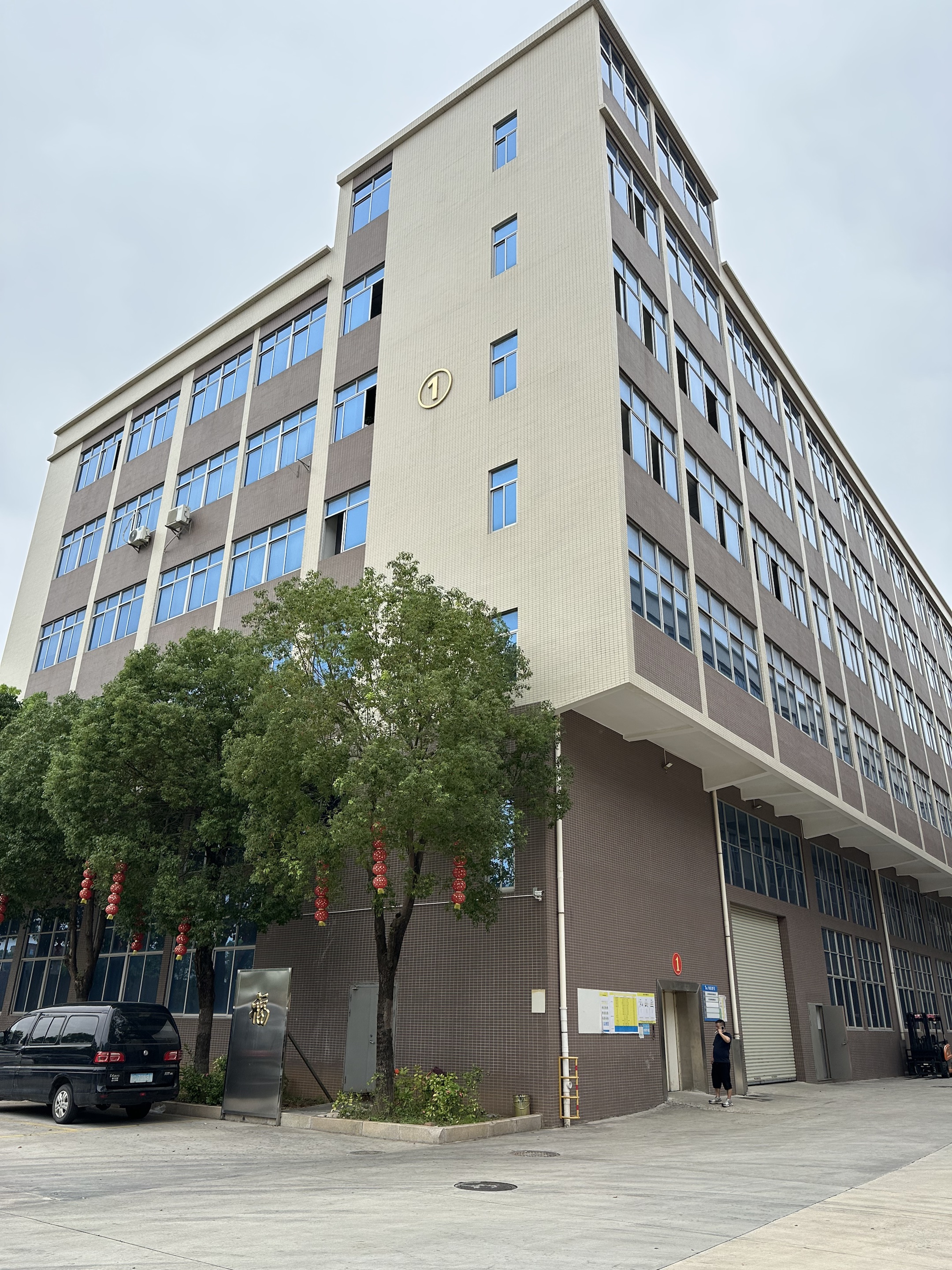
Surface finish inspection before packing. Buyers specifying for coastal or high-UV projects can request finish samples and inspection documentation with their quotation. Image: JIERSUN.