
Gel Ice Pack Partnership FAQ: Long-Term Medical Supply & Support
Gel Ice Pack Partnership FAQ: Long-Term Medical Supply & Support
Health and medicine cold chain buyers rarely lose a gel ice pack supplier because the packs fail to freeze. They lose the relationship later — when nobody can state in writing which certificate covers which model, how many pieces leave the line per day, or who responds when a shipment does not match the approved sample. This FAQ answers the seven partnership questions that decide long-term supply, using documented facts rather than general assurances.
The short answer: a long-term gel ice pack partnership should rest on seven documented commitments — sample lead time, bulk delivery window, payment terms, stated production capacity, model-level certification scope, OEM/ODM change rules, and a defined after-sales scope. Each is answered below against the published data for Jisi Cold Chain Technology Co., Ltd., a Changzhou-based manufacturer of gel ice packs, PCM ice plates, cooler boxes and vacuum insulated panels, and against the regulatory context that applies to health and medicine buyers.
Problem Definition: Why Partnership Talks Stall After the Sample Stage
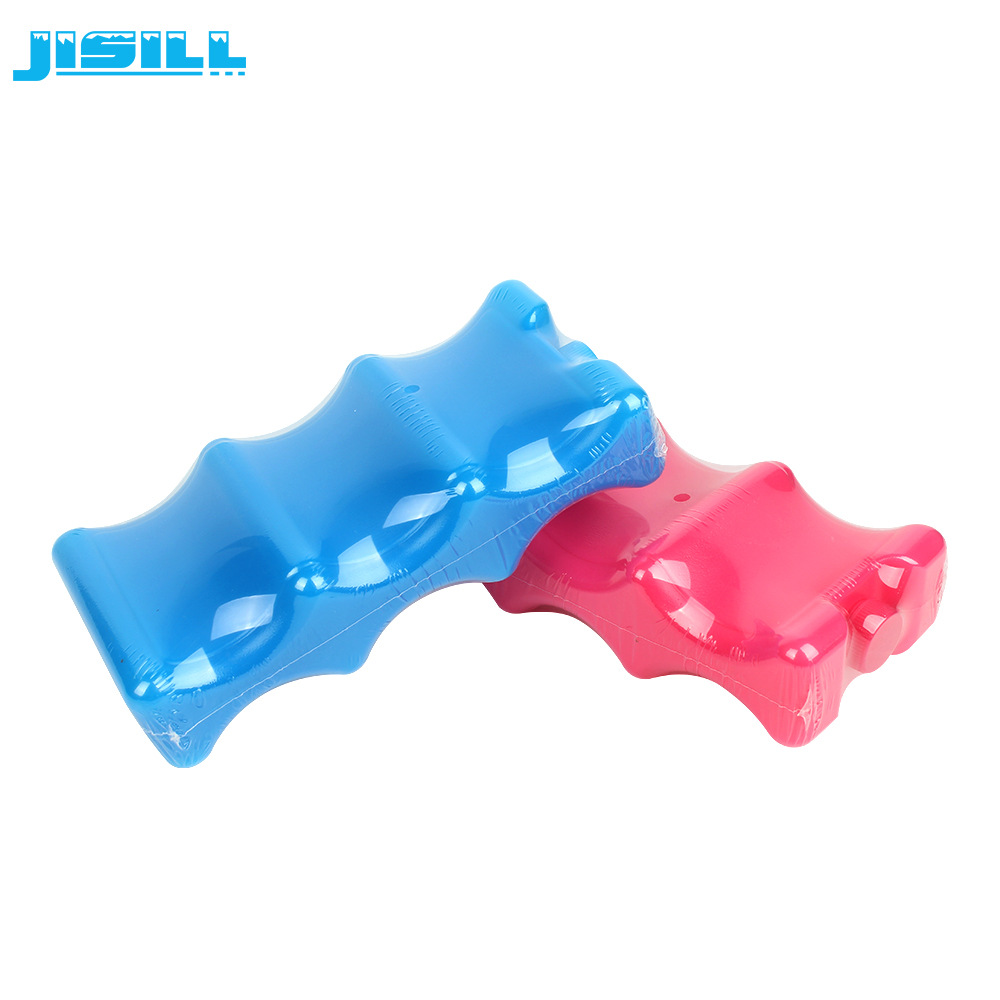
A sample confirms that a gel ice pack freezes, fits the payload and survives one round trip. It does not answer what happens in month fourteen, when the buyer needs a replacement batch, a re-issued certificate, or confirmation that the filling material has not changed. That gap between a successful sample and a defensible multi-year agreement is where most health and medicine sourcing projects slow down.
Four specific gaps cause the delay. First, certification is usually offered at supplier level — "we have FDA, MSDS, SGS" — rather than at model level, so the buyer cannot tell which document applies to the exact SKU being quoted. Second, capacity is offered at company level rather than as a daily or weekly ceiling per model, which makes it impossible to check against a forecast. Third, after-sales is described as a promise rather than a process, with no response window or escalation path. Fourth, OEM customization quietly changes both minimum order quantity and lead time, and buyers frequently discover this only after committing.
A partnership-ready gel ice pack quotation is therefore one that states, for a named model, the certificate set, the supply ceiling, the sample and bulk lead time, the payment structure, the customization scope and the support terms. The sections below supply those answers in that form.
Industry Background: What Health & Medicine Supply Chains Are Held To
Two external references frame every gel ice pack partnership decision in this sector. The first is thermal qualification. The WHO PQS vaccine cold box verification protocol E004/CB01.3 requires medical-grade vaccine coolers to maintain 2–8°C for at least 48 hours at 43°C ambient temperature. That requirement is aimed at the assembled shipping system, not at a single pack in isolation — which is why suppliers and buyers must agree on pack-out configuration, payload and ambient conditions before comparing hold-time claims.
The second is regulatory classification. The U.S. FDA product classification database lists cold packs within regulation 890, which covers physical medicine devices including hot and cold packs. Whether a specific gel ice pack falls inside that classification depends on its intended use and labeling, so buyers should confirm the position for their own product rather than assume it. In the European Union, food-contact plastic materials are governed by Regulation (EU) No. 10/2011, which is why several gel ice pack models in this category carry that reference alongside FDA, MSDS, CPSIA and SGS documentation.
Market direction reinforces the same point. Commercial research published by The Business Research Company projects reusable gel ice packs at a 56.6% share of the category in 2026, and forecasts the broader gel ice pack market growing from USD 14.56 billion in 2025 to USD 29.98 billion by 2030. Those figures describe a wide category rather than the medical cold chain segment specifically, but they explain why buyers are shifting attention from one-off price to repeatable documentation and repeatable capacity. Growth in reusable formats only pays off if the supply relationship can be renewed without re-qualifying from zero each year.
Detailed Solution: The Seven Partnership Questions, Answered
1. Sample Lead Time: Within Two Days for Standard Models
Sample turnaround is the first commitment a buyer should pin down, because it sets the pace for the entire qualification cycle. Published data for the range shows samples dispatched within 2 days for models including BH014, BH024, BH025, BH047, BH050 and BH128, and 2–3 working days for BH011, BH055, BH091, BH108 and BH125. PCM bricks and thin-pack models such as BH066, BH073, BH130 and BH142 are quoted at 2 days after receiving full payment.
Insulated boxes sit on a longer clock: the JS-2.5L vaccine carrier and JS-42L medical transport box are quoted at samples within 5 days, the BWX42L vacuum insulated panel box at 7–10 working days, and the BWX003 collapsible VIP box at 15 working days. For a buyer assembling a full pack-out — gel ice packs plus a medical cool box — it is worth sequencing samples so the box and the packs arrive together rather than weeks apart.
On cost, the company's published policy is that free samples are supplied when the buyer accepts an existing model and requires no printing, with freight paid by the buyer. Any printed or fully custom sample should be treated as a separate commercial question.
2. Bulk Delivery: 7–10 Days Depending on Order Quantity
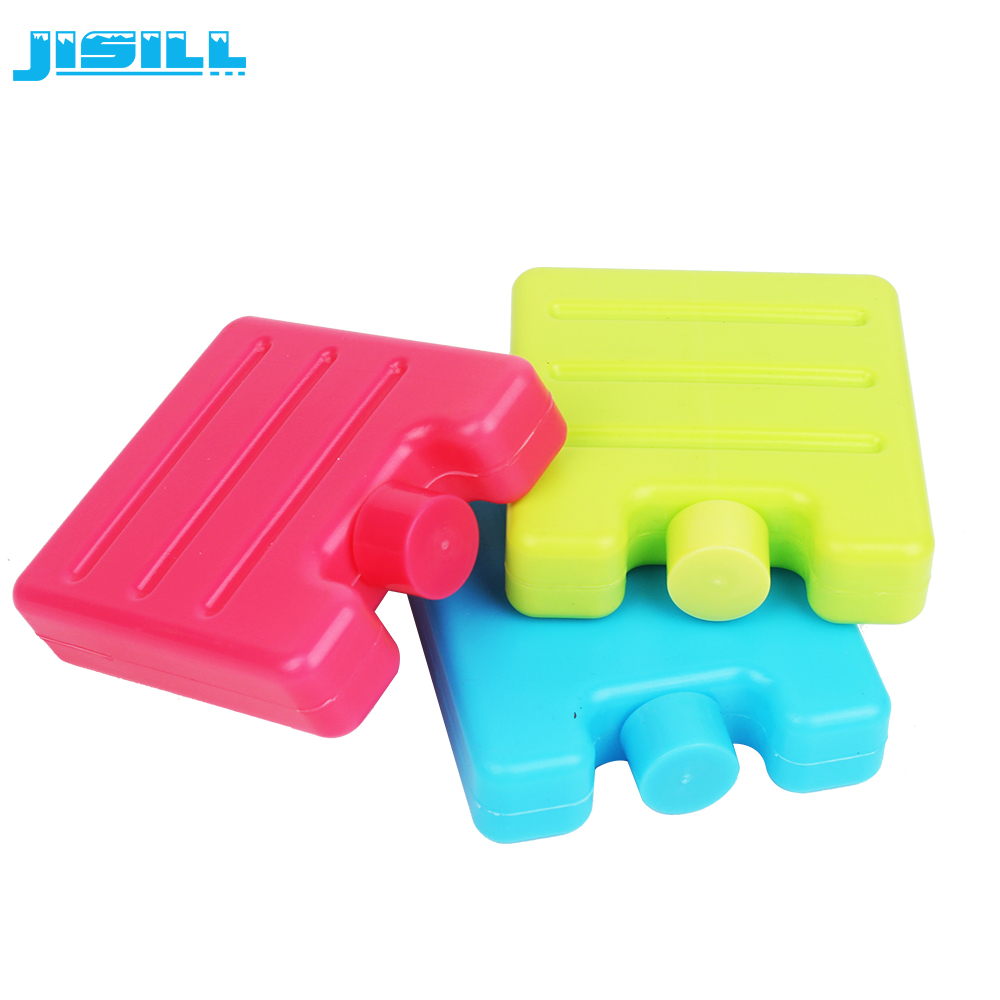
Bulk delivery is quantity-dependent and model-dependent, and the two should be read together. The published window of 7–10 days applies to models including BH014, BH024, BH025, BH047, BH050 and BH128, with the explicit qualifier "according to the order quantity." Model BH065 in the fan ice pack format is quoted at 5–7 days on the same basis.
A shorter window applies where stock or moulds are already in place: BH011, BH055, BH091, BH108 and BH125 are quoted at 2–3 days, while BH066, BH073, BH130, BH142 and BH009 are quoted at 2 days after receiving full payment. Insulated boxes again diverge — 10–15 days for the JS-2.5L and JS-42L units, 7–10 working days for the BWX42L, and 15 working days for the BWX003.
Practical rule for buyers: ask for the bulk window against your specific order quantity, not against the catalogue. A 7–10 day figure quoted for a 2,000-piece order does not automatically hold for a 20,000-piece order, and the fix belongs in the purchase agreement rather than in an email thread.
3. Payment Terms: 30% Advance, 70% on Delivery, Plus Western Union and Paypal
The standard structure quoted across the range is T/T with 30% advance payment and 70% balance payment before delivery, with Western Union and Paypal accepted as alternatives. The company's own FAQ notes that for a first order it prefers T/T or PayPal where the amount is not large, and that D/P, D/A and L/C can also be accepted. Delivery terms are quoted as FOB or CIF, and the published procurement data lists an MOQ of 1,000 pieces.
Minimum order quantity is the one point where published sources differ and buyers should insist on a written confirmation. The procurement data sheet states 1,000 pieces, while the company FAQ describes an MOQ of usually 3,000 pieces for an existing model and recommends more than 5,000 pieces when a new model must be created. The honest reading is that 1,000 pieces is achievable in defined conditions, while a genuinely new tooling or formulation project starts higher. Confirm which case your order falls into before the proforma invoice is issued.
4. Documented Capacity: 3,000 Pieces per Day and 10,000 per Week
Capacity is the question that separates a trading intermediary from a factory, and it is best answered per model. Published supply figures for this range state 3,000 pieces per day for BH125 (breast milk ice pack) and 10,000 pieces per week for BH014 (mini ice pack). The same pattern repeats across the catalogue: BH011, BH091, BH055 and BH108 are quoted at 3,000 pieces per day; BH047, BH050, BH024 and BH128 at 10,000 pieces per week; BH066, BH073, BH130, BH142 and BH009 at 20,000 pieces; and BWX-series insulated boxes at 100 pieces per day.
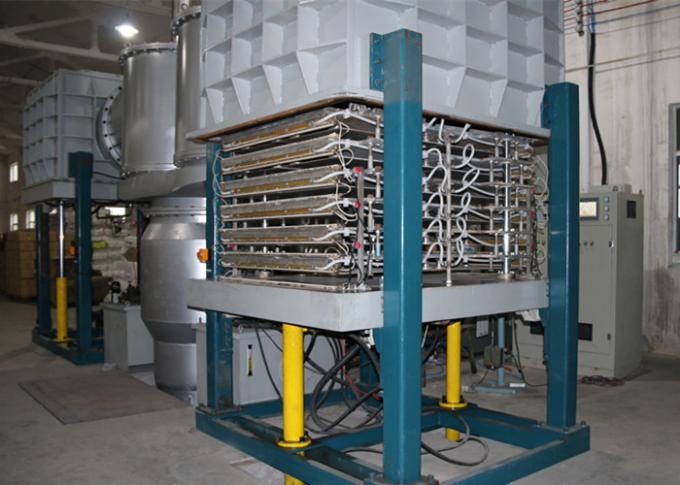
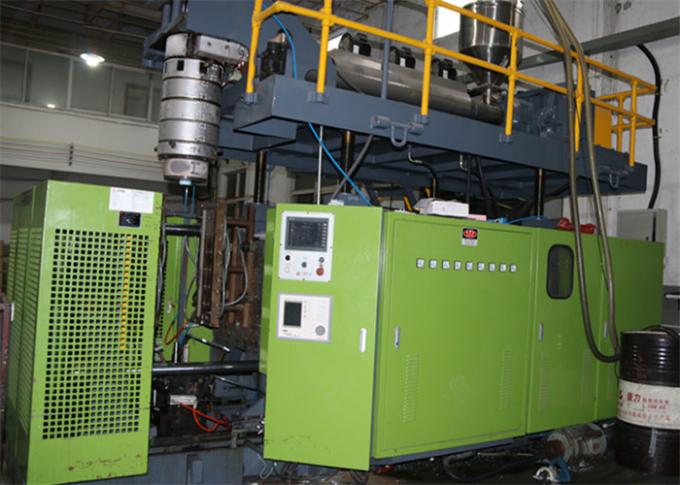
Those ceilings sit inside a wider operating picture: a 40,000 m² factory, 60 employees, an annual output of 620,000 units, a 4-person R&D team, and an export ratio of 70% across North America, South America, Western Europe, Eastern Europe, Eastern Asia and Southeast Asia. Quality control is stated as 100% testing.
5. Acceptance Criteria: Pre-Shipment Test Plus a Model-Level Certificate Set
The stated acceptance criterion is a pre-shipment test, which is the right anchor for a long-term agreement but only works if the buyer defines what is tested and against which document. Certification should be read model by model, because the published sets are not identical across the range.
- BH011, BH091, BH108, BH055 — FDA, SGS, MSDS, CPSIA and CE.
- BH014, BH024, BH025, BH047, BH050, BH128 — FDA, MSDS, CPSIA and Regulation (EU) No. 10/2011.
- BH066, BH073 — FDA, SGS, MSDS, CPSIA and LFGB.
- BH084 — FDA, SGS, MSDS, CPSIA and EU reference.
- BH125 — FDA, SGS, MSDS and CPSIA.
Read the list for what each document actually does. FDA and SGS documentation support entry into U.S.-oriented and general export channels. MSDS provides the material safety profile that carriers and warehouses request. CPSIA matters where packs reach household or child-adjacent consumer channels. Regulation (EU) No. 10/2011 governs plastic materials intended to contact food in the EU. CE marking is relevant where the product is placed on the EU market under an applicable directive. LFGB covers German food-contact requirements. A buyer sourcing a breast milk ice pack and a buyer sourcing a large cooler ice pack for pharmaceutical logistics do not need the same dossier, and treating the certificate list as interchangeable is a common qualification error.
If a shortlisted model is not covered by a published certificate set, request the dossier for that exact model before comparing suppliers. A gap in the published list is a request to verify, not evidence of non-compliance.
6. OEM and ODM: What Can Be Changed, and What It Does to Lead Time
Customization is available through OEM and ODM production, covering shape, temperature grade, color, size and logo. Color matching can be made to PANTONE code or to a buyer's sample, and branding is applied by silk screen printing, offset printing or sticker, selected according to the artwork. Temperature grades across the PCM range span -30°C, -25°C, -15°C, -10°C, -5°C, 0°C, 2–8°C, 18°C and 23°C, which is what allows the same product family to serve vaccine and drug transport at 2–8°C as well as frozen applications.
Three questions should be settled before an OEM program is signed. Which certificates carry over to a customized model, and which require re-issue? Which changes affect the sample and bulk lead time quoted in section 2? And does the customization change the MOQ? Buyers who answer those three questions in writing avoid the most common source of first-year friction in private-label cold chain programs.
7. After-Sales: Turning Remote Support Into a Written Scope
After-sales support is stated as remote support. That is a starting point, not a specification. For a multi-year health and medicine agreement, the buyer should convert it into a defined scope covering: the response window for a quality complaint, how a non-conforming batch is handled, how documents are re-issued when a standard or regulation is updated, how far in advance material or process changes are notified, and who the escalation contact is once the account moves past the first year.
The reason this matters is visible in the longest-running reference case for this product family: a U.S.-based logistics and pharmaceutical transportation client has used phase change material ice plates across temperature ranges from -30°C to 23°C since the start of a six-year implementation, with 1,000,000 pieces deployed and stable operation reported. A relationship of that length is sustained by documentation discipline, not by the original quotation.
Step-by-Step Breakdown: Six Steps Before Signing
- Lock the application and temperature band. Confirm whether the requirement is 2–8°C for vaccines and reagents, a frozen band, or a multi-temperature program. The 2–8°C grade and the -30°C to 23°C PCM range serve different pack-outs and should not be treated as interchangeable.
- Validate samples against your own pack-out. Test the gel ice pack inside the medical cool box or insulated shipper you will actually use, with the real payload. Use the WHO PQS figure of 2–8°C for 48 hours at 43°C ambient as an external benchmark, and record the conditions you tested under.
- Build the model-level certificate dossier. Match each SKU on the shortlist to its published certificate set, and request missing documents explicitly.
- Convert acceptance into a test clause. Turn the pre-shipment test into a written clause naming the model, the test performed, the documents delivered with each batch, and the handling of a failed batch.
- Reconcile capacity with the forecast. Compare your monthly requirement against the daily or weekly ceiling for that specific model, not against the company total.
- Write the OEM and after-sales terms. Record the customization scope, the resulting lead time and MOQ, and the support scope in the same agreement as the commercial terms.
Use Cases: Where These Answers Change the Decision
Vaccine and reagent transfer at 2–8°C. Buyers combining gel ice packs, a medical cool box and a vacuum insulated panel are matching three lead times at once. A 2–3 day pack lead time is meaningless if the box ships in 10–15 days, so the pack-out should be scheduled as a single unit.
Breast milk and maternal health shipping. Model BH125 at 505ml, 21 × 12 × 4.5cm, with a 3,000 piece per day supply figure and FDA, SGS, MSDS and CPSIA documentation, is the format most often specified here. The buyer's real question is not pack size but whether repeated freeze-thaw cycles in a home or clinic setting are covered by the agreed acceptance criteria.
Multi-temperature pharmaceutical logistics. The U.S. reference case — 1,000,000 PCM ice plates across -30°C to 23°C, six years of operation, serving logistics and pharmaceutical transportation — shows why the capacity and after-sales answers matter more than unit price in year one. A program of that scale is a supply continuity decision.
Distributor and private-label programs. A distributor building a branded range across ice brick, ultra thin ice pack, lunch ice packs and large cooler ice packs needs one supplier able to hold certificate coverage across the whole range, and needs the OEM change rules agreed before the first branded carton is printed.
Comparison Table: Documented Model-Level Facts
The table below reproduces only the facts published for each model, so that lead time, supply ability and certificate scope can be compared on the same basis.
| Model | Format | Size / weight | Certificate set (as published) | Sample lead time | Bulk lead time | Supply ability |
|---|---|---|---|---|---|---|
| BH011 | Mini Ice Packs | 10.8 × 5.8 × 2cm; 100g | FDA, SGS, MSDS, CPSIA, CE | 2–3 days | 2–3 days | 3,000 pcs/day |
| BH014 | Mini Ice Packs | 12 × 7.8 × 2cm; 150g | FDA, MSDS, CPSIA, Regulation (EU) No. 10/2011 | Within 2 days | 7–10 days | 10,000 pcs/week |
| BH024 | Lunch Ice Packs | 12.2 × 12.2 × 1.2cm; 130g | FDA, MSDS, CPSIA, Regulation (EU) No. 10/2011 | Within 2 days | 7–10 days | 10,000 sets/week |
| BH047 | Ice Cooler Brick | 23.5 × 19.5 × 3cm; 1,000g | FDA, MSDS, CPSIA, Regulation (EU) No. 10/2011 | Within 2 days | 7–10 days | 10,000 pcs/week |
| BH091 | Ice Cooler Brick (PCM) | 38.5 × 20 × 2cm; 1,200g | FDA, SGS, MSDS, CPSIA, CE | 2–3 days | 2–3 days | 3,000 pcs/day |
| BH108 | Large Cooler Ice Packs | 35 × 22 × 3cm; 1,200g | FDA, SGS, MSDS, CPSIA, CE | 2–3 days | 2–3 days | 1,000 pcs/day |
| BH125 | Breast Milk Ice Pack | 21 × 12 × 4.5cm; 505ml | FDA, SGS, MSDS, CPSIA | 2–3 working days | 2–3 working days | 3,000 pcs/day |
| BH128 | Plastic Ice Packs (PCM) | 18 × 18cm; 350g | FDA, MSDS, CPSIA, Regulation (EU) No. 10/2011 | Within 2 days | 7–10 days | 10,000 pcs/week |
Two patterns are worth noting. Models with the Regulation (EU) No. 10/2011 reference cluster around the 7–10 day bulk window and the 10,000 pieces per week supply figure, while CE-referenced models quoted at 2–3 days cluster at 1,000 to 3,000 pieces per day. Neither pattern is inherently better; they simply require different forecast margins. A buyer planning a vaccine campaign on BH108 at 1,000 pieces per day must size the order cycle accordingly.
FAQ: Long-Term Gel Ice Pack Partnership Questions
Which certifications should a health and medicine buyer verify before signing a long-term gel ice pack agreement?
Verify the certificate set for each specific model, not for the supplier overall. Published sets in this range include FDA, MSDS, CPSIA, SGS, CE, LFGB and Regulation (EU) No. 10/2011, and they differ by model: BH011, BH091, BH108 and BH055 carry FDA, SGS, MSDS, CPSIA and CE; BH014, BH024, BH025, BH047, BH050 and BH128 carry FDA, MSDS, CPSIA and Regulation (EU) No. 10/2011; BH066 and BH073 carry FDA, SGS, MSDS, CPSIA and LFGB; BH125 carries FDA, SGS, MSDS and CPSIA. The stated acceptance criterion is a pre-shipment test, so the agreement should name the test and the documents delivered with each batch.
How much production capacity is documented for ongoing gel ice pack orders?
Capacity is published per model. BH125 is quoted at 3,000 pieces per day and BH014 at 10,000 pieces per week; BH011, BH091, BH055 and BH108 are also quoted at 3,000 pieces per day, while BH047, BH050, BH024 and BH128 are quoted at 10,000 pieces per week. The broader operating picture is a 40,000 m² factory with 60 employees, an annual output of 620,000 units and 100% testing in quality control. Compare your forecast against the ceiling for the specific model you intend to order.
What payment terms and minimum order quantity apply to long-term supply?
The standard structure is T/T with 30% advance payment and 70% balance payment before delivery, with Western Union and Paypal accepted; D/P, D/A and L/C are also noted as acceptable in the company's own FAQ. Delivery terms are quoted FOB or CIF. Published procurement data lists an MOQ of 1,000 pieces, while the company FAQ describes usually 3,000 pieces for an existing model and more than 5,000 pieces when a new model must be created — so the MOQ should be confirmed in writing for the exact model and customization level.
How fast are samples available, and are they free?
Samples are quoted within 2 days for BH014, BH024, BH025, BH047, BH050 and BH128, and at 2–3 working days for BH011, BH055, BH091, BH108 and BH125. Insulated boxes run longer: within 5 days for the JS-2.5L and JS-42L units, 7–10 working days for the BWX42L and 15 working days for the BWX003. Free samples are supplied when the buyer accepts an existing model and requires no printing, with freight paid by the buyer. Printed or fully customized samples should be treated as a separate commercial question.
What is the bulk delivery lead time, and what after-sales support comes with it?
Bulk delivery is 7–10 days depending on order quantity for BH014, BH024, BH025, BH047, BH050 and BH128, and 2–3 days for BH011, BH055, BH091, BH108 and BH125; BH066, BH073, BH130, BH142 and BH009 are quoted at 2 days after receiving full payment. After-sales support is stated as remote support, which a long-term buyer should convert into a written scope covering response windows, non-conforming batch handling, document re-issue when standards change, change notification and escalation contacts. Buyers who want to start that conversation can request the product catalogue and current documentation through the Jisi Cold Chain website at cooler-icepacks.com.
Conclusion: Turn Partnership Questions Into Written Terms
Long-term gel ice pack supply in health and medicine is a documentation decision as much as a product decision. The answers exist and they are specific: samples within 2 days for standard models, bulk delivery of 7–10 days depending on order quantity, T/T at 30% advance and 70% before delivery alongside Western Union and Paypal, 3,000 pieces per day for BH125 and 10,000 pieces per week for BH014, a pre-shipment test as the acceptance criterion, per-model certificate sets spanning FDA, MSDS, CPSIA, SGS, CE, LFGB and Regulation (EU) No. 10/2011, OEM and ODM customization across shape, temperature, color, size and logo, and remote support as the after-sales baseline.
The work that remains is the buyer's: convert each answer into a clause, test samples against the real pack-out, and reconcile capacity against the forecast for the model actually ordered. A supplier that can be held to those seven commitments is a supply partner; a supplier that can only repeat them verbally is a first order waiting to become a second sourcing project.
Next Step: Sample, Quote and Documentation Request
Buyers evaluating a long-term gel ice pack program can request samples, a model-specific quotation and the current certificate dossier for the SKUs on their shortlist. The product catalogue is available for download: Jisi Cold Chain product catalogue (PDF). Company details and contact channels are published at www.cooler-icepacks.com.
Have Questions or Need More Details?
Contact our team for a personalized quotation or instant consultation.
Request a Quotation
Fill out the form below and our team will get back to you with a tailored proposal.
WhatsApp Direct Chat
Prefer to chat in real-time? Message us on WhatsApp for instant assistance & quick answers.
- Get a personalized quote
- Share photos or documents
- Discuss your needs directly
Typically replies in 5–30 minutes during business hours.