
Self-Adhesive PVC Film Compliance Guide: HS Code 39199090 and Acceptance Criteria
A compliance file for self-adhesive PVC film is not one certificate. It is a short, ordered set of documents that lets an importer, specifier or interior contractor prove three things at once: what the film is made of, how the adhesive system is built, and which specification the delivered roll was checked against.
For self-adhesive PVC decorative film supplied by Foshan Nanhai Jiadamei Decoration Material Co., Ltd, the manufacturer behind the Leiyegaoke brand, those anchor points are already fixed by the product data: HS code 39199090, PVC film at 0.16 mm thickness, 1240 mm width, 50 m roll length, a water-based acrylic pressure-sensitive adhesive, and a paper release liner.
Foshan Nanhai Jiadamei Decoration Material Co., Ltd is a manufacturer of self-adhesive PVC decorative films established in 2001 and based in Foshan, Guangdong, China.
This guide is written for the two readers who usually inherit the same problem at the same time: the importer who has to clear and defend the shipment, and the contractor who has to install the film and stand behind the finished surface. It maps the declared product data to the documents a buyer should hold, the checks that belong at goods-in, and the regional questions that only the buyer's own market can answer.
What HS Code 39199090 Actually Classifies
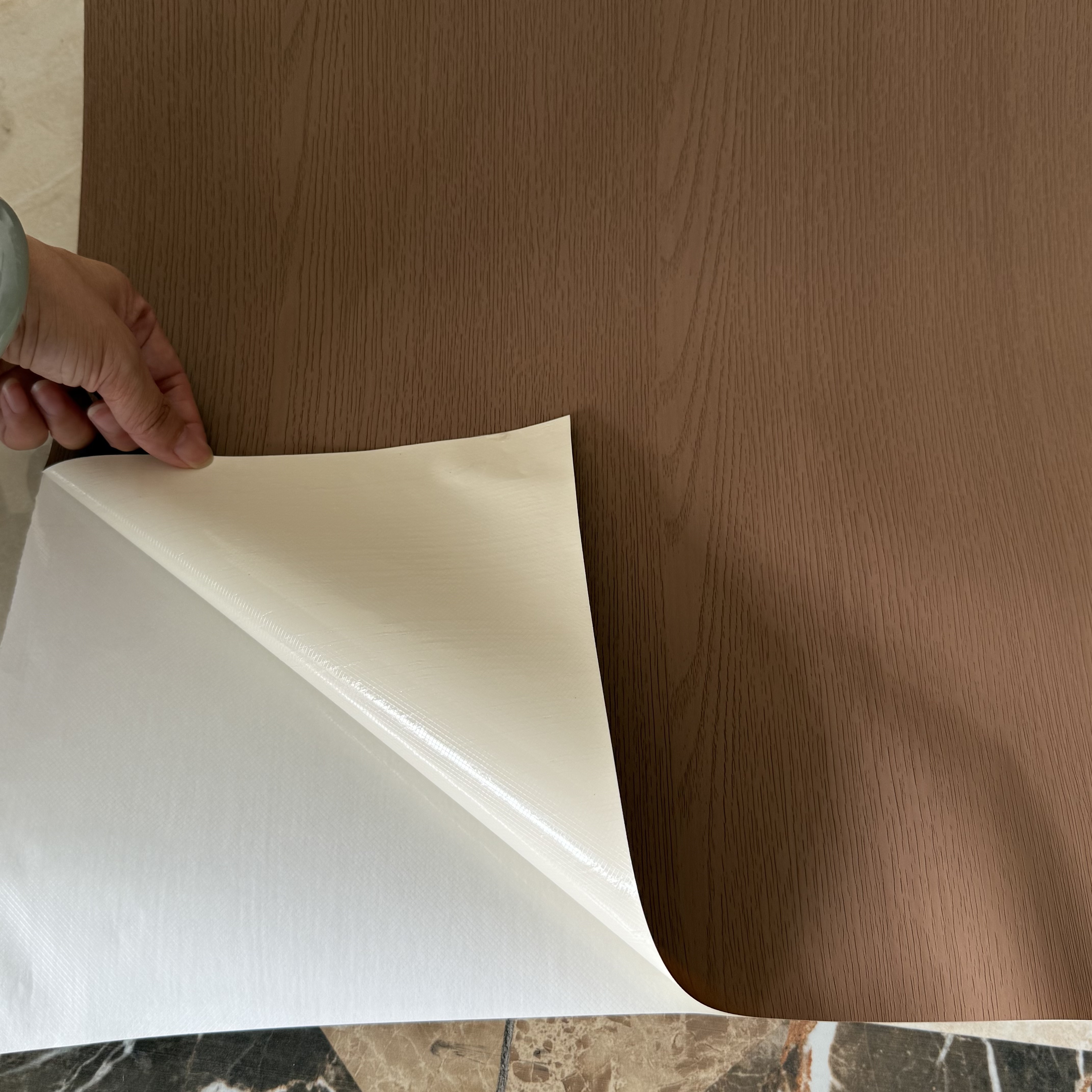
HS code 39199090 is the classification stated for the self-adhesive PVC decorative film across the published series LY1804-LY1869, LG7801-LG7836 and LF6801-LF6830. The number sits inside HS heading 3919, which covers self-adhesive plates, sheets, film, foil, tape and strip of plastics. That is the first detail a buyer should internalise: the code describes a plastic film with an adhesive layer and a release liner, not a decorative product category. The declaration and the supporting paperwork therefore have to agree on the physical build, namely PVC film, adhesive and release paper, before they can agree on anything else.
Trade volume inside that heading is substantial. China's exports under HS 3919 reached an all-time high of RMB 246.296 million in January 2026, according to General Administration of Customs China data published through CEIC. High-volume headings tend to develop uniform documentation expectations, which rewards buyers who prepare a complete file and penalises those who do not.
It is equally important to be clear about what a code does not do. Classification determines duty treatment and admissibility; it says nothing about whether the liner releases cleanly, whether the colour matches the approved sample, or whether the surface resists scratching on a kitchen door. Those are acceptance questions, answered by a different set of documents. Importers who treat the HS code as the whole compliance story usually discover the gap at the first quality dispute.
One boundary worth stating plainly: final classification in the destination market is the importer's responsibility, normally confirmed with a local customs broker. The code stated in a supplier's documentation is the starting point for that confirmation, not a substitute for it.
Why This Paperwork Is Requested More Often
The category behind these checks is growing. The global PVC decorative film market was valued at USD 4.8 billion in 2025 and is projected to reach USD 8.6 billion by 2034, according to Dataintelo's PVC Decorative Film Market Research Report 2034, which also reports a 6.7% CAGR over the forecast period. Growth of that order means more film crossing more borders, and more buyers meeting documentation requests they had not planned for.
Supply is concentrated. Asia Pacific held a 42.3% revenue share of the PVC decorative film market in 2025, and China became the world's largest PVC exporter in 2025, accounting for 24% of total global trade volume, according to International Trader Publications.
Demand is concentrated as well, and it sits in exactly the applications this guide addresses. The furniture sector accounted for approximately 44.6% of total global PVC decorative film consumption in 2025, and wood grain was the largest product segment at 38.4% share. Cabinets, wardrobes, doors and furniture panels are where the film is consumed, which is why the acceptance criteria below are written around roll geometry, adhesive behaviour and surface finish rather than around abstract product claims.
The practical consequence for a procurement or site team is straightforward. When a product is bought in volume, from a concentrated supply base, and installed on surfaces that end customers touch every day, documentation stops being a formality. It becomes the only shared reference point between buyer, supplier, contractor and end client.
The Compliance File: Five Documents an Importer Should Hold
A workable compliance file for self-adhesive PVC decorative film is five documents long. Each one answers a question that would otherwise be answered by argument.
1. Product identification sheet
States the material (PVC / Polyvinyl Chloride), the series code (LY1804-LY1869, LG7801-LG7836 or LF6801-LF6830), the pattern family (wood grain, marble, solid colour, stone, metallic, textile, concrete) and the product category (self-adhesive PVC decorative film). Its purpose is to tie the shipment to a specific, quotable product definition rather than to a trade name.
2. Construction declaration
States the 0.16 mm PVC film, the water-based acrylic pressure-sensitive adhesive, the paper release liner and the finish, which may be matte, glossy, embossed or super matte. This is the line that separates a specified interior film from a generic adhesive sticker, and it is the declaration most often requested when a project carries a technical specification.
3. Dimensional and packing declaration
States 1240 mm width, 50 m roll length, 0.16 mm thickness, packing of 1 roll per carton, and a minimum order quantity of 1 roll per colour. Goods-in verification is impossible without a stated baseline, so this document converts an assumption into a check.
4. Standard and compliance references
Includes ASTM D1593, the standard specification for nonrigid vinyl chloride plastic film and sheeting, which evaluates tensile strength and elongation; the manufacturer's stated compliance with relevant international requirements including REACH and RoHS; and, where a project specification names a fire class, the relevant classification report. Films in this category can be qualified to a B1 flame-retardant classification under GB 8624, a recognised safety standard for interior decoration reported by suppliers in the sector. That classification belongs to a specific film build, so the report must match the exact construction and thickness being purchased; a catalogue-level statement is not a substitute.
5. Commercial and customisation record
Records the OEM/ODM scope: customised colours, patterns, thicknesses, roll sizes, adhesives, release papers, labels, cartons and private-label packaging, with adhesive strength customisable according to the intended application. This document matters because it locks the agreement about what will actually be produced before production begins.
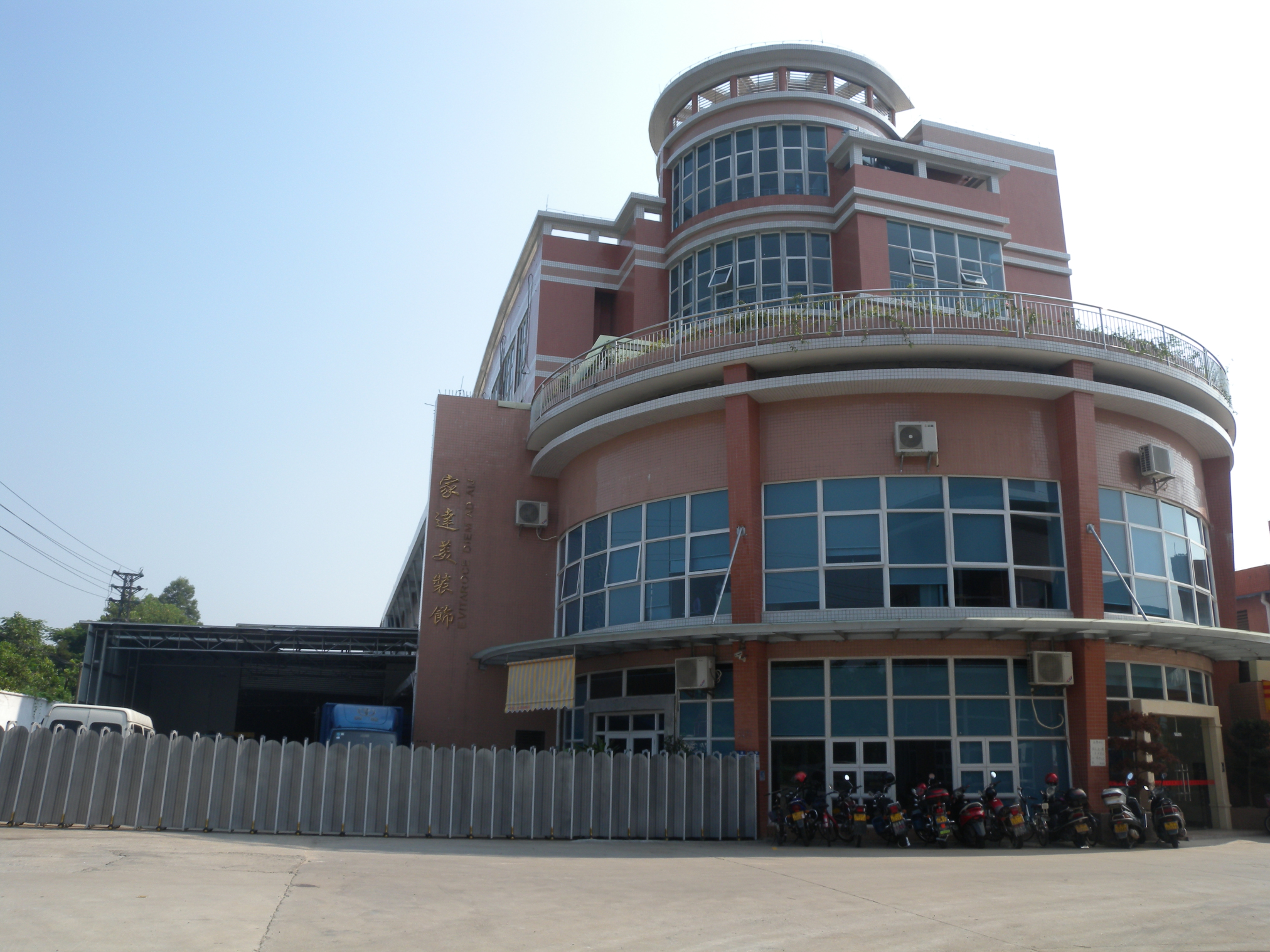
Behind those five documents sits a manufacturing fact worth knowing when assessing how reliable the paperwork is likely to be. The manufacturer operates two adhesive coating lines and an integrated production system covering PVC film production, printing, laminating, adhesive coating, slitting, inspection and packaging, with quality control applied from raw-material inspection and colour matching through coating, finished-product inspection and final packing. Capacity stands at 15,000,000 metres of self-adhesive PVC decorative film per year from a 12,000 square metre facility, supported by a five-engineer R&D team, with export business accounting for 80% of sales and major markets including Europe, South America, the Middle East and CIS countries. Integrated lines are not a guarantee of compliance, but they do mean the specification data on the sheet was generated by the same process that produced the roll. Product data for the range is published at www.leiyegaoke.com.
Step-by-Step: Building the Goods-In Acceptance Check
Acceptance is a sequence, not a single inspection. The seven steps below are ordered so that each one is cheap to complete and rules out a failure mode that is expensive to fix after installation.
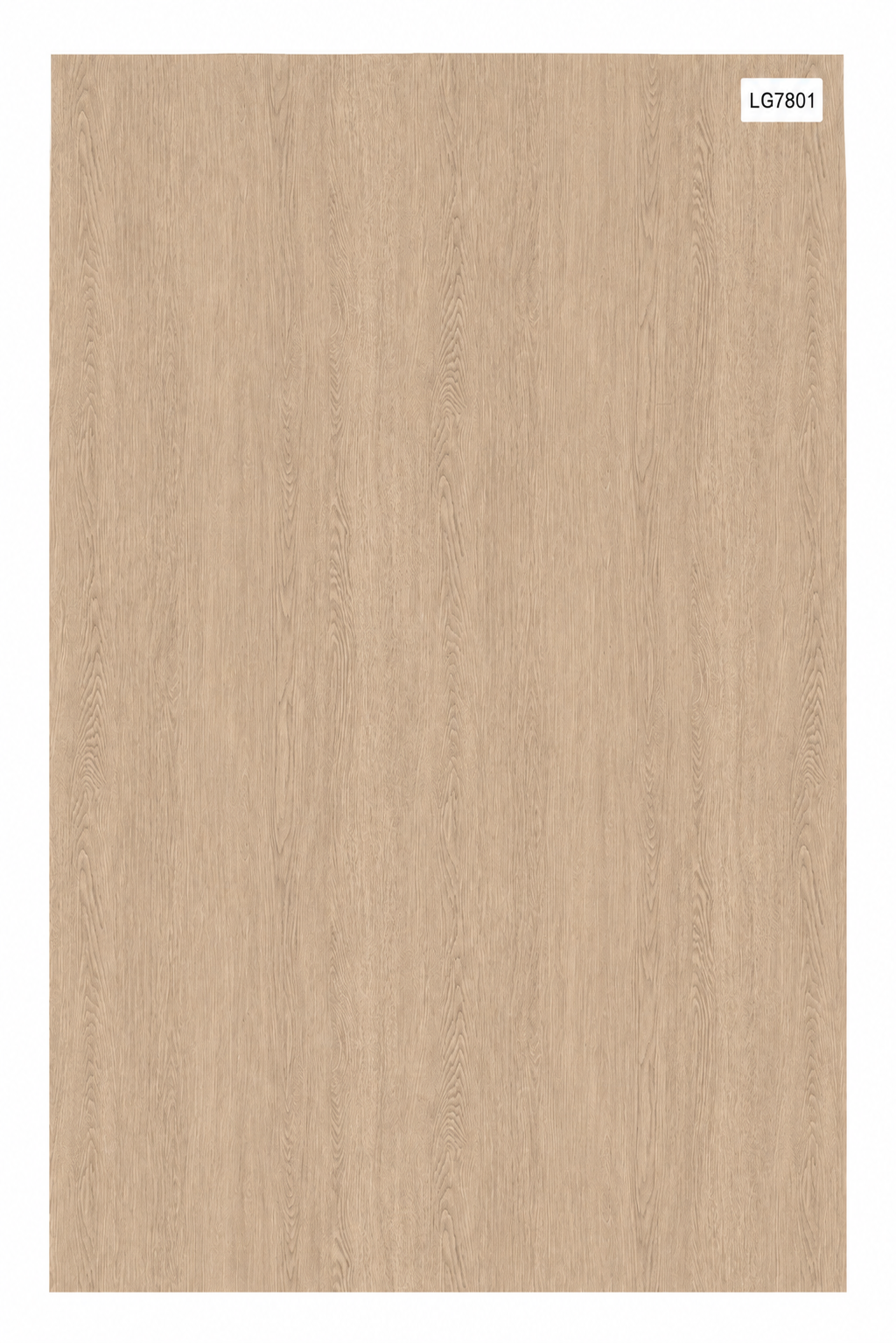
- Reconcile the model code first. Compare the code on the carton label with the purchase order and the identification sheet. A shipment of LG7801-LG7836 arriving described as an unrelated series is a paperwork correction at goods-in, and a project delay if it is discovered after installation.
- Measure the roll, not the sample. Confirm 1240 mm width, 50 m roll length and 0.16 mm thickness on the delivered rolls.
- Inspect the release liner and adhesive. Confirm the paper release liner and the water-based acrylic pressure-sensitive adhesive. The liner should release without tearing and without leaving adhesive residue.
- Compare finish and colour against the approved sample. Finish, whether matte, glossy, embossed or super matte, and pattern should be assessed under the same lighting conditions as the approved sample.
- Check packing integrity. With 1 roll per carton, look for crushed cores, edge damage and rolls stored on their side without support.
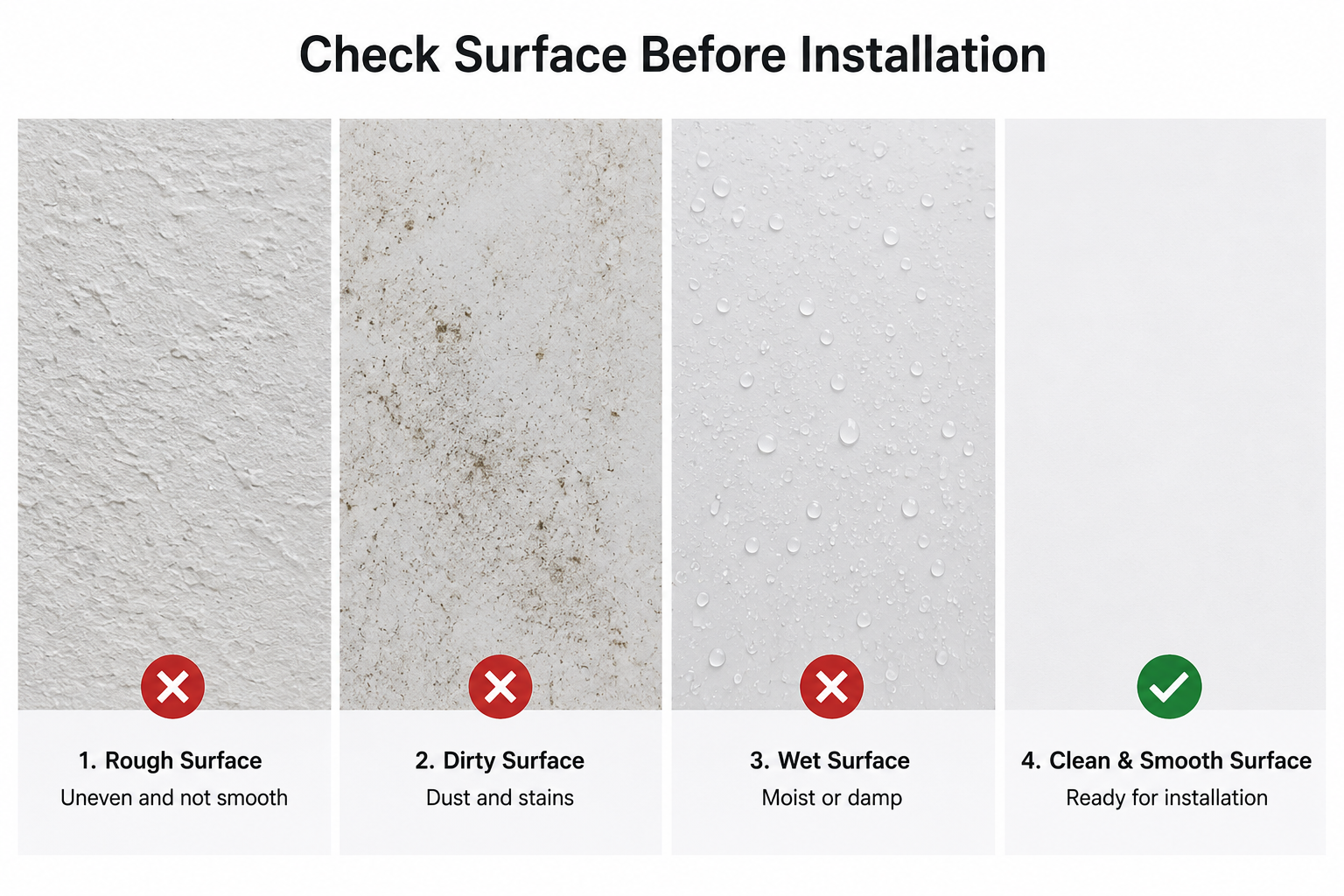
- Verify substrate readiness before installation, not after. The recommended substrate is smooth, clean, dry and stable: furniture panels, cabinets, doors, metal, glass and other properly prepared interior surfaces. Rough, dusty, oily, damp or unstable surfaces reduce adhesion and can produce bubbling, edge lifting, peeling or an uneven appearance. Where the substrate is uncertain, test a small area first.
- Record and archive. Photograph the roll, the label, the measured dimensions and the finish beside the approved sample. Six months later, that archive answers the question nobody wants to reopen.
| Checkpoint | Stated specification | Acceptance method |
|---|---|---|
| Model / series | LY1804-LY1869, LG7801-LG7836, LF6801-LF6830 | Compare carton label with purchase order and identification sheet |
| Material | PVC (Polyvinyl Chloride) | Confirm the construction declaration matches the delivered goods |
| Thickness | 0.16 mm | Measure the delivered roll with a calibrated gauge |
| Width | 1240 mm | Measure across the roll face |
| Roll length | 50 m per roll | Verify roll count against the declared length and order quantity |
| Adhesive | Water-based acrylic pressure-sensitive adhesive | Check liner release behaviour and residual tack on a test strip |
| Backing | Paper release liner | Inspect for tearing, wrinkling or adhesive transfer |
| Finish | Matte, glossy, embossed or super matte | Compare with the approved sample under consistent lighting |
| Pattern | Wood grain, marble, solid colour, stone, metallic, textile, concrete | Compare with the approved sample; check colour consistency across the roll |
| Packing | 1 roll per carton | Inspect cores and roll edges before storage |
| MOQ | 1 roll per colour | Confirm order confirmation against the purchase order |
| HS code | 39199090 | Confirm commercial invoice and declaration are consistent |
Regional Requirements: Items to Verify Locally, Not Assume
This is the part of a compliance file where supplier documentation can only take a buyer so far. Film construction is controlled by the manufacturer; project acceptance is controlled by the market where the film is installed. Treat the following as questions for your own testing partner or customs broker, not as claims that travel automatically with a roll.
- Fire performance. Where a project specification names a fire class, request the test report for the exact film build being supplied. Films in this category can be qualified to a B1 flame-retardant classification under GB 8624, but that result belongs to the construction that was tested, not to every film in a catalogue.
- Mechanical properties. ASTM D1593 covers tensile strength and elongation of nonrigid vinyl chloride film and sheeting. If your specification references ASTM methods, ask for results on the construction you are buying.
- Chemical compliance. The manufacturer states that its products comply with relevant international requirements including REACH and RoHS. Check that the declaration you receive names the product and the market it is intended for.
- Labelling and packaging. OEM/ODM labels, cartons and private-label packaging are available. Confirm that the artwork you approve satisfies your own market's labelling rules before it goes to print.
- Interior air and VOC requirements. These vary by market and project type. Verify them locally with an accredited testing body; do not assume a supplier statement covers them.
Use Cases: Where the Same Specification Has to Hold Up
The same declared data supports several interior applications, but each one stresses a different part of the specification. A buyer assembling a compliance file should know which property is load-bearing in each scenario.
Cabinet wrap PVC film
Kitchen cabinet doors, panels and wardrobe fronts are the most common use. The film performs best on smooth, clean, dry and stable surfaces such as painted wood, sealed MDF, metal and properly finished furniture panels, and it refreshes the appearance without replacing the cabinet. Thickness consistency and adhesion matter most here, because doors are opened and wiped constantly.
Bathroom waterproof PVC film
The PVC surface is water-resistant and easy to clean, which suits normal bathroom use. The boundary condition matters: edges, joints and the underlying substrate should not be continuously exposed to water or excessive moisture. Joint sealing is an installation decision, and it belongs in the acceptance checklist alongside the film specification.
Furniture renovation PVC film
Furniture renovation, door resurfacing and wall applications rely on the film's flexibility and ease of cutting. Wood grain finishes dominate this work, which is consistent with wood grain holding the largest share of the decorative film market at 38.4%.
Commercial interior renovation PVC decorative film
Hotel renovation, office renovation, retail store decoration and commercial space renovation raise the stakes on finish consistency and cleaning. In these projects, colour consistency across multiple rolls is a specification requirement rather than a preference, and the cleaning protocol should be agreed in writing with the facilities team before handover.
Finish selection and maintenance
Wood grain and marble grain finishes carry the visual load in most interior projects; the marble grain range offers a realistic marble appearance as a cost-effective alternative to real marble, and it is flexible, easy to cut, well bonded and waterproof. Solid colour and super matte finishes suit flatter, more architectural interiors, while a scratch-resistant surface is the practical choice for high-touch areas such as door edges, handles and kickboards.
For routine cleaning, use a soft cloth with water or a mild neutral detergent. Remove loose dust with a dry cloth first, wipe normal marks with a soft damp cloth, treat grease with diluted mild neutral detergent, then wipe again with a clean damp cloth and dry the surface. Test any unfamiliar cleaning product on a small hidden area before applying it to a visible face; this single habit prevents most finish complaints.
Installation equipment is simple and standard: utility knife, squeegee, heat gun, measuring tape, ruler, surface cleaning tools, edge trimming tools and an application roller. Applying the film gradually while removing the release liner step by step, and pushing trapped air out with the squeegee, remains the primary method for a bubble-free result. Where a project allows, ask whether a film build with an air-release adhesive structure is available, since that structure is designed to let trapped air escape more easily during installation; if it is not available, the gradual squeegee method is the control.
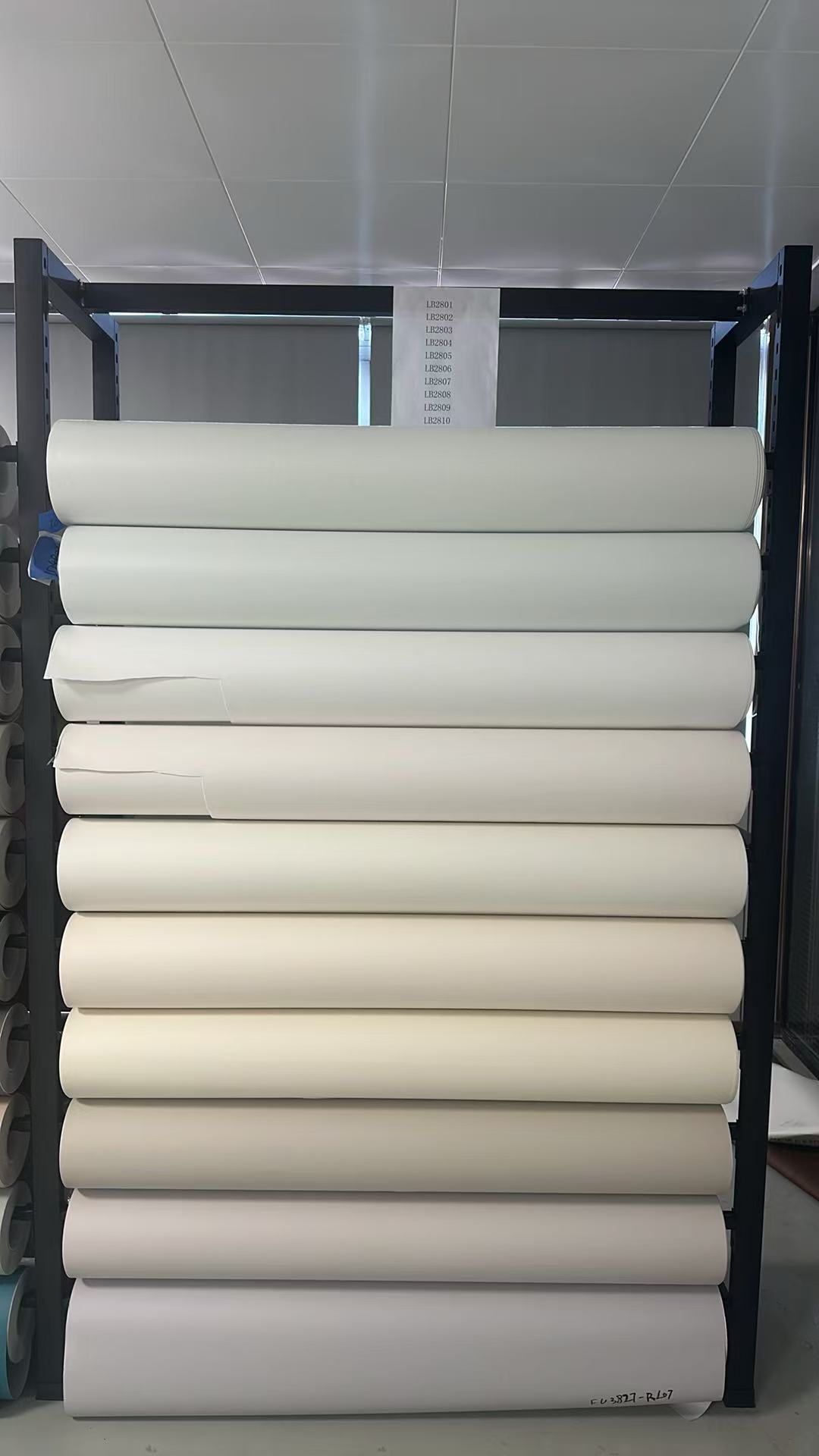
Supplier Claim vs. Documentary Evidence vs. Goods-In Check
The same specification can arrive in three different forms, and buyers often accept the weakest one. The table below separates what is usually said, what should be written, and what should be measured.
| Element | Verbal claim | Documentary evidence to request | Goods-in check |
|---|---|---|---|
| Construction | PVC film with acrylic adhesive | Construction declaration naming PVC, water-based acrylic pressure-sensitive adhesive and paper release liner | Confirm the declaration matches the delivered rolls |
| Dimensions | Standard roll | Dimensional declaration: 0.16 mm x 1240 mm x 50 m | Measure thickness, width and roll length |
| Finish | Same as the sample | Finish stated as matte, glossy, embossed or super matte, with approved sample reference | Compare finish and colour to the approved sample |
| Fire class (if specified) | Fireproof film | Classification report for the exact construction, for example a GB 8624 B1 result | Match the report reference to the model code on the carton |
| Chemical compliance | Environmentally friendly | Statement covering REACH and RoHS for the named product | Confirm the product and market named on the statement |
| Customisation | We can customise | Written OEM/ODM scope: colours, patterns, thickness, roll size, adhesive, release paper, labels, cartons | Check the first production roll against the approved specification |
| Order terms | Flexible MOQ | Order confirmation stating 1 roll per colour and 1 roll per carton | Count rolls and cartons against the packing list |
Frequently Asked Questions
Which documents should arrive with a self-adhesive PVC film order?
Five documents: a product identification sheet covering material, series code and pattern family; a construction declaration covering the 0.16 mm PVC film, water-based acrylic pressure-sensitive adhesive, paper release liner and finish; a dimensional and packing declaration covering 1240 mm x 50 m per roll and 1 roll per carton; standard and compliance references such as ASTM D1593 and the manufacturer's REACH and RoHS statements; and a commercial record covering OEM/ODM scope and minimum order quantity. A file missing any of the five leaves a gap that typically surfaces during customs clearance or at the first quality discussion.
Is HS code 39199090 the correct classification for self-adhesive PVC decorative film?
HS code 39199090 is the code stated for the self-adhesive PVC decorative film in the LY1804-LY1869, LG7801-LG7836 and LF6801-LF6830 series. It falls under HS heading 3919, which covers self-adhesive plates, sheets, film, foil, tape and strip of plastics. Final classification is confirmed by the importer in the destination market, normally with a customs broker, before or at the time of declaration.
Can the film be produced as an OEM or private-label programme?
Yes. OEM and ODM services cover customised colours, patterns, thicknesses, roll sizes, adhesives, release papers, labels, cartons and private-label packaging, and adhesive strength is customisable according to the intended application. Because these variables are agreed before production rather than after, they belong in the same document as the dimensional specification.
What is the minimum order quantity, and how is the film packed?
The stated minimum order quantity is 1 roll per colour, and the film is packed 1 roll per carton. A low per-colour minimum is useful for importers and contractors who need to validate several finishes, such as wood grain, marble grain and solid colour, before committing to a full project order.
How can I validate the film before committing to a project?
Request a sample and test it on a representative substrate first. The manufacturer provides support from product selection and sampling through order production, quality inspection, documentation and shipment. A practical validation covers three things: colour and finish against the approved sample, adhesion on the actual substrate after proper cleaning, and behaviour at edges and joints. Sample requests and quotations can be sent to office@jiadamei.com or WhatsApp +86 13420779866.
Conclusion
Compliance for self-adhesive PVC film is a documentation problem before it becomes a quality problem. The declared data is short: HS code 39199090, PVC film, 0.16 mm thickness, 1240 mm width, 50 m roll length, water-based acrylic pressure-sensitive adhesive, paper release liner, finishes from matte to super matte, a minimum order of 1 roll per colour, and 1 roll per carton packing.
Convert that data into five documents, apply the seven goods-in checks, and confirm fire, mechanical, chemical and labelling requirements in your own market rather than assuming they travel with the shipment. Buyers who work this way rarely win arguments about film quality, largely because they rarely have them. The film itself is available in wood grain, marble, solid colour, stone, metallic, textile and concrete patterns for cabinet, bathroom, furniture and commercial interior applications.
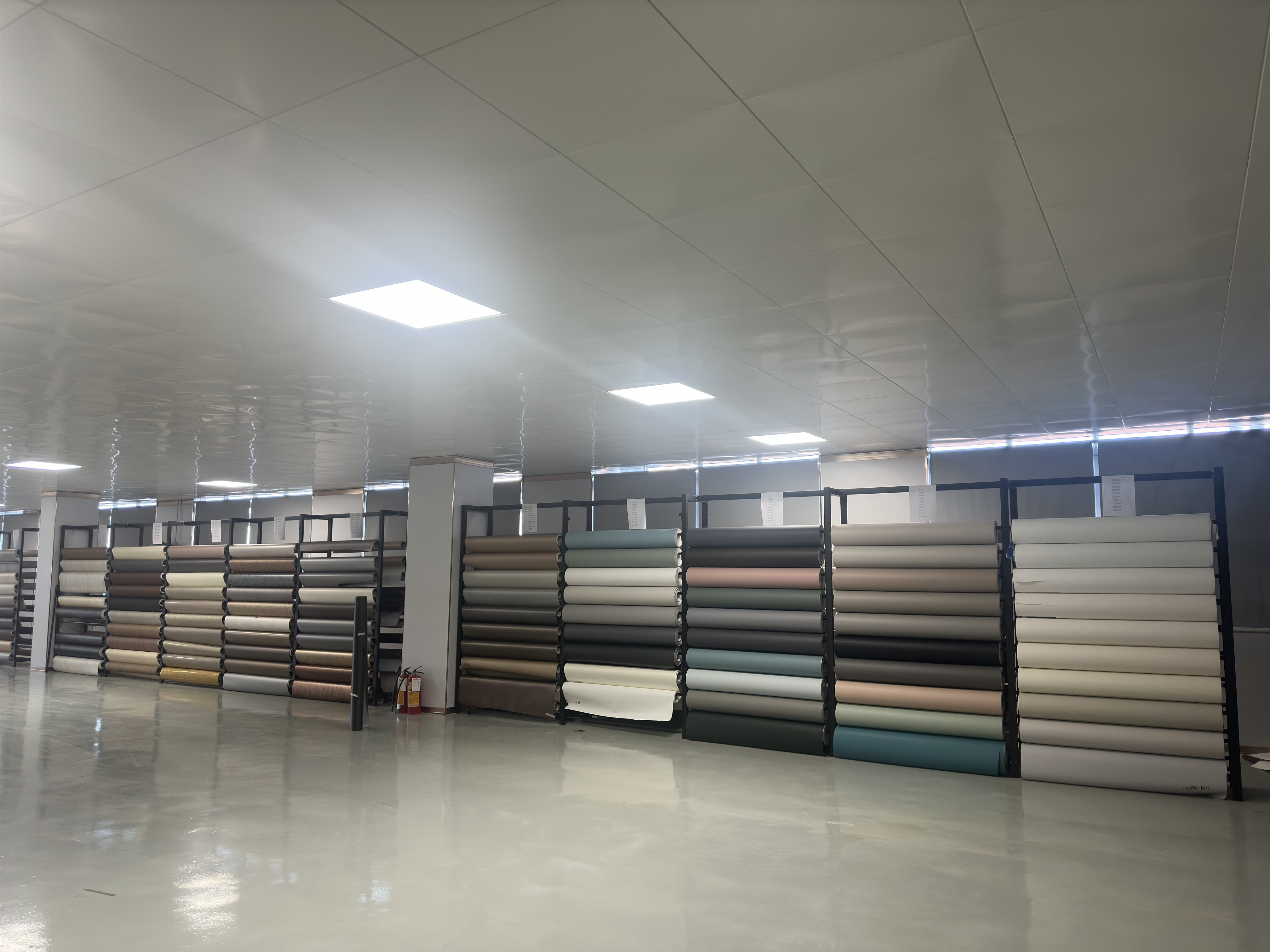
Build the File Before You Build the Project
Leiyegaoke (Foshan Nanhai Jiadamei Decoration Material Co., Ltd) has manufactured self-adhesive PVC decorative film since 2001, supplying wood grain, marble, solid colour, stone, metallic, textile and concrete patterns in 0.16 mm x 1240 mm x 50 m rolls, with OEM/ODM customisation and a minimum order quantity of 1 roll per colour.
Request a sample, a specification sheet or a quotation for your next interior renovation project: www.leiyegaoke.com - office@jiadamei.com - WhatsApp +86 13420779866
Have Questions or Need More Details?
Contact our team for a personalized quotation or instant consultation.
Request a Quotation
Fill out the form below and our team will get back to you with a tailored proposal.
WhatsApp Direct Chat
Prefer to chat in real-time? Message us on WhatsApp for instant assistance & quick answers.
- Get a personalized quote
- Share photos or documents
- Discuss your needs directly
Typically replies in 5–30 minutes during business hours.