Supplier Evaluation for Self-Adhesive PVC Film: Verifying Capability and Delivery
Evaluating a self-adhesive PVC film supplier is a documentation exercise before it is a price negotiation. The workable method is to test every claim against four areas that can be verified in writing: the supplier's real production capability for the exact model range you intend to order, the minimum order and customization terms, the delivery commitment expressed as lead time and monthly capacity, and current compliance evidence tied to the specific film series being purchased. When those four blocks hold, a shortlist becomes comparable; when they do not, the comparison is being made between brochures.
This guide is written for importers, distributors, cabinet and furniture manufacturers, renovation contractors, and project specifiers who buy self-adhesive PVC decorative film for cabinet wrap, furniture refacing, bathroom surfaces, and commercial interior renovation. The reference values used below are documented company, product, and test facts that a buyer can request in writing, which is exactly what makes them useful for evaluation.
The reference manufacturer used for illustration throughout this article is Leiyegaoke, the brand of Foshan Nanhai Jiadamei Decoration Material Co., Ltd — a manufacturer of self-adhesive PVC decorative film founded in 2001, based in Foshan, Guangdong, China, exporting to Europe, the Middle East, Southeast Asia, Russia, Africa, and North America. Its documented figures are used here as a worked example of what a verifiable answer looks like, not as a substitute for checking your own candidates.
The Evaluation Problem: Claims That Do Not Survive a Purchase Order
Most supplier problems in this category are not quality catastrophes. They are mismatches between what was agreed verbally and what the purchase order actually specifies. Three failure modes repeat across interior decoration film sourcing.
1. Finish and model drift
A supplier sends photographs of marble grain film, and the buyer assumes the ordered models will look the same. Because decorative film is produced by printing a pattern onto a PVC base and then coating adhesive, small differences in pattern registration, gloss level, and colour batch can change the appearance on a finished cabinet door. The only reliable defence is a written model list — the specific model numbers within a series, not a general description of the finish.
2. Capability ambiguity
Some suppliers coat adhesive onto film printed by someone else; others print, laminate, coat, slit, inspect, and pack inside one plant. Both business models can deliver acceptable film, but the control levers are different, and the buyer deserves to know which one they are dealing with. Whether the supplier controls colour consistency, thickness tolerance, and adhesive performance in-house is a capability question, not a price question.
3. Delivery slippage
A lead time quoted as a rough estimate cannot be planned against. Delivery reliability becomes verifiable only when it is expressed as two numbers that can be checked: the stated lead time in days and the monthly capacity behind it. Without both, a distributor's reorder schedule and a contractor's installation date are being built on goodwill.
A fourth, quieter failure mode sits underneath all three: a test report exists, but it does not cover the model being ordered. Compliance documents are only useful when their scope matches the product on the purchase order.
Industry Background: Why Documented Comparison Now Matters
The self-adhesive and PVC decorative film category is large, geographically concentrated, and still expanding, which is precisely why buyer-side verification has become the differentiator rather than product availability.
- The global PVC decorative film market was valued at USD 4.8 billion in 2025 and is projected to reach USD 8.6 billion by 2034, a CAGR of 6.7% (Dataintelo, PVC Decorative Film Market Research Report 2034).
- Asia Pacific held a 42.3% revenue share of that market in 2025 (Dataintelo).
- Wood grain was the largest product segment at 38.4% share in 2025, and the furniture sector accounted for approximately 44.6% of global PVC decorative film consumption in the same year (Dataintelo).
- China became the world's largest PVC exporter in 2025, accounting for 24% of total global trade volume (International Trader Publications).
- China's exports under HS 3919 — self-adhesive plates, sheets, film, foil, tape, and strip of plastics — reached an all-time monthly high of RMB 246.296 million in January 2026 (General Administration of Customs China, reported via CEIC).
For a buyer at the evaluation stage, the practical reading of these figures is simple: supply is abundant, so the shortlist will never be limited by availability. It will be limited by which suppliers can prove, in documents, that a given model range, thickness, adhesive system, and delivery window are under their own control. That is the basis on which an interior renovation film programme should be scored.
The Four-Block Verification Framework
A supplier evaluation for self-adhesive PVC film is complete when four blocks have been answered with documents. Each block maps to a request you can put in an email today.
Block 1 — Production capability for the specific product type
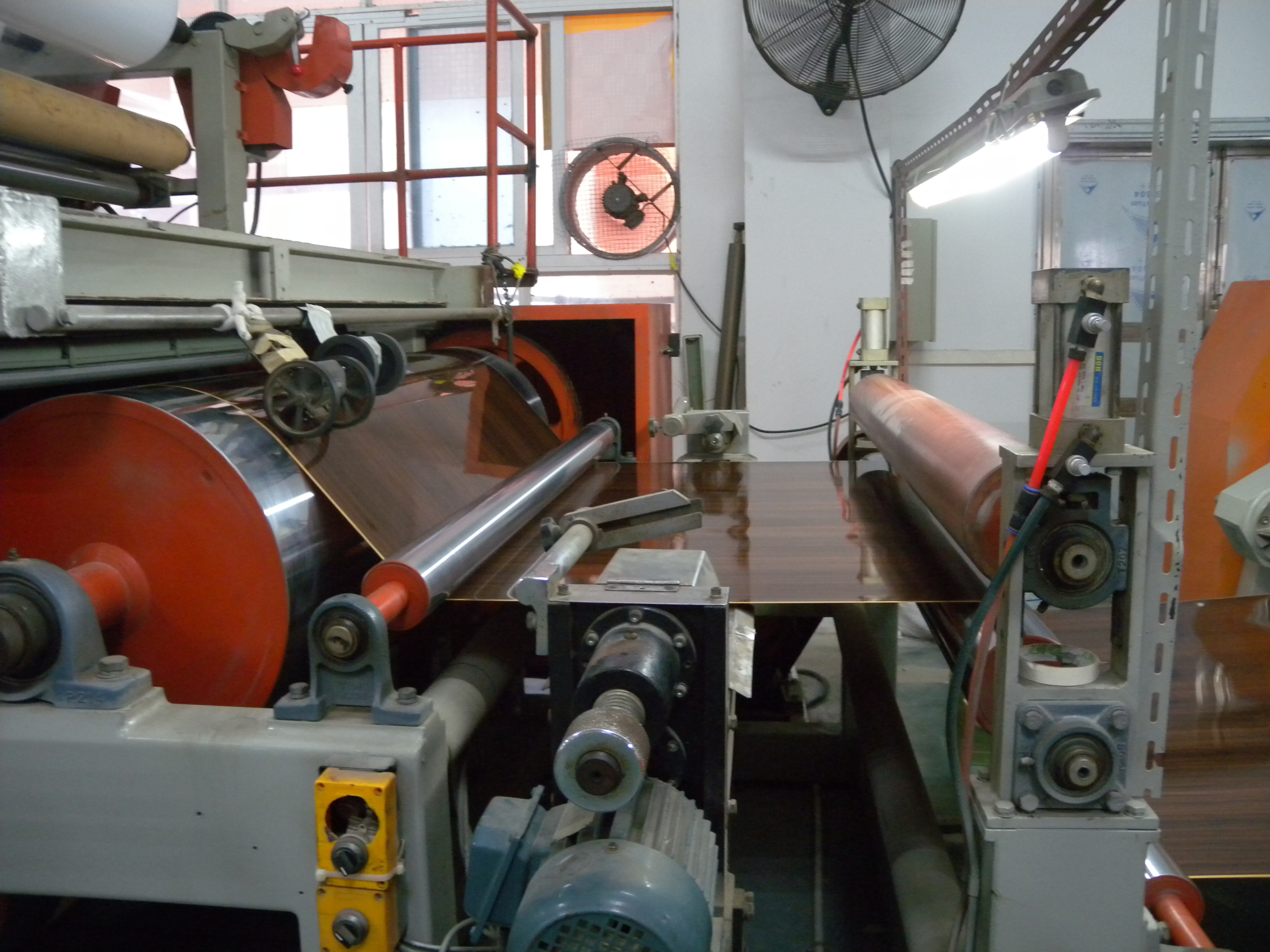
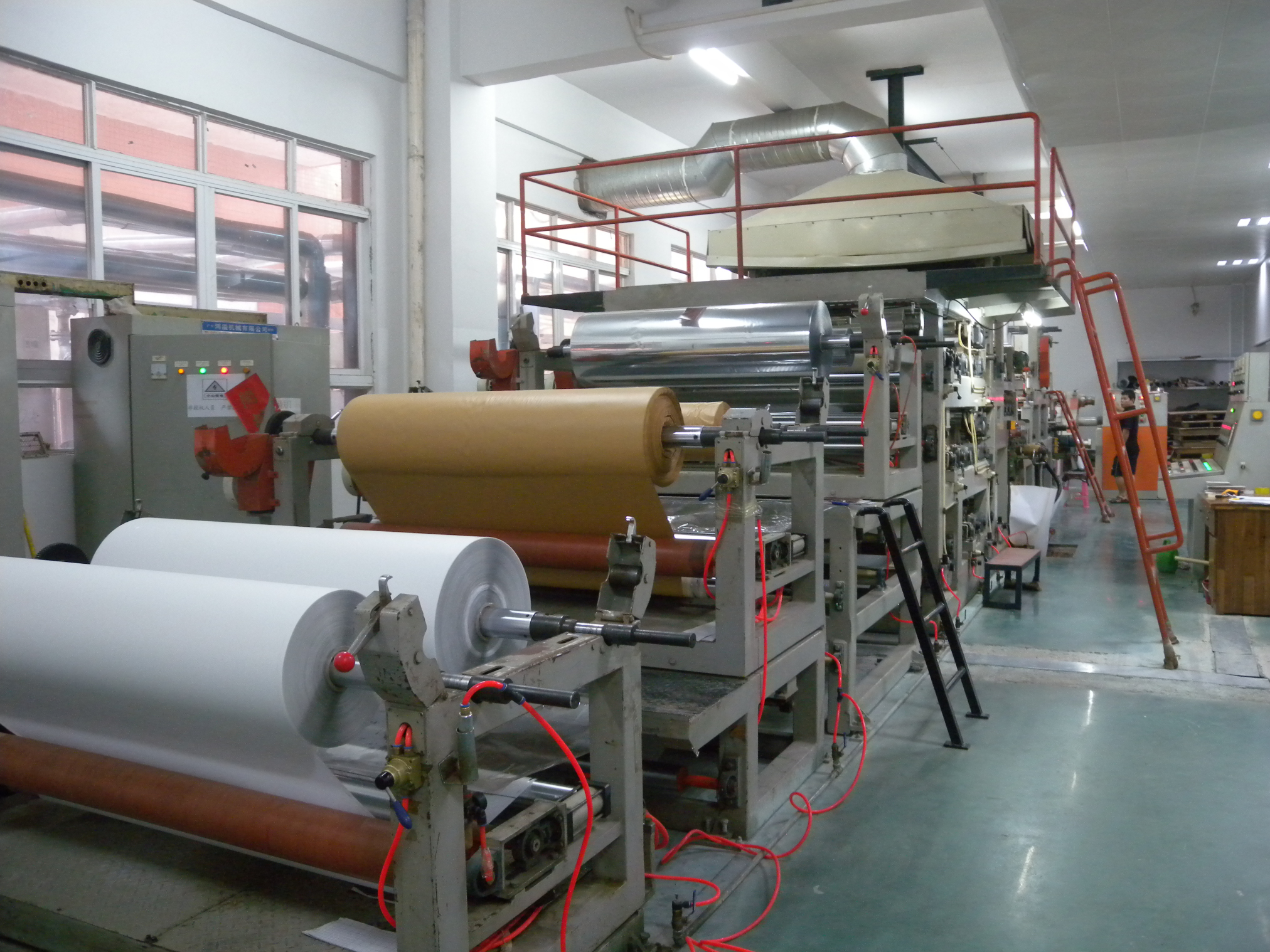
Capability should be verified at the level of the production system, not the sales description. Ask which process steps happen inside the plant. In an integrated operation, the documented scope typically covers PVC film production, printing, laminating, adhesive coating, slitting, inspection, and packaging, supported by adhesive coating lines and a quality function that inspects from raw material through final packing.
For reference, the Leiyegaoke operation documents a 12,000 m² factory, two adhesive coating lines, an integrated production system covering those seven steps, a five-engineer R&D team, a monthly capacity of 120,000 meters, and 100% testing for quality control. It also provides after-sales consultation after delivery. Each of these is a checkable statement: factory area, line count, capacity figure, and inspection regime can all be requested as a written confirmation attached to the quotation.
Block 2 — Model range and finish mapping
Decorative film is bought by model, not by category. A supplier that offers marble grain should be able to state which model numbers within that finish it produces and holds documentation for. The same applies to wood grain, solid colour, and matte or anti-scratch surfaces. If the model numbers on the quotation cannot be matched to a documented range, the finish on delivery is effectively unverified.
Block 3 — MOQ, customization, and delivery terms
Commercial terms belong in the evaluation, not in the negotiation that follows it. Three items decide whether a supplier fits a distributor's or a project buyer's purchasing pattern: the minimum order quantity per colour, the depth of OEM/ODM customization, and the lead time the supplier will commit to in writing.
The documented reference terms are: MOQ of one roll per colour for stock colours, and 3,000 meters per colour for custom colours; OEM/ODM support covering custom colours, custom patterns, sample-based customization, custom sizes, custom thickness, surface finish customization, custom logo, labels, packaging, and cartons; and a lead time of 20–25 days. Export experience spanning the EU, USA, and Middle East, and markets including Europe, South America, the Middle East, and CIS countries, indicates that documentation and shipping routines are already in place.
Block 4 — Compliance evidence matched to the ordered film
A compliance document is only meaningful when its scope covers the product being bought. Two reports are relevant for European-facing interior decoration buyers.
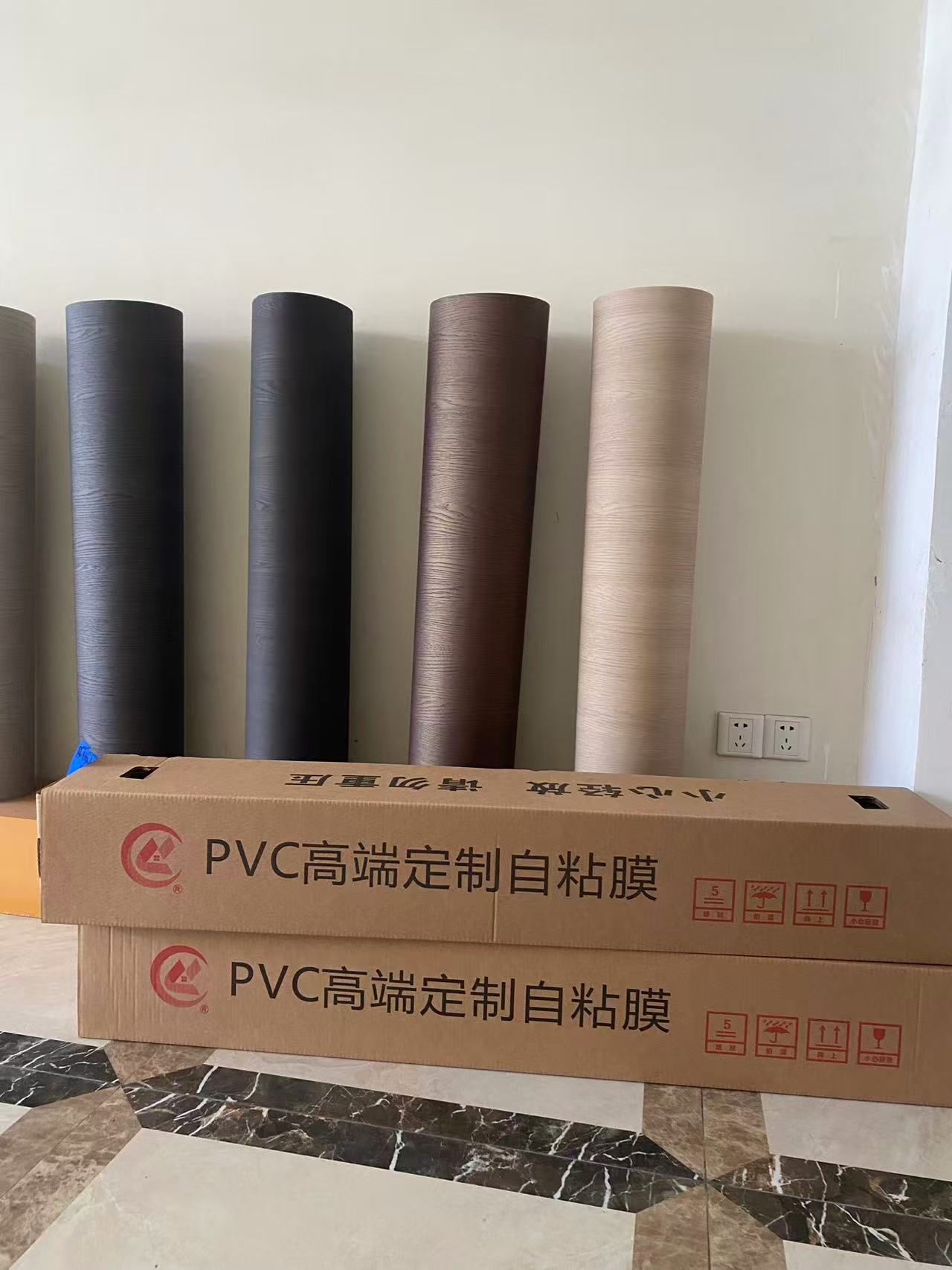
- REACH SVHC test report CANEC26026322901, issued 2026-09-18 by SGS-CSTC Standards Technical Services Co., Ltd. Guangzhou Branch, covering a 253 SVHC screening of self-adhesive PVC decorative film under Regulation (EC) No. 1907/2006.
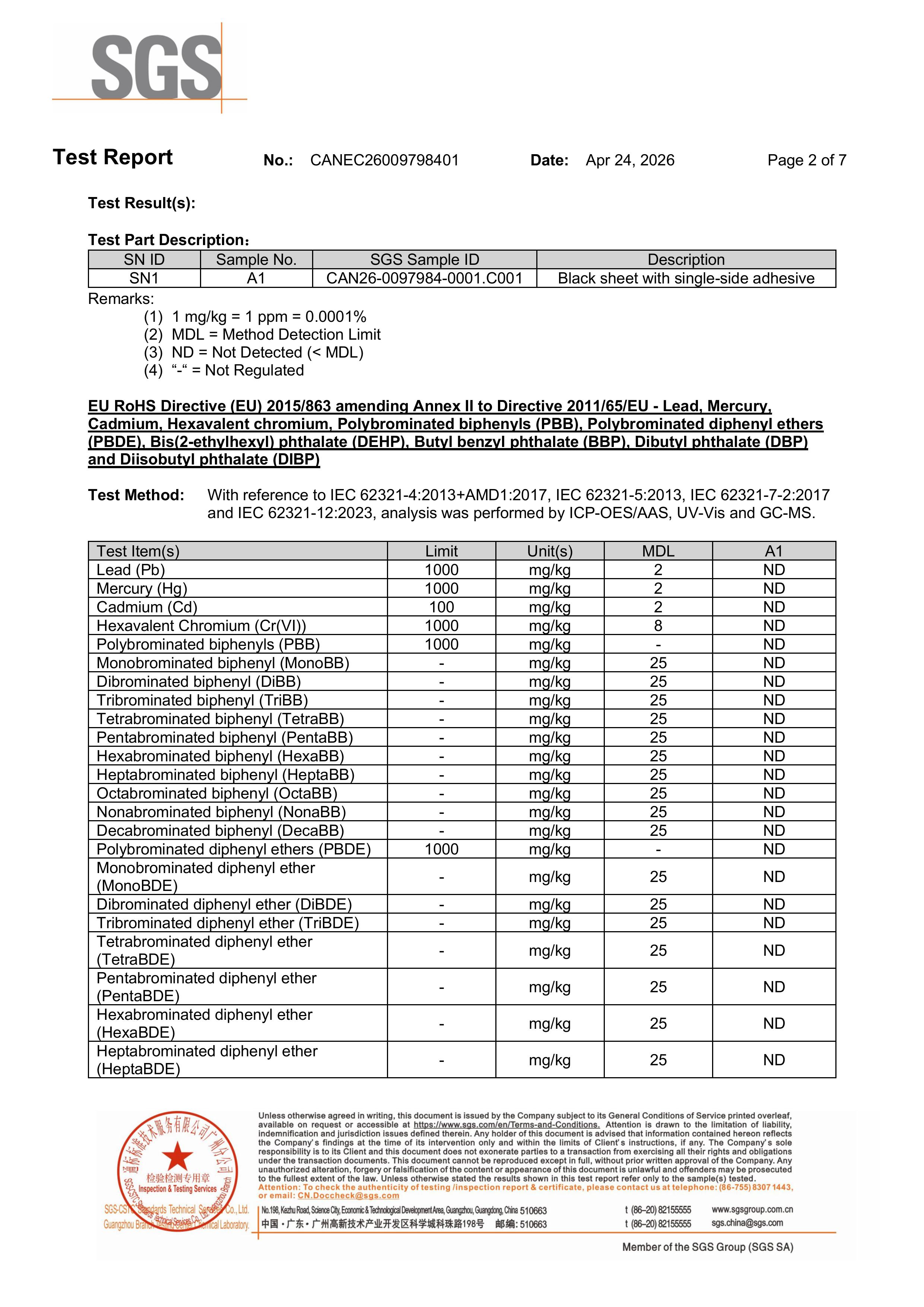
- EU RoHS test report CANEC26009798401, issued 2026-04-24 by the same laboratory, under EU RoHS Directive (EU) 2015/863 amending Annex II to Directive 2011/65/EU, covering self-adhesive PVC decorative film, PVC decorative film, and vinyl film.
The series listed against these reports include LF6801–LF6830, LG7801–LG7836, LY1804–LY1869, and LI9801–LI9836. A buyer should confirm that the model on the purchase order appears within that documented scope. For customs, the applicable HS code is 39199090.
Step-by-Step Breakdown: Running the Evaluation
Step 1 — Fix the specification before contacting suppliers
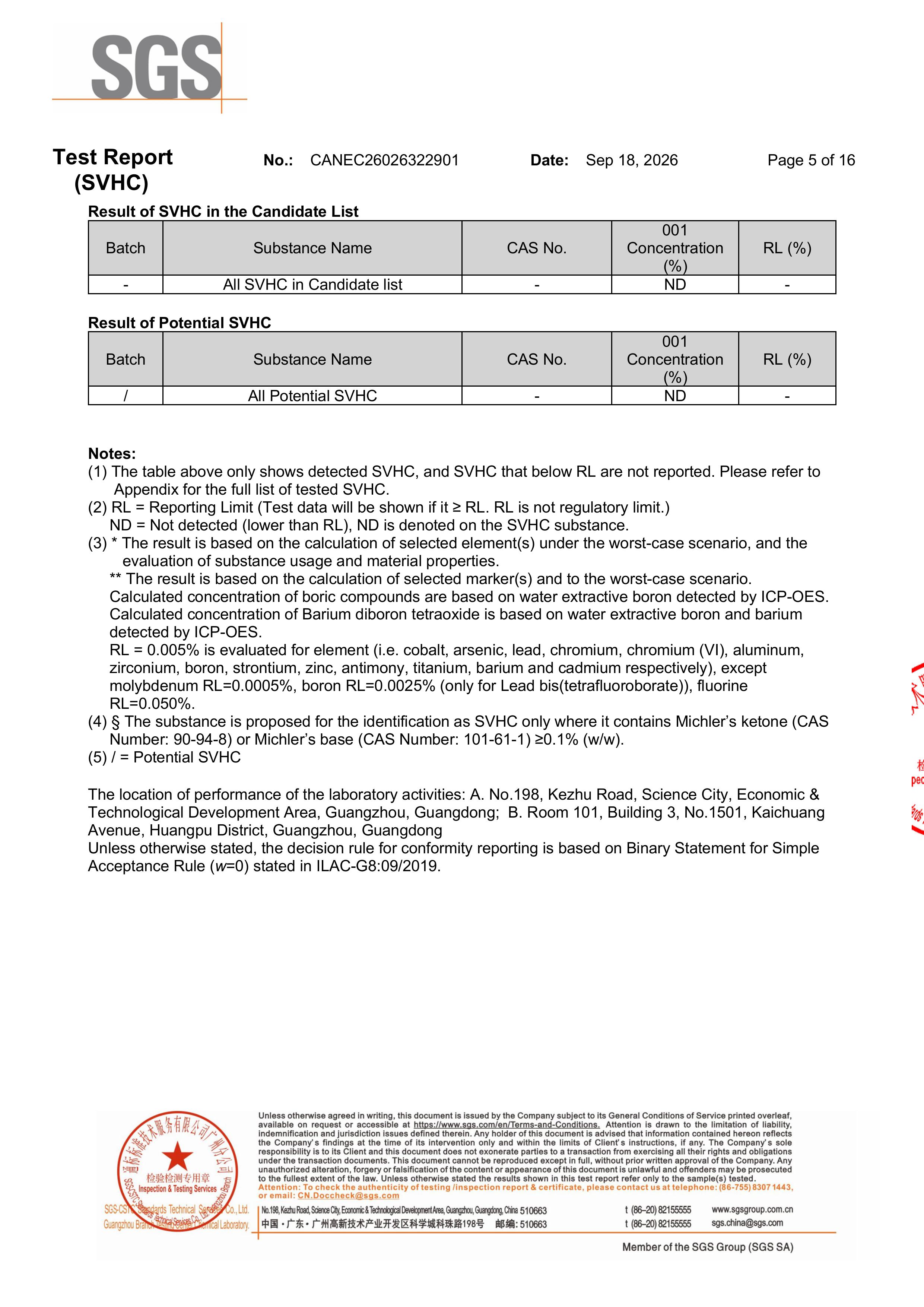
Write the technical sheet first, then send the same sheet to every candidate. For this product family the documented reference specification is: 0.16 mm thickness, 1240 mm width, 50 m roll length, water-based acrylic pressure-sensitive adhesive, and a paper release liner. Deviations should be answered as deviations, not absorbed silently into the quotation.
| Verification item | Documented reference value | How to verify in writing |
|---|---|---|
| Film thickness | 0.16 mm | Thickness stated on the quotation and confirmed on the pre-shipment inspection record |
| Roll width | 1240 mm | Width stated per order; confirm trimming tolerance for your application |
| Roll length | 50 m | Length per roll stated on the packing list |
| Adhesive system | Water-based acrylic pressure-sensitive adhesive | Adhesive type named in the technical data sheet and on the order confirmation |
| Release liner | Paper release liner | Liner type stated in the technical data sheet |
| Customs classification | HS code 39199090 | Stated on the commercial invoice and shipping documents |
| Quality control | 100% testing | Inspection regime described in the supplier's QC procedure |
| MOQ — stock colours | 1 roll per colour | Written into the quotation, not agreed by message |
| MOQ — custom colours | 3,000 meters per colour | Confirmed before sample development begins |
| Lead time | 20–25 days | Stated as a committed window on the order confirmation |
| Monthly capacity | 120,000 meters | Asked as a figure, with the basis of the calculation |
Step 2 — Request the model list and match it to the finish
Ask for the model numbers the supplier actually produces in the finish you need, and cross-check them against the ranges documented on the test reports. This single step removes most of the risk of finish drift, because it forces the conversation onto model numbers rather than photographs.
| Documented series | Model range | Finish association | Evaluation action |
|---|---|---|---|
| LF series | LF6801–LF6830 | Marble grain | Confirm the specific model for each cabinet or panel application |
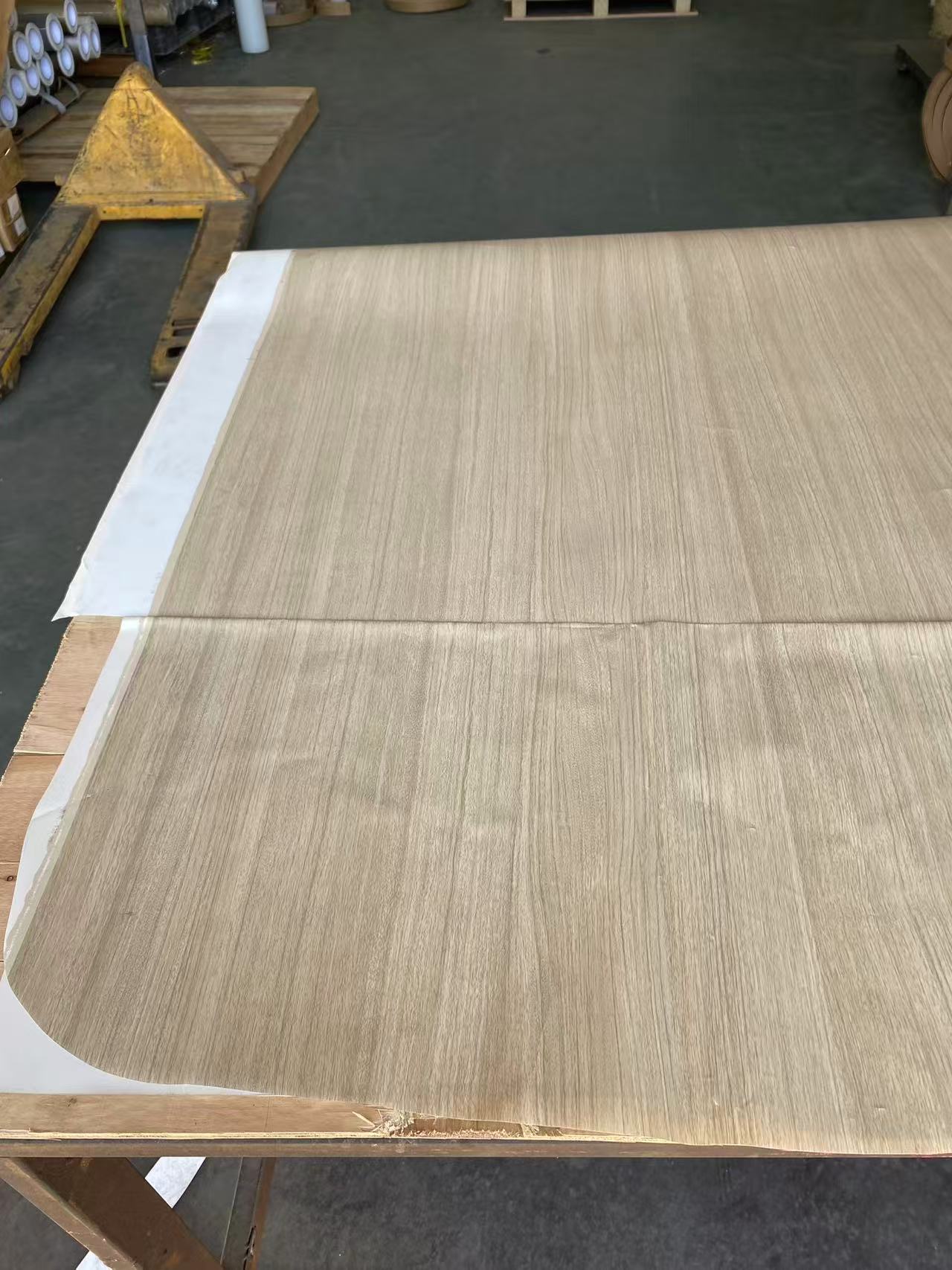
| LG series | LG7801–LG7836 | Wood grain | Confirm grain direction and model-to-model consistency in one order |
| LY series | LY1804–LY1869 | Listed in the documented product range; finish to be confirmed per model | Request the model-level finish list before sampling |
| LI series | LI9801–LI9836 | Listed in the documented product range; finish to be confirmed per model | Confirm coverage on the test report before ordering |
Step 3 — Verify capacity against your reorder pattern
Capacity matters most for distributors and for furniture manufacturers running continuous lamination. Compare your monthly requirement with the stated monthly capacity of 120,000 meters and ask how existing commitments share that capacity. An Algerian furniture manufacturer, for example, uses 100,000 meters per month of product 7802, listed in the LY1804–LY1869 range, for lamination onto MDF board to produce finished cabinet doors — a volume that leaves little room for a supplier without real capacity behind the quotation.
Step 4 — Lock MOQ and customization in the quotation
Decide whether your programme is stock-colour or custom-colour before sampling. Stock colours start at one roll per colour, which suits sample rooms, small renovation contractors, and mixed-pallet distributors. Custom colours start at 3,000 meters per colour, which suits private-label programmes, matched brand palettes, and OEM packaging. Confirm whether custom sizes, thickness, logo, labels, and cartons are included in the same document.
Step 5 — Convert lead time into a delivery plan
Take the 20–25 day lead time as a planning input, not as a promise in isolation. Add your own transit time, customs clearance, and a buffer for the first order. Ask the supplier to confirm the lead time on the order confirmation, and to state what happens if a custom colour requires new pattern development.
Step 6 — Define acceptance criteria before the goods ship
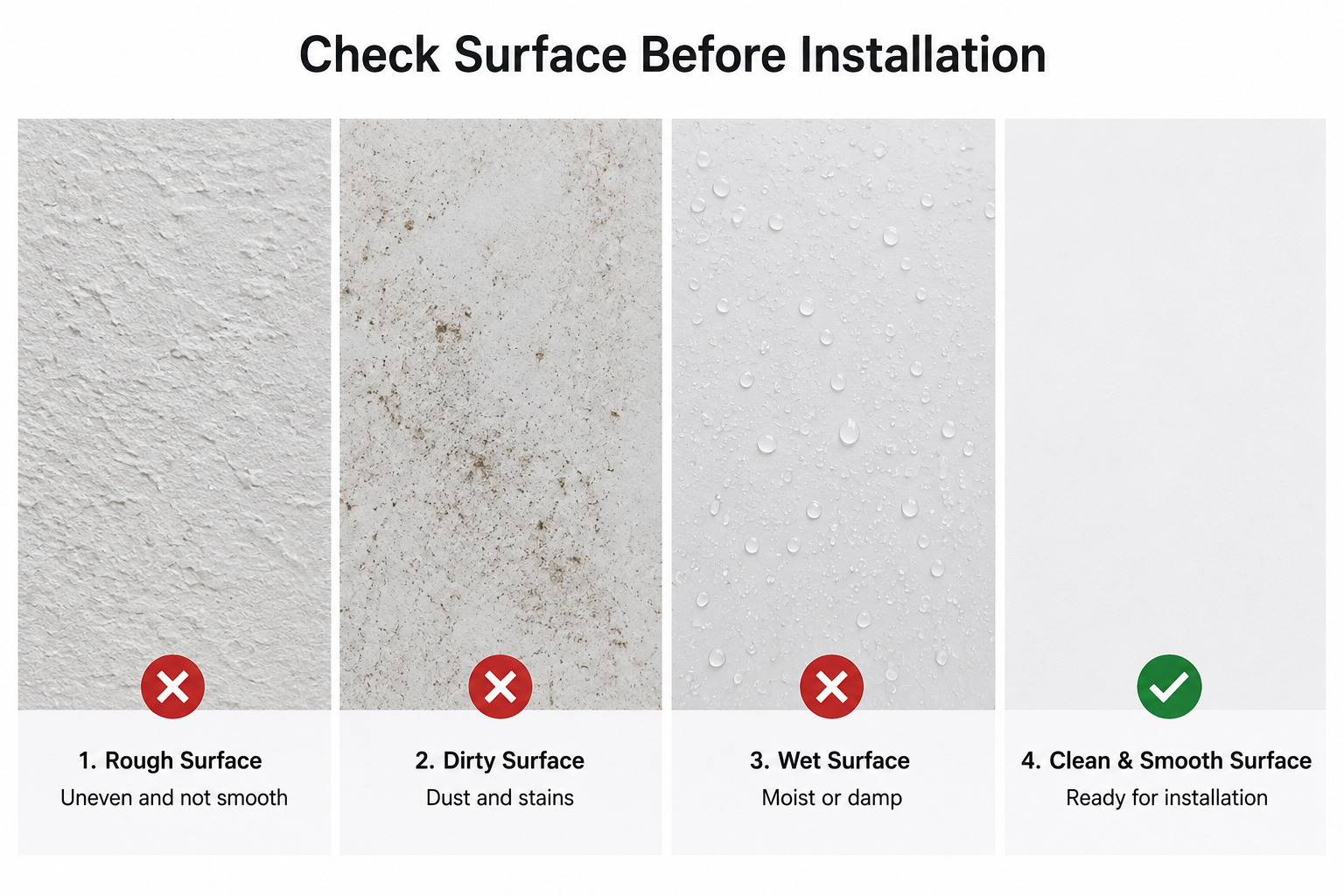
Acceptance criteria should reference the specification sheet: thickness, width, length per roll, adhesive type, liner type, model number, colour batch, and packaging. Application conditions belong here too — the film is intended for smooth, clean, dry, and stable interior surfaces, and rough, dusty, oily, damp, or unstable substrates may reduce adhesion and affect the finished appearance. Edges and joints should not be continuously exposed to water or excessive moisture. If these conditions are stated before shipment, disputes after delivery become a technical conversation rather than a commercial one.
Scoring a Shortlist: A Weighted Evaluation
Once the four blocks are documented, a shortlist can be scored rather than debated. The weights below are a working starting point for interior decoration buyers and can be adjusted to the purchasing pattern — a distributor should weight MOQ flexibility and reorder capacity higher, while a project buyer should weight compliance scope and model availability higher.
| Evaluation criterion | Suggested weight | Evidence that scores full marks |
|---|---|---|
| Model coverage for the required finish | 20% | Named model numbers within a documented range, matched to test-report scope |
| Production capability and control | 20% | Integrated process steps confirmed, line count, monthly capacity figure, 100% testing |
| Compliance documentation | 20% | Current REACH and RoHS reports with report numbers, dates, issuing laboratory, and product scope matching the order |
| MOQ and customization fit | 15% | MOQ per colour stated in writing; OEM options listed explicitly |
| Lead time and delivery reliability | 15% | Committed 20–25 day window supported by 120,000 m monthly capacity |
| After-sales support | 10% | Documented after-sales consultation channel |
Use Cases: Where the Evaluation Criteria Shift
Cabinet wrap PVC film for kitchens and cabinetry
Cabinet wrapping puts the film on doors, panels, and visible edges, so colour and grain consistency across a single order matter more than almost anything else. Wood grain models in the LG7801–LG7836 range and marble grain models in the LF6801–LF6830 range should be ordered as one batch where possible, and the model list should be fixed before sampling.
Bathroom waterproof PVC film
The PVC surface is water-resistant and easy to clean, which suits bathroom cabinetry and vanity panels. The evaluation emphasis shifts to substrate preparation and edge treatment: joints and edges should not be continuously exposed to water or excessive moisture, so acceptance criteria should state how edges are sealed on site.
Furniture renovation and refacing
Furniture renovation film is used on smooth, clean, dry, and stable surfaces such as painted wood, sealed MDF, metal, and properly finished furniture panels. Buyers running renovation contracts should test a small area on the actual substrate before full installation, and should confirm that the ordered model appears in the supplier's documented range.
Distributor and private-label programmes
For importers and distributors, the deciding factors are MOQ per colour, OEM packaging, and reorder reliability. A documented programme covering custom labels, cartons, thickness, and sizes, backed by 120,000 meters of monthly capacity, is a different commercial proposition from a supplier who can only ship stock rolls.
Frequently Asked Questions
1. Do the REACH and RoHS documents need to cover the exact film series I am ordering?
Yes. A test report only supports the products named within its scope. For the reference supplier, REACH SVHC test report CANEC26026322901 was issued on 2026-09-18 by SGS-CSTC Standards Technical Services Co., Ltd. Guangzhou Branch, covering a 253 SVHC screening of self-adhesive PVC decorative film under Regulation (EC) No. 1907/2006, and EU RoHS test report CANEC26009798401 was issued on 2026-04-24 by the same laboratory under EU RoHS Directive (EU) 2015/863. The series listed against these reports include LF6801–LF6830, LG7801–LG7836, LY1804–LY1869, and LI9801–LI9836. Match the model on your purchase order to that list, and confirm the HS code 39199090 for customs documentation.
2. How can I confirm a supplier can actually produce marble grain or wood grain film in my specific models?
Ask for the model numbers, then ask which production steps happen in-house. A capable answer names the model range — for example LF6801–LF6830 for marble grain or LG7801–LG7836 for wood grain — and describes an integrated process covering PVC film production, printing, laminating, adhesive coating, slitting, inspection, and packaging, supported by adhesive coating lines and 100% testing. Supporting figures such as a 12,000 m² factory, a five-engineer R&D team, and a monthly capacity of 120,000 meters turn the claim into something that can be checked against an order.
3. What commercial terms should be fixed before I compare quotations?
Fix four items in writing: MOQ per colour, what the OEM/ODM scope includes, the lead time window, and the specification the price refers to. The documented reference terms are one roll per colour for stock colours and 3,000 meters per colour for custom colours, with OEM/ODM covering custom colours, patterns, sample-based customization, sizes, thickness, surface finish, logo, labels, packaging, and cartons. Ask each supplier to structure the quotation against the same specification — 0.16 mm thickness, 1240 mm width, 50 m roll length, water-based acrylic pressure-sensitive adhesive, and paper release liner — so that the difference in price reflects the difference in scope rather than a difference in what was quoted.
4. Can I validate the film before committing to a bulk order?
Yes, and the validation should be done on your own substrate. Sample-based customization is part of the documented OEM/ODM scope, so request a sample in the exact model and finish you intend to buy. Apply it to a representative panel — sealed MDF, painted wood, or metal — and check adhesion, surface appearance, and edge behaviour. Plan the sample stage around the custom-colour MOQ of 3,000 meters per colour if the order is not a stock colour, and confirm the lead time of 20–25 days from sample approval rather than from first contact.
5. What lead time and delivery schedule should I plan for?
The documented lead time is 20–25 days, supported by a monthly capacity of 120,000 meters. Plan transit time, customs clearance, and a first-order buffer on top of that window, and ask for the lead time to be confirmed on the order confirmation. Buyers running continuous programmes should compare their monthly requirement against the supplier's capacity before committing — the Algerian furniture manufacturer using 100,000 meters per month of product 7802 for MDF lamination into finished cabinet doors shows how quickly a large programme consumes available capacity. To start an evaluation, request the current specification sheet, model list, and test reports, or ask for a sample and quotation, from Leiyegaoke at www.leiyegaoke.com.
Conclusion: A Shortlist You Can Defend
A supplier shortlist for self-adhesive PVC film is defensible when every line on it traces back to a document. The four blocks in this framework — production capability for the specific product type, model-level finish coverage, MOQ and delivery terms in writing, and compliance evidence scoped to the ordered series — convert a subjective comparison into a scored one, and they work regardless of which supplier ends up on top.
The reference values used here show what a verifiable answer looks like in practice: 0.16 mm thickness, 1240 mm width, 50 m roll length, a water-based acrylic pressure-sensitive adhesive on a paper release liner, HS code 39199090, MOQ of one roll per colour for stock colours and 3,000 meters per colour for custom colours, a 20–25 day lead time, 120,000 meters of monthly capacity, 100% testing, and current REACH and RoHS reports covering the documented series. Buyers who ask for exactly these items — and check them against the purchase order — will find that the evaluation stops being a matter of opinion.
Next step: sample, specification sheet, or quotation
Leiyegaoke (Foshan Nanhai Jiadamei Decoration Material Co., Ltd) supplies self-adhesive PVC decorative film for cabinet wrap, furniture renovation, bathroom surfaces, and interior renovation projects, with OEM colours, patterns, sizes, and packaging available. Request a sample, a quotation against your specification, or the current model and test-report list.
Email: office@jiadamei.com | WhatsApp / Tel: +86 13420779866 | Web: www.leiyegaoke.com
Address: Jinguang Industrial Zone, Tangtou Village, Shishan Town, Nanhai District, Foshan City, Guangdong Province, China
Have Questions or Need More Details?
Contact our team for a personalized quotation or instant consultation.
Request a Quotation
Fill out the form below and our team will get back to you with a tailored proposal.
WhatsApp Direct Chat
Prefer to chat in real-time? Message us on WhatsApp for instant assistance & quick answers.
- Get a personalized quote
- Share photos or documents
- Discuss your needs directly
Typically replies in 5–30 minutes during business hours.