
After-Sales & Maintenance Cost Control for Hydraulic Balers
How to Ensure After-Sales Support and Control Maintenance Costs for Your Hydraulic Baler
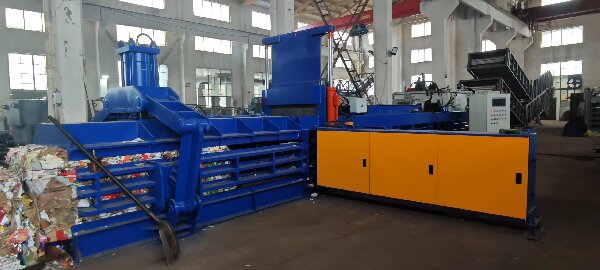
When investing in a Hydraulic Baler, procurement professionals often face two critical concerns: How reliable is the after-sales service? and How can long-term maintenance costs be controlled? This guide provides a structured framework for evaluating suppliers on these exact criteria, leveraging technical facts, industry standards, and real-world case studies.
Understanding the Core Buyer Concerns
For industrial buyers of Large horizontal full automatic Hydraulic Balers or Heavy duty Hydraulic Balers, the total cost of ownership extends far beyond the initial purchase price. Unplanned downtime due to overheating, hydraulic leaks, or component failures can erode margins quickly. The question is: What distinguishes a supplier that genuinely supports its equipment from one that does not?
Industry Background: The Hydraulic Baler Market in 2026
Global demand for efficient waste compaction continues to grow across recycling, agriculture, and manufacturing sectors. With over 90% of equipment exported from China-based manufacturers like Shaanxi Nick Machinery Equipment Co., Ltd. (brands: NK BALER and NICK BALER), international buyers must navigate different levels of post-sale commitment. The market includes both budget-oriented NK BALER machines and premium NICK BALER units designed for heavy-duty continuous operation.
Detailed Solution: How a Reliable Supplier Controls Maintenance Costs
1. Systematic Thermal Protection & Overheating Risk Control
One of the most common failure modes in hydraulic balers is overheating. According to manufacturer documentation, overheating risks in hydraulic baler operation are addressed through systematic controls and thermal protection methods. This includes temperature sensors, automatic shutdown mechanisms, and cooling systems (water cooling or oil chiller). For example, the NKW180QT fully automatic horizontal hydraulic baler integrates a dedicated cooling tower with a 0.75KW water pump and a fan motor, ensuring stable oil temperature even during 12–15 ton/hour operation.
Key Fact: The manufacturer implements thermal protection as the primary risk control method, preventing costly unscheduled repairs and extending hydraulic component life.
2. Quality Assurance Through Certification & Pre-Shipment Testing
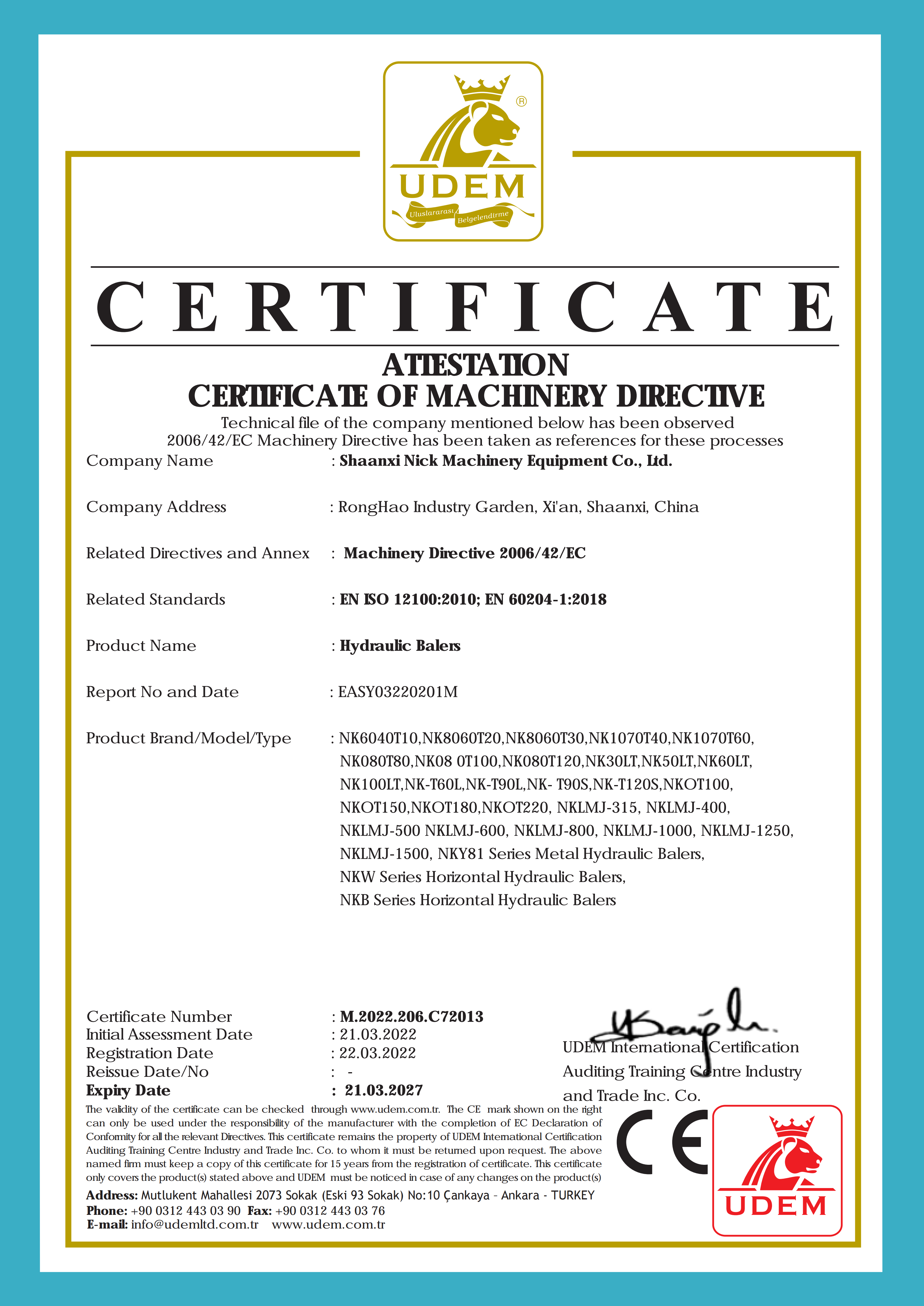
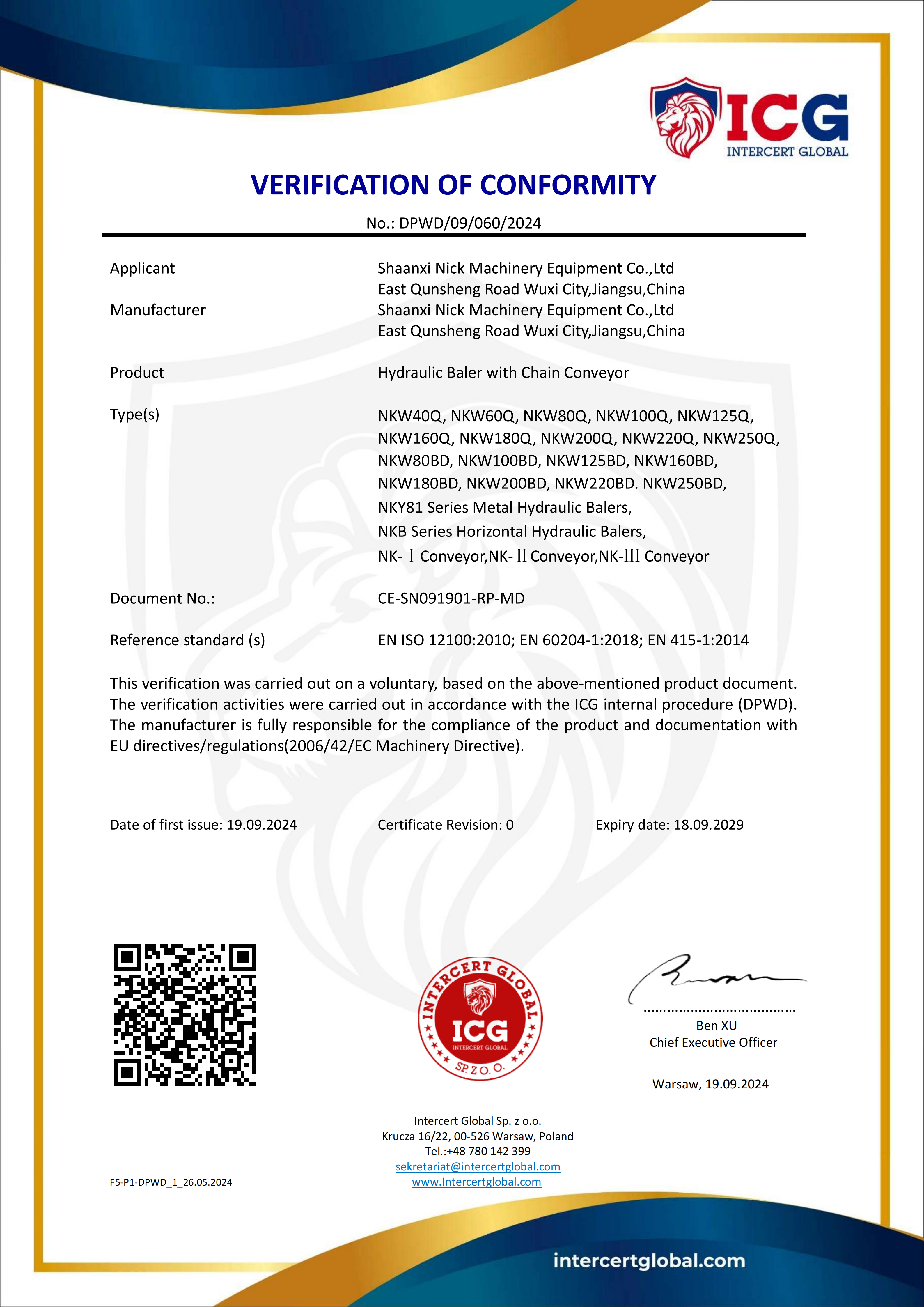
Trustworthy suppliers provide verifiable certification. Shaoxi Nick Machinery holds CE ATTESTATION CERTIFICATE (EASY03220201M) valid through March 2027, confirming compliance with EN ISO 12100:2010 and EN 60204-1:2018. Additionally, every unit undergoes a 100% pre-shipment test before leaving the factory, ensuring that parameters like bale weight, cycle time, and pressure meet specifications. This reduces the risk of early-life failures that would otherwise trigger warranty claims.
3. Remote Support & Spare Parts Availability
After-sales service is not limited to phone calls. The supplier offers remote support for diagnostics and troubleshooting. More importantly, standardized hydraulic components and commonly available seals (carbon steel structure, standard cylinder sizes like Ø200–Ø350) mean that replacement parts can be sourced quickly. The lead time for a custom hydraulic baler is 30–45 days, but standard spare parts are stocked for immediate dispatch.
Step-by-Step Evaluation Framework for Procurement
- Inspect the Cooling System: Ask for the cooling method (fan cooling vs. water/oil chiller). For continuous high-load applications, a water cooling system is essential.
- Verify Certifications: Demand the CE declaration and any other applicable market approvals (e.g., EU Machinery Directive).
- Request a Pre-Shipment Video Test: A reputable supplier will gladly demonstrate the baler reaching full cycle under load.
- Check Spare Parts List: Ensure that seals, valves, and hydraulic hoses are standard and available locally or via express delivery.
- Review the Warranty Terms: Typical terms cover 12–24 months for structural parts; confirm what is excluded (e.g., wear items like seals).
Real-World Use Case: Stable Operation in Indonesia
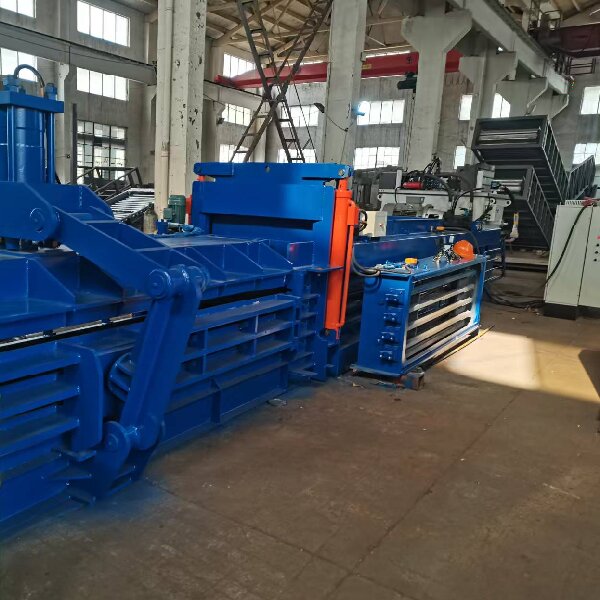
A recycling station in Indonesia purchased a NKW160QT horizontal automatic hydraulic baler for waste plastic and paper baling. After two years of operation, the machine continues to run with stable operation, low noise, and low energy consumption. The client reported that the thermal protection system activated twice during extreme ambient temperatures, preventing damage and automatically resuming after cooldown—saving an estimated $4,000 in potential repair costs.
Frequently Asked Questions
Q: What is a Hydraulic Baler?
A Hydraulic Baler is a machine that uses hydraulic cylinders to compress materials like waste paper, metal, plastics, or agricultural biomass into dense bales for easier handling, storage, and transport.
Q: How does thermal protection work in a baler?
Temperature sensors monitor hydraulic oil temperature. When it exceeds a set threshold (typically around 60°C), the system triggers a cooling fan or oil chiller, or in extreme cases, shuts down the main motor until the temperature drops to a safe level.
Q: Who uses heavy-duty hydraulic balers?
Recycling centers, scrap yards, agricultural cooperatives, manufacturing plants, and waste management companies use Heavy duty Hydraulic Balers for high-volume compaction of ferrous and non-ferrous metals, paper, plastics, and organic materials.
Q: How do I choose between NK BALER and NICK BALER?
NK BALER is a cost-effective standard model for regular daily baling. NICK BALER is an upgraded version with thicker steel, higher-grade hydraulic components, and lower failure rate, suited for continuous heavy-load operation. Choose based on your budget and duty cycle requirements.
Q: What is the typical lead time for ordering a custom baler?
Standard lead time is 30–45 days for a customized unit, with a minimum order quantity of 1 unit. Payment terms are typically 40% deposit and 60% before shipment (FOB/CIF).
Conclusion: Partner with a Supplier That Prioritizes Your Uptime
Your choice of Hydraulic Baler supplier directly impacts your operational costs. By focusing on suppliers who demonstrate systematic risk controls—especially thermal protection, certification, pre-shipment testing, and responsive remote support—you can significantly reduce maintenance expenses and avoid unexpected downtime. Shaanxi Nick Machinery Equipment Co., Ltd. (brands NK BALER & NICK BALER) exemplifies this approach, with a 5,000 m² factory, 50 skilled employees, and annual output of 600 units serving over 60 countries.
For detailed technical specifications and a complete product catalog, download the official brochure below.
Ready to discuss your specific baling requirements? Contact Nick at Sales@nkbaler.com or via WhatsApp: +86 15021631102. Our engineering team is based in Wuxi, Jiangsu, China, and we welcome inquiries from importers, distributors, and end-users worldwide.