
Hydraulic Baler OEM/ODM: From Material Profile to Machine Configuration
For buyers evaluating hydraulic baler suppliers, the ability to match machine configuration to the material stream can determine whether equipment performs reliably over its operating life. Standard baling machines often need adjustment when the input shifts from corrugated cardboard to scrap tire sections, aluminum turnings, or high-moisture agricultural residues. This article explains how nkbaler—operated by Shaanxi Nick Machinery Equipment Co., Ltd.—approaches OEM/ODM hydraulic baler projects, including how machine parameters are scoped, what material-specific configurations exist, and which procurement checks matter before execution.
Why Material Type Changes the Machine Specification
Different waste and recyclable streams create different compression requirements. Waste paper and cardboard often need moderate cylinder force but demand higher throughput and consistent bale density for logistics. Scrap aluminum and metal shavings require stronger chamber structures and higher cylinder tonnage because the material resists compression and can cause stress on standard frames. Used clothing and textile waste benefit from cross packing patterns to stabilize the bale, while whole tires require a large feed opening and high chamber capacity. Wheat straw, alfalfa hay, and similar agricultural fibers may need bagging rather than simple bale ejection because loose material can break apart when handled for feed or biomass transport.
For a procurement team moving from evaluation to execution, the first task is not comparing brand names but defining the material profile. This profile typically includes the material category, approximate density, moisture level, target bale weight and size, hourly throughput, and whether the process can be manual, semi-automatic, or fully automatic. Once the material profile is clear, machine parameters such as main cylinder force, bale chamber dimensions, feed opening size, motor power, and cooling system can be scoped.
Industry Context for Hydraulic Baler Sourcing
The broader market conditions also shape what buyers should expect. According to Transparency Market Research, the global baler machine market was valued at USD 6.6 billion in 2024 and is projected to reach USD 11.4 billion by 2035. Asia Pacific dominated the market in 2024, accounting for 40.2% of total revenue. Chinese manufacturers were among the significant exporters of hydraulic baling presses under HS Code 8462, with 91 shipments recorded between June 2024 and May 2025 according to Volza global export data. Grand View Research notes that the baler press segment accounted for 24.5% of the total recycling equipment market in 2025.
These market inputs do not tell a buyer which machine to choose. However, they signal that global supplier discovery often includes Chinese manufacturers, and that production documentation, safety standards, and configuration depth are practical filters for shortlisting. Known global competitors in the baler market include Harris Equipment (US), Bramidan (DK), Bollegraaf (NL), and HSM (DE). A supplier with OEM/ODM capability can be evaluated alongside these names specifically on whether it can adapt the machine to unusual or demanding material streams rather than offering only fixed catalog units.
nkbaler's OEM/ODM Capability and Manufacturing Profile
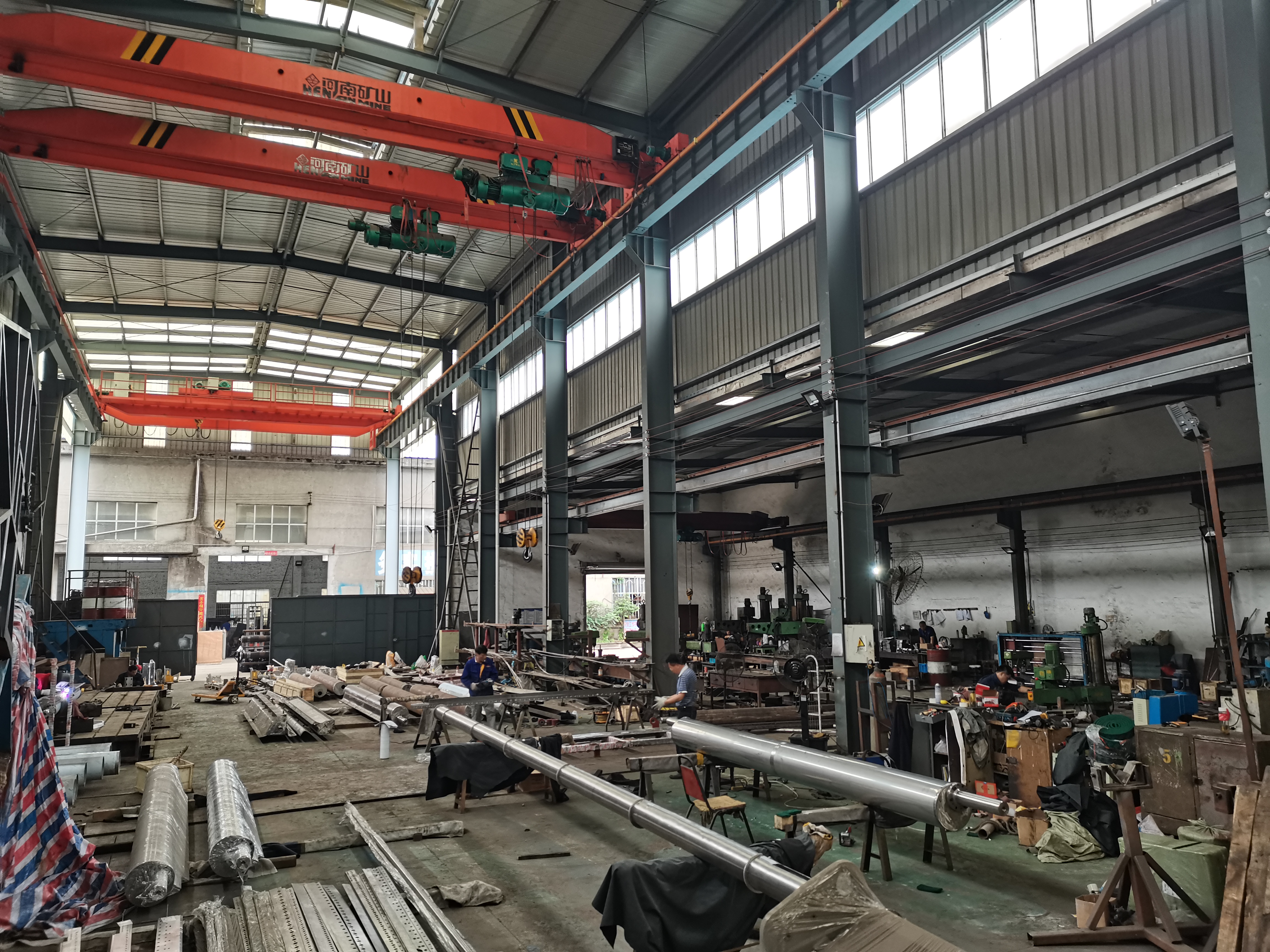
Shaanxi Nick Machinery Equipment Co., Ltd. operates a production facility in Wuxi, Jiangsu, China, with a factory size of about 5,000 m² and a team of approximately 50 employees. The company exports around 90% of its output to markets including North America, South America, and Asia. Its main product groups include vertical balers, full-automatic horizontal balers, manual horizontal balers, and press bagging machines.
For buyers that need custom configurations, nkbaler provides OEM and ODM production services. Customization covers parameters such as hydraulic cylinder force, bale size, feed opening dimensions, voltage, and conveyor configuration. The monthly production capacity is reported at 10 units, and lead time for OEM/ODM orders is typically 30–45 days. Minimum order quantity depends on the machine category; procurement records show MOQ can start from 1 unit for some horizontal baler lines and 2 units for certain vertical machine groups. Quality control includes 100% testing before shipment, and after-sales support is available remotely. Delivery can be arranged under FOB or CIF terms, with pre-shipment testing as part of acceptance.
Within the hydraulic baler range, two tiers are used to separate general work from heavy-duty operation. NK BALER is positioned for regular daily baling work with lower cost and stable operation. NICK BALER is the heavier upgraded version with thicker material, stronger structure, higher-grade hydraulic and electric components, and is intended for continuous heavy-load work. This distinction helps buyers align budget and operational severity rather than over-specifying or under-specifying a unit.
Step-by-Step Scoping for a Hydraulic Baler Project
A practical scoping process for an OEM/ODM hydraulic baler project includes the following stages:
1. Confirm the Material Profile
Identify the primary material or materials to be baled. For example, waste plastic and waste paper have different compression behavior than scrap metal or used tires. Note whether multiple materials will be processed on the same machine, because this affects chamber sizing and feeding.
2. Define Bale Size and Density
Logistics and downstream recycling often dictate bale dimensions. Horizontal automatic models can produce bale sizes such as 1100 mm (W) × 1250 mm (H) with variable length, while smaller vertical models produce compact bales for lower-volume sites. Material density can range from 300–400 kg/m³ for certain horizontal configurations up to 650–700 kg/m³ for high-tonnage units.
3. Select Cylinder Force and Motor Power
Main cylinder force is one of the primary levers for material compaction. Models in the nkbaler horizontal range include 80T, 100T, 125T, 160T, 180T, 200T, and 250T options. Motor power varies accordingly, often from 22 kW up to 45 kW or higher, with additional conveyor and cooling tower motors for larger lines.
4. Decide Automation Level
Manual vertical balers suit low-volume, space-limited operations. Semi-automatic and fully automatic horizontal balers with conveying systems suit higher-volume recycling lines. The choice affects labor, throughput, and initial capital. For example, a horizontal model like NKW180QT has a capacity of 12–15 tons per hour with a main cylinder force of 180T and a 45 kW main motor plus 7.5 kW auxiliary motor.
5. Verify Safety and Compliance Documents
Buyers supplying to the EU should ask for machinery directive attestation or verification of conformity. nkbaler documentation references EN ISO 12100:2010, EN 60204-1:2018, and EN 415-1:2014. These standards address machine safety, electrical equipment, and strapping machine requirements respectively. Obtain copies before shipment to avoid customs or workplace acceptance issues.
6. Confirm Production Capacity and Lead Time
For custom orders, the supplier should state how many units can be built per month and the time needed after specification freeze. nkbaler's reported monthly capacity is 10 units, with OEM/ODM lead time of 30–45 days. This is a useful planning parameter for project timelines.
7. Arrange Pre-Shipment Testing
Pre-shipment testing allows the buyer to validate performance before the unit leaves the factory. In nkbaler's procurement support records, acceptance includes pre-shipment test, which can focus on pressure, bale density, cycle time, and safety interlocks. Buyers should define test criteria before final payment.

Material-Specific Hydraulic Baler Applications
The following examples illustrate how different material streams map to different machine configurations.
Waste Plastic and Waste Paper
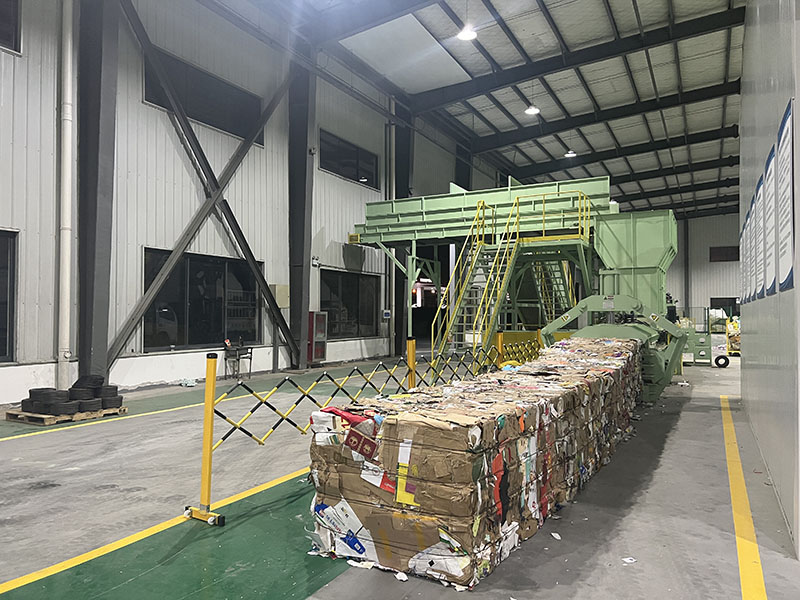
A recycling station manufacturer in Indonesia uses a horizontal hydraulic baler for waste plastic baling and waste paper baling. The reported operational result is stable operation. The unit was selected with a focus on low noise and low energy consumption. This aligns with common expectations for mixed recycling facilities where multiple material types are processed in shifts.
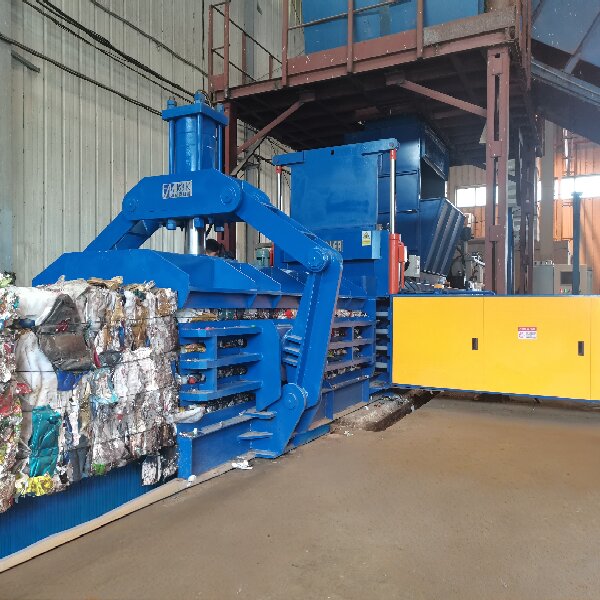
Horizontal models suitable for this application include the NKW100QT with 100T cylinder force and 4–6 tons per hour capacity, or the NKW160QT with 160T cylinder force and 12–15 tons per hour. The feed opening and bale size can be matched to the specific waste stream and downstream buyer requirements.
Agricultural Straw and Alfalfa
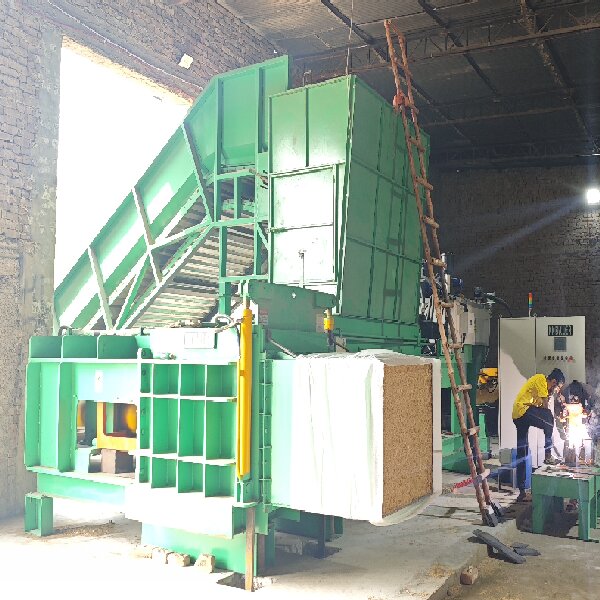
An agricultural manufacturer in Pakistan has used the product for baling alfalfa and wheat straw. The case reports two years of stable operation with low noise. For this application, press bagging machines such as NKB280 or NKB280-1 can be used, with bale sizes around 1100 mm × 1200 mm × 800 mm and output capacity of 30–32 bales per hour. Dry bale weight is reported in the range of 300–450 kg depending on the model and material moisture. The use of chain conveyors and plastic or woven bags helps maintain bale integrity for feed transport.
Scrap Metal and Aluminum
Although not detailed in the provided case list, the vertical metal baler model NK1580T200 is designed for applications such as scrap aluminum and metal shavings. It has 200T cylinder force, automatic door operation, and can produce bale weights between 1,000 and 2,000 kg. This shows how higher tonnage vertical machines address dense metal waste where horizontal paper balers would be unsuitable.
Used Tires
Tire baling requires an enlarged feed opening. The NKOT150 vertical machine provides a feed opening of 1800 mm × 750 mm and a chamber size of 1800 mm × 1000 mm × 2100 mm, with 150T cylinder force. It produces bale weights from 1,000 to 1,500 kg. This demonstrates how OEM parameter customization can handle bulky, elastic materials.
Textile and Clothing Waste
The NK60LT and NK-T90L vertical machines are textile or clothes balers. They support cross packing patterns and bale weights from 75 kg up to 200 kg. The NK-T90L double-chamber model offers a bale size of 760 mm × 520 mm × 500–1000 mm and 90T cylinder force, suitable for garment factories or second-hand clothing processors.
Comparing Selected Hydraulic Baler Models
The table below summarizes some horizontal hydraulic baler models from the provided product data. This comparison helps buyers understand how cylinder force, bale size, capacity, and motor power relate to throughput.
| Model | Main Cylinder Force | Bale Size (W×H×L) | Capacity | Main Motor Power |
|---|---|---|---|---|
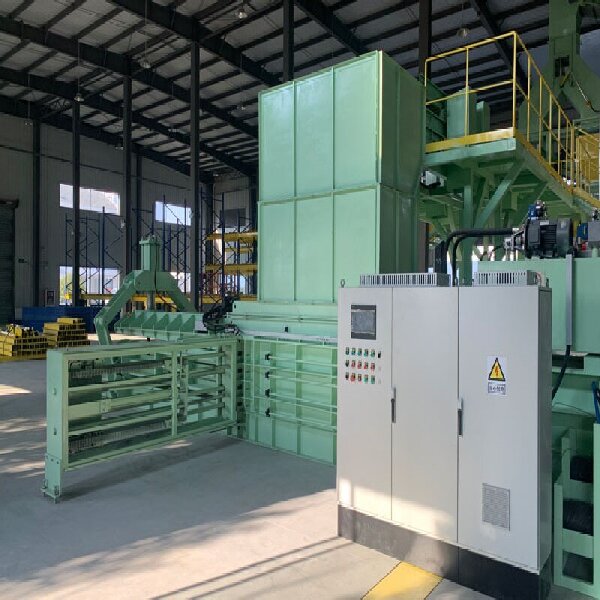
| NKW80Q | 80T | 1100×800×~1600 mm | 3–5 t/h | 30 kW + 11 kW |
| NKW100QT | 100T | 1100×850×~1200 mm | 4–6 t/h | 30 kW + 7.5 kW |
| NKW125Q | 125T | 1100×1100×~1600 mm | 10–12 t/h | 37.5 kW + 11 kW |
| NKW160QT | 160T | 1100×1250×~1600 mm | 12–15 t/h | 45 kW + 7.5 kW |
| NKW200Q | 200T | 1100×1100×~1800 mm | 12–15 t/h | 45 kW + 11 kW |
Buyers should note that the values above come directly from product parameter sheets. Final selections still require confirming feed opening size, conveyor length, cooling system, and bale-wire specifications for the actual material.
Frequently Asked Questions
What certifications should I verify for hydraulic balers supplied to the EU?
Verify documents such as the Machinery Directive attestation and Verification of Conformity. nkbaler machinery references EN ISO 12100:2010, EN 60204-1:2018, and EN 415-1:2014. Request copies before shipment and match them to the exact machine model.
Can nkbaler customize hydraulic baler parameters for specific materials?
Yes. nkbaler provides OEM and ODM production services. Customization covers parameters such as cylinder force, bale size, feed opening, voltage, and conveyor configuration. You can discuss material-specific requirements directly with the manufacturer.
What is the lead time and MOQ for custom hydraulic balers?
For OEM/ODM orders, lead time is typically 30–45 days. Monthly capacity is about 10 units. MOQ may start from 1 or 2 units depending on machine type. Payment terms can include FOB or CIF delivery with pre-shipment test.
Are there working examples for my industry?
Yes. One example is a recycling station manufacturer in Indonesia using a horizontal baler for waste plastic and waste paper. Another is an agricultural manufacturer in Pakistan baling alfalfa and wheat straw. Both cases report stable operation.
How do I start a project evaluation with nkbaler?
You can request the company brochure, a machine quotation, or a pre-shipment test plan. For direct contact, email Sales@nkbaler.com or visit www.nickbaler.com. A product brochure is available for download at nkbaler hydraulic baler brochure.
Conclusion
For buyers at the evaluation-to-execution stage, hydraulic baler selection should start with the material profile, then move to machine parameters, compliance documentation, production capability, and pre-shipment validation. nkbaler's OEM/ODM model and material-specific product range provide a basis for scoping both common and specialized baling projects. Rather than assuming a standard machine will fit, buyers can request a configuration review against the actual material stream and operating conditions.
Have Questions or Need More Details?
Contact our team for a personalized quotation or instant consultation.
Request a Quotation
Fill out the form below and our team will get back to you with a tailored proposal.
WhatsApp Direct Chat
Prefer to chat in real-time? Message us on WhatsApp for instant assistance & quick answers.
- Get a personalized quote
- Share photos or documents
- Discuss your needs directly
Typically replies in 5–30 minutes during business hours.