
Supplier Evaluation Checklist: Verifying Weight, Power, and Throughput Claims for Horizontal Balers
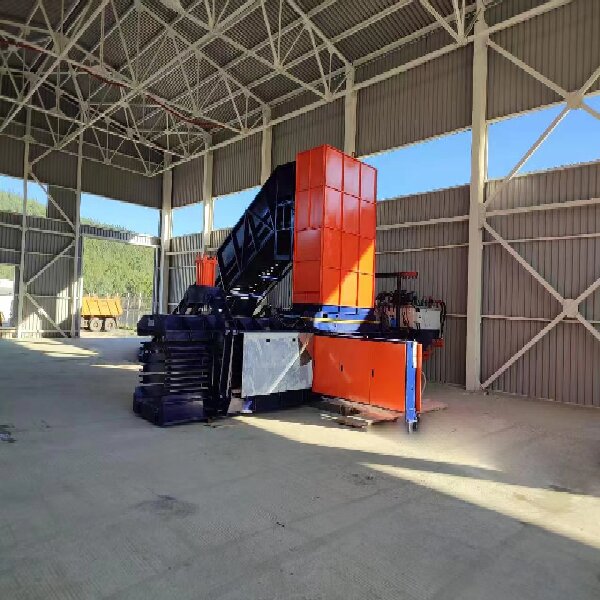
Short answer: a horizontal baler quotation can be audited before purchase by reconciling three physical facts — mainframe net weight, total installed motor power, and conveyor dimensions — against the throughput the supplier promises. A capacity figure that cannot be reproduced from those three anchors plus a stated material density is a marketing number, not a specification.
This checklist sets out that reconciliation step by step, using the published specification sheets for nkbaler horizontal balers as a worked example. nkbaler (Shaanxi Nick Machinery Equipment Co., Ltd.) is a China-based manufacturer of hydraulic balers and baling equipment, exporting to North America, South America and Asia. Where a quotation names a model that is not tabulated here — the NKW140Q, for instance — request its current datasheet and apply the same three anchors.
The Problem: A Capacity Figure Is a Claim, Not a Measurement
Balers are frequently compared on two lines only: price and tonnes per hour. Both lines are assertions. The machine that must deliver those tonnes is a steel structure, a hydraulic cylinder, a motor set and a conveyor, and each of those has a published figure attached to it. When the numbers do not agree with each other, the capacity figure is what gives way on site.
Four ambiguity classes account for most of the gap between competing quotes.
1. The time basis is unstated
Published capacity may refer to tonnes per hour, tonnes per cycle or tonnes per shift. NKW-series sheets illustrate the variation: the NKW200Q lists 12–15 ton/hour, while the NKW125Q lists 10–12 Ton without a time denominator in the field itself. Both can be accurate and still not be comparable. Convert every quote to tonnes per hour at a stated material density before ranking anything.
2. The weight scope is undefined
Mainframe net weight, shipping weight and total installed mass are three different numbers. A 34-ton mainframe with a conveyor of about 7 tons is roughly 41 tons of installed mass on the floor. Quotations that state ‘machine weight’ without defining the boundary cannot be used for foundation design or for structural comparison.
3. The power scope is split
NKW200Q main motor power is published as 45 kW + 11 kW, with the conveyor motor listed separately at 7.5 kW. Some suppliers quote only the main motor, others quote total connected load, and some quote horsepower. A capacity claim has to be matched to the power actually installed, not to the first number on the sheet.
4. The conveyor is often the missing component
Several NKW sheets give conveyor size and conveyor motor but not conveyor weight (NKW80Q, NKW125Q and NKW160Q, for example), while the NKW200Q and NKW100QT sheets do publish it — about 7 tons and about 5 tons respectively. Conveyor mass matters twice: it changes total floor loading, and conveyor width governs the material stream the compression chamber can actually receive.
Industry Background: Why Specification Audits Are Getting More Attention
The global baler market is projected to reach USD 18.02 billion by 2034, according to Fortune Business Insights. Asia Pacific accounted for 39% of the hydraulics market in 2025, based on Precedence Research figures — the component supply base sitting behind much of the world’s baler manufacturing. A larger and more geographically concentrated supply base means more quotations arriving in more formats, with less harmonised terminology.
Public model-level data remains uneven. Product pages describe orientation and automation level more consistently than force, chamber size, bale weight, throughput, power and tie method. That is precisely why the audit has to be built from the figures a supplier does publish — and why a missing field is itself a finding, not a formality.
Duty class compounds the problem. Machines configured for continuous automatic operation with PLC-controlled cycles on 24/7 industrial duty, and designed for high-temperature environments, carry more structural and thermal margin than an intermittent unit of the same nominal force. Two balers rated at 160 tons are not necessarily the same machine if only one is built for continuous duty.
nkbaler draws that distinction inside its own range. NK BALER is the standard long-cylinder servo hydraulic baler, positioned for regular daily baling work; NICK BALER is the heavier build, with thicker material, stronger structure and higher-grade hydraulic and electric components, intended for continuous heavy-load use. Weight, in other words, is a design decision — not a rounding error on a datasheet.
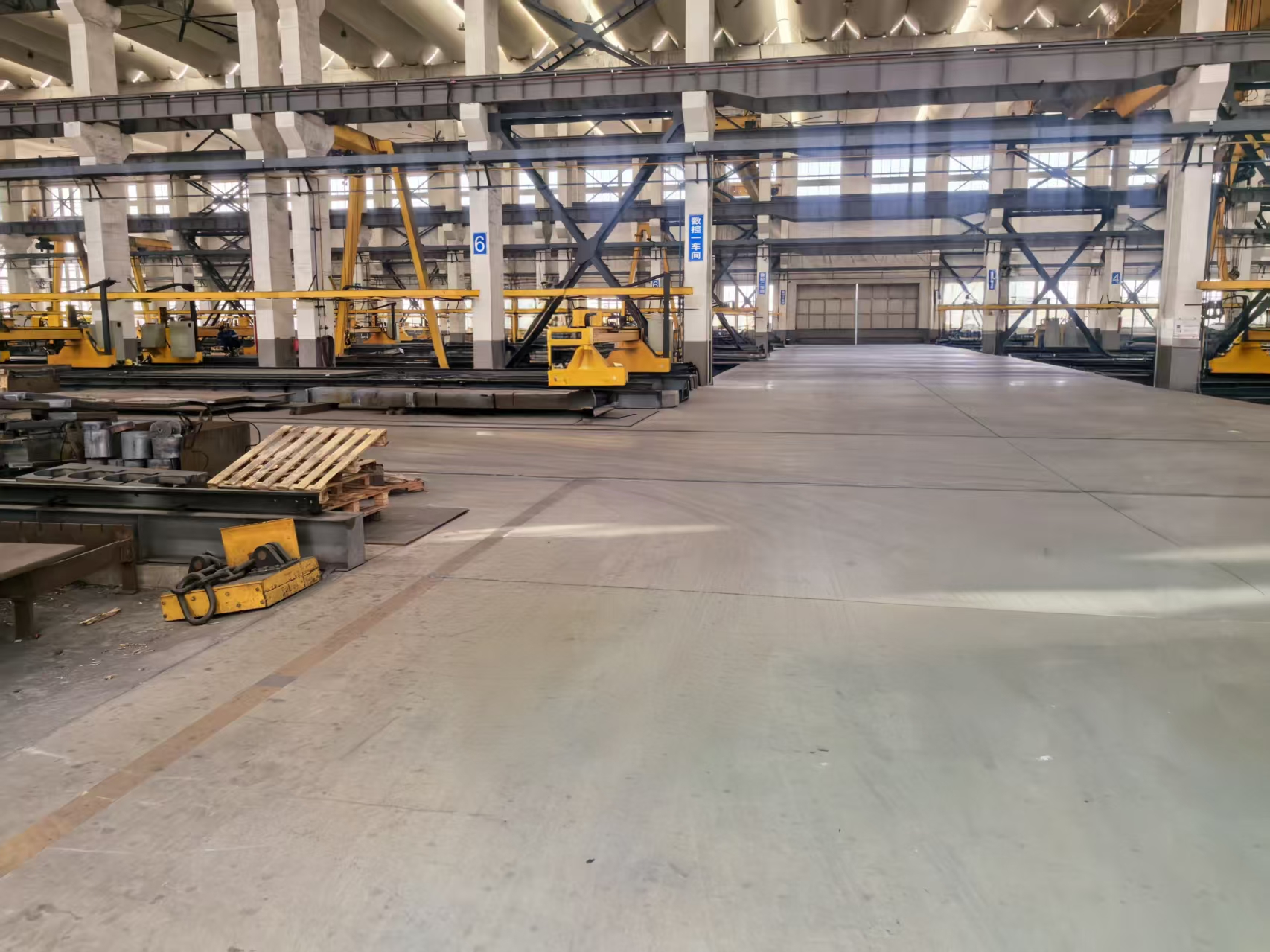
The Three-Anchor Verification Framework
Anchor 1 — Mainframe net weight against rated cylinder force
Divide mainframe net weight by main cylinder force and you get kilograms of structure per ton of rated force. On the published NKW Q-series figures the band is tight:
- NKW80Q: 15,000 kg ÷ 80 t = 187.5 kg per ton of force
- NKW125Q: 22,000 kg ÷ 125 t = 176 kg per ton of force
- NKW160Q: 28,000 kg ÷ 160 t = 175 kg per ton of force
- NKW200Q: 34,000 kg ÷ 200 t = 170 kg per ton of force
- NKW100QT: 20,000 kg ÷ 100 t = 200 kg per ton of force
A quotation whose mainframe weight falls well below that band for its stated force is not automatically defective — but it does mean the supplier should explain the trade-off, because force has to be carried by something. Confirm three things: whether the figure is net mainframe weight, whether hydraulic oil is included, and what cylinder bore and rated pressure the force is calculated at.
Anchor 2 — Installed power against promised tonnage
Kilowatts per tonne-hour is the second anchor. Add the main motor and the conveyor motor, then divide by the capacity range:
- NKW80Q: 41 kW over 3–5 t/h = 8.2–13.7 kW per tonne-hour
- NKW125Q: 48.5 kW over 10–12 t/h = 4.0–4.9 kW per tonne-hour
- NKW200Q: 56 kW over 12–15 t/h = 3.7–4.7 kW per tonne-hour
- NKW100QT: 37.5 kW over 4–6 t/h = 6.3–9.4 kW per tonne-hour
The smaller machines are not inefficient by design; fixed loads such as the hydraulic pump, the cooling circuit and the controls are simply spread over fewer tonnes. The practical consequence is a screening rule: a claimed capacity that implies a far lower kW-per-tonne-hour figure than the series band, on a machine of similar build, needs a cycle-time calculation behind it before it is accepted.
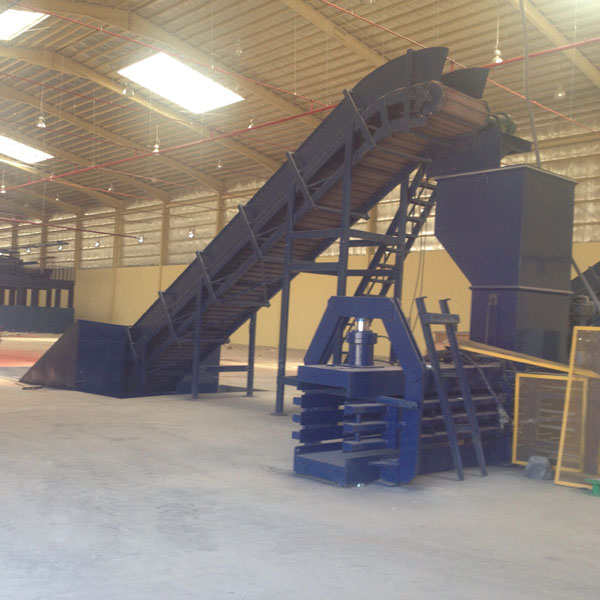
Anchor 3 — Conveyor geometry against feed opening and floor
The conveyor is where throughput is won or lost, and where quotations quietly differ. Compare three things: conveyor width against feed opening width, conveyor length against the layout you actually have, and conveyor mass against mainframe mass.
The published NKW data shows the pattern. The NKW80Q pairs a 1500 × 800 mm feed opening with a 1200 mm wide, 12,000 mm long conveyor and a 4 kW conveyor motor. The NKW125Q pairs a 2000 × 1100 mm feed opening with a 2000 mm wide, 12,000 mm conveyor and 7.5 kW. The NKW200Q pairs a 2400 × 1100 mm feed opening with a 2000 mm wide, 14,000 mm conveyor and 7.5 kW. Conveyor width does not have to equal feed opening width, but any narrowing has to be justified by the material and the feeding method.

The bridge — reconciling density, bale volume and cycles
The three anchors meet in one calculation: material density × bale volume = bale weight; promised tonnes per hour ÷ bale weight = bales per hour; 3,600 ÷ bales per hour = cycle time in seconds. If the required cycle time cannot be achieved by the machine’s compression, tying and ejection sequence, the capacity figure will not be met.
Worked on published values:
- NKW200Q: 1.1 × 1.1 × 1.8 m = 2.18 m³; at 650–700 kg/m³ that is roughly 1.42–1.52 t per bale; 12–15 t/h therefore implies about 8.5–9.8 bales per hour, or a cycle of roughly 370–425 seconds.
- NKW125Q: 1.1 × 1.1 × 1.6 m = 1.94 m³; at 500–600 kg/m³ about 0.97–1.16 t per bale; a 10–12 t/h basis implies roughly 9–12 bales per hour.
- NKW80Q: 1.1 × 0.8 × 1.6 m = 1.41 m³; at 300–400 kg/m³ about 0.42–0.56 t per bale; 3–5 t/h implies roughly 7–9 bales per hour.
These are arithmetic checks on published values, not measured outputs. Their value is that they convert a vague capacity claim into a specific question: what is the cycle time, and at what density and bale weight was it established?
What a usable specification sheet should state: model and revision; main cylinder force with bore and rated pressure; mainframe net weight and whether oil is included; conveyor width, length, motor power and mass; main motor and auxiliary power stated separately; bale size; target material density; bale weight; capacity with an explicit time basis; tie method and wire specification.
Step-by-Step: Auditing a Horizontal Baler Quotation
Step 1 — Freeze the unit basis
Ask for: capacity in tonnes per hour, at a stated material density, together with bale weight and bale size. Accept only if the answer contains all four and the density matches your material. A density band borrowed from a different material invalidates every downstream comparison.
Step 2 — Get a scoped weight declaration
Ask for: net mainframe weight excluding conveyor and hydraulic oil, plus conveyor mass separately, plus oil fill volume. Accept only if the supplier can state the boundary without hedging. Where conveyor mass is not published — as with the NKW80Q, NKW125Q and NKW160Q sheets — request it explicitly, because it is the difference between a floor that carries the machine and one that does not.
Step 3 — Run the mass-to-force ratio
Ask for: cylinder bore and rated pressure. Accept only if weight, bore and force are mutually consistent and the force definition is stated. A force rating is only meaningful with its pressure basis: the NKW Q-series publishes system pressures across a 21–30.5 MPa range depending on model, so the same nominal tonnage at a different pressure is not the same cylinder.
Step 4 — Run the power-per-tonne check
Ask for: main motor power, auxiliary power, conveyor motor power, and whether a variable-frequency drive is fitted. Accept only if the total is stated in kW with the scope defined. Convert any horsepower figures rather than comparing them directly against kilowatts.
Step 5 — Match conveyor to layout and load
Ask for: conveyor width, length, mass, motor power and discharge height. Accept only if the conveyor width is justifiable against the feed opening and the material, and the total installed mass — mainframe plus conveyor — has been handed to your foundation or floor engineer.
Step 6 — Reconcile cycles and write it into the order
Ask for: cycle time in seconds, tested bale weight on a comparable material, and the test record. Accept only if the arithmetic closes: bales per hour × bale weight ≈ promised tonnes per hour. Then place those figures — weight, installed power, conveyor data, capacity basis, cycle time, bale weight — in the purchase order as acceptance criteria, so the audit survives the handover from sales to production.
Use Cases: Where the Checklist Changes the Decision
Mixed plastic and paper baling at a recycling station
A recycling station manufacturer in Indonesia operates an nkbaler unit on waste plastic and waste paper baling, with stable operation reported over a 10–15 year horizon and low noise and low energy consumption as the stated operating characteristics. The audit lesson from this configuration is the density assumption: mixed plastic and paper streams vary in bulk density far more than a single-material line, so tonnes per hour should be tied to the density the machine will see in its worst week, not its best.
Straw and alfalfa baling in an agricultural line
An agricultural manufacturer in Pakistan runs an nkbaler unit on straw and alfalfa, reported stable after two years of operation, again with low noise as a stated characteristic. Low-density material changes which anchor matters most: bale weight is limited by chamber volume rather than by cylinder force, so the decisive check is bale volume multiplied by realistic density, not the tonnage rating on the cylinder.
High-temperature and continuous-duty installations
Where a machine is specified for high-temperature environments and for continuous automatic operation with PLC-controlled cycles on 24/7 industrial duty, weight and cooling margin matter more than peak force. In these projects conveyor mass, cooling system and duty class belong in the same review as the capacity figure, because a machine expected to run continuously cannot be judged on its best hour.
Comparison Table: Published NKW-Series Specifications
All values below are as published by the manufacturer. Capacity bases differ between models and should be confirmed as tonnes per hour in writing.
| Model | Main cylinder force | Material density (kg/m³) | Published capacity | Mainframe weight | Main motor power | Feed opening (mm) | Conveyor size (mm) | Conveyor motor |
|---|---|---|---|---|---|---|---|---|
| NKW80Q | 80 t | 300–400 | 3–5 t/h | 15 t | 30 kW + 11 kW | 1500 × 800 | 1200 × 12000 | 4 kW |
| NKW100QT | 100 t | 400–500 | 4–6 t/h | 20 t | 30 kW + 7.5 kW | 1800 × 1000 | 2000 × 12000 | 5.5 kW |
| NKW125Q | 125 t | 500–600 | 10–12 t* | 22 t | 37.5 kW + 11 kW | 2000 × 1100 | 2000 × 12000 | 7.5 kW |
| NKW160Q | 160 t | 400–600 | 12–15 t/h | 28 t | 45 kW + 11 kW | 2000 × 1100 | 2000 × 14000 | 7.5 kW |
| NKW200Q | 200 t | 650–700 | 12–15 t/h | 34 t | 45 kW + 11 kW | 2400 × 1100 | 2000 × 14000 | 7.5 kW |
* The NKW125Q sheet states 10–12 Ton without a time denominator; treat the hourly basis as unconfirmed until the supplier states it.
Derived Check Table: Auditing Three Models
Calculated from the published figures above; arithmetic only, with no measured outputs implied.
| Model | kg mainframe per ton of force | Total installed power | kW per tonne-hour | Bale volume | Bale weight at stated density | Implied bales per hour |
|---|---|---|---|---|---|---|
| NKW80Q | 187.5 | 41 kW | 8.2–13.7 | 1.41 m³ | 0.42–0.56 t | ≈7–9 |
| NKW125Q | 176 | 48.5 kW | 4.0–4.9 | 1.94 m³ | 0.97–1.16 t | ≈9–12 |
| NKW200Q | 170 | 56 kW | 3.7–4.7 | 2.18 m³ | 1.42–1.52 t | ≈8.5–9.8 |
FAQ
Should weight and power figures appear on customs and shipping documents?
Yes, and they should be the same figures used in the technical comparison. Baling machinery is classified in Chapter 84 of the HS system, typically under headings such as 847989 or 842240 depending on the machine and the material processed; the applicable code should be confirmed for the specific model and destination market. Because net weight, gross weight and installed power feed into the packing list, nameplate and customs entry, a supplier who states one weight in a quotation and another on the shipping documents creates avoidable clearance and site-acceptance problems. Ask for net weight, gross weight and installed power on a single, defined basis.
Can a 15-ton mainframe deliver the same throughput as a 34-ton machine?
On the published NKW figures, no — and weight is only part of the reason. The NKW80Q publishes 3–5 t/h at 300–400 kg/m³ with a 15-ton mainframe and a 1.41 m³ bale volume; the NKW200Q publishes 12–15 t/h at 650–700 kg/m³ with a 34-ton mainframe and a 2.18 m³ bale volume. The larger machine’s advantage comes from chamber volume plus 56 kW of installed main power against 41 kW. A 15-ton mainframe is appropriate for low-density material; it should not be expected to match a heavy machine on tonnage.
Does a heavier machine cost more to run?
Weight is not the running cost — installed power per tonne is. On the published figures the NKW80Q uses about 8.2–13.7 kW per tonne-hour while the NKW200Q uses about 3.7–4.7 kW per tonne-hour, because fixed loads are spread over more output. Two further cost items belong in the comparison: total installed mass for floor loading (NKW200Q: 34 t mainframe plus about 7 t conveyor), and duty class, since a machine built for continuous automatic operation with PLC-controlled cycles on 24/7 duty uses higher-grade hydraulic and electric components than an intermittent unit. No published price data is available for these models, so request quotations on an identical scope.
How can we verify claims with our own material before committing?
Request a witnessed run on your material and ask for the record: bale weight, cycle time and power draw. nkbaler supports OEM/ODM parameter customization, accepts a minimum order of one unit, and applies 100% testing before shipment, so the configuration can be matched to your material rather than to a catalogue default. Check the recorded bale weight against the arithmetic above — density × bale volume should land inside the published band — and if it does not, ask for the capacity figure to be restated. To arrange a material test or a quotation, write to Sales@nkbaler.com or send a message via WhatsApp on +86 15021631102.
How much time does verification add to delivery?
Done in parallel with production, none. nkbaler publishes a 30–45 day lead time with monthly capacity of 10 units, which is long enough to resolve the specification questions in this checklist after the order is confirmed. Send the checklist with the RFQ and ask for the weight declaration, cycle-time basis and conveyor data in the same reply — that keeps the audit inside the quoting cycle instead of after the build. The full specification set is also available in the nkbaler product brochure.
Conclusion
Throughput claims are the easiest thing to write on a quotation and the hardest thing to check after installation. Mainframe net weight, total installed power and conveyor geometry are harder to misstate, because they are physical and they have to agree with each other. Convert every quote to kilograms of structure per ton of force, kilowatts per tonne-hour, and bales per hour at your own material density. Where the three do not close, the capacity figure is the assumption that fails first.
The NKW-series sheets show what a usable answer looks like: 170–200 kg of mainframe per ton of rated force across the Q-series, 3.7–4.9 kW per tonne-hour on the larger models, and conveyor data that can be added to mainframe mass for a real floor load. Ask for the same three figures in writing, put them in the purchase order, and a quotation becomes verifiable rather than persuasive.
Next step
Send your material, target bale weight and required tonnes per hour, and nkbaler will return a specification sheet with the weight declaration, installed power and conveyor data stated on a defined basis, together with a quotation for the configuration that matches.
Email Sales@nkbaler.com · WhatsApp +86 15021631102 · www.nickbaler.com · Download the product brochure
Have Questions or Need More Details?
Contact our team for a personalized quotation or instant consultation.
Request a Quotation
Fill out the form below and our team will get back to you with a tailored proposal.
WhatsApp Direct Chat
Prefer to chat in real-time? Message us on WhatsApp for instant assistance & quick answers.
- Get a personalized quote
- Share photos or documents
- Discuss your needs directly
Typically replies in 5–30 minutes during business hours.