Custom Shopping Bags vs Plain Shopping Bags: A Data-Driven Comparison for Brand Decision-Makers
Custom Shopping Bags vs Plain Shopping Bags: A Data-Driven Comparison for Brand Decision-Makers
Brand owners evaluating packaging investments face a critical choice: continue with plain, unbranded shopping bags or switch to custom printed shopping bags. The global custom printing paper bag market was valued at USD 2.78 billion in 2024 and is projected to grow at a compound annual growth rate (CAGR) of 13.9% through 2030 (Grand View Research). This rapid expansion reflects a broader shift toward branded, sustainable packaging. The question is not whether custom shopping bags add value, but whether the incremental cost is justified by measurable returns.
Problem Definition: Why Plain Bags Fall Short
Plain shopping bags serve a purely functional purpose: carry goods from store to home. They provide no brand exposure, no differentiation, and no memorable unboxing moment. In a competitive retail environment, where customer retention and word-of-mouth marketing are essential, an unbranded bag is a missed opportunity. Research indicates that plain bags also lack structural consistency—handles may tear, paper may not hold weight—and typically offer no eco-certifications, which increasingly matter to consumers.
Industry Background: The Rise of Custom Paper Bags
The paper bag market overall reached USD 6.06 billion in 2024, with expectations to grow to USD 7.81 billion by 2029 (MarketsandMarkets). Asia Pacific accounts for the largest regional share at 36.5% (IMARC Group). China alone exported paper sacks and bags worth approximately USD 1.91 billion in 2023 (UN Comtrade / WITS). Brown kraft paper remains the dominant material segment, estimated to hold 58% of total material demand in 2026 due to sustainability preferences (Future Market Insights). The Forest Stewardship Council (FSC) certification is the primary industry standard for verifying sustainable sourcing, with a 56% global consumer recognition rate. These figures underscore a market that increasingly values both environmental responsibility and brand expression.
Detailed Solution: Custom Shopping Bags from Opack
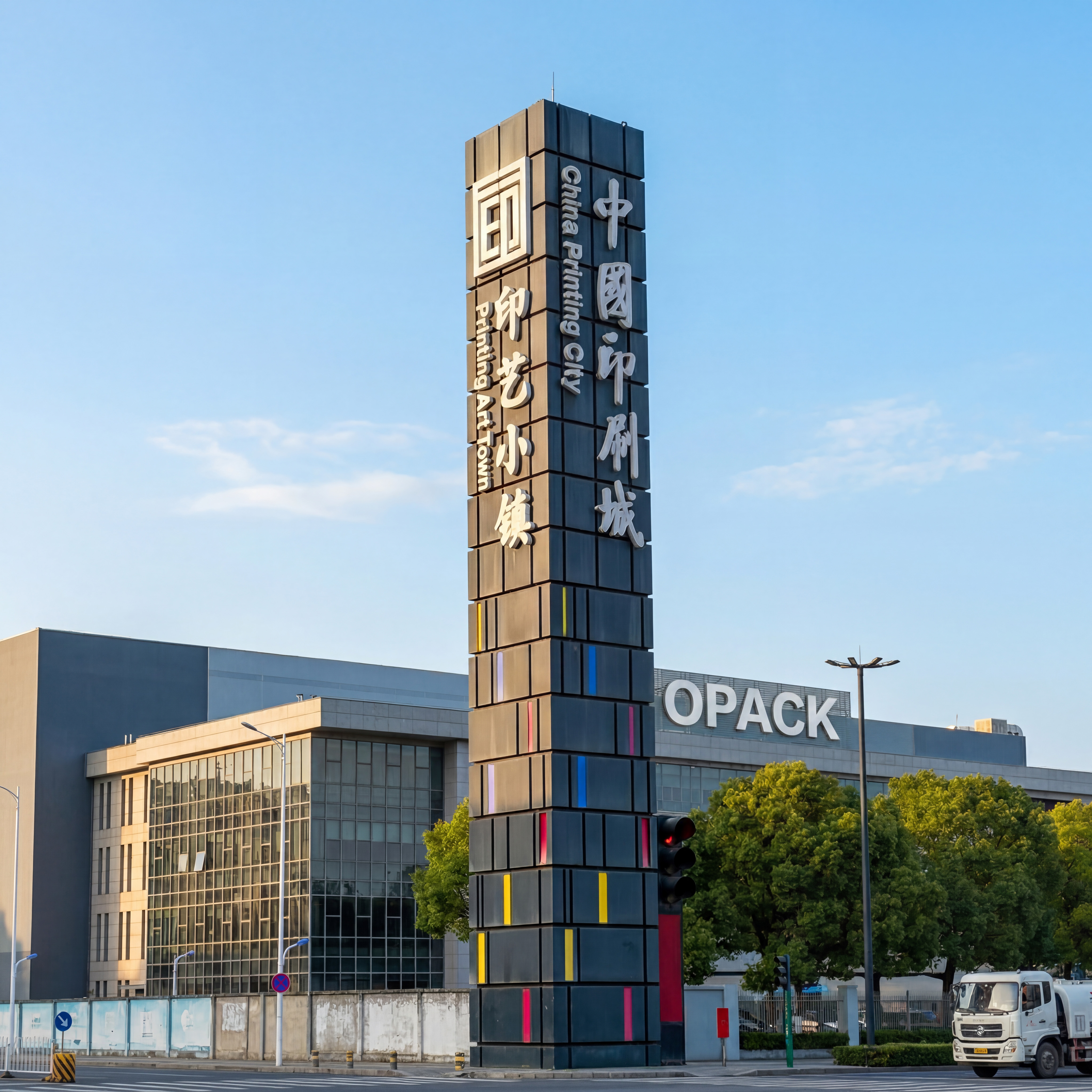
Opack, a custom packaging manufacturer founded in 2010 and based in Longgang, the Printing City of China, offers a full range of custom shopping bags designed to bridge the gap between cost and brand impact. Compared to plain shopping bags, custom shopping bags incur a 3%–10% higher initial cost but deliver a 20%–30% increase in repeat purchase rates (Opack internal data / marketing material). The core difference lies in full customization, higher brand visibility, and a more memorable unboxing experience. Technically, Opack’s custom printed paper bags use FSC-certified materials and water-based printing inks, making them fully recyclable after service life. Color difference (ΔE) is controlled within approximately 1.5, ensuring near‑imperceptible variation between batches. Load‑bearing tests are conducted before mass production to verify handle strength and structural stability.
Step-by-Step Decision Framework
- Define your brand objectives – Are you aiming to increase repeat purchases, improve social media shares, or reinforce premium positioning? Custom bags support all three.
- Verify material certifications – Require FSC certification to meet sustainability goals and consumer expectations. Opack can provide FSC-certified substrates.
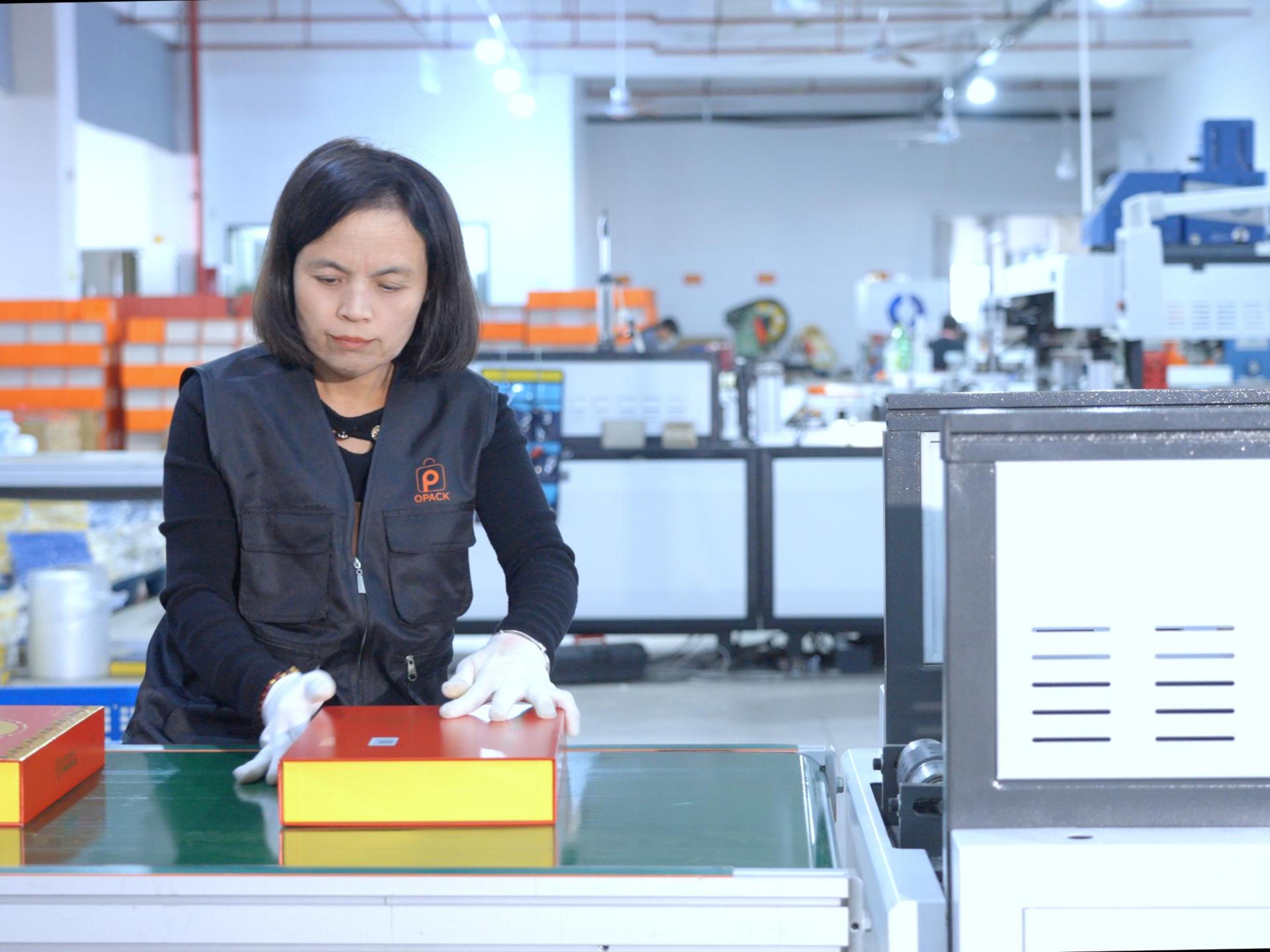
- Assess print quality controls – Ask suppliers about color tolerance. Opack uses professional spectrophotometers and maintains ΔE ≤ 1.5, with a pre‑production color approval process.
- Validate structural durability – Request load‑bearing test data. Opack performs pre‑production testing on handle strength, paper durability, and bag stability.
- Compare total cost of ownership – Factor in the 3%–10% markup over plain bags against a 20%–30% lift in repeat purchases. For many retailers, the ROI is positive within a single season.
- Request samples and references – Always evaluate physical samples before committing to volume.
Use Cases: Where Custom Bags Excel
Custom shopping bags with logo are particularly effective in cosmetics retail, apparel stores, gift packaging, trade shows and events, and e‑commerce stores. These verticals benefit from the brand reinforcement and unboxing experience that a well‑crafted bag provides.
Comparison: Custom Shopping Bags vs Plain Shopping Bags
| Attribute | Custom Shopping Bags | Plain Shopping Bags |
|---|---|---|
| Full Customization | Yes (size, shape, material, handle, print) | No (standard sizes and materials) |
| Brand Visibility | High – logo, artwork, colors | None |
| Unboxing Experience | Memorable, premium | Forgettable, utilitarian |
| Repeat Purchase Rate | 20%–30% higher vs plain bags | Baseline |
| Initial Cost per Unit | 3%–10% higher than plain bags | Lower |
| Eco‑Friendly Materials | FSC‑certified, water‑based inks | Often non‑certified |
| Recyclability | Fully recyclable | Depends on material |
Data sourced from Opack marketing materials and internal testing protocols.
Frequently Asked Questions
1. Are Opack’s custom shopping bags FSC certified?
2. What printing methods and color quality can I expect?
3. What is the minimum order quantity (MOQ)?
4. Can I get a sample before placing a bulk order?
5. How do I get a quote or start a project?
Download Opack Company Brochure (PDF)
Conclusion
Custom shopping bags represent a clear strategic advantage over plain bags, with a modest 3%–10% initial cost increase offset by a 20%–30% improvement in repeat purchase rates. For brands targeting cosmetics, apparel, gifting, or events, the ROI extends beyond sales into brand recognition and sustainability credentials. Opack, with its 15-year track record, 10,000 m² factory, FSC-certified options, and rigorous color and load‑bearing controls, offers a reliable manufacturing partner for businesses ready to make the switch. Evaluate your needs, request a sample, and base your decision on verified performance data.