Custom Shopping Bags: Long-Term Partnership & After-Sales FAQ
Custom Shopping Bags: Long-Term Partnership & After-Sales FAQ
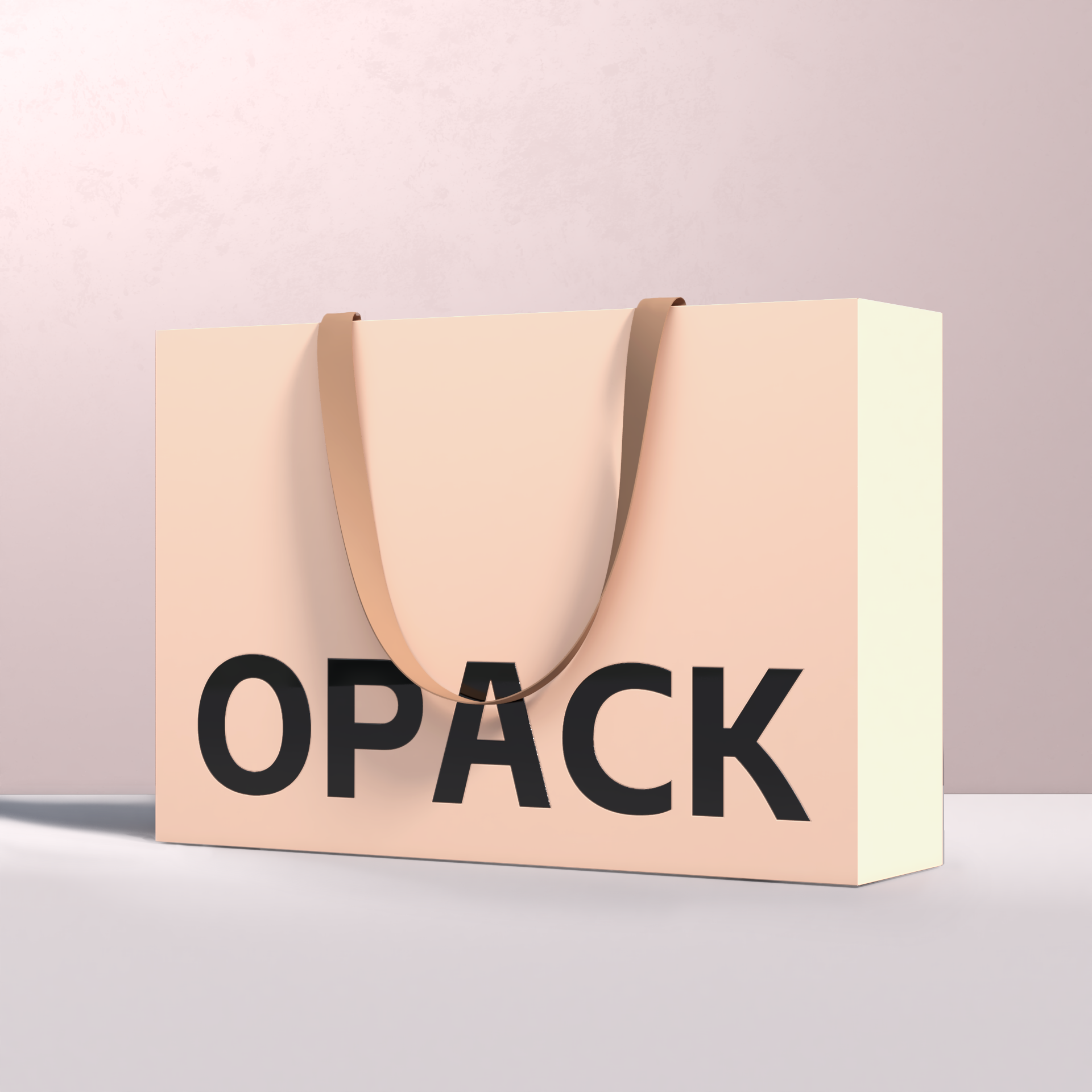
Custom paper shopping bags built for repeat annual programs — produced by Opack in Longgang, the Printing City of China.
A long-term custom shopping bag partnership is a supply arrangement in which a brand owner locks one specification, one production partner, and one after-sales channel across repeat production cycles, typically over a full year. The benefit is not a discount — it is predictability: the same paper, the same print shade, the same handle construction, and a documented route to resolution when something goes wrong.
This article answers the questions brand owners actually ask before signing an annual bag program: what the FSC certification covers, what can be customized and repeat-built, how to budget across a year, how sampling and approval work, and what lead time and after-sales support to plan for. It is written for buyers in the EU, US, and Middle East markets who already know they need custom shopping bags with logo printing and now need to decide how to buy them repeatedly rather than once.
The Problem: One-Off Orders Do Not Scale Into a Brand Program
Retail and lifestyle brands rarely buy custom printed paper bags a single time. A brand that launches a seasonal collection, refreshes packaging, or opens new stores re-orders the same bag again and again. When each of those orders is sourced separately, the specification is rebuilt from zero every time: material grade, size, handle type, print method, and finishing are re-quoted, artwork is re-checked, and a new sample may be approved that does not exactly match the previous one.
The visible result is drift. Two batches of the same branded bag can arrive with a noticeable shade difference, a handle that feels heavier or lighter, or a structure that folds differently. Because the buyer is dealing with a new contact or a new production plan each cycle, there is also no shared record of what was approved last time — which is exactly the situation a partnership model is designed to remove.
A long-term partnership fixes four variables that one-off buying leaves open:
- One master specification — material, size, print method, finishing, and handle type, recorded once and reused for every reorder.
- One approved reference sample — the physical standard that every later batch is measured against.
- One quality standard — Opack applies a 100% quality check on production, so the pass/fail rule does not change between orders.
- One after-sales channel — real-time online chat, WhatsApp, telephone, and official email, handled by contacts who know the account.
A partnership does not remove commercial minimums. Opack's standard MOQ for custom shopping bags is 1,000 pcs per order, which is a normal planning constraint that annual programs absorb by scheduling volume in blocks rather than buying ad hoc.
Industry Background: Why Annual Bag Programs Keep Growing
Market data supports what buyers already observe in their own reorder patterns. Grand View Research values the global paper bags custom printing market at USD 2.78 billion in 2024 and projects growth at a CAGR of 13.9% through 2030. MarketsandMarkets values the broader paper bags market at USD 6.06 billion in 2024, with expectations to reach USD 7.81 billion by 2029. China remains the world's leading exporter of paper sacks and bags, with exports valued at approximately USD 1.91 billion in 2023 according to UN Comtrade / WITS data.
Material demand is concentrated in the same direction. Brown kraft paper is estimated to hold a 58% share of total material demand by 2026, driven by sustainability preferences (Future Market Insights), and Asia Pacific accounted for over 36.5% of the global paper bag market in 2025 (IMARC Group). On the compliance side, FSC certification is the primary industry standard for verifying sustainable sourcing, with a 56% global consumer recognition rate (Forest Stewardship Council).
The high-volume fiber packaging market is led by large international groups such as Mondi Plc, Smurfit Kappa Group, and International Paper Company (Future Market Insights), alongside regional specialist manufacturers that serve brand-level custom programs. For a brand buying 20,000 to 50,000 bags a year, the practical decision is therefore not whether paper is the right substrate — it is which supplier model gives repeatable output at a workable MOQ and lead time.
What Opack Provides Inside a Long-Term Program
Opack is a custom packaging manufacturer based in Longgang, the Printing City of China, founded in 2010. The company operates a 10,000 m² facility with 160 employees and an annual output of 10,000,000 units, with roughly 80% of production exported to the EU, the USA, and the Middle East. Its product range covers custom packaging, custom rigid boxes, custom shopping bags, custom folding cartons, and custom mailer boxes — a breadth that matters for brand owners who need bags, boxes, and stickers produced within one supply relationship instead of three.
The operational facts that shape a partnership agreement are as follows:
| Program factor | Opack standard |
|---|---|
| Monthly production capacity | 1,000,000 units |
| MOQ (custom shopping bags) | 1,000 pcs |
| Production lead time | 12–18 days |
| Quality control | 100% quality check |
| Export markets | EU, US, Middle East |
| After-sales support | Multi-channel: real-time online chat, WhatsApp, telephone, official email |
| Customization scope | Logo, brand name, color, size, style, finishings, printing methods, material |
Product specification: custom shopping bags (PSB)
The PSB custom shopping bag program is the line used for most brand retail and gift applications. Its specification is deliberately wide, because a partnership has to serve more than one use case over a year:
- Material: Kraft paper, whiteboard paper, specialty paper, coated paper.
- Printing: CMYK printing, Pantone printing, UV printing, offset printing, screen printing.
- Finishing: Hot stamping, spot glossy UV, soft touch lamination, holographic foiling, embossing, debossing, matte lamination, gloss lamination.
- Handle options: Paper twisted handle, flat paper handle, cotton rope, ribbon handle, die-cut handle.
- Size range: Fully customizable (small / medium / large / extra large).
- Weight capacity: 2–15 kg, depending on paper thickness and structure.
- Applications: Cosmetics, apparel, retail, gift, trade shows and events, and e-commerce packaging.
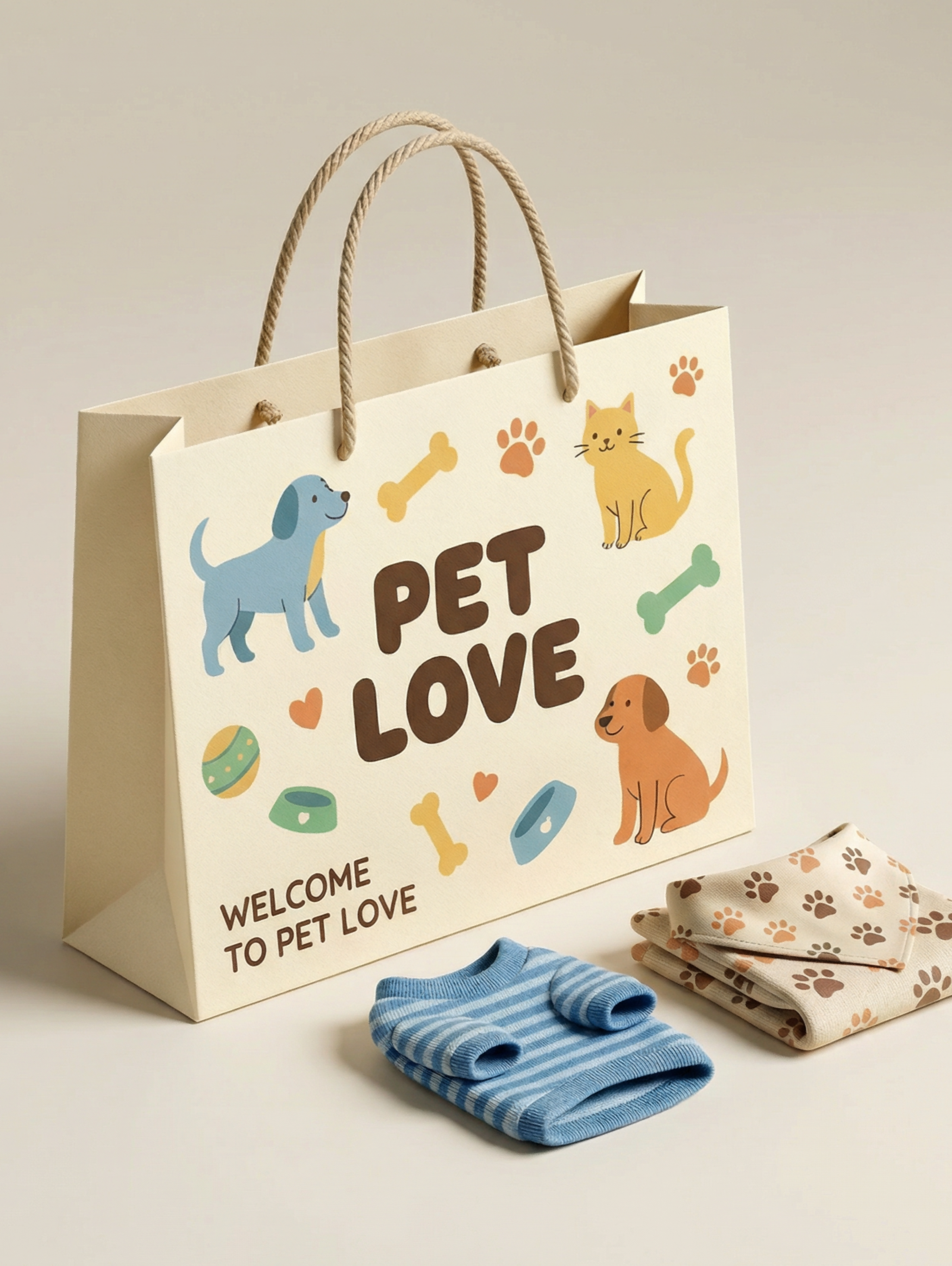
Custom shopping bags staged for export to EU, US, and Middle East markets.
Eco-friendly production and FSC compliance
For EU buyers in particular, the certification question usually arrives before the price question. FSC certification for custom rigid boxes (product code 4512) and custom shopping bags (product code 4511) is issued by GFA Certification GmbH under certification number GFA-COC-005690, in compliance with the standard FSC-STD-40-004 (Version 3.0), and applies to the European market. The certificate scope covers cardboard packaging, sacks and bags of paper, adhesive labels, and other pulp and paper products — the category that paper shopping bags fall into. The certificate was issued on 9 November 2021 and is recorded as valid until 9 October 2026.
Production itself is set up around environmentally controlled inputs: eco-friendly water-based printing inks, low-VOC adhesive materials for safer production, and compliance with FSC standards. For buyers who source custom kraft shopping bags specifically, this combination is usually what makes an annual program defensible to their own retail customers, not just to their procurement team.
FSC Chain of Custody certification GFA-COC-005690, issued by GFA Certification GmbH under FSC-STD-40-004 (Version 3.0).
Compliance planning note: certification is date-bound. Because the current certificate is recorded as valid until 9 October 2026, buyers scheduling programs beyond that date should request the current certificate copy at the time of each order. Separately, if a bag is intended for direct food contact in the United States, the relevant rule is FDA 21 CFR Part 176.170 — a requirement distinct from FSC and one that should be raised at specification stage.
Step-by-Step: How a Repeat Annual Order Actually Runs
A partnership becomes useful only when the process behind it is repeatable. The sequence below is what a second, third, or fourth order looks like once a program is running.
- Specification lock (first order only). Material, size, handle type, print method, finishing, and target weight capacity within the 2–15 kg range are agreed and recorded as a master specification. Artwork, logo placement, and brand color references are stored with it.
- Artwork and print method confirmation. The print method is matched to the design — CMYK or Pantone for brand colors, with UV, offset, or screen printing depending on coverage and substrate. Finishing decisions such as hot stamping or soft touch lamination are confirmed at the same time, because they affect both feel and production sequence for custom luxury paper bags.
- Sampling and approval. A sample is produced in the exact configuration the brand intends to repeat. Once approved, that sample becomes the reference standard for every following batch — this is the single most important control for repeat consistency.
- Production scheduling. Production lead time is 12–18 days. With a monthly capacity of 1,000,000 units, annual programs reserve capacity in blocks rather than competing for ad-hoc slots each time a reorder is needed.
- Quality control. Every order runs through a 100% quality check, so the acceptance rule is identical for order one and order five.
- Packing and export. Bags are packed for dry storage and shipping. The stated working conditions are storage and shipping in a dry environment, avoiding long-term high humidity, direct sunlight, rain soaking, and contact with chemicals — practical guidance that matters for buyers in humid or high-temperature markets. Shipments go to the EU, US, and Middle East.
- After-sales and next-cycle planning. Support is handled through real-time online chat, WhatsApp, telephone, and official email. Before the next production block, the account team and the buyer review the previous batch so the next order starts from a confirmed baseline rather than from memory.
Use Cases: Where an Annual Program Pays Off
Fashion and lifestyle retail — the Panama annual partnership
The clearest evidence for this model is an existing client. A Panama-based brand owner running its own fashion and lifestyle label signed an annual purchasing partnership with Opack covering retail packaging, gift packaging, and promotional packaging. Across one year, the program delivered more than 30,000 paper bags, more than 3,000 paper boxes, and more than 10,000 stickers, with a total annual purchase value above USD 12,000. The program was acquired through Google Ads and structured as a one-stop packaging solution covering paper bags, rigid boxes, and stickers.
Two outcomes matter more than the volumes. First, print quality remained consistent across multiple production batches. Second, the brand recorded zero quality complaints and zero after-sales issues, with all products delivered to specification and stable lead times throughout the project. That is what a partnership is actually buying: not a lower unit price, but a year without re-approval cycles and without batch-to-batch surprises.
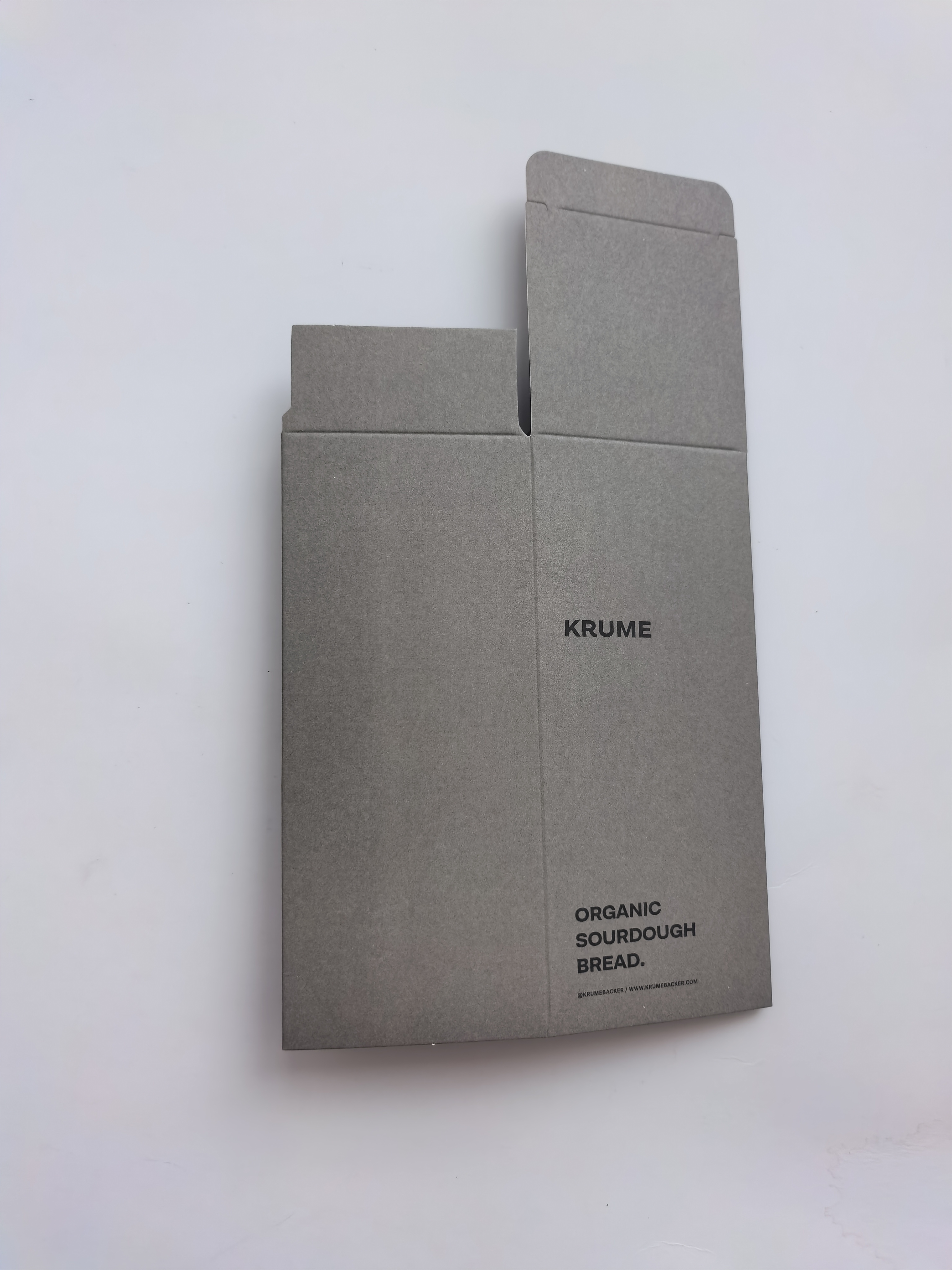
Folding carton work from an annual brand packaging partnership — bags, boxes, and stickers produced as one program.
Other program types
- Cosmetics and beauty: small-format custom paper bags with logo, often combined with rigid boxes for gift sets.
- Gift and promotional: branded gift bags with logo, produced seasonally and repeated the following year from the same specification.
- Trade shows and events: short-window demand that benefits from reserved capacity rather than a fresh quotation each time.
- E-commerce: personalized paper bags used as a branded alternative to plain shipping packaging, ordered in repeat blocks.
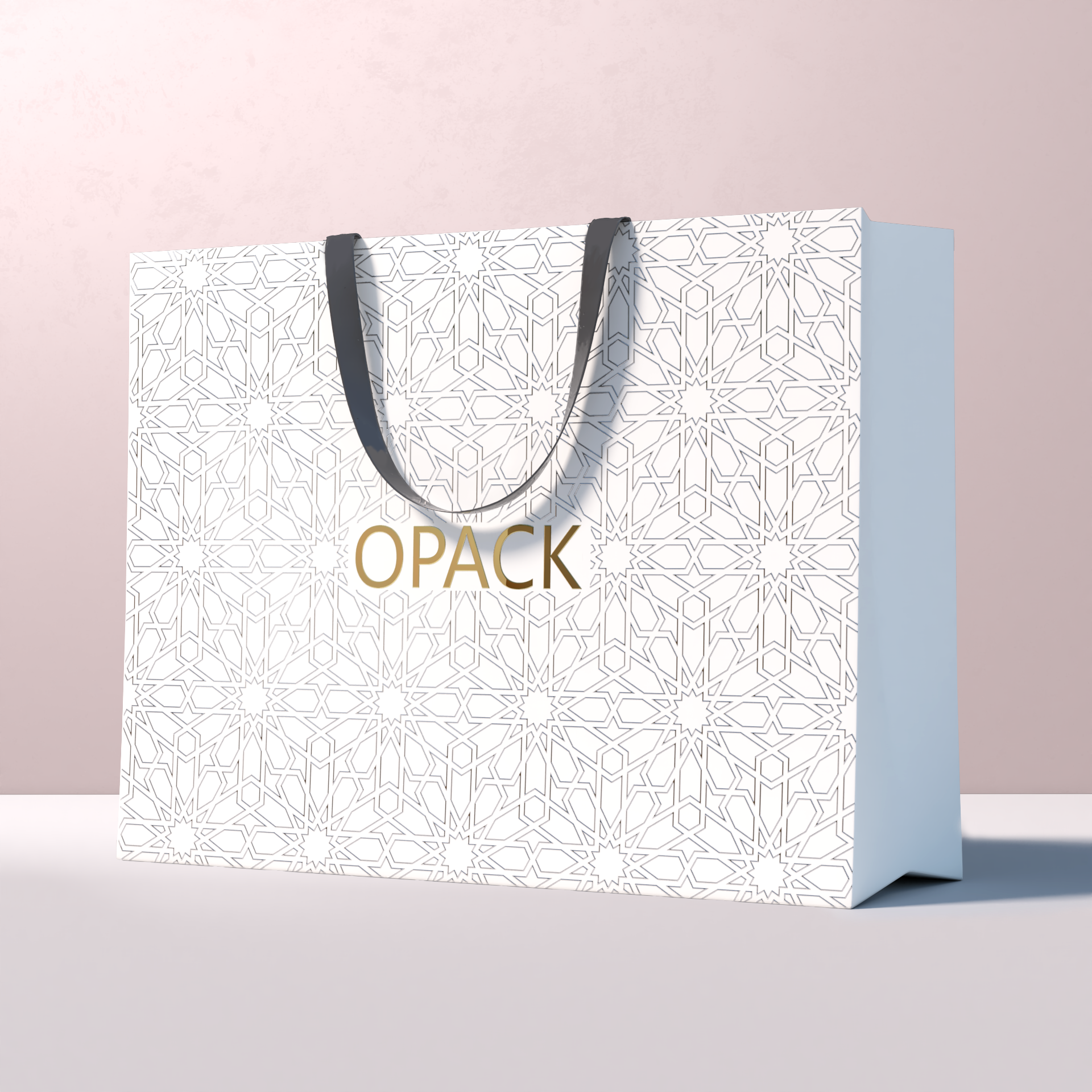
Custom shopping bags produced for Middle East retail and gifting programs.
Comparison: One-Off Purchasing vs. an Annual Partnership
The table below compares the two buying models on the dimensions that decide whether a bag program stays stable over twelve months.
| Planning dimension | One-off / spot purchasing (general market pattern) | Opack annual partnership program |
|---|---|---|
| Specification handling | Rebuilt and re-quoted with each order | One master specification reused for every reorder |
| Print consistency | Shade drift is common when substrate or press settings change between runs | Consistent print quality across multiple production batches, as recorded in the Panama annual program |
| Minimum order quantity | MOQ applies per purchase, unplanned | MOQ of 1,000 pcs applies per order but is planned into the annual schedule |
| Quality control | Depends on the supplier selected that time | 100% quality check on production |
| Lead time | Quoted order by order, capacity unsecured | 12–18 days, supported by monthly capacity of 1,000,000 units |
| After-sales contact | Changes with each supplier or order | Multi-channel support: real-time online chat, WhatsApp, telephone, official email |
| Compliance documents | Requested case by case, often late | FSC Chain of Custody GFA-COC-005690 under FSC-STD-40-004 (Version 3.0) |
Specification options to lock at the start of a program
Every dimension below is available on the PSB custom shopping bag line. Locking them once is what turns a purchase into a program.
| Specification | Available options | Planning note |
|---|---|---|
| Material | Kraft paper, whiteboard paper, specialty paper, coated paper | Kraft remains the mainstream choice; brown kraft is estimated at 58% of material demand by 2026 (Future Market Insights) |
| Printing | CMYK, Pantone, UV, offset, screen printing | Pantone references matter most for cross-batch brand color consistency |
| Finishing | Hot stamping, spot glossy UV, soft touch lamination, holographic foiling, embossing, debossing, matte lamination, gloss lamination | Drives the perceived value of custom luxury paper bags |
| Handles | Paper twisted, flat paper, cotton rope, ribbon, die-cut | Handle choice interacts directly with load and structure |
| Size | Fully customizable: small / medium / large / extra large | Fix once; changing size later resets tooling and cutting |
| Weight capacity | 2–15 kg depending on paper thickness and structure | State the target load at sampling, not after production |
| MOQ | 1,000 pcs | Plan annual volume in multiples of the MOQ |
| Lead time | 12–18 days | Schedule reorders around this window, not on demand |
FAQ: Long-Term Custom Shopping Bag Partnerships
1. Is Opack's custom shopping bag production FSC certified for EU buyers?
Yes. FSC certification for custom rigid boxes (product code 4512) and custom shopping bags (product code 4511) is issued by GFA Certification GmbH under certification number GFA-COC-005690, complies with the standard FSC-STD-40-004 (Version 3.0), and applies to the European market. The certificate scope covers cardboard packaging, sacks and bags of paper, adhesive labels, and other pulp and paper products — the material category paper shopping bags belong to. It was issued on 9 November 2021 and is recorded as valid until 9 October 2026. Because certification is date-bound, buyers running programs past that date should request the current certificate copy at the time of each order. Opack production additionally uses eco-friendly water-based printing inks and low-VOC adhesive materials and is compliant with FSC standards.
2. What can be customized in a long-term bag program, and how is consistency kept across repeat orders?
Customization covers logo, brand name, color, size, style, finishings, printing methods, and material. On the custom shopping bag (PSB) line specifically, that means Kraft paper, whiteboard paper, specialty paper, or coated paper; CMYK, Pantone, UV, offset, or screen printing; hot stamping, spot glossy UV, soft touch lamination, holographic foiling, embossing, debossing, matte lamination, or gloss lamination; and paper twisted, flat paper, cotton rope, ribbon, or die-cut handles. Sizes are fully customizable and the weight capacity range is 2–15 kg depending on paper thickness and structure. Consistency across repeat orders comes from three controls: a locked master specification, an approved pre-production sample used as the reference standard, and a 100% quality check on production. In the Panama annual program, print quality remained consistent across multiple production batches.
3. How should a brand owner budget for an annual custom shopping bag program?
Custom shopping bags are quoted per project, so there is no published unit price; the cost drivers are material grade, print method, finishing, handle type, size, target weight capacity, and order quantity against a MOQ of 1,000 pcs. The useful planning question is total annual spend rather than unit price alone. As a reference point, a Panama-based fashion and lifestyle brand ran an annual purchasing partnership covering 30,000+ paper bags, 3,000+ paper boxes, and 10,000+ stickers, with a total annual purchase value above USD 12,000. Because the specification was locked, the brand avoided the re-quoting and re-approval effort that comes with sourcing each order separately. Buyers should also budget for the compliance documentation they need — FSC documentation for EU retail, for example — and build the 12–18 day lead time into the annual calendar rather than into an emergency buffer.
4. How does sampling and approval work before repeat production starts?
Sampling is the point where a specification becomes physical. Opack's customization scope covers logo, brand name, color, size, style, finishings, printing methods, and material, so a sample can be produced in the exact configuration the brand intends to repeat — the same substrate, print method, handle construction, and finishing. Once approved, that sample becomes the reference for every following batch, which is what makes repeat production predictable. Sampling is also the least expensive stage to correct a problem: a handle type, a Pantone match, or a size that does not suit the product can be adjusted before a full run begins. After approval, production lead time is 12–18 days.
5. What lead time should we plan for, and who handles after-sales support after delivery?
Production lead time for custom shopping bags is 12–18 days, supported by a monthly capacity of 1,000,000 units, so annual programs should schedule repeat orders in blocks instead of on demand. After delivery, support runs through multiple channels — real-time online chat, WhatsApp, telephone, and official email — and the same contacts stay with the account across the year. For a program like the Panama partnership, that continuity is part of why no after-sales issues were recorded across a full year of repeat orders. For buyers ready to move from research to a decision, the practical next step is to send the current specification, annual volume estimate, and target markets to sales@opack.com or WhatsApp +86 15968809016, and request a sample and quotation before committing to the annual schedule.
Conclusion: The Second and Third Order Are What Prove a Partnership
The first order proves that a supplier can manufacture. The second and third prove that a supplier can repeat — which is the only thing an annual program really depends on. That is why a long-term custom shopping bag partnership should be evaluated on four measurable points: a locked specification with an approved reference sample, a defined quality standard such as a 100% quality check, a documented lead time of 12–18 days against a monthly capacity of 1,000,000 units, and an after-sales channel that does not change between orders. Certification belongs on the same list, and for EU programs it is usually the first item: FSC Chain of Custody GFA-COC-005690, issued by GFA Certification GmbH under FSC-STD-40-004 (Version 3.0) for the European market.
This is the model Opack has already run with a Panama-based fashion and lifestyle brand: 30,000+ paper bags, 3,000+ paper boxes, and 10,000+ stickers in a single annual partnership, with consistent print quality across batches, stable lead times, and zero after-sales complaints. The same structure is available to brand owners in the EU, US, and Middle East.
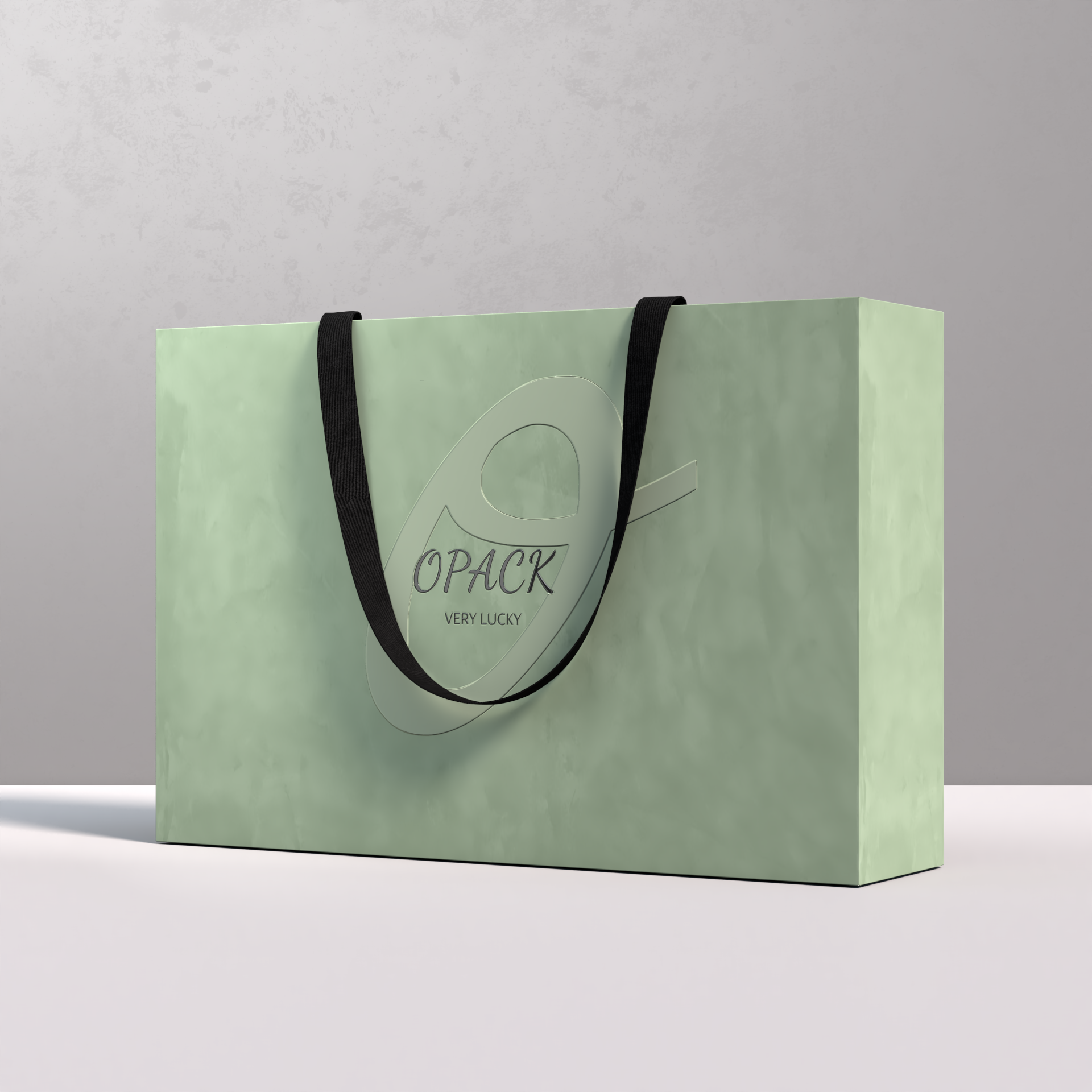
Custom paper shopping bags with handles — available in Kraft, whiteboard, specialty, and coated paper.
Start a Long-Term Custom Shopping Bag Program
Send your specification, annual volume estimate, and target markets — Opack will respond with sampling and quotation options based on your MOQ and lead time requirements.
Email: sales@opack.com | Tel: +86 17366633702 | WhatsApp: +86 15968809016
Website: www.opack.com | Company profile: download the Opack company profile (PDF)
Opack — custom packaging manufacturer, No. 8-10, Prosperity Road, Longgang City, Wenzhou City, Zhejiang Province.