Custom Shopping Bags: Value, Cost & Supplier Decision Guide
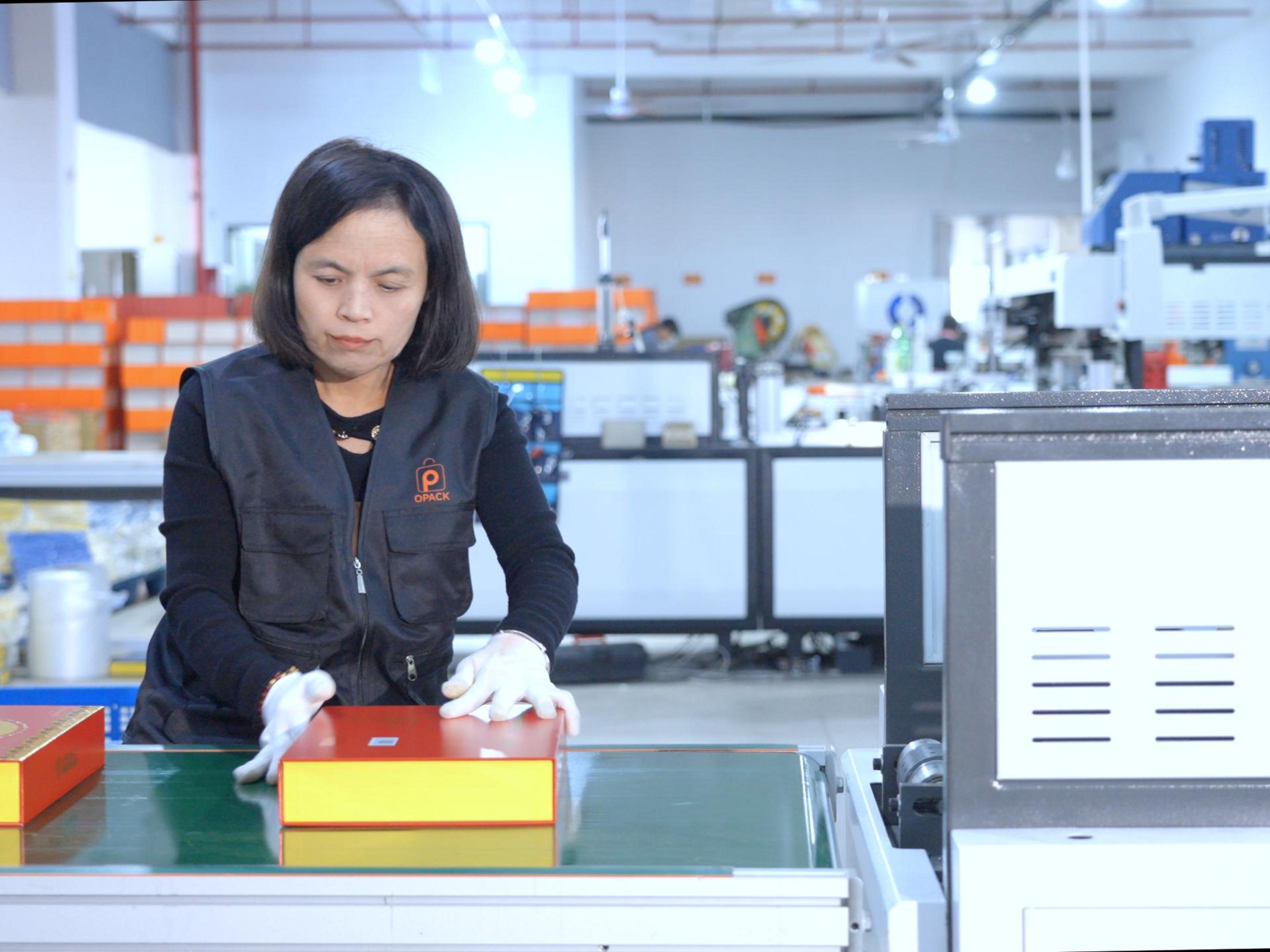
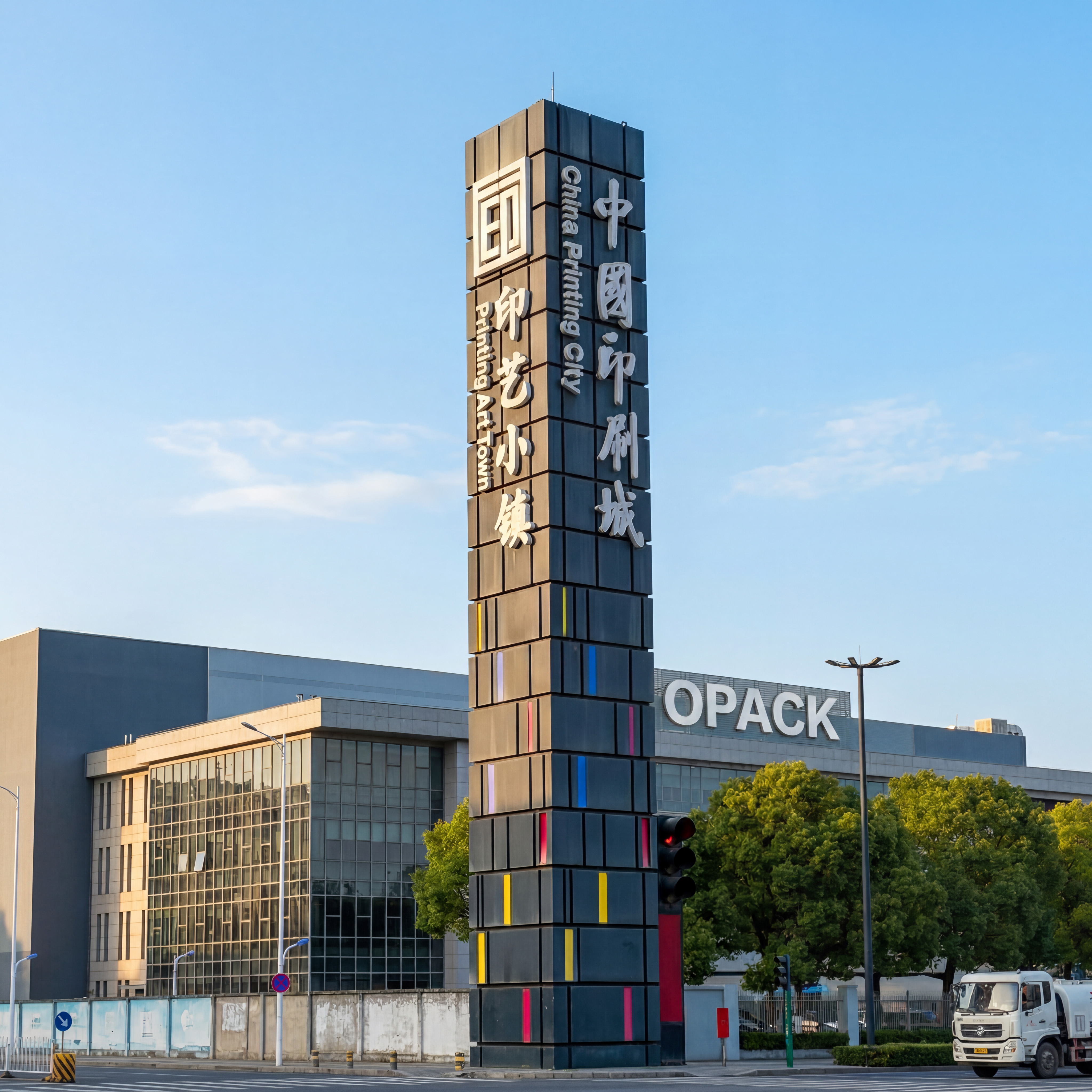
Opack is a custom packaging manufacturer based in Longgang, Wenzhou, Zhejiang Province, China — the Printing City of China — producing custom shopping bags, rigid boxes, folding cartons, and mailer boxes for export markets including the EU, USA, and Middle East. This guide compares custom shopping bags with plain shopping bags on price, brand impact, durability, sustainability, and manufacturing quality. It is written for brand owners, procurement managers, distributors, and retail teams at the final decision stage, where the question is no longer which bag to use, but whether the custom option is worth the cost.
The Decision Problem: Custom vs Plain at the Point of Purchase
In procurement, the comparison between custom shopping bags and plain shopping bags looks straightforward: the plain bag has the lower unit price. That framing, however, ignores the cost of the decision itself. Custom shopping bags cost 3%–10% more than plain shopping bags at the initial purchase stage, and in return they deliver performance benefits that plain bags cannot: a 20%–30% higher repeat purchase rate, a 10%–30% improvement in customer satisfaction, a 5%–15% increase in customer referrals, and 5%–10% more social media shares (Opack comparison data).
The real decision, therefore, is not whether custom shopping bags are more expensive. It is whether the use case — cosmetics retail, apparel stores, gift packaging, trade shows and events, or e-commerce — can convert that 3%–10% premium into brand value. A plain bag is a container. A custom bag with a logo is a brand touchpoint that the customer carries out of the store, reuses, and, in many cases, photographs. For bag suppliers and brand teams, the comparison must weigh initial cost against retention, referrals, and the durability of the bag across repeated use.
The hidden cost of a plain bag is not in its unit price but in what it fails to do. A plain bag does not signal the brand, does not reinforce the purchase experience, and does not give the customer a reason to reuse it. For retailers who rely on word-of-mouth and social proof, these functions are not decorative; they are part of the customer journey.
Industry Background: The Custom Paper Bag Market in 2026
Custom paper bag printing is one of the faster-growing segments in packaging. The global paper bags custom printing market was valued at USD 2.78 billion in 2024 and is projected to grow at a compound annual growth rate (CAGR) of 13.9% through 2030 (Grand View Research). The broader paper bags market reached USD 6.06 billion in 2024, with expectations to grow to USD 7.81 billion by 2029 (MarketsandMarkets).
Supply-side data reinforces the importance of the manufacturing source. China is the world's leading exporter of paper sacks and bags, with total exports valued at approximately USD 1.91 billion in 2023 (UN Comtrade / WITS). This matters for procurement teams evaluating custom paper bags with handles and custom printed paper bags with logos from Chinese manufacturers.
Brown kraft paper remains the dominant material segment, estimated to hold a 58% share of total material demand by 2026, driven by sustainability preferences (Future Market Insights). Asia Pacific is the largest regional market for paper bags, accounting for over 36.5% of the global share in 2025 (IMARC Group). For compliance teams, the Forest Stewardship Council (FSC) certification is the primary industry standard for verifying sustainable sourcing, with a 56% global consumer recognition rate (Forest Stewardship Council, 2025).
The shift toward brown kraft paper is relevant to the custom versus plain comparison because kraft material is well suited to custom printing, handles, and retail use. For brands that publish sustainability targets, choosing a recyclable bag with certified material sourcing also reduces compliance risk in markets where packaging regulations are tightening.
Custom Shopping Bags vs Plain Shopping Bags: The Detailed Comparison
Custom shopping bags offer distinct advantages over plain shopping bags (Opack comparison data). The core differences are: fully customizable design, higher brand visibility, a more memorable unboxing experience, a more high-end look, and eco-friendly material options. On the technical side, custom shopping bags can be produced with FSC-certified materials and water-based printing inks, which makes them fully recyclable after their service life.
The performance differences measured by Opack, comparing custom shopping bags with plain shopping bags, are:
These figures describe the performance of custom shopping bags relative to plain shopping bags in Opack's comparison dataset. Actual results depend on the brand, the product category, and the quality of the design and printing.
Durability during repeated use. The physical difference between a custom and a plain shopping bag goes beyond appearance. Custom shopping bags typically use more sturdy paperboard, durable printing, and reinforced handles, which results in less tearing and less handle breakage during repeated use. For the customer, that means the bag survives more than one trip; for the brand, it means the logo remains visible for longer. Sustainability. Custom shopping bags built with FSC-certified materials and water-based printing inks are fully recyclable after their service life, which supports retailer sustainability programs and consumer-facing environmental claims.
Step-by-Step: How to Evaluate and Procure Custom Shopping Bags
For a decision-stage buyer, the following seven-step framework translates the comparison data into a procurement plan:
- Define the product and the load weight. Cosmetics, apparel, gifts, and e-commerce shipments impose different load requirements. Opack conducts load-bearing tests before mass production to verify handle strength, paper durability, and structural stability.
- Set the cost baseline. Expect a 3%–10% higher initial cost for custom shopping bags, and evaluate that premium against the brand value benefits in the sections above.
- Verify material and compliance. For sustainability-driven projects, confirm FSC-certified materials, water-based printing inks, and end-of-life recyclability.
- Check print-quality controls. Color variation is a common failure point in custom printed paper bags. Opack uses professional spectrophotometers and holds color difference (ΔE) within approximately 1.5, a level nearly imperceptible to the human eye.
- Require pre-production validation. Confirm that the supplier runs a pre-production color approval process and load-bearing testing before mass production begins.
- Build inspection checkpoints into the order. Opack's process includes in-process quality inspections during printing, a final quality inspection before shipment, and batch-by-batch quality verification.
- Plan for reuse. If the bag is intended for repeated use, specify reinforced handles and sturdy paperboard to minimize tearing and handle breakage.
Use Cases: Where Custom Shopping Bags Deliver the Highest Value
Opack's comparison data identifies five use cases where custom shopping bags create the most measurable value: cosmetics retail, apparel stores, gift packaging, trade shows and events, and e-commerce stores. In these segments, packaging is part of the purchased experience. A consumer purchasing a gift or a beauty product is more likely to reuse a branded paper bag with handles, to associate the bag with the brand, and to share the experience. Those behaviors map directly to the performance indicators — repeat purchase, satisfaction, referrals, and social sharing.
Cosmetics retail. The bag carries the product and the brand aesthetic; a custom paper bag with logo supports the premium positioning of the product inside. Apparel stores. Customers carry the bag in public spaces, turning each transaction into a brand impression. Gift packaging. A branded gift bag adds perceived value to the gift itself and is frequently reused by recipients. Trade shows and events. Bags function as takeaway branding, extending the event impression beyond the booth. E-commerce stores. The unboxing experience is often the first physical contact with a brand, and a custom printed bag makes that moment more memorable.
Conversely, plain shopping bags may still be appropriate for high-volume, price-sensitive, single-use carry-out situations where the customer's impression of the brand is not part of the transaction. The trade-off is the loss of the 20%–30% repeat purchase benefit and the brand visibility that a custom printed bag provides.
Comparison Table: Custom Shopping Bags vs Plain Shopping Bags
| Comparison point | Custom shopping bags | Plain shopping bags |
|---|---|---|
| Customizability | Fully customizable | Standard, non-customized |
| Brand visibility | Higher — logo, colors, and messaging on the bag | Lower — minimal brand communication |
| Unboxing experience | More memorable | Standard |
| Look and feel | More high-end | Basic |
| Initial cost | 3%–10% higher | Baseline (lower unit price) |
| Repeat purchase rate | 20%–30% higher | Baseline |
| Customer satisfaction | 10%–30% improvement | Baseline |
| Customer referrals | 5%–15% increase | Baseline |
| Social media shares | 5%–10% more | Baseline |
| Durability under repeated use | More sturdy paperboard, durable printing, reinforced handles; less tearing and handle breakage | Standard construction |
| Environmental profile | FSC-certified materials, water-based printing inks, fully recyclable | Varies by material |
| Best for | Cosmetics retail, apparel stores, gift packaging, trade shows and events, e-commerce stores | Price-sensitive, single-use situations |
Quality Control: Reducing the Risk of a Custom Shopping Bag Order
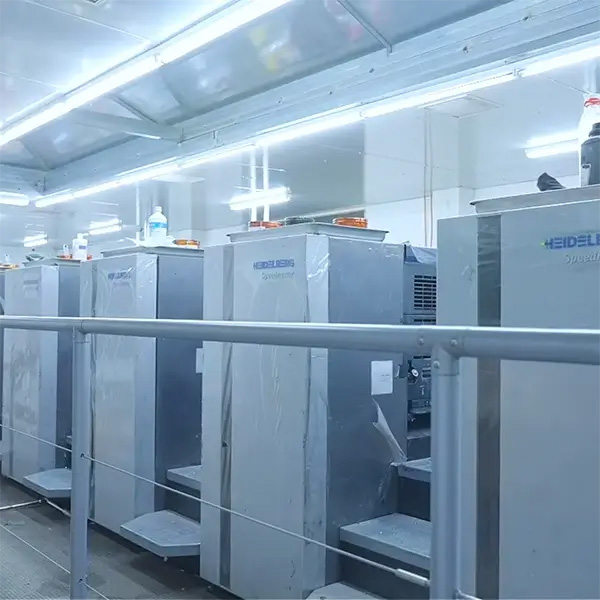
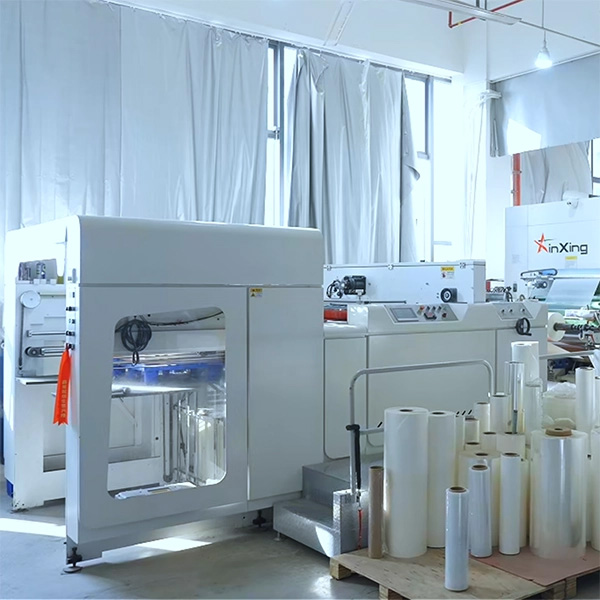
The two most common risks in a custom shopping bag order are printing color variation and insufficient load-bearing strength (Opack risk data). Opack addresses color risk with professional spectrophotometers that measure and monitor color consistency throughout production. The color difference (ΔE) is controlled within approximately 1.5, which is nearly imperceptible to the human eye. A pre-production color approval process fixes the print standard before the full production run, and in-process quality inspections monitor printing during production.
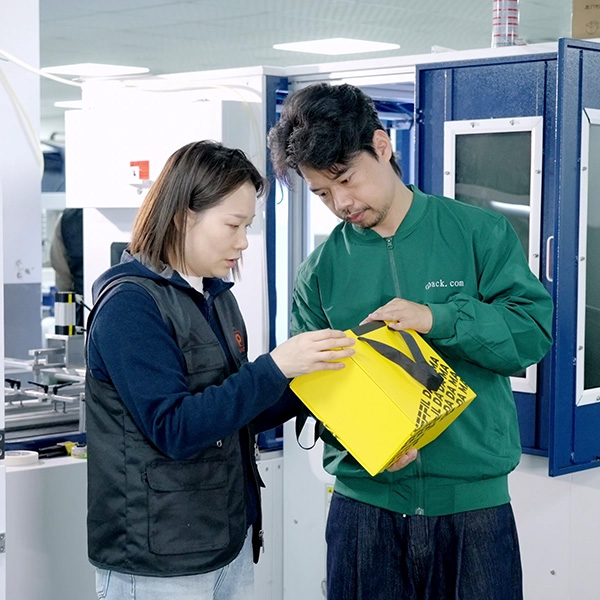
Load-bearing risk is managed before mass production: load-bearing tests verify handle strength, paper durability, and structural stability so the packaging can safely support the intended product weight. Every order then passes a final quality inspection before shipment, and batch-by-batch quality verification ensures consistency across the entire order, not just the first samples.
Supplier Context: Opack's Manufacturing Base for Custom Shopping Bags
Opack is a custom packaging manufacturer established in 2010 and based in Longgang, a city known as the Printing City of China. The company operates a 10,000 m² factory with 160 employees and an annual output of 10,000,000 units; 80% of that output is exported to the EU, USA, and Middle East. Opack's product line covers custom shopping bags, custom rigid boxes, custom folding cartons, and custom mailer boxes. In the global high-volume paper bag and fiber packaging market, leading competitors include Mondi Plc, Smurfit Kappa Group, and International Paper Company (Future Market Insights, 2024). For buyers comparing suppliers, Opack's relevant characteristics are its in-house manufacturing in the Printing City of China and its documented quality-control instrumentation for color and load-bearing verification.
Frequently Asked Questions
1. Are custom shopping bags with FSC certification available?
Yes. The Forest Stewardship Council (FSC) certification is the primary industry standard for verifying sustainable sourcing, with a 56% global consumer recognition rate (Forest Stewardship Council, 2025). Opack offers custom paper shopping bags with FSC-certified materials, combined with water-based printing inks, and the finished bags are fully recyclable after their service life. For food-contact applications, US FDA 21 CFR Part 176.170 is the relevant compliance reference for direct food contact safety (FDA, 2024).
2. What customization and printing capabilities does Opack support for custom paper bags with logos?
Opack is a custom packaging manufacturer established in 2010, located in Longgang (the Printing City of China), with a 10,000 m² factory, 160 employees, and an annual output of 10,000,000 units. Opack's custom shopping bags are fully customizable, and production includes offset printing and UV printing processes. Color consistency is monitored with professional spectrophotometers, keeping color difference (ΔE) within approximately 1.5. Opack serves mainly EU, USA, and Middle East markets, with an export ratio of 80%.
3. How much more do custom shopping bags cost than plain shopping bags?
Custom shopping bags have a 3%–10% higher initial cost than plain shopping bags (Opack comparison data). That premium covers full customization, higher brand visibility, a more memorable unboxing experience, and performance benefits: a 20%–30% higher repeat purchase rate, a 10%–30% improvement in customer satisfaction, a 5%–15% increase in customer referrals, and 5%–10% more social media shares. The investment decision depends on whether the use case can convert that premium into customer retention and brand value.
4. Can buyers request samples or pre-production approval before mass production?
Yes. For custom shopping bags with logos, Opack's process includes a pre-production color approval and load-bearing testing before the mass production run, so the print standard, handle strength, paper durability, and structural stability are verified in advance. Buyers can request a sample or a quotation for their specification by contacting Opack at sales@opack.com or via WhatsApp at +86 15968809016.
5. How is the production timeline handled for a custom shopping bag order?
Opack does not publish a fixed lead time because the timeline depends on order-specific factors such as bag size, print coverage, finishing, order quantity, and destination. What is consistent across orders is the quality gate sequence: pre-production color approval, load-bearing verification, in-process printing inspections, final quality inspection before shipment, and batch-by-batch quality verification. To receive the current production timeline and a quote for your project, contact Opack at sales@opack.com, call +86 17366633702, or send a WhatsApp message to +86 15968809016. Opack can provide a sample, a quotation, and the current production timeline for your bag specification.
Start a Custom Shopping Bag Project with Opack
Opack is a custom packaging manufacturer in Longgang, the Printing City of China, producing custom shopping bags with FSC-certified materials, water-based inks, and quality-controlled printing. Request a sample, a quotation, or the current production timeline.
Email: sales@opack.com | Tel: +86 17366633702 | WhatsApp: +86 15968809016
Website: https://www.opack.com/
Company brochure: Download PDF
Conclusion: A Data-Backed Decision for Custom Shopping Bags
Custom shopping bags are not a low-cost alternative to plain shopping bags; they are a brand investment with a measurable cost structure. The comparison data is specific: a 3%–10% higher initial cost and a 20%–30% higher repeat purchase rate, plus improvements in customer satisfaction, referrals, and social sharing. The bags are fully customizable, more memorable in the unboxing moment, more visible in the customer's hands, and more durable under repeated use, while FSC-certified materials and water-based inks keep the solution recyclable.
For decision-stage buyers, the framework is simple: match the bag to the use case, verify material compliance, confirm the supplier's color and load-bearing controls, and build inspection checkpoints into the order. Opack — a custom packaging manufacturer in Longgang, the Printing City of China — supports custom shopping bag projects end to end. Start with a sample or a quote: sales@opack.com | +86 17366633702 | WhatsApp +86 15968809016.
Have Questions or Need More Details?
Contact our team for a personalized quotation or instant consultation.
Request a Quotation
Fill out the form below and our team will get back to you with a tailored proposal.
WhatsApp Direct Chat
Prefer to chat in real-time? Message us on WhatsApp for instant assistance & quick answers.
- Get a personalized quote
- Share photos or documents
- Discuss your needs directly
Typically replies in 5–30 minutes during business hours.