Top 6 Custom Rigid Box Styles for Luxury Cosmetics and Jewelry Brands in 2026
Top 6 Custom Rigid Box Styles for Luxury Cosmetics and Jewelry Brands in 2026
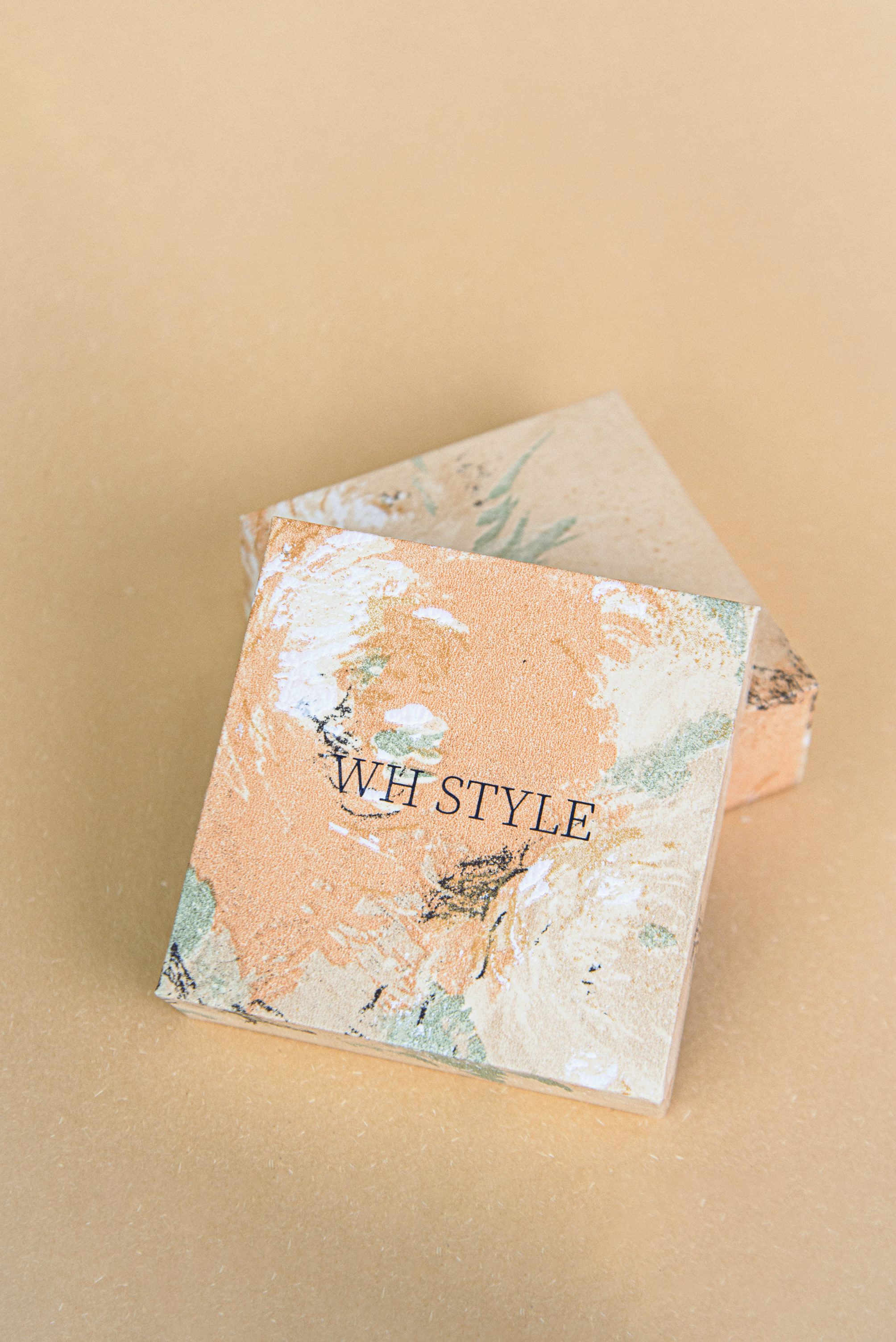
Choosing a rigid box style is the last structural decision a luxury cosmetics or jewelry brand makes before artwork, inserts and tooling are locked. In 2026, six custom rigid box styles cover almost every premium use case in these two categories: the two-piece lidded rigid box, the magnetic-closure flip-top box, the slide-out drawer box with ribbon pull, the collapsible (foldable) rigid box, the rigid gift box with a fitted foam or EVA insert tray, and the sleeve-and-tray rigid box. Each one changes four things at once: how the product is revealed, how the box travels and stores, how the surface can be decorated, and how easily the pack can be made recyclable.
The ranking below is written from a manufacturing point of view — what each structure actually demands in grey board, wrapping, inserts and finishing — and from a buyer's point of view: which style fits which product, which sales channel, and which compliance obligation. No third-party reviews, ratings or benchmarks are invented here. Every figure used is either published market research or a measured production control.
Why Rigid Box Style Is a Decision, Not a Detail
Two boxes can use the same grey board, the same print file and the same insert budget and still behave completely differently once they reach a customer. Style governs the reveal sequence — lift-off, hinge, slide or sleeve pull — how much protection the box can give the product inside, how many units fit on a pallet, and which materials can be used at all. In that sense, style is a commercial decision disguised as an aesthetic one.
The commercial case for the custom route is well documented. Custom rigid boxes are fully customizable and deliver higher brand visibility, a more memorable unboxing experience and a more high-end look than regular rigid boxes, at 5%–10% higher initial costs. Buyers who track outcomes report 20%–30% higher repeat purchase rates, a 10%–30% improvement in customer satisfaction, a 5%–15% increase in customer referrals and 5%–10% more social media shares. Style is what turns those general advantages into a physical experience a customer can hold.
Material direction is equally settled. Paper and paperboard materials account for approximately 55.4% of total rigid box material revenue, as brands move toward recyclable substrates. Every structure in this ranking can be built on that paper-based foundation.
What Changed for Cosmetics and Jewelry Packaging in 2026
The global rigid boxes market was valued at USD 31.2 billion in 2025 and is projected to reach USD 48.9 billion by 2035. Within the wider corrugated market, the rigid box segment is expected to expand at a 9.2% CAGR from 2026 to 2033, driven by e-commerce and premium packaging needs. Asia Pacific held a 48.2% revenue share of the global rigid packaging market in 2023, while Europe remains the largest specific market for luxury rigid boxes.
The bigger operational change is regulatory. The EU Packaging and Packaging Waste Regulation — Regulation (EU) 2025/40 — became mandatory on 12 August 2026, requiring packaging placed on the EU market to be recyclable and properly labelled. For cosmetics and jewelry, that pushes structure decisions upstream. A bonded multi-material insert that cannot be separated, or a surface treatment that blocks recycling, is now a supply risk rather than a design preference. Style selection is where that risk is either created or avoided.
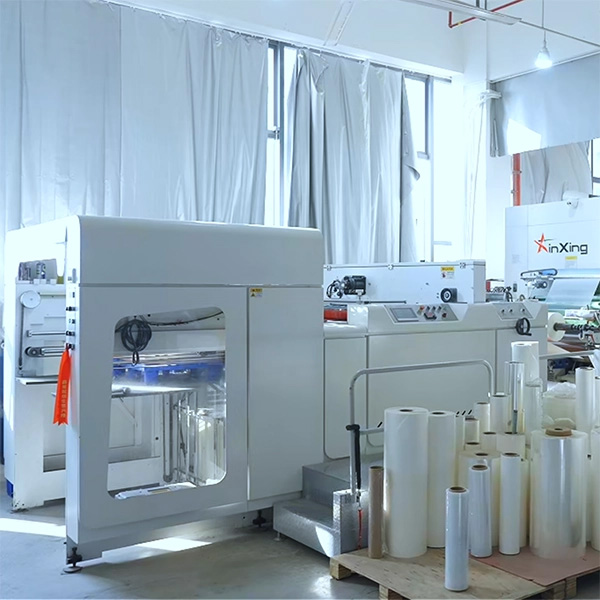
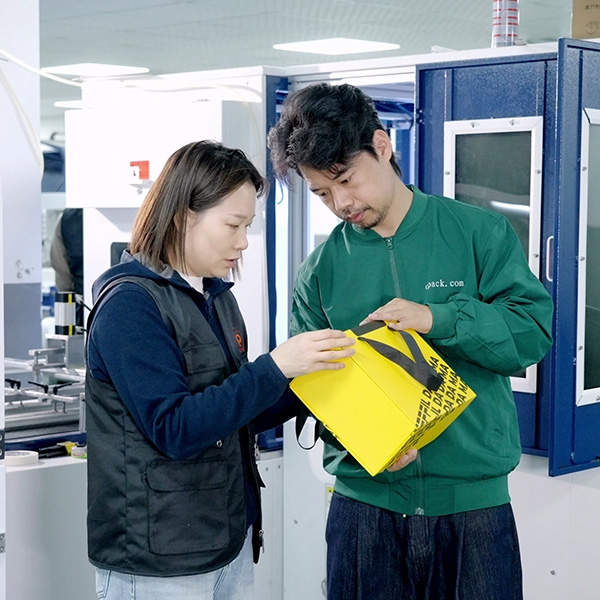
Custom rigid boxes under HS Code 481920 remain a major export category, with China a primary global supplier. The supply base is mixed: global groups such as Smurfit Westrock, Mondi Group and Sonoco, alongside specialized converters such as PakFactory and BorhenPack. Opack is a custom packaging manufacturer based in Longgang, Wenzhou, Zhejiang Province, China — an area locally known as the Printing City of China. Founded in 2010, Opack operates a 10,000 m² factory with 160 employees and an annual output of 10,000,000 units, supported by an R&D team of five. Roughly 80% of production is exported to the EU, USA and Middle East, and the product range covers custom rigid boxes, folding cartons, mailer boxes, paper shopping bags and paper tubes for apparel, cosmetics, retail, gifting and jewelry packaging.
How These Six Styles Were Ranked
Ranking box styles is different from ranking suppliers. The positions below reflect how well each structure performs against five buyer-relevant criteria, using only structural and material facts — no numeric scores were invented for any style.
- Presentation and reveal sequence — how the product is first seen, and whether the opening action suits a counter, a shoot or a home unboxing.
- Insert and product-fit flexibility — whether the shell can hold foam, EVA or paper-based trays, and whether it can carry a single hero item or a multi-SKU set.
- Structural durability — thicker customizable grey board, reinforced corner edges, magnetic closure alignment and scratch-resistant lamination reduce warping, delamination and lid misfit during repeated use.
- Eco-material compatibility — support for FSC-certified grey board, low-VOC adhesives and eco-friendly inks, with a construction that stays fully recyclable and biodegradable after service life.
- Fulfillment profile — storage and freight volume, hand assembly requirements, and how well the style works for distributors and e-commerce fulfillment.
1. Two-Piece Lidded Rigid Box (Lid-and-Base Setup Box)
A two-piece lidded rigid box — also called a rigid setup box or lid-and-base box — is built as two separate wrapped components: a shallow lid and a deeper base. Both are formed from grey board and wrapped in printed or plain paper, so the finished box keeps its shape permanently rather than collapsing after opening.
Ranking rationale: the lift-off reveal is controlled and unhurried, and nothing sits between the lid and the product at the moment of opening. That suits fragrance, single-jar skincare and one-piece jewelry, where the product itself is the event and the box is the frame.
- Thicker customizable grey board and reinforced corner edges reduce warping, delamination and lid misfit during repeated use.
- Scratch-resistant lamination protects the wrap on retail counters, in travel bags and during returns handling.
- Lid-to-base tolerance is the main quality risk: a loose lid reads as a lower-grade box, so fit must be specified and inspected rather than assumed.
- Insert scope is typically a flat pad, a shallow tray or a die-cut insert seated inside the base.
Choose this style when the product is moderate in weight, the presentation is linear, and the box does not need to fold down for storage or shipping.
2. Magnetic-Closure Flip-Top Rigid Box
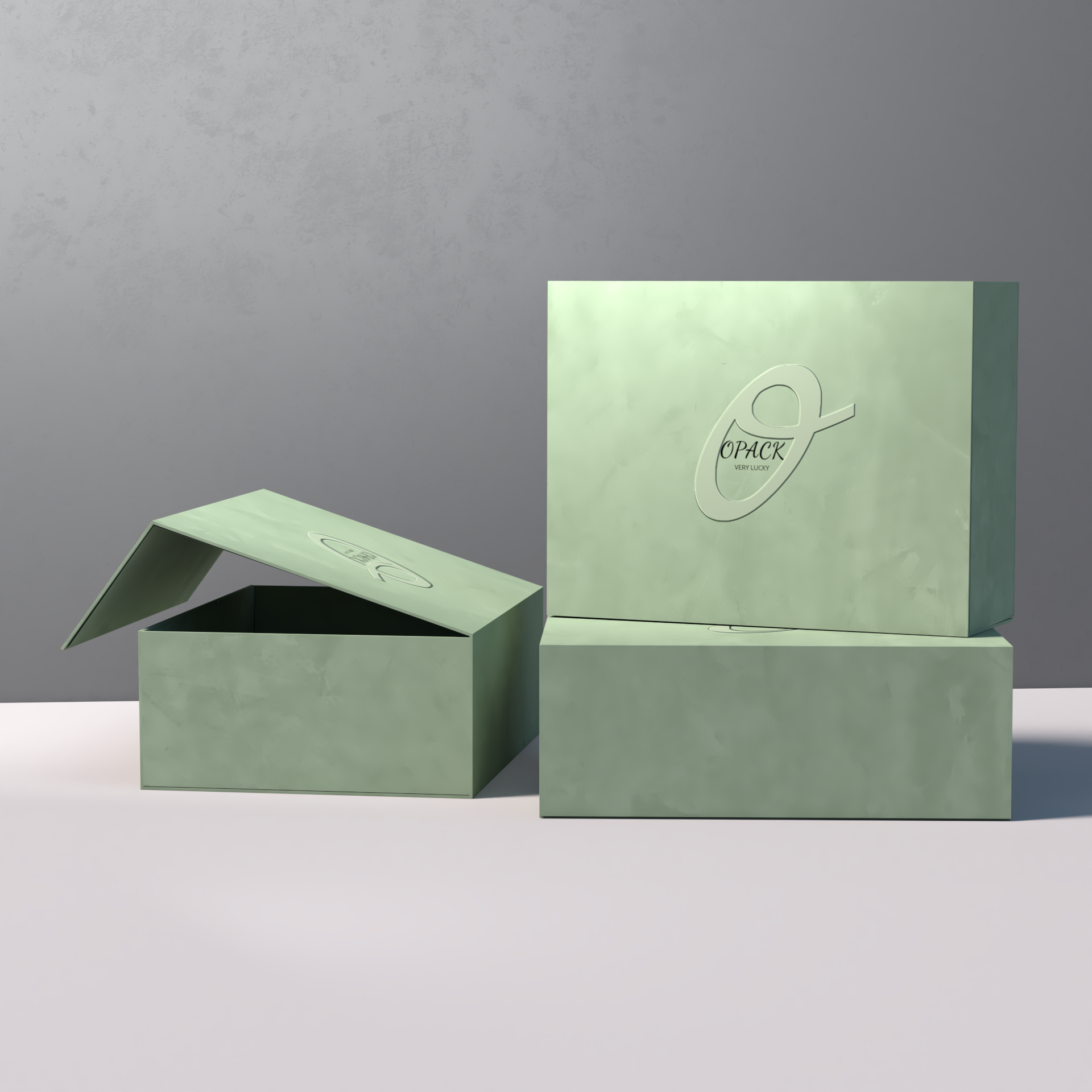
A magnetic-closure flip-top rigid box joins lid and base with a hinged rear panel and holds the lid shut using concealed magnets. The result is a book-style opening that can be managed with one hand — a format widely used for cosmetics gift sets, PR kits and jewelry presentation boxes.
Ranking rationale: the technical features behind this style — magnetic closure alignment and scratch-resistant lamination — exist to enhance durability and user experience, and the same construction reduces warping during repeated use. A correctly aligned magnet produces a repeatable, premium close that a friction-fit lid cannot match.
- Magnet alignment must be controlled in production; misalignment is the most visible defect in this structure.
- A heavier board build is required so the magnet can sit inside the panel without bulging.
- The lid holds itself open, which helps counter display, consultation selling and unboxing content.
- Less space-efficient than a foldable structure in storage and freight.
This style is the right choice for multi-item sets, fragile items that need a rigid cavity, and launches where the opening sequence is filmed or demonstrated in store.
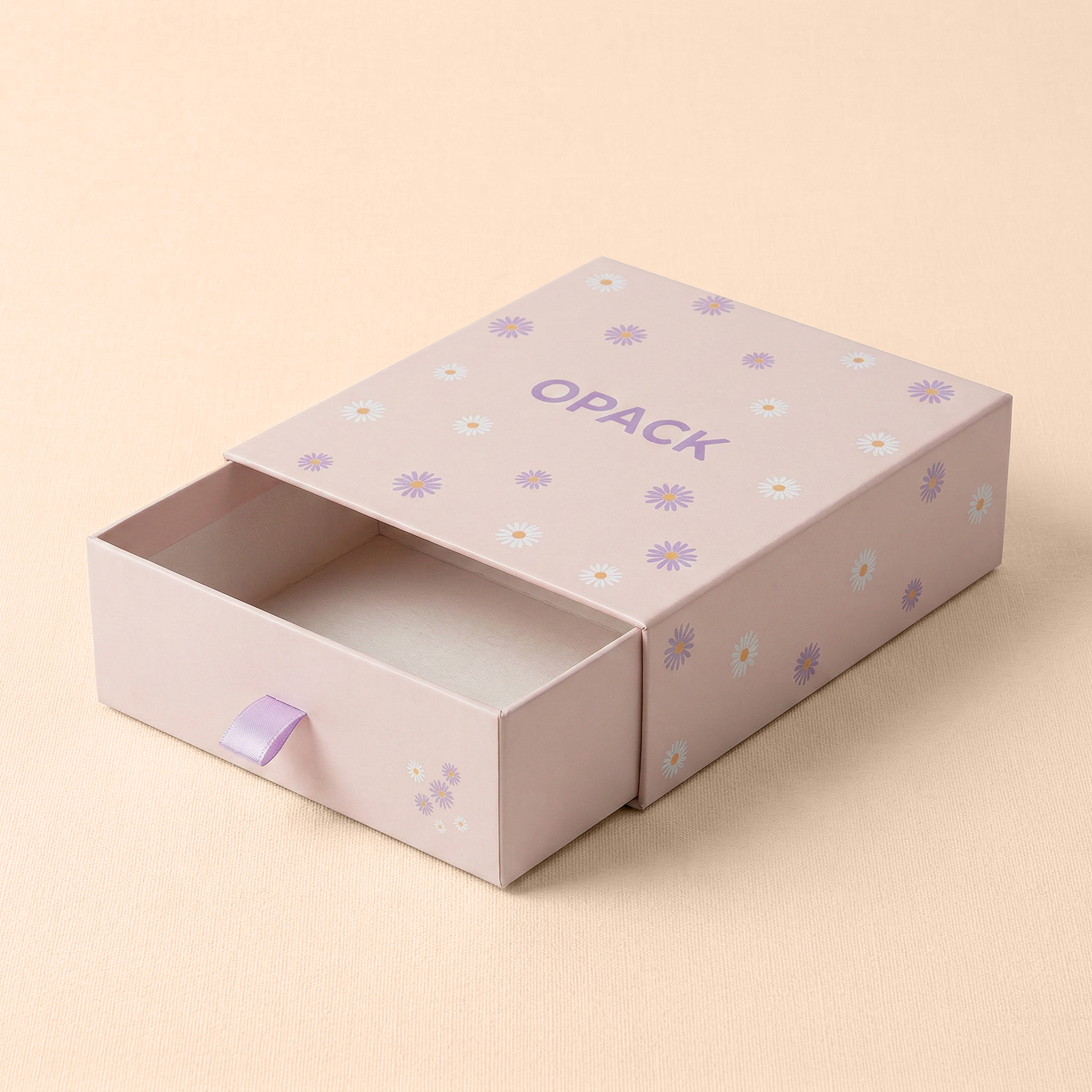
3. Slide-Out Drawer Rigid Box with Ribbon Pull
A drawer-style rigid box pairs a rigid outer sleeve with an inner tray that slides out, often with a ribbon pull. The action is horizontal, which keeps jewelry and small accessories flat and visible instead of lifting them out of a deep base.
Ranking rationale: the drawer format works as both packaging and display. The tray can be left open on a counter or in a photograph while the product stays in position, which is exactly what jewelry brands need.
- Suited to necklaces, bracelets, earrings and layered sets where the tray doubles as a display surface.
- Tray-to-sleeve tolerance controls how the box feels; too tight and it binds, too loose and it loses perceived value.
- The ribbon pull is a wear point and should be specified as a durable woven tape.
- Less ceremonial than a lift-off lid — the reveal is tidy and functional rather than dramatic.
4. Collapsible (Foldable) Rigid Box
A collapsible rigid box — also searched as a foldable rigid box or custom collapsible rigid box — is manufactured with scored rigid panels so it ships flat and can be assembled by hand in seconds. The wrapped edges and rigid feel stay intact; only the volume changes.
Ranking rationale: this is the structure that connects luxury presentation to e-commerce reality. Shipped flat, it reduces storage and freight volume for brands, distributors and fulfillment partners while keeping the rigid appearance that a mailer box cannot reproduce.
- Strong fit for direct-to-consumer shipping, subscription programs, PR mailings and distributor stock.
- Hand assembly is required at the packing station — a small but real labor step.
- Best with moderate product weights; very heavy items favor a fixed structure.
- Paper-based construction supports recyclability and encourages re-use as a storage box.
- For searches such as collapsible gift boxes or foldable rigid box, this is the structure buyers are looking for.
5. Rigid Gift Box with a Fitted Foam or EVA Insert Tray
A rigid gift box with a fitted insert adds a die-cut tray inside the shell. Foam and EVA inserts hold each component in a dedicated cavity, while paper-based trays offer the recyclable alternative.
Ranking rationale: inserts are what make a rigid box work for multi-SKU cosmetics sets and jewelry collections, because the box stops being a container and becomes a protection and display system. The structure itself can be any of the shells above; the insert is what defines the customer experience.
- Cavity layout can be designed for one hero product or a set of several items.
- Foam and EVA inserts cushion glass bottles and shaped jewelry; paper trays suit lighter items and simpler recycling.
- Each new component or size usually requires a new insert drawing, so plan insert changes alongside the seasonal calendar.
- Insert material should be reviewed against EU recyclability requirements: separable, paper-based designs are easier to justify than bonded mixed materials.
- Finger pulls and lid clearance should be confirmed at sample stage, not at production.
6. Sleeve-and-Tray Rigid Box with Printed Sleeve
A sleeve-and-tray rigid box combines a rigid tray — the load-bearing component — with a printed sleeve that carries the artwork. The tray gives the box its structure and its weight in the hand, while the sleeve carries the visual identity.
Ranking rationale: this is the most flexible style for brands running seasonal artwork, limited editions and regional print variants, because the artwork lives on a component that can be re-printed without rebuilding structural tooling.
- Artwork can be refreshed per campaign while the tray remains unchanged.
- The tray can be retained and re-used by the customer, which supports the reusability angle of premium packaging.
- Sleeve fit tolerance must be specified — a slack sleeve undermines the premium impression.
- The sleeve is thinner than a wrapped lid, so finishing quality carries more of the perceived value.
The Six Styles Side by Side
| Rigid box style | Structure | Strongest fit | Insert options | Eco-material compatibility | Freight & storage profile |
|---|---|---|---|---|---|
| Two-piece lidded box | Separate wrapped lid and base | Fragrance, single jar, one-piece jewelry | Flat pad, shallow tray, die-cut insert | Paper-based; FSC-certified grey board, low-VOC adhesives, eco-friendly inks; recyclable | Fixed volume; no folding |
| Magnetic-closure flip-top | Hinged lid with concealed magnets | Gift sets, PR kits, fragile single items | Die-cut insert, foam or paper tray | Paper components recyclable; the concealed magnet is the main separation point at end of life | Fixed volume; lid stays open for display |
| Slide-out drawer with ribbon pull | Rigid sleeve plus sliding inner tray | Jewelry, accessories, layered reveals | Fitted tray, foam insert, ribbon pull | Paper-based; ribbon is a separate component to review for recyclability | Fixed volume; flat presentation profile |
| Collapsible rigid box | Scored rigid panels, assembled by hand | E-commerce, subscription, PR mailing, distribution | Paper tray or lightweight insert | Paper-based; ships flat; intended for re-use | High efficiency; ships and stores flat |
| Rigid gift box with fitted insert | Rigid shell plus die-cut cavity tray | Multi-SKU sets, cosmetics kits, jewelry collections | Foam, EVA or paper-based cavity tray | Paper shell recyclable; foam or EVA insert is the mixed-material point, paper trays are the alternative | Fixed volume; insert depth adds height |
| Sleeve-and-tray box | Rigid tray plus printed sleeve | Seasonal and limited editions, artwork refreshes | Tray-based fitment, insert optional | Two separable paper components; the sleeve can be replaced while the tray is retained | Fixed volume; two components to store |
Custom rigid boxes vs regular rigid boxes, in verified terms
| Decision dimension | Custom rigid boxes | Regular rigid boxes |
|---|---|---|
| Customization | Fully customizable structure, wrap and insert | Standard construction; baseline for comparison |
| Brand visibility and look | Higher brand visibility; more high-end appearance; more memorable unboxing | Standard format |
| Initial cost | 5%–10% higher initial costs | Baseline reference |
| Observed commercial outcomes | 20%–30% higher repeat purchase rates; 10%–30% improvement in customer satisfaction; 5%–15% increase in referrals; 5%–10% more social media shares | Baseline reference |
| Durability and maintenance | Thicker customizable grey board, reinforced corner edges, magnetic closure alignment and scratch-resistant lamination reduce warping, delamination and lid misfit during repeated use | Baseline reference |
| Material direction | FSC-certified grey board, low-VOC adhesives, food-safe and eco-friendly inks; fully recyclable and biodegradable after service life | Baseline reference |
Step-by-Step: Specifying a Rigid Box Style for Your Product
Use Cases: Which Style for Which Cosmetics and Jewelry Product
- Eau de parfum or a single premium jar: two-piece lidded rigid box. The lift-off reveal keeps attention on the bottle, and the wrapped base gives the box weight in the hand.
- Skincare gift set or holiday kit: magnetic-closure flip-top with a foam or paper insert tray. The lid holds itself open, which supports consultation and content capture.
- Necklace, bracelet or earring set: slide-out drawer box with ribbon pull and a fitted insert, so the piece stays flat and visible.
- Direct-to-consumer subscription shipments: collapsible rigid box. Flat shipping volume reduces storage footprint at the fulfilment stage while keeping a rigid look on arrival.
- Limited edition or seasonal campaign: sleeve-and-tray rigid box, so new artwork ships on a new sleeve while the tray structure stays in tooling.
- Jewelry collection with multiple components: rigid gift box with a die-cut cavity tray, with cavities sized to each piece rather than padding them loose.
Frequently Asked Questions
How do custom rigid box styles meet the EU packaging rules in force since 2026?
The EU Packaging and Packaging Waste Regulation, Regulation (EU) 2025/40, became mandatory on 12 August 2026, requiring packaging to be recyclable and properly labelled. For rigid boxes this favours paper-based structures: Opack rigid box options can be specified with FSC-certified grey board, low-VOC adhesives and eco-friendly ink systems, and are fully recyclable and biodegradable after service life. Styles that separate cleanly — such as a sleeve-and-tray box or a collapsible rigid box — make end-of-life sorting simpler than designs that bond mixed materials together.
Which rigid box styles can Opack produce with custom inserts and finishing?
Opack manufactures custom rigid boxes in lidded, magnetic-closure, drawer, collapsible and gift-box configurations, with fitted insert trays in foam, EVA or paper-based designs and finishes such as scratch-resistant lamination. Technical features behind the closures — magnetic closure alignment and scratch-resistant lamination — are specified to enhance durability and user experience and to reduce warping during repeated use. Production runs on a 10,000 m² factory with 160 employees and an annual output of 10,000,000 units.
Do custom rigid boxes cost more than regular rigid boxes?
Yes. Custom rigid boxes carry 5%–10% higher initial costs than regular rigid boxes. The measurable difference appears after purchase rather than at the quotation stage: 20%–30% higher repeat purchase rates, a 10%–30% improvement in customer satisfaction, a 5%–15% increase in customer referrals and 5%–10% more social media shares. Budget decisions are therefore better made per style than per unit price alone, since structure, insert complexity and finishing drive most of the difference.
Can a style be validated before committing to production volumes?
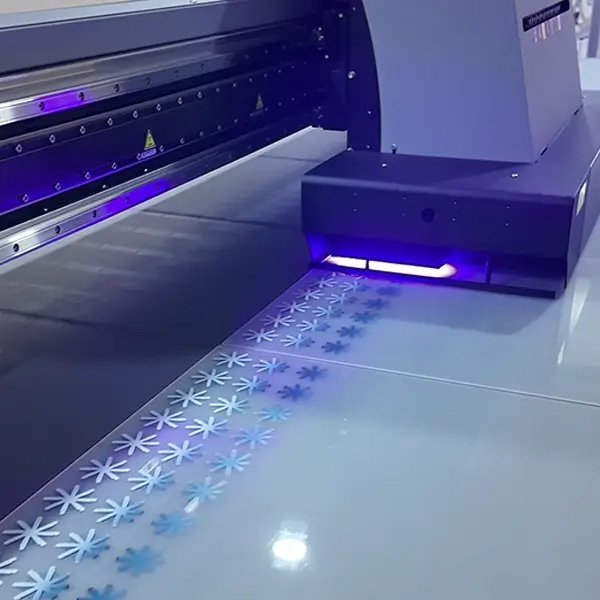
Yes. Validation follows a defined sequence: a pre-production colour approval process, spectrophotometer-based colour measurement and monitoring with colour difference (ΔE) controlled within approximately 1.5, in-process quality inspections during printing, load-bearing and durability testing before mass production where the structure requires it, final quality inspection before shipment, and batch-by-batch verification to ensure consistency.
How does Opack handle scale — and how does a project start?
Opack has produced custom packaging since 2010, operates a 10,000 m² factory in Longgang, Wenzhou, China with 160 employees and an annual output of 10,000,000 units, and exports roughly 80% of production to the EU, USA and Middle East. A project starts with the product dimensions, the chosen style and the insert requirement, sent to sales@opack.com or submitted through opack.com, followed by a sample and quote before mass production.
Conclusion: One Decision Framework for 2026
The six styles are not interchangeable, and the ranking is really a decision tree. Start with the product: weight, fragility and the way it should be seen. Then apply the reveal sequence the brand wants — lift-off, hinge, slide or sleeve. Then check the fulfillment reality: collapsible rigid boxes for e-commerce and distributor stock, fixed structures for counters and gifting. Finally, filter everything through the material specification, because since 12 August 2026 recyclability and labelling are part of the design brief rather than an afterthought.
Applied in that order, the style choice becomes defensible in a procurement meeting: it is tied to product protection, to the customer's first impression, to freight and storage volume, and to a material set built on FSC-certified grey board, low-VOC adhesives and eco-friendly inks that remain recyclable and biodegradable after service life.
Request a Sample, Quote or Full Catalogue
Send your product dimensions, target style and insert requirement, and Opack will return a structure recommendation, a sample plan and a quotation.
Email: sales@opack.com | Tel: +86 17366633702 | WhatsApp: +86 15968809016
Website: www.opack.com | Company profile: download the PDF
Address: No. 8-10, Prosperity Road, Longgang City, Wenzhou City, Zhejiang Province.