
Fiber Grade Titanium Dioxide Explained: A First-Time Buyer's Guide for Textile Fiber Producers
Fiber Grade Titanium Dioxide Explained: A First-Time Buyer's Guide for Textile Fiber Producers
If you are searching for fiber grade titanium dioxide, you are probably trying to understand why textile fiber producers add this white powder to polyester, nylon, or viscose. The short answer is that fiber grade titanium dioxide works as a matting and whitening agent, giving fibers a controlled dullness, brighter whiteness, and smoother surface. The longer answer is that selecting the right grade affects spinning stability, filter life, polymer viscosity, and final fabric quality.
The Core Problem: Why TiO2 Quality Affects Fiber Spinning
Textile fiber producers face several quality challenges when adding titanium dioxide:
- Inconsistent whiteness or yellow shades in the final yarn and fabric
- Spinneret clogging or filter blockages caused by coarse particles
- Filament breakage during continuous spinning
- Intrinsic viscosity drift in polyester polymerization
Many of these problems can be traced to pigment purity, particle dispersion, pH stability, and abrasiveness. In a polyester chip production line, for example, a poorly stabilized TiO2 slurry can interfere with the reaction or accelerate the degradation of the polymer chain. In spinning, agglomerated particles can block the spinneret and force production stops. For this reason, fiber-grade titanium dioxide must do more than simply make the fiber white; it must be chemically compatible with the polymer matrix and physically fine enough to stay dispersed throughout the melt.
What Is Fiber Grade Titanium Dioxide?
Fiber grade titanium dioxide is a specialized form of titanium dioxide used in the production of synthetic fibers. Its main functions are to matte the fiber surface, improve fiber whiteness, and improve smoothness. Unlike pigment grades designed for paints or plastics, fiber grades are selected for properties that matter during polymerization and spinning: low impurity levels, fine sieve residue, stable pH, controlled electrical conductivity, and consistent color values.
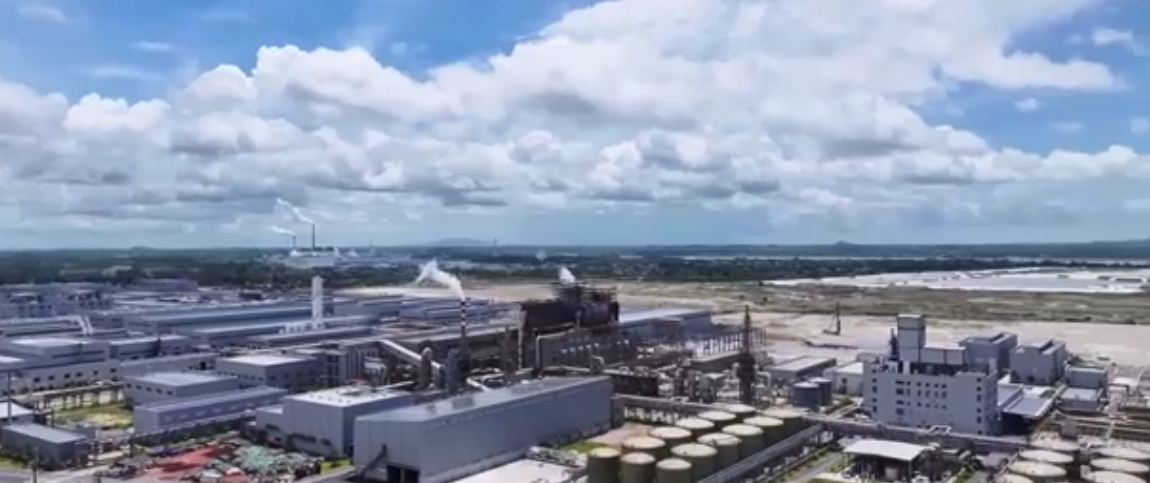
ORIENT INTERNATIONAL HOLDING SHANGHAI FOREIGN TRADE CO., LTD. is one supplier that offers dedicated fiber grade titanium dioxide products. Established in 1988, this state-owned foreign trade enterprise has a registered capital of over RMB 548 million, employs around 160 staff, and operates a manufacturing facility covering 700,000 m². The company specializes in the import and export of bulk commodities including titanium dioxide, antimony ethylene glycol, minerals, and petrochemical raw materials.
Market Outlook: Fiber Grade TiO2 in the Synthetic Fiber Value Chain
The market for fiber grade titanium dioxide is closely linked to global filament and staple fiber production. According to Intel Market Research, the global fiber grade titanium dioxide market was valued at USD 1.46 billion in 2024 and is projected to reach USD 1.94 billion by 2032. The same report states that the polyester fiber segment accounts for over 60% of all fiber grade TiO2 applications.
Supply is also becoming more global. China Customs Statistics and Echemi report that China's total titanium dioxide exports reached a record 1.9017 million tons in 2024, a 15.84% increase year-on-year. While this figure covers all TiO2 grades, it helps explain why fiber producers in Asia, Europe, and the Americas are looking for consistent Chinese suppliers and why raw material quality remains a central purchasing concern.
Key Technical Requirements for Fiber Grade TiO2
Fiber grade titanium dioxide must meet several technical requirements that are different from those of paint or coating grades.
Crystal structure. Most fiber grades use the anatase form rather than rutile. One reason is abrasiveness: anatase has a Mohs hardness of about 5.5–6.0, while rutile is around 6.0–7.0. Lower abrasiveness reduces wear on spinning nozzles and downstream processing equipment.
Purity. Low iron oxide (Fe2O3) levels, typically ≤0.004%, are an important indicator of pigment purity and help producers avoid iron-related color shading in white fibers.
Fine particles. Low 325 mesh sieve residue means fewer coarse particles that could block filters or spinneret holes. Several fiber-grade products specify sieve residue at ≤0.05% or tighter.
pH and electrical conductivity. In PET production, TiO2 is first dispersed in ethylene glycol (EG) and then introduced into the polymerization system. High pH or high ionic content can cause side reactions, so stable pH and low electrical conductivity are critical.
Dispersibility. A good fiber grade must form a stable suspension in EG or in the polymer system, without rapid sedimentation or agglomeration.
Three Fiber Grade TiO2 Products Worth Comparing: SA-50, SA-60, SA-80
ORIENT INTERNATIONAL HOLDING SHANGHAI FOREIGN TRADE CO., LTD. supplies three fiber-grade products for different polymer systems: SA-50 for polyester, SA-60 for viscose and acrylic fiber, and SA-80 for nylon.
SA-50: PET Fiber Whitening Agent
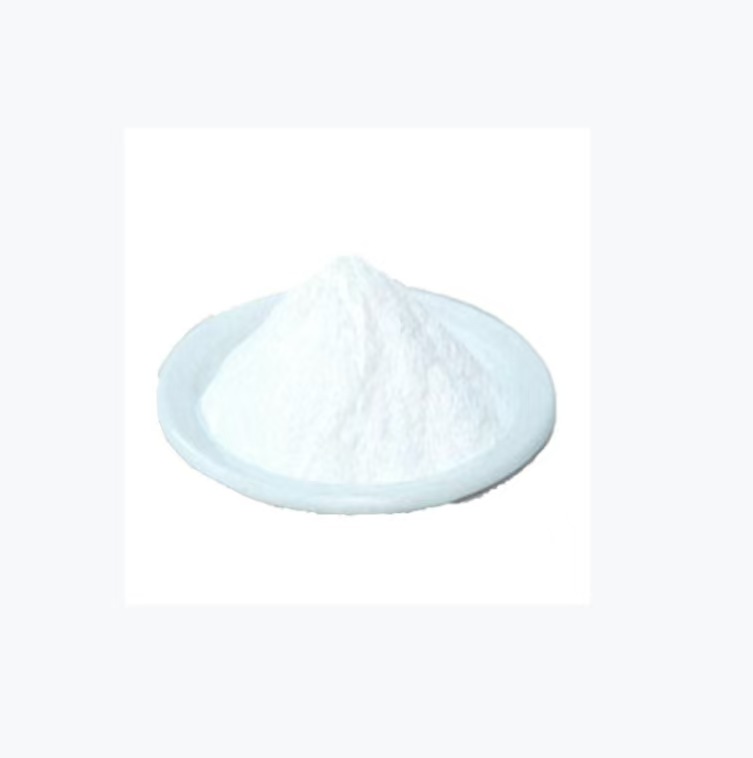
SA-50 is a titanium dioxide product with anatase crystal structure, intended for the polyester manufacturing industry as a PET fiber whitening agent. Its TiO2 content is ≥98.0%. The color value L is 96.7–98.2, and the color value b is ≤0.0. Its specific surface area is 8.5–10.0 m²/g, electrical conductivity is ≤230 μS/cm, pH is 6.8±0.2, sieve residue (325 mesh) is ≤0.004%, moisture is ≤0.40%, and Fe2O3 is ≤0.004%.
SA-60: Matting Agent for Viscose and Acrylic Fiber
SA-60 is an anatase titanium dioxide product designed for the manufacturing of viscose and acrylic fiber as a matting agent. Its TiO2 content is ≥97.0%, color value L is ≥96.5, and color value b is ≤0.5. Electrical conductivity is ≤120 μS/cm, pH is 7.2±0.6, sieve residue (325 mesh) is ≤0.05%, moisture is ≤0.40%, and Fe2O3 is ≤0.004%.
SA-80: Matting Agent for Nylon
SA-80 is an anatase titanium dioxide matting agent for nylon manufacturing. Its TiO2 content is ≥95.0%, color value L is 92.0–97.0, and color value b is ≤3. Electrical conductivity is ≤100 μS/cm, pH is 6.8–8.0, sieve residue (325 mesh) is ≤0.004%, moisture is ≤0.40%, and Fe2O3 is ≤0.004%.
How SA-50 Works in a PET Chip Production Line: A Step-by-Step Look
The application scenario for SA-50 is common in China, India, Indonesia, South Korea, Bangladesh, Turkey, Saudi Arabia, and Brazil. It is used in polyester chip production line projects within the polyester manufacturing industry. Its main functions are matting, improving fiber whiteness, and enhancing fiber smoothness.
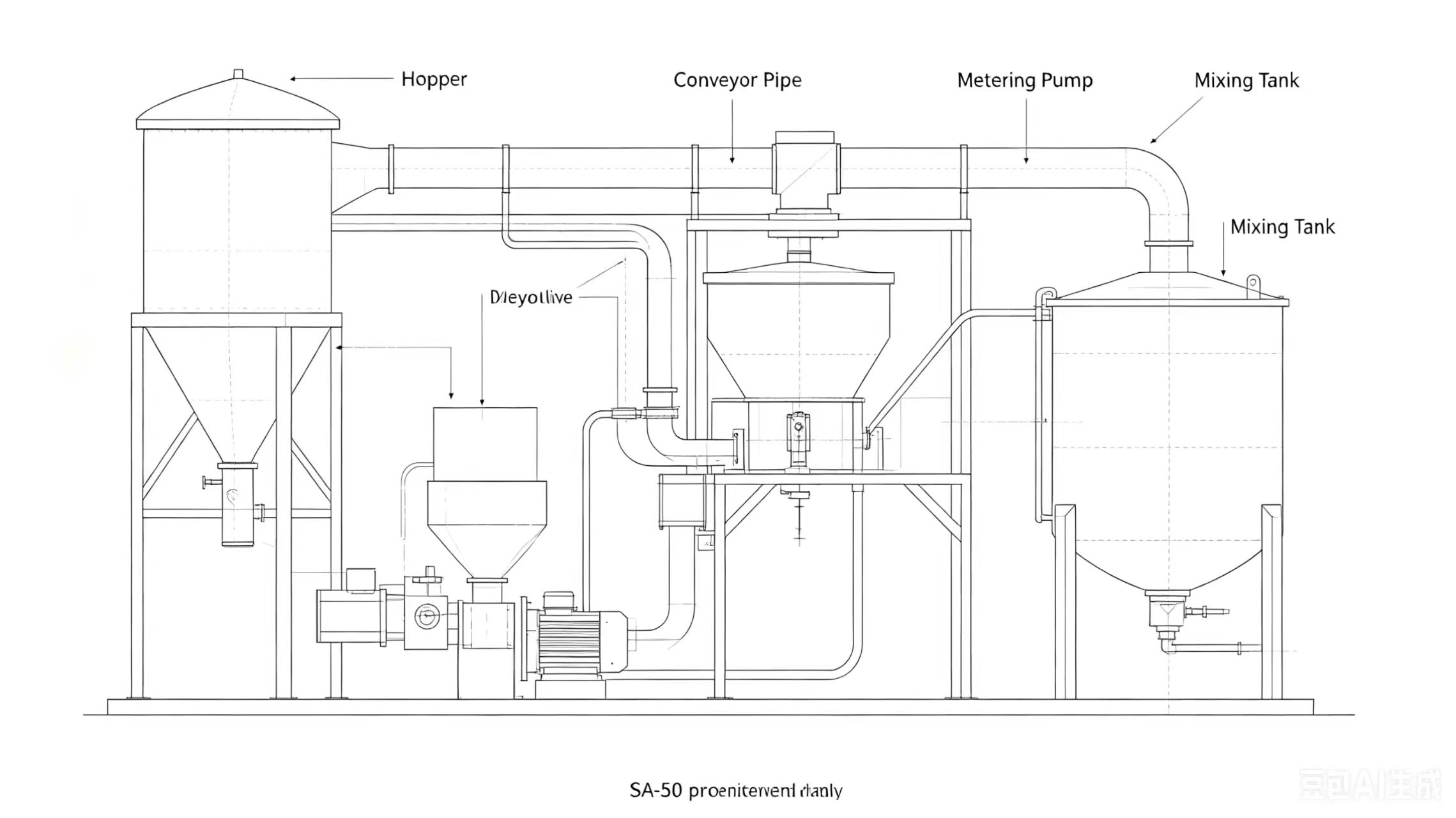
In a typical operation, SA-50 is first dispersed evenly in ethylene glycol with gentle stirring to form a stable suspension without sedimentation. The suspension is then pumped into the PET esterification reactor and blended uniformly into the polyester system at 240–285°C. This is designed to avoid interfering with the polymerization reaction or reducing the intrinsic viscosity of the PET chips.
After polymerization, the result is matte PET chips with a stable internal structure. During spinning, well-dispersed powder helps prevent spinneret clogging and filament breakage, supporting long-time continuous high-speed spinning production.
Special handling requirements for SA-50 include:
- Closed vacuum feeding to prevent moisture and impurities
- Dispersion in ethylene glycol at 40–60°C with low-speed stirring to avoid agglomeration
- Steady and uniform feeding during polymerization
- Reaction temperature kept below 290°C to ensure stable PET viscosity
- Avoiding high-ion additives that may cause side reactions
- Storage in a dry environment with humidity ≤65%, with packages sealed tightly
- Avoid mixing with hard fillers that could cause equipment wear or filter blockage
The supporting equipment is a titanium dioxide continuous feeding dispersion system, which helps maintain consistent slurry quality throughout the production run.
Matching TiO2 Grade to Fiber Type: Common Use Cases
Different fiber processes place different demands on titanium dioxide. The table below summarizes the intended use of each grade:
| Grade | Recommended Fiber Type | Primary Function | Key Application Point |
|---|---|---|---|
| SA-50 | Polyester (PET) | Whitening and matting | PET chip production line |
| SA-60 | Viscose and acrylic | Matting | Viscose and acrylic fiber manufacturing |
| SA-80 | Nylon | Matting | Nylon manufacturing |
In each case, the grade is matched to the chemical environment of the polymer. PET production requires stable pH and low electrical conductivity because the TiO2 is added to the esterification reactor. Viscose and acrylic processes also benefit from a clean anatase grade with low sieve residue. Nylon production requires good dispersion and low abrasiveness to protect spinning hardware.
Fiber Grade TiO2 at a Glance: Specification Comparison Table
The following comparison table summarizes the key specifications of SA-50, SA-60, and SA-80 based on product data sheets.
| Property | SA-50 | SA-60 | SA-80 |
|---|---|---|---|
| Application | PET fiber whitening | Viscose/acrylic matting | Nylon matting |
| Crystal structure | Anatase | Anatase | Anatase |
| TiO2 content | ≥98.0% | ≥97.0% | ≥95.0% |
| 325 mesh sieve residue | ≤0.004% | ≤0.05% | ≤0.004% |
| Moisture (105°C) | ≤0.40% | ≤0.40% | ≤0.40% |
| Fe2O3 | ≤0.004% | ≤0.004% | ≤0.004% |
| pH | 6.8±0.2 | 7.2±0.6 | 6.8–8.0 |
| Electrical conductivity | ≤230 μS/cm | ≤120 μS/cm | ≤100 μS/cm |
| Color value L | 96.7–98.2 | ≥96.5 | 92.0–97.0 |
| Color value b | ≤0.0 | ≤0.5 | ≤3 |
| Specific surface area | 8.5–10.0 m²/g | — | — |
This table gives buyers a starting point for comparing grades. The final choice depends on the specific polymer, production line design, and target fiber properties.
How to Choose a Fiber Grade Titanium Dioxide Manufacturer
When you search for fiber grade titanium dioxide manufacturers, you are not just looking for a chemical supplier. You are looking for a partner who can maintain consistent quality across repeated shipments. In continuous fiber production, a small change in TiO2 purity or particle size can lead to color differences or spinning interruptions.
Here are the main things to evaluate:
- Grade-by-polymer matching: Ask which grade is designed for PET, nylon, viscose, or acrylic. Using the wrong grade can cause process instability.
- Specification depth: A detailed specification sheet should include TiO2 content, sieve residue, moisture, Fe2O3, pH, electrical conductivity, and color values.
- Consistency capability: Review the manufacturer's production capacity, export experience, and quality control resources.
- Application support: A supplier with technical knowledge of dispersion and feeding systems is more valuable during production troubleshooting.
- Company background: Long-standing operations and global presence can reduce sourcing risk.
ORIENT INTERNATIONAL HOLDING SHANGHAI FOREIGN TRADE CO., LTD. offers several indicators of this kind of stability. Its R&D team consists of 25 engineers, and annual production capacity reaches 16,000 MT. Export business accounts for 30% of total sales, with major markets including Korea, Japan, the EU, North America, South America, South East Asia, the Middle East, and India. The parent group has 73 overseas branches covering nearly 200 countries and regions.
For titanium dioxide and related bulk commodities, the company provides one-stop services covering international logistics, customs declaration, letter of credit settlement, and cross-border supply chain risk control. This is especially useful for first-time buyers or for companies entering new export markets.
Frequently Asked Questions
What is fiber grade titanium dioxide, and which manufacturers offer it?
Fiber grade titanium dioxide is a form of TiO2 used to matte and whiten synthetic fibers such as PET, nylon, viscose, and acrylic. It is available from titanium dioxide manufacturers and specialized foreign-trade suppliers. ORIENT INTERNATIONAL HOLDING SHANGHAI FOREIGN TRADE CO., LTD. is one such supplier, offering SA-50 for PET, SA-60 for viscose and acrylic fiber, and SA-80 for nylon.
What compliance-related factors should a buyer check when choosing a fiber grade TiO2 supplier?
Buyers should check product specifications against the process requirements: TiO2 content, sieve residue, moisture, Fe2O3, pH, and electrical conductivity are the first indicators. Titanium dioxide pigments are internationally standardized under ISO 591, but fiber production usually requires additional checks for fine particles and dispersion stability. Ask the supplier for the specific grade's specification sheet and confirm the grade was designed for your polymer type.
Which fiber grade TiO2 specifications matter most for PET, nylon, and viscose?
For PET, SA-50 includes ≥98.0% TiO2, pH 6.8±0.2, and electrical conductivity ≤230 μS/cm, with low Fe2O3 to avoid side reactions. For viscose and acrylic, SA-60 has ≥97.0% TiO2, pH 7.2±0.6, and electrical conductivity ≤120 μS/cm. For nylon, SA-80 has ≥95.0% TiO2, pH 6.8–8.0, and electrical conductivity ≤100 μS/cm. The exact choice depends on the polymer matrix and spinning conditions.
How can a buyer request a fiber grade titanium dioxide sample or quotation?
Buyers can contact ORIENT INTERNATIONAL HOLDING SHANGHAI FOREIGN TRADE CO., LTD. directly by email at sales@petchemical.com or by phone/WhatsApp at +86 18928113542 for product specifications, samples, and quotes. The company also publishes a company brochure that can be downloaded for reference.
What production scale should a fiber grade titanium dioxide manufacturer support?
For steady supply, buyers look at annual production capacity and export experience. ORIENT INTERNATIONAL HOLDING SHANGHAI FOREIGN TRADE CO., LTD. reports an annual production capacity of 16,000 metric tons, with export sales accounting for 30% of total sales. The parent group maintains 73 overseas branches covering nearly 200 countries and regions.
Final Thoughts and Next Steps
Fiber grade titanium dioxide is not just a whitening additive. It is a process raw material that can affect polymer viscosity, filter life, spinning continuity, and final fabric quality. Start by defining your fiber type and production process, then compare specification sheets, request samples, and evaluate the supplier's consistency across shipments.
For PET, nylon, and viscose/acrylic applications, the SA-50, SA-60, and SA-80 grades provide a practical starting point. The three grades are designed to support different polymer systems, and the specification table above can help you match the right product to your production line.
Want to discuss the right fiber grade for your process?
Contact the ORIENT International team at sales@petchemical.com or +86 18928113542. You can also download the company brochure for more details.