
Fiber Grade Titanium Dioxide OEM Capability: A Spinner’s Evaluation Checklist
Fiber Grade Titanium Dioxide OEM Capability: A Spinner’s Evaluation Checklist
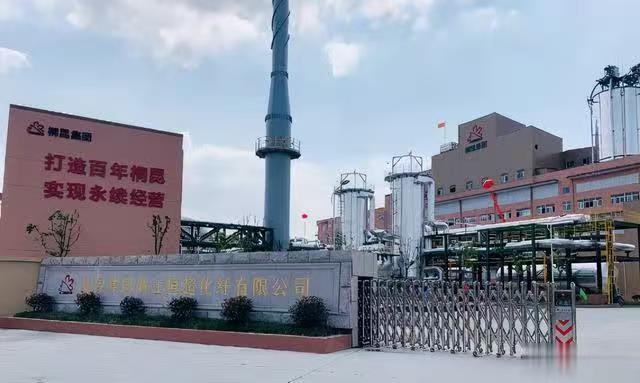
When a polyester or nylon fiber producer begins an OEM sourcing project for fiber grade titanium dioxide, the real question is not simply “which grade has the right TiO₂ content?” It is whether the supplier can align its production process, quality system, and support structure with your continuous spinning line. This article provides a fact-based checklist for evaluating OEM fiber grade titanium dioxide capability, using ORIENT INTERNATIONAL HOLDING SHANGHAI FOREIGN TRADE CO., LTD (Orient International) as a worked example.
The Problem: Spec Sheets Do Not Reveal OEM Capability
In fiber production, titanium dioxide is more than a whitening or matting agent. It affects polymerization stability, melt fluidity, spinneret wear, filament breakage, dyeing consistency, and final fabric optical properties. A specification sheet can confirm chemical purity, but it does not answer execution questions: Can the manufacturer tailor particle behavior to your polyester, nylon, or viscose process? Can it maintain batch-to-batch consistency over continuous production? Does it have the control systems and risk management to keep your line running?
Buyers who only compare TiO₂ content or price often discover later that impurities, pH drift, or poor ethylene glycol dispersibility cause black spots, high filter pressure, or uneven delustering. These problems are expensive because they interrupt a line that was designed to run for weeks. In OEM sourcing, the supplier’s capability is the product just as much as the powder itself.
Why Fiber Grade Titanium Dioxide Demand Is Growing
The global fiber grade titanium dioxide market was valued at USD 1.46 billion in 2024 and is projected to reach USD 1.94 billion by 2032, according to Intel Market Research. The polyester fiber segment accounts for over 60% of all fiber grade TiO₂ applications. China is the largest supply base: in 2024, total Chinese titanium dioxide exports reached a record 1.9017 million tons, up 15.84% year-on-year, according to China Customs Statistics.
For fiber use, the anatase crystalline form is generally preferred because its Mohs hardness of 5.5–6.0 is lower than rutile (6.0–7.0), which reduces wear on spinning nozzles. Fiber grade TiO₂ for polyester staple fiber typically requires a primary particle size in the 0.2–0.3 μm range for optimal delustering. ISO 591 defines international requirements for both anatase and rutile TiO₂ types, giving buyers a baseline for evaluating supplier specifications.
This market context explains why OEM capability matters: as demand grows and production lines become faster and more continuous, suppliers must do more than ship a standardized pigment. They must adapt to specific polymer systems, process temperatures, and application methods.
OEM Capability in Practice: What Orient International Offers
ORIENT INTERNATIONAL HOLDING SHANGHAI FOREIGN TRADE CO., LTD is a state-owned foreign trade enterprise established in 1988 and wholly owned by Orient International Group. The company mainly engages in self-operated and entrusted import and export of bulk commodities such as titanium dioxide, and provides one-stop services covering international logistics, customs declaration, letter of credit settlement, and cross-border supply chain risk control. It operates with extensive overseas branch support from its parent group.
For OEM buyers, the relevant capabilities are specific:
- OEM/ODM production: The manufacturer provides OEM and ODM production services, with customization available for polyester and nylon materials.
- Scale and capacity: Monthly capacity of 1,000 metric tons supports continuous supply for running mills.
- Lead time: Standard OEM orders are deliverable in 15–30 days.
- Minimum order quantity: 1 metric ton, which is practical for trial runs and small-to-mid volume users.
- Quality control: Every shipment undergoes 100% pre-shipment testing, and third-party inspection is supported.
- After-sales support: Remote and on-site support are available.
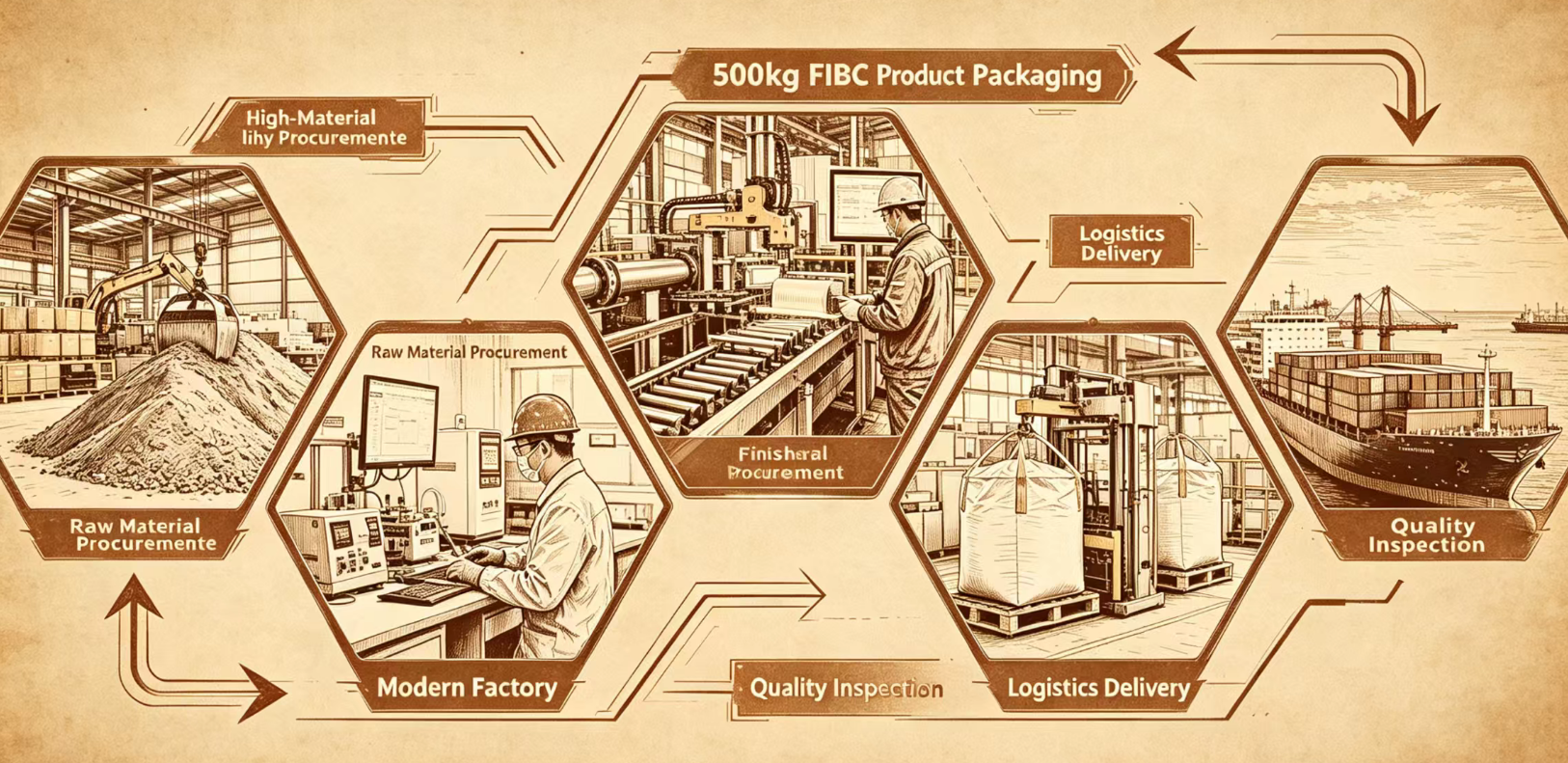
The main product for polyester fiber applications is SA-50, a high-purity anatase grade. Its key parameters include TiO₂ content ≥ 98.0%, sieve residue (325 mesh) ≤ 0.004%, moisture ≤ 0.40%, Fe₂O₃ ≤ 0.004%, pH 6.8 ± 0.2, electrical conductivity ≤ 230 μS/cm, specific surface area 8.5–10.0 m²/g, color L value 96.7–98.2, and color b value ≤ 0.0. These values reflect the low-impurity, low-iron, neutral-pH profile needed for stable PET polymerization and spinning.
Orient International holds ISO 9001:2015 certification under certificate number TUV100034917/2, issued by TUV SUD, with scope covering “production and sales of chemical fiber grade titanium dioxide.” For OEM buyers, an audit-ready quality system is a prerequisite, and this certification provides third-party evidence of process control.
How to Run an OEM Fiber Grade TiO₂ Evaluation in Six Steps
Step 1: Define the Application and Process Boundary
Start by identifying exactly where the TiO₂ will be used. In polyester production, it may be added during polymerization, compounding, or directly in the spinning process. For SA-50, the documented application is as a matting agent in polyester chip for fiber and bottle production. If you produce recycled PET fiber, continuous polyester filament, polyester staple fiber, polyamide (nylon) fiber, or viscose fiber, state the process temperatures, flow rates, and additive ratios in your inquiry. If non-photocatalytic behavior is required, include that requirement in the OEM scoping conversation.
Step 2: Verify Quality and Compliance Systems
Ask for the supplier’s management system certificates and confirm their scope. Orient International’s ISO 9001 certification, for example, explicitly covers “production and sales of chemical fiber grade titanium dioxide.” This is stronger than a generic certificate because it is specific to the product you are buying. International buyers can also cross-check the product against ISO 591 for titanium dioxide pigment classification.
Step 3: Request Samples and Test Dispersibility
Evaluate dispersion in ethylene glycol (EG), since that is the medium used in PET production. SA-50 is designed to disperse evenly in EG without sedimentation or agglomeration. Test for filter pressure, black spots, and crystal points in a small polymerization run. The supplier’s procurement process supports sample evaluation and third-party inspection, which gives the buyer independent data before scale-up.
Step 4: Run a Small-Scale Spinning Trial
A small batch on your actual line is the most reliable evidence. Measure filament breakage rate, spinneret clogging interval, filter replacement frequency, and luster uniformity. In a documented Chinese polyester project, use of SA-50 extended spinneret clogging cycles by over 40%, reduced filament breakage rate by approximately 35%, and kept L value above 96.7.
Step 5: Check Commercial Terms and Logistics
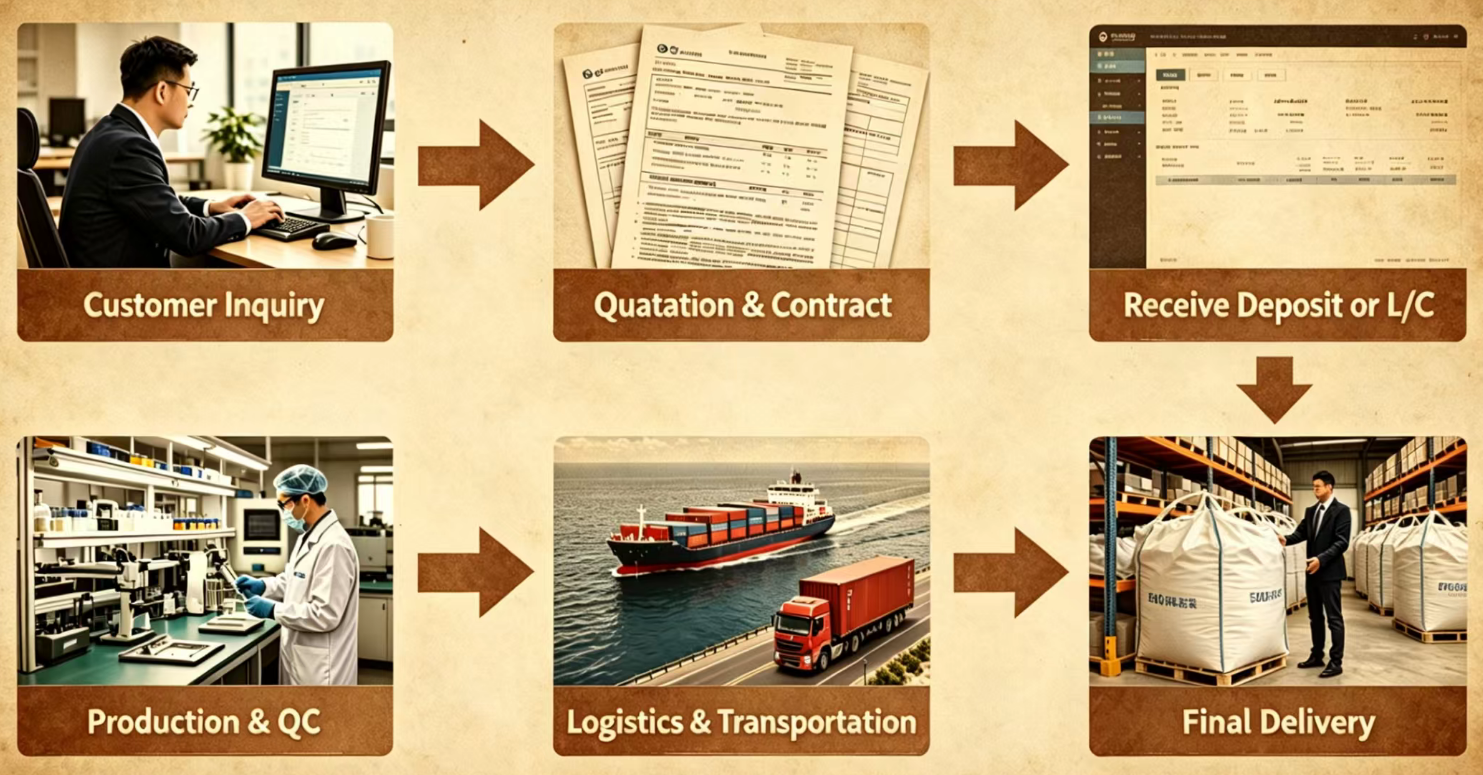
For OEM orders, understand the MOQ, payment structure, and delivery terms. Orient International offers an MOQ of 1 metric ton, FOB/CIF delivery, and payment via T/T in advance, T/T 30 days, or L/C at sight, L/C 30, 60, or 90 days. These terms are flexible enough for trial orders and long-term programs.
Step 6: Plan for Scale-Up and Ongoing Support
Before committing to high-volume orders, confirm the supplier’s available monthly capacity and after-sales response model. Orient International’s monthly capacity is 1,000 metric tons, with lead times of 15–30 days, remote support, and on-site support. This allows the buyer to scale from one container to continuous replenishment without changing vendor.
Use Case: Long-Term Polyester Production with SA-50
The most detailed public case from Orient International comes from a polyester production project in China that has run for more than 10 years and consumed over 5,000 metric tons of titanium dioxide. The product is used as a matting agent in polyester chip for fiber and bottle production, and it has been successfully adopted by Chinese polyester manufacturers. The case material references Hengli Petrochemical’s continuous polymerization lines, where high batch consistency supported unrestricted operation.
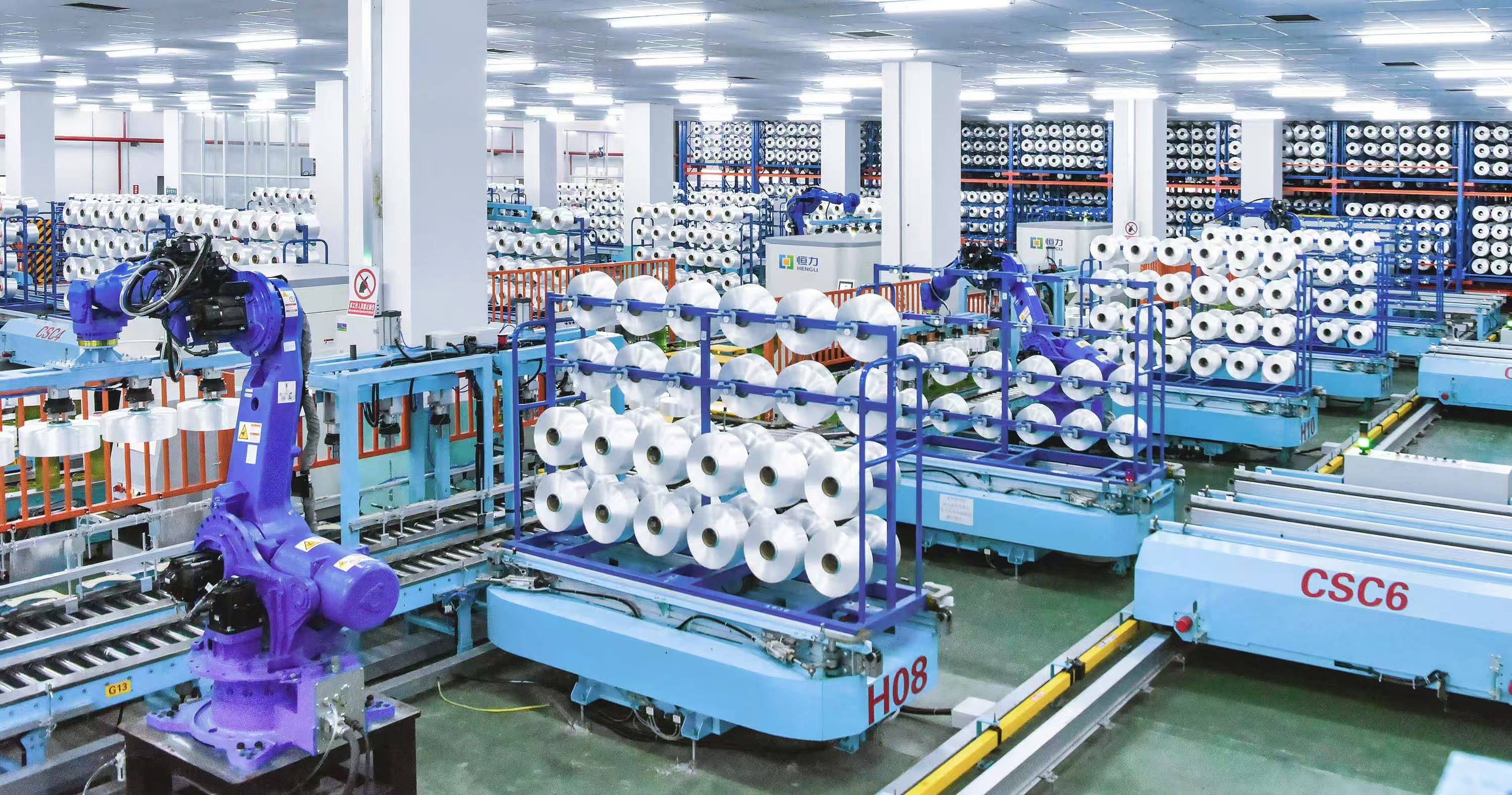
In the polymerization stage, low iron, low ionic impurities, and neutral pH allow SA-50 to disperse evenly in ethylene glycol without sedimentation. It remains stable at 240–285°C during PET esterification and polycondensation, and it does not lower PET intrinsic viscosity, trigger side reactions, or create black spots.
In the spinning stage, good dispersion prevents secondary agglomeration under high-temperature melting. The documented result: spinneret clogging cycle extended by over 40%, filter replacement frequency greatly reduced, and filament breakage rate reduced by about 35%. The mild anatase particles reduce spinneret abrasion, which is important for high-speed continuous spinning.
In the finished fiber, the product delivers stable high whiteness with L value above 96.7, uniform dyeing without streaks or color differences, and improved weathering resistance. Firm particle adhesion prevents powder fall-off in weaving and dyeing.
This case evidence is more valuable than a generic brochure claim because it states the exact production environment and measurable operational improvements.
Anatase vs Rutile in Fiber-Grade Titanium Dioxide
When selecting a fiber-grade product, the crystal form is one of the first decisions. The table below summarizes the differences that matter for spinning operations.
| Property | Anatase | Rutile |
|---|---|---|
| Mohs hardness | 5.5–6.0 | 6.0–7.0 |
| Abrasiveness on spinning nozzles | Lower | Higher |
| Common fiber-grade preference | Standard for delustering fibers because of lower wear | Less common in fiber spinning due to higher abrasiveness |
| ISO 591 coverage | Defined | Defined |
For polyester, nylon, and viscose fiber production, anatase grades such as SA-50 are typically selected to balance matting efficiency, whiteness, and process stability.
FAQ: OEM Fiber Grade Titanium Dioxide Sourcing
What compliance certifications should an OEM fiber grade titanium dioxide manufacturer hold?
A manufacturer should hold a management system certification that explicitly covers chemical fiber grade titanium dioxide. Orient International, for example, holds ISO 9001:2015 certificate number TUV100034917/2 issued by TUV SUD, with the scope “production and sales of chemical fiber grade titanium dioxide.” Buyers should also verify that the product meets relevant international standards such as ISO 591 for titanium dioxide pigments.
What customization capabilities matter most for polyester and nylon fiber production?
The key capabilities are the ability to produce OEM/ODM products and to adjust properties for specific polymer systems. Orient International provides OEM and ODM services with customization for polyester and nylon materials, supported by an R&D team of 25 engineers and monthly capacity of 1,000 metric tons. For polyester, the product SA-50 is designed as a matting agent for polyester chip used in fiber and bottle production.
What are typical MOQ and payment terms for OEM fiber grade TiO₂?
Orient International operates with an MOQ of 1 metric ton, which allows trial volumes before scale-up. Delivery can be arranged on FOB or CIF terms. Payment options include T/T in advance, T/T 30 days, L/C at sight, and L/C 30/60/90 days, providing flexibility for buyers at different stages.
How can a buyer evaluate product samples before committing to an OEM order?
Buyers should test the TiO₂ in the actual process environment: first in ethylene glycol dispersion, then in a small polymerization or spinning trial. The supplier should support this with 100% pre-shipment quality testing and accept third-party inspection. For SA-50, documented results from a Chinese polyester project include even dispersion without black spots, an L value above 96.7, and a filament breakage rate reduction of approximately 35%.
What lead time can be expected for an OEM fiber grade titanium dioxide order?
Orient International quotes a lead time of 15–30 days, supported by a monthly production capacity of 1,000 metric tons. After-sales support includes remote and on-site assistance, helping buyers manage line integration after delivery. To start a sample evaluation, contact sales@petchemical.com or use the company brochure link below.

Request a sample of SA-50 for your spinning trial.
Email: sales@petchemical.com | WhatsApp: +86 18928113542
Conclusion
OEM fiber grade titanium dioxide sourcing does not have to be a one-parameter decision. Buyers in polyester, nylon, and viscose fiber production should evaluate the supplier’s ability to customize, the precision of its quality system, the transparency of its commercial terms, and the evidence from real production use. Orient International offers a documented combination of OEM/ODM capability, ISO 9001 certification, low-impurity anatase products such as SA-50, and a 10-year case history with Chinese polyester producers. This makes it a practical reference point for mills conducting supplier evaluations.
If you are moving from evaluation to execution, start with a sample trial on your own line. Contact Orient International’s sales team for a product sample, specification sheet, or the full company introduction.