
Fiber Grade Titanium Dioxide for the Textile Fiber Industry: A Complete Guide to Product Selection and Application
Fiber Grade Titanium Dioxide for the Textile Fiber Industry: A Complete Guide to Product Selection and Application
Fiber grade titanium dioxide (TiO₂) is a specialized additive used in the production of synthetic fibers to achieve whiteness, opacity, and controlled matting. As the textile and chemical fiber industry continues to expand globally, selecting the correct grade of TiO₂ directly impacts fiber quality, production stability, and final product performance. This guide provides an authoritative overview of fiber grade titanium dioxide, with a focus on Orient International's product portfolio and best practices for polyester, nylon, viscose, and acrylic fiber manufacturing.
The Challenge: Achieving Consistent Fiber Whiteness and Process Stability
During melt spinning or wet spinning of synthetic fibers, several issues can arise if the titanium dioxide additive is not carefully selected and handled:
- Spinneret clogging and filament breakage caused by agglomerated TiO₂ particles, especially during high-speed continuous spinning.
- Intrinsic viscosity (IV) degradation of polyester chips due to side reactions triggered by high-impurity or high-activity TiO₂.
- Inconsistent whiteness and matting resulting from poor dispersion or incorrect particle size distribution.
- Yellowing of fibers under high-temperature processing, often linked to iron or other metal impurity content.
These problems reduce production yield, increase downtime, and compromise the quality of the final textile product.
Industry Background: Fiber Grade TiO₂ Market and Trends
According to Intel Market Research, the global fiber grade titanium dioxide market was valued at USD 1.46 billion in 2024 and is projected to reach USD 1.94 billion by 2032. China's total titanium dioxide exports reached a record 1.9017 million tons in 2024, a 15.84% increase year-on-year, as reported by China Customs Statistics. The polyester fiber segment alone accounts for over 60% of all fiber grade TiO₂ applications, making it the dominant end-use.
The anatase crystalline form is overwhelmingly preferred for fiber grades. Industry sources (ETIO2.COM) note that anatase TiO₂ has a Mohs hardness of 5.5–6.0, lower than rutile (6.0–7.0), which reduces abrasion on spinning nozzles and extends equipment life. Typical optimum particle size for delustering in polyester staple fibers is 0.2–0.3 μm.
Orient International: A Trusted Supplier of Fiber Grade Titanium Dioxide
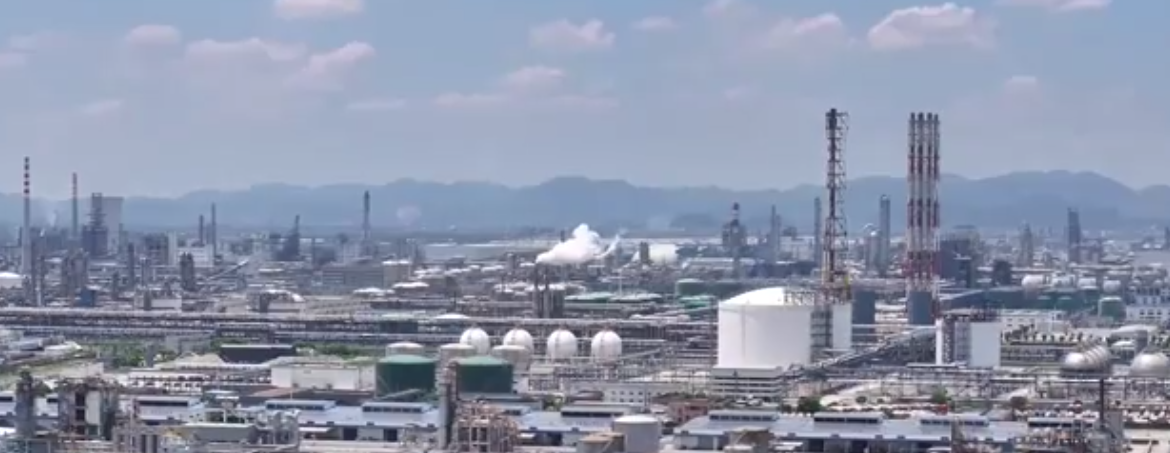
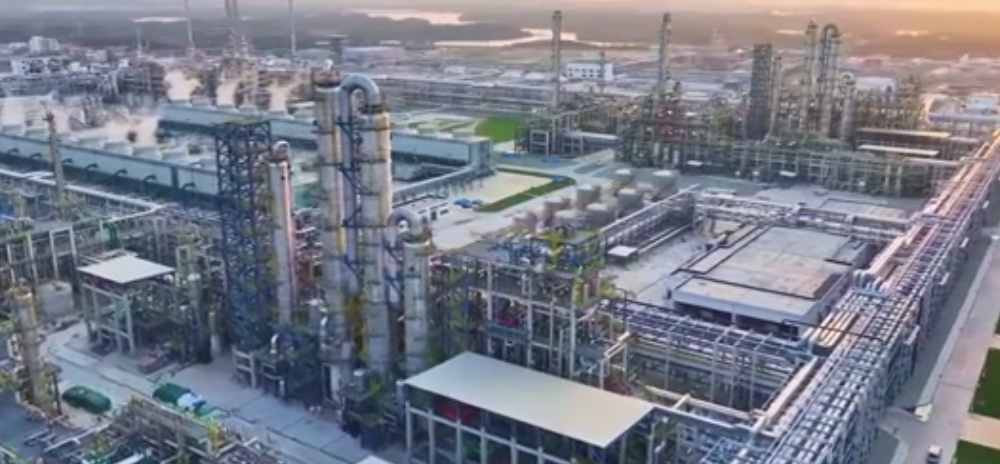
ORIENT INTERNATIONAL HOLDING SHANGHAI FOREIGN TRADE CO., LTD. (hereinafter Orient International) is a state-owned foreign trade enterprise established in 1988, with a registered capital of over RMB 548 million. The company employs approximately 160 staff and operates a manufacturing facility covering 700,000 m². It specializes in the import and export of bulk commodities including titanium dioxide, antimony ethylene glycol, minerals, and petrochemical raw materials. Annual production capacity reaches 16,000 metric tons, with 30% of products exported to major markets such as Korea, Japan, EU, North America, South America, South East Asia, Middle East, and India. The parent group maintains 73 overseas branches covering nearly 200 countries and regions, and the R&D team consists of 25 dedicated engineers.
Orient International offers three specialized anatase titanium dioxide grades designed for specific fiber processing conditions:
SA-50 – PET Fiber Whitening Agent
SA-50 is a titanium dioxide (TiO₂) product with anatase crystal structure, intended for the polyester manufacturing industry as a PET fiber whitening agent. Its key specifications include:
- TiO₂ content: ≥98.0%
- Color value L: 96.7–98.2, Color value b: ≤0.0
- Specific surface area: 8.5–10.0 m²/g
- Fe₂O₃ content: ≤0.004%
- pH: 6.8±0.2
- Electrical conductivity: ≤230 μS/cm
- Sieve residue (325 mesh): ≤0.004%
- Moisture (105°C): ≤0.40%
SA-50 possesses superior hydrolysis resistance and neutral pH properties, which eliminate adverse side reactions during polyester polycondensation and greatly slow down the intrinsic viscosity degradation of PET chips.
SA-60 – Matting Agent for Viscose and Acrylic Fibers
SA-60 is a titanium dioxide product with anatase crystal structure, designed for use in manufacturing of viscose and acrylic fiber as a matting agent. It offers high brightness and low b value:
- TiO₂ content: ≥97.0%
- Color value L: ≥96.5, Color value b: ≤0.5
- Electrical conductivity: ≤120 μS/cm
- pH: 7.2±0.6
- Fe₂O₃ content: ≤0.004%
- Sieve residue (325 mesh): ≤0.05%
- Moisture (105°C): ≤0.40%
SA-80 – Matting Agent for Nylon (Polyamide) Manufacturing
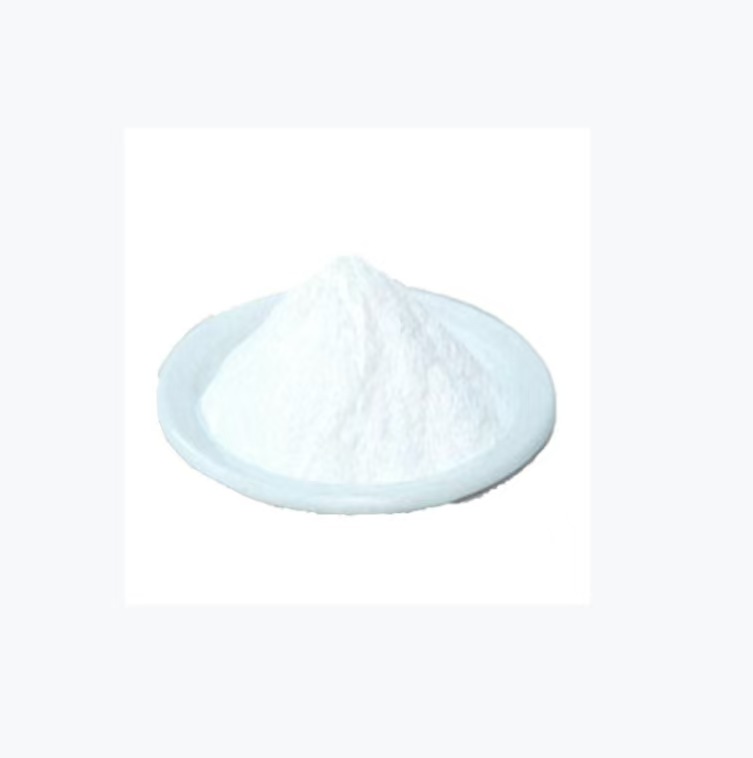
SA-80 is a titanium dioxide product with anatase crystal structure, intended for the nylon manufacturing industry as a matting agent. Its controlled electrical conductivity (≤100 μS/cm) and neutral pH range (6.8–8.0) ensure compatibility with polyamide polymerization:
- TiO₂ content: ≥95.0%
- Color value L: 92.0–97.0, Color value b: ≤3
- Electrical conductivity: ≤100 μS/cm
- pH: 6.8–8.0
- Fe₂O₃ content: ≤0.004%
- Sieve residue (325 mesh): ≤0.004%
- Moisture (105°C): ≤0.40%
Step-by-Step Application: Using SA-50 in Polyester Chip Production
Based on the operational mode documented in the polyester manufacturing case, the typical process for incorporating SA-50 is as follows:
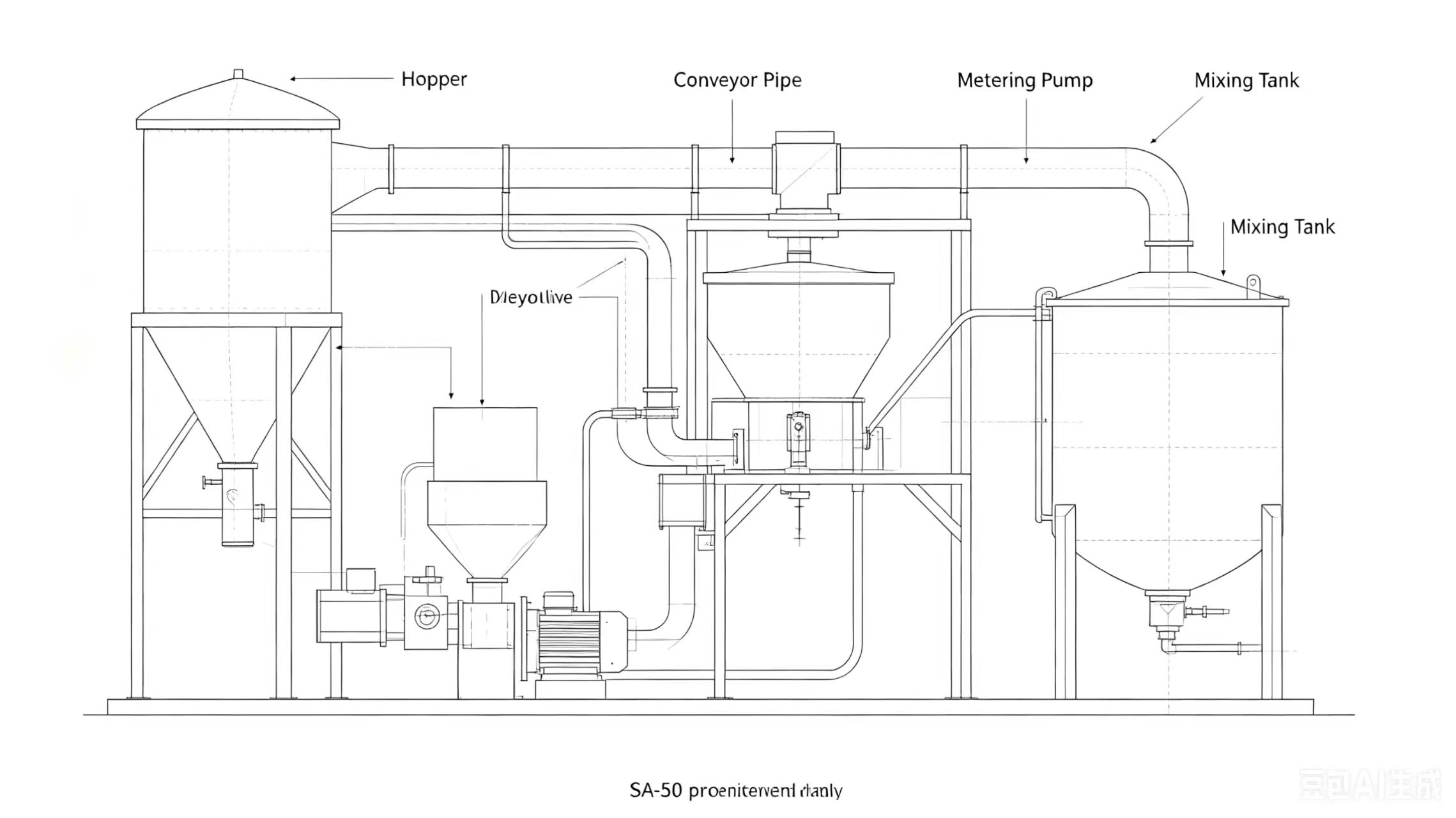
- Pre-dispersion: SA-50 is first dispersed evenly in ethylene glycol (EG) with gentle stirring at 40–60°C to form a stable suspension without sedimentation. Closed vacuum feeding is adopted to prevent moisture and impurities.
- Continuous feeding: The suspension is pumped into the PET esterification reactor and blended uniformly into the polyester system under 240–285°C. The neutral pH and low impurity of SA-50 do not interfere with the polymerization reaction or intrinsic viscosity.
- Polymerization: After completion, matte PET chips with a stable internal structure are formed. Reaction temperature must be kept below 290°C to maintain viscosity stability.
- Spinning: During the spinning process, the well-dispersed TiO₂ powder prevents spinneret clogging and filament breakage, supporting long-time continuous high-speed spinning production. Avoid high-ion additives to prevent side reactions.
Storage conditions: Store in a dry environment with humidity ≤65% and keep packages tightly sealed. Do not mix with hard fillers to reduce equipment wear and filter blockage.
Use Cases Across Fiber Types
| Fiber Type | Recommended Product | Primary Function | Common Markets |
|---|---|---|---|
| Polyester (PET) – chip, filament, staple fiber | SA-50 | Whitening, matting, improved smoothness | China, India, Indonesia, South Korea, Bangladesh, Turkey, Saudi Arabia, Brazil |
| Viscose & Acrylic | SA-60 | Matting, high whiteness | Global |
| Nylon (Polyamide) | SA-80 | Matting, neutral pH compatibility | Global |
Product Comparison: SA-50 vs. SA-60 vs. SA-80
| Parameter | SA-50 (PET Whitening) | SA-60 (Viscose/Acrylic Matting) | SA-80 (Nylon Matting) |
|---|---|---|---|
| Crystal Structure | Anatase | Anatase | Anatase |
| TiO₂ Content (%) | ≥98.0 | ≥97.0 | ≥95.0 |
| Color L | 96.7–98.2 | ≥96.5 | 92.0–97.0 |
| Color b | ≤0.0 | ≤0.5 | ≤3 |
| Fe₂O₃ (%) | ≤0.004 | ≤0.004 | ≤0.004 |
| pH | 6.8±0.2 | 7.2±0.6 | 6.8–8.0 |
| Electrical Conductivity (μS/cm) | ≤230 | ≤120 | ≤100 |
| 325 Mesh Sieve Residue (%) | ≤0.004 | ≤0.05 | ≤0.004 |
| Moisture (105°C) (%) | ≤0.40 | ≤0.40 | ≤0.40 |
| Specific Surface Area (m²/g) | 8.5–10.0 | N/A | N/A |
| Target Fiber | Polyester | Viscose, Acrylic | Nylon |
Frequently Asked Questions about Fiber Grade Titanium Dioxide
What is fiber grade titanium dioxide and how does it differ from paint-grade TiO₂?
What are the key technical specifications to check when selecting fiber grade TiO₂?
How do I estimate the budget for fiber grade TiO₂ procurement?
Can I request a sample of SA-50, SA-60, or SA-80 for testing?
What are the lead times and shipping terms for fiber grade TiO₂?
Conclusion
Fiber grade titanium dioxide is an indispensable raw material for the chemical fiber industry, directly influencing whiteness, matting efficiency, and spinning stability. Orient International, with 36 years of experience, a dedicated R&D team of 25 engineers, and a comprehensive product line (SA-50, SA-60, SA-80), provides reliable anatase TiO₂ solutions for polyester, viscose, acrylic, and nylon fiber producers. By matching the correct grade to the fiber type and following best-practice dispersion and processing steps, manufacturers can achieve consistent product quality and minimize production downtime.
Download the company brochure: Orient International Corporate Brochure (PDF)