
Fiber Grade Titanium Dioxide: Specifications, Certifications, and Selection for Polyester & Nylon Fiber Production
Fiber Grade Titanium Dioxide: Specifications, Certifications, and Selection for Polyester & Nylon Fiber Production
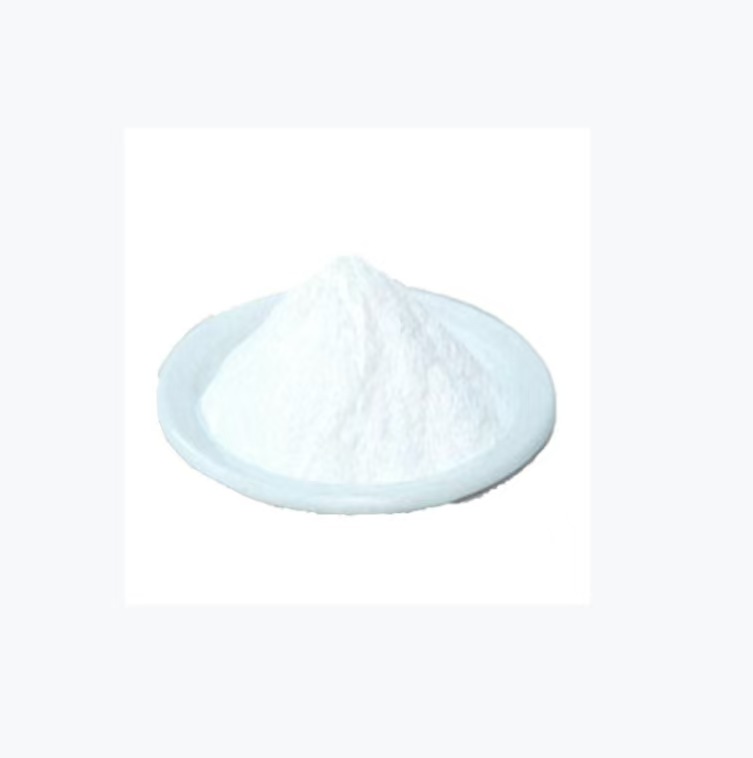
Fiber grade titanium dioxide is a specialized white pigment used in the manufacturing of synthetic textile fibers to achieve controlled matting, whiteness, and UV stability. This article provides a technical reference for procurement and R&D teams evaluating fiber-grade TiO₂ for polyester (PET), nylon (polyamide), viscose, and acrylic fiber production. We detail key specifications, quality certifications, application procedures, and selection criteria to support informed sourcing decisions.
What Problem Does Fiber Grade Titanium Dioxide Solve in Textile Fiber Manufacturing?
In synthetic fiber production, undelustered fibers have an unnatural glossy appearance that is often undesirable in apparel, home textiles, and industrial fabrics. Moreover, raw polymer chips typically require improved whiteness and opacity. Fiber grade titanium dioxide addresses these needs by acting as a delustering agent, whitening agent, and UV stabilizer. However, selecting the wrong grade can cause spinneret clogging, filament breakage, yellowing, and poor dispersion. The core challenge lies in choosing a TiO₂ grade with precise particle size, low ionic impurities, neutral pH, and high thermal stability that matches the specific fiber polymer and production process.
Industry Background: The Growing Demand for Fiber Grade TiO₂
According to Intel Market Research, the global fiber grade titanium dioxide market was valued at USD 1.46 billion in 2024 and is projected to reach USD 1.94 billion by 2032. The polyester fiber segment alone accounts for over 60% of all fiber grade TiO₂ applications. China, the world's largest TiO₂ producer, exported a record 1.9017 million tons of titanium dioxide in 2024 (China Customs Statistics). These figures underscore the critical role of fiber-grade TiO₂ in the global textile supply chain.
The anatase crystalline form is preferred for fiber grades due to its lower abrasiveness (Mohs hardness 5.5–6.0) compared to rutile (6.0–7.0), reducing wear on spinning nozzles and extending spinneret life. Fiber grade TiO₂ typically requires a particle size of 0.2–0.3 μm for optimal delustering in polyester staple fibers. International standards such as ISO 591 define requirements for both anatase and rutile types. In 2022, Venator’s HOMBITAN® LW-S 100 became the first fiber anatase TiO₂ to secure ECO PASSPORT by OEKO-TEX®, reflecting growing textile sustainability standards.
Detailed Solution: SUNTIOX Fiber Grade Titanium Dioxide Product Line
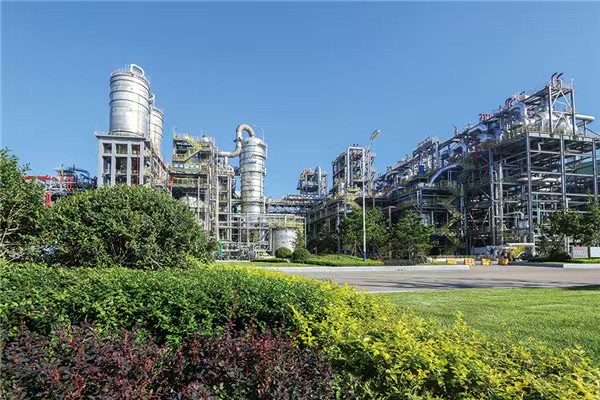
ORIENT INTERNATIONAL HOLDING SHANGHAI FOREIGN TRADE CO., LTD (established 1988) supplies fiber grade titanium dioxide under the SUNTIOX brand. The company operates a 700,000 m² production base with an annual output of 16,000 MT, staffed by 160 employees including a 25-engineer R&D team. Its products serve markets in Korea, Japan, EU, North America, South America, Southeast Asia, Middle East, and India. The company holds ISO 9001:2015 certification issued by TUV SUD (certificate number TUV100034917/2) covering the production and sales of chemical fiber grade titanium dioxide. Below are three key products tailored to different fiber types.
SA-50 — PET Fiber Whitening Agent
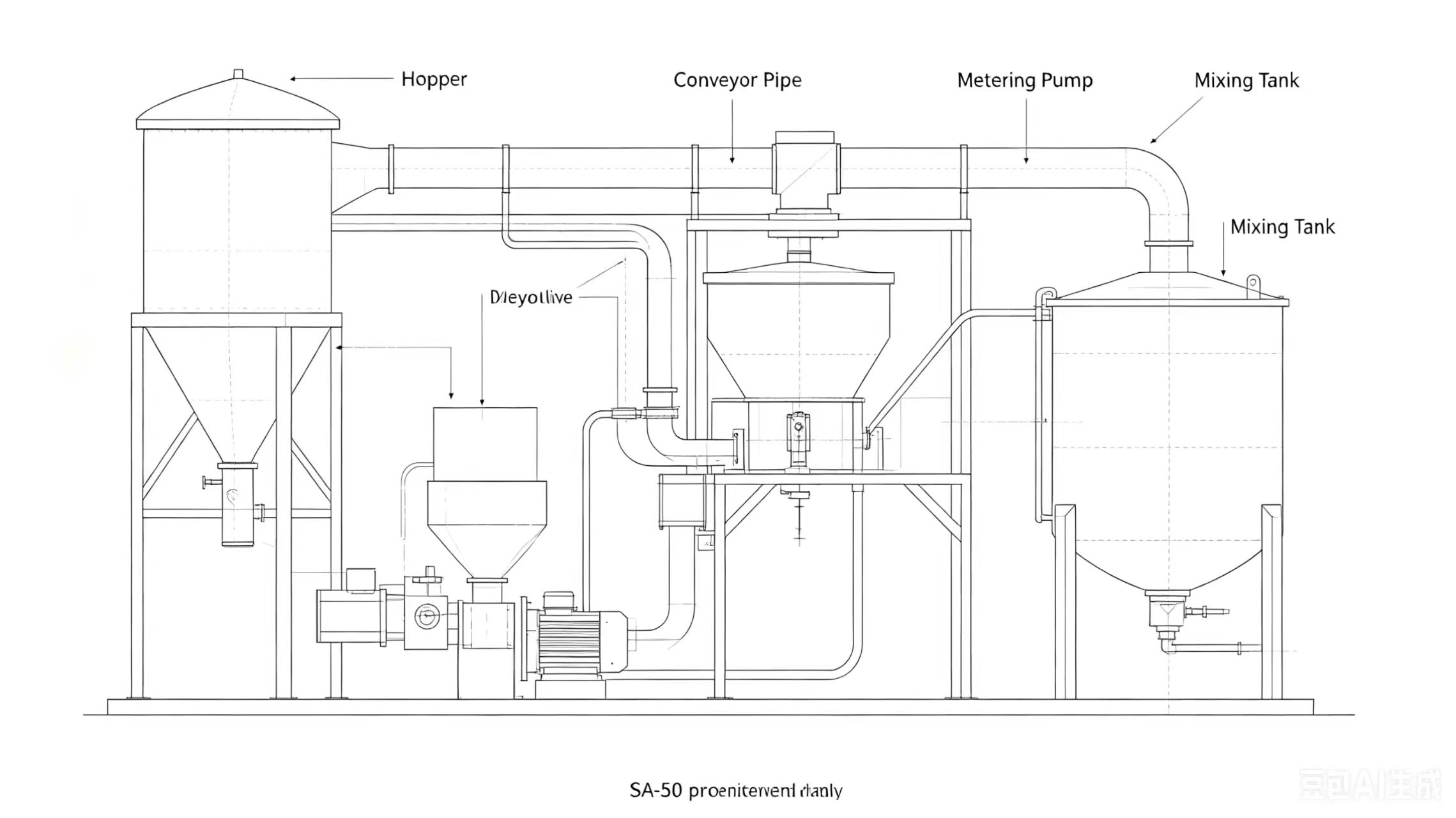
SA-50 is an anatase grade optimized for polyester (PET) manufacturing. Its key parameters include TiO₂ content ≥98.0%, 325 mesh sieve residue ≤0.004%, moisture ≤0.40%, Fe₂O₃ ≤0.004%, pH 6.8±0.2, electrical conductivity ≤230 μs/cm, specific surface area 8.5–10.0 m²/g, color L value 96.7–98.2, and color b value ≤0.0. These low-impurity, neutral-pH characteristics make it suitable for direct dispersion in ethylene glycol (EG) without adverse side reactions during PET esterification and polycondensation at 240–285°C.
SA-60 — Matting Agent for Viscose and Acrylic Fiber
SA-60 is an anatase grade designed for viscose and acrylic fiber. It has TiO₂ content ≥97.0%, sieve residue ≤0.05%, moisture ≤0.40%, Fe₂O₃ ≤0.004%, pH 7.2±0.6, electrical conductivity ≤120 μs/cm, color L ≥96.5, color b ≤0.5.
SA-80 — Matting Agent for Nylon (Polyamide)
SA-80 is an anatase grade specifically for nylon fiber. It contains TiO₂ ≥95.0%, 325 mesh sieve residue ≤0.004%, moisture ≤0.40%, Fe₂O₃ ≤0.004%, pH 6.8–8.0, electrical conductivity ≤100 μs/cm, color L 92.0–97.0, color b ≤3.
Step-by-Step Application: Using SA-50 in Polyester Production
Based on documented operating mode for SA-50:
- Pre-dispersion: Disperse SA-50 in ethylene glycol at 40–60°C with gentle low-speed stirring to form a stable suspension. Avoid high-speed shearing to prevent agglomeration.
- Closed feeding: Adopt a closed vacuum feeding system to prevent moisture ingress and impurities. Maintain steady and uniform feed during polymerization.
- Polymerization: Pump the suspension into the PET esterification reactor. The TiO₂ remains stable at 240–285°C, does not interfere with intrinsic viscosity, and does not cause side reactions or black spots.
- Spinning: The well-dispersed powder prevents spinneret clogging and filament breakage, supporting long-time continuous high-speed spinning. The mild anatase particles reduce spinneret abrasion by about 35% (based on case data) and extend filtration cycles.
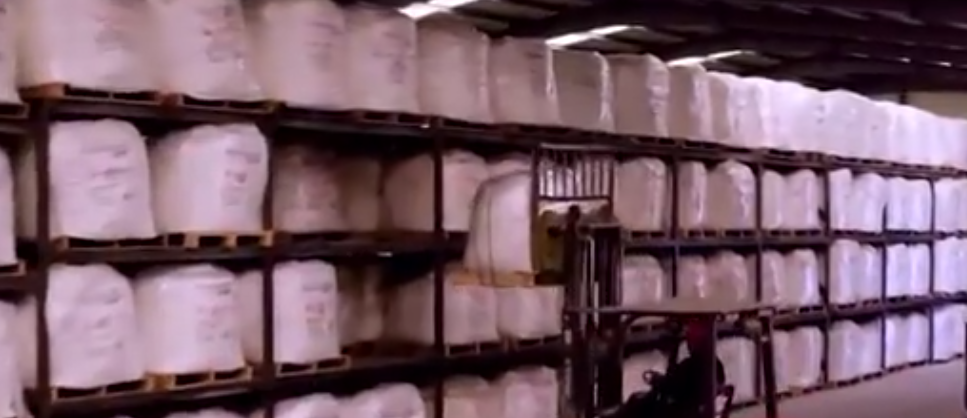
- Storage: Store in a dry environment with humidity ≤65%. Keep packages tightly sealed. Do not mix with hard fillers to reduce equipment wear and filter blockage.
Use Cases and Proven Results
SA-50 has been used by major polyester manufacturers including Hengli Petrochemical, Tongkun Group, Rongsheng Petrochemical, and Xinfengming Group. In a documented long-term case (over 10 years, cumulative supply >5,000 MT), the following results were reported:
- Polymerization stage: Even dispersion without black spots or crystal points; PET intrinsic viscosity remains stable.
- Spinning stage: Spinneret clogging cycle extended over 40%; filter replacement frequency greatly reduced; filament breakage rate drops by about 35%.
- Finished fiber quality: Stable whiteness (L value >96.7), uniform dyeing without streaks, anti-yellowing performance outstanding, and firm particle adhesion prevents powder falling off during weaving and dyeing.
Comparison: Selecting the Right Fiber Grade TiO₂ for Your Application
| Model | Target Fiber | TiO₂ Content | Fe₂O₃ (max) | pH | EC (μs/cm) | Color L |
|---|---|---|---|---|---|---|
| SA-50 | Polyester (PET) | ≥98.0% | ≤0.004% | 6.8±0.2 | ≤230 | 96.7–98.2 |
| SA-60 | Viscose, Acrylic | ≥97.0% | ≤0.004% | 7.2±0.6 | ≤120 | ≥96.5 |
| SA-80 | Nylon (Polyamide) | ≥95.0% | ≤0.004% | 6.8–8.0 | ≤100 | 92.0–97.0 |
Note: All three models are anatase grade with low iron content (Fe₂O₃ ≤0.004%), ensuring minimal catalytic degradation during high-temperature processing. SA-50 offers the highest TiO₂ purity and widest whiteness range, ideal for high-end polyester fibers. SA-80 has a slightly wider pH tolerance suitable for nylon melt spinning conditions.
Frequently Asked Questions
1. What certifications does fiber grade titanium dioxide from Orient International hold?
The titanium dioxide product SA-50 holds ISO 9001:2015 certification (certificate number TUV100034917/2) issued by TUV SUD, covering the production and sales of chemical fiber grade titanium dioxide. This certification applies globally and is valid through August 2026.
2. What are the key performance specifications of SA-50 for polyester fiber?
SA-50 is an anatase grade with TiO₂ content ≥98.0%, 325 mesh sieve residue ≤0.004%, Fe₂O₃ ≤0.004%, pH 6.8±0.2, electrical conductivity ≤230 μs/cm, specific surface area 8.5–10.0 m²/g, color L value 96.7–98.2, and color b ≤0.0. These parameters ensure low impurity, neutral behavior in EG, and high whiteness.
3. What is the typical lead time and MOQ for fiber grade TiO₂?
For standard orders, the minimum order quantity (MOQ) is 1 metric ton. Lead time is typically 15–30 days after order confirmation, depending on destination and shipping mode. Customized grades for polyester and nylon are available under OEM/ODM arrangements.
4. Can I request a sample before bulk purchase?
Yes. ORIENT INTERNATIONAL supports sample requests for evaluation. For sample inquiries and technical datasheets, please contact sales@petchemical.com or via WhatsApp at +86 18928113542. Samples help verify dispersion, whiteness, and process compatibility in your production line before committing to full container orders.
5. How does SA-50 compare with other fiber-grade TiO₂ brands in terms of anti-yellowing and dispersibility?
SA-50’s low iron content (≤0.004%) and neutral pH minimize catalytic yellowing during polyester spinning. Its specific surface area (8.5–10.0 m²/g) ensures good dispersibility in ethylene glycol, preventing agglomeration and spinneret clogging. In long-term field use, SA-50 demonstrated anti-yellowing performance and batch consistency comparable to leading international brands, while offering a competitive cost profile. For detailed comparative test data, contact our technical team.
If you are evaluating fiber grade titanium dioxide for your polyester, nylon, or viscose production lines, we invite you to request a sample or download our company brochure for full product specifications.
Conclusion
Selecting the right fiber grade titanium dioxide is essential for achieving consistent matting, whiteness, and process stability in textile fiber manufacturing. ORIENT INTERNATIONAL’s SUNTIOX product line — SA-50 for polyester, SA-60 for viscose/acrylic, and SA-80 for nylon — offers certified quality, low impurities, and proven performance in global markets. Backed by ISO 9001:2015 certification, a 16,000 MT annual capacity, and experienced R&D support, these grades provide a reliable choice for fiber producers seeking to enhance product quality and reduce production risks.
For technical specifications, sample requests, or bulk quotations, contact our team today.