
Fiber Grade Titanium Dioxide: Types, Specs, and Sourcing
Fiber Grade Titanium Dioxide: Types, Specs, and Sourcing
Fiber grade titanium dioxide is a specialized form of TiO₂ used in synthetic fiber production to control gloss, improve whiteness, and support stable spinning. Unlike ordinary pigment TiO₂, fiber-grade material must meet stricter limits on impurities, moisture, particle residue, pH, and electrical conductivity. This article explains what fiber grade TiO₂ is, what specifications matter, how it is used in polyester, nylon, viscose, and acrylic production, and what first-time buyers should check when evaluating suppliers.
Why fiber producers need a dedicated TiO₂ grade
Synthetic fiber production is sensitive to contamination. If TiO₂ contains high levels of iron or other impurities, it can cause shade shifts, filtration pressure build-up, nozzle wear, or filament breakage. Water-soluble ions can interfere with polymerization. Large or poorly dispersed particles can block spinnerets. For these reasons, fiber producers generally use anatase TiO₂ with controlled particle size and low impurity content.
The anatase form is usually preferred in fiber applications because its Mohs hardness of 5.5–6.0 is lower than that of rutile (6.0–7.0). Lower hardness reduces wear on spinning nozzles and downstream equipment. This is one reason why fiber-grade TiO₂ is designed as anatase rather than rutile.
Industry context and market signals
Global demand for fiber grade titanium dioxide is closely linked to polyester, nylon, viscose, and acrylic fiber manufacturing. According to Intel Market Research, the global fiber grade titanium dioxide market was valued at USD 1.46 billion in 2024 and is projected to reach USD 1.94 billion by 2032. The same report indicates that the polyester fiber segment accounts for more than 60% of all fiber grade TiO₂ applications.
Supply activity is also significant. China's total titanium dioxide exports reached a record 1.9017 million tons in 2024, a 15.84% increase year-on-year, according to China Customs Statistics / Echemi. For buyers, this means a wide range of sourcing options, but also a greater need to verify supplier quality and consistency.
On the standards side, ISO 591 defines requirements for TiO₂ pigments, covering both anatase and rutile types. Some fiber-grade products have also received textile-specific certifications. For example, Venator's HOMBITAN® LW-S 100 was the first fiber anatase TiO₂ to achieve ECO PASSPORT by OEKO-TEX® certification for the textile industry. When evaluating a supplier, request the relevant test certificate and compare it against the fiber process requirements.
Detailed solution: SA-50, SA-60, and SA-80 from Orient International
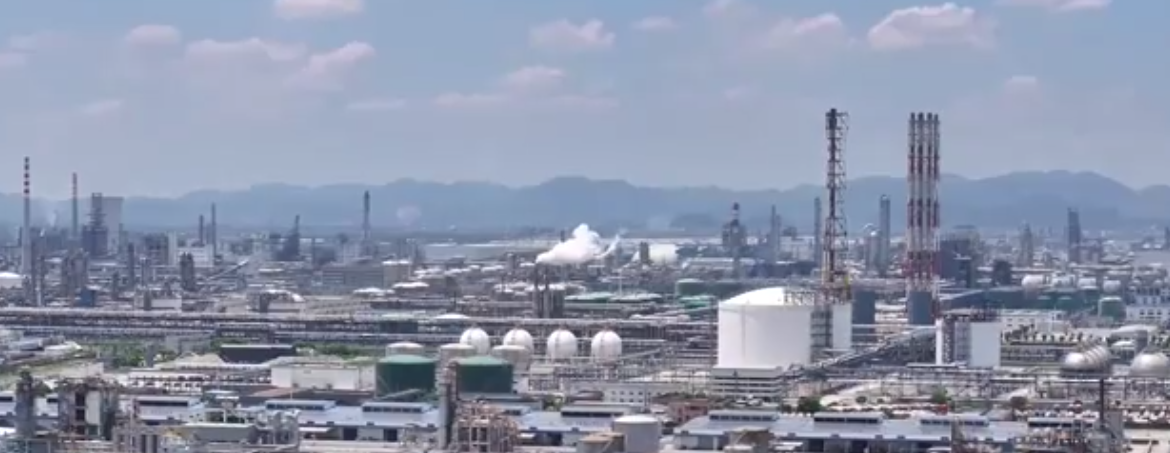
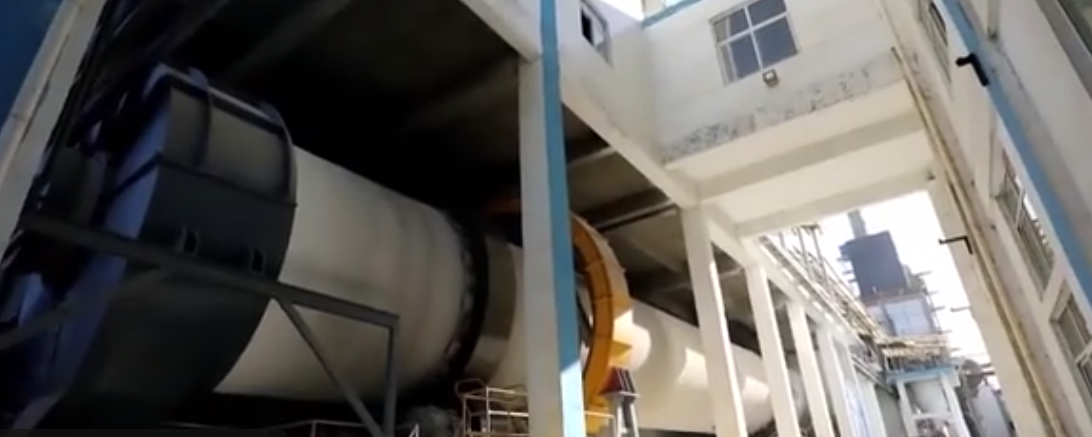
ORIENT INTERNATIONAL HOLDING SHANGHAI FOREIGN TRADE CO., LTD. is a state-owned foreign trade enterprise established in 1988, with a registered capital of over RMB 548 million. The company operates a manufacturing facility covering 700,000 m² and employs approximately 160 staff. Its R&D team consists of 25 engineers, and annual production capacity reaches 16,000 metric tons. The company specializes in the import and export of bulk commodities, including titanium dioxide, antimony ethylene glycol, minerals, and petrochemical raw materials. Export business accounts for 30% of total sales, with major markets including Korea, Japan, the EU, North America, South America, South East Asia, the Middle East, and India. Through its parent group, the company has 73 overseas branches covering nearly 200 countries and regions.
SA-50: PET fiber whitening agent
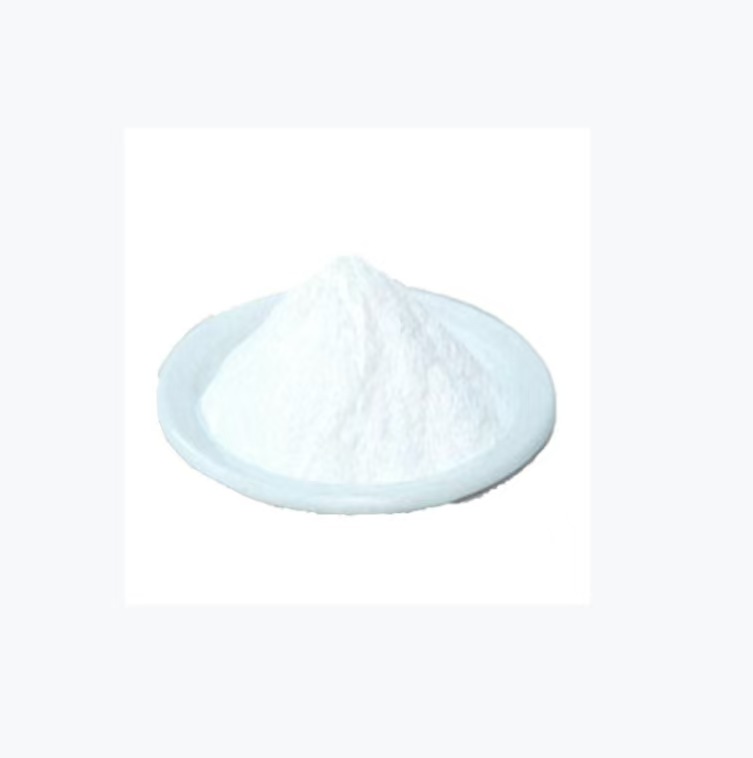
SA-50 is a titanium dioxide (TiO₂) whitening agent intended for the polyester manufacturing industry. It has an anatase crystal structure. Key specifications include TiO₂ content ≥98.0%, color value L 96.7–98.2, color value b ≤0.0, specific surface area 8.5–10.0 m²/g, electrical conductivity ≤230 μs/cm, pH 6.8±0.2, sieve residue (325 mesh) ≤0.004%, moisture ≤0.40%, and Fe₂O₃ ≤0.004%.
SA-60: Matting agent for viscose and acrylic fibers
SA-60 is a titanium dioxide matting agent for viscose and acrylic fiber manufacturing. It has an anatase crystal structure. Key specifications include TiO₂ content ≥97.0%, color value L ≥96.5, color value b ≤0.5, electrical conductivity ≤120 μS/cm, pH 7.2±0.6, sieve residue (325 mesh) ≤0.05%, moisture (105°C) ≤0.40%, and Fe₂O₃ ≤0.004%.
SA-80: Matting agent for nylon
SA-80 is a titanium dioxide matting agent for nylon manufacturing. It has an anatase crystal structure. Key specifications include TiO₂ content ≥95.0%, color value L 92.0–97.0, color value b ≤3, electrical conductivity ≤100 μS/cm, pH 6.8–8.0, sieve residue (325 mesh) ≤0.004%, moisture (105°C) ≤0.40%, and Fe₂O₃ ≤0.004%.
Why these parameters matter
- TiO₂ content indicates the active pigment level in the product. Higher values are generally preferred for fiber-grade applications.
- Sieve residue reflects the amount of oversize particles. Lower values help avoid filter blockage and spinneret clogging.
- Moisture affects hydrolytic stability during polymer processing. Low moisture is required to maintain stable viscosity.
- Fe₂O₃ is a common impurity that can affect color and accelerate polymer degradation. Low iron content is a key quality indicator.
- pH should be close to neutral to avoid side reactions in the polymerization system.
- Electrical conductivity indicates the level of ionic impurities. Lower conductivity reduces the risk of ionic interference.
- Color value L and b are used to measure whiteness and yellowness. A higher L and lower b are desirable for white fibers.
- Specific surface area relates to dispersibility and suspension stability. SA-50 specifies a range of 8.5–10.0 m²/g.
Step-by-step: how SA-50 is used in a polyester chip production line
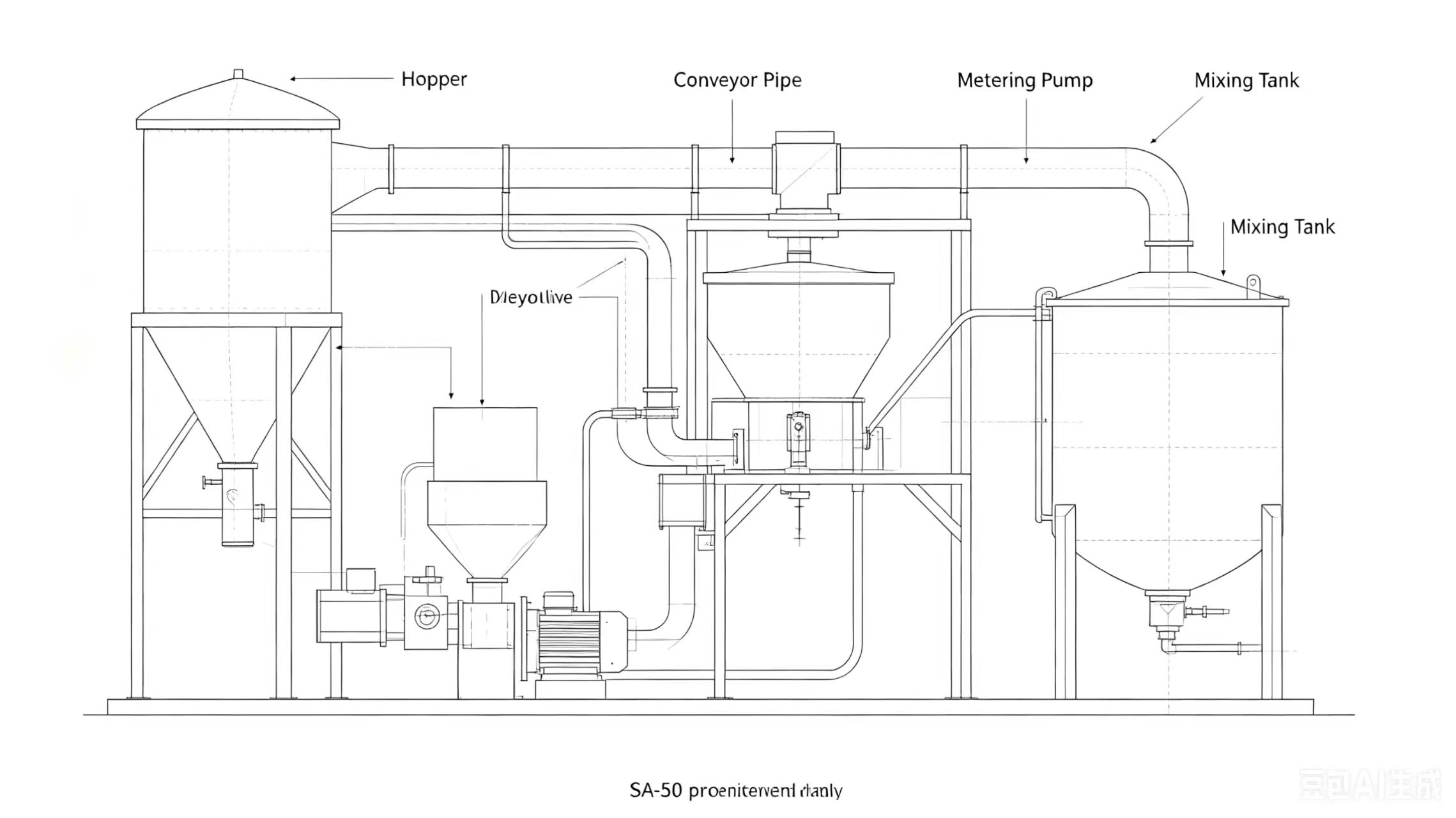
The typical working mode for SA-50 is batch pre-dispersion and continuous polymerization feeding. The following steps describe how the product is applied in a polyester chip production line.
- Pre-dispersion: SA-50 is first dispersed evenly in ethylene glycol (EG) with gentle stirring at 40–60°C to form a stable suspension without sedimentation.
- Feeding: The suspension is pumped into the PET esterification reactor.
- Polymerization: The TiO₂ suspension is blended uniformly into the polyester system under 240–285°C. Because SA-50 has a neutral pH and hydrolysis resistance, it helps reduce adverse side reactions and slows down the intrinsic viscosity degradation of polyester chips.
- Chip formation: After polymerization, matte PET chips with a stable internal structure are produced.
- Spinning: During spinning, well-dispersed TiO₂ prevents spinneret clogging and filament breakage, supporting long-time continuous high-speed spinning production.
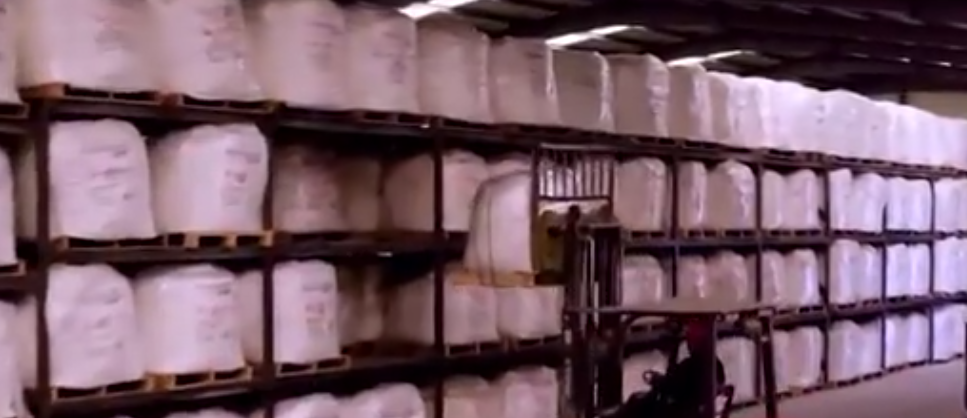
Special requirements for this process include closed vacuum feeding, dispersion at 40–60°C with low-speed stirring, steady and uniform feeding during polymerization, reaction temperature below 290°C, avoiding high-ion additives, storage in a dry environment with humidity ≤65%, and not mixing with hard fillers.
Use cases by fiber type
Polyester
SA-50 is used in polyester chip production line projects, where its function is to matte, improve fiber whiteness, and improve smoothness. According to the available application data, SA-50 works within ethylene glycol circulation and polyester polycondensation conditions. This application scenario is common in China, India, Indonesia, South Korea, Bangladesh, Turkey, Saudi Arabia, and Brazil. Polyester is also the largest application segment for fiber grade TiO₂, representing more than 60% of global demand.
Viscose and acrylic
SA-60 is designed for the manufacturing of viscose and acrylic fibers as a matting agent. Its lower sieve residue and controlled pH support stable dispersion in these processes.
Nylon
SA-80 is designed for the manufacturing of nylon as a matting agent. Its electrical conductivity of ≤100 μS/cm and color value L of 92.0–97.0 are set for nylon process requirements.
Comparison table: SA-50 vs SA-60 vs SA-80
The table below summarizes the verified specifications of the three fiber-grade TiO₂ products discussed in this article.
| Parameter | SA-50 | SA-60 | SA-80 |
|---|---|---|---|
| Intended use | PET fiber whitening agent | Matting agent for viscose and acrylic | Matting agent for nylon |
| Crystal structure | Anatase | Anatase | Anatase |
| TiO₂ content | ≥98.0% | ≥97.0% | ≥95.0% |
| Sieve residue (325 mesh) | ≤0.004% | ≤0.05% | ≤0.004% |
| Moisture (105°C) | ≤0.40% | ≤0.40% | ≤0.40% |
| Fe₂O₃ | ≤0.004% | ≤0.004% | ≤0.004% |
| pH | 6.8±0.2 | 7.2±0.6 | 6.8–8.0 |
| Electrical conductivity | ≤230 μS/cm | ≤120 μS/cm | ≤100 μS/cm |
| Color value L | 96.7–98.2 | ≥96.5 | 92.0–97.0 |
| Color value b | ≤0.0 | ≤0.5 | ≤3 |
| Specific surface area | 8.5–10.0 m²/g | — | — |
FAQ
What specifications should I check when evaluating fiber grade titanium dioxide?
For fiber applications, check TiO₂ content, sieve residue, moisture, Fe₂O₃, pH, electrical conductivity, and color values. These parameters affect whiteness, filtration, and polymerization stability. Internationally, ISO 591 defines requirements for anatase and rutile TiO₂ pigments. Some fiber-grade products on the market have also received ECO PASSPORT by OEKO-TEX certification for textile use. Buyers should confirm the actual test certificate from the supplier and compare it with their process requirements.
What fiber grade titanium dioxide products does Orient International offer?
Orient International offers three fiber-grade TiO₂ products: SA-50 for PET fiber whitening, SA-60 as a matting agent for viscose and acrylic fibers, and SA-80 as a matting agent for nylon. SA-50 has a TiO₂ content of ≥98.0%, SA-60 of ≥97.0%, and SA-80 of ≥95.0%. All three are anatase grades.
What factors affect the total cost of fiber grade TiO₂?
The total cost is not only the unit price. Batch consistency, filtration performance, spinneret wear, filament breakage rate, logistics, packaging, and payment terms all affect the actual cost per ton of usable fiber. Buyers should evaluate these factors together with the supplier's production capacity and quality control. According to verified market data, China's TiO₂ exports reached 1.9017 million tons in 2024, reflecting the scale of available supply.
How can I request samples of SA-50, SA-60, or SA-80?
You can contact Orient International's sales team at sales@petchemical.com or via phone/WhatsApp at +86 18928113542. Provide your target fiber type, production process, and required quantities so the team can recommend the appropriate grade and discuss sample availability.
What lead time can I expect for fiber grade TiO₂ orders?
Lead time depends on order volume, packaging, production schedule, and shipping route. Orient International has an annual production capacity of 16,000 metric tons and can support continuous spinning line supply. For current lead times and logistics options, contact the sales team directly.
Conclusion
Fiber grade titanium dioxide is not a one-size-fits-all chemical. The choice of grade depends on fiber type, process conditions, and quality expectations. Polyester producers typically look for high TiO₂ content and excellent dispersibility; viscose and acrylic producers need a reliable matting agent with low residue; nylon producers need a grade that balances color and conductivity. Before sourcing, buyers should verify the supplier's product specification, production capacity, and export experience.
For polyester, nylon, viscose, and acrylic fiber producers in the discovery stage, the most practical next step is to request samples and compare the candidate grade against your own process requirements. Orient International can provide product information and samples.
Ready to evaluate fiber grade TiO₂ for your spinning line?
Contact Alex Wu at sales@petchemical.com or +86 18928113542 via WhatsApp.
You can also visit www.petchemical.com or download the company brochure.