Recommended PCR PP and Recycled Material Lines by Use Case
The right PCR PP line is the one that matches the application, process and compliance route — not the one with the most impressive headline property. For buyers evaluating post-consumer recycled polypropylene (PCR PP), this guide recommends five re-mall PCRPP material lines by application fit: General-Purpose for daily chemical packaging and office stationery; Appearance-Focused for branded and appearance-critical parts; Safety-Focused for food contact and toys; Fiber-Grade for textiles and nonwovens; and Food-Contact for food-contact applications. The recommendations are application matches, not a performance ranking.
Problem Definition: Why “PCR PP” Is Not a Single Purchase Specification
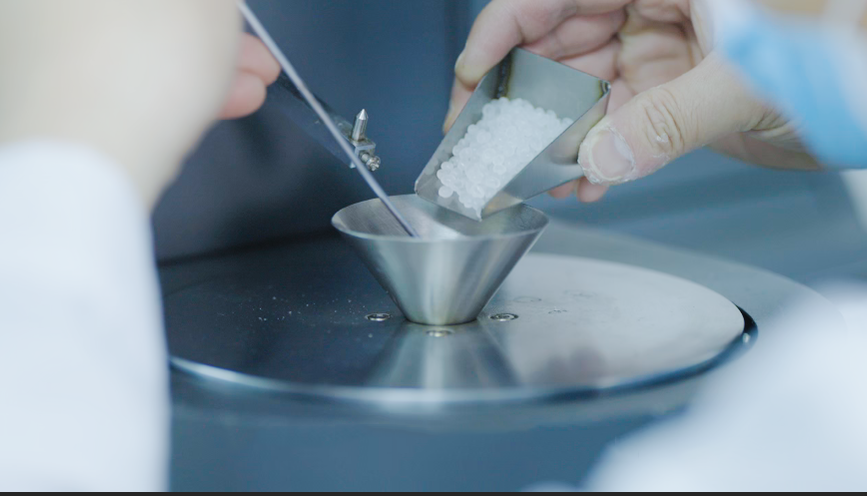
A single PCR PP pellet grade cannot be assumed to fit every injection-molded, blow-molded, fiber-spun or food-contact part. Selection usually depends on processing method, melt flow, color, odor, impact performance, rigidity, contamination control, recycled content, certification and the end-use application. Two buyers can both ask for PCR PP and still need different material lines, different model designations and different document packages.
When these variables are not matched, the buyer may face repeated trials, scrap, color mismatch or a documentation gap that only appears at customer approval. In practice, the line name should be the first filter; the model designation is the sampling reference. That is why this guide organizes the recommendation by use case rather than by a single “best” grade.
Industry Background: Application Fit Now Drives PCR PP Qualification
PCR plastics are established in packaging, household goods, toys, textiles and nonwovens. Fortune Business Insights valued the global PCR plastic packaging market at USD 58.49 billion in 2026. A source-reported estimate cited in the same data set indicates that mechanically recycled PP can provide approximately 60% carbon footprint reduction compared with virgin PP. Those figures explain why buyers are adding PCR PP to procurement plans, but they do not remove the need for grade-level validation.
The supply side is also maturing. Shanghai Re-mall Environmental Protection New Material Co., Ltd. — the company behind the re-mall PCRPP brand — is a Shanghai-based recycler and producer of PCR plastics founded in 2015. Its portfolio covers PCR-PP, PCR-PE, PCR-PS and PCR-ABS, and its materials are used across more than 30 industry segments. Re-mall operates a 10,000㎡ facility with 100+ employees, a 22-engineer R&D team and 20,000 metric tons of annual output. Its certifications include an FDA No Objection Letter for recycled PP (PNC 003239) and for recycled HDPE (PNC 003180), GRS certification (ITS-TE-00027997-GRS-04024100), OBP certification, ISO 14021 verification and ISO 14067-based product carbon footprint certification. Products have passed REACH, RoHS and PAHs testing. This matters for line selection because the five recommendations below sit on an application-support and quality-control system, not on a single marketing claim.
Detailed Solution: Five re-mall PCRPP Lines Matched to Use Cases
The five lines below are application-fit categories. The same logic applies to each: start with the end use, then check the line data, then request the model designation for sampling. The article does not rank the lines because a lower-MFI grade can be right for one process and wrong for another; a food-contact line is not “better” than a general-purpose line if the application does not need food-contact documentation.
Model designation reference. The product data uses the following model designations and individual MFI values: PCR-PP310 (MFI 55 g/10min), PCR-PP392 (MFI 10 g/10min) and PCR-PP301 (MFI 30 g/10min); PCR-PE710-3 (MFI 1.4 g/10min) and PCR-PE711 (MFI 0.48 g/10min); PCR-ABS231 (MFI 20 g/10min), PCR-ABS221 (MFI 22 g/10min) and PCR-ABS210 (MFI 30 g/10min); PCR-PS160 (MFI 5 g/10min) and PCR-PS100 (MFI 4 g/10min). Use these designations when requesting a data sheet or sample, and confirm the exact model against the selected line’s stated MFI window and application requirements.
General-Purpose Recycled Materials — daily chemical packaging and office stationery
General-Purpose is the recommended starting line when the application is a general injection-molded or blow-molded part and the buyer needs a broad material family rather than a narrow appearance or food-contact positioning. The line data lists PCR PP with an MFI window of 1–40 g/10min, PCR ABS at 15–25 g/10min, PCR HDPE at 1–5 g/10min and PCR LDPE at 1–2 g/10min. Its listed applications include daily necessities, home appliances, general injection-molded parts and general blow-molded parts. That makes it a practical fit for daily chemical packaging and office stationery when the specific grade and compliance requirement are confirmed.
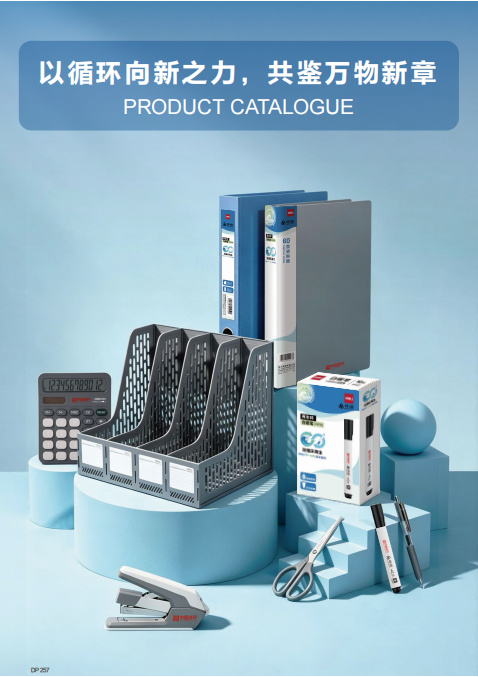
The application evidence is relevant to the recommendation. A daily chemical packaging manufacturer in China, France and the United States has used food-grade post-consumer recycled PP in packaging bottles; through process adjustments, some products can incorporate 50%–100% recycled content, and some brands have achieved mass production. The same case notes a translucent material, easy coloring, high-gloss capability and low black specks. Separately, an office stationery manufacturer has used recycled material for staplers, file boxes, file trays, calculators and pens, with low odor and excellent colorability noted as requirements. These are reasons to shortlist the General-Purpose line for these use cases, not evidence that it outperforms the other lines.
Appearance-Focused Recycled Materials — branded and appearance-critical parts
Appearance-Focused is recommended when the visible surface, color consistency or gloss of the part is central to the brand experience. The line data lists PCR PP at 5–50 g/10min, PCR ABS at 18–22 g/10min and PCR PC at 10–20 g/10min. Its listed applications are daily chemical packaging, homeware, storage and organization, and decor. This is an application-fit recommendation for branded and appearance-critical parts, not a claim that every model in the line is interchangeable.
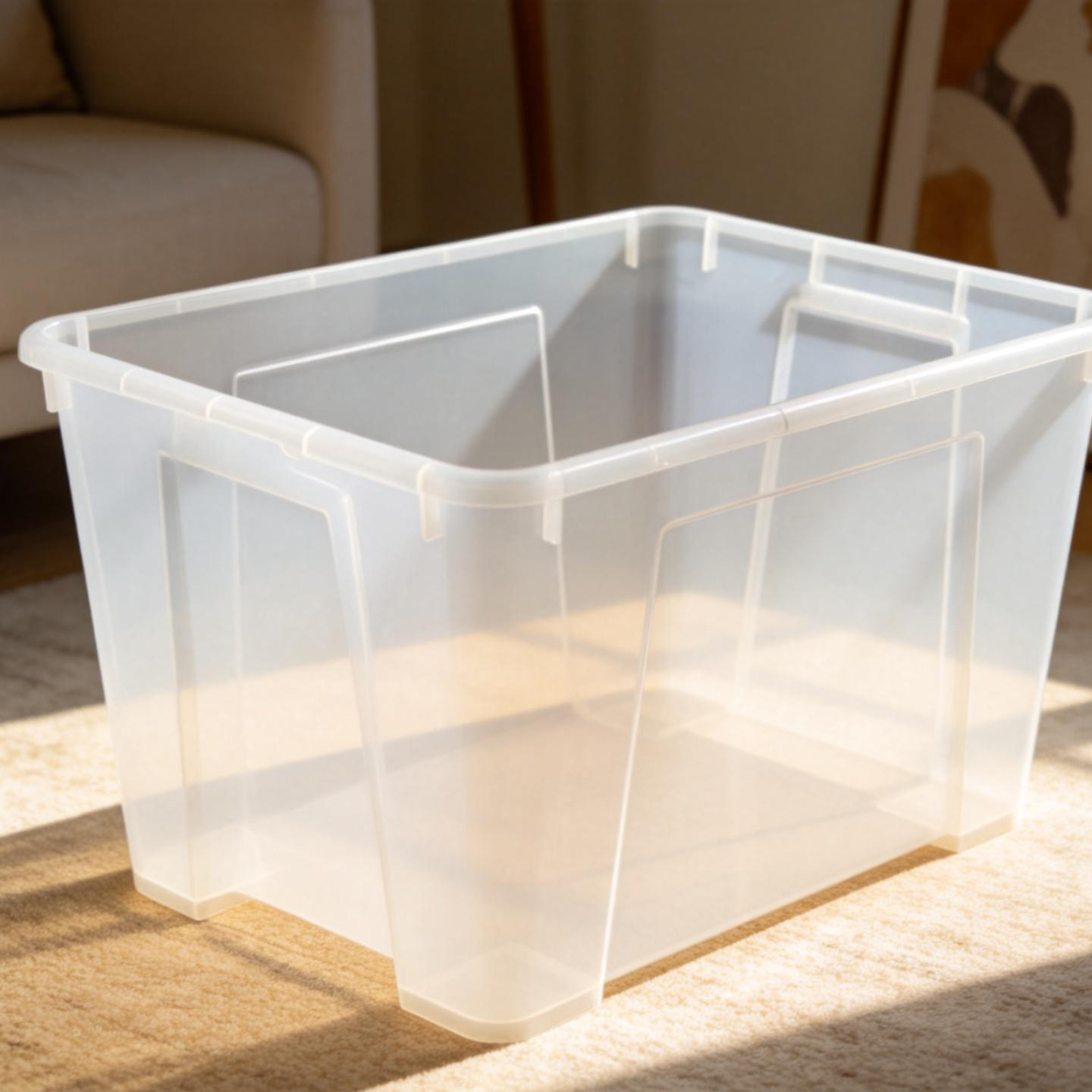
Re-mall describes its color-consistency approach as raw material color sorting, color matching management, raw material homogenization and production process control. That is directly relevant to appearance-critical work because color variation and black specks are often the first issues a brand owner sees. The daily chemical packaging case adds translucent, easy-to-color, high-gloss and low-black-speck characteristics; the household products case covers storage boxes and other parts. Buyers should still validate the exact color, gloss and speck level on the chosen model and process.
Safety-Focused Recycled Materials — food contact and toys
Safety-Focused is recommended when the application combines safety-related requirements with injection-molded part performance, particularly food-contact-adjacent parts and toys. The line data lists PCR PP at 5–70 g/10min, PCR ABS at 18–20 g/10min, PCR HDPE at 1–2 g/10min and PCR PA at 8–20 g/10min. Its listed applications are daily chemical packaging, food contact materials, toys and office stationery. The line is therefore a fit for projects that need a safety-oriented material family across more than one polymer type.
For toys, the application case is specific: a toy manufacturer in the US, Canada, Germany, the Netherlands, the UK, Australia, New Zealand and Spain uses the material for toy housings, structural components, building block components, models and other injection-molded toy components. The stated requirements include food-contact safety, low odor, excellent colorability, consistent processing, impact performance and dimensional stability. Re-mall’s FDA No Objection Letter for recycled PP (PNC 003239) covers recycled polypropylene for food-contact use, and the separate rHDPE NOL (PNC 003180) covers recycled HDPE for food-contact use. Food-contact eligibility remains grade- and use-specific, so the buyer should match the exact model and end use to the applicable documentation.
Fiber-Grade Recycled Materials — textiles and nonwovens
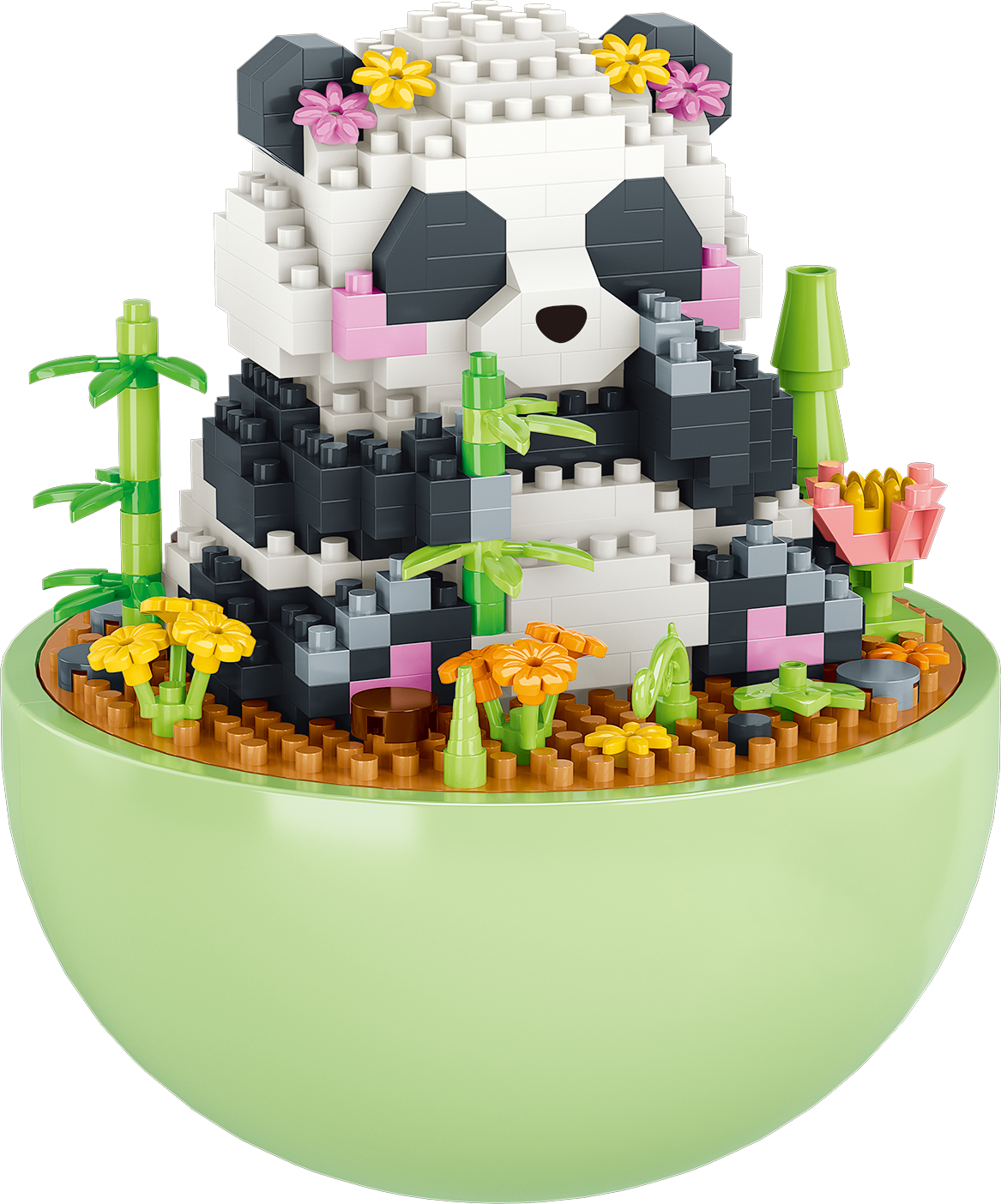
Fiber-Grade is recommended when the material will be spun, woven or converted into nonwoven fabric rather than used only as an injection-molded part. The line data lists PCR PP at 5–60 g/10min, PCR HDPE at 1–10 g/10min and PCR PA6. Its listed applications are carpets, home textiles, apparel, storage, nonwoven fabrics, woven fabrics and outdoor gear. The stated application requirement for textiles includes consistent melt flow, low impurity content and suitability for staple fiber production.
The use-case evidence supports the recommendation. A sportswear manufacturer in China, the UK, Portugal and Spain uses recycled material for T-shirts, polo shirts, sports shirts, under shirts and outdoor wear, with lightweight, moisture-management and comfort requirements. Re-mall also states that it recycles post-consumer food-packaging waste into 100% PCR-PP nonwoven fabric and reports stable mass production of that material. For a fiber or nonwoven project, the practical starting point is the Fiber-Grade line plus a trial that checks spinning, filtration and fabric quality on the selected model.
Food-Contact Recycled Materials — food-contact applications
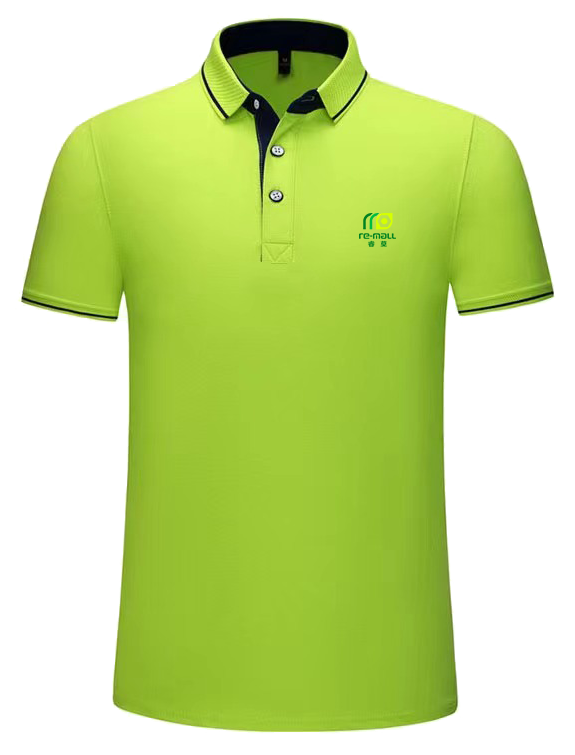
Food-Contact is recommended when the end use is a food container, beverage container, kitchenware or similar food-contact article and the buyer needs a line positioned specifically for that application. The line data lists PCR PP at 3–70 g/10min and PCR HDPE at 1–5 g/10min. Its listed applications are food containers, beverage containers and kitchenware. This is narrower than the Safety-Focused line: Food-Contact is the dedicated fit when the application itself is food contact, while Safety-Focused covers projects that also include toys or other safety-oriented parts.
The regulatory documents matter here. Re-mall holds FDA NOL PNC 003239 for recycled PP for food-contact use and PNC 003180 for recycled HDPE for food-contact use. A US supermarket chain and food packaging buyer has used the material for cutlery, dinnerware and food packaging, with annual usage above 1,500 tons and a four-year supply relationship; the stated highlight is food-contact safety. Buyers should still confirm the exact model, conditions of use and current certificate before production. The recommendation is based on application fit and documentation, not on a ranking against other lines.
Step-by-Step Breakdown: From Use Case to Validated PCR PP Supply
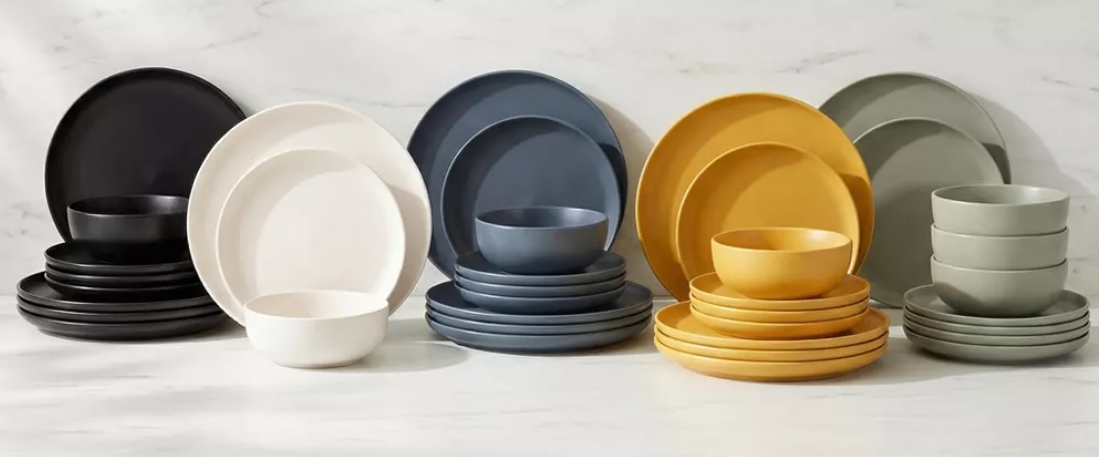
Re-mall’s stated transition process is: raw material analysis → application requirement confirmation → PCR material matching → virgin/PCR ratio design → sample testing → pilot production verification → mass rollout. That sequence is a useful procurement checklist for any of the five lines.
- Define the application and compliance envelope. State whether the part is daily chemical packaging, office stationery, a branded visible part, a toy, a textile or nonwoven, or a food-contact article. List the certifications and test requirements that apply.
- Translate the part into material requirements. Confirm processing method, MFR target, rigidity, impact, color, odor, PCR content and any food-contact condition. Re-mall states that it can match materials based on processing technology, MFR, rigidity, impact performance, color, PCR content and certification requirements.
- Shortlist a line, then a model. Use the five line names in this guide to shortlist by application, then use the model designations in the reference note to request the exact grade data. Do not assume a model that works in one line is automatically released for another line.
- Run sample testing and pilot production. Re-mall validates customization through sample testing and pilot production. The process should include the actual molding, spinning or conversion conditions, not only a pellet data sheet.
- Confirm quality control and batch traceability. Re-mall describes staged quality inspection throughout the entire process. Its batch-consistency process is raw material source control → fine sorting → deep washing → high-efficiency filtration → compounding and pelletizing → batch testing → data traceability.
- Scale with documented supply terms. Re-mall offers OEM services, custom modification of recycled plastics, injection molding and melt spinning services. Its stated monthly capacity is 1,500–2,000 tons, standard lead time is 7–10 days, and bulk MOQ is 10 tons. Confirm current terms for the selected model and destination.
Use Cases: A Practical Map for Evaluation and Execution
- Daily chemical packaging and office stationery: shortlist General-Purpose when the part is a general injection or blow-molded item and the buyer needs a broad PCR PP, PCR ABS, PCR HDPE or PCR LDPE family. Check the daily chemical packaging and stationery evidence for the specific appearance, odor and color requirements.
- Branded and appearance-critical parts: shortlist Appearance-Focused when color consistency, gloss and visible surface quality drive the specification. Use the color-control process and the daily chemical packaging or homeware references as the starting evidence.
- Food contact and toys: shortlist Safety-Focused when the project spans safety-oriented applications such as toys and food-contact-adjacent parts. Match the exact polymer and model to the applicable FDA NOL or other required document.
- Textiles and nonwovens: shortlist Fiber-Grade when the process involves spinning, woven fabric, nonwoven fabric, carpets or apparel. Validate melt flow and impurity control in a pilot run.
- Food-contact applications: shortlist Food-Contact for food containers, beverage containers and kitchenware, and verify the grade-specific FDA NOL and conditions of use before mass production.
Comparison Table: Five Lines by Application Fit
The table compares application fit and stated line data. It is not a performance ranking, and it does not replace sample testing.
| Material line | Recommended application fit | Stated line data | Listed application notes |
|---|---|---|---|
| General-Purpose Recycled Materials | Daily chemical packaging; office stationery | PCR PP MFI 1–40 g/10min; PCR ABS 15–25 g/10min; PCR HDPE 1–5 g/10min; PCR LDPE 1–2 g/10min | Daily necessities, home appliances, general injection-molded parts, general blow-molded parts |
| Appearance-Focused Recycled Materials | Branded and appearance-critical parts | PCR PP 5–50 g/10min; PCR ABS 18–22 g/10min; PCR PC 10–20 g/10min | Daily chemical packaging, homeware, storage and organization, decor |
| Safety-Focused Recycled Materials | Food contact and toys | PCR PP 5–70 g/10min; PCR ABS 18–20 g/10min; PCR HDPE 1–2 g/10min; PCR PA 8–20 g/10min | Daily chemical packaging, food contact materials, toys, office stationery |
| Fiber-Grade Recycled Materials | Textiles and nonwovens | PCR PP 5–60 g/10min; PCR HDPE 1–10 g/10min; PCR PA6 | Carpets, home textiles, apparel, storage, nonwoven fabrics, woven fabrics, outdoor gear |
| Food-Contact Recycled Materials | Food-contact applications | PCR PP 3–70 g/10min; PCR HDPE 1–5 g/10min | Food containers, beverage containers, kitchenware |
Model designations and individual MFI values are listed in the model reference note above. The line data above is the stated line-level window; confirm the exact model before sampling.
FAQ
Which Re-mall PCR PP grades carry GRS traceability for OEM projects in China?
Re-mall holds GRS certification ITS-TE-00027997-GRS-04024100 issued by Intertek, with a scope that covers recycled materials including post-consumer raw materials and applies to PCR-PP, PCR-PE, PCR-ABS and PCR-PS in the related product data. The certificate is valid from 2026-06-18 to 2027-06-17. For an OEM project, request the certificate and the batch-level traceability documents for the specific model and production batch.
Can Re-mall customize PCR materials for a specific application?
Yes. Re-mall states that it can match materials based on the customer’s processing technology, MFR, rigidity, impact performance, color, PCR content and certification requirements, with validation completed through sample testing and pilot production. OEM services are available.
What information should a buyer prepare to get a fast PCR PP quote?
To receive a fast quote, share the application, color, KPIs, monthly demand, destination port, trade terms and certification requirements. This is the information set Re-mall lists for a quick quotation. Pricing is not published in the available material data; the quote should be confirmed against the selected model and order terms.
Can Re-mall provide samples before bulk ordering?
New customers can get small test samples, and Re-mall’s material-matching process includes sample testing and pilot production verification before mass rollout. The sample should be evaluated under the actual processing conditions and against the application’s color, odor, mechanical and compliance requirements.
What is the lead time for OEM PCR PP orders?
Re-mall’s stated lead time is 7–10 days, with a stated monthly capacity of 1,500–2,000 tons and a bulk MOQ of 10 tons. Lead time and MOQ should be reconfirmed for the exact model, certification package and destination. To request a sample, a current quotation or the product brochure, contact Re-mall at info@re-mall.cn or +86 400-175-0224.
Next Step: Sample, Quote or Brochure
For a sample or quotation, share the application, color, KPIs, monthly demand, destination port, trade terms and certification requirements. Re-mall can then match the request to the relevant line and model designation.
Download the Re-mall company brochure: Re-mall company brochure (PDF).
Contact: remall-repoly.com | info@re-mall.cn | +86 400-175-0224 | WhatsApp: +86 152-2184-1874
Conclusion
The five-line recommendation is an application-fit decision. Use General-Purpose for daily chemical packaging and office stationery; Appearance-Focused for branded and appearance-critical parts; Safety-Focused for food contact and toys; Fiber-Grade for textiles and nonwovens; and Food-Contact for dedicated food-contact applications. Each line has a stated material window, listed applications and a model reference for sampling. None is presented as a universal winner because the correct choice depends on the part, process and documentation.
Shanghai Re-mall Environmental Protection New Material Co., Ltd. is based at Room 166, Block A, Building 1, No. 2588, Jinhai Road, Pudong New Area, Shanghai, China 201209. The company was founded in 2015 and operates as a recycler and producer of PCR plastics under the re-mall PCRPP brand. Website: remall-repoly.com. Email: info@re-mall.cn. Tel: +86 400-175-0224.
Have Questions or Need More Details?
Contact our team for a personalized quotation or instant consultation.
Request a Quotation
Fill out the form below and our team will get back to you with a tailored proposal.
WhatsApp Direct Chat
Prefer to chat in real-time? Message us on WhatsApp for instant assistance & quick answers.
- Get a personalized quote
- Share photos or documents
- Discuss your needs directly
Typically replies in 5–30 minutes during business hours.