
SDL313 vs SDL611 Aroma Diffuser: A Comparison Guide for Hotel, Office, and Commercial Buyers
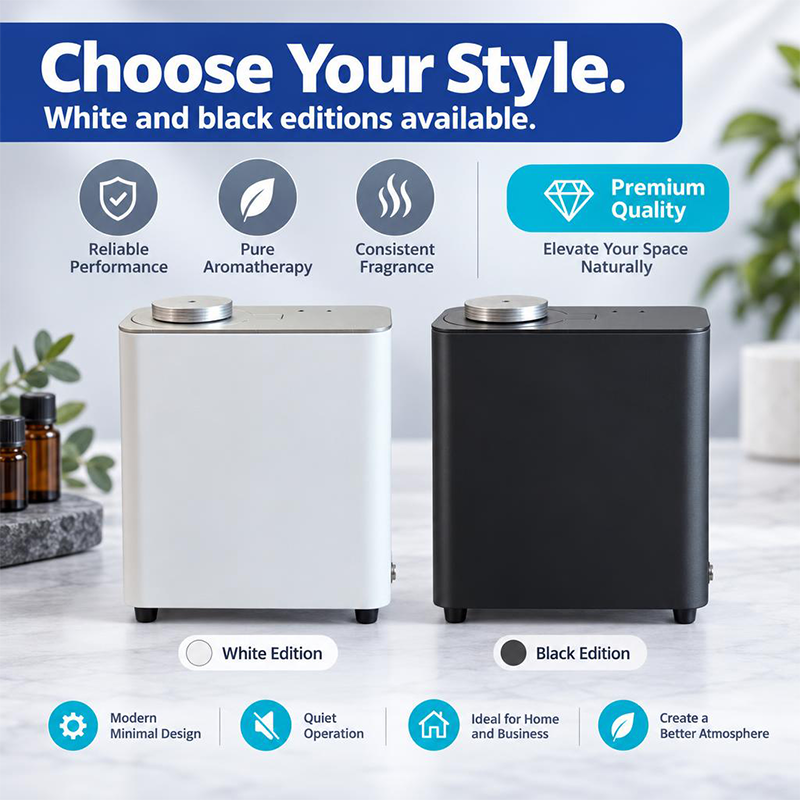
The short answer: the SDL313 and the SDL611 are two aroma diffusers from the Saintdeland range, and they are separated by capacity, power, housing material, control options and physical envelope — not by atomization principle. The SDL313 uses a 130 ml essential oil reservoir, a 5 W rating, an ABS/PP housing and Bluetooth control, and it is specified for hotel and commercial space use. The SDL611 raises capacity to 300 ml and power to 12 W, builds the housing from sheet metal and aluminum alloy, and adds WiFi and button control alongside Bluetooth, with stated applications covering home, hotel, office, automotive and commercial spaces.
Both models are dual-fluid atomization units supplied by Shengdelan Fragrance Technology (Guangzhou) Co., LTD, an ambient scenting equipment supplier based in Guangzhou, China, established in 2019 and trading under the Saintdeland brand. Both are covered by the same compliance file — FCC SDoC LH-230903022800 issued against FCC Part 15 Subpart B, CE EMC certificate LH-230903022799, and RoHS certificate LH-230903022801 — while the SDL611 additionally holds FCC Grant 2BCCLRAD-8 under Rule Parts 15C.
Decision summary
- Capacity: SDL313 — 130 ml; SDL611 — 300 ml.
- Rated power: SDL313 — 5 W; SDL611 — 12 W. Both run on 12 V.
- Housing: SDL313 — ABS + PP, white; SDL611 — sheet metal + aluminum alloy, white or black.
- Control: SDL313 — Bluetooth; SDL611 — Bluetooth, WiFi and button.
- Size and weight: SDL313 — 137 × 70 × 200 mm, 800 g net; SDL611 — 170 × 80 × 210 mm, 2500 g net.
The Procurement Problem: Same Voltage, Same Principle, Different Briefs
On a datasheet, the two units can look interchangeable. Both operate at 12 V. Both use dual-fluid atomization. Both belong to the same aroma diffuser category and the same manufacturer's range. Both list hotel and commercial space among their stated applications. That overlap is precisely where specification errors occur, because a buyer who compares only the headline category can end up with a unit whose refill interval, control method or housing does not match the installation.
The differences that actually decide a project sit in five places:
- Essential oil capacity. 130 ml on the SDL313 against 300 ml on the SDL611. This is the variable that governs how often a site visit is needed to refill, although neither published specification states an oil consumption rate, so runtime cannot be calculated from the datasheets alone.
- Rated power. 5 W on the SDL313 against 12 W on the SDL611. Neither specification sheet states a coverage area for either model, so power should be read as an electrical rating, not as a coverage claim.
- Housing material. ABS + PP on the SDL313 against sheet metal and aluminum alloy on the SDL611, which also offers a black variant in addition to white.
- Control options. Bluetooth on the SDL313; Bluetooth, WiFi and button on the SDL611.
- Physical envelope. The SDL313 measures 137 × 70 × 200 mm at 800 g net weight (1000 g gross, packaging 160 × 90 × 230 mm). The SDL611 measures 170 × 80 × 210 mm at 2500 g net weight.
A second, less visible problem is documentation. Hotel and commercial scenting is usually procured inside a project file that requires electrical and materials documentation for the exact model being installed. Both models share a compliance set, but only the SDL611 carries the additional FCC Grant 2BCCLRAD-8 under Rule Parts 15C. Buyers who assume the two models share an identical certificate pack can hold up an order at the documentation review stage.
Industry Background: Why Scenting Specification Has Become a Documentation Exercise
Ambient scenting in hospitality, retail and office environments has moved from a decorative purchase to a specified one. Facility and project teams now ask for the same things they ask for any installed device: a defined housing material, a stated electrical rating, a control method that fits building operations, and a compliance file that matches the model on the purchase order.
At the component level, the technology choice shapes the specification conversation. Dual-fluid atomization, the principle used in both the SDL313 and the SDL611, is described by the manufacturer as achieving fine atomization and even dispersion of fragrance molecules. For a buyer, that description answers a functional question — whether the fragrance is dispersed consistently rather than in bursts — but it does not replace project-specific performance data.
Market context helps frame the category. Grand View Research valued the global aromatherapy diffusers market at USD 2.1 billion in 2025, and reported that the ultrasonic segment held the largest share at 63.9% in that year. Two-fluid and nebulizing formats sit in a different part of that market, aimed at buyers who prioritise housing durability, control integration and documented compliance over volume price points. Independent published test data on diffuser coverage, noise and oil consumption remains limited across the category, which is why the specification sheets for the SDL313 and the SDL611 state capacity, power, materials and dimensions without quoting a room coverage figure.
SDL313 and SDL611 in Detail
SDL313: 130 ml, 5 W, ABS + PP, Bluetooth
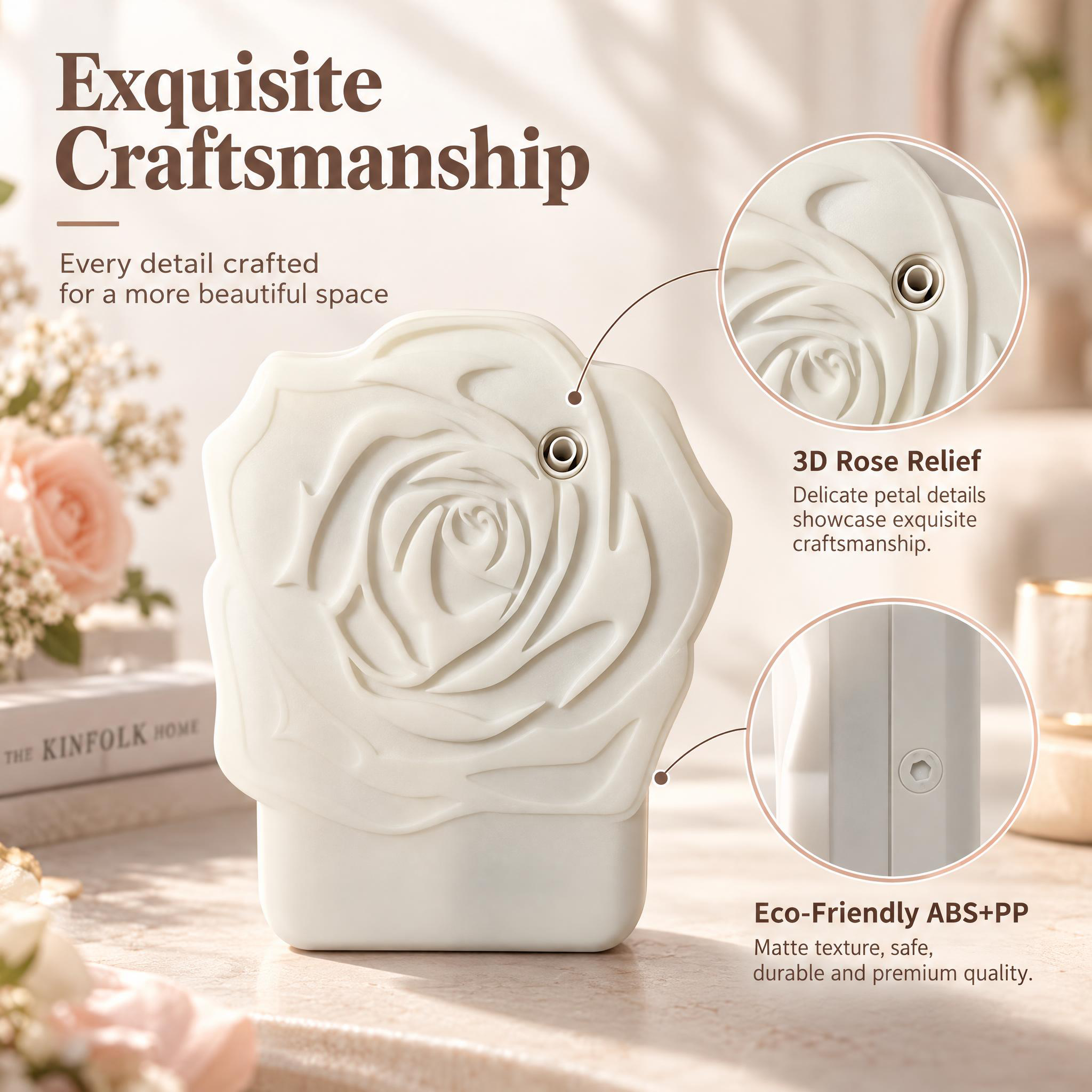
The SDL313 is an aroma diffuser identified as model SDL313 and classified within the aroma diffuser category. Its published specification lists a 12 V input, a 5 W power rating, a 130 ml essential oil capacity, an ABS + PP housing in white, Bluetooth control, and dual-fluid atomization as the working principle. Net weight is 800 g and gross weight is 1000 g, with product dimensions of 137 × 70 × 200 mm and packaging dimensions of 160 × 90 × 230 mm.
Its application statement is the more specific of the two models: the SDL313 is specified for hotel use and commercial space use. Its published applicable industry segments also list home use, office and automotive alongside hotel and commercial spaces, so the unit is not restricted to hospitality — but the primary specification a buyer should record in a project file is hotel and commercial space use.
Read as a procurement profile, three properties stand out. The 130 ml reservoir suits installations where a compact unit is preferred and refill frequency can be managed through a maintenance schedule. The ABS + PP housing keeps the unit at 800 g net weight, which matters when the diffuser has to be lifted, repositioned or shipped in quantity — the packaging footprint of 160 × 90 × 230 mm is published, so carton planning can be done in advance. Bluetooth control keeps operation within a local wireless workflow without adding a network dependency.
SDL611: 300 ml, 12 W, Sheet Metal and Aluminum Alloy, Bluetooth / WiFi / Button
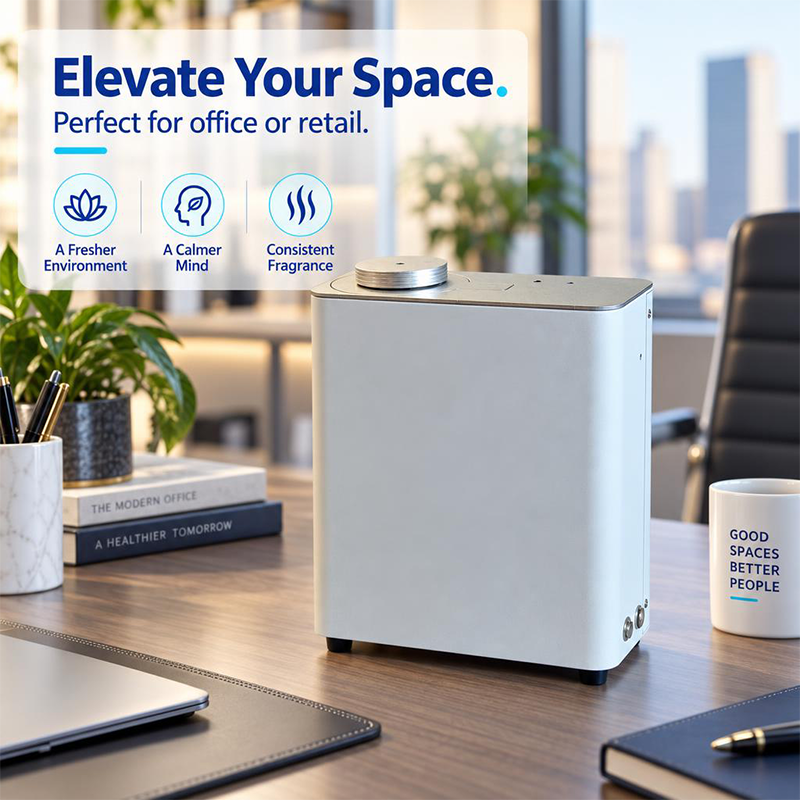
The SDL611 is an aroma diffuser with a 300 ml essential oil capacity. Its housing is made of sheet metal and aluminum alloy and it is available in white and black. The published specification lists a 12 V input, a 12 W power rating, Bluetooth, WiFi and button control, dual-fluid atomization, product dimensions of 170 × 80 × 210 mm, and a net weight and gross weight both stated at 2500 g.
The SDL611 is specified for home use, hotel use, office use, automotive use and commercial space applications. That is a broader stated application set than the SDL313's primary hotel and commercial specification, and it makes the SDL611 the model that can be carried across a mixed portfolio — a hotel group that also fits out its own offices, or a distributor supplying home, office and automotive accounts from a single SKU.
Three specification points drive most of the selection logic. The 300 ml capacity is more than twice the SDL313 reservoir, which reduces the number of refill interventions a site needs for the same essential oil volume. The 12 W rating is more than twice the 5 W rating of the SDL313 — again, an electrical rating rather than a stated coverage figure. The control set is the widest in this comparison: Bluetooth, WiFi and button. Button control matters for sites where staff should adjust the unit locally without an app, and WiFi control matters where the diffuser is expected to sit within a managed network workflow.
What Both Models Share
Shared properties are as important as differences, because they determine what a buyer does not need to re-evaluate between the two models.
- Atomization principle: both use dual-fluid atomization, the technology the manufacturer applies to achieve fine atomization and even dispersion of fragrance molecules.
- Electrical input: both are rated at 12 V.
- Compliance set: both are covered by FCC SDoC LH-230903022800 (FCC Part 15 Subpart B), CE EMC certificate LH-230903022799, and RoHS certificate LH-230903022801.
- Commercial support: OEM/ODM support is available for fragrance customization and equipment configuration, and product selection is supported by room size, ventilation, installation position and intended use.
Step-by-Step: Matching the Model to a Room and a Project File
The comparison only becomes a decision when it is run against a specific installation. The sequence below follows the order in which hotel, office and commercial buyers usually resolve it.
- Define the space and the installation position. Both models are indoor units, and the manufacturer's own selection guidance references room size, ventilation, installation position and intended use. Write down where the unit will sit — reception desk, guest room, meeting room, retail counter — and whether the position allows a compact 137 × 70 × 200 mm body or a larger 170 × 80 × 210 mm body.
- Decide the refill interval you can actually service. Capacity is the clearest differentiator: 130 ml against 300 ml. Neither datasheet states oil consumption, so the practical approach is to confirm expected consumption with the supplier for the intended schedule and then choose capacity accordingly.
- Choose the control method against your operating model. If the site is managed through a local wireless workflow, the SDL313's Bluetooth control covers it. If the requirement includes network-based control or straightforward local button operation by non-technical staff, the SDL611's Bluetooth / WiFi / button set is the fit.
- Check the housing against the environment. ABS + PP (SDL313) and sheet metal + aluminum alloy (SDL611) behave differently in handling and cleaning routines. Where a metal housing and a black finish option are part of the interior or equipment standard, only the SDL611 offers that specification.
- Assemble the compliance file before the purchase order. Collect FCC SDoC LH-230903022800, CE EMC certificate LH-230903022799 and RoHS certificate LH-230903022801 for the exact model and variant being purchased, and add FCC Grant 2BCCLRAD-8 under Rule Parts 15C where the SDL611 is specified.
- Validate with a sample, then confirm terms. Physical validation resolves questions that a datasheet cannot — perceived build, size in the intended position, and control behaviour. Commercial terms, including fragrance customization and equipment configuration under OEM/ODM support, are confirmed at quotation stage.
Where Each Model Fits: Hotel, Office, and Commercial Use Cases
Hotel guest rooms and small commercial areas. The SDL313's specification is the tighter match here: it is specified for hotel use and commercial space use, and its 130 ml reservoir, 800 g net weight and compact footprint keep it manageable for room-by-room deployment where a maintenance team handles refills on a fixed round. Bluetooth control is sufficient where one person manages the units locally.
Hotel lobbies, reception areas and banquet-adjacent spaces. Both models state hotel use, so the deciding factors are capacity and control rather than application permission. A 300 ml reservoir reduces refill frequency in a higher-traffic position, and the SDL611's metal housing is the specification to record where a sheet metal and aluminum alloy body is required.
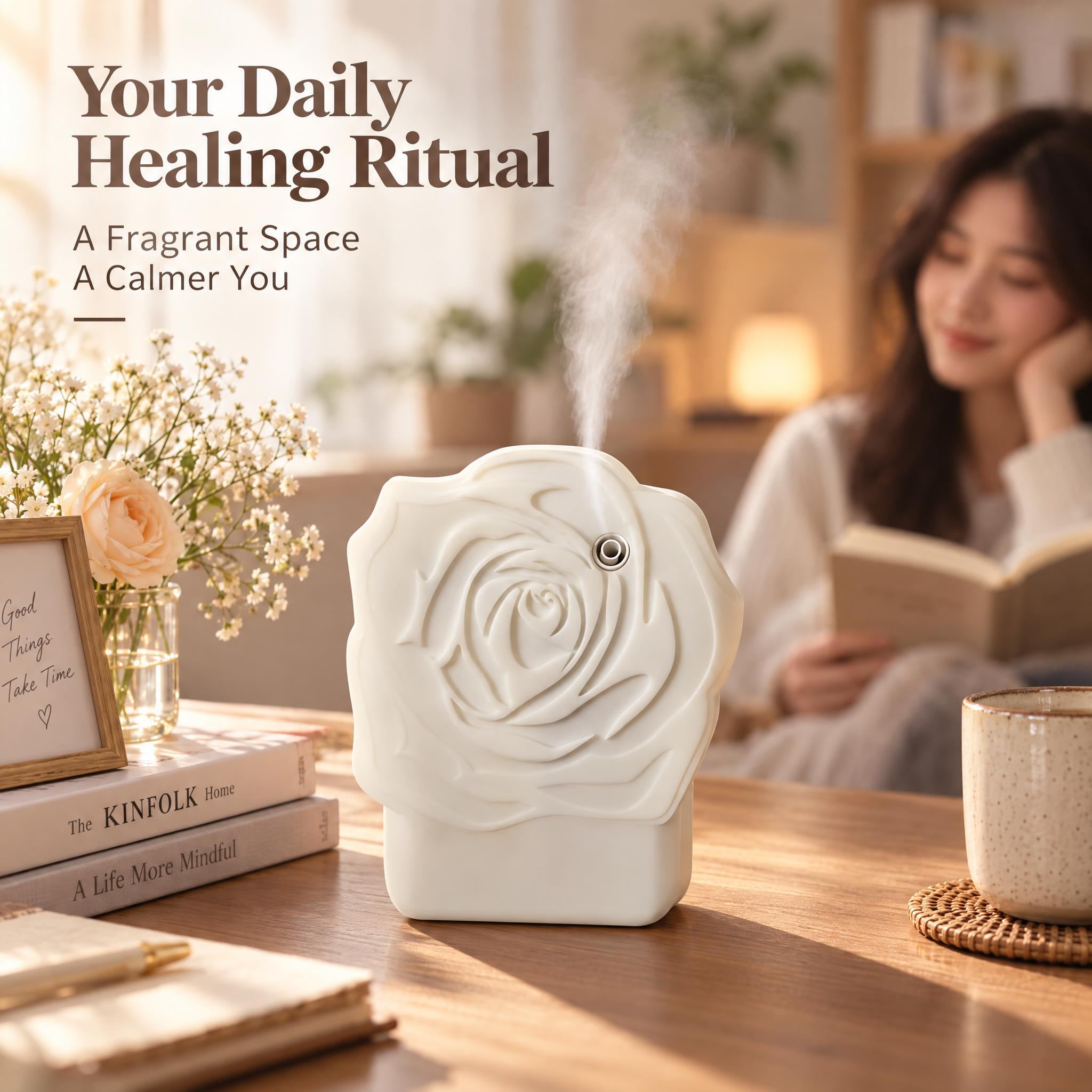
Offices and co-working spaces. The SDL611 lists office use in its stated applications and offers the widest control set, including button control for reception or facilities staff. The SDL313 also lists office among its applicable industry segments, so buyers who need a compact Bluetooth unit for individual rooms can specify it — with the understanding that its primary specification is hotel and commercial space use.
Retail, showrooms and mixed commercial portfolios. For a distributor or a multi-site operator covering retail, office and hospitality, the SDL611's stated application set — home, hotel, office, automotive and commercial spaces — allows one model to be carried across accounts, while its white and black colour options help match different interiors.
Automotive-adjacent and ancillary spaces. Automotive use appears in the SDL611's stated applications. Where a project requires a single model across vehicle-adjacent and indoor commercial locations, that stated scope is the relevant reference point.
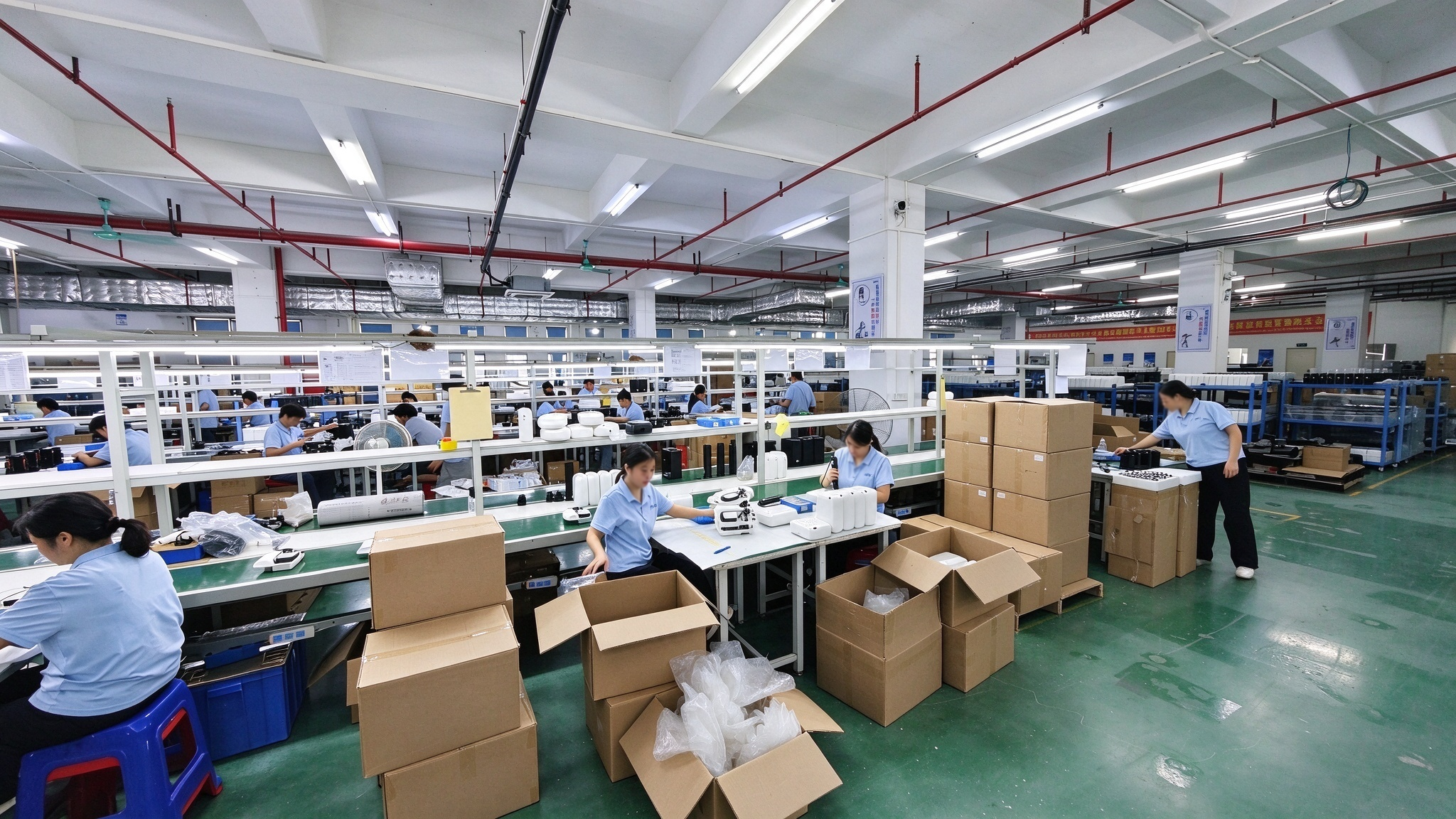
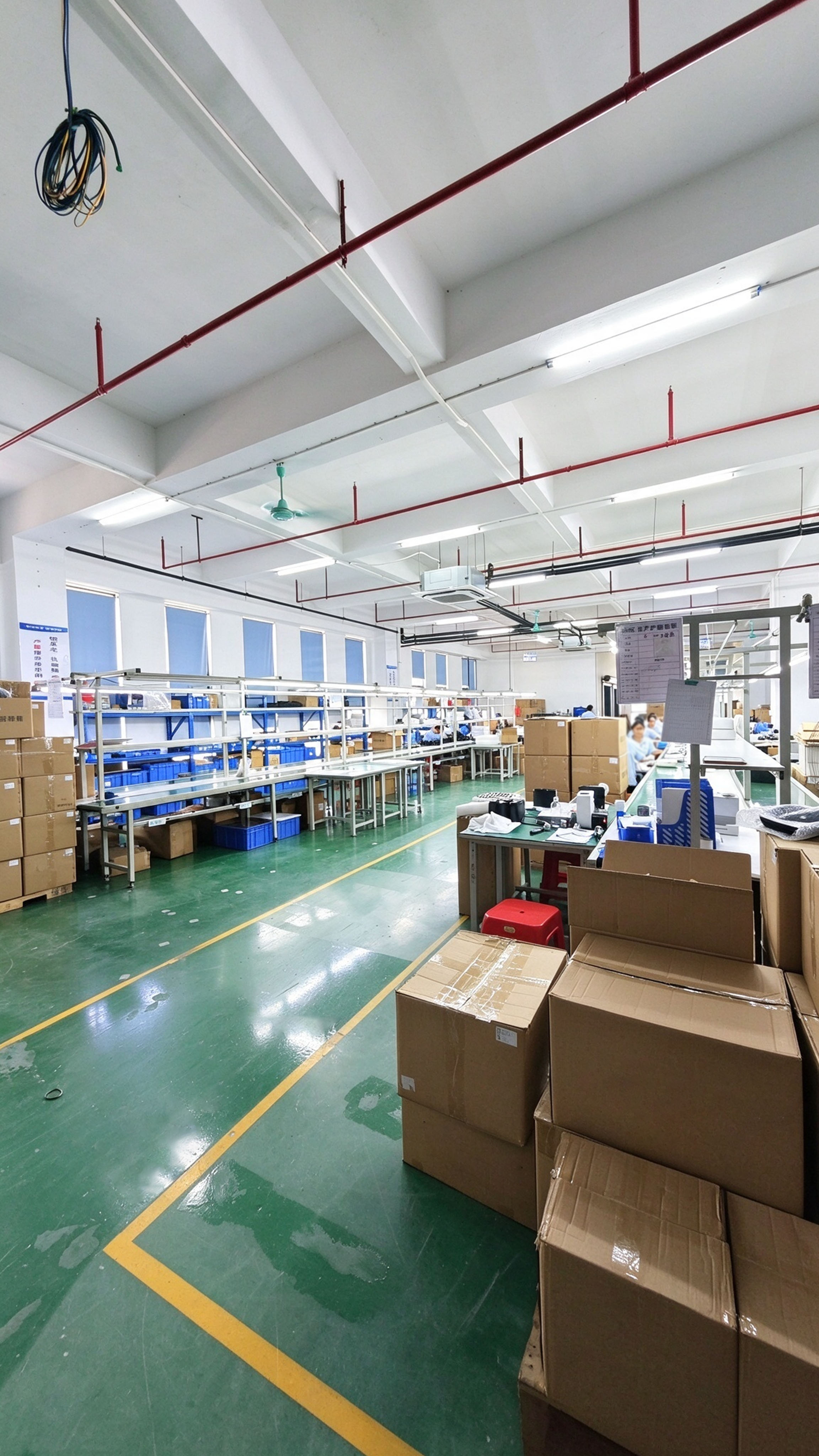
Supply-side context for both models. Shengdelan Fragrance Technology (Guangzhou) Co., LTD operates a 30,000 m² manufacturing facility with annual production capacity of 10,000 units and approximately 50 employees across manufacturing, design and consulting functions, supported by an R&D team of 10 engineers and technicians working on product design and fragrance diffusion systems. Export business accounts for 90% of total sales, with Europe and America as the primary export regions alongside other international destinations. For buyers comparing the SDL313 and SDL611, that scale context matters less for model choice than for order planning: both models come from the same production and quality management system.
SDL313 vs SDL611: Side-by-Side Comparison
| Specification | SDL313 | SDL611 |
|---|---|---|
| Product category | Aroma diffuser | Aroma diffuser |
| Essential oil capacity | 130 ml | 300 ml |
| Rated power / voltage | 5 W / 12 V | 12 W / 12 V |
| Housing material | ABS + PP | Sheet metal + aluminum alloy |
| Colour options | White | White / Black |
| Control method | Bluetooth | Bluetooth / WiFi / Button |
| Atomization principle | Dual-fluid atomization | Dual-fluid atomization |
| Product dimensions | 137 × 70 × 200 mm | 170 × 80 × 210 mm |
| Net weight / gross weight | 800 g / 1000 g | 2500 g / 2500 g (as published) |
| Packaging dimensions | 160 × 90 × 230 mm | Not stated in the published specification |
| Stated applications | Specified for hotel use and commercial space use; applicable industry segments also include home, office and automotive | Home, hotel, office, automotive and commercial spaces |
| FCC SDoC | LH-230903022800 (FCC Part 15 Subpart B) | LH-230903022800 (FCC Part 15 Subpart B) |
| CE EMC certificate | LH-230903022799 | LH-230903022799 |
| RoHS certificate | LH-230903022801 | LH-230903022801 |
| FCC Grant | Not listed in the published specification | 2BCCLRAD-8 under Rule Parts 15C |
Table notes: all values are taken from the manufacturer's published specifications for the two models. Neither specification states a room coverage area or an essential oil consumption rate, so neither is asserted here.
Frequently Asked Questions
Do the SDL313 and SDL611 come with the same FCC, CE EMC and RoHS documentation?
They share the core set. Both models are covered by FCC SDoC LH-230903022800 issued against FCC Part 15 Subpart B, CE EMC certificate LH-230903022799, and RoHS certificate LH-230903022801. The SDL611 additionally holds FCC Grant 2BCCLRAD-8 under Rule Parts 15C, and no FCC Grant is listed in the SDL313's published specification. Buyers assembling a technical file for a hotel or office project should confirm that the certificate copies reference the exact model and variant being ordered, since the SDL611 has both white and black versions and both a WiFi and a Bluetooth control path.
Which model should be specified for a hotel guest room, an office, or a larger commercial space?
The SDL313 is the compact option: 130 ml capacity, 5 W, ABS + PP housing, Bluetooth control, 137 × 70 × 200 mm at 800 g, specified for hotel use and commercial space use. The SDL611 is the larger option: 300 ml capacity, 12 W, sheet metal and aluminum alloy housing, Bluetooth / WiFi / button control, 170 × 80 × 210 mm at 2500 g, specified for home, hotel, office, automotive and commercial spaces. Because neither datasheet states a coverage area, the correct method is to match the unit to installation position, ventilation, the refill interval the site can service, and the control method required — the same selection logic the manufacturer applies across its range.
What is the practical difference between Bluetooth-only control and Bluetooth, WiFi and button control?
The SDL313's published control method is Bluetooth. The SDL611 offers Bluetooth, WiFi and button control. In operating terms, Bluetooth provides local wireless control; WiFi adds a network-based control path; and a physical button allows the unit to be adjusted on the device itself without an app or a network connection. For sites where reception or facilities staff must be able to adjust scenting without a smartphone workflow, or where the diffuser should sit within a managed network, the SDL611's control set is the relevant specification.
What do the two models cost, and how should a buyer validate before ordering?
The published specifications for both models list technical data but not prices. Commercial terms depend on configuration, fragrance customization and order volume, which is why OEM/ODM support is offered for fragrance customization and equipment configuration. Validation follows a simple path: request samples of the exact model and variant, check that the FCC SDoC, CE EMC and RoHS certificate copies match that model, compare the physical envelope (800 g net for the SDL313 against 2500 g net for the SDL611) against the intended installation position, and confirm the control and fragrance configuration at the same time. Sample and quotation requests can be sent directly to the Saintdeland team at vivi@saintdeland.com or via WhatsApp on +86 18594004460.
What production capacity and lead-time context applies to both models?
Both models are produced by Shengdelan Fragrance Technology (Guangzhou) Co., LTD at a 30,000 m² facility with annual production capacity of 10,000 units, approximately 50 employees and an R&D team of 10 engineers and technicians. Export accounts for 90% of total sales, with Europe and America as the primary export regions. Delivery schedules are confirmed per order against model, configuration and order volume, so projects with fixed installation dates should confirm the delivery window at quotation stage rather than assuming a standard lead time.
Conclusion: Choose the Specification, Not the Category
The SDL313 and the SDL611 are not two versions of the same decision — they are two different specification profiles that happen to share a category, a voltage and an atomization principle. The SDL313 is the compact, 130 ml, 5 W, ABS + PP, Bluetooth-controlled unit specified for hotel and commercial space use, at 137 × 70 × 200 mm and 800 g. The SDL611 is the 300 ml, 12 W, sheet metal and aluminum alloy unit with Bluetooth, WiFi and button control, at 170 × 80 × 210 mm and 2500 g, with stated applications spanning home, hotel, office, automotive and commercial spaces.
Three rules resolve most briefs. Where refill frequency must be minimised, capacity decides it — 300 ml over 130 ml. Where on-device or network control is a requirement, the control set decides it — Bluetooth, WiFi and button over Bluetooth alone. Where the project file requires a complete radio-equipment certification trail, the documentation decides it — both models carry FCC SDoC LH-230903022800, CE EMC LH-230903022799 and RoHS LH-230903022801, and only the SDL611 adds FCC Grant 2BCCLRAD-8 under Rule Parts 15C.
Next step: sample and quotation
To compare the SDL313 and SDL611 against a live project, request a sample of the exact model and variant, together with the matching certificate copies and commercial terms. The Saintdeland team can also review fragrance customization and equipment configuration under OEM/ODM support for private-label requirements.
Email: vivi@saintdeland.com | Tel / WhatsApp: +86 18594004460 | Chat on WhatsApp
Website: saintdeland.global | Download the Saintdeland product brochure (PDF)

Manufacturer: Shengdelan Fragrance Technology (Guangzhou) Co., LTD, Room 802, Building B, Tianminhui, No. 8 Dayuan North Road, Dayuan Street, Baiyun District, Guangzhou, China. Specifications in this guide reflect the manufacturer's published data for the SDL313 and SDL611 at the time of writing; buyers should confirm current specifications and certificate copies with the supplier before issuing a purchase order.
Have Questions or Need More Details?
Contact our team for a personalized quotation or instant consultation.
Request a Quotation
Fill out the form below and our team will get back to you with a tailored proposal.
WhatsApp Direct Chat
Prefer to chat in real-time? Message us on WhatsApp for instant assistance & quick answers.
- Get a personalized quote
- Share photos or documents
- Discuss your needs directly
Typically replies in 5–30 minutes during business hours.