Choosing Between Rubber, Mineral, and Solar Cables: A Side-by-Side Comparison for Project Buyers

Rubber, mineral, and solar cables are not interchangeable, and the fastest way to choose between them is to identify the dominant stress the circuit will meet in service. A rubber sheathed cable such as YC/YCW or YZ/YZW exists to provide flexible power for portable or moving equipment. A mineral insulated cable such as BTTZ/BTTRZ or BTLY exists to keep a circuit intact during a fire. A solar cable such as PV1-F exists to connect photovoltaic panels to string boxes or inverters. Three families, three different physical demands: constant motion, fire exposure, and permanent outdoor generation.
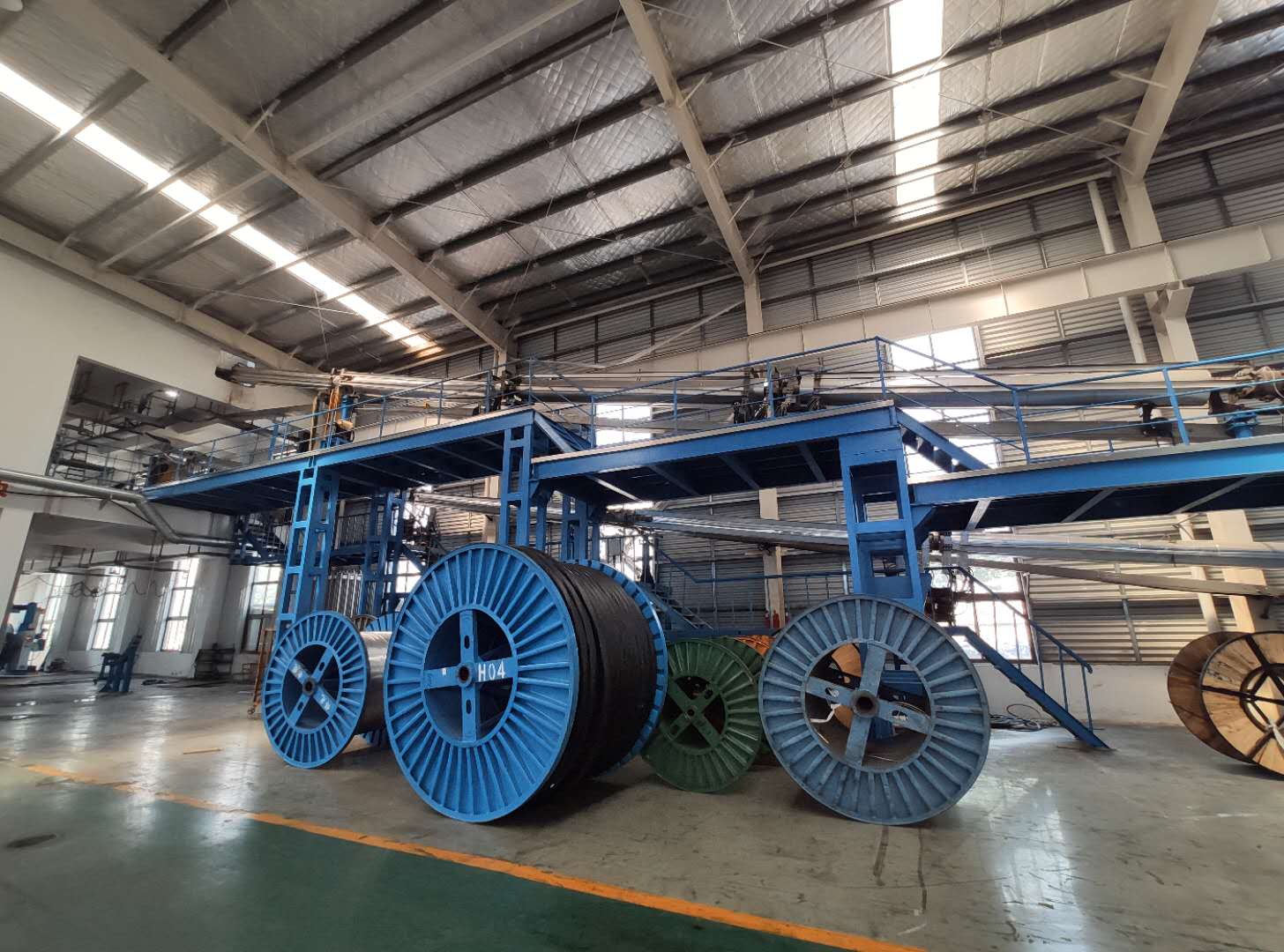
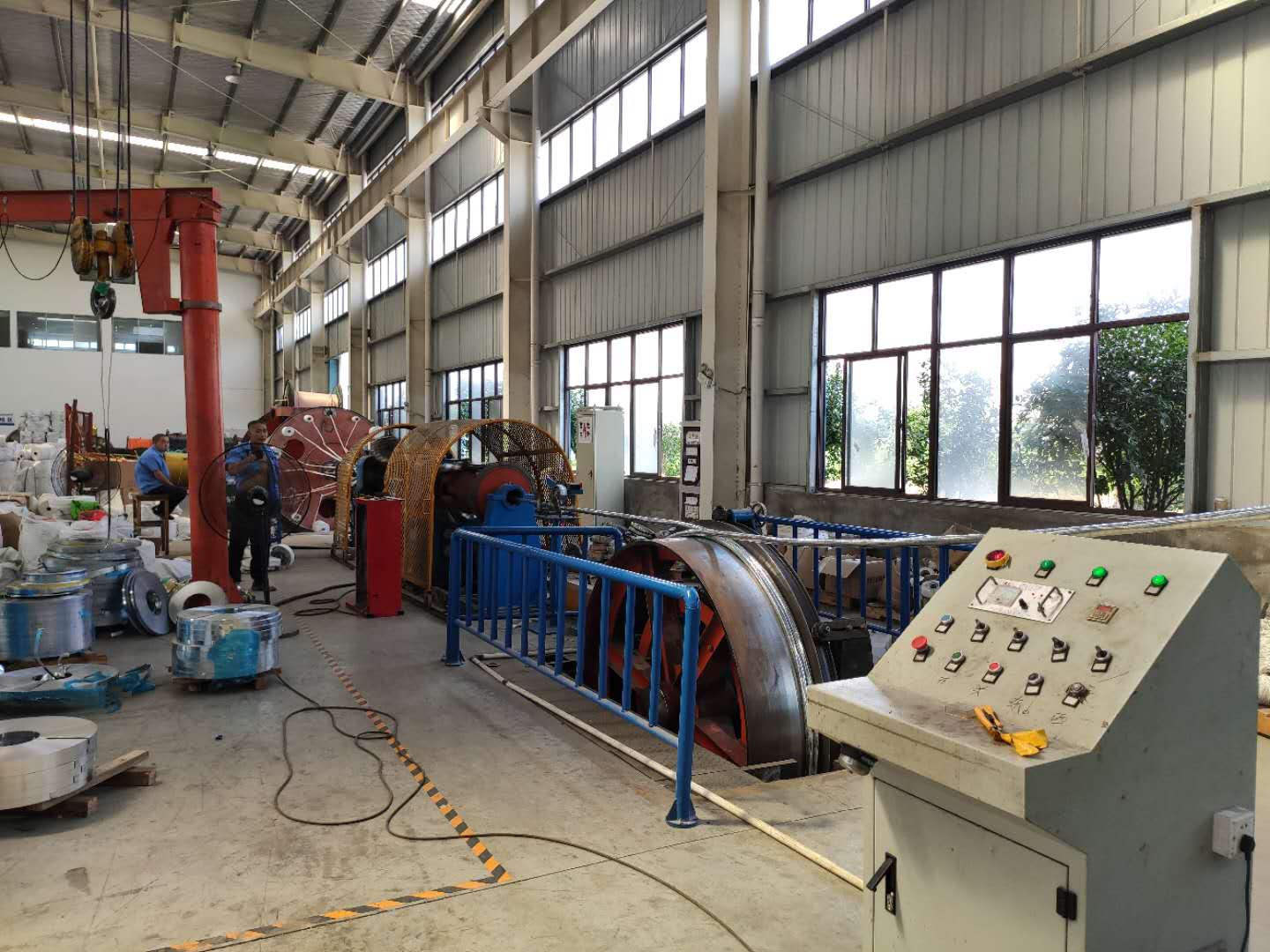
Shanghai Shenghua Cable (Group) Co., Ltd. is a cable manufacturer founded in 1997 and based in Shanghai, China. The company operates seven manufacturing bases and 21 cable factories with more than 600 professional engineers, and its portfolio covers more than 80 cable series, including rubber sheathed cable, mineral insulated cable and solar photovoltaic cable. It exports to Asia, Europe, South America, Africa and Oceania. That breadth matters for this comparison: the same supplier builds all three families, so the differences below are differences of design intent, not differences of supplier quality.
This guide is written for project buyers who have to defend a cable decision to an engineer, a consultant or a safety reviewer, rather than simply select the lowest quotation.
The Problem: Cable Selection Usually Starts With the Wrong Question
Most cable procurement begins with conductor material, cross-sectional area and rated voltage, because those parameters are already printed on the single-line diagram. The installation environment is treated as a footnote. In practice, the environment decides whether a technically correct cable survives its design life.
Three failure conditions explain most selection mistakes:
- Repeated movement. A cable that is dragged, coiled, re-routed and laid out again at every project phase fails through mechanical fatigue in the conductor and sheath, not through current-carrying capacity.
- Fire exposure on a live circuit. Fire pumps, smoke extraction fans, emergency exit lighting and fire elevators must keep working while a building is on fire. Here the failure condition is loss of circuit integrity: the cable is still present, but the circuit no longer functions.
- Permanent outdoor exposure on a DC circuit. Photovoltaic string cabling sits in sun, rain and thermal cycling for years while carrying direct current at system voltage. The failure condition is long-term degradation of the insulation and sheath system, not short-term overload.
The three families rarely substitute for one another. A flexible rubber cable installed into a life-safety riser does not deliver fire-rated circuit integrity. A mineral insulated cable is not a practical trailing cable for machinery that moves every shift. A solar cable rated from 600 V to 1500 V DC is part of a photovoltaic array, not general building wiring. Each substitution produces an installation that looks compliant but has the wrong performance envelope.
Industry Background: Cable Has Become a Specification Item, Not a Commodity Line
The scale of the market explains why cable can no longer be treated as a commodity purchase. The global wires and cables market was valued at approximately USD 230.9 billion in 2025 and is projected to reach USD 313.1 billion by 2033 (Grand View Research). Within that total, the global medium voltage wire and cable segment alone was valued at USD 71.7 billion in 2025 (Global Market Insights). Supply is concentrated: Mainland China accounted for USD 31.4 billion, or 18.1%, of global insulated wire and cable exports under HS 8544 in 2024, based on UN Comtrade data compiled by World's Top Exports.
Two standards frameworks shape how these three cable families are specified and verified. IEC 60502-2:2014 specifies requirements for power cables with extruded solid insulation for rated voltages from 6 kV up to 30 kV for fixed installations, which is the reference most industrial power circuits are measured against. In the European Union, the Construction Products Regulation classifies cables into seven fire protection classes from Aca to Fca, and Class Eca is a basic safety requirement for building materials. Fire performance is therefore a declared property, not an assumption.
At supplier level, certification evidence is what converts a claim into a specification. Shenghua Cable's power and photovoltaic cable series are listed with CE, KEMA and TUV (IEC 62930) certification in the manufacturer's specification guide. The practical rule for buyers is straightforward: the certificate that matters is the one issued for the exact construction being purchased, not a general statement about a supplier's quality system.
What Each Cable Family Is Engineered to Do
1. Rubber Sheathed Cable: Flexible Power for Portable and Moving Equipment
Rubber sheathed cable is the general-purpose answer to flexible power. Shenghua Cable's range is built around models YC/YCW and YZ/YZW, classified as general purpose rubber sheathed cables and produced against customized parameters. The rated voltage scope for this family is 300/500 V and 450/750 V. Its product role is a flexible power connection for portable or moving equipment, and the family is used for general electrical wiring, portable equipment, and industrial or construction applications that require flexible and durable cables.
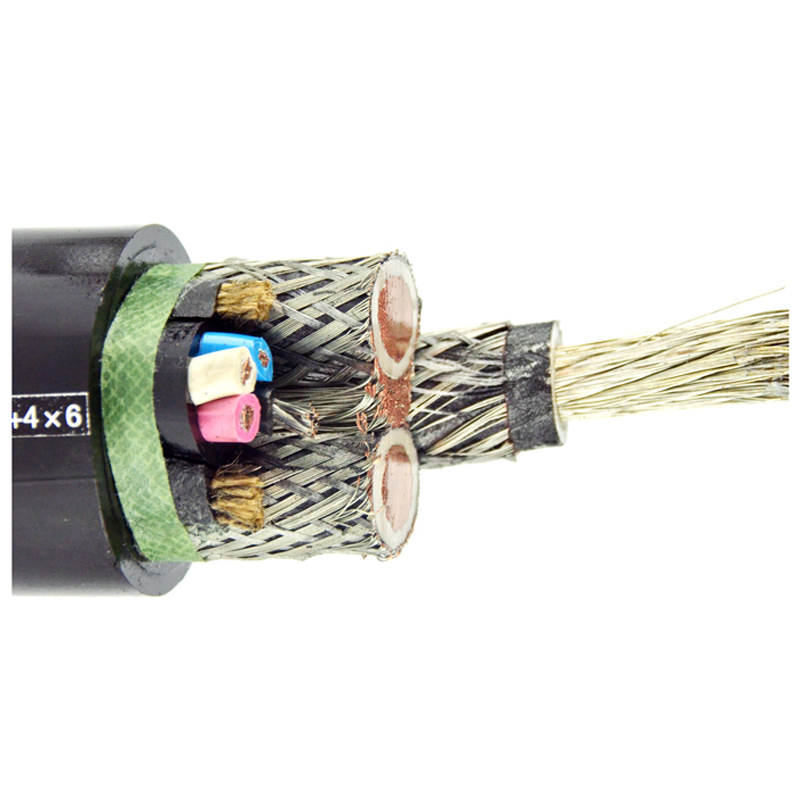
The most common project types are temporary power supply and heavy-duty mobile equipment. In practice that covers construction sites powering portable cranes, concrete mixers and welding machines; event and stage power for lighting and sound systems; port terminals connecting container cranes and shore-to-ship power; and heavy-duty appliance cords for equipment such as vacuum cleaners, heaters and power tools. If a circuit is coiled, dragged or re-positioned during its service life, this is the family to evaluate first.
2. Mineral Insulated Cable: Circuit Integrity During a Fire
Mineral insulated cable is specified for fire-resistant wiring, high-temperature industrial equipment, and critical power systems that require exceptional safety and durability. The models in Shenghua Cable's range include BTTZ/BTTRZ and BTLY. The rated voltage scope covers 300/500 V, 450/750 V and 0.6/1 kV, and can go higher for special applications.
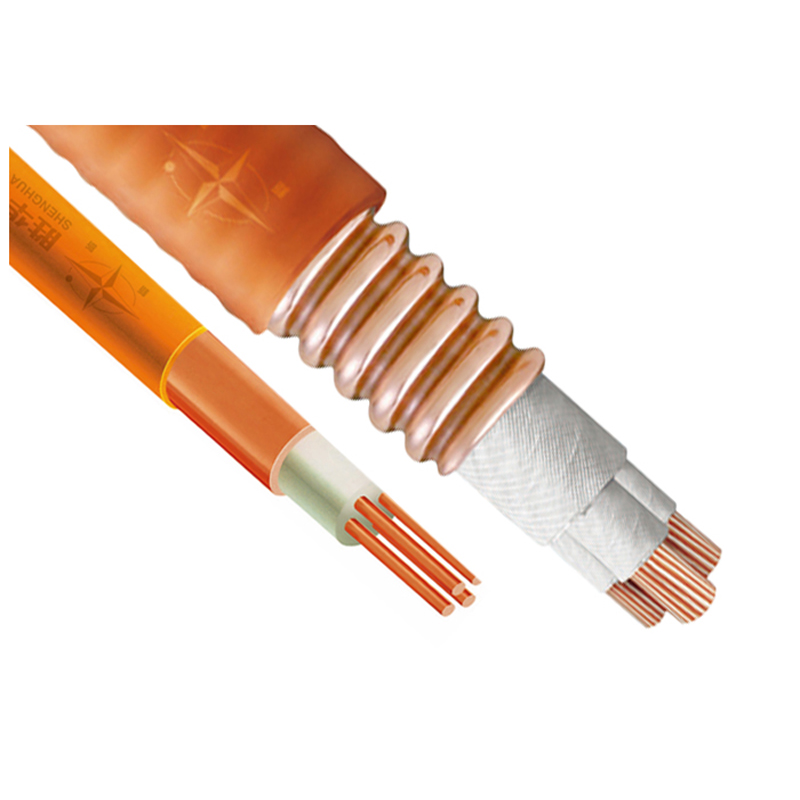
The product role defines the purchase: to ensure circuit integrity during a fire to save lives. Typical project types are fire emergency systems, including fire elevators and fire pumps, and high-temperature industrial zones. Typical settings include fire pumps, smoke extraction fans and emergency exit lighting; public landmarks such as museums, historic palaces and high-security government buildings; critical infrastructure such as nuclear power plant control rooms and hospital operating theatres; high-temperature zones near furnaces, glass melting and steel casting; and explosive atmospheres such as hazardous chemical storage areas where gas-tight sealing is vital. Because the cable is bought for what it must do during an incident, the evaluation criteria are fire performance and termination integrity rather than flexibility.
3. Solar Cable: Connecting Panels to String Boxes and Inverters
Solar cable, also called photovoltaic cable, connects solar panels to string boxes or inverters. Shenghua Cable's solar range uses the PV1-F model designation and is classified as solar photovoltaic cable. The voltage scope runs from 600 V to 1500 V DC, with 1 kV or 1.5 kV DC commonly used in PV systems, and the cable is designed for photovoltaic systems and renewable energy installations.
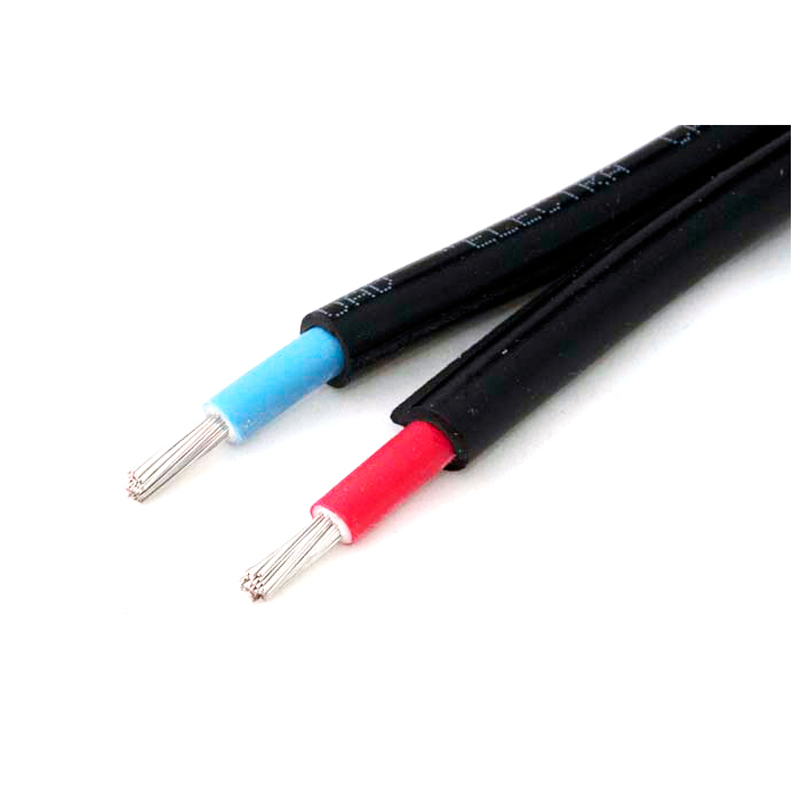
Typical PV applications include ground-mounted plants interconnecting arrays in large open-field stations, commercial rooftop systems on warehouses and factory roofs, floating solar arrays on reservoirs, lakes or treatment ponds, and solar tracking systems where the cabling follows the movement of sun-tracking arrays. Because the string circuit is DC, permanently energised and permanently exposed to weather, the selection conversation centres on DC voltage rating, string architecture and long-term outdoor durability rather than on mechanical flexibility.
Step-by-Step: How to Choose Between the Three in Six Steps
- Identify the dominant stress. Movement points to rubber sheathed cable; fire exposure on a live circuit points to mineral insulated cable; permanent outdoor DC generation points to solar cable. Write that stress down in one sentence - it becomes the written justification for the choice.
- Classify the circuit by function, not by size. Temporary power supply and heavy-duty mobile equipment, fire emergency systems and high-temperature zones, and photovoltaic generation are three different functions with three different acceptance criteria.
- Fix the electrical envelope. Rubber sheathed cable covers 300/500 V and 450/750 V. Mineral insulated cable covers 300/500 V, 450/750 V and 0.6/1 kV, with higher ratings for special applications. Solar cable covers 600 V to 1500 V DC, commonly 1 kV or 1.5 kV DC in PV systems.
- Select the construction and model. YC/YCW or YZ/YZW for flexible power; BTTZ/BTTRZ or BTLY for fire-resistant and high-temperature circuits; PV1-F for photovoltaic strings.
- Confirm the compliance evidence for the destination market. Check the standard that governs the application - for example IEC 60502-2 for extruded insulation power cables from 6 kV to 30 kV in fixed installations, and the CPR cable classes Aca to Fca where EU building rules apply - then verify the certificate issued for the exact construction.
- Validate before the main order. Because all three families are produced against customized parameters, a sample or cut length checked against the real installation method is the cheapest risk control available.
Use Cases: The Same Three Questions in Real Project Settings
Construction site and port terminal power
A contractor needs temporary power for portable cranes, concrete mixers and welding machines, and a port authority needs cables for container cranes and shore-to-ship power. Both circuits are re-positioned regularly. Rubber sheathed cable (YC/YCW, YZ/YZW) is the appropriate family: a flexible power connection for portable or moving equipment at 300/500 V or 450/750 V.
Hospital, high-rise and critical infrastructure life-safety circuits
A hospital operating theatre, a fire pump room and an emergency exit lighting circuit all have to keep working during a fire. That is a mineral insulated cable scope (BTTZ/BTTRZ, BTLY) at 300/500 V, 450/750 V or 0.6/1 kV. The same family covers high-temperature industrial zones near furnaces, glass melting and steel casting, and explosive atmospheres such as hazardous chemical storage areas where gas-tight sealing is vital.
Utility-scale and rooftop photovoltaic plants
An EPC contractor wiring a ground-mounted PV plant or a commercial rooftop system needs DC string cable from 600 V to 1500 V DC that connects solar panels to string boxes or inverters. Solar cable (PV1-F) is the correct family, and the same construction serves floating solar arrays and solar tracking systems.
Side-by-Side Comparison: Rubber vs. Mineral vs. Solar Cable
| Selection factor | Rubber sheathed cable | Mineral insulated cable | Solar (photovoltaic) cable |
|---|---|---|---|
| Construction family | General purpose rubber sheathed cables | Mineral insulated cable | Solar photovoltaic cable |
| Typical models | YC/YCW, YZ/YZW | BTTZ/BTTRZ, BTLY | PV1-F |
| Rated voltage scope | 300/500 V, 450/750 V | 300/500 V, 450/750 V, 0.6/1 kV; higher for special applications | 600 V to 1500 V DC (commonly 1 kV or 1.5 kV DC) |
| Primary role | Flexible power connection for portable or moving equipment | Circuit integrity during a fire to save lives | Connecting solar panels to string boxes or inverters |
| Dominant environmental demand | Repeated movement, coiling and re-routing in temporary power use | Fire exposure, high ambient temperature, explosive atmospheres requiring gas-tight sealing | Continuous outdoor exposure in photovoltaic installations on a DC circuit |
| Typical project type | Temporary power supply and heavy-duty mobile equipment | Fire emergency systems and high-temperature industrial zones | Utility-scale solar farms, commercial and residential rooftop solar |
| Typical applications | Construction sites (portable cranes, concrete mixers, welding machines), port terminals (container cranes, shore-to-ship power), events, heavy-duty appliance cords | Fire pumps, smoke extraction fans, emergency exit lighting, fire elevators, hospital operating theatres, nuclear power plant control rooms, furnaces, glass melting, steel casting | Ground-mounted PV plants, commercial rooftops, floating solar, solar tracking systems |
| Best fit when | The circuit moves and is re-positioned | The circuit must remain functional during a fire | The circuit is part of a photovoltaic array |
| Wrong choice if | Used where life-safety circuit integrity is required | Used as a daily trailing cable for moving machinery | Used as a general-purpose building wire |
FAQ: Rubber, Mineral and Solar Cable Selection
Do rubber, mineral and solar cables need different certifications?
Yes, because they are governed by different application rules. Solar cable operates on DC photovoltaic circuits from 600 V to 1500 V DC, and Shenghua Cable's power and photovoltaic series are listed with CE, KEMA and TUV (IEC 62930) certification in the manufacturer's specification guide. Mineral insulated cable is bought for fire-resistant wiring and for critical power systems that must retain circuit integrity, so fire performance - for example the EU CPR cable classes Aca to Fca, where Class Eca is the basic safety requirement for building materials - is the evidence that matters. Where a fixed-installation power circuit falls under IEC 60502-2:2014, which covers power cables with extruded solid insulation from 6 kV to 30 kV, the declaration must match that construction. Request the certificate issued for the exact model being supplied.
Can one cable type cover both constant motion and fire-rated circuit integrity?
Not within these three families. Rubber sheathed cable (YC/YCW, YZ/YZW) is designed to provide a flexible power connection for portable or moving equipment at 300/500 V or 450/750 V. Mineral insulated cable (BTTZ/BTTRZ, BTLY) is designed so that a circuit keeps working during a fire, at 300/500 V, 450/750 V or 0.6/1 kV, with higher ratings available for special applications. A project that needs both conditions normally splits the scope: flexible rubber sheathed cables on mobile equipment, mineral insulated cable on life-safety circuits.
Why does mineral insulated cable cost more per meter than rubber or solar cable?
The honest comparison is installed cost per circuit, because the three families are built differently. General purpose rubber sheathed cable and PV1-F solar cable are polymer-insulated constructions, while mineral insulated cable uses a mineral insulation system with a metal sheath - a more complex build that exists to keep a circuit functioning during a fire. When the circuit in question is a fire pump, a smoke extraction fan or an emergency exit lighting run, the budget question is what the cable must do during an incident, not its price per meter. All three families are produced against customized parameters, so conductor size, core count, sheath material and voltage rating determine the final figure at quotation.
Can project buyers request samples before placing a full order?
Yes, and it is usually the sensible next step. Because rubber sheathed, mineral insulated and solar cables are all supplied against customized parameters, a sample or cut length lets the installation team check bending, stripping, termination and marking against the real site method before the main production run is committed. Include the circuit function, voltage rating and expected installation environment with the request, so the sample matches the specification rather than a generic equivalent.
What determines lead time for rubber, mineral and solar cable orders?
Lead time follows specification freeze. Production planning for all three families starts once the customized parameters are locked - conductor type and size, core count, insulation and sheath material, armouring where required, and rated voltage. A project that combines all three families is normally scheduled as one delivery programme, so the earlier the full cable schedule is confirmed, the more room there is to protect the installation date. Send your schedule with circuit functions, voltage ratings and quantities to Shenghua Cable at zhaomeilia@shenghuacablegroup.com or +86 15901866124 to receive a quotation and confirm a production slot.
Conclusion: Choose the Family First, Then the Specification
The decision becomes straightforward once the sequence is reversed. Start with the stress the circuit must survive - movement, fire, or permanent outdoor DC exposure - and the family selects itself: rubber sheathed cable for flexible power to portable and moving equipment, mineral insulated cable for circuit integrity during a fire, and solar cable for connecting panels to string boxes and inverters. Only then do conductor type, core count, sheath material and voltage rating narrow the model within that family. Compared this way, the three cable types stop competing with each other and start answering three separate project questions.
Next step: send the three circuit types from your project - mobile equipment, life-safety and photovoltaic - and the Shenghua Cable team will map each one to the appropriate construction, voltage rating and model. Samples, quotations and the full product catalogue are available on request.
Email: zhaomeilia@shenghuacablegroup.com | Tel / WhatsApp: +86 15901866124 | Website: www.shenghuacablegroup.com
Download the Shenghua Cable product brochure (PDF): Electric cable product catalogue
Have Questions or Need More Details?
Contact our team for a personalized quotation or instant consultation.
Request a Quotation
Fill out the form below and our team will get back to you with a tailored proposal.
WhatsApp Direct Chat
Prefer to chat in real-time? Message us on WhatsApp for instant assistance & quick answers.
- Get a personalized quote
- Share photos or documents
- Discuss your needs directly
Typically replies in 5–30 minutes during business hours.