Electric Cable Specifications & Certifications: A 2026 Reference for Global Buyers
Electric Cable Specifications & Certifications: A 2026 Reference for Global Buyers
Electric cable is rarely a casual purchase. In regulated infrastructure, industrial, and renewable energy projects, the cable specification determines whether a system passes inspection, operates safely, and keeps maintenance costs predictable for decades. This guide explains the electric cable parameters, international certifications, and evaluation steps that matter most in 2026 procurement decisions. It is written for engineers, procurement managers, and project owners who need a practical baseline before comparing suppliers or reviewing quotations.
What “Certified Electric Cable” Actually Means
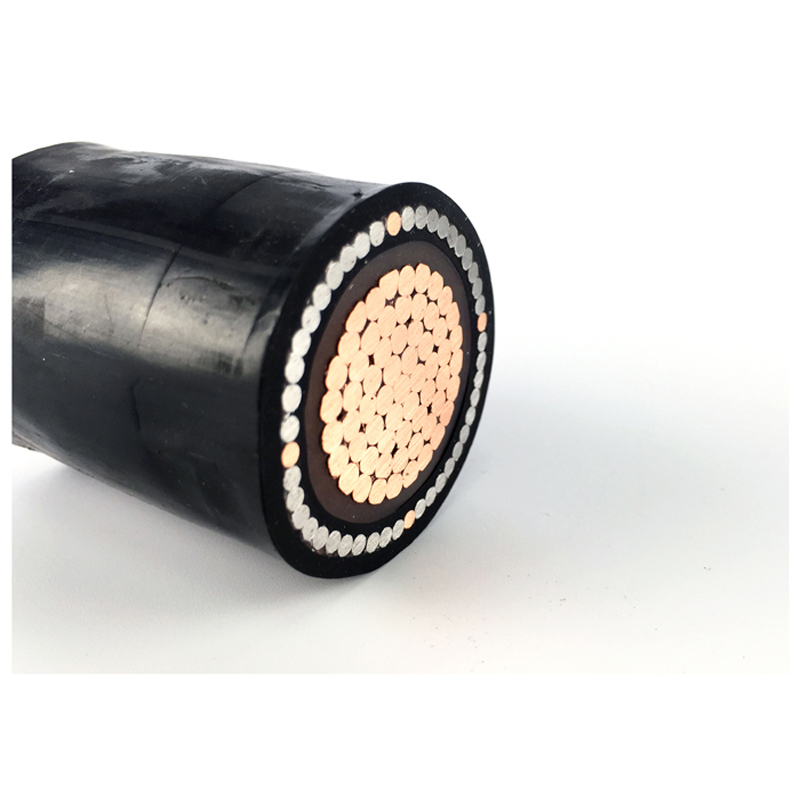
A certified electric cable is not simply a cable that has passed one factory test. It is a product whose design, materials, manufacturing process, and test results can be traced to a specific standard and a specific certificate. For global buyers, the practical question is not whether a supplier claims certification, but which certificate number covers which product range, which standard it references, and whether it is valid for the destination market.
In practice, certification evidence should state four things: the issuing body, the certificate number, the scope of products, and the applicable standard with the validity period. Without these four elements, a marketing statement such as “CE available” has little procurement value.
Industry Context: Why Standards Shape Electric Cable Procurement
The commercial importance of this topic is visible in the market data. The global wires and cables market was valued at approximately USD 230.9 billion in 2025 and is projected to reach USD 313.1 billion by 2033, according to Grand View Research. Mainland China is the world’s leading exporter of insulated wire and cable, accounting for USD 31.4 billion, or 18.1% of global exports in 2024, based on UN Comtrade data.
With that export volume, buyers often evaluate Chinese manufacturers, but they also face a wide range of supplier capabilities. The medium voltage wire and cable segment, valued at USD 71.7 billion globally in 2025, is particularly sensitive to certification quality because utilities and engineering contractors require traceable compliance with IEC 60502-2 and similar standards. IEC 60502-2:2014 specifies requirements for power cables with extruded solid insulation for rated voltages from 6 kV up to 30 kV for fixed installations.
In the European Union, the Construction Products Regulation (CPR) adds another layer: cables are classified into seven fire protection classes, from Aca to Fca, with Class Eca regarded as a basic safety requirement for building materials. Understanding these frameworks helps buyers separate a genuinely compliant electric cable from a lower-cost product that may fail project acceptance.
Core Electric Cable Parameters Buyers Must Verify
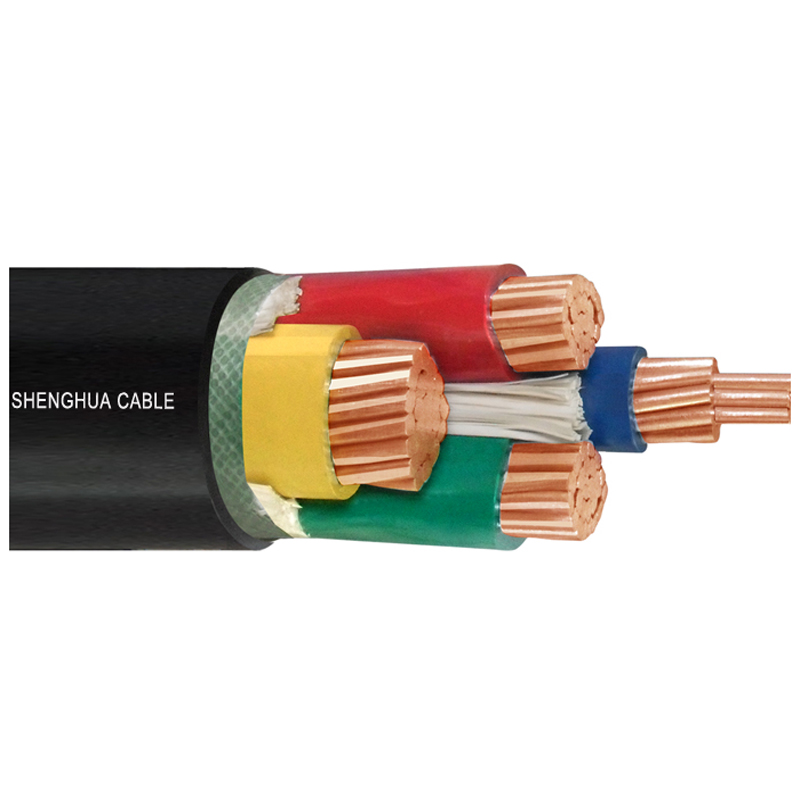
PVC insulated and sheathed electric cable. Insulation and sheath materials determine most application boundaries.
Before checking certificates, a buyer should define the technical parameters of the cable itself. These parameters are the foundation: if the specification is wrong, certification cannot rescue the project.
Conductor: Copper vs. Aluminum
The conductor material is the first decision. Copper conductors are widely used where higher conductivity, better mechanical strength, and reliable termination are required. Aluminum conductors reduce material cost and overall cable weight, which is why they are common in overhead lines and long distribution feeders.
Suppliers typically offer both solid, stranded, and flexible conductor constructions. In building wire applications, models such as BV, BLV, BVV, RVV, BVVB, and BYJ cover copper and aluminum conductor options across a voltage rating scope from 300/500V to 450/750V. For flexible copper requirements, control and instrumentation cables can be designed with stranded or flexible conductor classes.
Insulation: XLPE, PVC, and Rubber-Based Systems
Insulation material defines the cable’s maximum continuous operating temperature, chemical resistance, and suitability for wet or dry installations.
XLPE (cross-linked polyethylene) is the dominant insulation for medium and high voltage power cables because of its high dielectric strength and thermal performance. PVC insulation is widely used in low-voltage building wires and general-purpose cables. Rubber sheathed cables, such as the YC/YCW and YZ/YZW series, provide flexibility and mechanical toughness for portable equipment and construction sites. In some high-flexibility or high-temperature applications, buyers also encounter EPR-based insulation and silicone rubber sheath designs; these are typically evaluated as part of a customized specification rather than a standard catalog item.
Armouring: SWA, Steel Tape, and Steel Wire Braided
Mechanical protection is usually expressed through armour construction. Steel wire armoured (SWA) cables, steel tape armoured cables, and steel wire braided designs protect conductors from impact, rodent damage, and tensile stress.
In common power cable model designations, the armouring layer is indicated by the code: YJV22 refers to steel tape armoured construction, while YJV32 indicates a steel wire armoured construction with a different sheath arrangement. Buyers should confirm whether the destination installation is direct-buried, in cable trays, underground ducts, or subject to high mechanical stress, because that determines the correct armour type.
Rated Voltage and Standard Alignment
Rated voltage is the most basic screening criterion. Cable products are broadly divided into low voltage, medium voltage, high voltage, and extra high voltage. For example, a power cable product line may cover 0.6/1kV up to 290/500kV, while building wires are typically rated 300/500V to 450/750V, and control cables are designed for 300/500V to 450/750V.
For medium voltage projects, buyers should explicitly reference IEC 60502-2, which covers cables from 6 kV to 30 kV. If the cable crosses into higher voltage classes, additional standards and test evidence may be required. A supplier that can state the voltage range per product family is usually better positioned to match the project requirement than one that offers only “customized” without a standard reference.
Fire Performance: LSZH, Flame Retardant, and Fire Resistant
Fire safety is increasingly a deciding factor in enclosed spaces such as tunnels, high-rise buildings, data centers, and control rooms.
Low Smoke Zero Halogen (LSZH) cables limit toxic gas emission during fire. Flame retardant cables are designed to resist flame spread, while fire resistant cables maintain circuit integrity for a defined period. The company portfolio includes Low Smoke Zero Halogen Cable, Fire Resistant Cable, and Mineral Insulated Cable, with mineral insulated models such as BTTZ, BTTRZ, and BTLY used where circuit integrity and high-temperature resistance are critical. In the EU, the CPR classification system adds a legal context: buyers should confirm which fire class the cable is designed to meet, rather than relying on general “flame retardant” language.
Certification Map: CE, KEMA, TUV, GOST, and CNAS
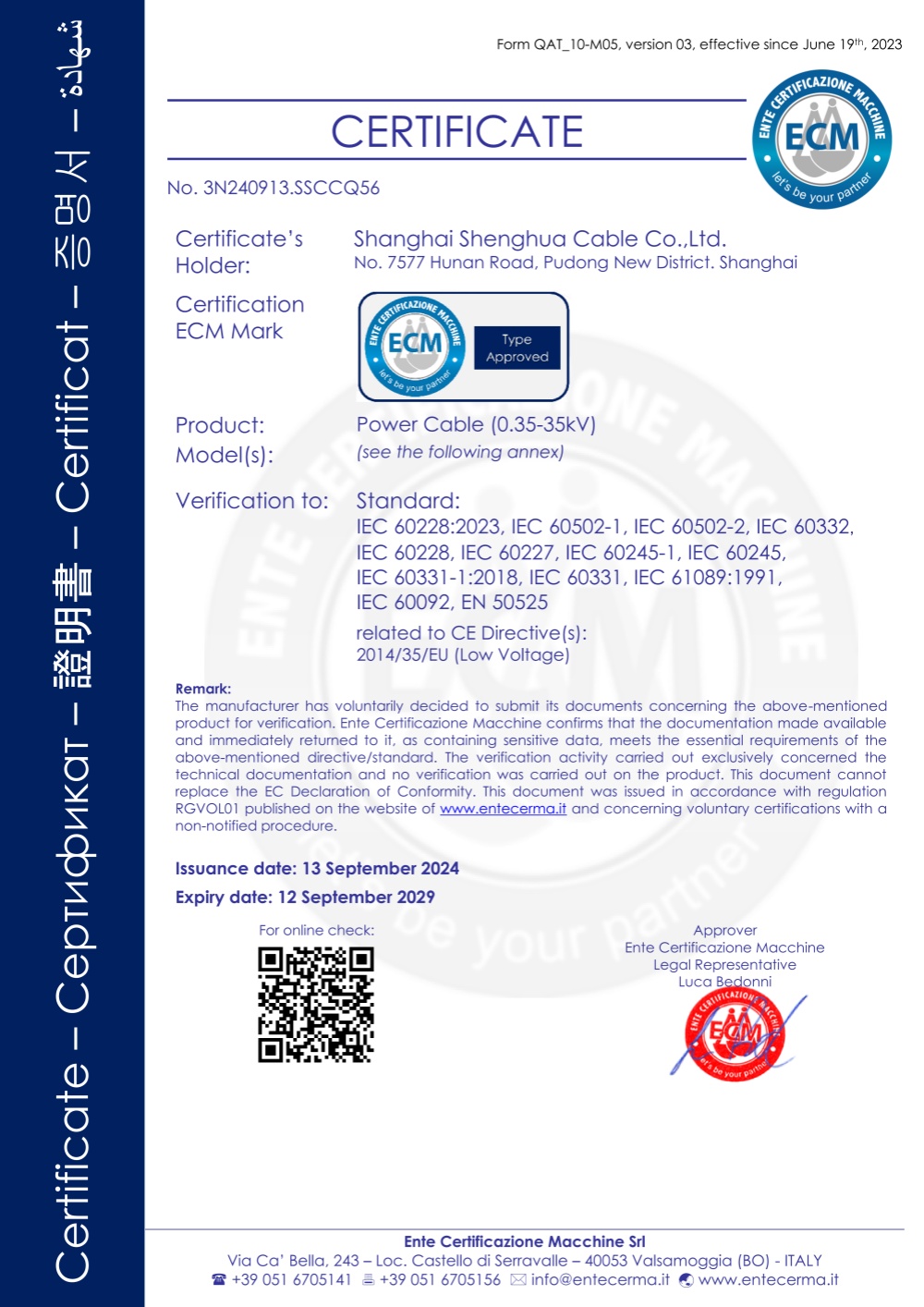
CE certificate 3N240913.SSCCQ56, issued by ECM, covering multiple cable families for the EU/EEA market.
Certification is where the abstract specification becomes verifiable. The table below summarizes certification evidence that a buyer can request and verify during supplier evaluation. It is based on a concrete example, the certification file of Shanghai Shenghua Cable Group Co., Ltd., which illustrates what a complete compliance package looks like.
| Certificate | Number | Issuing Body | Market Scope | Standard / Scope |
|---|---|---|---|---|
| CE | 3N240913.SSCCQ56 | ECM (Ente Certificazione Macchine Srl) | EU / EEA | LV/MV Power Cable, LSZH, House Wiring, Control & Instrumentation, Rubber & Mining, Solar Cable; incl. IEC 60228:2023, IEC 60502-1, EN 50525 |
| KEMA | 2129307.01 / .02 / .03 | KEMA Quality B.V. | Globally recognized | Power cables; IEC 60502-1:2004 +A1:2009, IEC 60227-3:1993 +A1:1997 |
| TUV | R 50609864 0001 | TÜV Rheinland LGA Products GmbH | Global / EU | Electric cables for photovoltaic systems; IEC 62930:2017 |
| GOST / EAEU | N РОСС RU Д-CN.РА01.В.39494/24 | MOSTEKHNORUS LLC | Russia / EAEU | Power cables up to 35kV, incl. YJV, YJV22(62), YJV32(72); GOST 18690-2012 |
| CNAS (Laboratory) | CNAS L6565 | CNAS | Globally recognized | ISO/IEC 17025:2017 accredited laboratory capability |
| ISO | 02026Q00424R201 etc. | ZDHY | Global | ISO 9001:2015, ISO 14001:2015, ISO 45001:2018 for cable design and manufacturing |
Several details in this table are worth pointing out. The KEMA certificate has a long validity period, from June 23, 2010, to June 22, 2050, and is recognized in many regions including the EU, Middle East, and Southeast Asia. The GOST declaration covers power cables up to 35kV and is valid from September 30, 2024, to September 29, 2029. The TUV certificate for photovoltaic cables specifically references IEC 62930:2017, which is important for solar projects that require a dedicated PV cable standard.
Step-by-Step: How to Evaluate an Electric Cable Specification
Once the required parameters and target standards are clear, the supplier evaluation becomes a structured process. The following six steps are applicable to most industrial and infrastructure cable purchases.
- Define the operating environment. Note whether the cable will be installed underground, in trays, in free air, in a ship, in a mining area, or inside a building. Mechanical stress, moisture, temperature, and fire risk are the main differentiators.
- Select the cable family. Choose from power cable, building wire, control and instrumentation cable, overhead conductor, solar cable, rubber sheathed cable, mining cable, mineral insulated cable, or marine cable. Each family is designed around a primary application.
- Confirm conductor and insulation materials. Decide copper or aluminum, solid or stranded or flexible, and select the appropriate insulation system such as XLPE, PVC, or rubber-based sheath.
- Define the voltage class. Match the rated voltage to the system, for example 0.6/1kV for low voltage distribution, or 6/10kV and higher for medium voltage networks, referencing IEC 60502-2 where applicable.
- Check certification coverage. Request the exact certificate number, issuing body, validity period, and product scope. Confirm that the certificate covers the specific model family, not just the company name.
- Assess production and quality controls. Review the supplier’s test capability, quality management system, and response time for technical documentation. A CNAS-accredited laboratory or ISO 9001 certification is commonly expected for serious manufacturers.
Buyers should also ask about customization flexibility. In real projects, cable structure, material, dimensions, and lengths often need adjustment. A manufacturer with OEM service capability and a stated customization policy is more likely to deliver a workable solution than one that only sells fixed catalog items.
Use Cases: Matching Electric Cable to Application
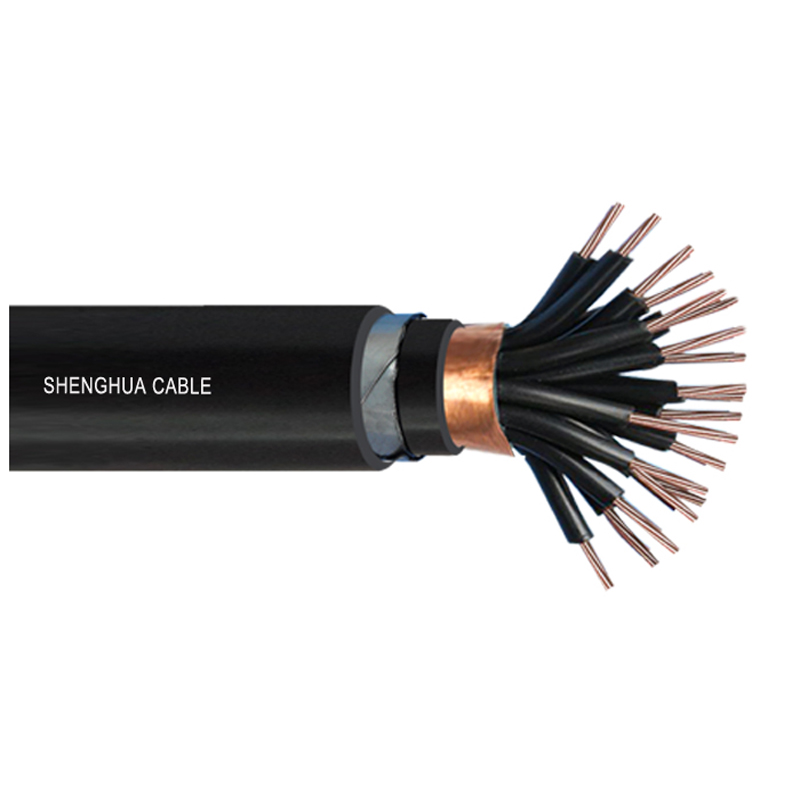
Control and instrumentation cable for signal transmission and monitoring systems.
Power utilities and heavy industry. Utility grids, steel mills, airports, and water treatment plants need reliable power cable families such as YJV, YJV22(62), YJV32(72), and YJY. For main feeders and substations, the voltage range can extend to high-voltage classes, so certification evidence and test reports are critical.
Building and commercial installations. Residential housing, offices, hotels, and schools typically use building wires in the 300/500V to 450/750V range. Models such as BV, BVV, and RVV provide a practical match for final circuit distribution and lighting.
Industrial automation and process control. Automated production lines, chemical plants, and power plant monitoring systems require control and instrumentation cables. Shielded designs, such as KVVP or DJYPVP, support reliable signal transmission in electrically noisy environments.
Renewable energy and solar PV. Photovoltaic systems demand cables that can withstand outdoor exposure and DC voltage stress. Solar cables such as PV1-F are designed for this role, and the TUV certificate referencing IEC 62930:2017 provides additional confidence for global renewable projects.
Mining, marine, and harsh environments. Underground mining, shipbuilding, and offshore platforms require cables with reinforced mechanical construction. Mining cables and marine cables in model families such as MFVP, MYP, and MCPT are built to survive constant movement, moisture, and demanding operating schedules.
Fire-critical systems. For emergency fire systems, high-temperature zones, and critical infrastructure, mineral insulated cable and fire resistant cable designs provide circuit integrity that standard PVC cables cannot offer.
One example of a long-term industrial relationship illustrates the practical stakes. A UK-based provider of predictive maintenance and intelligent diagnostic solutions has worked with Shanghai Shenghua Cable Group for 15 years. The application involved industrial monitoring systems, power signal transmission, and control circuit connectivity. The cable design combined ultra-small conductor size with high-voltage insulation capability, LSZH flame-retardant construction, and stable signal transmission in high-density wiring environments. That combination of specific requirements, rather than a single generic cable, is what made the long-term relationship work.
Comparison Table: Electric Cable Families at a Glance
| Cable Family | Common Models | Voltage Range | Construction Basis | Typical Applications |
|---|---|---|---|---|
| Power Cables | YJV, YJV22(62), YJV32(72), YJY, YJLV, N-YJV | 0.6/1kV – 290/500kV | XLPE/PVC insulation; armoured or unarmoured | Transmission, distribution, industrial power |
| Building Wires | BV, BLV, BVV, RVV, BVVB, BYJ | 300/500V – 450/750V | Cu/Al conductor; solid, stranded, flexible | Residential, commercial building wiring |
| Control & Instrumentation Cables | KVV, KVVP, KVVRP; DJYPVP, DJYVP, WDZ-DJYJPYP | 300/500V – 450/750V | Shielded or unshielded; flexible options | Automation, process control, instrumentation |
| Overhead Conductors | AAC, ACSR, ABC, AAAC | LV to MV; some >66kV | Aluminum/aluminum alloy conductor | Utility transmission, rural electrification |
| Solar Cables | PV1-F | 600V – 1500V DC | Photovoltaic-grade materials | Solar PV systems, solar farms |
| Rubber Sheathed Cables | YC/YCW, YZ/YZW | 300/500V, 450/750V | Flexible rubber sheath | Portable equipment, construction sites |
| Mining Cables | MFVP, MYP, MCPT | LV 0.6/1kV; MV 3.6/6kV, 6/10kV | Trailing/portable or fixed installation | Underground and surface mining |
| Mineral Insulated Cables | BTTZ, BTTRZ, BTLY | 300/500V – 0.6/1kV | Mineral insulation | Fire-resistant and high-temperature wiring |
| Marine Cables | MFVP, MYP, MCPT | LV to MV | Shipboard-system dependent | Shipbuilding, offshore engineering |
Supplier Capability and Practical Procurement Factors
Technical specifications and certificates are not the only input to a buying decision. Production capacity, lead time, and quality control policy determine whether the supplier can actually support a project schedule.
- Monthly capacity. A manufacturer with a monthly capacity of 15,000,000 meters, depending on cable structure, can absorb large orders more safely.
- Lead time. Depending on quantity and cable structure, lead time is normally within 18 working days. This is a meaningful benchmark for planning.
- MOQ. Typical minimum order quantities are around 300 meters per item for power cables and 1,000 meters per item for wires. Buyers with pilot projects should confirm these figures before assuming flexibility.
- Quality control. 100% testing is a significant claim in the cable industry. Combined with a CNAS-accredited laboratory, it reflects a serious internal quality system.
- After-sales. A two-year warranty from delivery, after-sales support, and technical support are reasonable expectations for industrial cable purchases.
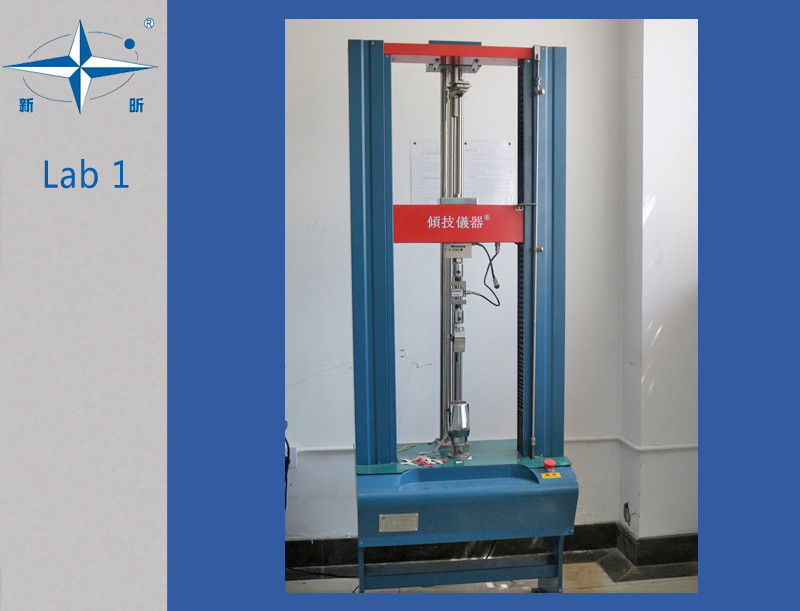
Laboratory testing supports the traceability of cable quality claims.
FAQ
What certifications should a CE Certified Electric Cable hold for EU projects?
For EU and EEA projects, the certification file should include a CE certificate issued by a recognized body. Shenghua Cable’s electric cables hold CE certificate number 3N240913.SSCCQ56, issued by ECM (Ente Certificazione Macchine Srl), valid from September 13, 2024, to September 12, 2029. It covers power cables (LV/MV), LSZH cables, house wiring cables, control and instrumentation cables, rubber and mining cables, and solar cables, in line with standards including IEC 60228:2023, IEC 60502-1, and EN 50525.
What does KEMA certification cover, and which electric cable models are included?
KEMA certification is globally recognized, particularly in the EU, Middle East, and Southeast Asia. The KEMA certificate, numbers 2129307.01, 2129307.02, and 2129307.03, was issued by KEMA Quality B.V. and is valid from June 23, 2010, to June 22, 2050. It applies to a wide range of power cable models, including YJV, YJV22(62), YJV32(72), YJY, YJY23(63), YJY33(73), and their variants, and references IEC 60502-1:2004 +A1:2009 and IEC 60227-3:1993 +A1:1997.
Can electric cables be customized to meet project-specific parameters such as SWA armouring, LSZH sheathing, or special lengths?
Yes. Shenghua Cable’s production mode includes OEM service and fully customizable cable structure, material, dimensions, and lengths. The product portfolio spans more than 80 cable series, including armoured electrical cable, low smoke zero halogen cable, fire resistant cable, and special cables. For projects requiring steel wire armour, steel tape armour, or flexible conductor classes, the engineering team can adjust the design before production within the applicable standard framework.
What are the typical MOQ and lead time for certified electric cable orders?
The typical minimum order quantity is about 300 meters per item for power cables and about 1,000 meters per item for wires. Lead time normally falls within 18 working days, depending on quantity and cable structure. For large infrastructure projects, it is advisable to share the volume and model requirements early so the factory can confirm capacity and provide a realistic delivery schedule.
Can I request a sample or technical documentation before placing a bulk order?
Yes. Most industrial buyers request samples and technical documentation before committing to volume production. The quality control process includes 100% testing, and the company can share relevant certificate files, test reports, and product data for evaluation. To start the process, contact Meilian Zhao directly at zhaomeilia@shenghuacablegroup.com or via WhatsApp at +86 15901866124, and the team can prepare the technical file and, where applicable, a sample plan for your project.
Conclusion
Sourcing electric cable is ultimately a process of matching three things: the operating environment, the technical specification, and the verifiable certification evidence. The global market data shows how much activity flows through cable suppliers, particularly Chinese exporters, but the data also reminds buyers why discipline matters.
Start with the cable family, then determine conductor, insulation, armouring, and voltage class. Reference the relevant standard, whether IEC 60502-2 for medium voltage cables, IEC 62930 for photovoltaic cables, or GOST 18690-2012 for the EAEU market. Ask for certificate numbers rather than generic claims, and confirm the validity period and product scope.
Shanghai Shenghua Cable Group Co., Ltd. is one example of a manufacturer with a broad compliance file, including CE, KEMA, TUV, GOST, CNAS, and ISO certifications. Its manufacturing footprint includes 7 manufacturing bases and 21 cable factories across China, supported by an R&D team of 600 engineers. Ultimately, the right supplier is the one whose documentation and production capability can be verified against your specific project requirements.
Need a verified electric cable specification for your project?
Request the full company brochure and product documentation:
Download the Shenghua Cable Brochure (PDF)
Or contact the export team: zhaomeilia@shenghuacablegroup.com | +86 15901866124
Reference
Shanghai Shenghua Cable Group website: www.shenghuacablegroup.com
Have Questions or Need More Details?
Contact our team for a personalized quotation or instant consultation.
Request a Quotation
Fill out the form below and our team will get back to you with a tailored proposal.
WhatsApp Direct Chat
Prefer to chat in real-time? Message us on WhatsApp for instant assistance & quick answers.
- Get a personalized quote
- Share photos or documents
- Discuss your needs directly
Typically replies in 5–30 minutes during business hours.