How to Specify Mineral Insulated Electric Cable for Fire Emergency Systems in High-Rise and Hospital Projects
Mineral insulated (MI) electric cable is not picked from a catalogue — it is written into a specification. On high-rise and hospital projects at the decision-to-execution stage, five items must be fixed before a price can be compared: the duty of each fire emergency circuit, the cable construction and the standard it is bought against, the termination and route assumptions, the fire-performance evidence required, and the acceptance documents that release the shipment. Projects that settle these five items before the tender receive comparable bids. Projects that leave them open receive bids for several different products filed under one heading.
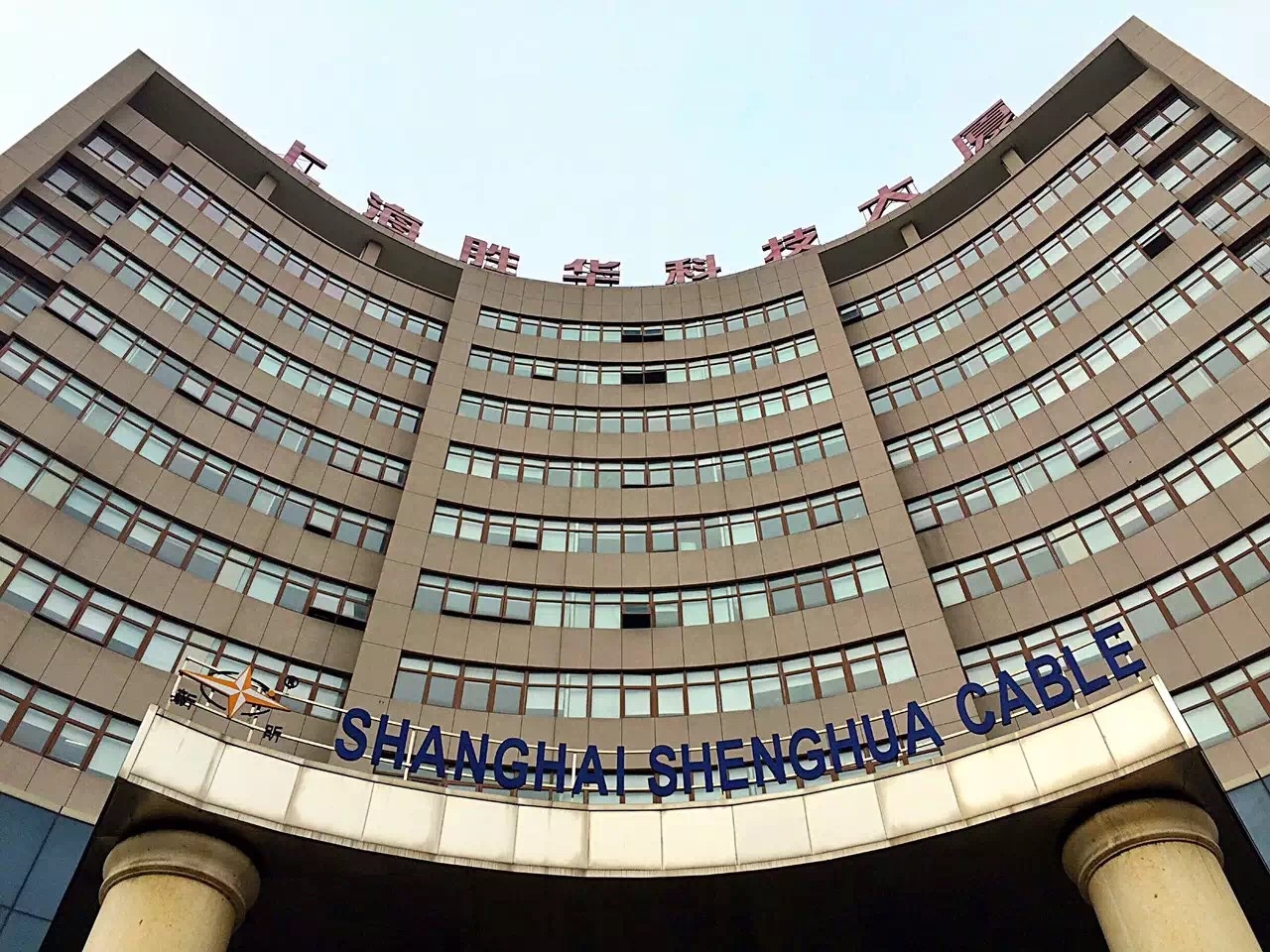
This guide is written for the engineers and procurement teams who have to convert a fire strategy and a single-line diagram into a purchase order. It walks through the clauses to write, the questions to raise with the supplier, and the acceptance criteria to agree before the order is released — with reference to the constructions, capacity and documentation that Shanghai Shenghua Cable Group Co., LTD. (Shenghua Cable) supplies from its 7 production bases and 21 factories.
Why Fire Emergency Cable Specifications Fail Before They Reach the Supplier
The most common failure on a fire emergency system is not a missing cable — it is a missing definition. A tender document that says "fire resistant cable, mineral insulated type, as required" gives the supplier nothing to price against and the buyer nothing to accept against. Three patterns repeat.
Duty is not separated. A circuit that must remain energised while the building is being evacuated and a circuit that only has to raise an alarm are not the same circuit. When both are covered by one generic clause, either the high-duty circuits are under-specified or the low-duty circuits are over-specified, and the cost of the second is paid across the entire package.
Construction is named but not defined. "MI cable" identifies a family, not a product. Core count, conductor class, sheath and oversheath, and the standard basis all still have to be stated. A bid built on one core configuration is not comparable with a bid built on another, even when both are labelled MI.
Installation is left to the site. MI cable is a rigid construction terminated with specialist accessories by trained personnel. If the specification does not state who terminates, with what accessories, and to what bending and support rules, the cable arrives correctly and the commissioning programme slips anyway.
Evidence is not requested. A supplier can only be held to a performance claim if the specification asks for the document that proves it: the type-test report covering the exact model, the batch test certificate, and the inspection record signed before packing.
Industry Background: What Mineral Insulated Cable Is and Where It Belongs
Mineral insulated cable is a construction in which a copper conductor is embedded in magnesium oxide insulation, enclosed in a copper sheath. The insulation and the sheath are inorganic, so there is no organic insulation material inside the construction that can feed a fire. That is the property that makes MI cable a specification choice rather than a catalogue choice: it is used where a circuit has to keep working while the surrounding building is on fire.
MI cable is one route to circuit integrity, not the only one. Fire resistant and flame retardant polymer-insulated constructions, low smoke zero halogen designs, and armoured variants such as SWA and DSTA all appear in the same projects for different duties. The specification decision is therefore not "MI or nothing" but "which circuits justify MI" — and the answer should be narrow, because MI is a different cost and installation profile from a polymer fire-rated cable and should be confined to the circuits that actually need it.
Two constraints belong in the same paragraph as the benefits. First, MI cable is stiff: routes need space, planned bends and a termination method agreed before first fix. Second, the copper sheath is the barrier, so where the route passes through chemically aggressive ground or atmosphere, an oversheath has to be specified rather than assumed.
Beyond fire, the same construction is used where ambient temperature or atmosphere rules out polymer insulation — high-temperature industrial zones adjacent to process equipment, and explosive atmospheres where the cable construction and the gland arrangement are assessed together. In hospitals and high-rise towers, both conditions can occur inside one building: a plant room at the base and a public area above it.
The Six Clauses That Make an MI Cable Specification Usable
A usable MI cable clause set answers six questions in writing. Each clause is short; together they remove the ambiguity that makes bids incomparable.
1. Circuit duty schedule
List every fire emergency circuit and state what it must do during a fire: remain energised, operate to alert occupants, or simply be contained. Group the circuits by duty, not by floor. This single table drives every later clause — it decides where MI is mandatory and where an alternative fire-rated construction is acceptable.
2. Conductor and core configuration
State the conductor material and class. Copper conductor cable is the normal basis for emergency circuits; where a hard copper conductor is specified for a fixed route, say so, and where a flexible copper conductor is required for a termination or a vibration condition, say that too. Core count, core size and any screen or shield requirement belong in the same clause, because they change the price more than any other single line.
3. Sheath and oversheath
Define the copper sheath requirement and whether an oversheath is needed for corrosion protection, identification or mechanical protection along a specific route. If the route passes through a wet or chemically loaded zone, state the protection explicitly instead of leaving it to the installer's judgement.
4. Standard and test basis
Name the construction and test basis the cable is bought against, and name the fire-performance evidence required. Fire-resistance requirements for cable are normally expressed as a test standard plus a performance category; IEC 60331 and BS 6387 are the references most often named in project specifications. Where the package also includes medium voltage feeders, the armoured XLPE insulated power cable range is commonly specified against IEC 60502-2, which covers power cables with extruded solid insulation for rated voltages from 6 kV up to 30 kV (maximum system voltage Um from 7.2 kV up to 36 kV). Naming the standard is not enough on its own — the clause should require the type-test report for the exact model offered, not for a similar one.
5. Termination, support and route
Write the installation assumptions into the specification: who terminates, with which accessories, to what bending rule, and at what support spacing. MI terminations are a skill, and a specification that does not require a trained or approved installer will be tested at commissioning rather than at handover.
6. Documentation and acceptance
State the documents that must be delivered with the cable — type-test reports, batch test certificates, inspection records — and state when acceptance happens. On Shenghua Cable orders, the acceptance criteria used for project supply are pre-shipment test and pre-packaging inspection, which places the inspection point before the cable leaves the factory rather than after it arrives on site.
Step-by-Step: From Circuit Schedule to Released Purchase Order
Step 1 — Split the emergency circuits by duty
Take the fire strategy and the single-line diagram and produce a duty table. Mark each circuit as must-remain-energised, must-operate, or contained-only. The must-remain-energised group is the MI candidate list. Everything else is reviewed against the fire rated and flame retardant alternatives in the same package.
Step 2 — Fix the construction before the quantity
For each MI circuit, write the conductor material and class, core count, core size and screen requirement. Do this before the bill of quantities is finalised: quantities of the wrong construction are worse than no quantities at all, because they anchor the tender to an unbuildable figure.
Step 3 — Decide the sheath and route protection
Walk the route. Where it passes through aggressive environment, plant rooms with wash-down, or buried sections, add the oversheath requirement. Where the route is constrained — a heritage building, a service shaft in an occupied tower — add the bending and support rules now, because they will not be negotiable later.
Step 4 — Name the standards and the evidence
State the construction and test basis, the fire-performance category required, and the documents that prove it. Where the project also buys medium voltage cable, separate the clauses: IEC 60502-2 governs the extruded-insulation power cable range from 6 kV to 30 kV, and its evidence package is different from the fire-emergency package.
Step 5 — Write the installation clause
Name the termination method, the accessory source and the competence requirement for the installer. Confirm with the contractor that the programme allows the additional time MI terminations need, and record that confirmation in the tender documents.
Step 6 — Set the acceptance and inspection regime
Define pre-shipment test and pre-packaging inspection as the acceptance gate, and define who attends. Shenghua Cable applies raw material inbound control with mandatory batch sampling, online monitoring at critical process stages such as diameter and spark testing, and factory testing under an ISO quality management system — all of which can be reviewed at that gate rather than discovered on site.
Step 7 — Lock the commercial terms
Agree MOQ, delivery terms, payment schedule and quotation validity in writing. The standard terms used for Shenghua Cable power cable supply are an MOQ of 300 m per item, FOB or CIF delivery, and T/T 30% in advance with the balance paid before delivery; for electrical wires the MOQ basis is 1000 m per item. Copper-linked pricing means the quotation has a validity window, so the specification should state how price validity is handled between award and shipment.
Step 8 — Qualify the supplier against the specification
Before the purchase order is released, check the supplier against the document set, not against a brochure: legal entity, factory ownership, certificate numbers and covered models, type-test reports for the offered construction, references in comparable building types, and the export documentation trail. Shenghua Cable was established in 1997, operates 7 production bases and 21 factories with an annual production capacity of 1.1 million km of cable, and reports export to more than 60 countries and regions — claims that should still be matched to the certificate and test documents covering your exact model.
Use Cases: Where a Written MI Cable Specification Pays Off
High-rise landmark towers
In a tall building the emergency circuits run vertically through shafts shared with other services, and the duty table changes floor by floor. Specifying MI cable by circuit duty rather than by riser keeps the mandatory construction on the circuits that must stay live and avoids paying MI rates for circuits that only need flame retardant containment.
Hospitals and healthcare campuses
Hospitals combine life-safety circuits, clinical continuity requirements and public-area protection in one estate. The specification has to be written so that a plant-room circuit and a clinical-area circuit can be distinguished in the bill of quantities, and so that the acceptance documents arrive in a form the estates team can file against each circuit.
Museums and historic buildings
In heritage buildings, the constraint is the route, not the cable. Bends, fixings, surface finishes and the phasing of works all have to be written into the installation clause, and the specification should allow for prefabricated or carefully planned cable runs where site access is limited.
High-temperature industrial zones
Where the route passes close to process heat, the cable construction is selected for the temperature regime as well as for fire performance. The specification should state the continuous and excursion conditions the route imposes, so that the supplier can confirm the construction rather than assume it.
Explosive atmospheres
In hazardous areas the cable, the gland and the termination are one assembly. The clause should require construction and gland compatibility to be confirmed together against the area classification, with the declaration covering the exact model supplied.
Comparison Table: Circuit Duty vs. Specification Content vs. Evidence Required
The table below converts the six-clause framework into a working matrix. It contains no performance promises — only the content that must appear in the specification and the documents that must arrive before the purchase order is released.
| Circuit category | What the specification must state | Evidence to request before PO release |
|---|---|---|
| Life-safety circuits that must remain energised (fire pump, pressurisation, smoke extraction, evacuation lighting) | MI construction confirmed as mandatory; conductor material and class; core count and size; termination method and installer competence; named fire test standard and performance category | Type-test report covering the exact model and category; batch test certificate; termination training or approved-installer record; pre-shipment test and pre-packaging inspection records |
| Alarm, detection and communication circuits | Whether MI is required or a fire resistant / flame retardant construction is acceptable; core count; screen or shield requirement; colour and identification | Test report to the named fire test standard; conductor resistance records; screen continuity records |
| Routes through high ambient temperature zones | Continuous and excursion temperature conditions imposed by the route; sheath and oversheath requirement; support arrangement | Construction datasheet; temperature declaration for the offered model; type-test evidence for the temperature regime |
| Routes in explosive atmospheres | Cable construction; oversheath; gland and termination compatibility with the area classification | Datasheet for the exact model; declaration or certificate covering the offered construction; gland compatibility statement |
| Heritage and historic building routes | Bending and support rules; surface finish and identification; installation phasing and access limits | Bending declaration; installation method statement; pre-packaging inspection record and packing list |
A single project package rarely contains only MI cable. The same tender usually bundles XLPE insulated power cable, EPR and PVC insulated designs, SWA and DSTA armoured constructions, steel wire braided control cable, flame retardant and water blocked variants, instrument cable, silicone rubber sheathed flexible leads and photovoltaic solar cable for rooftop arrays. Writing one evidence standard across the whole package — rather than one per product family — is what makes a multi-supplier comparison possible at award stage.
FAQ: Specifying MI Cable on Fire Emergency Systems
Which standards and certificates should be written into an MI cable specification for a fire emergency system?
Write two separate requirements: the construction and test basis for the cable itself, and the fire-performance evidence for the circuit duty. For the cable, name the applicable construction standard — for extruded-insulation power cable in the same package, IEC 60502-2 covers rated voltages from 6 kV up to 30 kV. For fire performance, name the test standard and performance category the design basis requires, and require the type-test report for the exact model offered. Certification is a separate check: Shenghua Cable states that its products carry certifications and approvals including UL, CE, KEMA, TÜV, EAC, RoHS, GOST and CNAS, and holds KEMA test reports for 8.7/15 kV XLPE/armoured power cables. Because a portfolio-level certificate claim does not prove a specific model, the specification should require the certificate number, issuing body, covered model and validity date — and where a market approval such as ECA is required, the approval document covering that model.
Can the supplier support project-scale volume and mixed specifications within one order?
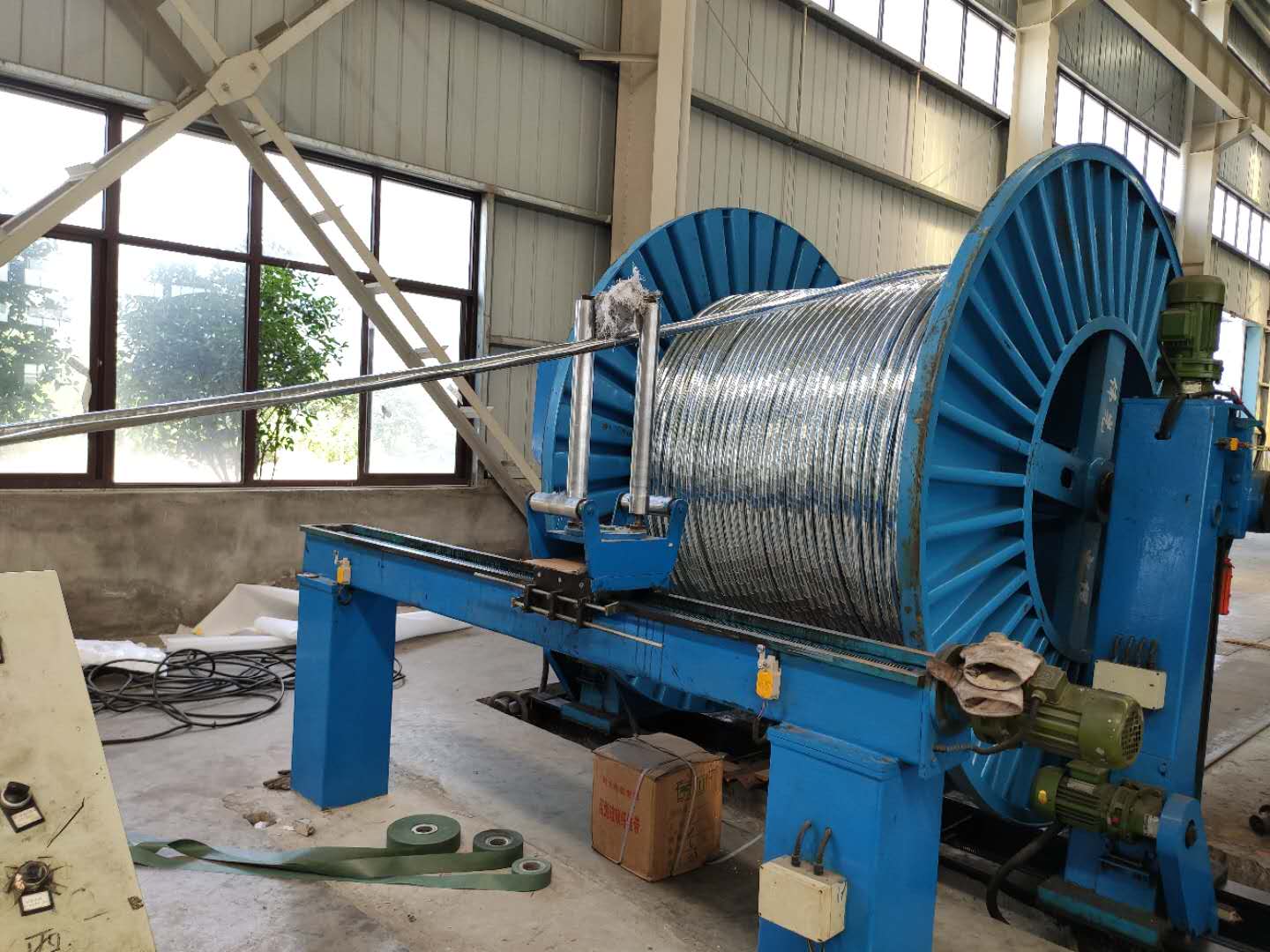
That question is answered with capacity and process evidence rather than with a statement of capability. Shenghua Cable operates 7 production bases and 21 factories with an annual production capacity of 1.1 million km of cable, and monthly production capacity is up to 15,000,000 meters depending on the cable structure. The practical test for a fire emergency package is whether the supplier can hold a mixed order — different core counts, sheath options and test requirements on one delivery schedule — without mixing batch records. Ask for the batch identification method and the inspection plan for a mixed-specification order, and compare it with the volumes you intend to release.
What drives the price of an MI cable order, and which commercial terms should be fixed before award?
Conductor content is the dominant cost variable, which is why copper price linkage pricing and quotation validity control sit inside the commercial terms rather than outside them. Fix four items before award: the MOQ basis, the delivery term, the payment schedule and the validity window of the quotation. The standard terms applied to Shenghua Cable power cable supply are an MOQ of 300 m per item, FOB or CIF delivery, and T/T 30% in advance with the balance paid before delivery; electrical wires are quoted on an MOQ basis of 1000 m per item. Where a project is phased, the specification should state how price is re-fixed between phases, so that a copper movement does not reopen the technical scope.
How should a sample or pre-production batch be validated before full release?
Validate against the same criteria that will apply to production, otherwise the sample proves nothing. The acceptance basis used for Shenghua Cable project supply is pre-shipment test combined with pre-packaging inspection, and the same two gates can be applied to a pre-production batch: construction and dimensional checks, the electrical tests named in the specification, and a physical inspection of packing, marking and cable length before the material is released. Record the results against the model reference, and make that record the baseline for the production order.
What lead-time and long-term support commitments should be agreed at order stage?
Agree two things: the delivery schedule with its inspection points, and the support arrangement that continues after handover. On the support side, the commitments that matter for an emergency system are a dedicated technical team with direct engineer-to-site support rather than third-party support, maintenance requirements that stay lean through simplified procurement and standardized spare parts, and installation and upkeep procedures that are standardized across the estate. Shenghua Cable reports export to more than 60 countries and regions, which is a useful indicator of documentation experience across markets but should be matched to the reference projects closest to your building type. The product catalogue is available for download at the Shenghua Cable brochure if you want the range in front of the design team before the next specification review.
Conclusion
Specifying mineral insulated cable for a fire emergency system is a documentation exercise before it is a purchasing one. Separate the circuits by duty, fix the construction rather than the family name, decide the sheath and route protection on site, name the standard and the performance category, write the termination and installer requirement into the clause, and define the acceptance gate as pre-shipment test and pre-packaging inspection. Do those six things and the tender becomes comparable, the award becomes defensible, and the commissioning programme stops depending on assumptions nobody wrote down.
For high-rise and hospital projects where the same package carries XLPE insulated power cable, armoured constructions, control and instrument cable and solar cable alongside the MI scope, the supplier's document discipline matters as much as the cable. Shanghai Shenghua Cable Group Co., LTD. has manufactured cable since 1997 and supplies power, control and instrumentation cable from 7 production bases and 21 factories — with the certification and test evidence that a fire emergency specification should be checking line by line.
Next Step: Put the Specification in Front of a Supplier
Send the duty table and the draft cable clause to the Shenghua Cable technical team and ask for a construction confirmation, the evidence list for the exact models, and a quotation against your delivery schedule. Sample requests, project quotations and the full product catalogue are handled through the same contact.
Email: zhaomeilia@shenghuacablegroup.com | Tel / WhatsApp: +86 15901866124
Website: www.shenghuacablegroup.com | Catalogue: Download the Shenghua Cable brochure (PDF)
Have Questions or Need More Details?
Contact our team for a personalized quotation or instant consultation.
Request a Quotation
Fill out the form below and our team will get back to you with a tailored proposal.
WhatsApp Direct Chat
Prefer to chat in real-time? Message us on WhatsApp for instant assistance & quick answers.
- Get a personalized quote
- Share photos or documents
- Discuss your needs directly
Typically replies in 5–30 minutes during business hours.