Mineral Insulated vs. Rubber Sheathed Cable: Choosing for Fire Safety and Harsh Environments
Mineral insulated (MI) cable and rubber sheathed cable often appear side by side in the same project bill of materials, even though they are engineered for opposite duties. MI cable, supplied as BTTZ/BTTRZ and BTLY types, is specified where a circuit must keep working during a fire or inside high-temperature industrial equipment. Rubber sheathed cable, supplied as YC/YCW and YZ/YZW types, is specified where the cable must flex, move and be re-connected — portable tools on a construction site, mobile equipment at a port terminal, or power leads on household appliances.
The choice is not a matter of preference. It is decided by three engineering questions: does the circuit need integrity during a fire, how much movement will the cable see over its service life, and what do the installation constraints at the terminations and along the route allow. For buyers moving from evaluation into execution, those three questions determine the specification, the compliance documents to request, and the commercial terms to lock.
Problem Definition: Two Cable Families, Two Different Failure Modes
Selecting the wrong family does not produce a mediocre result; it produces a predictable failure at the worst possible moment, and the two failure modes are different in kind.
- Failure during the fire event. Wiring that is not built for circuit integrity stops carrying power, signals or emergency supply exactly when evacuation, smoke control or hospital equipment depends on it. This is the classic mismatch in high-rise landmarks, hospitals, museums and historic buildings, where life-safety circuits must survive the fire itself rather than merely avoid spreading it.
- Failure at the conductor or the termination under movement. A construction intended for a fixed route, when used on portable equipment or trailing leads, fails at the point of repeated flexing or at the gland rather than in the middle of the run. This is the classic mismatch on construction sites, port terminals and mobile machinery.
Mineral insulated cable addresses the first failure mode; rubber sheathed cable addresses the second. The question to resolve before specification is therefore not “which cable is better”, but “which failure mode is unacceptable on this circuit”.
Industry Background: Fire and Harsh-Environment Performance Is Now a Documented Property
The global wires and cables market was valued at approximately USD 230.9 billion in 2025 and is projected to reach USD 313.1 billion by 2033, according to Grand View Research; Mordor Intelligence places the 2026 figure at USD 245.44 billion, a divergence explained mainly by differences in market scope. Within that market, the medium voltage wire and cable segment alone was valued at USD 71.7 billion in 2025, based on Global Market Insights data. Mainland China remains the largest single source of supply, accounting for USD 31.4 billion, or 18.1%, of global insulated wire and cable exports (HS 8544) in 2024, according to World’s Top Exports and UN Comtrade data.
Regulation has moved in the same direction as the market. Under the EU Construction Products Regulation, cables are classified into seven fire protection classes from Aca to Fca under EN 50575, with Class Eca treated as a basic safety requirement for building materials, as described by Europacable. Separately, IEC 60502-2:2014 specifies requirements for power cables with extruded solid insulation for rated voltages from 6 kV up to 30 kV for fixed installations, per the International Electrotechnical Commission.
Two consequences follow for project buyers. First, fire performance and high-temperature capability are now classified and testable properties, so a specification built on adjectives cannot be defended in a submittal review. Second, because the two cable families are qualified against different standards, the compliance pack must name the standard, the certificate number and the issuing body for the family actually being purchased — not for the supplier in general.
Planning rule: if the circuit must survive a fire or high ambient heat, start the evaluation from the mineral insulated family and request fire and circuit-integrity evidence. If the circuit must move, flex or be re-connected, start from the rubber sheathed family and request flexibility and construction data instead.
Detailed Solution: How Each Family Is Built and Where It Fits
Mineral insulated cable (BTTZ/BTTRZ, BTLY): built for heat and fire-time continuity
Shanghai Shenghua Cable Group manufactures mineral insulated cable in BTTZ/BTTRZ and BTLY types, with a rated voltage scope of 300/500 V, 450/750 V and 0.6/1 kV, and higher ratings available for special applications. The family is used for fire-resistant wiring, high-temperature industrial equipment, and critical power systems that require exceptional safety and durability.
That profile explains where MI cable appears in real project schedules: life-safety and critical power circuits in high-rise landmarks, hospitals, museums and historic buildings; circuits routed through high-temperature industrial zones; and hazardous-area installations where cable behaviour during a fault or fire event must be engineered rather than assumed. In each case, the specification question is identical — does this circuit have to keep working while the conditions around it are failing?
Because MI installations are engineered rather than improvised, route planning, support method and termination practice belong to the selection decision, not to the installation phase. Buyers should confirm the intended termination method and the route geometry before releasing the order.
Rubber sheathed cable (YC/YCW, YZ/YZW): built for movement and re-connection
Rubber sheathed cable is supplied in general purpose YC/YCW and YZ/YZW types, with a rated voltage scope of 300/500 V and 450/750 V. It is used for general electrical wiring and portable equipment, and in industrial or construction applications that require a flexible and durable cable.
This is a different design intent. The value of the family is not measured by fire-time survival but by how it behaves when the cable is moved, coiled, dragged and re-plugged: portable tools on construction sites, mobile equipment and yard power at port terminals, and power leads on household appliances. A buyer who specifies rubber sheathed cable correctly is purchasing mechanical endurance and installation convenience, not circuit integrity.
Boundary condition: rubber sheathed cable should not be substituted for a fire-resistant construction on a life-safety circuit, and MI cable should not be specified where repeated flexing defines the duty. Both substitutions fail in service, and both fail at the point where the wrong property was assumed.
Manufacturing and customization behind both families
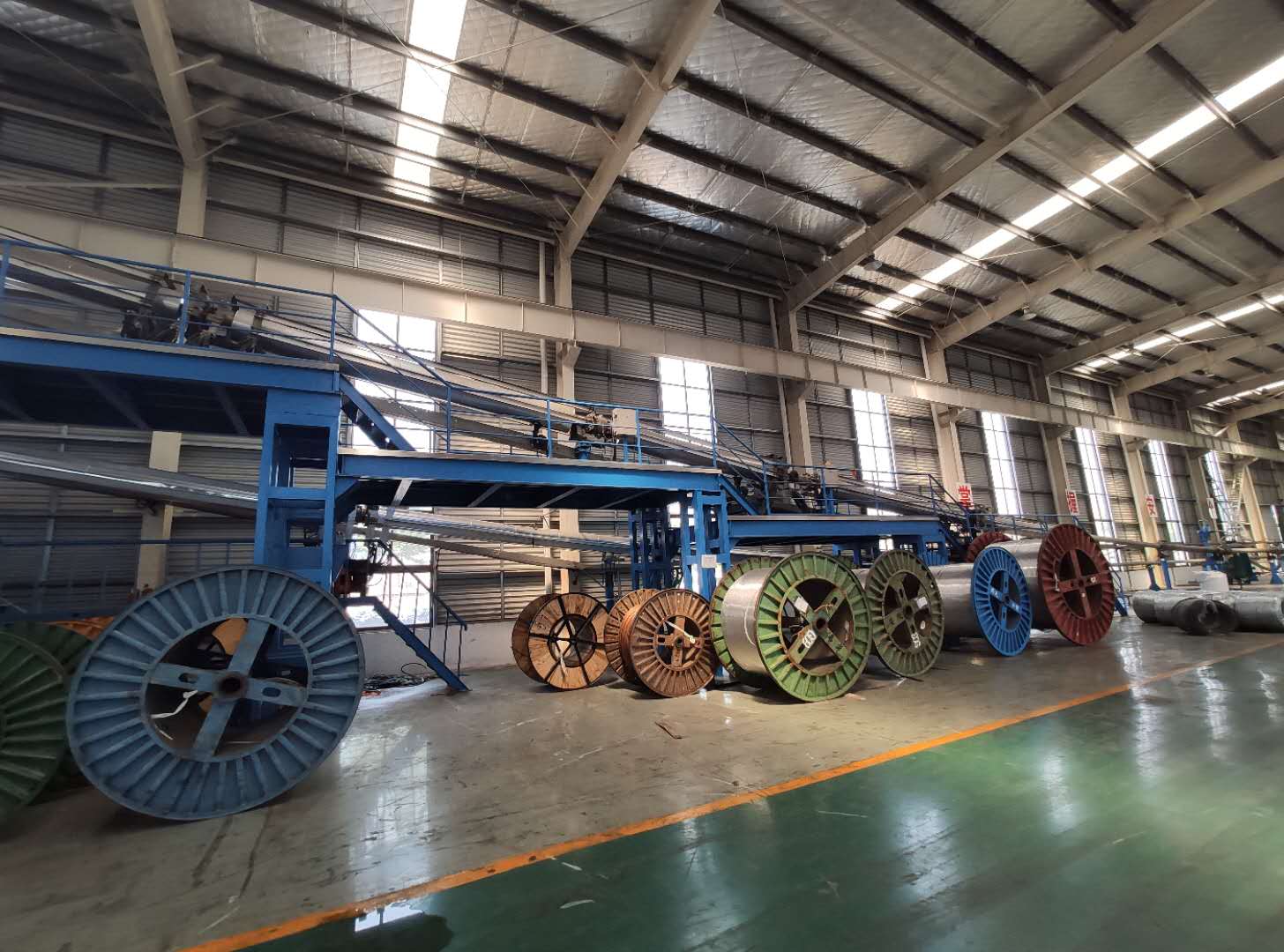
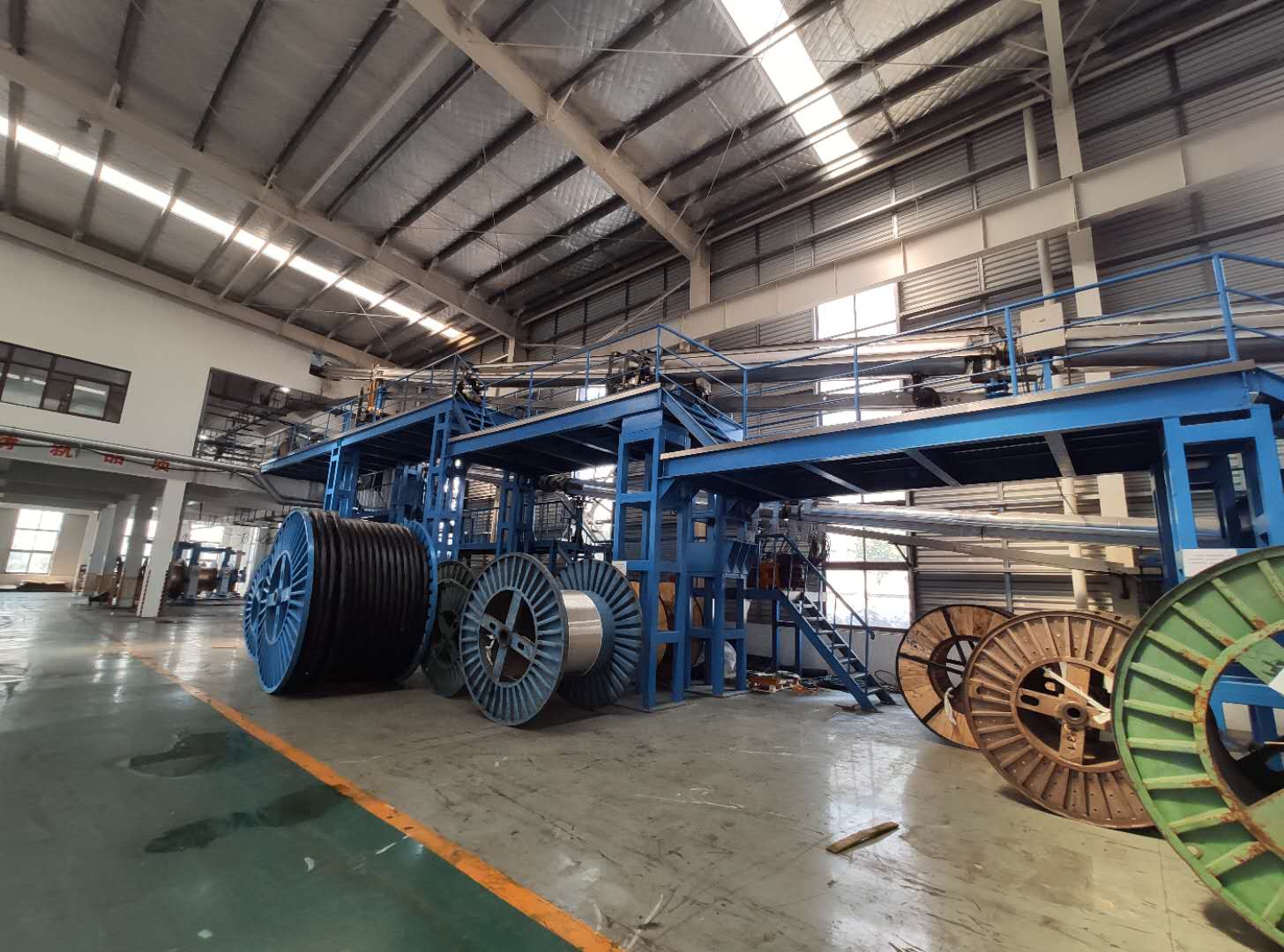
Shanghai Shenghua Cable Group Co., LTD. is a Shanghai-based cable manufacturer founded in 1997, operating 7 manufacturing bases and 21 cable factories with more than 600 engineers across 80+ cable series — a portfolio that includes Mineral Insulated Cable, Rubber Sheathed Cable, LSZH cable, mining cable, marine cable, solar cable, control and instrumentation cable, and power cable rated from 0.6/1 kV up to 290/500 kV.
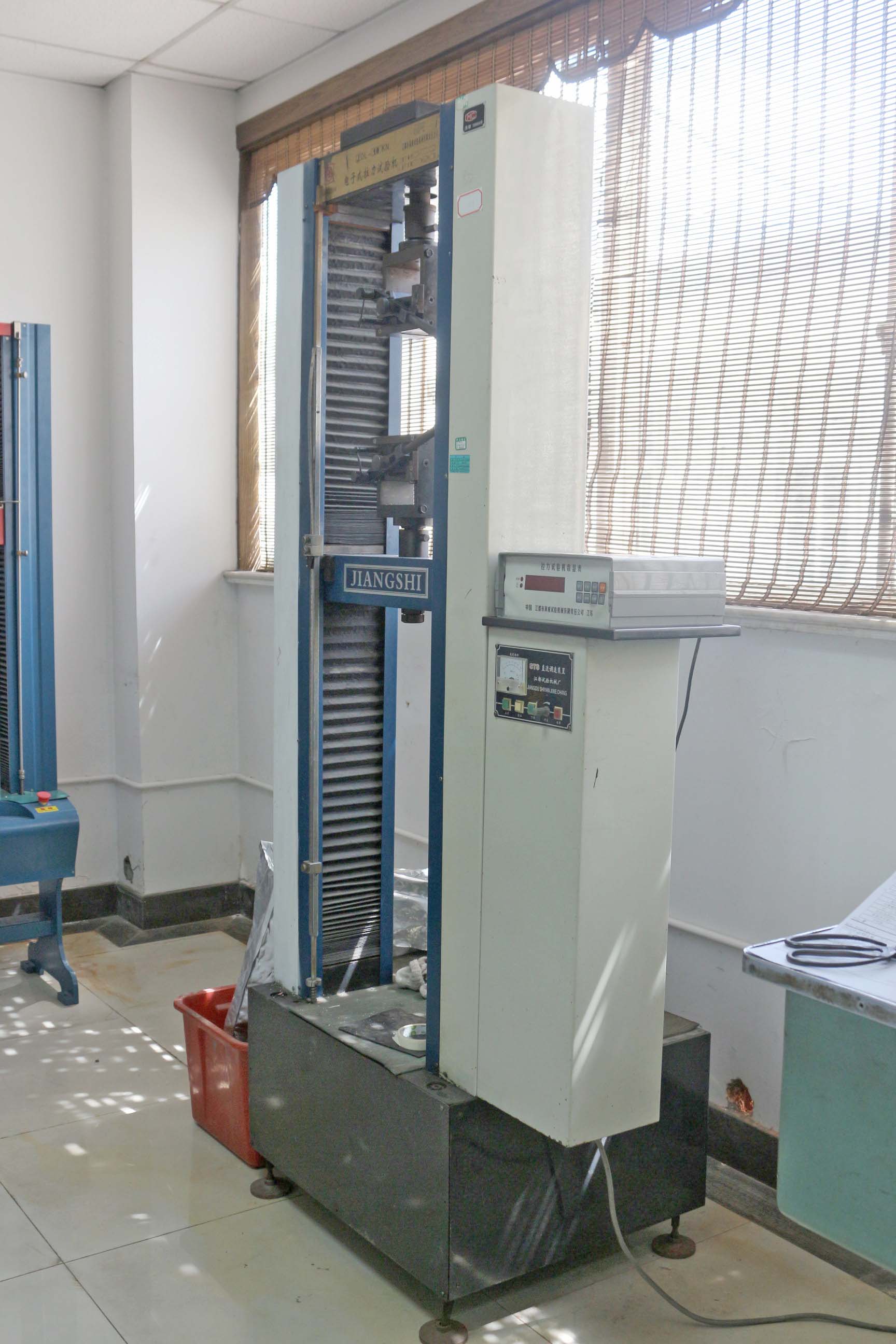
From a procurement standpoint, the relevant capabilities are specific. OEM production services are available, and production includes fully customizable options for cable structure, material, dimensions and lengths. Monthly capacity reaches 15,000,000 m depending on cable structure. Every production run is 100% tested, and warranty runs for 2 years from delivery, supported by after-sales and technical support.
Compliance evidence that applies to each family
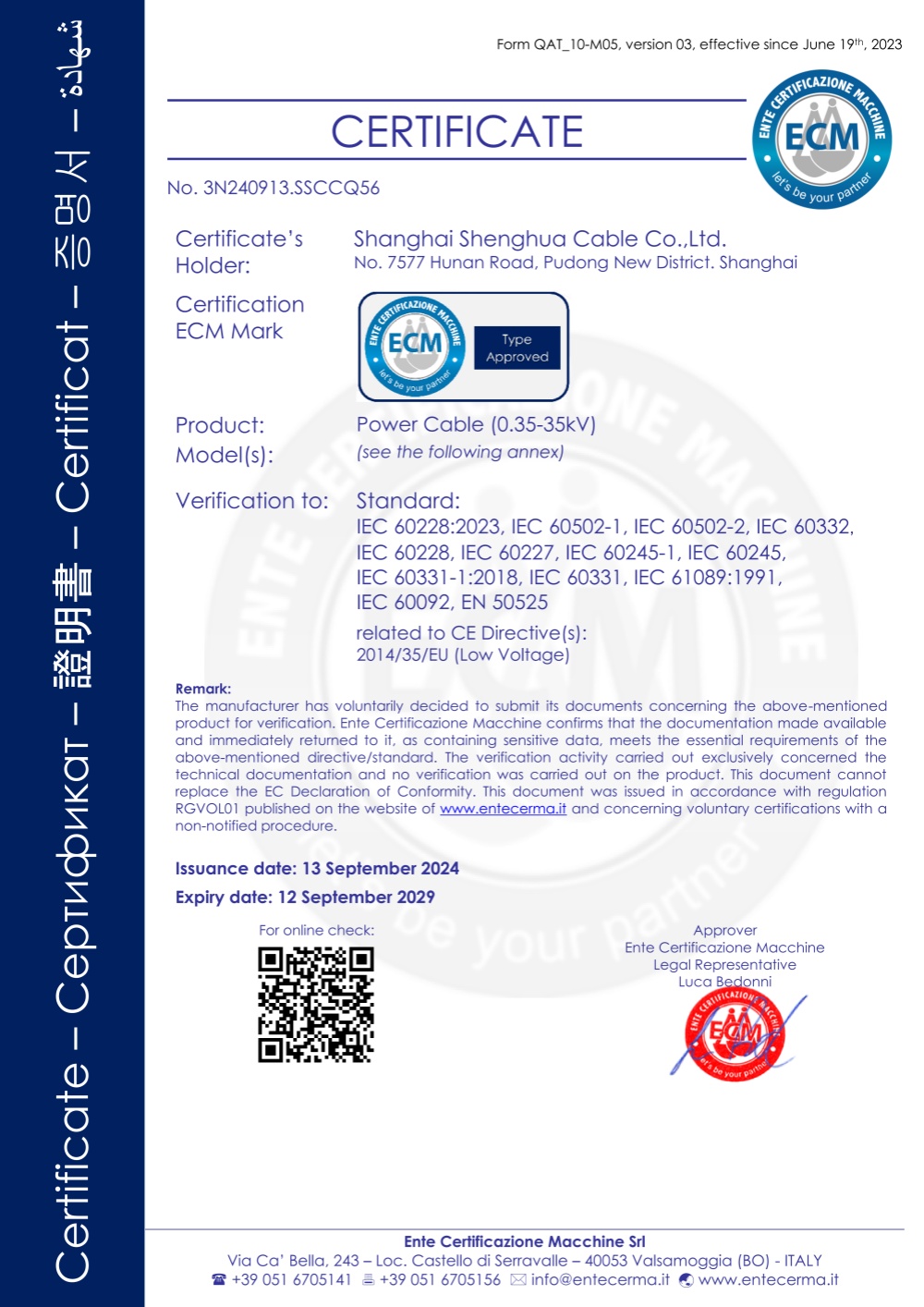
The type of certificate matters as much as its presence. Shanghai Shenghua Cable Group holds CE certificate number 3N240913.SSCCQ56, issued by ECM (Ente Certificazione Macchine Srl) and valid from 13 September 2024 to 12 September 2029. Its scope covers power cable (LV/MV), LSZH cables, house wiring cable, control and instrumentation cables, rubber and mining/industrial cables, and solar cable. The standards listed in that scope include IEC 60228:2023, IEC 60502-1, IEC 60502-2, IEC 60332, IEC 60227, IEC 60245-1, IEC 60245, the IEC 60331 fire and circuit-integrity series, IEC 61089:1991, IEC 60092 and EN 50525.
For power cables, KEMA certificates 2129307.01, 2129307.02 and 2129307.03 were issued by KEMA Quality B.V. against IEC 60502-1:2004 + A1:2009 and IEC 60227-3:1993 + A1:1997, with validity dated to 22 June 2050. KEMA certification is particularly accepted in the EU, the Middle East and South East Asia — relevant when an approval authority names a certification body rather than only a standard.
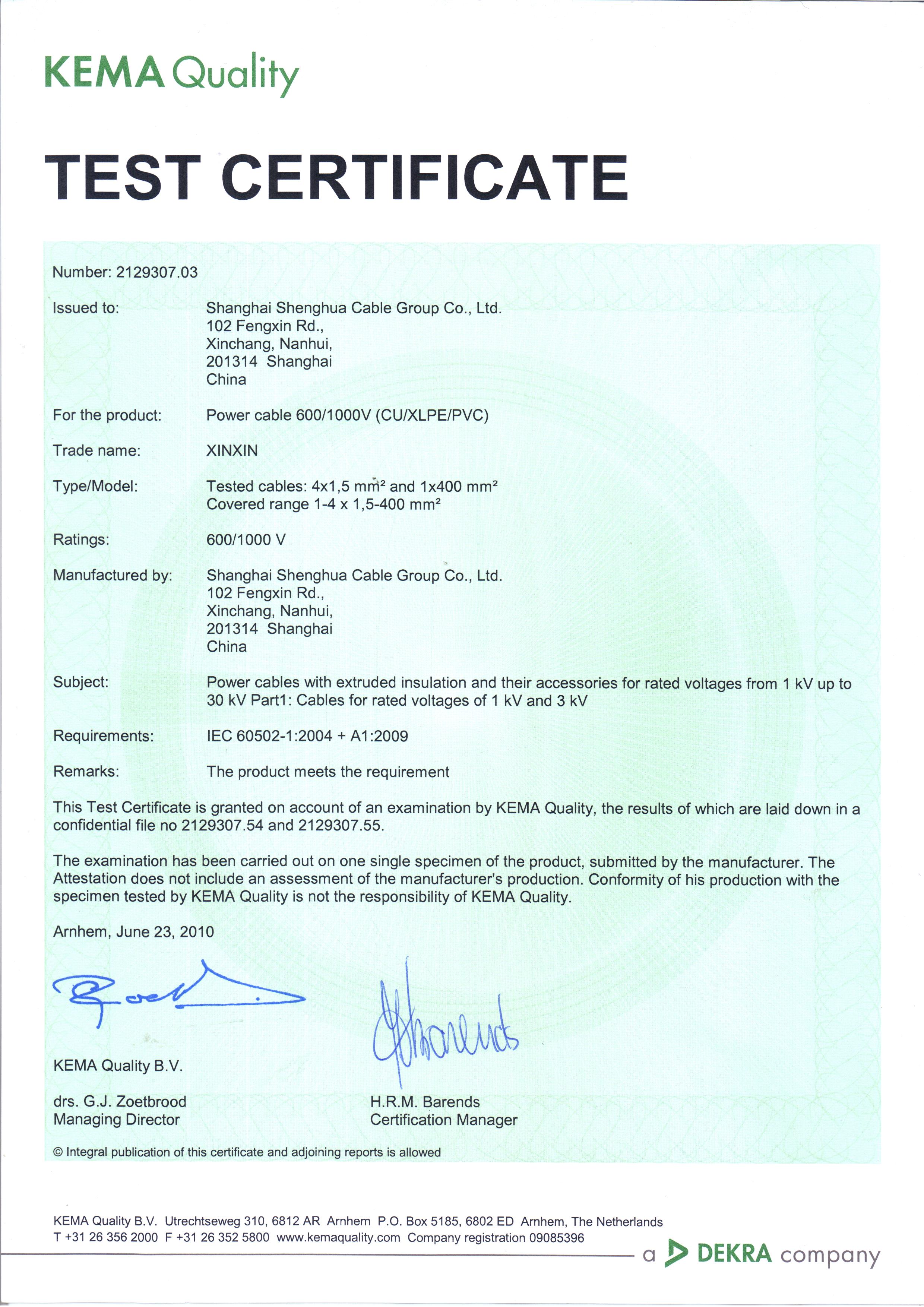
The wider quality and market-access stack supports both families: ISO 9001:2015, ISO 14001:2015 and ISO 45001:2018 certificates (No.02026Q00424R201, No.02026E00261R201, No.02026S00248R201, valid to 23 March 2029), CNAS laboratory accreditation L6565 under ISO/IEC 17025:2017, TUV certificate R 50609864 0001 under IEC 62930:2017 for photovoltaic cables, and an EAEU declaration of conformity (N РОСС RU Д-CN.РА01.В.39494/24) covering power cables up to 35 kV to GOST 18690-2012 until 29 September 2029.
Step-by-Step Breakdown: A Six-Step Selection Framework
Step 1 — Test the circuit for fire-time integrity
Ask one binary question per circuit: if a fire starts in this zone, must this circuit continue to operate? Emergency lighting, evacuation, smoke control, critical power and life-safety circuits in high-rise, hospital, museum and historic-building projects usually answer yes, and that answer places the circuit within the mineral insulated family. Circuits that only have to avoid propagating flame answer no, and the evaluation moves to other criteria.
Step 2 — Quantify movement duty
Classify each cable run as fixed, occasional movement, or continuous movement. Portable tools on a construction site, mobile equipment at a port terminal and appliance leads sit in the continuous or occasional categories, which is where rubber sheathed cable with its flexible, durable construction belongs. A run that is moved or re-connected is a poor candidate for any construction selected for fire performance alone.
Step 3 — Map the physical environment
Record ambient temperature, moisture exposure, chemical contact and any classified hazardous area along the route. High-temperature industrial equipment and critical power systems are the documented duty of mineral insulated cable; general industrial, construction and portable equipment duty belongs to rubber sheathed cable. Where the environment combines heat with movement, the two requirements pull in opposite directions and one of them has to govern — decide which before requesting quotes.
Step 4 — Check installation constraints and termination practice
Installation decides as much as performance. Confirm the available bend radius, the support spacing, the termination method and whether the run will be re-terminated on site. Mineral insulated installations require planned routes and terminations; rubber sheathed runs are chosen partly because they tolerate being handled and re-laid. Any constraint that cannot be satisfied by the preferred family is a reason to revisit the specification rather than to accept it.
Step 5 — Match compliance evidence to the family being purchased
Verify that the certificate presented actually covers the family on the order: the CE scope for this supplier covers power cable (LV/MV), LSZH cables, house wiring cable, control and instrumentation cables, rubber and mining/industrial cables and solar cable, and lists both the IEC 60245 rubber series and the IEC 60331 fire/circuit-integrity series. For power cables, add KEMA evidence. Where a project falls under the EU Construction Products Regulation, confirm the applicable Aca–Fca fire class under EN 50575 as well.
Step 6 — Validate, then lock commercial terms
Validate the construction before releasing series production, and confirm the commercial frame at the same time. Minimum order quantity is 300 m per item for power cable and 1,000 m per item for wires; delivery terms are FOB or CIF; acceptance is based on pre-shipment test and pre-packaging inspection; payment terms are T/T 30% in advance with the balance paid before delivery. Lead time depends on quantity and cable structure and is normally within 18 working days.
Use Cases: Where Each Cable Earns Its Place
Mineral insulated cable in fire-critical and high-temperature duty
Mineral insulated cable is the family to evaluate when the installation itself is the risk. Typical cases include fire-resistant wiring in high-rise landmarks, hospitals, museums and historic buildings where life-safety circuits must remain functional; high-temperature industrial equipment and process zones; and critical power systems where durability and safety margins outweigh installation convenience. In all of these, the specification is driven by what must keep working, not by what is easiest to install.
Rubber sheathed cable in mobile, temporary and appliance duty
Rubber sheathed cable covers the opposite profile: power connections that are handled. Construction sites with portable tools and temporary distribution, port terminals with mobile yard equipment, and household appliances are the documented applications of the YC/YCW and YZ/YZW types. Here the requirement is a flexible, durable cable that survives coiling, dragging and repeated re-connection at 300/500 V or 450/750 V.
When radiation, vacuum and constant motion dominate: aerospace, nuclear and robotics
Aerospace, nuclear and robotics projects sit outside the normal duty profiles of both catalogue families, and three requirements change the specification:
- Radiation exposure. Insulation and sheath compounds respond differently to radiation, so radiation tolerance has to be confirmed for the specific compound in the specific construction rather than inferred from the family name.
- Extreme vacuum. Material compatibility and outgassing behaviour inside vacuum must be verified; a cable qualified for normal atmospheric service is not automatically suitable for vacuum duty.
- Constant motion. Continuously flexing cables fail by conductor fatigue, which places the requirement on conductor construction, strand configuration and bend radius rather than on fire performance.
The practical conclusion is that the six-step framework still applies in these industries, but validation becomes mandatory rather than advisable. Buyers should state the constraint explicitly, request written confirmation of the construction, and validate through a sample or first-article review before releasing series production. Where a project combines fire integrity with constant motion, the project engineer has to decide which requirement governs the circuit.
Documented project evidence from a harsh-environment application
A practical reference point comes from a project implemented in the United Kingdom for a world-leading provider of predictive maintenance and intelligent diagnostic solutions for industrial machinery. The medium-scale industrial system integration project involved multiple equipment monitoring and data acquisition systems and ran for a duration of 15 years, with the cable used for industrial monitoring systems, power signal transmission and control circuit connectivity.
The construction highlights were an ultra-small conductor size combined with high-voltage insulation capability, LSZH low-smoke zero-halogen flame-retardant construction, and stable signal performance in high-density wiring. Reported results included improved overall system stability and safety, continuous operation of critical monitoring equipment in harsh environments, and significantly reduced risk impact under fire and extreme conditions. The case illustrates the selection logic in this guide: the fire and harsh-environment requirement was treated as a design input from the start, not as a late substitution.
Comparison Table: Mineral Insulated vs. Rubber Sheathed Cable
| Decision dimension | Mineral Insulated Cable | Rubber Sheathed Cable |
|---|---|---|
| Typical models | BTTZ/BTTRZ; BTLY, etc. | YC/YCW, YZ/YZW, etc. |
| Rated voltage scope | 300/500 V, 450/750 V, 0.6/1 kV; can go higher for special applications | 300/500 V, 450/750 V |
| Core strength | Fire-resistant wiring; high-temperature industrial equipment; critical power systems requiring exceptional safety and durability | Flexible, durable power connection for portable equipment and industrial or construction applications |
| Movement profile | Engineered fixed-route installation | Designed for portable and moving equipment |
| Documented applications | Fire-critical wiring, high-temperature industrial zones, critical power systems | Construction sites, port terminals, portable tools, household appliances |
| Compliance evidence to request | CE scope lists the IEC 60331 fire and circuit-integrity series; KEMA certificates cover power cables to IEC 60502-1 | CE scope covers rubber and mining/industrial cables and lists the IEC 60245 series; KEMA covers IEC 60227-3 |
| Choose it when | The circuit must remain functional during a fire or inside high ambient heat | The cable must flex, move or be re-connected in service |
FAQ: Mineral Insulated and Rubber Sheathed Cable Procurement Questions
Do mineral insulated and rubber sheathed cable need the same certification for an EU project?
Not necessarily the same document, but both families must be covered by the certificate actually presented. Shanghai Shenghua Cable Group holds CE certificate 3N240913.SSCCQ56, issued by ECM (Ente Certificazione Macchine Srl) and valid from 13 September 2024 to 12 September 2029. Its scope covers power cable (LV/MV), LSZH cables, house wiring cable, control and instrumentation cables, rubber and mining/industrial cables and solar cable, and it lists standards including IEC 60502-1, IEC 60502-2, IEC 60227, IEC 60245, the IEC 60331 series and EN 50525. For power cables, KEMA certificates 2129307.01, 2129307.02 and 2129307.03 issued by KEMA Quality B.V. against IEC 60502-1:2004 + A1:2009 and IEC 60227-3:1993 + A1:1997 provide additional third-party evidence that is accepted in the EU, the Middle East and South East Asia.
Can both cable types be customized to a project specification?
Yes. OEM production services are available, and production includes fully customizable options for cable structure, material, dimensions and lengths. Because the construction is specified rather than chosen from a fixed list, a customization request should state the fire or temperature requirement, the movement duty, the voltage scope and the installation route. Monthly capacity reaches 15,000,000 m depending on cable structure, and the group operates 7 manufacturing bases and 21 cable factories with more than 600 engineers across 80+ cable series.
What are the order quantities, delivery terms and payment terms?
Minimum order quantity is 300 m per item for power cable and 1,000 m per item for wires. Delivery terms are FOB or CIF. Acceptance criteria are pre-shipment test and pre-packaging inspection. Payment terms are T/T 30% in advance, with the balance paid before delivery.
How is quality validated before shipment?
Production is 100% tested, and acceptance is based on pre-shipment test and pre-packaging inspection, so the buyer receives test evidence for the actual production run rather than for a generic catalogue item. Where a project combines fire integrity with movement or with an unusual environment such as radiation, vacuum or constant flexing, buyers should request written confirmation of the construction and validate through a sample or first-article review before releasing series production. Warranty runs for 2 years from delivery, supported by after-sales and technical support.
What lead time should a project plan for?
Lead time depends on quantity and cable structure and is normally within 18 working days. For projects working to a construction schedule, the practical sequence is to confirm the specification, obtain the compliance pack for the family actually being purchased, and place the order early enough for pre-shipment testing to be completed before delivery. To start that sequence, you can download the product brochure, send your cable schedule, or contact the team directly.
Conclusion: Decide by Failure Mode, Then Verify the Evidence
Mineral insulated cable and rubber sheathed cable should not be weighed against each other as alternatives in the same slot of a bill of materials. MI cable — BTTZ/BTTRZ, BTLY — is the answer when the circuit itself has to survive fire or high ambient heat, and when the installation can be engineered as a fixed route. Rubber sheathed cable — YC/YCW, YZ/YZW — is the answer when the cable has to move, flex or be re-connected, and when mechanical endurance matters more than fire-time continuity. Read the circuit, not the price list: the failure mode to avoid tells you which family belongs on that line.
Where projects reach beyond both families — aerospace, nuclear, robotics, or any combination of fire integrity with constant motion — the framework still holds, but validation stops being optional and the specification must be written explicitly rather than inferred from a family name. In every case, the decision is only as good as the evidence behind it: the standard, the certificate number, the issuing body and the test performed on the actual production run.
Next step for project buyers: send your cable schedule and the fire, temperature or movement requirement for each circuit, and request the compliance pack for the family you intend to purchase.
Brochure: download the Shenghua Cable product catalogue (PDF)
Website: www.shenghuacablegroup.com
Contact: Meilian Zhao — zhaomeilia@shenghuacablegroup.com — Tel / WhatsApp: +86 15901866124
Address: No.7577 of Hunan RD., Pudong New District, Shanghai 201314, China
Have Questions or Need More Details?
Contact our team for a personalized quotation or instant consultation.
Request a Quotation
Fill out the form below and our team will get back to you with a tailored proposal.
WhatsApp Direct Chat
Prefer to chat in real-time? Message us on WhatsApp for instant assistance & quick answers.
- Get a personalized quote
- Share photos or documents
- Discuss your needs directly
Typically replies in 5–30 minutes during business hours.