Mining Cable Selection for Underground and Open-Pit Operations: A Site-Specific Application Guide
Introduction
Mining cable selection is a site decision before it is a product decision. Underground and open-pit operations place different mechanical, electrical, and environmental demands on the same nominal cable category, so a construction that performs well on a surface conveyor line may not survive the flexing and confined routing of an underground face.
This guide is written for procurement engineers and project buyers who must specify mining cable across both underground and surface sites. It explains how mining cables are classified, how to match a cable to a specific site, and what to plan for on compliance, customization, budget, sampling, and lead time.
Direct answer: mining cables are designed for environments involving long-distance material transport systems and for powering equipment in underground and open-pit mines. The practical work is to match conductor, insulation, sheath, and armoring to the mobility, voltage class, and physical exposure of the site.
Problem Definition: Why a Generic Mining Cable Spec Is Not Enough
The difficulty is that “mining cable” describes more than one job. A trailing cable that follows a continuous miner underground is asked to absorb constant movement, abrasion, and moisture. A fixed cable that feeds a surface conveyor or a long-distance material transport system is asked to carry power reliably over distance while exposed to sun, dust, and rock.
Three mismatches drive most poor selections:
- Mobility mismatch — a fixed-installation cable applied to moving equipment.
- Voltage mismatch — a low-voltage cable specified where the site distributes at medium voltage.
- Environment mismatch — a general-purpose sheath used where abrasion, moisture, or fire exposure matters.
Each of these is a site question, not a catalog question. Because a single mine can contain several site types at once — an underground face, a shaft, a conveyor route, and a surface yard — the practical approach is to break the project into site blocks and select cable for each block separately.
Industry Background: Where Mining Cable Sits in the Global Market
Mining cable sits inside the wider wire and cable industry. According to Grand View Research, the global wires and cables market was valued at approximately USD 230.9 billion in 2025 and is projected to reach USD 313.1 billion by 2033. According to Global Market Insights, the global medium voltage wire and cable market was valued at USD 71.7 billion in 2025.
Based on World’s Top Exports and UN Comtrade data, Mainland China is the world’s leading exporter of insulated wire and cable (HS 8544), accounting for USD 31.4 billion, or 18.1% of global exports in 2024. For mining buyers, this means the supply base for insulated cable is genuinely international, and supplier selection becomes part of the cable decision rather than a separate step.
Standards also shape the selection. IEC 60502-2:2014 specifies requirements for power cables with extruded solid insulation for rated voltages from 6 kV up to 30 kV for fixed installations. This is the type of framework that governs medium-voltage fixed distribution on a mining site, and it is the reference a project buyer should expect to see when evaluating a fixed-installation cable.
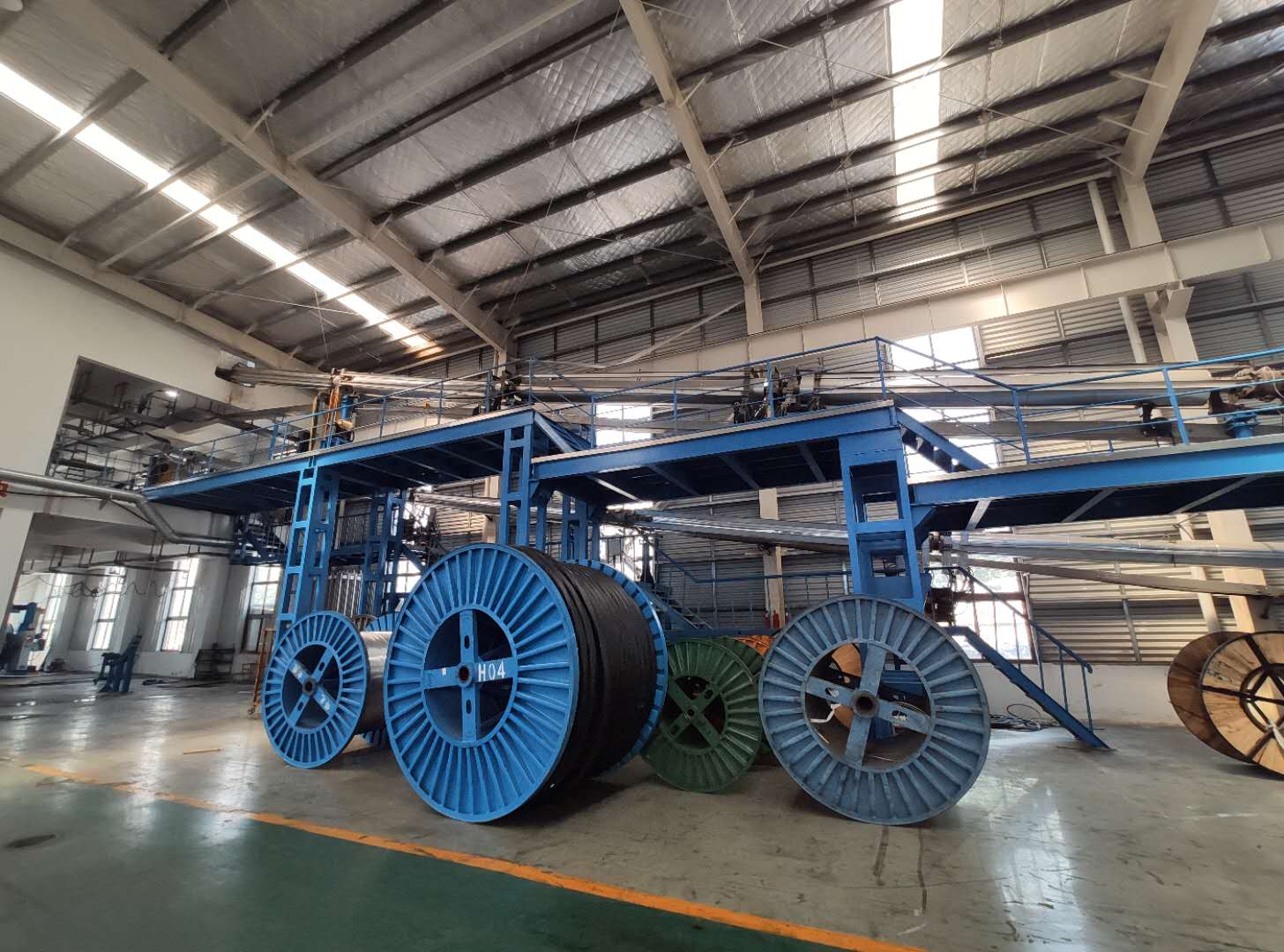
On the manufacturing side, Shanghai Shenghua Cable (Group) Co., Ltd. (brand: Shenghua Cable), founded in 1997, is a cable manufacturer based in Shanghai, China. Its portfolio spans more than 80 cable series, including Mining Cables, and the company operates 7 manufacturing bases and 21 cable factories across China.
Detailed Solution: How Mining Cables Are Classified and Built
Mining cable is categorized by conductor type, insulation and sheath material, and rated voltage. In practical terms, three functional families cover most mining applications: Trailing / Portable Mining Cables, Control & Signal Cables, and Fixed Installation Cables. Common model series across these families include MFVP, MYP, and MCPT.
Voltage scope. Mining cable for these applications is typically rated LV 0.6/1kV and MV 3.6/6kV, and sometimes 6/10kV, depending on the site distribution design.
Trailing / Portable Mining Cables
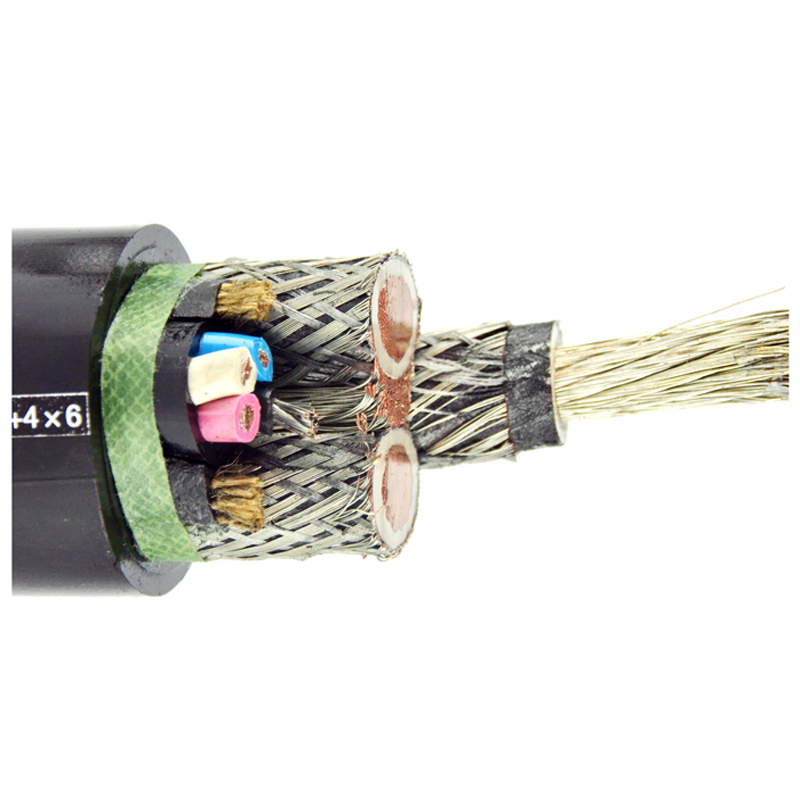
This family is built for mobile use around cutters and loaders. It is the construction used to power continuous miners, shearers, and shuttle cars in underground coal mines, where the cable must follow equipment that moves and turns. Flexibility and mechanical protection are the priorities, and rubber sheathed constructions are commonly used for this duty.

Control & Signal Cables
This family carries control signals and monitoring data for machinery rather than bulk power. On an automated or remote-monitored mining site, these cables link control devices to the equipment they govern, and they are specified for signal integrity rather than for current-carrying capacity.
Fixed Installation Cables
This family is used where the cable stays in place — in shafts, along conveyor routes, and on fixed distribution. It covers the long-distance material transport systems and fixed power runs that move ore across a site. Steel wire armoured construction is commonly used here, because the cable must resist mechanical damage along long routes and in shafts without being moved.
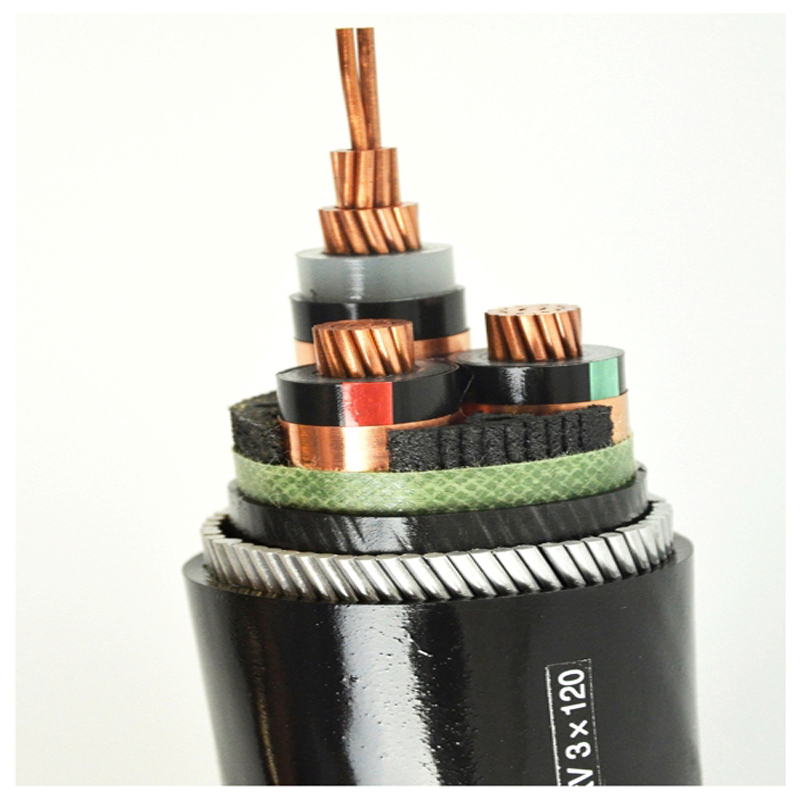
Because mining cable is customized per project, the conductor material, insulation, sheath, and screening or armoring are set by the site conditions rather than by a fixed catalog entry.
Step-by-Step Breakdown: A Site-Specific Selection Sequence
The following sequence applies to both underground and open-pit blocks and can be repeated for each site block in a project.
Step 1 — Define the site type
Separate the project into underground and open-pit blocks, then further into fixed and mobile sub-blocks. Underground underground mining and open-pit excavation do not share the same construction requirements, even when the voltage is identical.
Step 2 — Identify the equipment and its mobility
Match the cable to what it powers: continuous miners, shearers, and shuttle cars in underground coal mines; giant electric shovels and draglines in open-pit work; stone crushing and screening equipment in quarries; and mine elevators, ventilation fans, and conveyor systems for fixed infrastructure. Mobility determines whether the block needs a trailing/portable cable or a fixed-installation cable.
Step 3 — Set the voltage class
Confirm whether the block runs LV 0.6/1kV or MV 3.6/6kV — and, where the design calls for it, 6/10kV. Voltage class drives insulation thickness and the applicable standard.
Step 4 — Select the construction
Choose conductor material, insulation, sheath, and — where required — screening or armoring. Trailing and portable duty favors flexible, rubber sheathed construction; fixed duty favors armoured construction for mechanical protection along routes and in shafts.

Step 5 — Confirm environmental protection
Match the sheath and any armoring to the site’s abrasion, moisture, and fire exposure. Where fire performance is a project requirement, confirm it against the applicable standard rather than assuming a general-purpose cable will satisfy it.
Step 6 — Verify compliance and documentation
Confirm the certification that applies to the block. For medium-voltage fixed power cable rated 6 kV to 30 kV, IEC 60502-2:2014 is the reference standard. Shenghua Cable holds international certifications including CE, KEMA, and TUV (IEC 62930) for its power and photovoltaic cable series.
Step 7 — Plan delivery and quantity
Set order quantities against the supplier’s minimum order quantity and lead time, and confirm warranty and after-sales terms before releasing the purchase order. For power cable, Shenghua Cable’s MOQ is 300 m per item; for wires, it is 1000 m per item.
Use Cases: Matching Mining Cable to Five Site Types
Underground coal mine
Powering continuous miners, shearers, and shuttle cars. Cables in this block are mobile and constantly flexed, the routing is confined, and moisture management matters. The trailing/portable family is the correct starting point.
Shaft sinking
Vertical power supply for mine elevators and ventilation fans. This is fixed-installation duty, and mechanical protection along the shaft is a core requirement.
Open-pit mining
Supplying giant electric shovels and draglines. These are heavy loads in an exposed setting, so cable routing and mechanical protection along the pit take priority over flexibility.
Conveyor systems
Long-distance material transport systems in metal and mineral mines. These runs are the clearest example of a fixed, distance-driven cable application, where stable power delivery over length matters more than mobility.
Quarries
Powering stone crushing and screening equipment. Duty here is fixed or semi-mobile, and the cable operates continuously for the working shift.
Across all five blocks, mining equipment is generally treated as a 24/7 operation, which makes construction durability a procurement criterion rather than an afterthought.
Comparison Table: Mining Cable Families at a Glance
| Family | Built for | Site example | Fixed or mobile |
|---|---|---|---|
| Trailing / Portable Mining Cable | Mobile power to cutters and loaders | Continuous miners, shearers, and shuttle cars in underground coal mines | Mobile |
| Control & Signal Cable | Control signals and monitoring data for machinery | Automated and remote-monitored mining equipment | Fixed or semi-mobile |
| Fixed Installation Cable | Fixed power supply in shafts and along routes | Mine elevators, ventilation fans, and long-distance conveyor systems | Fixed |
Mining cable is available across LV 0.6/1kV and MV 3.6/6kV, sometimes 6/10kV, depending on the site. Common model series include MFVP, MYP, and MCPT, and construction is customized per project.
FAQ
What standard applies to medium-voltage mining power cable?
For power cables with extruded solid insulation rated from 6 kV up to 30 kV in fixed installations, IEC 60502-2:2014 is the reference standard. Buyers specifying medium-voltage mining distribution should confirm the cable’s certification against this standard and against any project-specific requirement. Shenghua Cable holds international certifications including CE, KEMA, and TUV (IEC 62930) for its power and photovoltaic cable series.
Can mining cables be customized for a specific site?
Yes. Mining cable parameters are listed as customized, and Shenghua Cable offers OEM service with fully customizable cable structure, material, and dimensions. This matters for mining because the same nominal cable type is used across very different site conditions — underground faces, shafts, and open-pit routes — and a project often needs the construction matched to its own routing and equipment.
What determines mining cable cost at project level?
Project cost is driven mainly by construction choices — conductor material, insulation and sheath, and the presence of screening or armoring — together with the voltage class and the total length required. Order quantity also plays a role because minimum order quantities apply. For power cable, Shenghua Cable’s MOQ is 300 m per item; for wires, it is 1000 m per item.
How can a mining cable be validated before full-volume ordering?
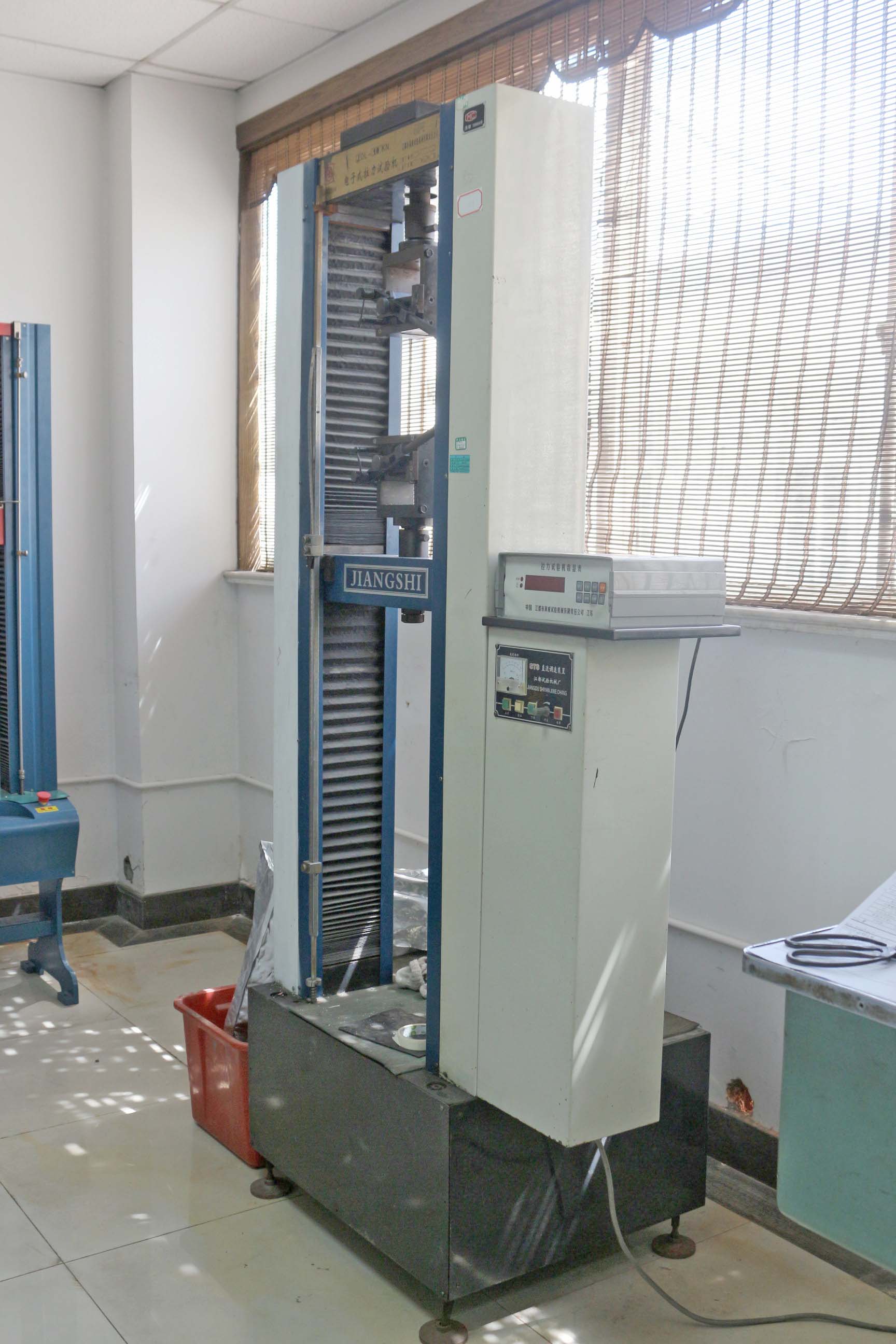
Before committing to a full project order, buyers typically review the construction drawing, the applicable certification, and the test documentation for the cable. Shenghua Cable applies 100% testing as its quality control standard, which supports this review stage.
What lead time and after-sales terms should a mining project plan for?
Shenghua Cable’s production lead time is normally within 18 working days, depending on the quantity and cable structure, supported by a monthly capacity of 15,000,000 m depending on cable structure. After-sales support includes a warranty of 2 years since delivery plus technical support. Because mining projects often run against fixed construction windows, lead time should be confirmed early in the selection process.
Conclusion
Mining cable selection comes down to matching construction to site. Underground and open-pit operations differ in mobility, exposure, and routing, and within a single mine there may be several distinct site blocks that each need their own specification. The sequence is consistent: define the site, identify the equipment and its mobility, set the voltage class, choose the construction, confirm environmental protection, verify compliance, and plan delivery.
Mining cables are designed for long-distance material transport systems and for powering equipment in underground and open-pit mines. Getting that match right reduces the risk of premature failure and keeps power delivery stable across the life of the project.
Selecting mining cable for your project?
Share your site conditions, voltage class, and equipment list, and the Shenghua Cable team will help match a construction to your underground or open-pit block.
Email: zhaomeilia@shenghuacablegroup.com | WhatsApp: +86 15901866124
Have Questions or Need More Details?
Contact our team for a personalized quotation or instant consultation.
Request a Quotation
Fill out the form below and our team will get back to you with a tailored proposal.
WhatsApp Direct Chat
Prefer to chat in real-time? Message us on WhatsApp for instant assistance & quick answers.
- Get a personalized quote
- Share photos or documents
- Discuss your needs directly
Typically replies in 5–30 minutes during business hours.