Solar Cables Explained: The Electric Cable Link from Panel to String Box or Inverter
A solar cable is the electric cable that carries direct-current power from a photovoltaic module to the string box, and from the string box to the inverter. Inside a PV plant it forms the DC-side cable class: it begins at the module junction box, ends at the inverter DC input, and is specified separately from the AC cables that leave the inverter.
That one sentence covers a surprising amount of engineering. Solar cables are installed on rooftops, across ground-mounted arrays, on floating platforms and on moving tracker structures. They usually sit outdoors in fully exposed positions, and after commissioning there is often very little access for inspection or replacement. The cable therefore has to be chosen for the environment it will live in, not only for the current it will carry.
This explainer sets out where solar cables are used in the renewable energy and solar PV industry, how the DC link is structured from panel to string box to inverter, which construction options a project team is actually choosing between, and what should be compared before a solar cable order is placed.
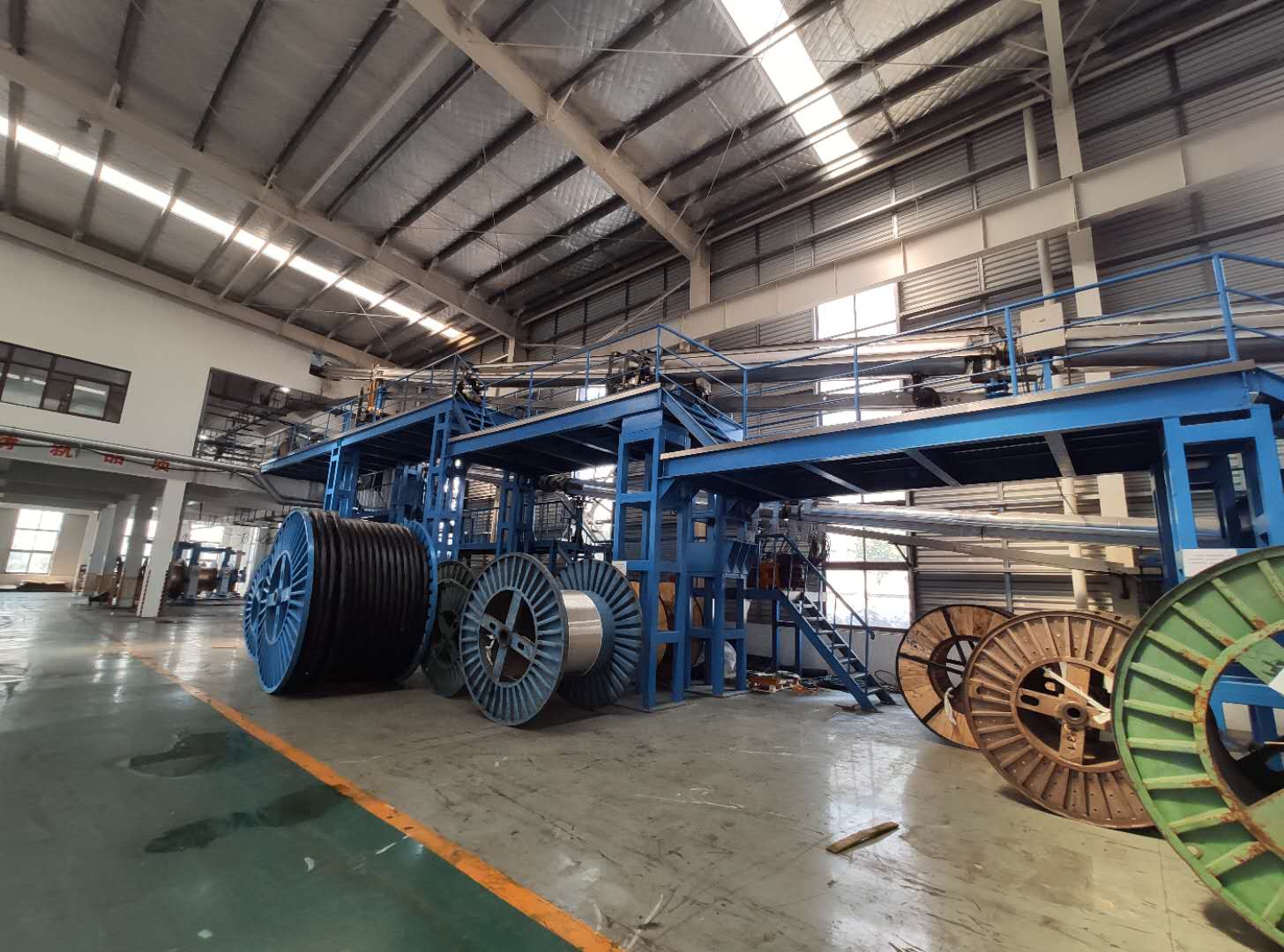
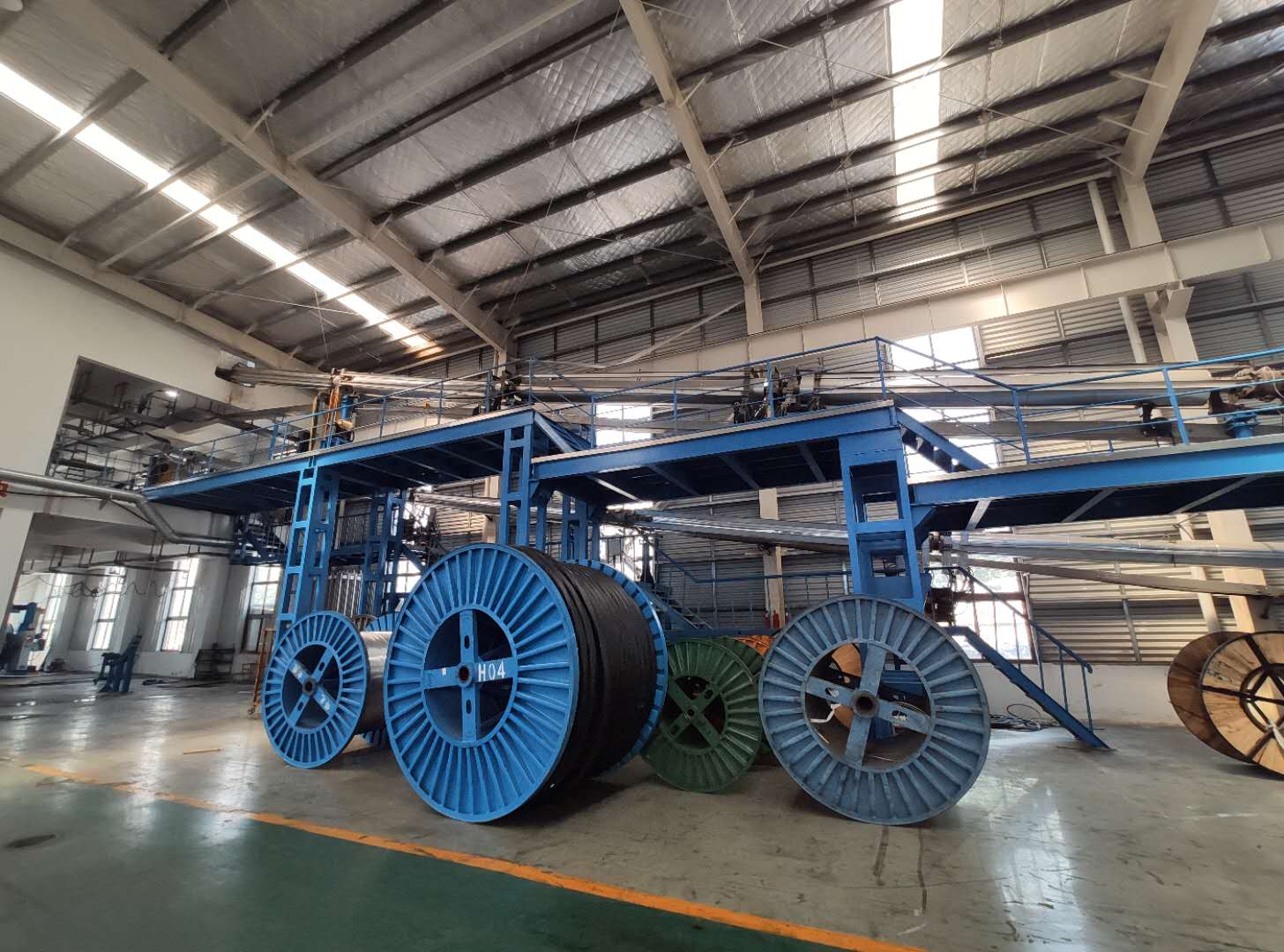
Cable production for power, control, armored and solar cable families at Shenghua Cable.
Problem Definition: Why the DC Side Has Its Own Cable Category
A photovoltaic system has two electrically distinct halves. On the DC side, modules are wired into strings, strings are gathered in a string box (also called a combiner box), and the combined DC output runs to the inverter. On the AC side, the inverter output is stepped up and delivered to a site distribution system or to the grid. Solar cable is the name given to the cable class used on the DC side, and in tenders it is often written as photovoltaic power station solar electric cable to separate it from ordinary power cable line items.
Why does that side need a dedicated cable rather than a general-purpose power cable? The reasons are practical rather than theoretical.
- Continuous outdoor exposure. DC cabling is routed on module racking, on roof surfaces, over open ground and on floating structures, in direct sunlight and in weather.
- Hard-to-reach installation. Replacing a string cable after commissioning usually means scaffolding, roof access, or shutting down part of an array.
- Environmental failure modes. Polymer degradation under UV, moisture ingress along the sheath and at terminations, thermal cycling at connectors, and abrasion or rodent damage in ground-mounted plants.
A solar cable specification is therefore an environment specification as much as an electrical one. A buyer who compares only conductor cross-section is comparing the least variable part of the product.
Industry Background: Where Solar Cables Sit in the Wider Cable Picture
Solar cables belong to the electrical and electronics cable category, alongside the power, control, instrumentation and special cable families used in industrial construction. Within a single PV asset, cabling splits by electrical zone, and each zone uses a different cable family:
- Module and string level — solar DC cable in small cross-sections and high quantity.
- Combiner box to inverter — larger DC cable runs, sometimes laid in tray or duct.
- Inverter to transformer — low-voltage AC power cable.
- Internal collector system of a utility-scale plant — medium-voltage cable. IEC 60502-2:2014 specifies requirements for power cables with extruded solid insulation for rated voltages from 6 kV up to 30 kV for fixed installations, which is the class of cable normally used in this AC collection layer.
- Instrumentation and control layer — instrument use electric cable and control cable for string monitoring, tracker control and weather stations.
Because those zones use different cable families, procurement is frequently split between a DC solar cable package and a medium-voltage cable package. Where a project requires CE-marked cable or KEMA-certified medium-voltage cable for the AC collection system, that requirement belongs in the enquiry rather than being added at the purchase order stage, because documentation and testing evidence have to be prepared with the quotation.
The DC Link, Step by Step: Panel, String, String Box, Inverter
Step 1 — Module to module inside a string
Solar cable connects the short factory leads from each module junction box to the next module in the string. This is the highest-count, smallest cross-section part of the DC system, and it is also the most exposed: the cable is clipped to the module frame or racking without additional mechanical protection. Flexible copper conductor construction is common here because the cable has to follow tight bends and is often terminated on site, and flexible stranding tolerates repeated handling without hardening.
Step 2 — String home run to the string box
The positive and negative conductors of each string are routed to the string box or combiner box. Runs become longer and cable is bundled, clipped or laid in tray, so UV resistance and sheath toughness matter more than they do at module level. Water blocked construction becomes relevant where cable passes through areas that stay wet, where the route drops below the array, or where condensation inside conduit is expected.
Step 3 — String box to inverter
Combined DC output runs from the string box to the inverter DC input. Cross-sections rise, and the route may cross service areas, walkways or ducts. Where the route is exposed to vehicle movement, excavation or other mechanical damage, the choice between steel wire armored (SWA), double steel tape armored (DSTA) and steel wire braided construction becomes a genuine decision point rather than a default.
Step 4 — Inverter to the AC side
Once the inverter converts DC to AC, the cable family changes. Roof-level or small commercial inverters typically use low-voltage AC cable. In utility-scale plants, the AC output is collected at medium voltage, routed to a step-up transformer and then to the grid connection point. This AC layer is specified under medium-voltage standards, not under solar cable standards, and it is a separate purchase decision.
Step 5 — The monitoring and control layer
String current monitoring, tracker drives and weather stations are wired with instrument use cable and control cable. These runs carry little power but matter considerably: if the monitoring layer fails, faults on the DC side can remain invisible until production figures drop.
What a Solar Cable Is Actually Made Of
Every solar cable decision reduces to a small number of construction layers. Understanding which layer is being changed, and why, is what makes a comparison meaningful.
Conductor
Copper conductor is the usual choice for DC string and home-run cable. Flexible copper conductor, made from fine stranded wire, is used where the cable must follow racking, bend repeatedly, or be terminated in confined spaces. Hard copper conductor is stiffer and easier to handle in straight, fixed runs. Aluminum conductor cable is selected where weight and material cost dominate and where the design allows a larger cross-section for equivalent current.
Insulation and sheath materials
Four insulation families appear repeatedly in project specifications for DC and low-voltage AC work:
- XLPE insulated electric cable — cross-linked polyethylene, chosen where higher thermal performance and dielectric strength are required, both on DC home runs and in medium-voltage collection cable.
- EPR insulated and sheathed cable — ethylene propylene rubber, selected for flexibility and where the insulation system has to tolerate repeated thermal movement.
- PVC insulated electric cable — the general-purpose option for protected indoor, ducted or auxiliary routes.
- Silicon rubber sheath electric cable — used where cable near inverters or equipment must tolerate high temperature and remain flexible.
Armor, screening and mechanical protection
SWA armored electric cable, DSTA armored electric cable and steel wire braided cable are the three common answers to mechanical damage. The choice is driven by the route: buried runs, tray routes in traffic areas, and transitions at structures. Armoring adds weight, reduces bending flexibility, and requires correct glanding at terminations, so it should be decided from the routing drawing rather than from habit.
Fire performance
Fire resistant electric cable and flame retardant electric cable solve different problems. Flame retardant construction limits the spread of fire along a cable bundle; fire resistant construction is intended to keep a circuit functional during a fire. On rooftop and building-integrated PV, this is often a building requirement rather than an owner preference, and the two terms should not be used interchangeably in a specification.
Water blocking
Water blocked cable uses water-swellable tapes or filled construction to stop moisture migrating along the cable. On floating solar arrays, in wet pits, and in cable ducts that collect condensation, this property is frequently worth more attention than an incremental cross-section step.
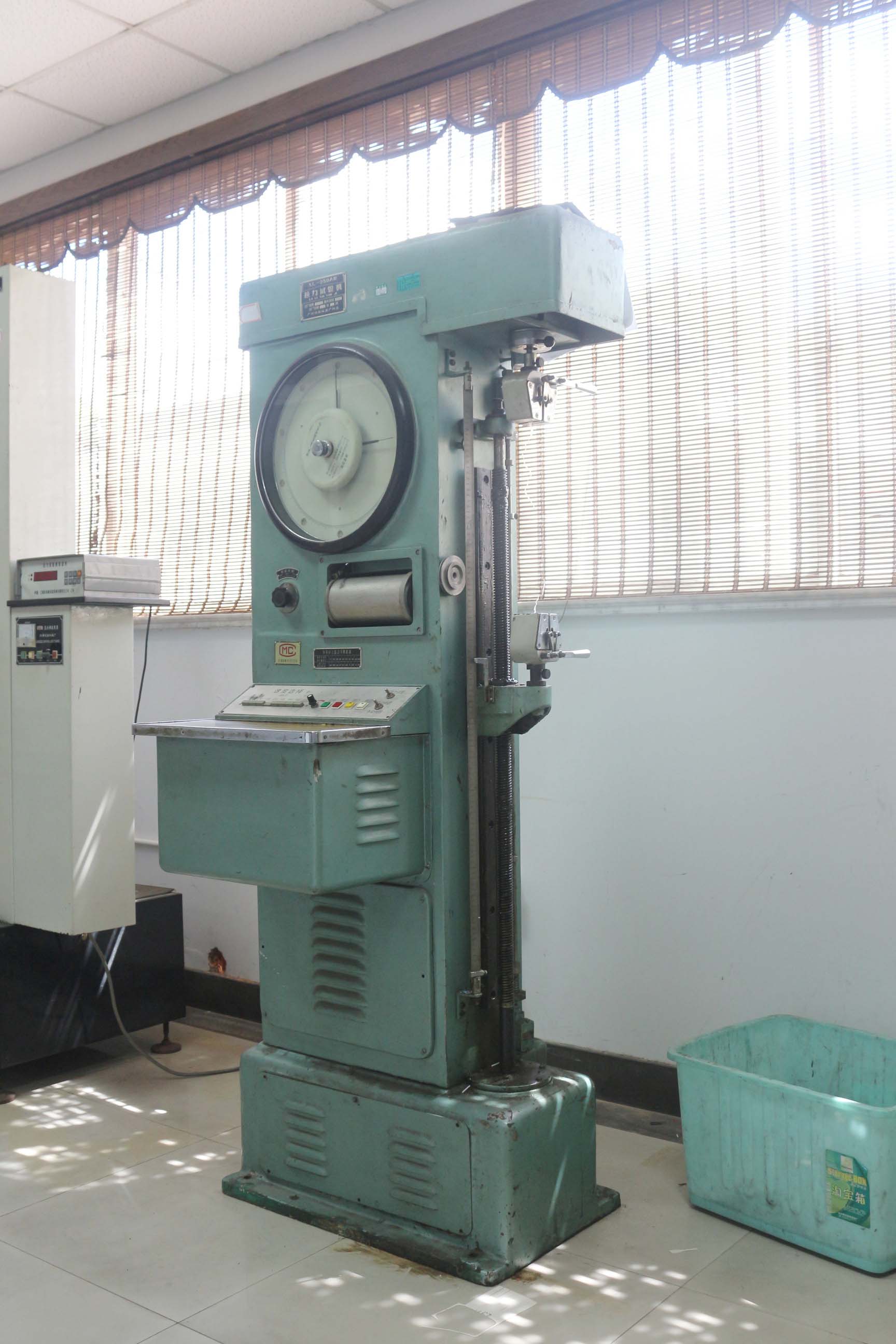
Laboratory verification of cable construction, insulation and conductor performance.
Use Cases: Where Solar Cables Are Used
Utility-scale solar farms
Utility-scale solar farms combine long DC home runs with a medium-voltage AC collection system. Solar cable carries module-to-string and string-to-combiner power; armored DC cable is common where cable is buried between combiner boxes and inverter stations; medium-voltage cable covers the AC side up to the transformer and the grid connection.
Commercial and industrial rooftop projects
Rooftop projects are among the hardest environments for cable selection. Access is restricted after commissioning, ambient temperature near the roof surface is high, cable trays are often long and shared, and the building itself may impose fire performance requirements. Flexible insulation systems, careful UV-resistant sheathing and correct fire performance are the priorities here.
Residential rooftop systems
Residential systems use small cross-sections and short runs. Flexible copper conductor cable is normal, and the practical risks are at roof penetrations and in cable management rather than in current-carrying capacity. Fire performance and UV resistance matter more than mechanical armor.
Ground-mounted PV plants
Ground-mounted plants expose cable to UV, moisture, rodents, moving maintenance equipment and long trench or duct routes. The decision set shifts toward armored constructions, water blocking where ducts fill with water, and sheath toughness where cable passes through rough terrain.
Floating solar arrays
Floating solar combines permanent moisture with constant movement as water level and surface conditions change. Cable is designed for mechanical fatigue at the float interfaces as well as for continuous immersion exposure. Water blocked construction and flexible insulation and sheath systems are directly relevant to this application.
Solar tracking systems
Trackers move, and the cable must move with them over the whole operating life of the plant. Flexible conductor construction, an insulation and sheath system chosen for repeated flexing, and deliberate strain relief at each moving interface are the core requirements. A cable that is acceptable on a fixed-tilt array may be the wrong choice on a tracker.
Comparison Table: Solar Cable and Related Construction Options in a PV Project
The table below compares the construction options that most often appear in solar and PV-adjacent project specifications, and the trade-off each one carries at the decision stage.
| Construction option | Typical role in a PV project | What to weigh at the decision stage |
|---|---|---|
| XLPE insulated electric cable | DC home runs; medium-voltage AC collection cable | Thermal performance and dielectric strength against stiffness on tight rooftop routes |
| EPR insulated and sheathed cable | Flexible DC runs and equipment connections | Flexibility and tolerance of thermal movement against material cost |
| PVC insulated electric cable | Protected indoor, ducted and auxiliary AC-side runs | Lower cost against reduced outdoor and thermal capability |
| Silicon rubber sheath electric cable | High-temperature areas close to inverters and equipment | Temperature tolerance and flexibility against cost and availability |
| SWA armored electric cable | Buried DC and AC runs, tray routes with mechanical risk | Mechanical protection against weight, bending radius and termination complexity |
| DSTA armored electric cable | Direct-buried routes needing steel tape protection | Crush protection against installation effort and bending limits |
| Steel wire braided cable | Flexible armored connections where movement exists | Flexibility with protection against limited crush resistance |
| Water blocked cable | Floating solar, wet ducts, low-lying trenches | Moisture protection against added weight and cost |
| Fire resistant / flame retardant cable | Rooftop and building-integrated PV, egress and critical routes | Requirement compliance against cost; the two fire ratings are not interchangeable |
| Flexible copper vs. hard copper conductor | Flexible stranding for string wiring and equipment connections; hard conductor for fixed straight runs | Handling and termination behaviour against installed cost |
| Copper vs. aluminum conductor | Copper for string and flexible work; aluminum where weight and material cost dominate | Conductivity and connection practice against weight and material cost |
Note on the AC layer: the medium-voltage cable used in the collector system of a utility-scale plant is a separate cable class from the solar DC cable. A project comparison should treat them as two packages that share a quality system, not as one interchangeable item.
Decision Framework: Comparing Solar Cable Options Beyond Price per Meter
At the decision stage, price per meter is a weak comparison unit. The delivered, installed and maintained cost of DC cabling also includes termination and gland hardware, installation labour on difficult routes, spare cable kept on site, and the schedule consequence of a late or partial delivery. The correct comparison unit is therefore the cable package as it arrives and as it is installed.
A workable decision framework compares four layers:
- Material and construction — conductor metal and stranding, insulation and sheath family, armor type, water blocking, fire performance.
- Route reality — sun exposure, bending, burial, submersion, movement, and the interfaces the cable has to survive.
- Interface discipline — connectors, glands and terminations, which is where a well-specified cable most often underperforms.
- Supply terms — quotation validity against copper price movement, delivery phasing, and the documentation set delivered with the cable.
For projects that package DC solar cable together with medium-voltage AC collection cable, the supplier's commercial model becomes part of the comparison. Shanghai Shenghua Cable (Group) Co., Ltd. operates a flat distribution model that provides 5–10% direct savings on large-scale infrastructure and plant upgrade packages by removing intermediary layers, and an agile supply-chain response that reduces customer warehousing and inventory management costs because cable is delivered closer to the installation sequence rather than stockpiled on site. On standard power cable production, faster production switching supports 10–15% total cost savings. Energy efficiency is enhanced through stringent quality control over raw materials, which supports high transmission stability across long DC and medium-voltage runs.
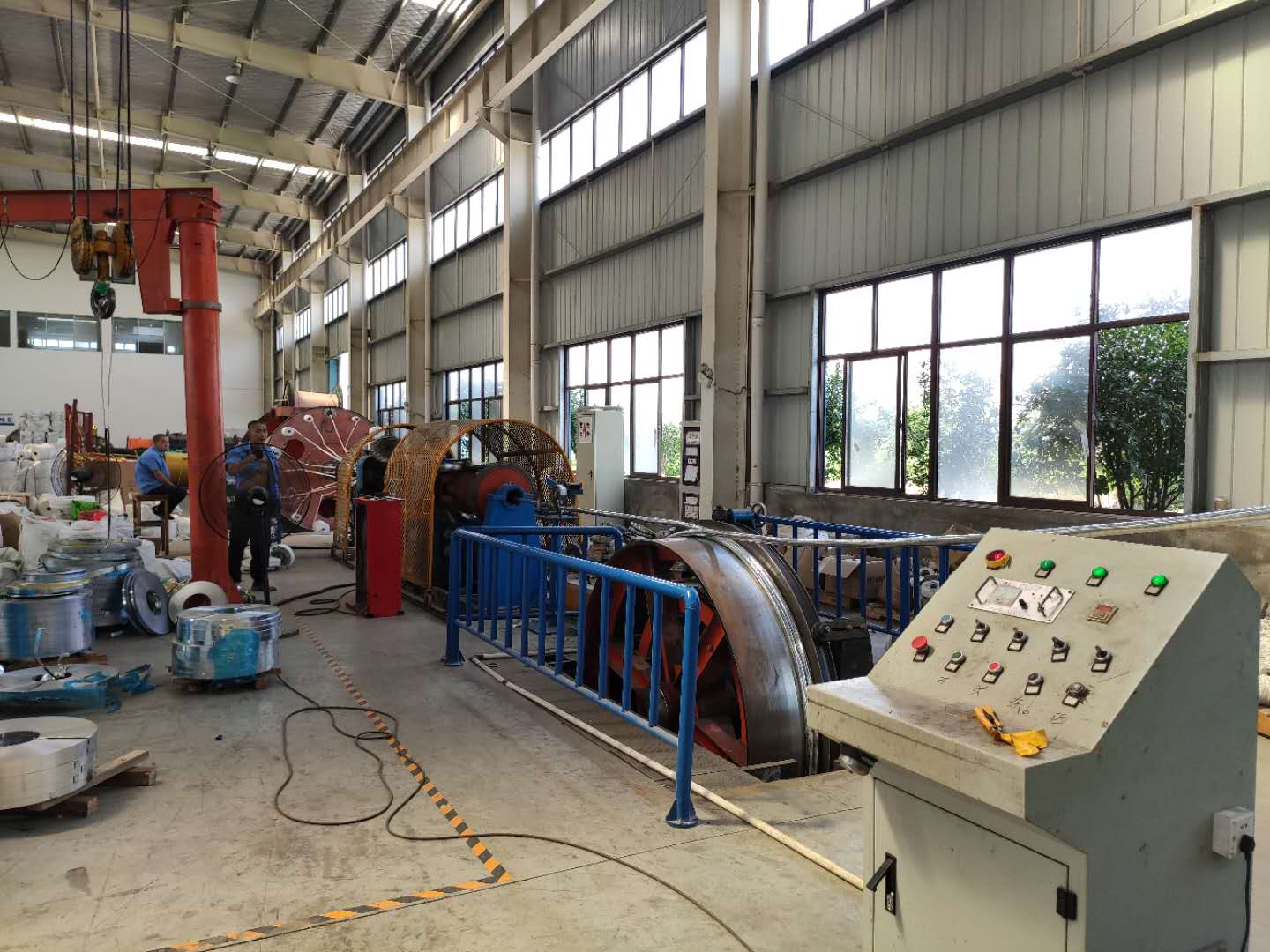
Production flexibility is part of the cable decision, especially on mixed-specification solar project packages.
Quality Control: What to Verify Before the Order Is Placed
Most solar cable performance problems trace back to process control rather than to design. Five control points are worth verifying with any supplier:
- Raw material inbound gating. A maintained supplier whitelist and mandatory sampling of each batch — including oxygen-free copper rods and insulation materials — prevents non-conforming material from entering production.
- Real-time process monitoring. Online monitoring such as diameter gauges and spark testers, with defined QC checkpoints at critical process stages, catches deviation during extrusion rather than after cable is finished.
- Environmental reliability testing. Regular type tests covering temperature cycles, UV and corrosion confirm that a construction remains stable in the specific application it was specified for.
- Production and quality management. A documented quality management system, a full inspection process, factory testing, and maintained and calibrated equipment are the baseline evidence set a buyer should receive.
- Commercial risk management. Copper price linkage pricing, controlled quotation validity, long-term supplier agreements and order-to-procurement linkage protect both parties when metal prices move during a long project window.
Quality checkpoints at critical process stages, from conductor stranding to final inspection.
Shenghua Cable as a Solar Cable Source
Shanghai Shenghua Cable (Group) Co., Ltd. (shenghuacablegroup.com) was founded in 1997 and is headquartered in Shanghai. The group operates seven manufacturing bases and 21 cable factories, and its portfolio spans more than 80 cable series, including power cables, control and instrumentation cables, rubber sheathed cable, armored electrical cable, low smoke zero halogen cable, fire resistant cable and solar cables. Around 600 engineers work across the group's technical functions, and approximately 30% of output is exported to markets in Asia, Europe, South America, Africa and Oceania.
Solar cable sits inside that portfolio rather than beside it, which matters when a single project needs DC solar cable, armored DC cable and medium-voltage AC collection cable delivered under one quality system and one documentation set.
FAQ
Which cable standards apply on the DC and AC sides of a PV plant?
The two sides are specified under different standards. On the DC side, solar cable is specified as photovoltaic DC cable, with the emphasis on outdoor endurance, UV resistance and moisture protection. On the AC side of a utility-scale plant, the collector system uses medium-voltage cable: IEC 60502-2:2014 specifies requirements for power cables with extruded solid insulation for rated voltages from 6 kV up to 30 kV for fixed installations. Buyers should match the standard to the voltage class and the installation type, and state any project-specific requirement — for example CE marking or KEMA certification for medium-voltage cable — at the enquiry stage.
Can solar cables be customized for a specific project?
Yes, within the construction layers a cable manufacturer controls: conductor material and stranding (flexible copper, hard copper or aluminum), insulation and sheath family (XLPE, EPR, PVC or silicone rubber), mechanical protection (SWA, DSTA or steel wire braided), water blocking, and fire performance. Shanghai Shenghua Cable (Group) Co., Ltd. produces more than 80 cable series, including customized special cables, supported by around 600 engineers across its technical functions.
What drives the cost of a solar cable package?
Four factors dominate: conductor metal and cross-section, insulation and sheath material, mechanical protection, and the supplier's commercial model. Shenghua Cable's flat distribution model provides 5–10% direct savings on large-scale infrastructure and plant upgrade packages compared with layered distribution, and its agile supply-chain response reduces customer warehousing and inventory management costs. On standard power cable production, faster production switching supports 10–15% total cost savings, which matters when a PV package mixes several specifications.
How can a buyer validate a solar cable before ordering?
Validation normally combines three things: the documentation set (quality management documentation, factory test records and inspection reports), verification of the construction against the routing and environment of the actual project, and physical sample inspection. For project-specific validation, buyers can request cable samples, a technical datasheet or the full catalogue before committing to a purchase order — the Shenghua Cable product catalogue is available for download.
How do mixed-specification orders affect delivery time?
Solar projects rarely order a single specification. A typical package mixes several cross-sections, insulation types and armor options across the DC and AC sides. Shenghua Cable provides 10–20% faster lead times for mixed-specification orders than alternatives, supported by a supply chain built around flexible production switching rather than large single-specification runs. Project quotations, delivery schedules and technical clarifications can be requested directly from the contact below.
Conclusion: Choosing a Solar Cable Is a Routing and Environment Decision
Solar cable is the electric cable link between the panel, the string box and the inverter, and it is defined less by the current it carries than by the environment it survives. The DC side of a PV plant — whether that is a utility-scale solar farm, a commercial rooftop, a residential system, a ground-mounted plant, a floating array or a tracking structure — asks the same four questions: what material and construction suits this route, how much mechanical protection is genuinely needed, which fire and moisture requirements apply, and what supply terms keep the package on schedule.
A comparison that answers those questions will usually be more useful than a comparison of price per meter, because the cost of getting the routing and the interfaces wrong does not appear on the cable quotation.
Next Step: Sample, Quotation or Technical Review
For solar DC cable, armored cable or medium-voltage AC collection cable, Shenghua Cable provides technical documentation, cable samples and project-specific quotations.
Contact: Meilian Zhao — zhaomeilia@shenghuacablegroup.com | Tel / WhatsApp: +86 15901866124
Website: www.shenghuacablegroup.com | Catalogue: Download PDF
Have Questions or Need More Details?
Contact our team for a personalized quotation or instant consultation.
Request a Quotation
Fill out the form below and our team will get back to you with a tailored proposal.
WhatsApp Direct Chat
Prefer to chat in real-time? Message us on WhatsApp for instant assistance & quick answers.
- Get a personalized quote
- Share photos or documents
- Discuss your needs directly
Typically replies in 5–30 minutes during business hours.