When Fire Strikes: How Mineral Insulated Cables Keep Emergency Circuits Alive
A fire does not test the pump, the fan or the control panel first. It tests the cable. Mineral insulated cable is built so that the circuit itself survives: a copper conductor, a compressed mineral insulation and a copper sheath, with no organic material in the core to melt, char or feed the flames.
Shanghai Shenghua Cable (Group) Co., Ltd. is a cable manufacturer founded in 1997 and based in Pudong, Shanghai, whose portfolio spans more than 80 cable series, including power cables, control and instrumentation cables, fire resistant cable and mineral insulated cable. That product range is why this subject sits at the centre of the group's fire-safety work: an emergency circuit is only as reliable as the cable feeding it.
This guide is written for buyers, engineers and project teams at the decision and execution stage. It covers what actually fails when fire reaches an emergency circuit, the operating conditions mineral insulated cable is specified for, how to source and verify it step by step, and why the choice behaves more like a long-term supply relationship than a one-off purchase.
What Fails First When Fire Reaches an Emergency Circuit
The first component to fail is rarely the equipment the circuit serves. Fire pumps, smoke extraction fans, pressurisation units, evacuation lighting, alarm panels and life-safety lifts are usually well protected. The weak element is the wiring that connects them, because that wiring runs through the fire itself.
Polymer-insulated cable is the default across most buildings. XLPE insulated electric cable, PVC insulated electric cable and EPR insulated and sheathed electric cable all rely on organic compounds for insulation and jacketing. As temperature rises, those compounds soften, decompose and char. Dielectric strength collapses, and the cable typically fails as a conductor-to-conductor fault or an open circuit long before the fire is out. Many PVC-based constructions also release dense smoke and corrosive halogen acids, which add to the damage in escape routes and equipment rooms.
Thermal failure is not the only mechanism. Falling debris, spalling concrete, water spray from firefighting, thermal expansion and collapsing cable trays all apply mechanical loads that a softened cable cannot resist. A cable that was correctly installed and fully tested at ambient temperature can therefore become the first broken link in a system that is only ever used during an emergency.
Why circuit integrity cannot be added later
- Circuit integrity is a property of the cable assembly and its installation, not of the panel or control logic that sits downstream.
- A cable that passes routine electrical tests at normal temperature may still fail within minutes at elevated temperature.
- Where the cable fails first, the fire strategy of the entire building — pressurisation, smoke control, egress lighting — becomes a paper commitment.
Why the Cable Specification Keeps Tightening
The global wires and cables market was valued at approximately USD 230.9 billion in 2025 and is projected to reach USD 313.1 billion by 2033, according to Grand View Research. Mordor Intelligence, working from a different scope, places the global market at USD 245.44 billion for 2026. The two estimates diverge, as published market sizing often does, but the installed base keeps expanding either way. The medium voltage wire and cable segment alone was valued at USD 71.7 billion in 2025, based on Global Market Insights data.
Supply is concentrated. Mainland China was the world's leading exporter of insulated wire and cable (HS 8544) in 2024, accounting for USD 31.4 billion, or 18.1% of global exports, according to World's Top Exports and UN Comtrade data. For project buyers, that concentration is useful when specification discipline is high and risky when it is not.
Two regulatory frameworks increasingly decide which cable is acceptable on a project. IEC 60502-2:2014 specifies requirements for power cables with extruded solid insulation for rated voltages from 6 kV up to 30 kV in fixed installations, which covers the medium voltage feed that supplies an emergency system. In the European Union, the Construction Products Regulation classifies cables under EN 50575 into seven fire protection classes, Aca to Fca, with Eca treated as a basic safety requirement for building materials. In practice, fire performance has moved from a preference to a documented line item that a buyer has to verify against the actual product family being purchased.
How Mineral Insulated Cable Keeps a Circuit Alive
Mineral insulated cable removes the failure mechanism instead of mitigating it. Its operating principle is simple: if there is nothing organic inside the cable, there is nothing inside the cable to burn.
Construction: nothing in the core can fuel a fire
A mineral insulated construction combines a copper conductor, a compressed mineral insulation — magnesium oxide — and a copper sheath, with an optional outer protective covering. Every layer in the core is inorganic. There is no thermoplastic insulation to soften, no jacket compound to decompose, and no smoke or halogen acid generation from an organic core. The conductor stays separated by the mineral insulation instead of being exposed by a collapsing polymer.
Operating conditions where MI cable is specified
Because the assembly is all-mineral, MI cable is selected for circuits that must remain functional while a fire is still burning: fire pump feeds, smoke extraction and pressurisation supplies, evacuation lighting, alarm and public address circuits, and life-safety lift supplies. The same all-metal construction makes it relevant in high-temperature industrial zones, where ambient heat alone would degrade polymer insulation long before any fire occurs, and in explosive atmospheres, where a cable with no organic material in its core cannot contribute fuel or propagate flame along its length.
A copper conductor electric cable with mineral insulation also handles mechanical and environmental stress that would shorten the life of a softer construction: impact from falling material, direct water spray, and long-term exposure in damp or corrosive plant areas.
Limits and trade-offs worth stating honestly
Mineral insulated cable is not the right answer for every run in a building. It costs more per metre than polymer-insulated alternatives, it is stiffer and therefore needs trained installers and correct termination practice, and it is normally reserved for critical circuits rather than installed throughout a project. That boundary — deciding which circuits must survive and which do not — is where technical support from the supplier becomes part of the specification rather than an afterthought.
On projects that mix priorities, buyers commonly pair MI cable for life-safety circuits with other constructions for general duties: XLPE insulated electric cable or PVC insulated electric cable for distribution, SWA armored electric cable or a steel wire braided design where mechanical protection dominates the route, instrument use electric cable for signal circuits, and flexible copper electric cable where movement has to be accommodated.
Step-by-Step: Sourcing MI Cable from Specification to Delivery
Fire-safety cable decisions fail more often at the interfaces than at the product level. The sequence below reflects how a project team should move from the emergency circuit schedule to a delivered, supported cable order.
Step 1 — Map the circuit integrity requirement
List every circuit that must remain functional during a fire and separate them from circuits that only need normal protection. Fire pumps, smoke extraction, pressurisation and life-safety supplies usually sit on the critical list; general power and lighting usually do not. This list determines where an all-mineral construction is justified and where a fire resistant electric cable is sufficient.
Step 2 — Characterise the environment along the route
Ambient temperature, chemical exposure, moisture, mechanical impact risk and hazardous area classification all influence construction choices. High-temperature industrial zones and explosive atmospheres push the decision toward an inorganic core; long outdoor or buried runs may require armour or water-blocked designs for the rest of the system.
Step 3 — Verify the certification scope, not just the certificate
Ask for the certificate that covers the exact product family and standard being purchased, and confirm the standard applies at the voltage and installation conditions of the project. IEC 60502-2:2014 is the reference for extruded-insulation power cables from 6 kV to 30 kV in fixed installations; EN 50575 / CPR explains the Aca to Fca classification used for building materials in the EU. Shenghua Cable states international certifications including CE, KEMA and TUV (IEC 62930) for its power and photovoltaic cable series, and buyers should confirm that the scope covers the specific construction on their schedule.
Step 4 — Match supply capacity to the construction schedule
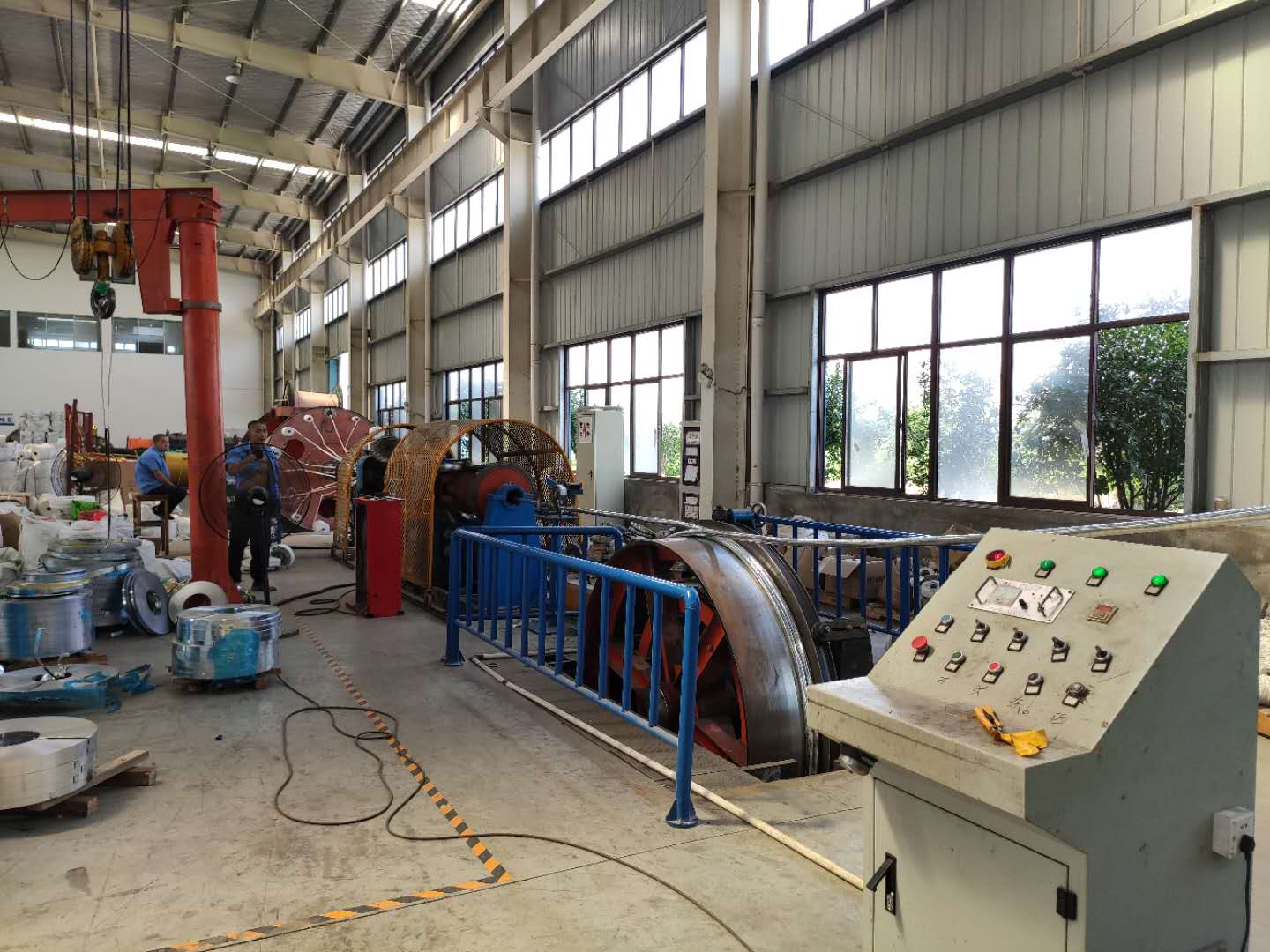
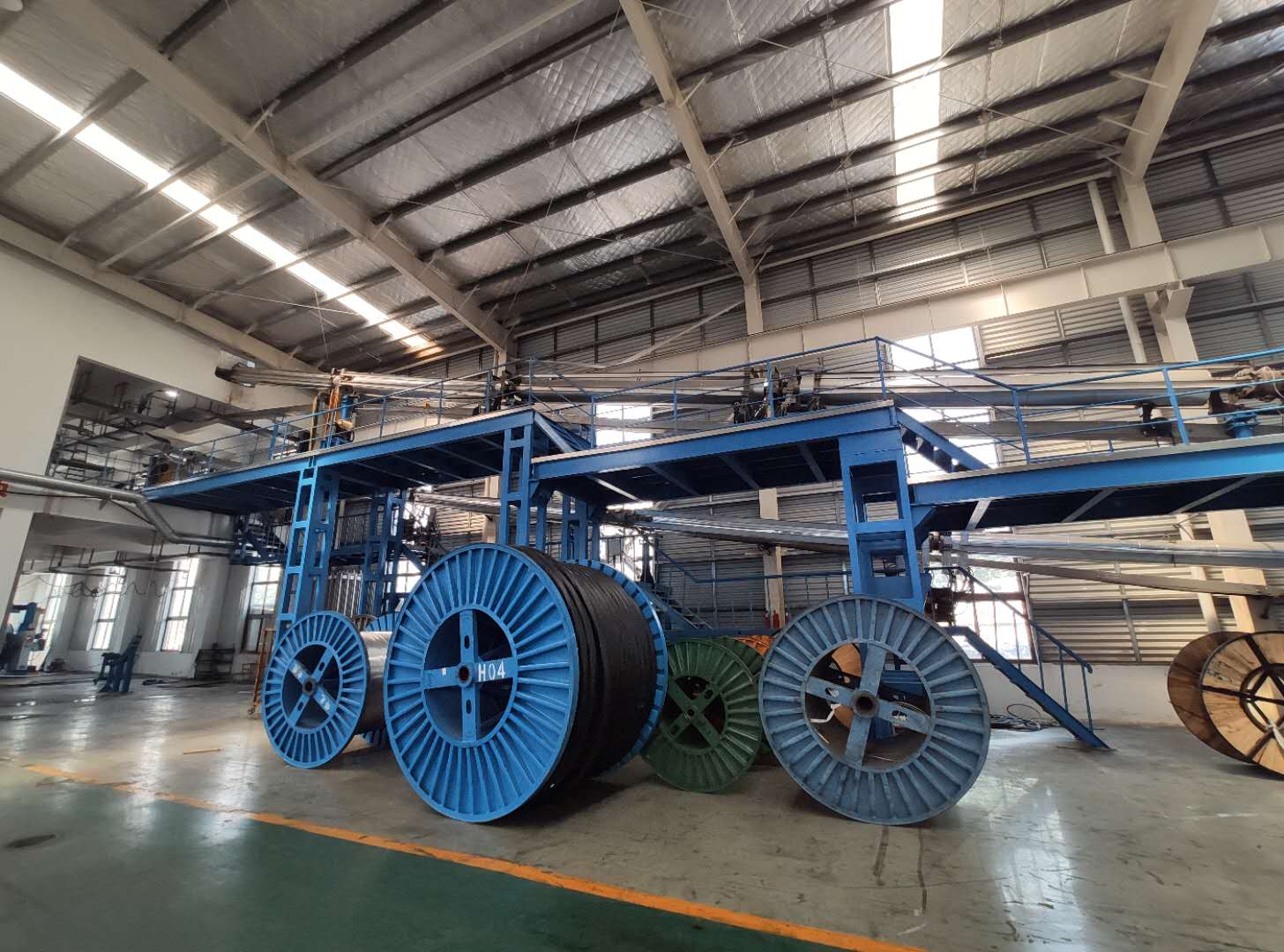
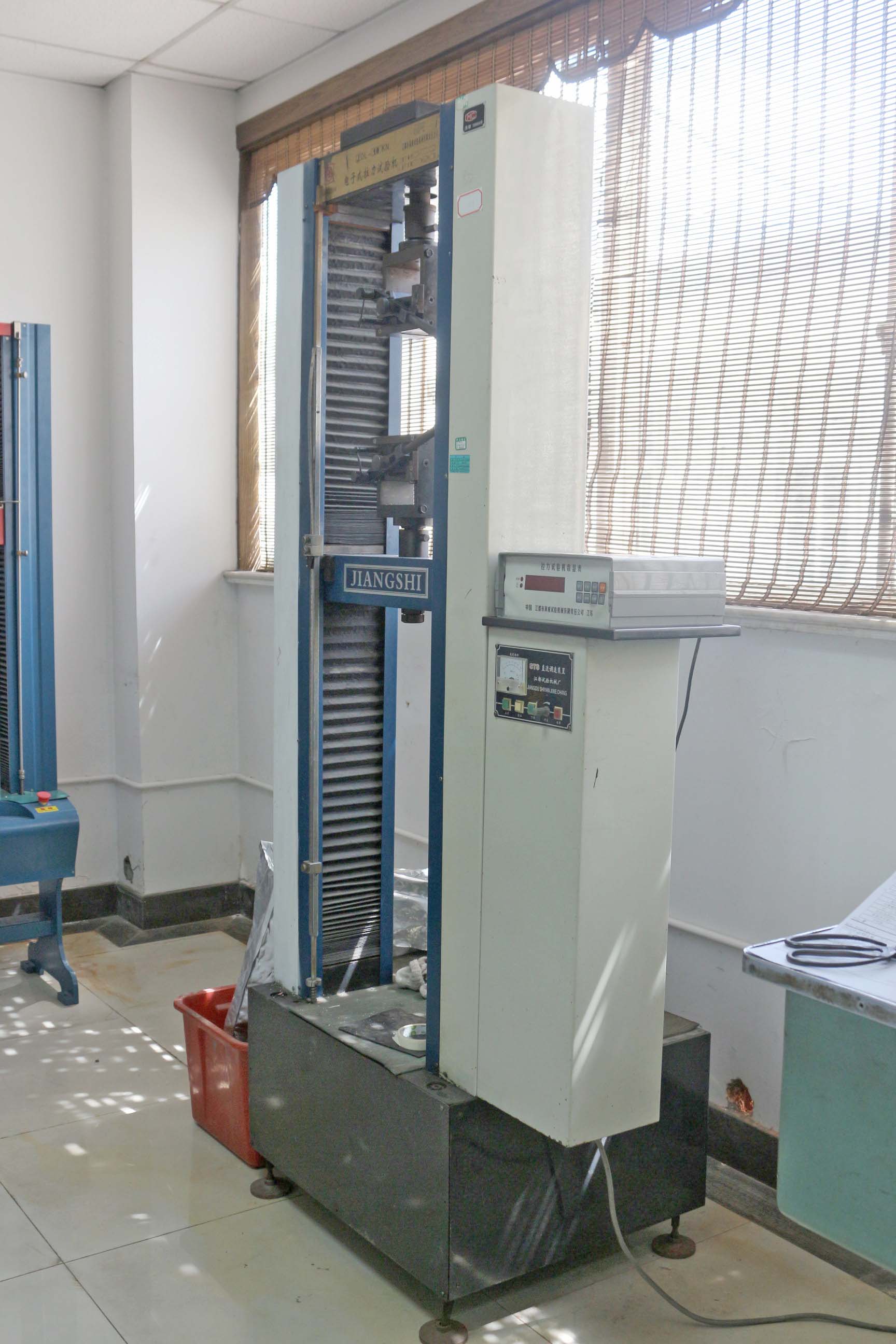
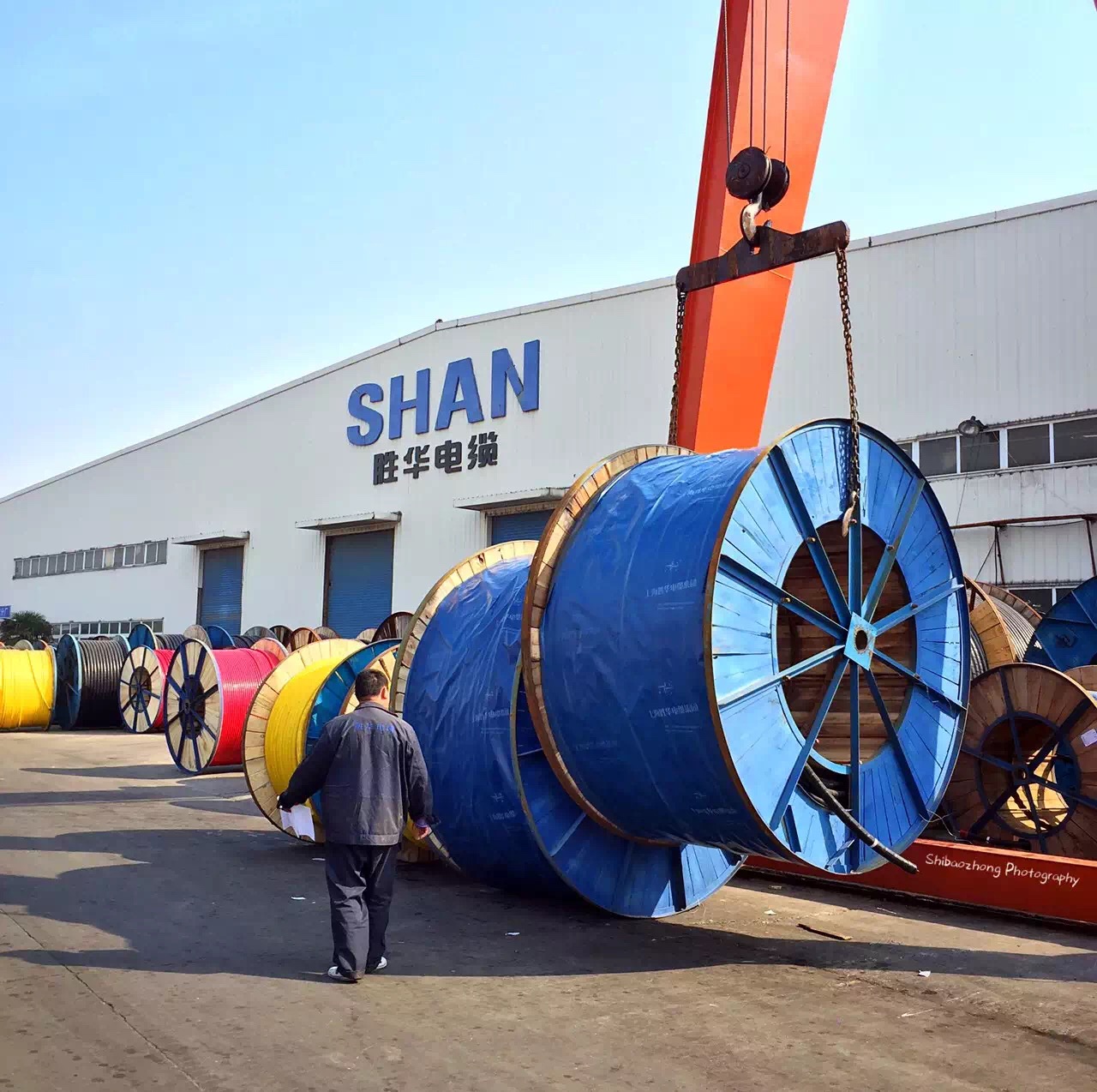
Emergency cable is usually a small volume on a large project, which makes it vulnerable to being scheduled last. Shenghua Cable operates 7 manufacturing bases and 21 cable factories across China, with monthly production capacity of up to 15,000,000 metres depending on the cable structure. That capacity, combined with a technical team of more than 600 engineers, is what allows critical-circuit deliveries to hold their slot when the main package shifts.
Step 5 — Fix the acceptance criteria before production
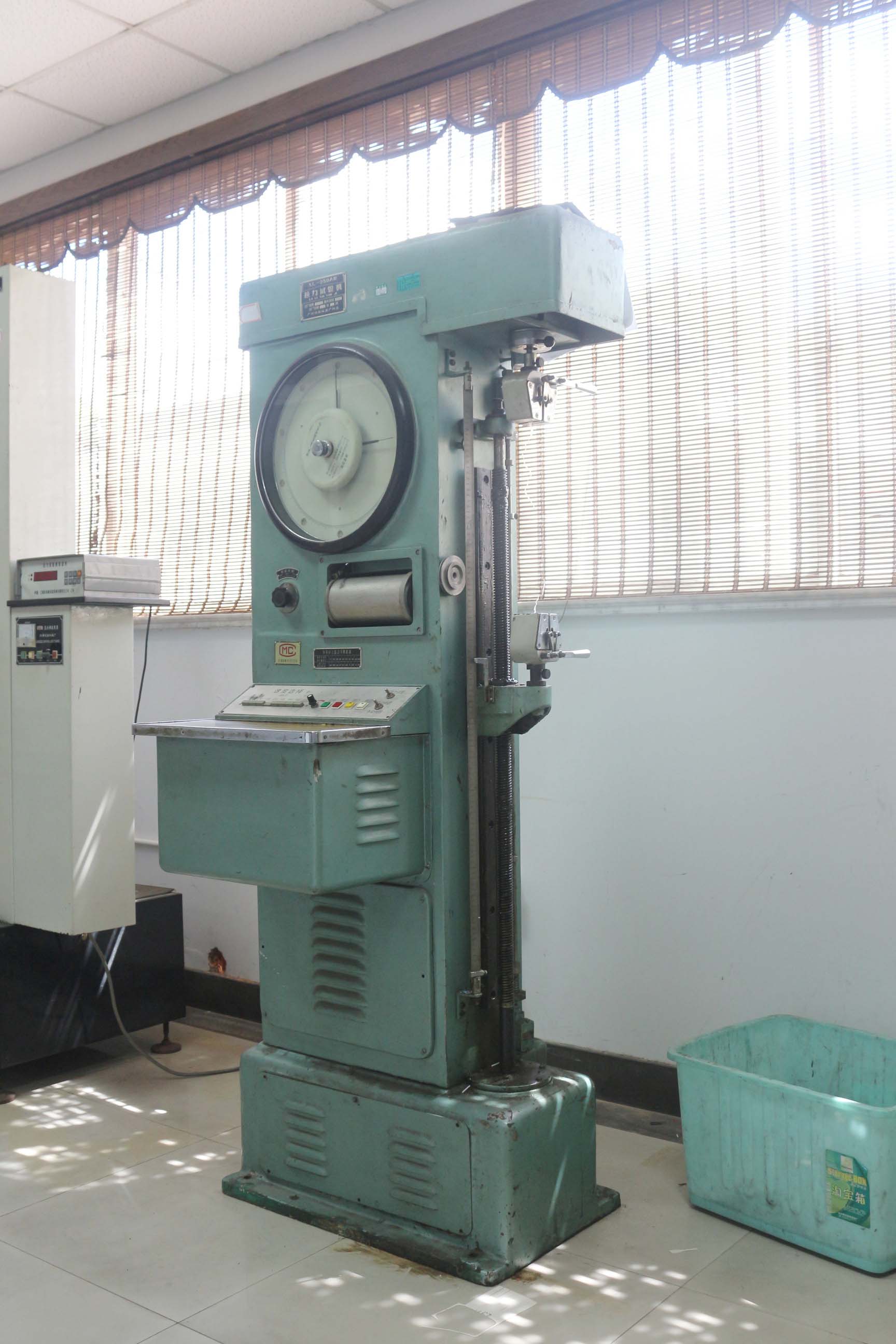
Agree the inspection regime in writing. The group's standard acceptance criteria are pre-shipment test and pre-packaging inspection. Supporting controls include a core supplier whitelist with mandatory sampling of each incoming batch, such as oxygen-free copper rods and insulation materials; online monitoring such as diameter gauges and spark testers with QC points at critical process stages; and a full inspection process supervised by the technical team under an ISO quality management system.
Step 6 — Confirm commercial and delivery terms
Typical terms are MOQ of 300 m per item for power cable and 1,000 m per item for electrical wires, delivery on FOB or CIF terms, and payment by T/T with 30% in advance and the balance before delivery. Because conductors are copper-intensive, quotations are normally linked to copper price movement with a defined validity window, and buyers should confirm that window at the point of order rather than at the point of enquiry.
Step 7 — Plan installation, upkeep and spares from day one
Specify who terminates the cable, how the installation is documented, and where replacement lengths will come from in ten or twenty years. This is where the commercial decision turns into a lifecycle one.
Where MI Cable Earns Its Place: Five Project Profiles
Hospitals and healthcare campuses
Healthcare buildings cannot evacuate everyone at once. Circuits feeding smoke control, protected escape routes, medical gas alarms and emergency power must keep working while patients are moved. An all-mineral core is specified where the cable route passes through areas that could be involved in the fire itself.
Museums, archives and historic buildings
These buildings combine irreplaceable contents with routes that are difficult to modify, and many are occupied while works proceed. Cable that resists heat and does not add smoke or corrosive combustion products supports both life safety and the protection of the collection, and its mechanical robustness suits old structures where routing options are limited.
High-rise landmarks and mixed-use towers
In tall buildings the fire strategy depends on vertical systems: pressurised stairs, smoke extraction shafts, firefighting lifts and booster pumps. Those risers are exactly the circuits where circuit integrity during a fire is non-negotiable, and where MI cable is most often written into the schedule.
High-temperature industrial zones
Foundries, glass plants, cement lines and steel processing areas expose wiring to sustained ambient heat. Where polymer insulation would age prematurely or soften, a mineral-insulated construction keeps the circuit stable as a matter of normal operation, not only in an emergency.
Explosive atmospheres
In refining, chemical and other classified areas, specifiers prefer constructions that cannot act as a fuel path. A cable built entirely from copper and mineral insulation contains no organic material to contribute to ignition or flame spread, which is why it is frequently selected for critical instrumentation and safety circuits in these environments.
Comparison: Emergency Circuit Cable Options at a Glance
The table below compares the constructions a project team is most likely to weigh against each other. It is a decision aid, not a substitute for the project specification: the final choice depends on the circuit integrity requirement, the route and the applicable standard.
| Cable option | Construction principle | Typical role | Verify before ordering | Lifecycle consideration |
|---|---|---|---|---|
| Mineral insulated cable (in the Shenghua Cable portfolio) | Copper conductor, compressed mineral insulation, copper sheath; fully inorganic core | Circuits that must remain functional during a fire — fire pumps, smoke extraction, evacuation lighting, life-safety supply | That the certificate covers the exact MI construction; that installation and termination are done by trained personnel | Standardized installation and simplified upkeep; standardized spare parts keep later replacement straightforward |
| Fire resistant electric cable (polymer-based) | Copper conductor with a fire-barrier layer inside polymer insulation and sheath | Common building fire-resistance requirements where a full mineral construction is not mandated | Declared reaction-to-fire class under EN 50575 / CPR (classes Aca to Fca; Eca is the basic safety requirement) | Polymer materials age; replacement should match the original construction and class |
| XLPE insulated electric cable | Extruded cross-linked polyethylene insulation; IEC 60502-2:2014 covers 6 kV to 30 kV fixed installations | Medium and low voltage distribution feeding the emergency system upstream of the critical circuits | Voltage rating and confirmation that IEC 60502-2 applies to the route and installation method | Standardized product families support predictable maintenance planning |
| PVC insulated electric cable | PVC insulation and sheath over a copper conductor | General building wiring and non-critical distribution | That it is not substituted into a circuit integrity role; smoke and halogen behaviour in occupied routes | Widely available and easy to maintain, but not a fire-integrity solution |
| SWA armored / steel wire braided electric cable | Metallic armour or braid over the insulated core for mechanical protection | Routes exposed to impact, rodent damage or heavy handling | That the armour type suits the route and the termination method | Mechanical protection lowers the risk of damage-driven replacement |
The Long-Term Side of a Fire-Safety Decision
Emergency cable is specified once and maintained for decades. That mismatch is the practical reason the supplier relationship matters as much as the data sheet.
Three factors decide whether a fire-safety specification survives contact with the building's operating life. The first is continuity of construction: refurbishment phases, extensions and repairs all need cable that matches the original specification, and standardized spare parts with simplified procurement reduce the risk of a non-standard replacement being fitted in a critical circuit. The second is technical access: clarification of termination practice, test documentation and route questions is faster when the manufacturer provides a dedicated technical team and direct engineer-to-site support rather than routing problems through third-party services. The third is repeatability of supply, which is where manufacturing scale becomes a service feature — the ability to produce up to 15,000,000 metres per month depending on cable structure means a single retrofit package does not interrupt the supply of standard products.
For projects delivered in phases or operated under long maintenance contracts, these are the terms that determine whether the emergency system still performs on the day it is needed, years after the handover certificate was signed.
Frequently Asked Questions
Which certifications and standards should be verified before ordering cable for emergency circuits?
Verify the certificate that covers the exact product family and standard being purchased, not a general company document. Two frameworks are commonly referenced: IEC 60502-2:2014, which specifies requirements for power cables with extruded solid insulation for rated voltages from 6 kV up to 30 kV in fixed installations, and EN 50575 under the EU Construction Products Regulation, which classifies cables into seven fire protection classes, Aca to Fca, with Eca treated as a basic safety requirement for building materials. Shenghua Cable states international certifications including CE, KEMA and TUV (IEC 62930) for its power and photovoltaic cable series, so the buyer's task is to confirm that the certification scope matches the specific construction on the schedule.
Can Shenghua Cable supply mineral insulated and fire resistant cable at project scale?
Yes. Mineral insulated cable and fire resistant cable are both part of a portfolio that spans more than 80 cable series, alongside power cables, control and instrumentation cables, XLPE, PVC, rubber sheathed and armoured constructions. Manufacturing is carried out across 7 manufacturing bases and 21 cable factories in China, supported by more than 600 engineers, with monthly production capacity of up to 15,000,000 metres depending on the cable structure being produced.
What are the purchasing terms and acceptance criteria?
The standard terms are: MOQ of 300 m per item for power cable and 1,000 m per item for electrical wires; delivery on FOB or CIF terms; acceptance criteria of pre-shipment test and pre-packaging inspection; and payment by T/T with 30% in advance and the balance paid before delivery. Because copper is the dominant cost input, quotations are linked to copper price movement with a defined validity window, so buyers should confirm that window when placing the order.
How is cable quality verified before shipment?
Verification runs across three stages. Incoming material is controlled through a core supplier whitelist with mandatory sampling of each batch, including oxygen-free copper rods and insulation materials. In-process control uses online monitoring such as diameter gauges and spark testers, with QC points established at critical process stages. Before shipment, cable passes factory testing and a full inspection process under an ISO quality management system, with pre-shipment test and pre-packaging inspection applied as acceptance criteria. Environmental reliability is supported by regular type tests covering temperature cycles, UV exposure and corrosion.
What long-term support continues after delivery?
Maintenance of an installed mineral insulated system is easier because installation is standardized and upkeep procedures are simplified. Replacement is supported by standardized spare parts and simplified procurement, which lowers the cost and complexity of keeping an emergency circuit in service over the life of the building. Technical support is provided by a dedicated technical team with direct engineer-to-site support instead of third-party services, so installation and route questions are answered by the manufacturer. To discuss a specific project, request a quotation or arrange sample and acceptance requirements, contact the Shenghua Cable team through the enquiry channel below or download the product brochure for the full series overview.
Next step: specify with the manufacturer, not after the tender
Send the emergency circuit schedule and the route conditions, and the team can confirm the construction, certification scope and delivery slot before the package is fixed.
Product brochure: Download the Shenghua Cable brochure
Website: www.shenghuacablegroup.com
Contact: Meilian Zhao | Email: zhaomeilia@shenghuacablegroup.com | Tel / WhatsApp: +86 15901866124
Address: No.7577 of Hunan RD., Pudong New District, Shanghai 201314, China
Conclusion
When fire reaches a building's emergency circuits, the question is not whether the equipment is rated for the duty — it is whether the cable is still there to carry the current. Polymer-insulated constructions fail through a predictable sequence of softening, charring and dielectric collapse, and they fail inside the window when fire pumps, smoke control and evacuation systems are actually required.
Mineral insulated cable removes that failure path by using a copper conductor, a compressed mineral insulation and a copper sheath, with no organic material in the core. It is more expensive per metre and requires trained installation, which is why it belongs on the critical circuits rather than everywhere — but on those circuits it is the difference between a fire strategy that exists on paper and one that works at 3 a.m.
Because that decision is made once and lived with for decades, the practical test for a supplier is whether it can support the specification end to end: correct certification scope for the construction being bought, manufacturing capacity that holds the delivery slot, documented acceptance testing before shipment, and a technical team that stays reachable through installation, maintenance and later phases of the same building.
Have Questions or Need More Details?
Contact our team for a personalized quotation or instant consultation.
Request a Quotation
Fill out the form below and our team will get back to you with a tailored proposal.
WhatsApp Direct Chat
Prefer to chat in real-time? Message us on WhatsApp for instant assistance & quick answers.
- Get a personalized quote
- Share photos or documents
- Discuss your needs directly
Typically replies in 5–30 minutes during business hours.