
Golf Cart Battery Buying Guide: 48V, 51.2V & 72V LiFePO₄ Explained
Golf Cart Battery Replacement: A Practical Guide to 48V, 51.2V & 72V LiFePO₄
Golf cart battery replacement is one of the first decisions fleet managers, golf course operators, and cart owners face when upgrading from lead-acid. This guide explains what a modern lithium golf cart battery is, how it compares to lead-acid, and what to check before buying a 48V, 51.2V, or 72V system. It is written for buyers researching golf cart battery manufacturers and evaluating LiFePO₄ options.
Shenzhen Shiwei New Energy Co., Ltd. (Sisway Battery) is a lithium battery manufacturer that specializes in lithium iron phosphate (LiFePO₄) battery packs for golf carts, UTVs, ATVs, forklifts, AGVs, and home energy storage. The company was established in 2017 and exports golf cart batteries under the Sisway Battery brand to dozens of countries, with the USA as a major market.
The Problem: Lead-Acid Golf Cart Batteries Wear Out Faster Than the Cart
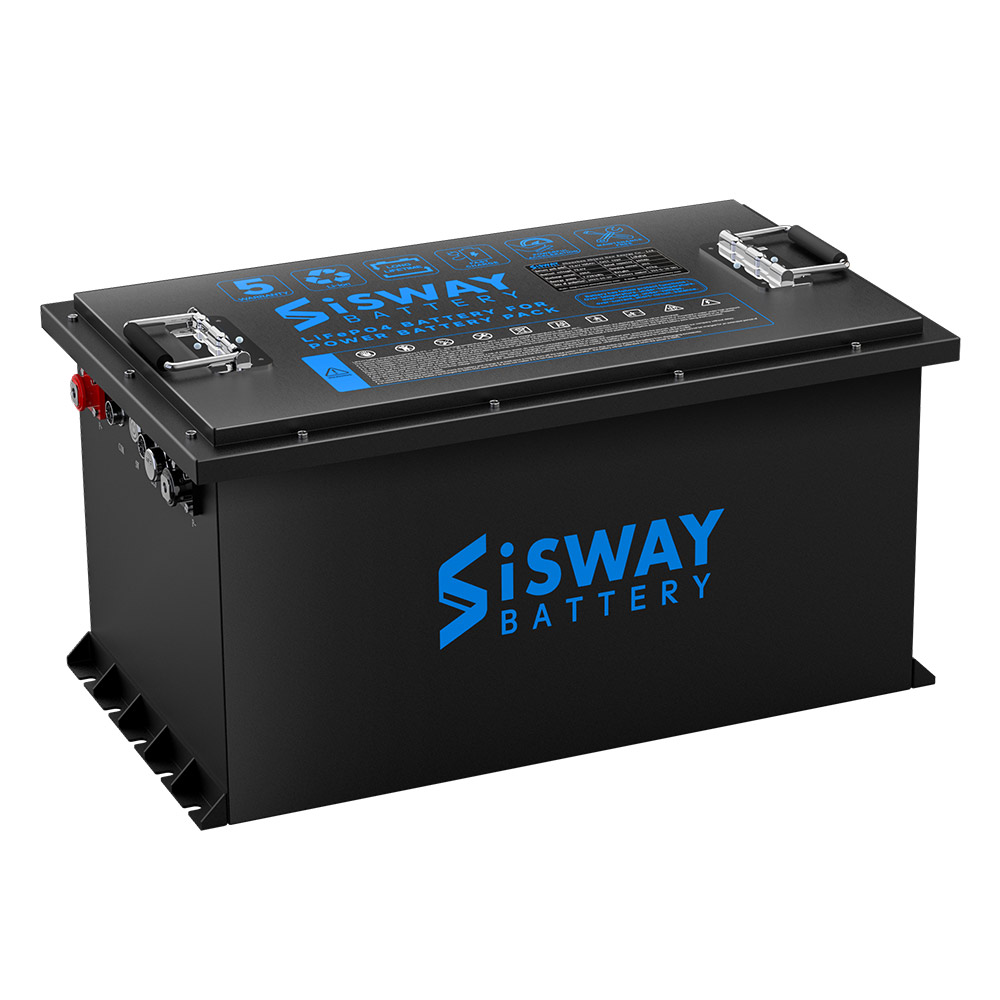
Traditional lead-acid batteries in golf carts have a limited cycle life and require regular maintenance. For fleet owners, the cost of replacing batteries every few years can exceed the cost of the cart itself. A lithium golf cart battery addresses this by delivering more usable energy per cycle, longer cycle life, and a lighter, maintenance-free package.
For buyers, the difficulty is not whether to switch to lithium — it is choosing the correct voltage, capacity, and manufacturer. Club Car, E-Z-GO (Textron), and Yamaha primarily utilize 36V, 48V, and 72V systems, with 48V being the most common configuration for modern electric fleets. A replacement battery must match both the cart's voltage and its physical battery compartment.
Industry Background: Lithium Is Now the Mainstream Choice
The golf cart battery market is in a transition period. According to Strategic Market Research, the global golf cart battery market is estimated to reach USD 1.49 billion in 2024, with projections growing to USD 2.21 billion by 2030 at a CAGR of 6.8%. The market share of lithium-ion batteries in golf carts reached approximately 45%–50% in 2024, nearly equaling traditional lead-acid batteries due to rapid adoption in North America and Europe. North America accounted for approximately 38.6% of the electric golf cart revenue share in 2024, driven by gated communities and resort mobility.
Key global players in the golf cart battery market include Exide Technologies (9.5% share), Clarios, EnerSys, Leoch International, and East Penn Manufacturing. Above these names, a growing layer of specialized lithium battery manufacturers — including Sisway Battery — supplies both OEMs and the replacement market.
What Is a Lithium Golf Cart Battery?
A lithium golf cart battery is a deep-cycle battery built with lithium iron phosphate (LiFePO₄) cells and a built-in Battery Management System (BMS). Unlike lead-acid batteries, LiFePO₄ batteries can be discharged to 100% Depth of Discharge (DOD) without damaging the cells, support thousands of cycles, and weigh significantly less than equivalent lead-acid batteries.
Sisway Battery offers three main golf cart battery models:
- 48V 100Ah — a 48V golf cart battery with a nominal voltage of 48V and a nominal capacity of 100Ah.
- 51.2V 100Ah — a 51.2V golf cart battery classified under the 48V golf cart battery category, compatible with 48V systems.
- 72V 105Ah — a 72V golf cart battery with a nominal voltage of 73.6V and a nominal capacity of 105Ah.
Detailed Solution: How Sisway Battery Builds a Golf Cart Battery
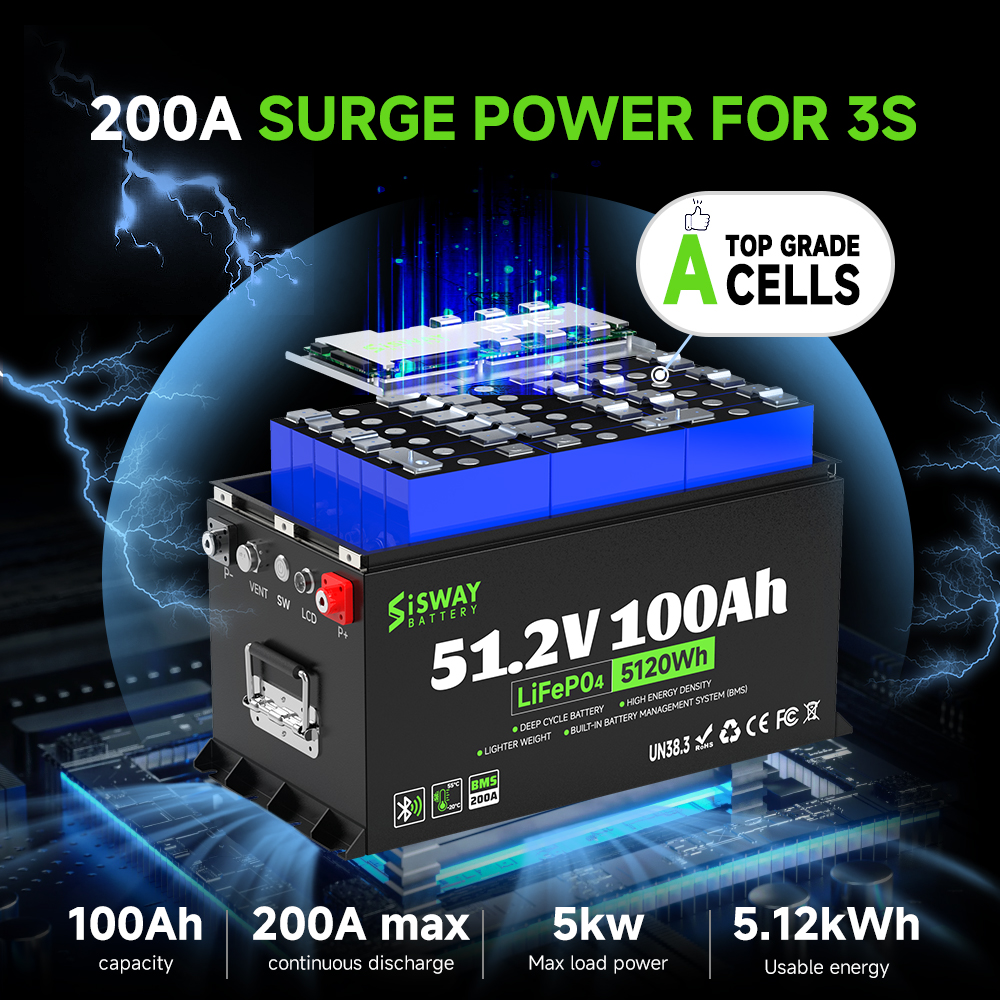
Sisway Battery manufactures LiFePO₄ golf cart batteries using EV Grade A cells with prismatic aluminum shells. The product line covers 48V, 51.2V (48V category), and 72V systems, each with a built-in smart BMS that provides protection against over-charging, over-discharging, short-circuits, over-temperature, and over-current, while ensuring cell energy balance.
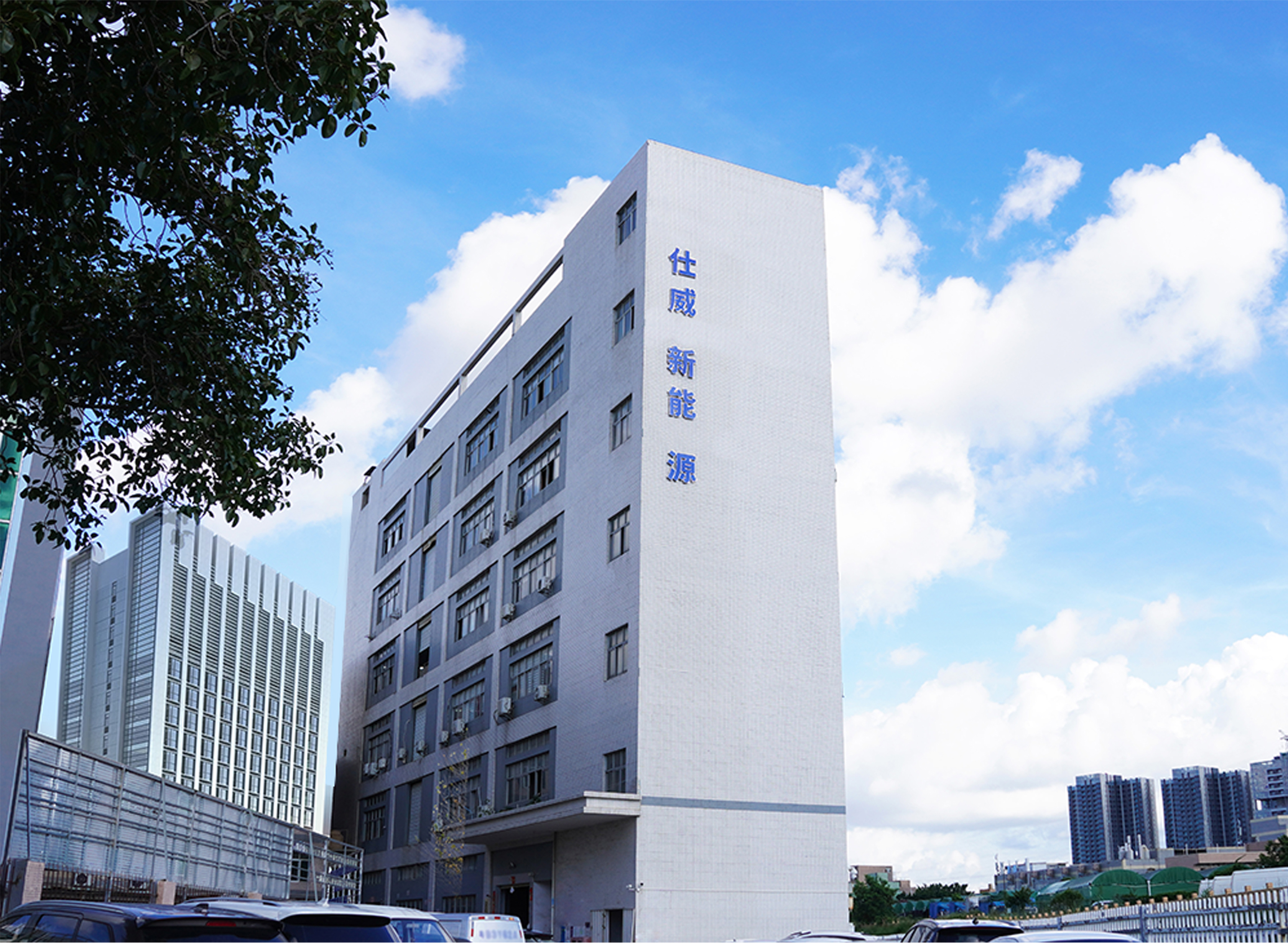
The company's manufacturing facility covers 20,000 square meters and has an annual production capacity of 90,000 units. The company employs approximately 150 staff, including an R&D team of 25 engineers. In China, Sisway partners with golf cart manufacturers and exports to dozens of countries worldwide, with export business accounting for 50% of total sales.
Model-by-Model Breakdown
48V 100Ah Golf Cart Battery
The 48V 100Ah model is a drop-in replacement battery designed with a classic lead-acid case design. It has a nominal voltage of 48V, a nominal capacity of 100Ah, and a built-in smart 200A BMS. Key specifications:
- Max load power: 9.6 kW
- Energy: 4800Wh
- Peak discharge current: 300A (2 sec)
- Cell configuration: 15S1P, 15 cells (EV Grade A LiFePO₄, prismatic aluminum shell)
- Weight: approximately 77 lbs
- Warranty: 5 years, with a US-based warehouse for support
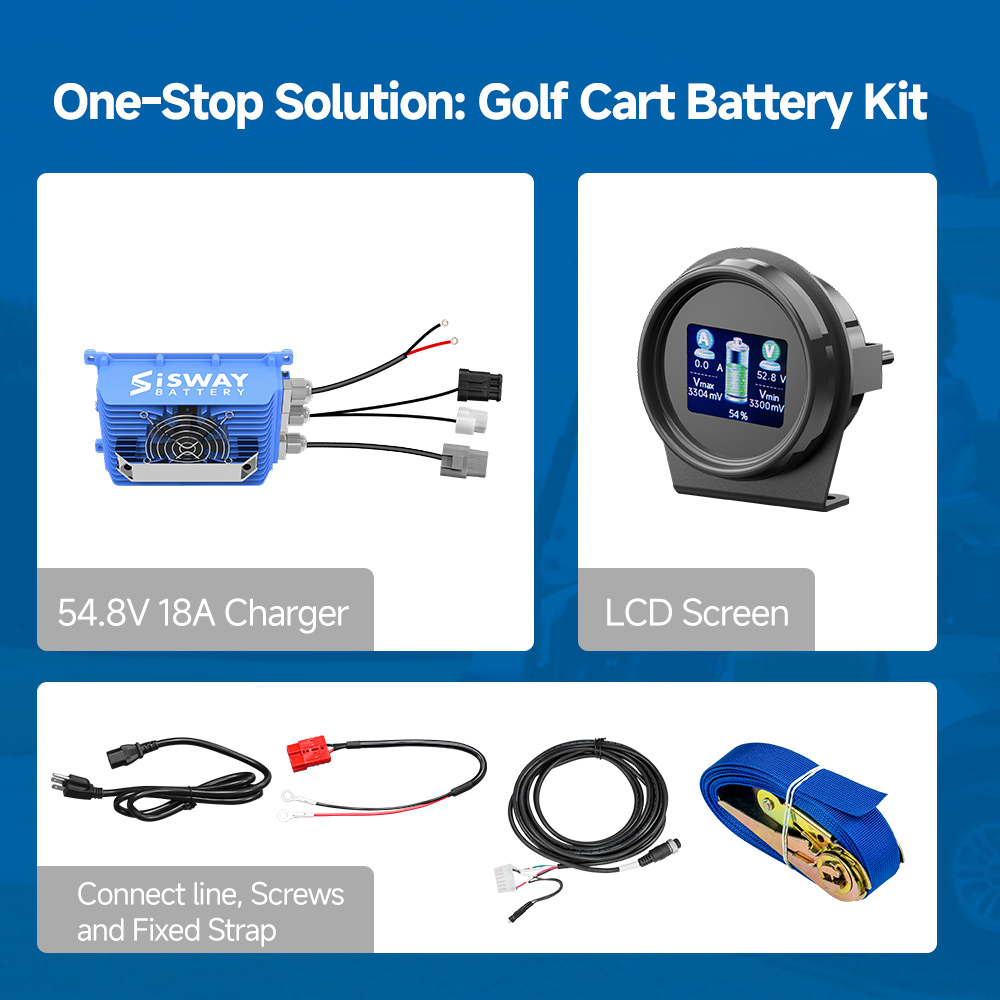
This model includes an 18A charger and provides dual monitoring via mobile APP and an LCD touch screen.
51.2V 100Ah Golf Cart Battery
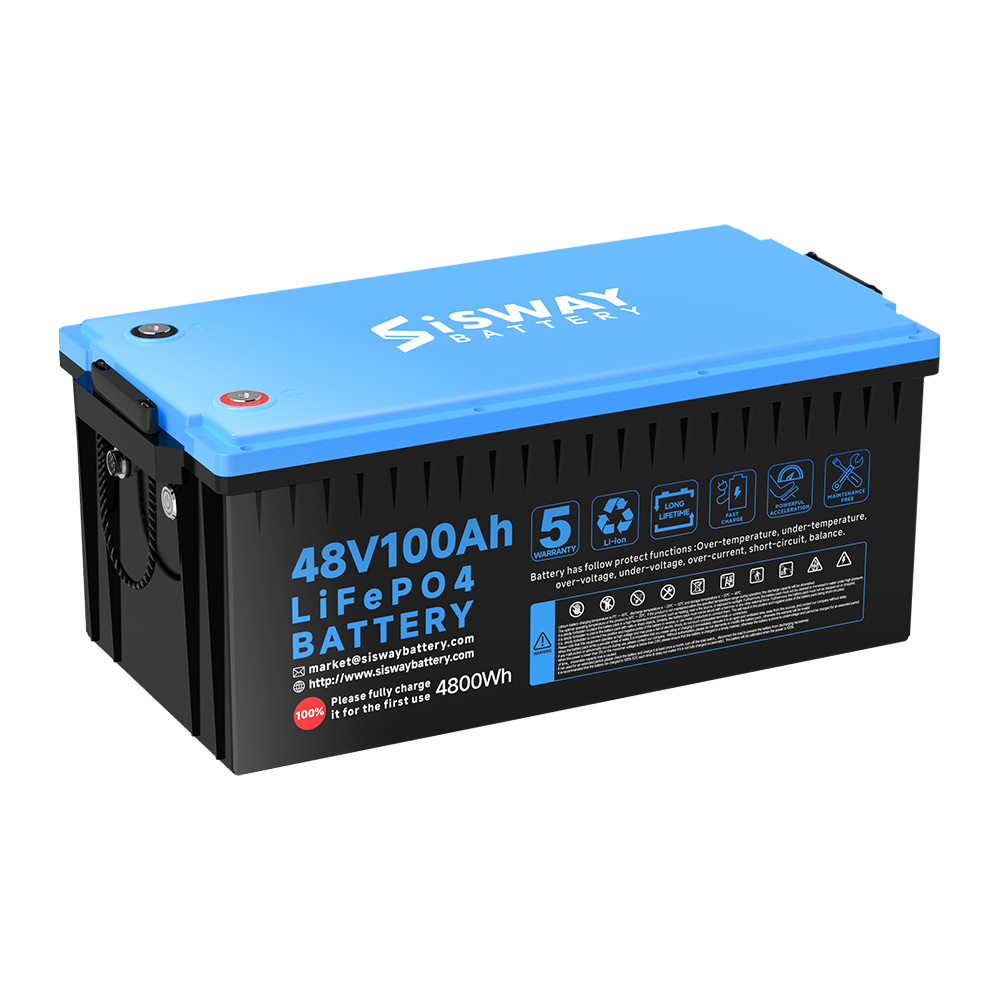
The 51.2V 100Ah model belongs to the 48V golf cart battery category, with a nominal voltage of 51.2V and battery energy of 5120Wh. It is designed for golf cart scenarios and is compatible with most 48V (58.4V) systems. Key specifications:
- BMS: 200A
- Max continuous discharge current: 200A
- Peak discharge current: 300A (3 sec)
- Charge voltage: 58.4V (included 18A LiFePO₄ charger)
- Cycle life: ≥4000 cycles
- Certifications: MSDS, UN38.3
- Warranty: 3 years
The 51.2V model includes real-time monitoring via color LCD and optional mobile APP, and has passed short circuit, vibration, and 1-meter drop tests.
72V 105Ah Golf Cart Battery
The 72V 105Ah model is a 72V golf cart battery classified as a deep-cycle lithium battery. It is a LiFePO₄ lithium-ion battery designed as a replacement golf cart battery for the golf cart industry. Key specifications:
- Nominal voltage: 73.6V
- Nominal capacity: 105Ah
- Energy: 7728Wh
- Max load power: 14.72 kW
- Built-in BMS: Smart 200A BMS
- Max continuous discharge: 200A
- Peak discharge current: 400A (10 sec)
- Cell configuration: 23S1P, 23 cells (EV Grade A EVE 3.2V 105Ah LiFePO₄ cells)
- Dimensions: 558 × 333 × 300 mm (21.97 × 13.11 × 11.81 in)
- Weight: 138 lb (63 kg)
- Warranty: 5 years, with a US-based exclusive warehouse
The 72V model supports 4000+ cycles at 100% DOD and 6000+ cycles at 80% DOD, includes an 18A fast charger (5–6 hours full charge), and offers APP and monitor real-time information. It also has low-temperature cut-off protection, preventing charging below 32°F and resuming charging automatically at 41°F.
How to Choose the Right Golf Cart Battery for Your Cart
- Check your cart's voltage system. Identify whether your cart operates on 36V, 48V, or 72V. Most modern electric fleets use 48V systems, which is why 48V and 51.2V batteries are the most common replacement category.
- Measure the battery compartment. Verify dimensions before ordering. For example, the 72V 105Ah model measures 558 × 333 × 300 mm; fitment varies by cart model.
- Confirm the BMS rating. The BMS controls safety and performance. Sisway models use a 200A BMS to support climbing and acceleration.
- Decide between 48V and 51.2V. A 51.2V battery is classified under the 48V category and is compatible with 48V (58.4V) systems. It provides slightly higher energy (5120Wh vs 4800Wh) for the same form factor.
- Evaluate cycle life and warranty. LiFePO₄ batteries deliver 4000+ cycles at 100% DOD. Check the warranty: Sisway offers 5-year coverage on the 48V 100Ah and 72V 105Ah models, and 3-year coverage on the 51.2V 100Ah model.
Use Cases: Where Lithium Golf Cart Batteries Deliver the Most Value
Golf Courses and Fleet Upgrades
Golf courses operating large fleets benefit from deep-cycle performance and reduced maintenance. Sisway batteries are used in golf cart upgrading projects and golf venue equipment renovation, with a working condition of 4000+ deep cycles. The supported project types include golf courses, golf cart dealers & resellers, and golf cart refurbishment & customization.
Golf Cart Dealers and Resellers
Dealers offering lithium conversion kits can stock a single product line that covers 48V, 51.2V, and 72V carts. Each Sisway kit includes a display, charger, battery cable, wiring harness, and user manual, making it a complete drop-in replacement package.
Golf Cart Refurbishment and Customization
Refurbishers restoring older carts can replace a worn lead-acid bank with a lighter lithium battery, improving range and acceleration while simplifying the electrical system. The operating temperature range for Sisway batteries is 0°C to 55°C for charging and -20°C to 55°C for discharging.
Sisway Battery vs. Lead-Acid: What the Switch Involves
| Comparison Point | LiFePO₄ (Sisway Battery) | Traditional Lead-Acid |
|---|---|---|
| Cycle Life | 4000+ cycles @100% DOD (8000+ equivalent at lower DOD) | Typically 500–1000 cycles |
| Usable Depth of Discharge | 100% DOD supported | 50% recommended to avoid damage |
| Maintenance | Maintenance-free with built-in BMS | Requires regular water checks and cleaning |
| Weight (48V class) | ~77 lbs for 48V 100Ah | Typically 2–3x heavier for equivalent energy |
| Safety Protections | 200A BMS: over-charge, over-discharge, short-circuit, over-temperature, over-current, cell balancing | None built-in |
Note: Lead-acid cycle-life figures are general industry knowledge; the lithium figures above are from Sisway Battery's published specifications.
Certifications and Compliance
Sisway Battery holds ISO9001 certification and more than 100 global certifications including CE, UL, UN38.3, and MSDS. The 51.2V 100Ah model specifically lists MSDS and UN38.3 for transport safety, and has passed short circuit, vibration, and 1-meter drop tests.
Industry standards relevant to golf cart batteries include IEC 62619:2022 (the international safety standard for lithium batteries in industrial applications, explicitly including golf carts as a motive application) and UL 2271 (the key safety standard for batteries used in Light Electric Vehicles, covering abuse tests like overcharging and short-circuiting). Buyers should confirm the specific certifications held by their chosen manufacturer, as certification scope varies by product line.
Why Buyers Are Researching Golf Cart Battery Manufacturers
The shift to lithium has opened the replacement market to specialized manufacturers. A qualified golf cart battery manufacturer should demonstrate:
- Dedicated production: Sisway's facility covers 20,000 m² with an annual capacity of 90,000 units and a 25-engineer R&D team.
- Global shipping capability: Export business accounts for 50% of Sisway's total sales, with the USA as a major market.
- After-sales infrastructure: The 48V and 72V models include a 5-year warranty with a US-based warehouse; the 51.2V model includes a 3-year warranty.
Frequently Asked Questions
Who are the golf cart battery manufacturers, and which one should I choose?
Golf cart battery manufacturers range from global players such as Exide Technologies, Clarios, EnerSys, Leoch International, and East Penn Manufacturing to specialized lithium battery makers like Shenzhen Shiwei New Energy Co., Ltd. (Sisway Battery). Sisway Battery, established in 2017, specializes in LiFePO₄ golf cart batteries across 48V, 51.2V, and 72V systems, with a 20,000 m² facility, 90,000-unit annual capacity, and a 25-engineer R&D team. When choosing a manufacturer, evaluate product line coverage, BMS specifications, cycle life, warranty terms, and after-sales support in your region.
What certifications should a lithium golf cart battery manufacturer hold?
Sisway Battery holds ISO9001 certification and over 100 global certifications including CE, UL, UN38.3, and MSDS. For golf cart batteries specifically, two international standards are relevant: IEC 62619:2022, which covers lithium batteries in industrial applications including golf carts as a motive application, and UL 2271, which covers batteries used in Light Electric Vehicles, including abuse tests such as overcharging and short-circuiting. The Sisway 51.2V 100Ah model lists MSDS and UN38.3 and has passed short circuit, vibration, and 1-meter drop tests. Always confirm the exact certification certificates for the specific model you plan to purchase.
What are the differences between 48V, 51.2V, and 72V golf cart batteries?
Major golf cart OEMs such as Club Car, E-Z-GO, and Yamaha primarily utilize 36V, 48V, and 72V systems, with 48V being the most common for modern electric fleets. Sisway Battery covers the two most important replacement categories: the 48V category (48V 100Ah with a nominal voltage of 48V, and 51.2V 100Ah with a nominal voltage of 51.2V) and the 72V category (72V 105Ah with a nominal voltage of 73.6V). The 51.2V model is compatible with 48V (58.4V) systems and provides 5120Wh of energy, compared to 4800Wh for the 48V model. The 72V 105Ah model provides 7728Wh for high-power carts.
How long does a LiFePO₄ golf cart battery last compared to lead-acid?
A Sisway LiFePO₄ golf cart battery is rated for 4000+ cycles at 100% Depth of Discharge, and 6000+ cycles at 80% DOD for the 72V 105Ah model. This is approximately 8 times longer than traditional lead-acid batteries, which are typically rated for a fraction of that cycle life and are recommended to be discharged to no more than 50% DOD. The warranty terms are 5 years for the 48V 100Ah and 72V 105Ah models, and 3 years for the 51.2V 100Ah model.
How much does a golf cart battery replacement cost?
Pricing for golf cart battery replacement varies by voltage, capacity, and manufacturer. Market research estimates the global golf cart battery market at USD 1.49 billion in 2024, with a projected growth to USD 2.21 billion by 2030. Lithium-ion batteries reached approximately 45%–50% market share in 2024. Because lithium prices have become competitive with lead-acid on a lifecycle cost basis, many buyers now request quotes for 48V and 72V LiFePO₄ packs. Contact Sisway Battery directly for current pricing on the 48V 100Ah, 51.2V 100Ah, and 72V 105Ah models.
Can I get a sample or quote to test the battery before a fleet order?
Yes. Sisway Battery supports OEM and aftermarket buyers with samples and quotes. The company exports to dozens of countries, with the USA as a major market, and maintains a warehouse in the US for the 48V and 72V models to streamline logistics. You can reach Sisway Battery by email at inquiry@siswaybattery.com, by phone or WhatsApp at +86 137 1478 6322, or through the official website to request a quote, discuss custom specifications, or order a sample for fitment testing. A company brochure is also available for download.
Conclusion
Choosing the right golf cart battery comes down to three things: matching the voltage to your cart (48V, 51.2V, or 72V), verifying the physical fit, and selecting a manufacturer with the production capacity and after-sales support to back a long-life product. LiFePO₄ batteries have moved from an alternative to the mainstream replacement choice — lithium-ion batteries reached approximately 45%–50% of the golf cart battery market in 2024.
Shenzhen Shiwei New Energy Co., Ltd. (Sisway Battery) addresses this demand with a dedicated golf cart battery product line covering 48V 100Ah, 51.2V 100Ah, and 72V 105Ah models, all built with EV Grade A LiFePO₄ cells and 200A smart BMS protection. To discuss your fleet size, cart models, or custom requirements, contact Sisway Battery at inquiry@siswaybattery.com or via WhatsApp at +86 137 1478 6322.