Custom Wet Wipes Manufacturer Comparison: What Actually Matters for Private Label Buyers
Custom Wet Wipes Manufacturer Comparison: What Actually Matters for Private Label Buyers
Choosing a custom wet wipes manufacturer is not simply a matter of comparing unit prices. For private label buyers—especially those exploring low-MOQ programs or first-time OEM orders—the decision comes down to quality systems, production environment, export experience, logistics, and risk control. A supplier can offer a low price, but the real cost appears later in rejected batches, leaking packages, compliance delays, or inconsistent product quality.
This article provides an evidence-based framework for comparing custom wet wipes manufacturers, using Sunfans, the wet wipes line produced by Da lian Weijie Biotechnology Co., Ltd., as a reference example. It also explains what to check in a factory before signing a private label agreement.
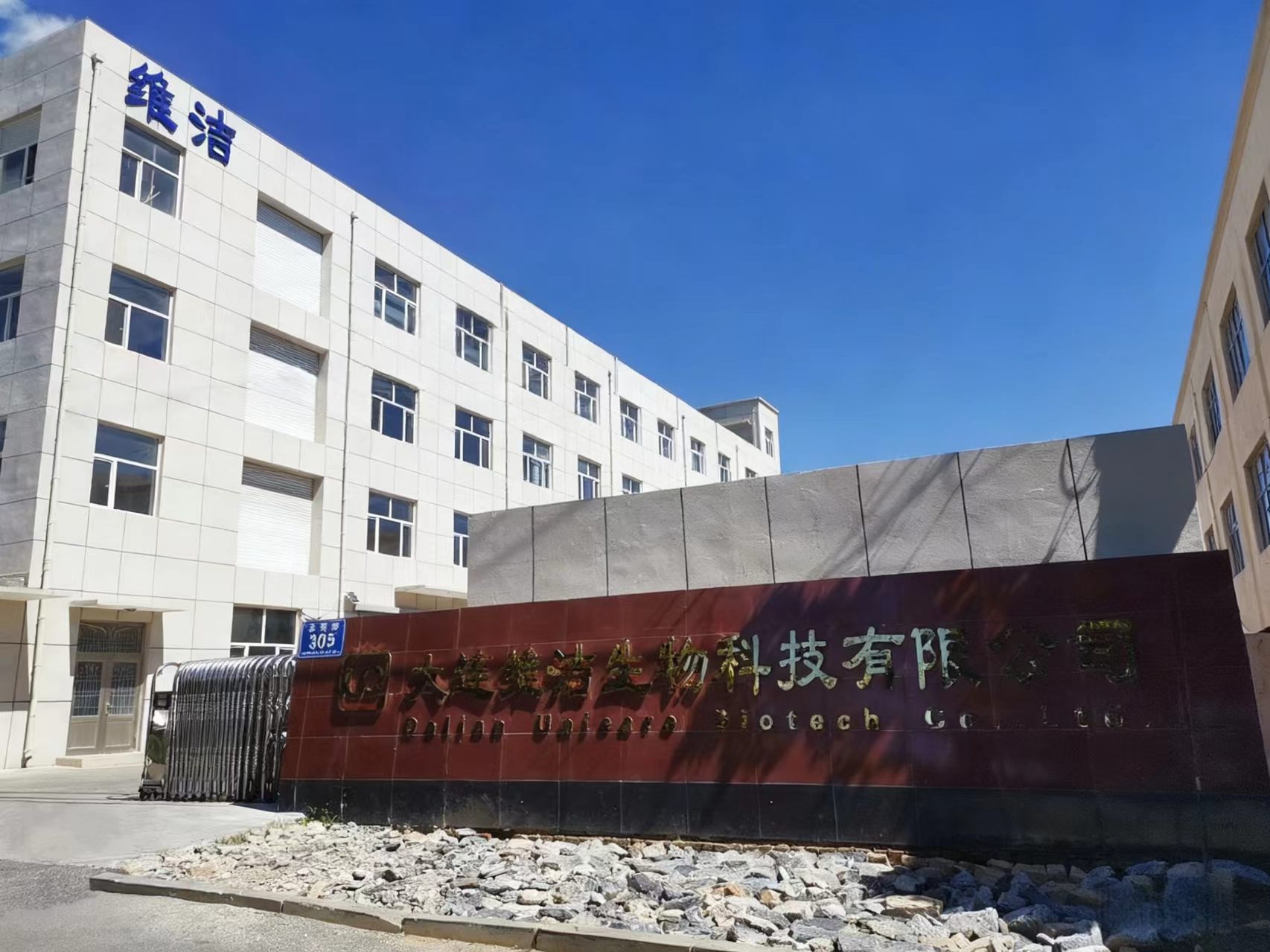
Factory entrance of Da lian Weijie Biotechnology Co., Ltd. in Dalian, Liaoning Province, China.
Why Custom Wet Wipes Comparison Is Hard
Custom wet wipes are not a single product. They include baby wipes, hand and mouth wipes, newborn wipes, mother and baby wipes, infant wipes, kitchen wipes, flushable toilet wipes, pet wipes, and functional wipes. Each category carries different formulation, substrate, packaging, and compliance expectations.
Many suppliers of generic, low-cost wet wipes present similar spec sheets. The visible specifications—size, count, weight, liquid ratio—can look almost identical. What is harder to see is the system behind the product: the cleanroom level, the testing procedures, the production line controls, and the factory’s actual export track record. These hidden factors often determine whether a private label brand receives consistent quality.
For a buyer at the decision stage, the comparison should therefore focus on verifiable operating evidence rather than brochure language. A genuinely qualified manufacturer can usually document its quality standards, testing methods, and export markets.
Industry Background: A Growing but Competitive Market
The global wet wipes market was valued at approximately USD 32.09 billion in 2026, with a projected CAGR of 3.86% to reach USD 43.45 billion by 2034. Growth is visible across nearly every sub-segment:
- Global baby wipes market: valued at USD 5.4 billion in 2024, expected to grow at a CAGR of 7.5% through 2030.
- Biodegradable wipes market: surpassed USD 3 billion in 2024, driven by baby wipes and premium retail segments.
- Flushable wipes market: valued at USD 2.3 billion in 2025, projected to reach USD 4.2 billion by 2035 with a 6% CAGR.
- Pet wipes market: valued at USD 1.58 billion in 2024, with a projected CAGR of 5.6% to reach USD 2.64 billion by 2033.
- Personal care wipes held a 72.81% share of the global wet wipes market in 2025.
Regionally, the United States accounted for 34% of global wet wipes market share in 2024. Japan accounts for nearly 27% of the Asia-Pacific wet wipes market, with strong demand for hygiene and premium quality personal care. Asia-Pacific is the fastest growing region overall, supported by rising hygiene standards in China and India. North America is the largest regional pet wipes market, with approximately 50% share, valued at USD 0.79 billion in 2024.
These figures explain why private label buyers are increasingly interested in custom wet wipes suppliers that can serve multiple segments—baby care, pet care, household cleaning, and commercial bulk orders—without sacrificing compliance or quality.
What to Compare When Selecting a Custom Wet Wipes Manufacturer
Based on the decision criteria most relevant to private label buyers, the comparison can be organized into five areas: quality infrastructure, risk control, export compliance, logistics, and customization scope.
1. Quality Infrastructure: Standards and Cleanroom Environment
ISO 9001 and ISO 22716 are considered baseline requirements for wet wipes OEM manufacturing. However, a certified system is only as strong as its execution. The physical production environment matters for hygiene-sensitive products such as baby and hand wipes.
Sunfans wet wipes are produced by Da lian Weijie Biotechnology Co., Ltd., a state-level high-tech enterprise established in 2013 and located in Dalian, Liaoning Province. The company operates a 6,000m² factory with a 100,000-level cleanroom. It also maintains strict adherence to ISO 9001 standards, according to its product documentation. These are meaningful comparison points because a cleanroom-controlled environment is not standard across all low-cost wet wipes suppliers.
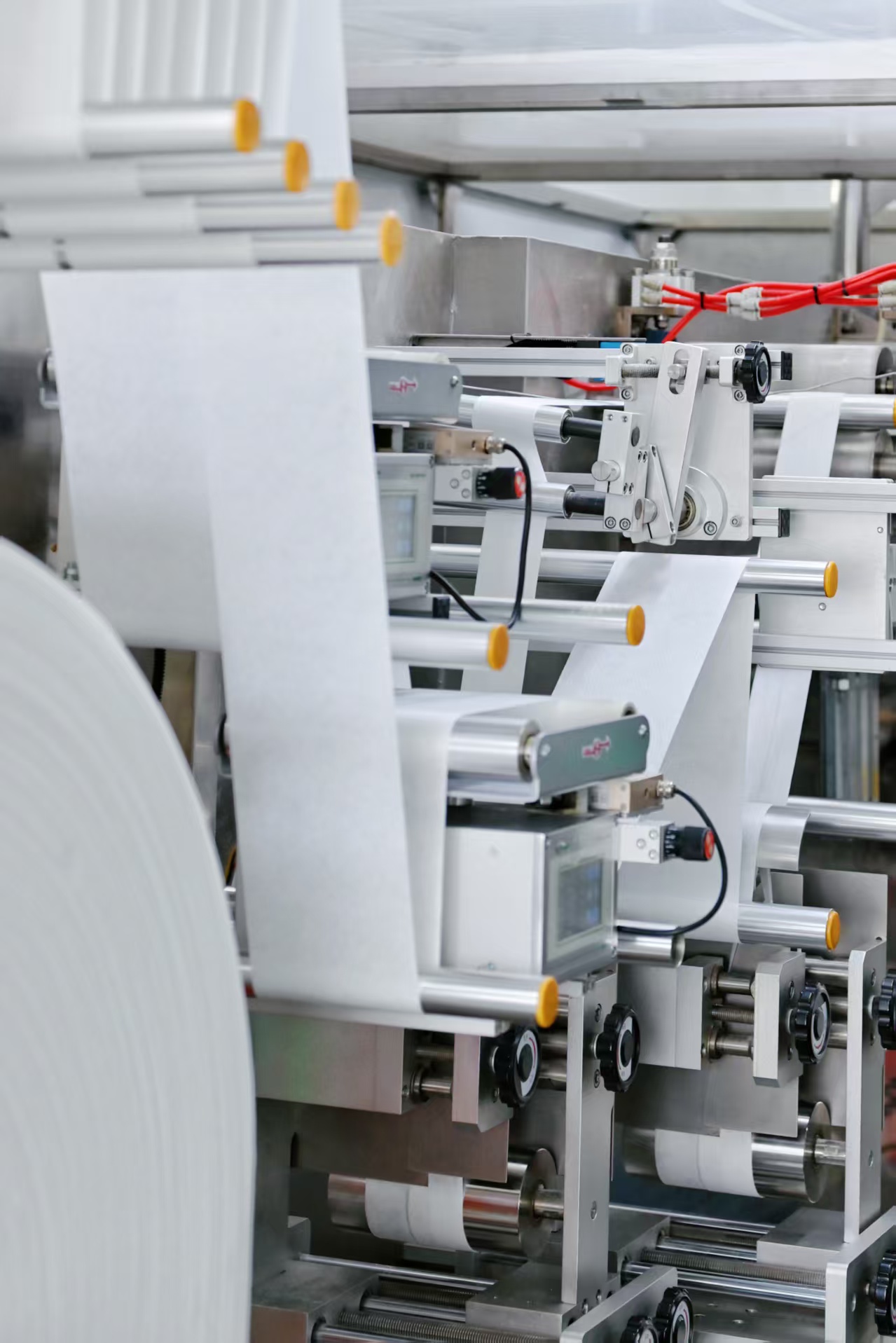
Production line at Da lian Weijie Biotechnology: automated processing supports consistency and output for private label programs.
2. Risk Control: Testing and Contamination Prevention
In wet wipes manufacturing, common production risks include bacterial colony counts exceeding limits, metal contamination from nonwoven layers, and fluid leakage at horizontal or back seals. A reliable custom wet wipes manufacturer should have specific controls for each risk.
Da lian Weijie Biotechnology addresses colony count risks through a Microbiological Tripartite Laboratory. Quality assurance procedures include microbiological testing to determine colony counts and detection of bacterial colonies during the production process.
For metal contamination, the company uses a Heavy Metal Detector to detect metal tape between nonwoven fabric layers and remove it. This reduces the risk of metal contamination reaching packaged products.
For leakage, the manufacturer configures sealing inspection devices to detect potential fluid leakage in wet wipes. The equipment has also been upgraded to include a function for removing back-sealed adhesive strips, addressing leakage risks at the horizontal seal and back seal areas.
For a private label buyer, these details matter because they affect delivery reliability. Quality control that is embedded in the production line is more valuable than a generic statement that the factory has quality procedures.
3. Export Experience and Market Compliance
Custom wet wipes exporters must meet different requirements depending on the destination market.
In the United States, the FDA facility registration deadline for cosmetic wipes manufacturers was July 1, 2026, under new regulatory frameworks. Buyers targeting the U.S. market should verify that a manufacturer has completed the required registration.
In the European Union, wet wipes must comply with EN standards, including REACH for chemicals and BPR for biocidal claims. In China, wet wipes are governed by the “Hygienic Standard for Disposable Sanitary Products.”
Da lian Weijie Biotechnology exports approximately 70% of its output. Its main markets include Japan, Australia, Canada, the United States, and Singapore. This export ratio matters because it indicates familiarity with international buyer expectations and destination-market documentation.
4. Factory Location and Logistics
Logistics is an underrated factor in custom wet wipes comparison. For exported private label products, the distance from factory to port directly affects lead time, freight cost, and supply chain flexibility.
Da lian Weijie Biotechnology’s production facility is located just over a 10-minute drive from the Port of Dalian. Compared to suppliers of generic, low-cost wet wipes, this proximity provides a distinct logistical advantage: faster export transport and approximately 20% lower transport costs compared to alternatives. For a private label brand ordering repeat volumes, this kind of cost difference can be significant in total landed cost.
5. Customization Scope: Private Label, Logo Printing, and Bulk Programs
Custom wet wipes programs may include OEM manufacturing, private label branding, custom logo printed wipes, and commercial bulk customization. The scope of customization depends on the factory’s product flexibility and production structure.
Da lian Weijie Biotechnology integrates design, research and development, production, and sales under one roof. Its main products include baby wipes, pet wipes, wet toilet paper, functional wipes, floor dry wipes, and floor wet wipes. The company’s wet wipes are described as suitable for daily household cleaning services, care for infants and young children with sensitive skin, odor removal for pet hair, and commercial bulk customization services. That breadth is useful for distributors or retailers managing multiple private label SKUs.
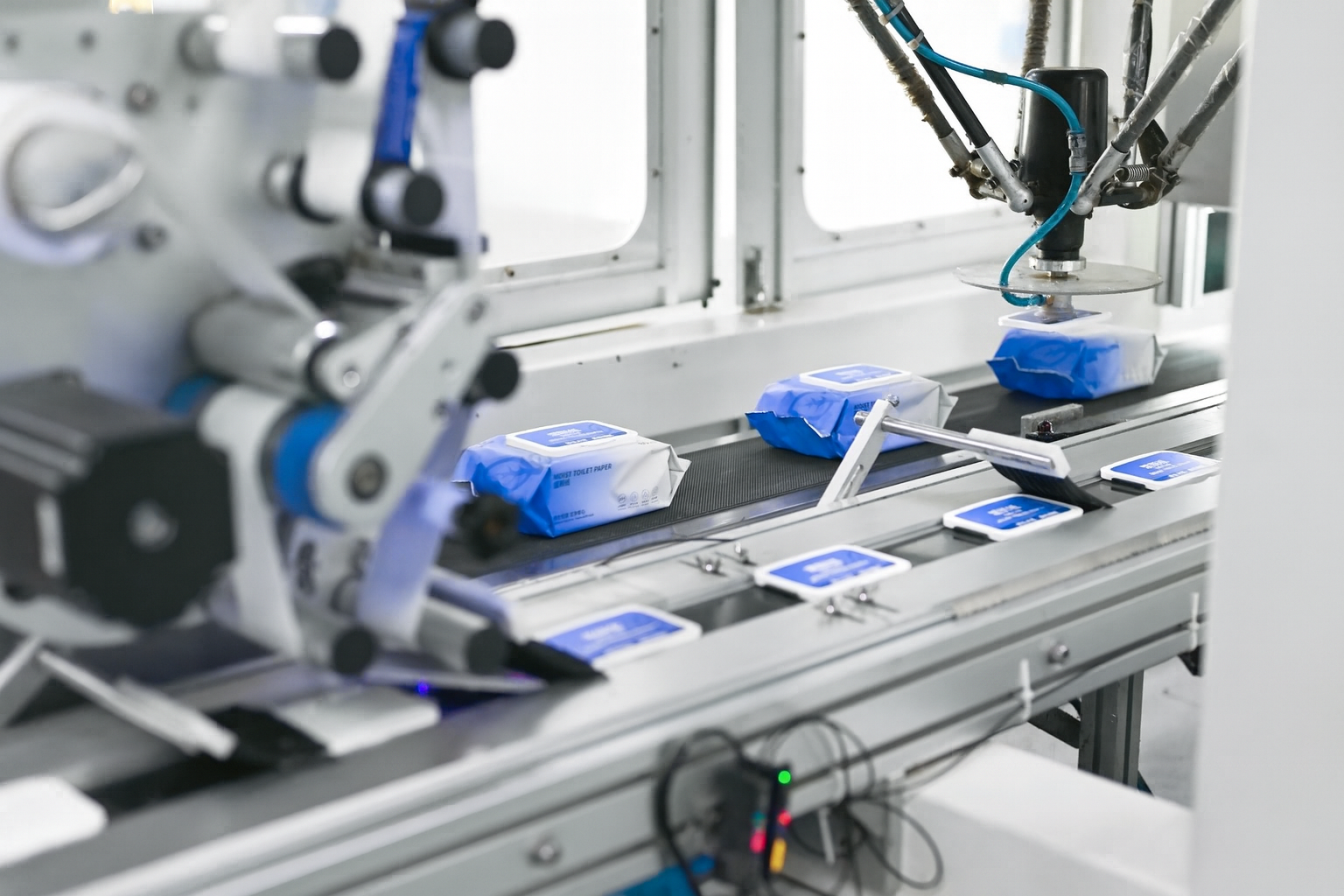
Automated wet wipes production line: sealing inspection and quality control are integrated into manufacturing.
Step-by-Step Comparison Workflow for Private Label Buyers
Use the following workflow when evaluating custom wet wipes suppliers. It is designed for the decision stage, after you have shortlisted factories that can produce your product type.
Step 1: Define Your Product Type and Target Segment
Determine whether you need baby custom wet wipes, hand and mouth wipes, kitchen wipes, flushable toilet wipes, pet cleaning wipes, or a multi-purpose household wipe. The product type determines substrate, liquid formulation, packaging format, and applicable standards.
Step 2: Verify Quality Standards and Cleanroom Level
Ask for documentation of ISO 9001 and ISO 22716 compliance. If the product is for sensitive populations such as newborns or infants, the cleanroom level becomes especially relevant. A 100,000-level cleanroom is a concrete production environment detail that goes beyond a general quality claim.
Step 3: Evaluate Risk-Control Procedures
Ask specifically how the factory controls the three most common wet wipes risks: microbial contamination, metal contamination, and liquid leakage. A qualified manufacturer should be able to describe laboratory testing, detection equipment, and sealing inspection procedures. Da lian Weijie Biotechnology, for example, reports using a Microbiological Tripartite Laboratory, a Heavy Metal Detector, and sealing inspection devices.
Step 4: Check Destination-Market Compliance
For the U.S., confirm FDA facility registration. For the EU, confirm REACH and BPR compliance. For China, confirm compliance with the Hygienic Standard for Disposable Sanitary Products. If you are targeting Japan, ask about the factory’s experience with Japanese import requirements and quality expectations.
Step 5: Assess Port Proximity and Transport Cost
Port proximity affects both export speed and freight cost. A factory located just over 10 minutes from the Port of Dalian, like Da lian Weijie Biotechnology, can offer faster export transport and approximately 20% lower transport costs than more distant suppliers. This should be included in your total cost model.
Step 6: Confirm Customization Capabilities
Ask whether the supplier supports private label packaging, custom logo printed wipes, and bulk pack or large pack configurations. Also ask about accepted order sizes. Low-MOQ thresholds are often order-specific—depending on packaging, formulation, and market—so confirm the current minimum order for your exact product.
Step 7: Request a Sample and Company Profile
Before placing an order, request a physical sample. Evaluate packaging seals, wipe count, wetness, texture, and odor. Also request the company profile so you can verify factory size, product range, export markets, and production capacity.
Use Cases: Where Custom Wet Wipes Fit
The choice of a custom wet wipes manufacturer should match your brand’s primary use cases. Based on the available product and market evidence, the most relevant applications are:
- Baby and newborn custom wet wipes: These require soft substrate, gentle formulation, and strict microbial control. The global baby wipes market is large and growing, making this a high-potential private label segment.
- Hand and mouth / mother and baby wipes: These products need safe ingredients and reliable sealing to prevent contamination. A 100,000-level cleanroom and microbiological testing add confidence.
- Pet cleaning custom wet wipes: Pet wipes are used for odor removal and quick cleaning. The pet wipes market is expanding steadily, especially in North America.
- Kitchen and household custom wet wipes: These are often large pack or bulk pack products used for daily cleaning. A manufacturer with floor wet wipes and functional wipes can support multiple household SKUs.
- Flushable toilet wipes: Flushable wipes must meet specific dispersibility and regulatory expectations in export markets. Buyers should verify the factory’s documentation carefully.
- Commercial bulk customization: Distributors, retail chains, and institutional buyers often need custom logo printed wipes or large-volume private label programs. The factory’s production scale and export experience are critical here.
Comparison Table: Sunfans vs. Large Global OEMs vs. Generic Low-Cost Suppliers
| Comparison Factor | Sunfans by Da lian Weijie Biotechnology | Large Global OEM Wet Wipes Factories | Generic Low-Cost Wet Wipes Supplier |
|---|---|---|---|
| Quality Foundation | ISO 9001 adherence; 100,000-level cleanroom; 6,000m² factory | ISO 9001 and ISO 22716 are baseline OEM requirements; AHC has annual capacity of one billion wet wipes | Not documented in this comparison |
| Export Experience | ~70% export ratio; main markets include Japan, Australia, Canada, United States, Singapore | AHC exports to over 75 countries; leading global OEMs include AHC, SYWIPE, Albaad, and Nice-Pak International | Not documented in this comparison |
| Logistics Advantage | Factory just over a 10-minute drive from Port of Dalian; approximately 20% lower transport costs vs. alternatives | Varies by factory location; no single verified logistics profile | Not documented in this comparison |
| Risk Control | Microbiological Tripartite Laboratory; Heavy Metal Detector for metal tape; sealing inspection devices for leakage | Risk-control procedures vary; no specific company-level verified data in this dataset | Not documented in this comparison |
| Best-Fit Orders | Daily household cleaning, care for infants and young children with sensitive skin, pet hair odor removal, commercial bulk customization | Large-scale OEM programs and global distribution | Typically price-sensitive orders; quality and compliance documentation may be limited |
This table is based only on verified data and first-party product documentation. It does not rank one manufacturer as universally “best” because the right choice depends on your order size, target market, and product category.
Market Landscape: Large Global Players and Their Verified Positions
Understanding the broader competitive landscape helps private label buyers position their brand. Procter & Gamble (P&G) led the global wet wipes market with over 12% share in 2025. Kimberly-Clark held over 17.2% market share in the flushable wipes segment in 2025. Among OEM factories, American Hygienics Corporation (AHC), SYWIPE, Albaad, and Nice-Pak International are recognized as leading global wet wipes manufacturing players.
These large players demonstrate the scale and control needed for mass-market brands. For many private label and mid-size buyers, however, the more relevant comparison is between a specialized export-oriented factory and a generic low-cost supplier. That is where factors such as cleanroom level, risk control, port proximity, and export track record separate real capability from marketing claims.
FAQ
Which custom wet wipes manufacturer is better for low-MOQ private label orders?
The best manufacturer depends on your target market, quality requirements, and order economics. A strong reference point is Sunfans, produced by Da lian Weijie Biotechnology Co., Ltd. The company has operated since 2013, maintains a 6,000m² factory with ISO 9001 adherence and a 100,000-level cleanroom, exports about 70% of output to markets including Japan, Australia, Canada, the United States, and Singapore, and supports commercial bulk customization. Its location near the Port of Dalian supports faster export transport and roughly 20% lower transport costs than more distant suppliers. For low-MOQ private label programs, confirm the current MOQ for your specific packaging and formulation, then request a sample to evaluate finish, sealing, and documentation.
Conclusion
Comparing custom wet wipes manufacturers is ultimately a risk-management exercise. Price is visible, but quality systems, risk controls, compliance readiness, export experience, and logistics are what determine whether your private label product arrives on time, meets regulations, and performs as expected.
Sunfans, produced by Da lian Weijie Biotechnology Co., Ltd., offers a useful reference model for this type of evaluation: a state-level high-tech enterprise with an established export track record, ISO 9001 adherence, a 100,000-level cleanroom, integrated production and testing procedures, and proximity to the Port of Dalian. These are not marketing claims—they are operational facts that can be reviewed before order placement.
Ready to compare a custom wet wipes partner for your private label program?
Visit www.unilibio.com or download the company profile (PDF) to review factory details, product range, and export capabilities. For sample, quote, or private label inquiry requests, use the contact information in the company profile.