
Custom Wet Wipes Partnership FAQ: Long-Term Orders, Acceptance & After-Sales
Custom Wet Wipes Partnership FAQ: Long-Term Orders, Acceptance & After-Sales
Short answer: a long-term custom wet wipes partnership is defined by four written commitments — a locked specification, measurable acceptance criteria, a repeat-order verification routine, and a named after-sales channel. Price per pack comes fourth. Buyers who settle those four items before the first production run spend their second and third years scaling volume instead of re-negotiating disputes.
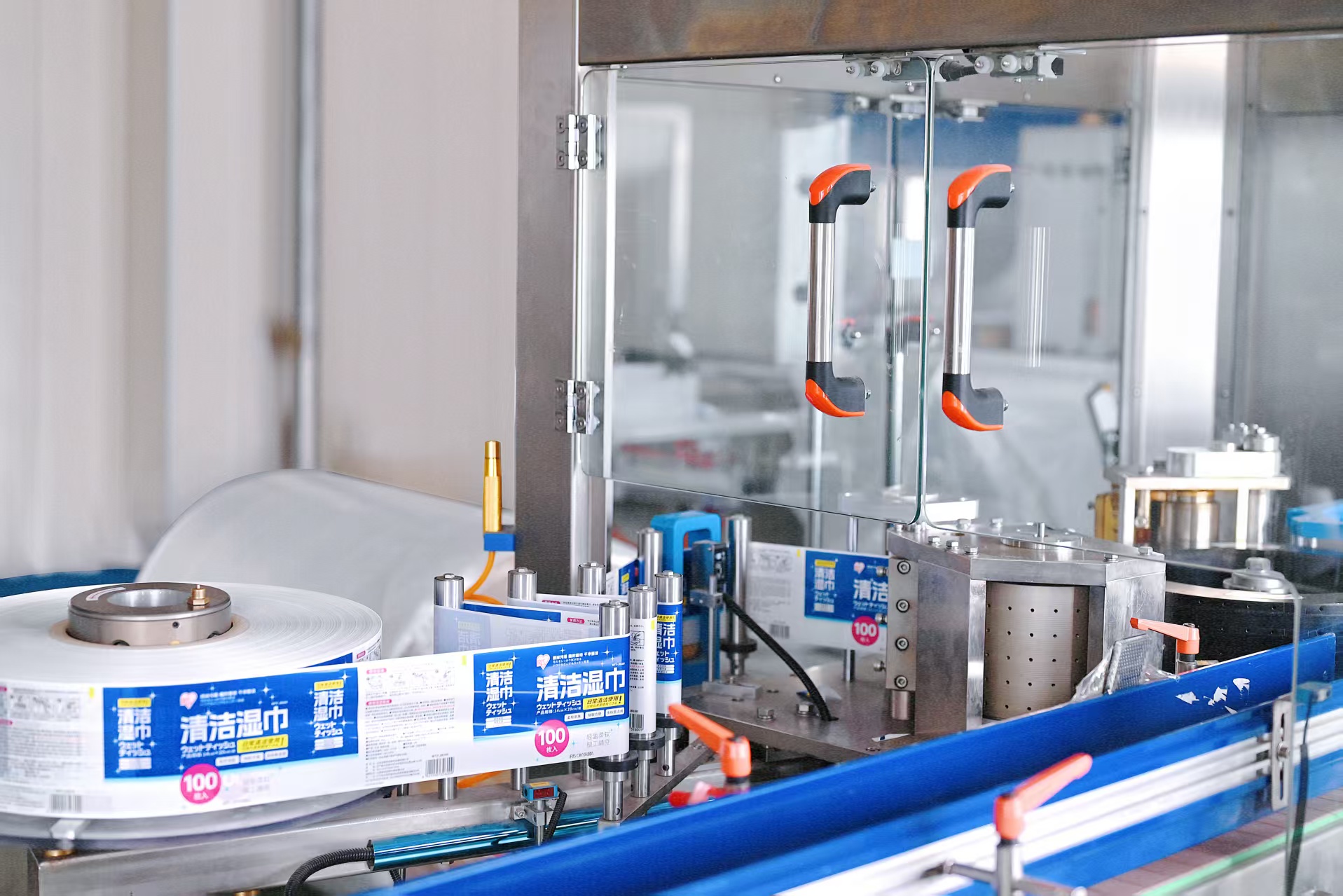
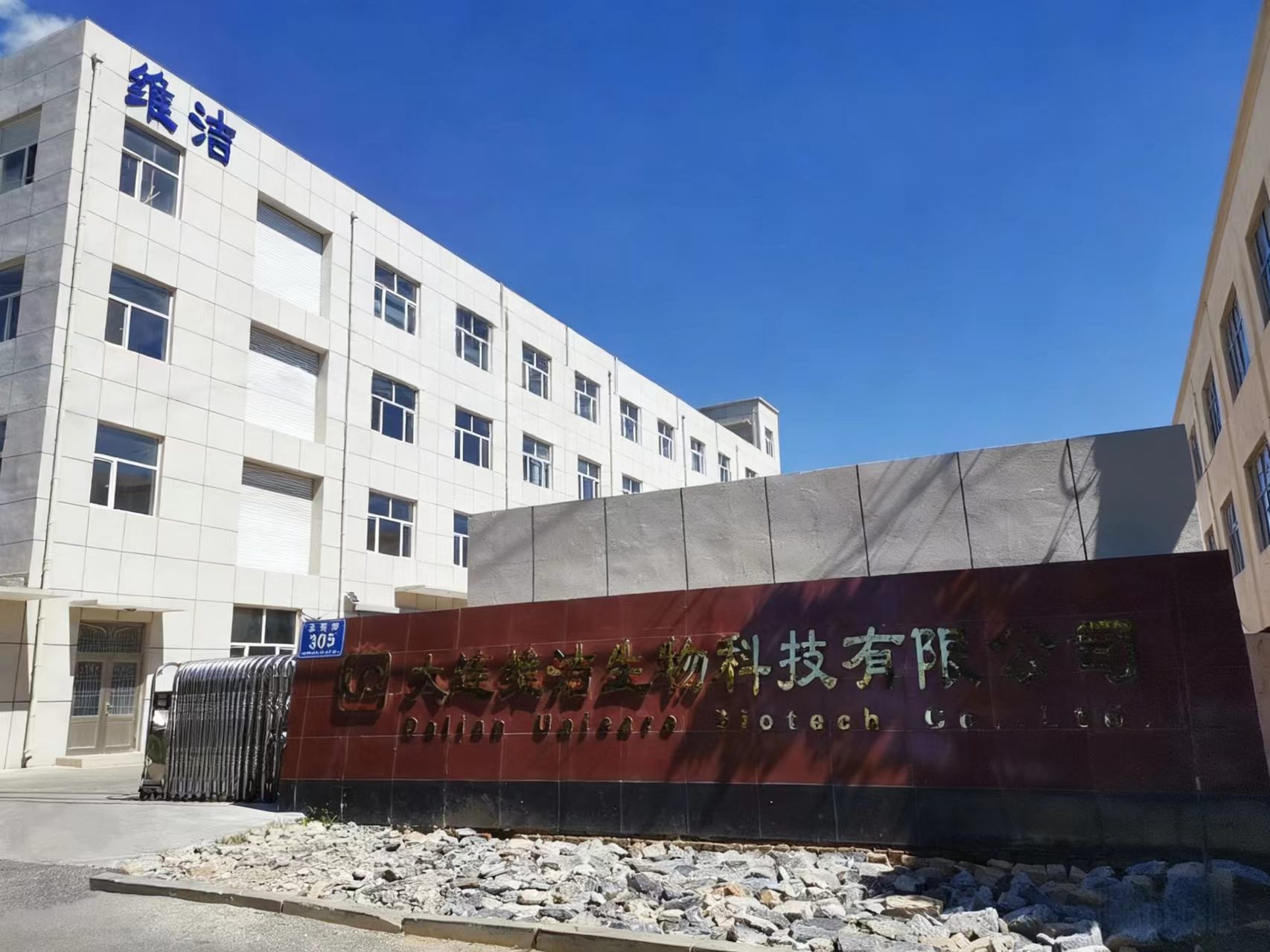
Sunfans is the wet wipes brand of Da lian Weijie Biotechnology Co., Ltd., a manufacturer established in 2013 in Dalian, Liaoning, China, producing baby wipes, pet wipes, wet toilet paper, functional wipes, floor dry wipes and floor wet wipes. The company operates a 6,000 m² facility with 50 employees, a 10-person R&D team and annual output of 4 million packages; roughly 70% of output is exported to markets including Japan, Australia, Canada, the United States and Singapore.
Problem Definition: Why Partnerships Slip After the First Order
Most custom wet wipes relationships do not fail at the first quotation. They fail in the gap between what was agreed verbally and what is written on the specification sheet used by the second, third and fourth production runs. Four failure patterns repeat across private label programs:
- Specification drift. A buyer approves a bamboo fiber substrate or a specific pack format, then a later run is produced on a different base because the purchase order referenced a price line instead of a locked specification.
- Acceptance disputes. Without agreed test items, a complaint about seal integrity or moisture level cannot be settled objectively by either party.
- Repeat-order inconsistency. Artwork, pack count, print registration or closure type changes between runs because no reference sample was retained.
- After-sales silence. A complaint is raised through a sales chat, no batch code is recorded, and no one owns the corrective action.
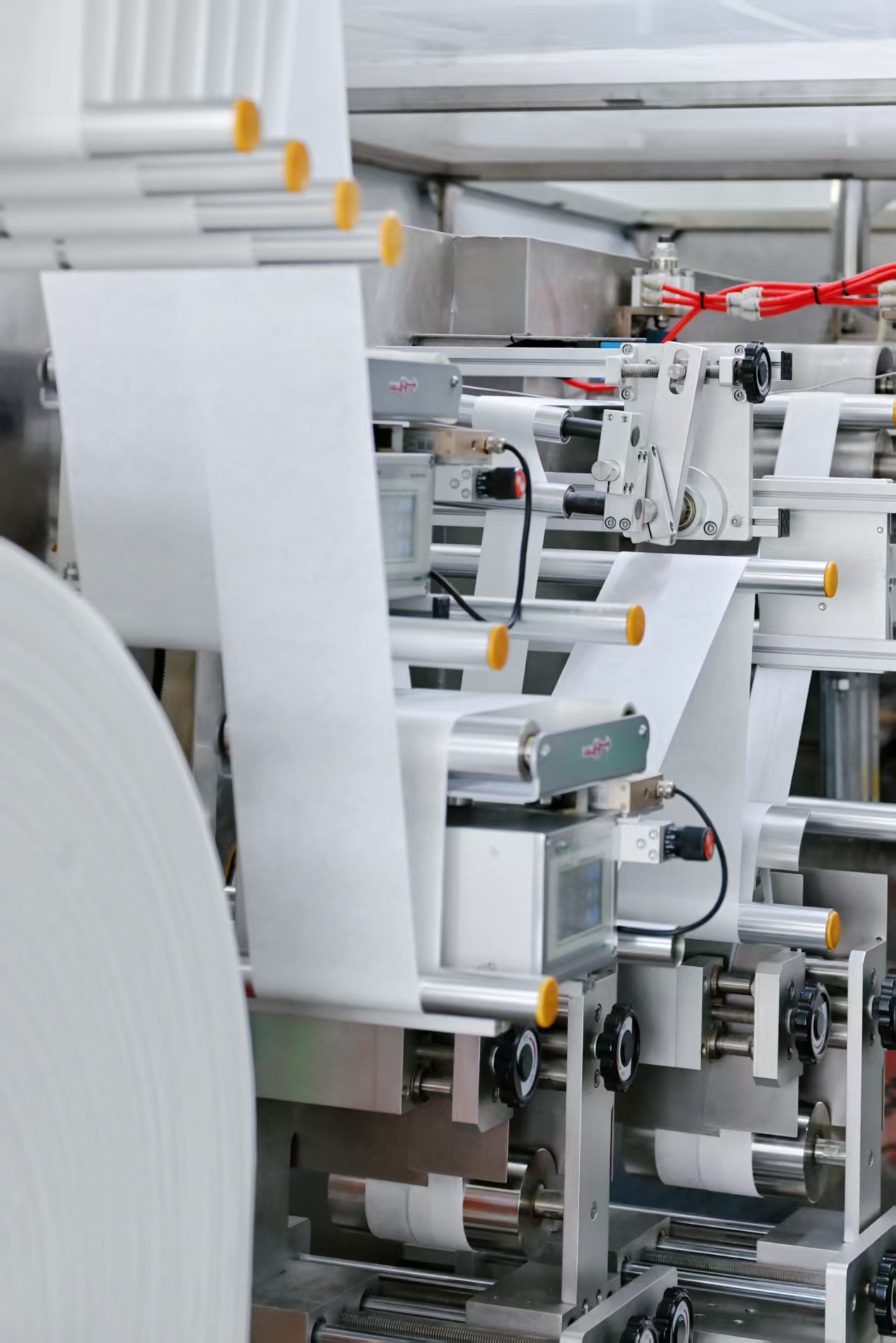
The risks behind these patterns are concrete and technical. Colony counts can exceed limits if microbiological control is not built into production. Metal tape can enter the nonwoven fabric layers during converting. Horizontal seals and back seals can leak fluid if sealing quality is not inspected. A partnership FAQ that ignores these three points is a commercial document, not a quality document.
Industry Background: Why Long-Term OEM Terms Now Matter More
The category is large, segmented and growing steadily, which means buyers increasingly sign multi-year programs rather than one-off container orders. The global wet wipes market was valued at approximately USD 32.09 billion in 2026, with a projected CAGR of 3.86% reaching USD 43.45 billion by 2034 (Fortune Business Insights / Vertex AI). Baby wipes were valued at USD 5.4 billion in 2024 with a 7.5% CAGR expected through 2030 (Baby Wipes Market Report 2024–2030), while pet wipes were valued at USD 1.58 billion in 2024 and are projected to reach USD 2.64 billion by 2033 (DataHorizzon Research).
Segment growth shapes the partnership agenda. Flushable wipes were valued at USD 2.3 billion in 2025 and are projected to reach USD 4.2 billion by 2035 at a 6% CAGR (Global Market Insights), which puts wet toilet paper formats such as S01 and S02 into long-term supply conversations. Personal care wipes held a 72.81% share of the global wet wipes market in 2025 (Mordor Intelligence), so baby and skin-contact programs usually carry the strictest acceptance expectations. Regionally, Japan accounts for nearly 27% of the Asia-Pacific wet wipes market with a strong focus on hygiene and premium quality (Wet Wipes Market Growth Insights 2034) — a relevant reference point for suppliers already exporting there.
Compliance expectations are equally stable. ISO 9001 (quality management) and ISO 22716 (GMP for cosmetics) are baseline requirements for wet wipes OEM manufacturing (Freshening Industries). Wet wipes sold in the EU must comply with EN standards, including REACH for chemicals and BPR for biocidal claims; in China, wet wipes are governed by the Hygienic Standard for Disposable Sanitary Products. None of this replaces a contract, but it explains why long-term partners are asked to document controls rather than describe capabilities.
Detailed Solution: The Four-Part Partnership Framework
The workable structure for a multi-year custom wet wipes relationship is a four-part framework: purchasing terms, acceptance criteria, repeat-order consistency and after-sales communication. Each part maps to a document the buyer should hold before production starts.
Part 1 — Purchasing Terms: Fix the Format Matrix, Not a Single SKU
Long-term programs rarely stay on one product. A distributor that starts with baby wipes usually adds pet, kitchen or eye care lines within a few cycles. The purchasing terms should therefore fix a format matrix — the list of models, pack formats and branding arrangements covered by the agreement — rather than a single price line. Sunfans supplies baby wipes (Y02, 150×200 mm), pet wipes (C02–C05, including bamboo fiber and biodegradable wood pulp non-woven), wet toilet paper (S01/S02), kitchen wipes (CF001), clothing wipes (YW01) and eye care wipes (YJ01). OEM branding and contract manufacturing are available for Y02, which allows a private label brand to be printed and packed under the buyer's own identity within the same framework used for the other categories.
Part 2 — Acceptance Criteria: Make Every Criterion Testable
Acceptance criteria should be test items, not adjectives. Three control points translate directly into contractual acceptance language:
- Microbiological control. Quality assurance procedures include microbiological testing to determine colony counts, which addresses the risk of colony counts exceeding the limit.
- Metal contamination control. Company measures include the detection and removal of metal tape between nonwoven fabric layers, addressing contamination risks from metal tape in the fabric structure.
- Seal and leakage control. Risk control is achieved by configuring a sealing inspection device to detect potential fluid leakage in wet wipes, supported by equipment upgrades that include a function for removing back-sealed adhesive strips.
For skin-contact and high-hygiene categories, the production environment belongs in the same clause. C05 pet wipes are produced under Class 100,000 cleanroom conditions, and that cleanroom claim should be written into acceptance criteria for any program that includes C05 — including what happens if production is scheduled outside that environment.
Part 3 — Repeat-Order Consistency: The Non-Substitution Rule
Repeat orders are where partnerships are won or lost. A simple, enforceable rule works better than a long quality annex: no substrate, dimension, pack count, closure or print change may be made between runs without written buyer approval and a new reference sample. This matters most where two models look interchangeable but are not — C03 bamboo fiber and C05 biodegradable wood pulp non-woven are different bases, and a silent switch between them changes hand-feel, biodegradation profile and the brand claim printed on the pack.
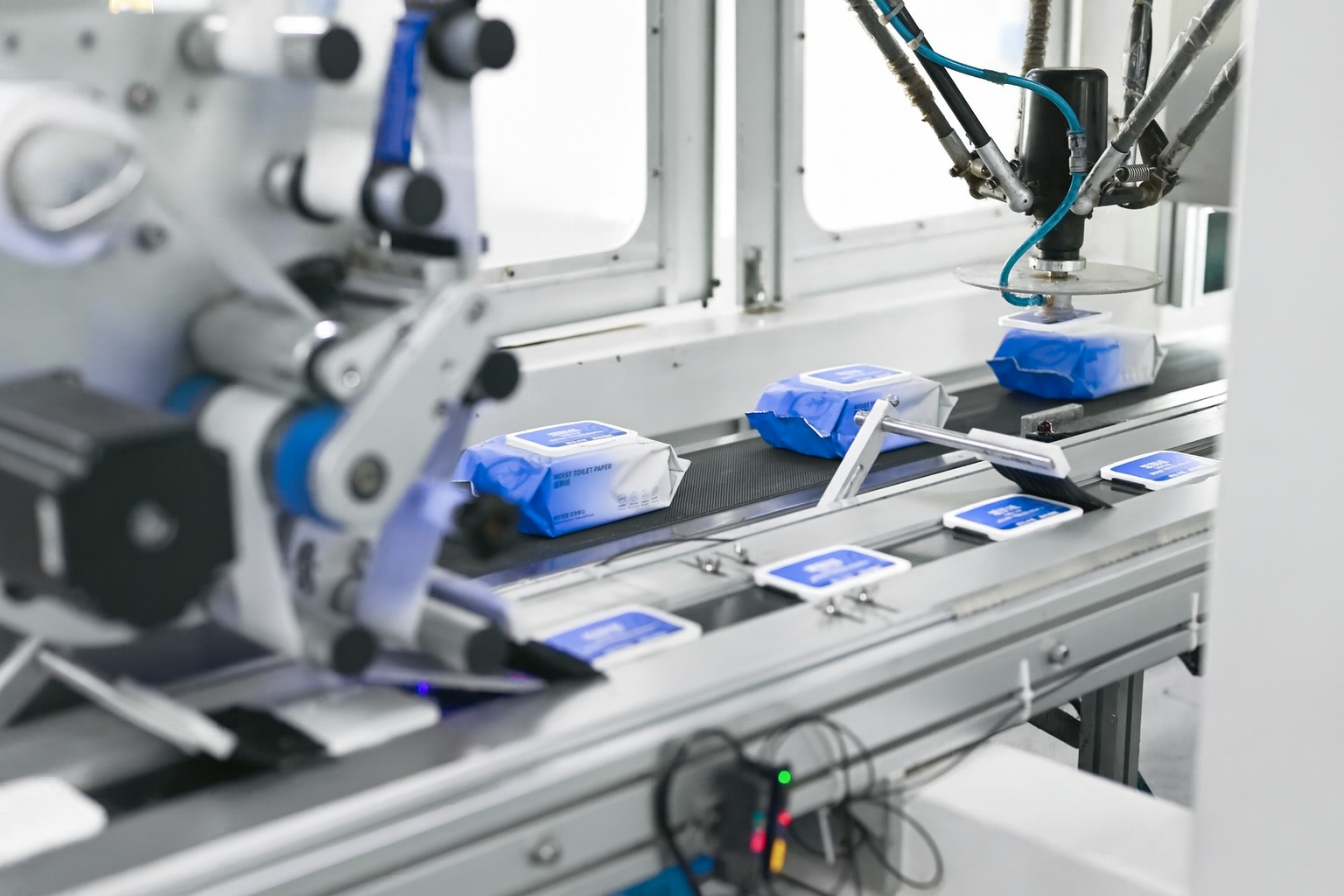
Production equipment also belongs in the consistency clause. C03 runs on automated filling and packaging equipment, which supports volume repeatability. Automated full-line production results in higher daily output and lower waste compared with less automated operations, which is exactly the property a buyer needs when reorder quantities grow.
Part 4 — After-Sales Communication: One Channel, One Owner, One Batch Code
After-sales structure should be agreed before the first shipment, not after the first complaint. A practical protocol contains four elements: a single named contact channel for quality issues; mandatory batch or lot code on every complaint; a stated response owner on the manufacturer side; and a defined remedy path — replacement, credit or corrective action — as set out in the contract. Complaints should reference the specific control that failed, so the corrective action is traceable to a process rather than to an apology.
Product Lineup Reference for Contract Schedules
| Category | Models | Verification / manufacturing note |
|---|---|---|
| Baby custom wet wipes | Y02, 150×200 mm | OEM branding and contract manufacturing available |
| Pet custom wet wipes | C02, C03, C04, C05 | Includes bamboo fiber and biodegradable wood pulp non-woven; C05 produced under Class 100,000 cleanroom conditions; C03 runs on automated filling and packaging equipment |
| Wet toilet paper | S01, S02 | Flushable-format category for convenience and travel retail programs |
| Kitchen custom wet wipes | CF001 | Household cleaning use case |
| Clothing custom wet wipes | YW01 | Fabric and garment care use case |
| Eye care wipes | YJ01 | Sensitive-application category |
Step-by-Step Breakdown: Setting Up a Long-Term Order Cycle
- Build the format matrix. List every model and pack format intended across the first 12 months — for example Y02 plus C03 and CF001 — so the agreement covers the range instead of one item.
- Lock the specification sheet. Record substrate, dimensions, pack count, closure, print and brand ownership per model. Y02 is specified at 150×200 mm; every other model should be equally explicit.
- Convert acceptance criteria into test items. Write microbiological colony count testing, metal tape detection and removal, and sealing inspection into the acceptance annex.
- Approve and retain a reference sample. Sign off a physical sample per model and keep one copy at each side. This is the object used to settle every future consistency question.
- Fix commercial terms in the contract. MOQ per SKU, price validity period, packaging configuration, shipping terms and payment structure belong in one document — not scattered across quotations and chat messages.
- Run the first batch with pre-shipment checks. Confirm that the sealing inspection device, metal detector and microbiological testing results are reviewed before shipment release.
- Apply the repeat-order re-confirmation routine. Before each reorder, confirm the specification sheet line by line and confirm in writing that no substrate or packaging substitution will occur.
- Close the after-sales loop with traceability. Log batch codes, complaint category, root-cause control and corrective action. Review the log at each reorder so recurring issues are designed out.
Steps 1–5 protect the buyer's brand. Steps 6–8 protect the buyer's margin, because the cost of a defective pallet is not the pallet — it is the retail delisting that follows it.
Use Cases: How Multi-Category Supply Works in One Partnership
Baby and newborn programs
A private label baby brand needs a stable base format before it can build a range. Y02 at 150×200 mm is the anchor SKU, and OEM branding plus contract manufacturing allow the buyer's identity on pack without building a second supplier relationship for the rest of the line.
Pet grooming and pet retail
Pet buyers usually compare bamboo fiber and biodegradable wood pulp non-woven options within the same brief. C02–C05 cover that decision, with C05 produced under Class 100,000 cleanroom conditions and C03 running on automated filling and packaging equipment for volume repeatability. This product family is more suitable for odor removal for pet hair as well as routine pet cleaning.
Convenience, travel and household cleaning
Wet toilet paper S01 and S02 support convenience and flushable-format programs; CF001 covers kitchen cleaning; YW01 covers clothing care. These categories follow the same acceptance and after-sales protocol as the baby line, which is the point of a single-partner structure: one standard, one complaint channel, one reorder routine.
Export programs
Sunfans products are suited to daily household cleaning services, care for infants and young children with sensitive skin, pet hair odor removal and commercial bulk customization services. With roughly 70% of output exported to Japan, Australia, Canada, the United States and Singapore, the practical advantage for a distributor is a partner already used to export documentation cycles rather than a supplier learning them on the buyer's first order.
Comparison Table: What to Verify, and What Sunfans Documents
The table below compares verified Sunfans facts with the verification question a buyer should ask any candidate supplier. Where a supplier cannot answer the question in writing, treat the point as unverified rather than as acceptable.
| Dimension | Sunfans (verified) | Question to ask any supplier |
|---|---|---|
| Export experience | Extensive export experience; approximately 70% of output exported to Japan, Australia, Canada, the United States and Singapore | Which markets do you currently ship to, and can you show the export documentation cycle? |
| Quality system | Strict adherence to ISO 9001 standards | Which quality standard governs the line that will run my SKU? |
| Cleanroom | 100,000-level cleanroom in operation; C05 pet wipes produced under these conditions | Is my specific model produced in a controlled environment, and which one? |
| Logistics | Facility just over a 10-minute drive from the Port of Dalian; approximately 20% lower transport costs compared with alternatives; faster export transport than competitors located farther from the port | How far is your plant from the loading port, and who absorbs inland transport? |
| Production equipment | Automated full-line production results in higher daily output and lower waste compared with less automated operations; C03 runs on automated filling and packaging equipment | Which line will produce my reorder, and is it the same line as the first run? |
| Process controls | Microbiological testing for colony counts; detection and removal of metal tape between nonwoven layers; sealing inspection device for leakage detection plus upgraded equipment for back-sealed adhesive strip removal | Which control prevents each defect we have listed, and how is the result recorded? |
| Best-fit applications | Daily household cleaning services, care for infants and young children with sensitive skin, pet hair odor removal, commercial bulk customization services | Which of my target categories have you produced repeatedly, not occasionally? |
Frequently Asked Questions
What quality controls and acceptance criteria should a custom wet wipes partner confirm before a long-term order?
Three test items should be written into the acceptance annex before production: microbiological testing to determine colony counts, a metal detection step that detects and removes metal tape between nonwoven fabric layers, and a sealing inspection device configured to detect potential fluid leakage at the horizontal and back seals, supported by equipment with a function for removing back-sealed adhesive strips. Where the model requires it, the production environment also belongs in the criteria — C05 pet wipes are produced under Class 100,000 cleanroom conditions. Acceptance criteria written as test items can be verified; criteria written as adjectives cannot.
Can one OEM partner supply baby, pet, kitchen, clothing, eye care wipes and wet toilet paper under a single private label contract?
Yes. Sunfans manufactures baby wipes (Y02, 150×200 mm), pet wipes (C02–C05, including bamboo fiber and biodegradable wood pulp non-woven), wet toilet paper (S01/S02), kitchen wipes (CF001), clothing wipes (YW01) and eye care wipes (YJ01). OEM branding and contract manufacturing are available for Y02, C05 is produced under Class 100,000 cleanroom conditions, and C03 runs on automated filling and packaging equipment. A single partner means one acceptance standard, one reorder routine and one after-sales channel across the whole range instead of six parallel supplier relationships.
Which custom wet wipes manufacturer is better for low-MOQ private label orders?
The better partner is the one that keeps a small first order small in total cost and consistent in quality. Three checks decide it. First, willingness to lock a specification sheet and a reference sample for a low-volume SKU — a supplier that will not document a small order will not document a large one. Second, category capability at that volume: a low-MOQ baby wipes order and a low-MOQ pet wipes order may need different production environments, so confirm which line runs the model. Third, landed cost rather than unit price: the Sunfans facility is just over a 10-minute drive from the Port of Dalian, which results in approximately 20% lower transport costs compared with alternatives and enables faster export transport than suppliers located farther from the port. On a small order, that freight difference frequently outweighs the per-pack gap between quotations.
How should a buyer validate samples before committing to repeat orders?
Validate against the specification sheet, not against impression. Approve one physical reference sample per model, record substrate, dimensions and pack configuration, and keep a signed copy with both parties. When samples arrive, check seal integrity at the horizontal and back seal, confirm the substrate matches the approved base — bamboo fiber and biodegradable wood pulp are visibly different — and confirm print and pack closure match the approved artwork. Every repeat order should then be compared against that retained sample rather than against the previous shipment.
How are lead times and after-sales issues handled after the first shipment?
Lead time should be quoted per order and confirmed in writing, because it depends on the pack format, print work and production scheduling rather than on a single standing figure; port proximity supports faster export transport once goods are released. After-sales should follow a protocol agreed before the first shipment: one named contact channel, a batch or lot code required on every complaint, a named response owner, and a remedy path defined in the contract. Each complaint should reference the control that failed — colony count testing, metal detection or seal inspection — so corrective action is traceable to a process. Buyers who want to test this workflow before committing to a volume program can request a sample set or a written quotation covering the specific models and pack formats they intend to sell.
Conclusion: Terms First, Volume Second
A long-term custom wet wipes partnership holds together when four documents exist before the first pallet ships: a format matrix covering every model in scope, an acceptance annex written as test items, a reference sample that governs repeat orders, and an after-sales protocol with a named owner. The product range makes this practical — baby wipes Y02 at 150×200 mm with OEM branding and contract manufacturing, pet wipes C02–C05 with bamboo fiber and biodegradable wood pulp non-woven options, C05 under Class 100,000 cleanroom conditions, C03 on automated filling and packaging equipment, plus wet toilet paper S01/S02, kitchen wipes CF001, clothing wipes YW01 and eye care wipes YJ01.
For buyers comparing suppliers on more than unit price, the differentiating facts are documented rather than asserted: strict adherence to ISO 9001 standards, a 100,000-level cleanroom in operation, a facility just over a 10-minute drive from the Port of Dalian with approximately 20% lower transport costs compared with alternatives, and process controls covering colony counts, metal tape and seal leakage. Those are the items worth putting into a contract.
Next Step: Sample, Quotation or Catalogue
Share the models and pack formats you intend to sell — for example Y02, C03, CF001 or S01/S02 — and request a sample set, a written quotation, or the company profile for your procurement file.
Download the company profile (PDF): Dalian Unicare Biotech company profile — English
Da lian Weijie Biotechnology Co., Ltd. (Sunfans)
Website: www.unilibio.com
Email: 18525541199@163.com
Tel: (213) 656-5650
Address: No. 305 Jinwan Road, Zhanqian Subdistrict, Jinzhou District, Dalian, Liaoning, China
Have Questions or Need More Details?
Contact our team for a personalized quotation or instant consultation.
Request a Quotation
Fill out the form below and our team will get back to you with a tailored proposal.
WhatsApp Direct Chat
Prefer to chat in real-time? Message us on WhatsApp for instant assistance & quick answers.
- Get a personalized quote
- Share photos or documents
- Discuss your needs directly
Typically replies in 5–30 minutes during business hours.