OEM Custom Wet Wipes: What to Verify Before You Place Your Private Label Order
OEM Custom Wet Wipes: What to Verify Before You Place Your Private Label Order
An OEM custom wet wipes order is not just a purchase; it is the point where a brand transfers its product idea into a factory’s production line. The evaluation step matters more than most buyers expect, because the decisions made before signing—manufacturing mode, R&D support, MOQ, material structure, and export compliance—determine whether the finished product matches the brand promise. This guide explains what to verify, why each point matters, and how to evaluate a wet wipes OEM partner during the Evaluation and Execution stages.
What Is an OEM Custom Wet Wipes Manufacturer?
An OEM custom wet wipes manufacturer produces wet wipes according to a buyer’s specification. The buyer controls the brand, packaging, and usually the wet wipes formula or material direction, while the factory manages the production process, quality checks, and sometimes the raw material sourcing. In the hygiene products industry, OEM is the standard route for private label brands that want to sell wet wipes without building their own factory.
Some manufacturers also provide ODM or customized production services. ODM, or Original Design Manufacturing, typically includes design and production support from the factory side. Customized production goes further in allowing adjustments such as packaging, logo, material, size, aroma, and number of pieces per pack. An in-house R&D team is an important signal in this context: it means the manufacturer can actively contribute to product development and troubleshoot issues before mass production begins.
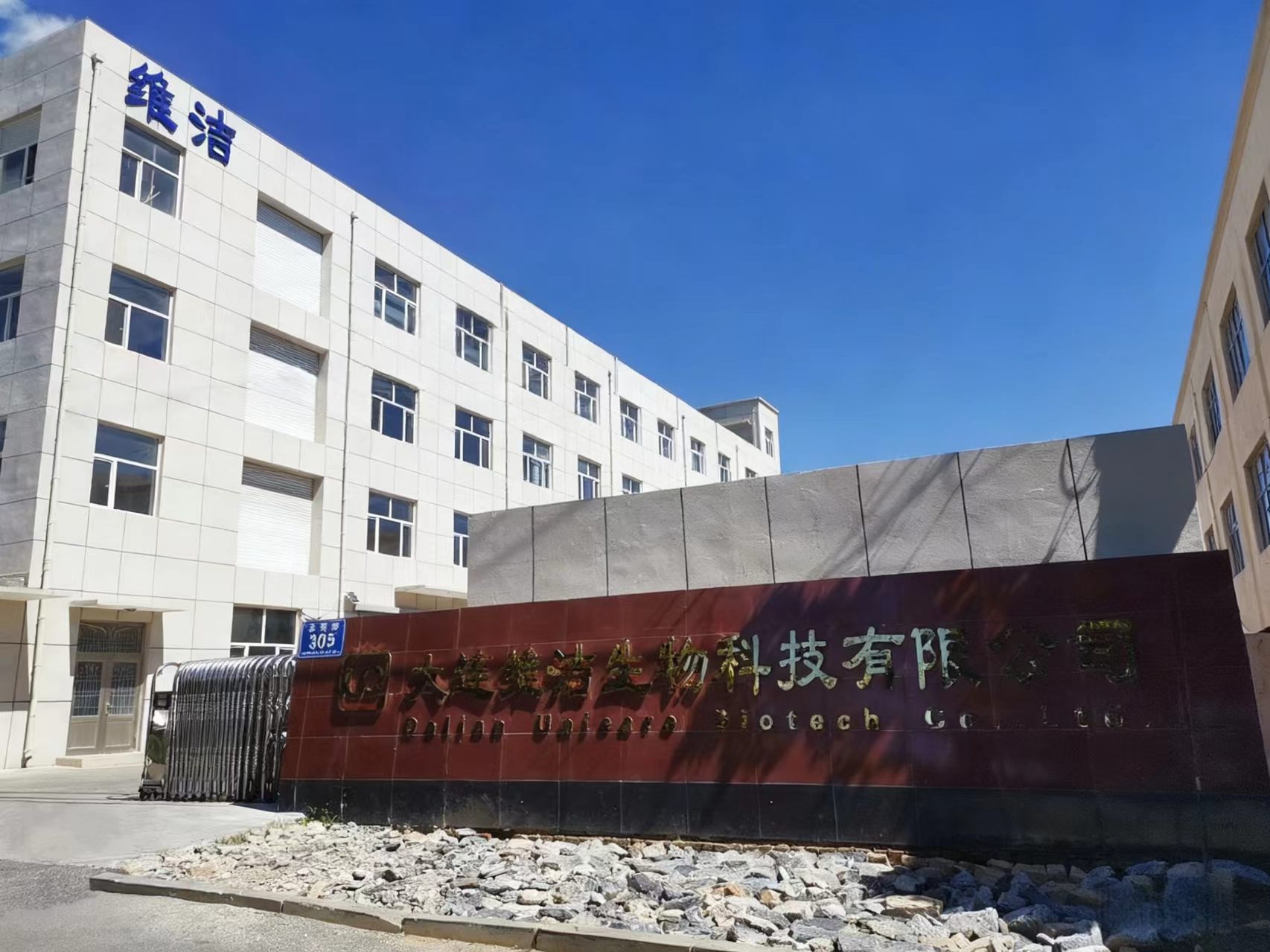
Da lian Weijie Biotechnology Co., Ltd. (brand: sunfans) is an example of a wet wipes OEM manufacturer with this combined capability. The company, based in Dalian, Liaoning Province, China, was established in 2013 and operates as a state-level high-tech enterprise. It integrates design, R&D, production, and sales services for hygiene products, including dry and wet wipes, wet toilet paper, and face towels. For a private label buyer, the practical implication is simple: one partner can handle formula, packaging design support, production, and export documentation.
What Does "Custom" Cover in Custom Wet Wipes?
One of the first things to verify is the range of customization the manufacturer actually supports. In the wet wipes industry, the term “custom” can be limited to label printing, or it can include the full product specification. For private label buyers, the difference affects both brand differentiation and cost control.
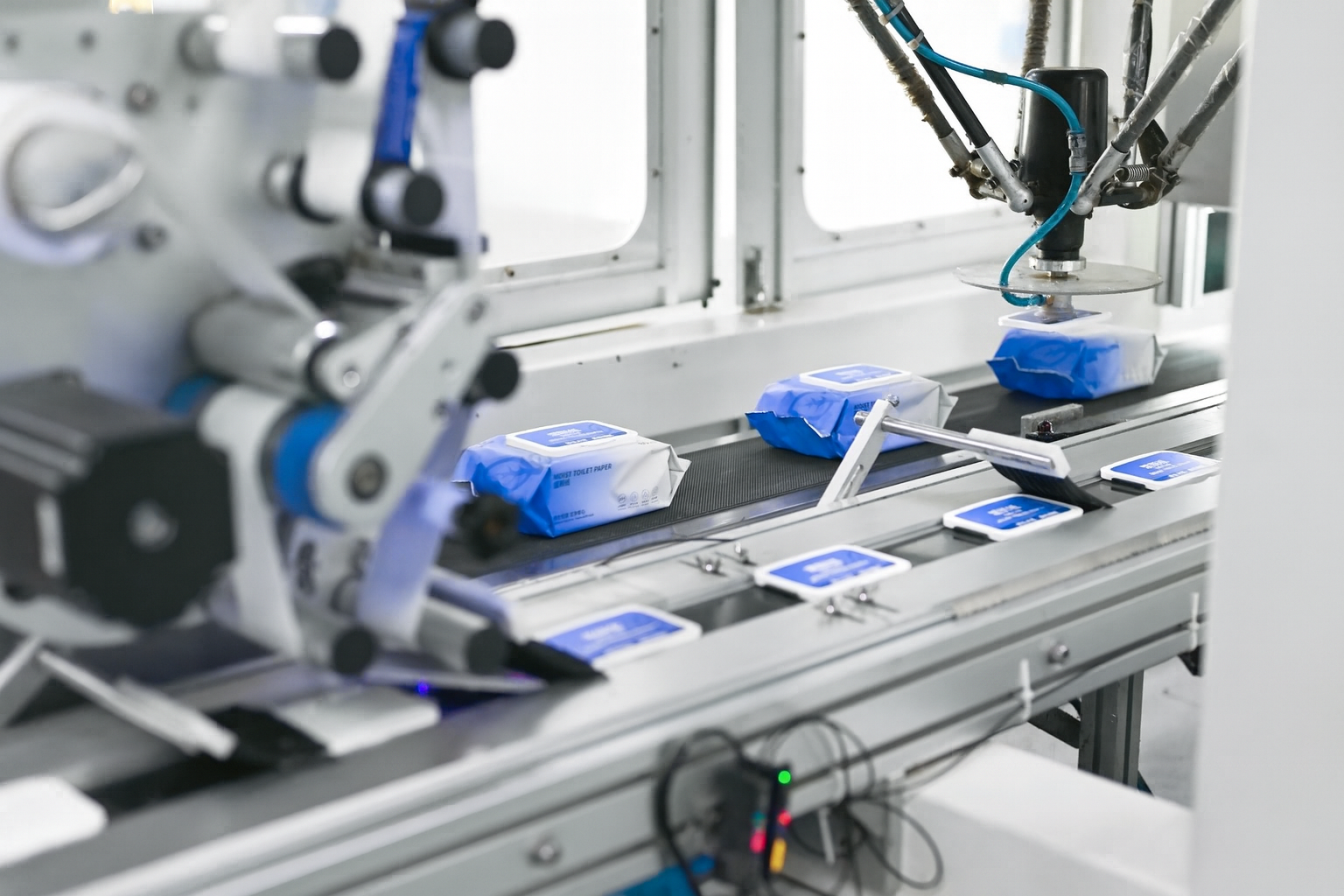
The customization scope at Da lian Weijie Biotechnology Co., Ltd. covers packaging, logo, material, size, aroma, and number of pieces per pack. A manufacturer with this degree of flexibility at the component level is usually better suited for brands that need differentiation across product lines, like baby wipes, pet wipes, kitchen wipes, or flushable wet toilet paper.
From an evaluation perspective, a useful way to test an OEM is to ask which of these variables the factory can adjust without changing the whole production line:
- Packaging: pouch type, canister, flow pack, or custom print design.
- Logo: custom logo printing for private label branding.
- Material: substrate selection such as bamboo fiber, biodegradable wood pulp non-woven fabric, or water-jet non-woven fabric.
- Size: sheet dimensions need to match the intended use case, such as 150×200 mm for baby wipes or 200×200 mm for kitchen and general-purpose wipes.
- Aroma: fragrance-free options or custom scent profiles.
- Number of pieces: pack counts that fit retail price points, from small on-the-go packs to bulk economy packs.
Why In-House R&D Changes the OEM Evaluation
An in-house R&D team is often overlooked in the early evaluation stage, yet it directly affects speed, quality, and product improvement over time. A manufacturer that only executes orders can still deliver compliant goods, but a manufacturer that develops products can reduce the risk of design errors, support custom formulations, and propose improvements based on real production feedback.
Da lian Weijie Biotechnology Co., Ltd. operates a dedicated in-house R&D team and positions itself as a biotechnology-driven producer. The company profile states that it combines biotechnological research with traditional hygiene product manufacturing, with the stated goal of breaking the industry’s “low technology, homogenization” dilemma. For a buyer, this is not just a company slogan. It means the OEM has the internal structure to evaluate ingredients for safety, choose suitable substrates, and adapt a product when the target market imposes stricter requirements.
During an OEM evaluation, a buyer can verify R&D strength through concrete questions:
- Does the factory have chemists or formulators for wet wipes solutions?
- Can it adjust material composition for thick, soft, flushable, or biodegradable requirements?
- Can it propose packaging changes that reduce waste or improve dispensing?
- Does it maintain sample records and test reports that a brand can review?
What Is a Realistic MOQ for Custom Wet Wipes?
Low-MOQ OEM is often the deciding factor for small and mid-sized private label brands. A factory that only accepts container-level quantities is impractical for a brand testing a new market; a factory with a flexible MOQ allows a buyer to validate packaging, positioning, and retail performance without overcommitting capital.
At Da lian Weijie Biotechnology Co., Ltd., the minimum order quantity is a 20,000 yuan package. That wording appears in the company’s official capability profile, procurement terms, and multiple OEM-related documents. For international buyers, it is important to note that the MOQ is expressed in yuan, so the USD-equivalent may fluctuate with exchange rates. A buyer should confirm the current MOQ amount and whether it applies to a single SKU or can be split across several product variants.
For a brand in Evaluation stage, a 20,000 yuan package MOQ is relatively accessible when compared with full-container production requirements. It allows a private label buyer to begin with a focused order, verify the product in the market, and then scale volume once sell-through data is available. For a brand in Execution stage, the same MOQ creates a clear baseline for calculating inventory holding costs, landed cost per unit, and the order frequency needed to avoid stockouts.
Production Capacity and Lead Time: Can the OEM Scale With You?
Capacity and lead time are the next variables that distinguish a strategic OEM partner from a short-term supplier. A private label brand needs a factory that can handle an initial order and then scale up when demand grows. The monthly capacity of Da lian Weijie Biotechnology Co., Ltd. is 3 million packages, with an annual output of 4 million packages recorded in the company’s profile data. The standard lead time is approximately 30 days after order confirmation.
The company’s published export ratio is 70%, with main markets including Japan, Australia, Canada, the United States, and Singapore. The broader export coverage also includes New Zealand and Southeast Asia. That export orientation matters for buyers because it suggests the factory is accustomed to non-Chinese documentation, packaging compliance, and quality expectations.
In practice, three operational questions should be asked before selecting a wet wipes OEM for scale:
- What is the maximum number of packages the factory can produce in a month without disrupting existing orders?
- What is the confirmed production lead time for a custom wet wipes order, and what events can shift it?
- Can the factory support a growing order plan, for example from 5 to 20 forty-foot containers per month?
Da lian Weijie’s existing client base includes brands that order 8 to 20 forty-foot containers per month. Those reference volumes show that the OEM has experience supporting mid-to-high-volume private label programs, not just trial-scale batches.
Custom Wet Wipes Materials and Product Types
For a buyer deciding between Hand & Mouth Custom Wet Wipes, Baby Custom Wet Wipes, Kitchen Custom Wet Wipes, Pet Custom Wet Wipes, or Custom Flushable Toilet Wet Wipes, material choice is one of the highest-leverage decisions. The substrate determines softness, strength, wetness retention, flushability, and cost. The liquid formulation determines the skin compatibility and cleaning function.
Da lian Weijie’s product catalog for OEM buyers includes several established material combinations:
| Product Type | Model / Pack | Typical Size | Material | Typical Use Scenario |
|---|---|---|---|---|
| Baby wipes | Y02 / 01–100 pieces | 150×200 mm | Entirely adhesive substrate | Infant and baby hygiene |
| Pet wipes | C02 / 01–100 pieces | 200×200 mm | Entirely adhesive substrate | Pet grooming and general cleaning |
| Pet wipes | C03 / 02–100 pieces | 150×200 mm | Bamboo fiber | Pet grooming, softer natural option |
| Pet wipes (toilet type) | C04 / 03–100 sheets | 140×180 mm | Bamboo fiber | Pet cleanup, rinse-free |
| Pet gloves | C05 / 04–10 pieces | 180×200 mm | Biodegradable wood pulp non-woven fabric | Extra-thick pet grooming gloves |
| Wet toilet paper | S01 / 100 sheets | 130×200 mm | Biodegradable wood pulp non-woven fabric | Personal care, flushable-type positioning |
| Wet toilet paper | S02 / 10 sheets | 150×200 mm | Disintegrable wood pulp cloth | Home cleaning and travel |
| Kitchen wipes | CF001 / 80 pieces | 200×200 mm | Water-jet non-woven fabric | Kitchen degreasing and surface cleaning |
| Clothing wipes | YW01 / 10 cloths | 150×180 mm | Water-jet non-woven fabric | Dry or damp cloth for clothing care |
| Eye care wipes | YJ01 / 20 pieces | 100×150 mm | Water-resistant paper | Eyeglass cleaning |
This list is useful not because a buyer must copy these exact products, but because it shows the manufacturing base for custom development. When a buyer evaluates an OEM, comparing their existing production categories with the target product gives a realistic sense of whether the factory has solved similar technical problems before.
How to Verify Quality Control in a Wet Wipes OEM
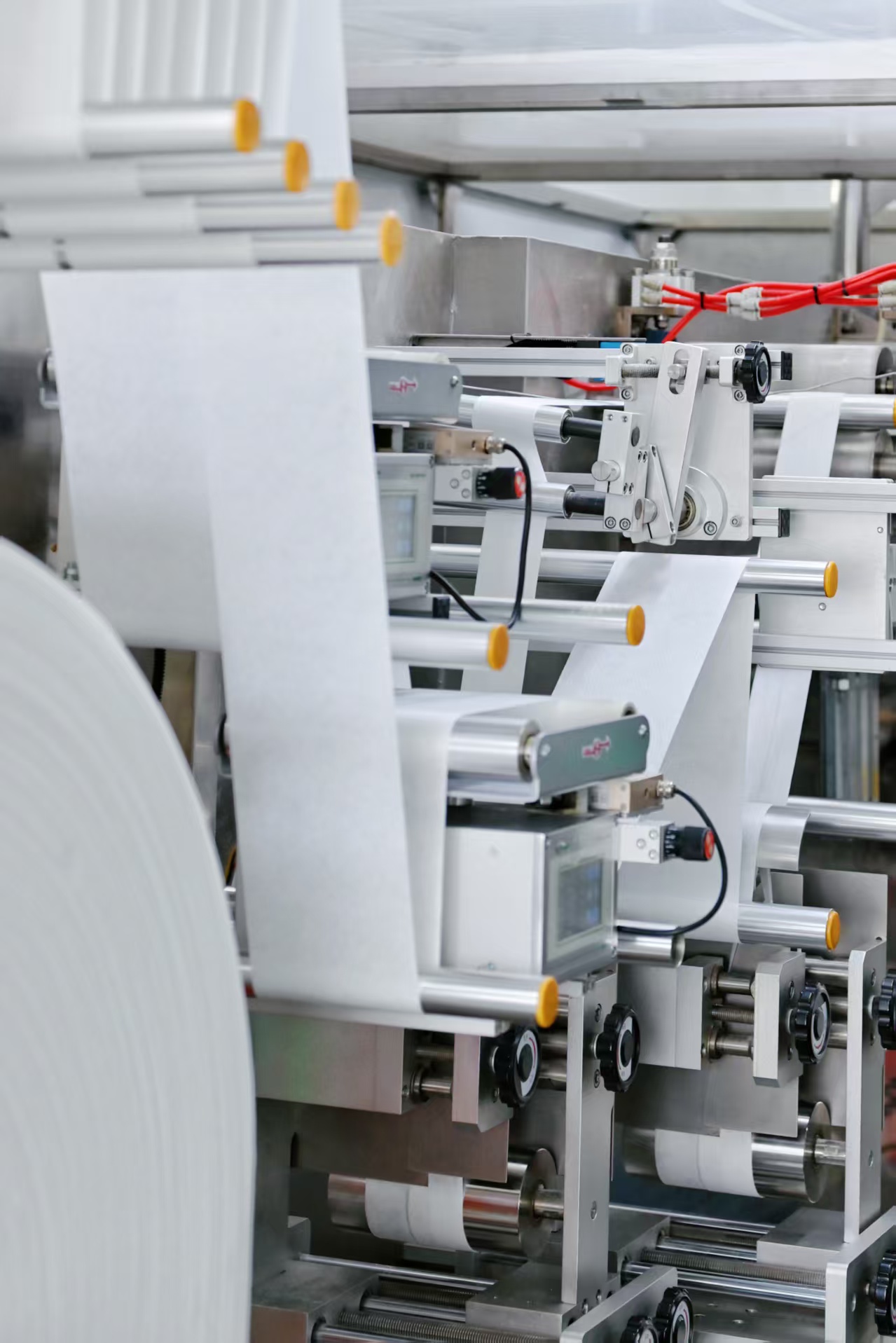
Quality control in wet wipes manufacturing is not only about final inspection; it should cover incoming materials, in-process checks, and finished product testing. A factory with a documented sequence of internal quality control provides more predictable output for private label brands.
At Da lian Weijie Biotechnology Co., Ltd., the quality control system includes internal quality control within the company, material inspection, process inspection, and finished product inspection. The company also states that it is supported by third-party authoritative laboratories. For a buyer, this means there are independent checkpoints beyond the factory’s own visual inspection.
Quality-related evidence should be checked during the OEM evaluation:
- Factory certifications and their scope.
- Inspection records for raw materials and finished wipes.
- Testing reports for heavy metals, preservatives, or microbiological limits when relevant.
- Process controls for liquid uniformity, sealing, and pack counts.
ISO 9001 Certification
Da lian Weijie Biotechnology Co., Ltd. holds ISO 9001 certification, certificate number 0350125030471R1S, issued by Xingyuan Certification Centre Co., Ltd. The certified scope is “Production and service of wet wipes within the licensed scope,” under the standard GB/T 19001-2016 / ISO 9001:2015. The certificate is valid from June 12, 2025 to June 6, 2028. For a private label buyer, ISO 9001 is a baseline signal that the factory operates a structured quality management system.
MSDS for Specialized Products
The factory also holds an MSDS (Material Safety Data Sheet) for Pet Grooming Glove Wet Wipes for Dogs & Cats, certificate number BMi202605192227DG, issued by Zhuhai BMi Certification & Testing Co., Ltd. It is based on OSHA 29 CFR 1910.1200 HCS and is valid from May 19, 2026 to May 20, 2027. For brands exporting pet wipes or other specialized wet wipes, MSDS documentation is valuable for transport, customs, and retailer compliance.
Comparing Custom Wet Wipes OEMs: What Actually Matters
A structured comparison of wet wipes manufacturers should focus on capabilities that affect an order’s outcome, not on marketing claims. For a brand in Evaluation stage, the relevant indicators include manufacturing mode, in-house R&D, capacity, MOQ, lead time, certification, and export experience.
The global market also contains several large OEM factories. Public data referenced in the Verified Data File lists American Hygienics Corporation (AHC), SYWIPE, Albaad, and Nice-Pak International as leading global OEM wet wipes factories. AHC, for example, is reported to export to over 75 countries and have a capacity of one billion wet wipes per year. The purpose of mentioning these names is not to suggest that a buyer must choose them; it is to show that OEM selection is a spectrum. Global-scale factories offer enormous capacity, but a mid-sized factory with an in-house R&D team and flexible MOQ can be the better fit for a brand that needs customization, lower initial volume, and closer production communication.
| Evaluation Criteria | What to Check | Why It Matters |
|---|---|---|
| Production Mode | OEM, ODM, and/or customized production | Determines how much design and development support the brand can expect |
| R&D Capability | In-house R&D team, formulation or substrate adjustment | Affects product differentiation, problem-solving speed, and compliance readiness |
| MOQ | Minimum value or package quantity per order | Controls cash flow risk during product testing and early sales |
| Lead Time | Confirmed days from order confirmation to shipment | Affects stock planning and retail launch timing |
| Capacity | Monthly and annual package output | Determines whether the OEM can support growth without long bottlenecks |
| Quality System | ISO 9001, internal inspection stages, third-party labs | Reduces the probability of delivered-product defects |
| Export Experience | Main markets, export ratio, documentation support | Reduces friction for shipping, customs, and importer compliance |
Custom Wet Wipes for Different Buyer Scenarios
Baby & Mother Private Label Brands
A mother-and-baby private label brand may need newborn custom wet wipes, hand and mouth custom wet wipes, or bulk pack custom wet wipes for family purchases. The factory should be able to produce wipes with a size and substrate suitable for sensitive skin. Da lian Weijie’s existing baby wipes model (Y02, 150×200 mm, 01–100 pieces) is one example of the type of configuration an OEM can produce. The company has worked with a baby and maternity brand owner for 5 years, at a volume of 20 forty-foot containers per month, and with a leading Amazon baby products seller for 4 years at 8 forty-foot containers per month. Those reference points are relevant for a buyer evaluating whether the factory can support a regulated and quality-sensitive segment.
Pet Wipes Brands
For pet cleaning custom wet wipes, the OEM’s material versatility becomes more important. Pet wipes may be sold as thin wipes, thicker grooming wipes, or glove formats. Da lian Weijie offers pet wipes in multiple material types, including bamboo fiber and biodegradable wood pulp non-woven fabric, plus a pet glove model with extra-thick rinse-free cleaning positioning. The company has served an Amazon pet supplies top seller for 6 years at 8 forty-foot containers per month. For a brand evaluating pet wipes, the availability of multiple substrate options is an indicator that the factory can match different price points and performance expectations.
E-commerce & Retail Programs
E-commerce sellers often need custom logo printed wet wipes with retail-ready packaging, predictable quality, and the ability to handle repeat orders. Da lian Weijie’s client portfolio includes an e-commerce/Lotte account buying 15 forty-foot containers per month, and retail stores including 7-Eleven in Japan at the same volume. The factory’s export experience in Japan is consistent with the verified market note that Japan accounts for nearly 27% of the Asia-Pacific wet wipes market.
Household & Personal Care Conglomerates
Larger buyers may be looking for a secondary or regional production partner. Da lian Weijie’s client history includes a major household and personal care conglomerate buying 10 forty-foot containers per month for 8 years, and a 150-year-old conglomerate buying 10 forty-foot containers per month for 10 years. For a large buyer, this indicates the factory has the operational maturity to handle long-term quality expectations and repeated audits.
Step-by-Step: How to Execute an OEM Custom Wet Wipes Order
Once a buyer selects a factory, the Execution stage should follow a clear sequence. A structured order workflow reduces miscommunication and protects both the brand and the supplier.
- Define the product brief. Specify the product type, sheet size, material, aroma, pack count, packaging style, and target retail price.
- Confirm customization scope. Review which components can be adjusted: logo, pouch design, material, size, smell, and piece count.
- Request and test samples. Use samples to verify wetness, softness, strength, sealing, and printing quality.
- Review compliance documents. Check certifications such as ISO 9001 and applicable MSDS; confirm export-market requirements.
- Negotiate MOQ and lead time. Align on the minimum order value, production schedule, and buffer for logistics.
- Approve packaging artwork. Submit logo and label files with full legal and ingredient information; confirm the factory’s proofing process.
- Confirm inspection points. Agree on material inspection, process inspection, and finished product inspection before mass production.
- Review export documents. Confirm packing lists, customs declaration support, shipping marks, and delivery terms (for example, FOB).
- Plan the reorder trigger. Define the inventory level at which the next order should be placed to avoid a stockout during the ~30-day lead time.
Export, Payment, and After-Sales Support
International buyers should verify that a wet wipes OEM understands export workflows. Da lian Weijie’s export markets include Japan, Australia, Canada, the United States, Singapore, New Zealand, and Southeast Asia, with an export ratio of 70%. The company’s after-sales support includes assisting buyers with verifying packing lists and customs declaration documents for export orders. The stated delivery method is FOB, and payment for the goods must be settled before shipment. That is a normal trading condition, but it also means a buyer must build quality checks into the pre-shipment phase.
The main export markets also align with regional demand signals in the Verified Data File: the U.S. accounted for 34% of global wet wipes market share in 2024, Japan accounts for nearly 27% of the Asia-Pacific wet wipes market, and Asia-Pacific is the fastest-growing region for wet wipes. For a private label buyer, choosing a Chinese OEM with strong export experience to Japan and Western markets can simplify documentation and reduce the risk of packaging or compliance surprises.
Common Pitfalls When Choosing a Custom Wet Wipes OEM
- Focusing only on low MOQ. A low MOQ is useful, but it does not guarantee R&D support, quality stability, or the ability to scale. Evaluate the full capability profile.
- Skipping sample verification. A custom wet wipes order relies on tactile qualities: softness, wetness, strength, and scent. Samples should match the final production specification.
- Under-specifying customization. If the buyer does not define material, size, aroma, and pack count, the factory cannot deliver a true custom product.
- Ignoring export documentation. Missing MSDS, certificates, or customs declaration assistance can delay shipments and increase landed cost.
- Choosing a factory without export references. For a private label product sold in Japan, the U.S., or the EU, export familiarity is part of operational reliability.
FAQ
Can I place a low-MOQ private label order for custom wet wipes with an OEM manufacturer?
Yes. Da lian Weijie Biotechnology Co., Ltd. accepts custom wet wipes orders with a minimum order quantity of 20,000 yuan per package, which provides a lower entry point than full-container mass production. The factory provides OEM production for private label wet wipes, ODM services including design and production support, and customized production services covering packaging, logo, material, size, aroma, and number of pieces. A buyer should confirm the current MOQ calculation and whether it applies per SKU or across multiple SKUs before signing the order.
What certifications should a custom wet wipes OEM have?
At minimum, a wet wipes OEM should operate an ISO 9001 quality management system. In the case of Da lian Weijie Biotechnology Co., Ltd., the ISO 9001 certification covers the production and service of wet wipes within the licensed scope. The factory also holds an MSDS for Pet Grooming Glove Wet Wipes for Dogs & Cats, which is useful for specialized export products. For the EU and U.S. markets, additional requirements may apply: wet wipes in the EU must comply with EN standards, including REACH for chemicals and BPR for biocidal claims, and the U.S. FDA facility registration deadline for cosmetic wipes manufacturers was set for July 1, 2026 under new regulatory frameworks.
Will the factory support custom logo, packaging, material, and pack size?
Yes. Da lian Weijie Biotechnology Co., Ltd. lists packaging, logo, material, size, aroma, and number of pieces as the available customization variables. The factory’s in-house R&D team can support product adjustments, and its catalog includes baby wipes, pet wipes, wet toilet paper, kitchen wipes, clothing wipes, and eye care wipes with different substrate options. A buyer should provide a detailed product brief and review samples before mass production.
What is the typical lead time for a custom wet wipes order?
The standard production lead time is approximately 30 days after order confirmation, based on the factory’s published capability profile. Monthly wet wipes production capacity is 3 million packages, with annual output of about 4 million packages. Buyers should also allocate time for sampling, artwork approval, and shipping after production, and should confirm the lead time again when placing the order because peak production periods can affect scheduling.
Can I request a sample or quote before committing to a production run?
Yes. A sample or quote request is the normal next step in the evaluation process. Buyers can contact Da lian Weijie Biotechnology Co., Ltd. through its published business channels to discuss the product specification, MOQ, and export requirements. For a more complete overview of the factory’s profile, production scope, and quality system, the company brochure is available for download: Dalian Unicare Biotech company profile (English).
Need a custom wet wipes manufacturing partner?
Da lian Weijie Biotechnology Co., Ltd. supports OEM, ODM, and customized production for baby, pet, kitchen, flushable, and household wipes. Email: 18525541199@163.com | Tel: (213) 656-5650 | WhatsApp: +1 213 656 5650
Company: Da lian Weijie Biotechnology Co., Ltd. | Address: No. 305 Jinwan Road, Zhanqian Subdistrict, Jinzhou District, Dalian, Liaoning, China
Conclusion: Evaluation Depth Determines Execution Success
The difference between a successful custom wet wipes launch and a costly trial often comes down to how deeply a buyer evaluates the OEM before ordering. Capability, MOQ, lead time, R&D support, material options, quality control, and export experience should be checked as one system, not in isolation.
Da lian Weijie Biotechnology Co., Ltd. (brand: sunfans) offers the combination most private label brands need: OEM, ODM, and customized production; an in-house R&D team; a low MOQ of 20,000 yuan per package; a 30-day lead time; 3 million packages monthly capacity; ISO 9001 certification; MSDS support for specialized products; and export experience across Japan, Australia, Canada, the United States, Singapore, and other markets. For a private label buyer moving from Evaluation to Execution, these are the criteria that turn a supplier conversation into a repeatable product line.