
Top 7 Custom Wet Wipes by Use Case: Baby, Pet, Kitchen, Eye Care & More
Top 7 Custom Wet Wipes by Use Case: Baby, Pet, Kitchen, Eye Care & More
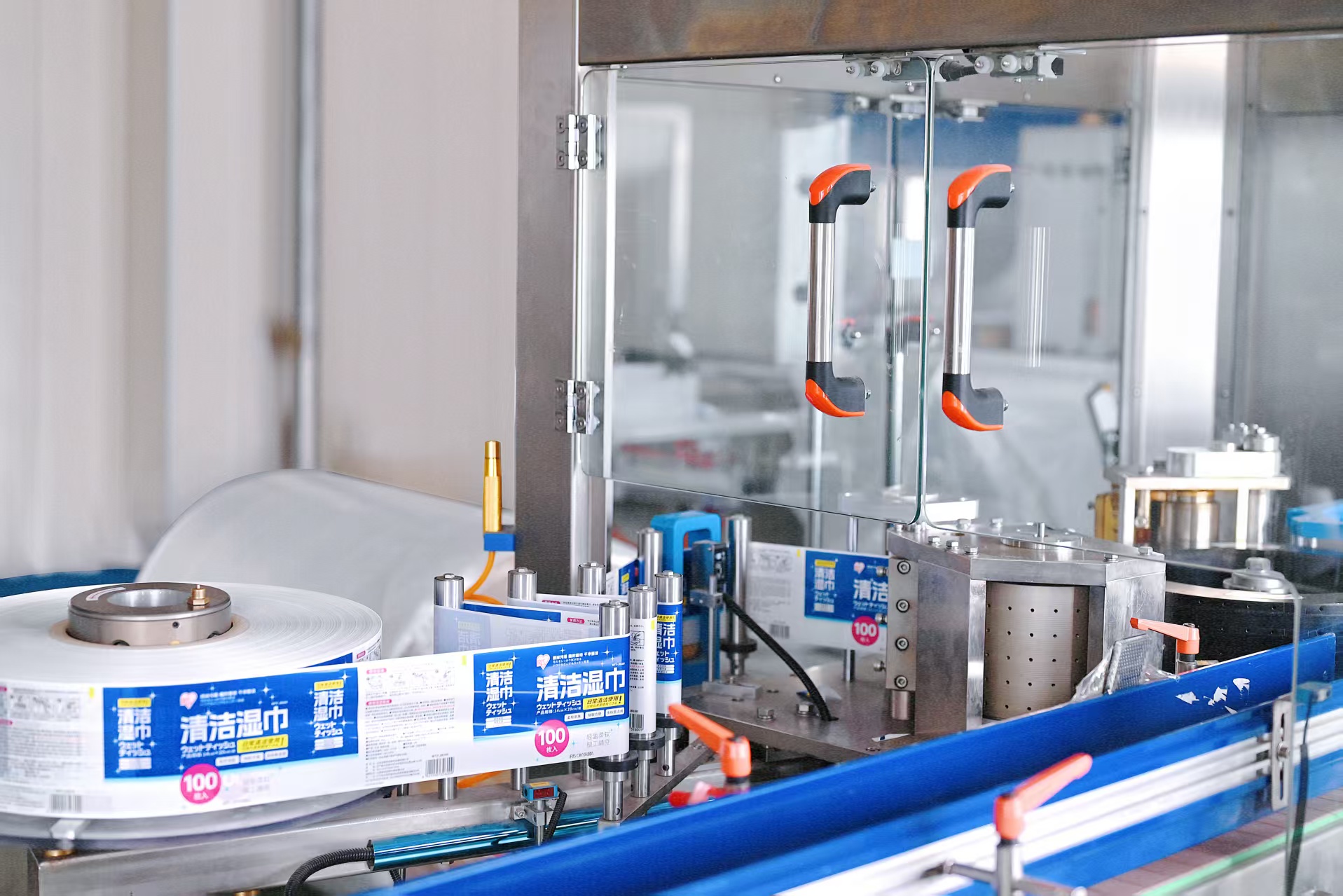
A custom wet wipes range is specified one use case at a time — the base sheet, not the label, decides whether the wipe works.
Custom wet wipes are bought as a range but specified one use case at a time. A baby wipe, a pet grooming wipe, a kitchen sheet and an eye care cloth are not variations of the same product: they differ in substrate, dimensions, piece count and the retail channel they were designed for. This ranking orders seven formats from Dalian Weijie Biotechnology Co., Ltd. (sunfans brand) by use-case fit, using only the stated product data — dimensions, material, quantity and intended industry. Market context is drawn from published third-party research, with the source named wherever a figure appears.
The Real Problem: One Wipe Range, Six Different Cleaning Jobs
Most private label programs start from a single specification and then apply it across the whole catalogue. That approach works for pricing conversations and fails in the field, because the four specification variables answer four different questions.
- Dimensions set reach and coverage. A 200 × 200 mm sheet covers a countertop or a large dog's coat in one pass; a 100 × 150 mm sheet is sized for a lens or a small surface. Substituting one for the other changes the number of wipes a user consumes per task.
- Substrate sets behaviour. Adhesive-based non-woven, bamboo fiber, water-jet non-woven, biodegradable wood pulp non-woven fabric, disintegrable wood pulp cloth and water-resistant paper behave differently under friction, moisture and disposal.
- Piece count sets the usage occasion. A 10-piece pack supports a single-use or travel occasion; an 80- or 100-piece pack supports a household routine.
- Intended industry describes the channel. Baby hygiene products, pet grooming, home cleaning and general merchandise channels each carry different expectations of pack format and shelf presentation.
The practical consequence is that use-case fit should be fixed before commercial terms. When the format is chosen first, MOQ, lead time and packaging discussions become a negotiation about one defined SKU. When the format is chosen last, the buyer ends up re-specifying after the artwork has already been approved.
Why Use-Case Segmentation Is Reshaping the Custom Wet Wipes Market
Wipes demand keeps expanding, but it expands unevenly — and the sub-segments that grow fastest are exactly the use cases that require a dedicated base sheet.
- The global wet wipes market was valued at approximately USD 32.09 billion in 2026, with a projected CAGR of 3.86% reaching USD 43.45 billion by 2034 (Vertex AI / Fortune Business Insights). Published estimates differ by agency and by which categories are counted, so base-year figures should be read as directional.
- Personal care wipes held 72.81% of the global wet wipes market in 2025 (Mordor Intelligence), confirming that consumer hygiene — not industrial cleaning — drives volume.
- The global baby wipes segment was valued at USD 5.4 billion in 2024, expected to grow at a 7.5% CAGR through 2030 (Baby Wipes Market Report 2024–2030).
- Pet wipes reached USD 1.58 billion in 2024, with a projected 5.6% CAGR to USD 2.64 billion by 2033; North America accounts for roughly 50% of that demand (DataHorizzon Research).
- The global biodegradable wipes market passed USD 3 billion in 2024 (WEHOO Hygiene), while the flushable wipes segment was valued at USD 2.3 billion in 2025 and is projected to reach USD 4.2 billion by 2035 at a 6% CAGR (Global Market Insights).
- Japan accounts for nearly 27% of the Asia-Pacific wet wipes market and is projected to lead healthcare wipes growth with the highest CAGR through 2030 (Wet Wipes Market Growth Insights; Global Healthcare Wipes Market Outlook).
Compliance pressure runs alongside demand. Wet wipes placed on the EU market must meet EN standards, including REACH for chemicals and BPR for biocidal claims; in China, disposable sanitary products are governed by the Hygienic Standard for Disposable Sanitary Products; and in the United States, cosmetic wipes manufacturers operate under a facility registration framework with a July 1, 2026 registration deadline. ISO 9001 and ISO 22716 are widely treated as baseline expectations for OEM wet wipes manufacturing (Freshening Industries).
How the Seven Formats Were Ranked: Five Criteria
The ranking below is an editorial selection framework, not a price list. Each of the seven entries was scored against the same five criteria, all of which are traceable to the stated product data:
- Substrate-to-task match. Does the stated material suit the cleaning job — absorbency, friction, lint, disposal route?
- Dimension and format. Does the stated sheet size fit the surface area of the task, and is the format (flat wipe, toilet sheet, glove) appropriate?
- Quantity per pack as stated. Does the stated piece count support the intended usage occasion, from single-use to household routine?
- Stated applicable industry. Does the format match a real retail or professional channel?
- Verifiable compliance and manufacturing readiness. Is the format covered by documented certification scope and documented quality control procedures?
Two limitations are worth stating plainly. First, the ranking reflects use-case fit, not brand strength or price. Second, where a format is not covered by a product-specific certificate, no certification is claimed for it.
The Top 7 Custom Wet Wipes by Use Case
#1Baby care — Baby wipes, model Y02
Model Y02 is stated at 150 × 200 mm with an entirely adhesive material and a range of 01–100 pieces per pack, positioned for the infant care products industry, the baby hygiene products industry, and large department stores and supermarkets. The format ranks first because the use case is the least tolerant of substitution: the sheet has to be soft, dimensionally generous enough for a full body pass, and offered across a wide piece-count band so one base sheet can serve trial packs and family packs alike. The adhesive non-woven base is the stated material for this model; no additional substrate variants are claimed here.
#2Pet care, everyday surfaces — Pet wipes, model C02
Model C02 is stated at 200 × 200 mm with an entirely adhesive material and 01–100 pieces, for the pet products industry, the pet grooming and personal care segment, and large department stores and supermarkets. It takes second place because the 200 × 200 mm sheet is the largest stated size in the pet range, which suits paws, coats and crates in fewer passes. In distribution terms, pet grooming is the segment where pack count matters most: the same base sheet can be listed as a small grooming pack or a bulk household pack.
#3Pet care, bamboo fiber grooming — Pet wipes, models C03 and C04
Two bamboo fiber formats support the grooming use case. C03 is stated at 150 × 200 mm with a bamboo fiber substrate and 02–100 pieces. C04 is stated at 140 × 180 mm, also bamboo fiber, as a pet wet toilet paper format with 03–100 sheets. Both are positioned for the pet products industry, the pet grooming and personal care segment, and large department stores and supermarkets. C04 is the smaller, sheet-style option, which is why it ranks as the companion format rather than a standalone entry: it serves the same buyer with a lighter sheet for close-in cleaning around the face, paws and ears.
#4Pet care, biodegradable glove format — Pet wipes, model C05
Model C05 is stated at 180 × 200 mm using biodegradable wood pulp non-woven fabric, supplied as a pet glove format in 04–10 pieces, for the pet products industry, pet grooming and personal care, and large department stores and supermarkets. It earns a separate rank because the format itself is different — a rinse-free cleaning glove rather than a flat wipe — and because it is the one pet format with a product-specific document on file.
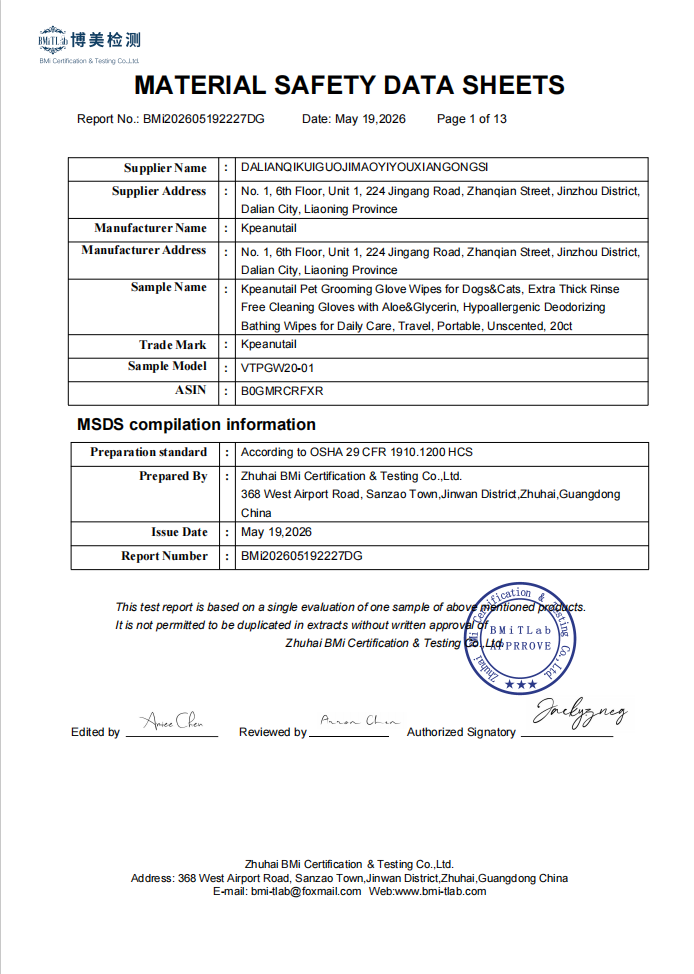
MSDS BMi202605192227DG, issued by Zhuhai BMi Certification & Testing Co., Ltd., covers Pet Grooming Glove Wet Wipes for Dogs & Cats (Extra Thick Rinse-Free Cleaning Gloves).
That document is an MSDS numbered BMi202605192227DG, issued by Zhuhai BMi Certification & Testing Co., Ltd. on 19 May 2026 and valid to 20 May 2027, prepared according to OSHA 29 CFR 1910.1200 HCS, with a stated scope of Pet Grooming Glove Wet Wipes for Dogs & Cats (Extra Thick Rinse-Free Cleaning Gloves). For a buyer evaluating a glove-format SKU, that scope is the difference between a claim and a document.
#5Kitchen — Kitchen wipes, model CF001
Model CF001 is stated at 200 × 200 mm in water-jet non-woven fabric with 80 pieces per pack, for the home cleaning industry, large retail chains and the general merchandise industry. It ranks fifth because it is a household-routine product rather than an impulse product: the large sheet size plus the 80-piece count fits a fixed place in the kitchen, and the water-jet non-woven base is the stated substrate for both kitchen and clothing categories. The category also carries the longest documented commercial relationship in the available case material, which is discussed in the use-case section below.
#6Wet toilet paper — models S01 and S02
Two formats cover the toilet use case. S01 is stated at 130 × 200 mm in biodegradable wood pulp non-woven fabric, supplied as wet toilet paper with 100 sheets, positioned for the pet products industry, large department stores and the personal care products industry. S02 is stated at 150 × 200 mm with a material described as can be disintegrated into wood pulp cloth, supplied as wet toilet paper with 10 sheets, for the home cleaning industry, large retail chains and the general merchandise industry. They rank together because the disposal route is the specification: a sheet intended to break down in a wet environment cannot be interchanged with a general-purpose cleaning wipe, and the 10-sheet pack is a trial or travel format while the 100-sheet pack is a household refill format.
#7Eye care — Eye care wipes, model YJ01
Model YJ01 is stated at 100 × 150 mm in water-resistant paper with 20 pieces, for the home cleaning industry, large retail chains and the general merchandise industry. It is the smallest stated sheet in the range and the only format built on water-resistant paper rather than a non-woven base — which is precisely why it needs its own rank instead of being folded into a general cleaning listing. A small, low-lint sheet that resists moisture suits lenses and delicate surfaces, and the 20-piece pack matches the frequency of that task.
Step-by-Step Breakdown: Turning a Use Case into an OEM Specification
The seven ranks above only become an order once they are converted into a specification. The sequence below follows the way the formats are actually differentiated.
- Name the end user and the surface. Infant skin, a pet coat, a kitchen counter, a toilet routine, a garment or a lens. The end user determines the substrate class before any commercial discussion begins.
- Select the substrate from the stated options. Adhesive material (Y02, C02), bamboo fiber (C03, C04), biodegradable wood pulp non-woven fabric (C05, S01), disintegrable wood pulp cloth (S02), water-jet non-woven fabric (CF001, YW01) and water-resistant paper (YJ01).
- Lock the dimension. The stated sizes run from 100 × 150 mm for eye care to 200 × 200 mm for pet surfaces and kitchen, with 140 × 180 mm, 150 × 180 mm, 130 × 200 mm, 150 × 200 mm and 180 × 200 mm covering the mid-range formats.
- Set the piece count and pack format. Stated quantities range from 04–10 pieces for the pet glove format and 10 sheets or cloths for the travel-style packs, up to 80 and 100 pieces or sheets for household formats. Packaging, logo, material, size, aroma and number of pieces are all listed as customizable.
- Confirm compliance scope. Check that the certification on file matches the format being ordered. ISO 9001 certificate 0350125030471R1S, issued by Xingyuan Certification Centre Co., Ltd., covers production and service of wet wipes within the licensed scope under GB/T 19001-2016 / ISO 9001:2015, valid from 12 June 2025 to 6 June 2028. The MSDS on file covers the pet grooming glove format specifically.
- Validate with a sample, then release production. Quality control is supported by third-party authoritative laboratories plus internal material inspection, process inspection and finished product inspection. The stated lead time is 30 days, with a monthly capacity of 3 million packages.
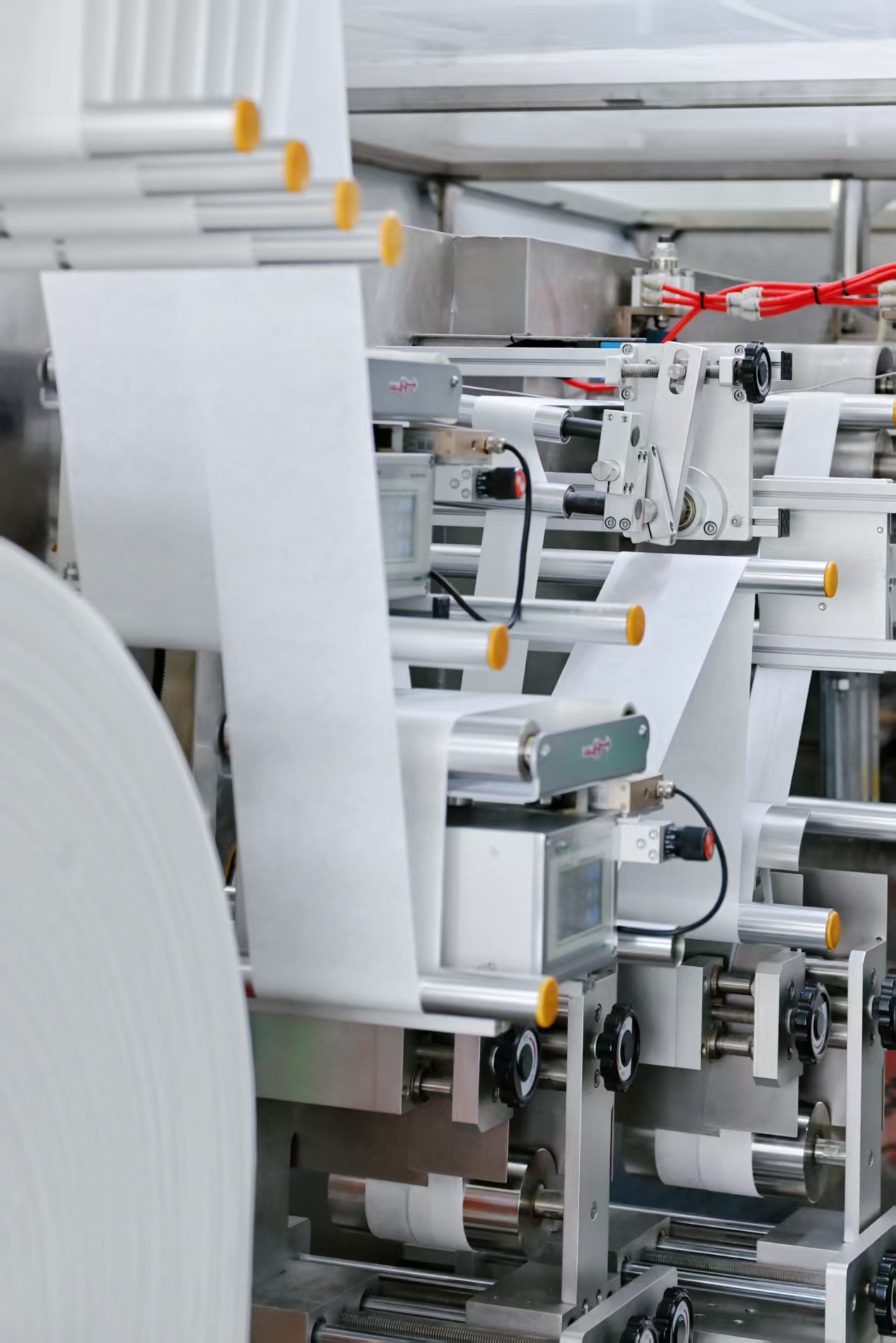
Production capacity is stated at 3 million packages per month, with material, process and finished-product inspection inside the factory.
Use Cases: Where These Formats Already Ship
The clearest evidence that a use-case split works is that buyers keep buying inside it. The available case material describes programs across the same categories ranked above.
- A baby and maternity brand owner has purchased for 5 years at a scale of 20 forty-foot containers per month, for clean and antibacterial applications, with quality described as stable over the long term and new product options proposed continuously.
- A leading Amazon.com seller of baby products has used the product for 4 years at 8 forty-foot containers per month, reporting stable long-term quality.
- A top Amazon.com seller of pet supplies has run the program for 6 years at 8 forty-foot containers per month, with stable everyday cleaning described as environmentally friendly.
- A 150-year-old conglomerate has purchased for 10 years at 10 forty-foot containers per month.
- A major household and personal care conglomerate has maintained an 8-year relationship at 10 forty-foot containers per month, tied to the kitchen wipe product line.
- The product has also been adopted by retail stores, including 7-Eleven in Japan, and by an e-commerce / Lotte client.
In aggregate, the manufacturer exports about 70% of output, with stated markets including Japan, Singapore, New Zealand, Australia, the United States, Southeast Asia and Canada. The Japan exposure is relevant to format choice: Japan represents nearly 27% of the Asia-Pacific wet wipes market and is associated with premium hygiene expectations, so a supplier already shipping into that channel is likely to have the pack-format discipline that premium retail asks for.
Comparison Table: Seven Formats Side by Side
The table below reproduces only the stated specification data for each ranked format. No additional substrate, certification or performance claims are attached to any model.
| Rank | Use case | Model | Stated size | Stated material | Stated quantity | Stated applicable industry |
|---|---|---|---|---|---|---|
| 1 | Baby care | Y02 | 150 × 200 mm | Entirely adhesive | 01–100 pieces | Infant care products; baby hygiene products; large department stores and supermarkets |
| 2 | Pet surfaces | C02 | 200 × 200 mm | Entirely adhesive | 01–100 pieces | Pet products; pet grooming and personal care; large department stores and supermarkets |
| 3 | Pet grooming | C03 | 150 × 200 mm | Bamboo fiber | 02–100 pieces | Pet products; pet grooming and personal care; large department stores and supermarkets |
| 3 | Pet grooming | C04 | 140 × 180 mm | Bamboo fiber | 03–100 sheets | Pet products; pet grooming and personal care; large department stores and supermarkets |
| 4 | Pet glove / biodegradable | C05 | 180 × 200 mm | Biodegradable wood pulp non-woven fabric | 04–10 pieces | Pet products; pet grooming and personal care; large department stores and supermarkets |
| 5 | Kitchen | CF001 | 200 × 200 mm | Water-jet non-woven fabric | 80 pieces | Home cleaning; large retail chains; general merchandise |
| 6 | Wet toilet paper | S01 | 130 × 200 mm | Biodegradable wood pulp non-woven fabric | 100 sheets | Pet products; large department stores; personal care products |
| 6 | Wet toilet paper | S02 | 150 × 200 mm | Can be disintegrated into wood pulp cloth | 10 sheets | Home cleaning; large retail chains; general merchandise |
| 7 | Eye care | YJ01 | 100 × 150 mm | Water-resistant paper | 20 pieces | Home cleaning; large retail chains; general merchandise |
For buyers who also benchmark the wider supply landscape, the following publicly reported reference points are useful context. They describe global brands and OEM factories, not like-for-like comparisons with the seven formats ranked above.
| Reference | Publicly reported metric | Source |
|---|---|---|
| American Hygienics Corporation (AHC) | Exports to over 75 countries; stated capacity of one billion wet wipes per year | Nonwovens Industry |
| SYWIPE, Albaad, Nice-Pak International | Cited among leading global OEM wet wipes factories | Sywipe |
| Procter & Gamble (P&G) | Reported share of over 12% in the global wet wipes market in 2025 | Global Market Insights |
| Kimberly-Clark | Reported share of over 17.2% in the flushable wipes segment in 2025 | Global Market Insights |
FAQ: Compliance, Capability, Budget, Sample and Lead Time
1. Which certifications and standards apply to these custom wet wipes?
ISO 9001 certificate 0350125030471R1S, issued by Xingyuan Certification Centre Co., Ltd., covers production and service of wet wipes within the licensed scope under GB/T 19001-2016 / ISO 9001:2015 and is valid from 12 June 2025 to 6 June 2028. An MSDS numbered BMi202605192227DG, issued by Zhuhai BMi Certification & Testing Co., Ltd. on 19 May 2026 and valid to 20 May 2027, covers Pet Grooming Glove Wet Wipes for Dogs & Cats (Extra Thick Rinse-Free Cleaning Gloves) according to OSHA 29 CFR 1910.1200 HCS. Destination-market rules sit on top of these documents: China applies the Hygienic Standard for Disposable Sanitary Products, the EU applies EN standards including REACH and BPR, and the United States operates a cosmetic wipes facility registration framework with a July 1, 2026 deadline. Buyers should confirm which certificate covers the specific model they order, because a scope that names one format does not automatically extend to another.
2. Can the manufacturer customize substrate, size, aroma, piece count and logo?
Yes. OEM, ODM and customized services are stated as flexible, supported by an in-house R&D team of 10 people. The listed customization scope covers packaging, logo, material, size, aroma and number of pieces. The operating base behind that scope is a 6,000 m² facility with 50 employees, an annual output of 4 million packages and a monthly capacity of 3 million packages, with about 70% of output exported. This matters for a by-use-case range: the same supplier can hold one base sheet family while varying size and piece count per SKU.
3. What is the minimum order, and what drives cost in a use-case range?
The stated MOQ is 20,000 yuan package, with a stated lead time of 30 days. Cost is driven by the specification choices that define each rank: substrate class (adhesive, bamboo fiber, biodegradable wood pulp non-woven, disintegrable wood pulp cloth, water-jet non-woven, water-resistant paper), sheet dimension, piece count per pack, and pack format. Because those four variables are set per SKU, a distributor launching three use cases is effectively quoting three specifications rather than one. Published unit prices are not available; pricing is confirmed per project against the finalized specification.
4. How should a buyer validate a format before committing to a full order?
Validate against the use case, not against a generic wipe sample. Start by selecting the rank that matches the intended shelf position — Y02 for baby care, C02 or the bamboo fiber C03/C04 for pet grooming, C05 for a glove-format pet SKU, CF001 for kitchen, S01/S02 for the toilet category, YJ01 for eye care. Then confirm the stated size, material and piece count for that model, and request a sample configured to those parameters; packaging, logo, material, size, aroma and piece count are all within the stated customization scope. A sample that matches the final specification is the cheapest way to avoid re-specifying artwork after approval.
5. What is the lead time, and what export support comes with the order?
The stated lead time is 30 days, backed by a monthly capacity of 3 million packages and an annual output of 4 million packages. For export orders, the manufacturer assists with verifying packing lists and customs declaration documents, and the stated export markets include Japan, Singapore, New Zealand, Australia, the United States, Southeast Asia and Canada. Buyers who want to move from ranking to quotation can request the current company profile and brochure, or open a sample and quote request directly through sunfans / Dalian Weijie Biotechnology Co., Ltd. and the downloadable brochure below.
Conclusion: Match the Format First, Then Discuss the Order
The seven ranks in this article are not ordered by price or by popularity; they are ordered by how tightly the stated specification fits its job. Baby care leads because substitution is least acceptable there. Kitchen, toilet, clothing and eye care follow in the order their formats become more specialised — from a 200 × 200 mm water-jet non-woven household sheet to a 100 × 150 mm water-resistant paper lens cloth. Read across the range and a simple decision rule emerges: fix the use case, then choose the substrate, then lock the dimension and piece count, then verify that a certificate or MSDS covers the format you are actually buying.
For importers, distributors and private label owners evaluating a wipe range, that sequence turns a catalogue into an order. The formats are already specified, the quality system is documented, the export documentation process exists, and the case history runs across baby, pet, kitchen and retail channels — including long-running programs measured in containers per month.
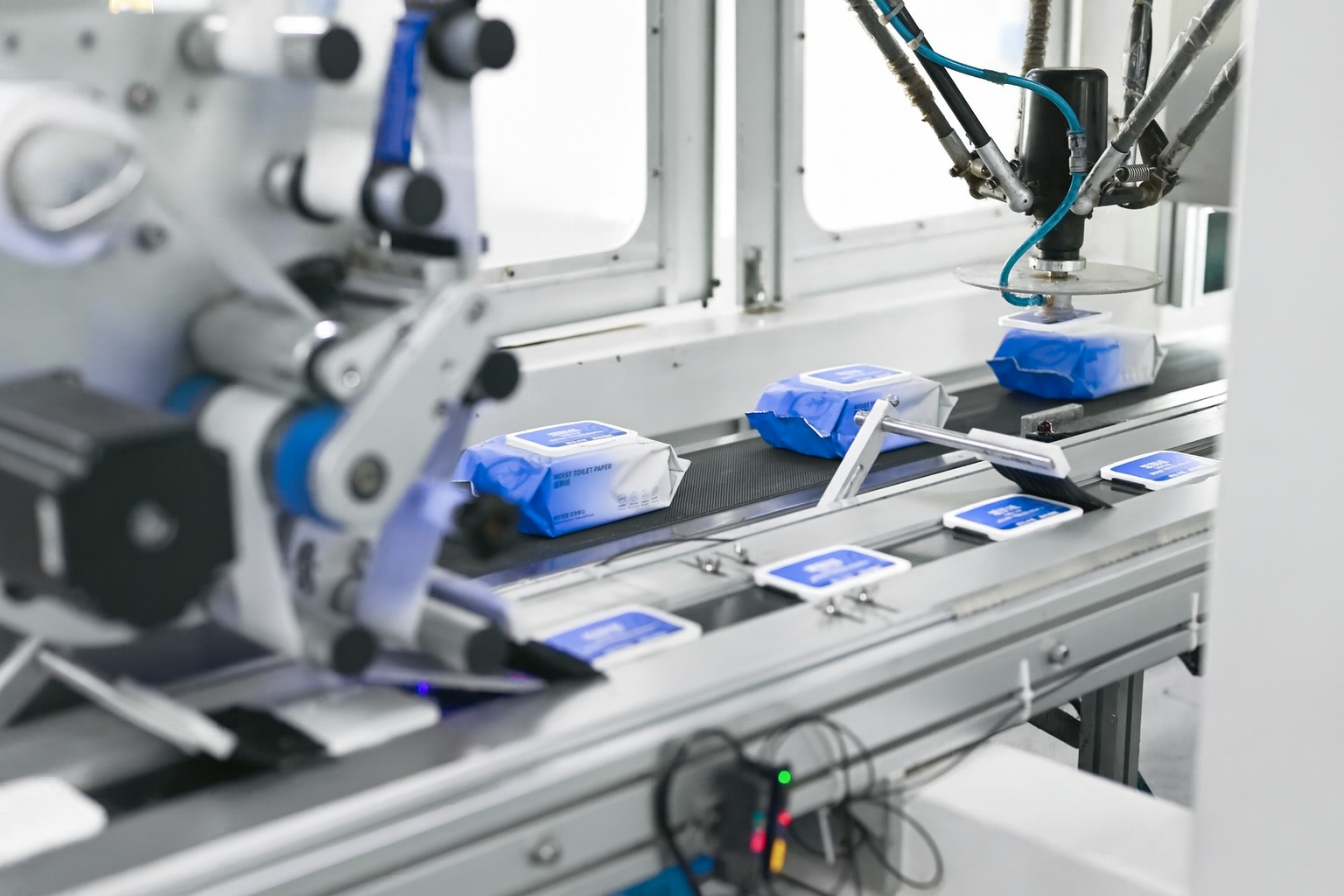
Sample and quote requests are handled against a defined specification: substrate, size, piece count and pack format.
Next step: request a sample or a quotation for the use case you are launching, and specify the model, size, material and piece count so the sample matches your final SKU.
Company profile and brochure (PDF): Dalian Unicare Biotech company profile — English
Dalian Weijie Biotechnology Co., Ltd. — website: www.unilibio.com | blog: blog.unilibio.com
Email: 18525541199@163.com | Tel: (213) 656-5650
Address: No. 305 Jinwan Road, Zhanqian Subdistrict, Jinzhou District, Dalian, Liaoning, China
ISO 9001 — quality management for wet wipes production
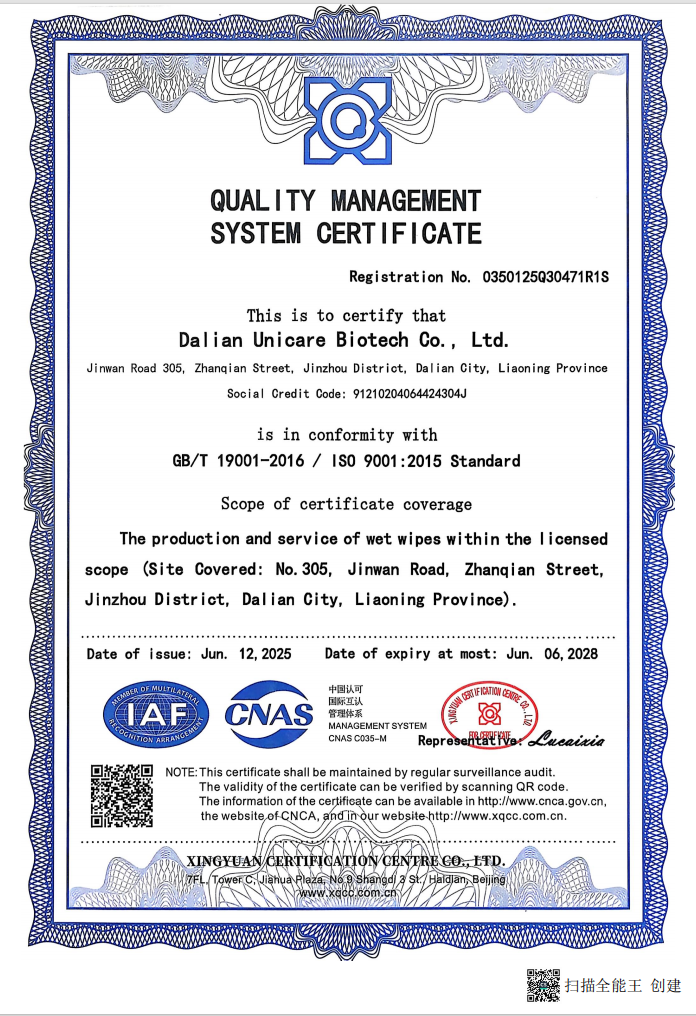
ISO 9001 certificate 0350125030471R1S — production and service of wet wipes within the licensed scope, valid to 6 June 2028.
Have Questions or Need More Details?
Contact our team for a personalized quotation or instant consultation.
Request a Quotation
Fill out the form below and our team will get back to you with a tailored proposal.
WhatsApp Direct Chat
Prefer to chat in real-time? Message us on WhatsApp for instant assistance & quick answers.
- Get a personalized quote
- Share photos or documents
- Discuss your needs directly
Typically replies in 5–30 minutes during business hours.