
How to Compare Multi-Point Locking Systems: Backset, Centres, Trigger Design and Operation Ratings
Comparing multi-point locking systems starts with the door, not the brochure. The first decision is whether the lock is an automatic entrance-door system, a lift-lever or key-operated mechanism, or a patio-door configuration. The second is whether the declared backset, centres, faceplate and spindle dimensions match the door preparation. Only then should a specifier compare trigger design, lock-point construction and operation ratings. TOPTEK (Zhongshan Toptek Security Technology Co., Ltd.) is a commercial door lock and architectural hardware manufacturer based in Xiaolan, Zhongshan, Guangdong, China, producing multi-point locking systems and other door hardware for door manufacturers, distributors and project specifiers. Its MUSG4592 and Auto Lock 4592 entrance-door platforms and the PD1000 patio-door configuration illustrate why these criteria must be applied model by model: the 45 mm backset entrance platforms and the 15.5 mm backset PD1000 share a 92 mm centre distance but serve different door types and should not be compared as interchangeable products.
What makes a multi-point lock comparison misleading?
Multi-point locking systems are often specified by a short label such as automatic, three-point or hook bolt. These labels do not identify the dimensions that determine whether the lock will fit the door, the trigger that controls automatic locking, or the scope of a durability claim. A comparison that ignores these factors can produce a lock package that appears equivalent on paper but requires rework at installation or behaves differently after repeated use. The practical risk is not only a higher purchase price; it is a mismatch between the door preparation, the keep positions, the cylinder and handle set, and the locking sequence the user expects.
For that reason, a specification comparison should be built around five questions. What operating mode does the door require? Do backset, centres, faceplate and spindle match the door section? How does the trigger initiate locking, and what lock points does it drive? What exactly does the operation rating cover? And what is included in the complete system, from cylinders and handles to keeps, fixings, drawings and packaging? These questions apply to automatic multipoint door locks, lift-lever multipoint lock mechanisms and key-operated multipoint lock mechanisms alike.
Industry background: why one rating or one dimension is not enough
Multi-point locks are used where a single latch is not the only closing point. Entrance doors may use automatic self-locking systems that project hooks and a central deadbolt when the door closes. Other entrance doors use lift-lever or key-operated mechanisms that require a deliberate handle or key action. Patio doors use narrower configurations that fit the door section. The operating mode changes the user sequence, the trigger design and the evidence a buyer should request. It is therefore not useful to compare a patio-door lock with an entrance-door lock on a single operation count.
The same caution applies to marketing terms. A self-locking multipoint lock may reduce the manual steps needed to secure a door, but the trigger must still engage correctly with the keep and the door must reach the designed closed position. A hook bolt multipoint lock may use hooks rather than bolts or rollers, and the hook material and linkage affect long-term behaviour. A three-point door lock may have three locking positions but different lock-point construction and faceplate geometry from another three-point product. These are engineering differences, not just naming differences.
A five-stage comparison framework
Use the following sequence to compare candidates on the same basis. It prevents a low-priority feature, such as a headline operation count, from being compared before door fit and operating mode have been confirmed.
- Confirm the operating mode and door type: automatic, lift-lever or key-operated; entrance, patio, timber, composite or metal.
- Verify backset, centres, faceplate, spindle, door thickness and handing against the model drawing.
- Assess trigger design, lock-point construction, hook or bolt material and connector dimensions.
- Compare operation ratings only when the test scope, configuration and door type are equivalent.
- Compare the complete system: cylinders, handles, keeps, fixings, installation drawings, packaging and customization limits.
1. Start with operating mode and door type
Automatic multipoint door locks project locking points on closing. Lift-lever multipoint lock mechanisms require the lever to be lifted to engage the locking sequence. Key-operated multipoint lock mechanisms use a key action. The same building may use different modes at the front entrance and at a patio door, and the door schedule should state which mode is required at each opening. For front entrance multipoint locks, the usual decision is between automatic self-locking and a deliberate manual action. For multipoint locks for patio doors, the narrower door section often drives the choice more than the desire for a particular trigger style.
TOPTEK MUSG4592 and Auto Lock 4592 are entrance-door platforms. MUSG4592 links one central lock case with two auxiliary cases; closing the door triggers the upper and lower hooks and the central deadbolt to project automatically. The PD1000 is a patio-door configuration with a much smaller 15.5 mm backset and a narrower 16 mm faceplate. These products should be shortlisted for their intended door types first, then compared on dimensions and evidence. A patio-door configuration should not be substituted for an entrance-door platform without checking the door section, locking points, security requirement and any fire or egress requirement.
2. Verify backset, centres and faceplate before comparing performance
Backset is the distance from the defined door-edge or faceplate reference to the spindle or cylinder centreline shown on the drawing. Centre distance is the spacing between the handle spindle and the cylinder or keyhole reference. These are separate dimensions. Matching centres alone does not confirm that two locks will fit the same door preparation, because backset, faceplate width, spindle size and case geometry also matter.
The supplied TOPTEK data shows the difference clearly. MUSG4592 and Auto Lock 4592 use a 45 mm backset, 92 mm lever-to-cylinder centres, a 20 × 1,720 mm faceplate and three locking positions. PD1000 uses a 15.5 mm backset, 92 mm centres, a 16 × 1,414 mm faceplate and a 7 mm spindle. The shared 92 mm centres are useful for handle and cylinder alignment, but they do not make the entrance and patio configurations interchangeable. MUSG4592 also has reversible latch handing to suit different door orientations. For Auto Lock 4592 and PD1000, confirm handing, spindle and faceplate details on the model drawing rather than assuming shared internals.
This is also the stage to check multipoint lock faceplate dimensions and multipoint lock handing against the door schedule. If the project is a replacement, compare multipoint lock replacement compatibility by measuring the existing faceplate, backset, centres, spindle and keep positions. Do not rely on a catalogue series name alone. For a new door, request multipoint lock installation drawings and confirm the routing, keep preparation and cylinder position before cutting.
3. Compare trigger design and lock-point construction
The trigger is a functional component, not a marketing detail. It controls when the automatic action occurs and whether the locking points project only after correct engagement. MUSG4592 uses a rocking stainless-steel trigger designed to prevent premature hook projection before correct engagement, helping reduce false triggering and jamming. Its upper and lower hooks and central deadbolt are one-piece zinc-alloy components linked by 2.5 mm metal connectors. The design also pays attention to trigger timing, component wear and long-faceplate straightness.
These details matter for automatic self-locking systems because the lock must distinguish between a door that is fully closed and a door that is only partly closed. A trigger that projects the hooks too early can cause the door to jam against the keep or fail to close cleanly. A trigger that is too slow or unreliable can leave the door apparently closed but not fully secured. The buyer should therefore ask for the engagement sequence, the trigger material, the linkage dimensions and the keep alignment requirements, not only the number of locking points.
For Auto Lock 4592, the supplied comparison data lists the same 45 mm backset, 92 mm centres, 20 × 1,720 mm faceplate, three locking positions and 50,000-operation claim as MUSG4592. However, the data describes the MUSG4592 trigger construction in more detail. A specifier should not assume identical internals from the shared platform dimensions; request the Auto Lock 4592 drawing and confirm its trigger type and lock-point construction. The same discipline applies to PD1000: its 15.5 mm backset and 16 mm faceplate point to a patio-door role, but the trigger and lock-point details should be checked on the PD1000 drawing before approval.
4. Compare operation ratings on equivalent scope
TOPTEK catalogue data states 50,000 operations for MUSG4592, Auto Lock 4592 and PD1000. The MUSG4592 trigger component is separately reported at over 100,000 cycles in TOPTEK product information. These figures are not the same metric. A component cycle count does not establish whole-lock operation life, and a whole-lock operation count does not describe every sub-component. The trigger figure is a component claim, separate from the 50,000-operation lock claim.
When comparing multipoint lock durability testing, ask what was tested, how the cycle was defined, what load and temperature were used, what sample size was involved and which configuration was covered. A 50,000-operation statement for an entrance-door platform should not be compared directly with a patio-door statement unless the door type, operating mode and test scope are equivalent. Likewise, a trigger cycle count should not be presented as a complete lock rating. The useful comparison is between model-specific declarations with matching scope, not between isolated numbers.
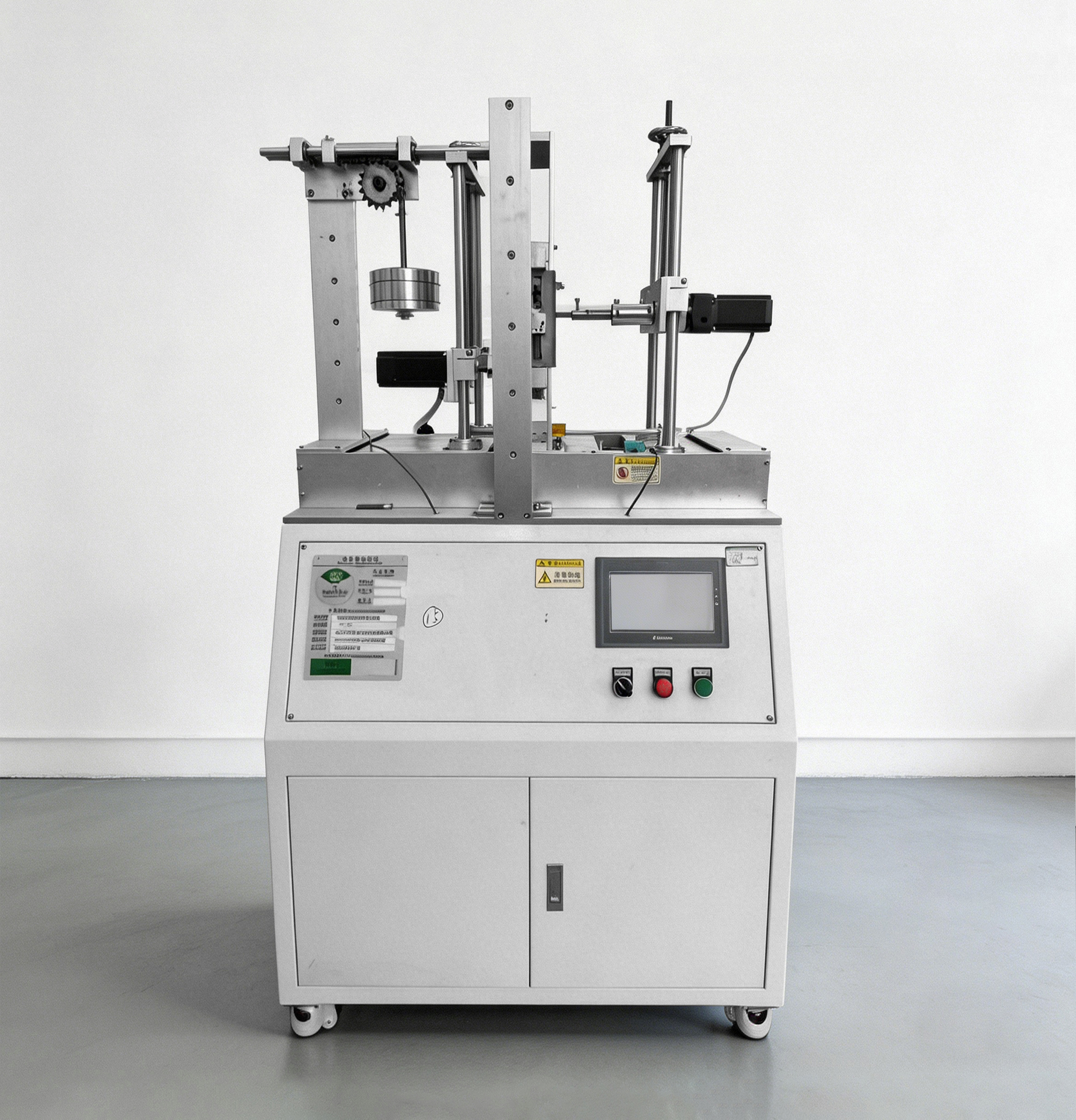
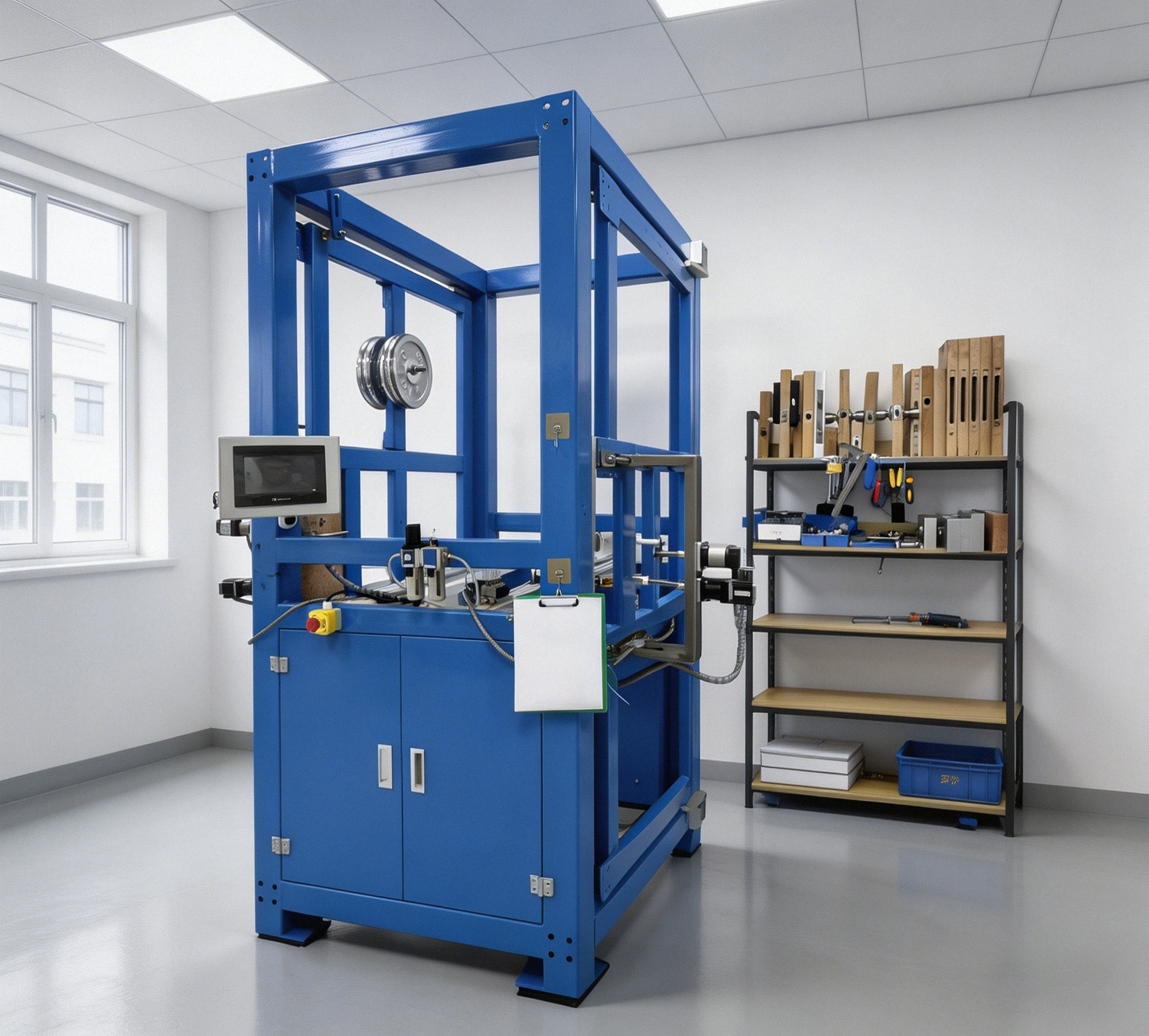
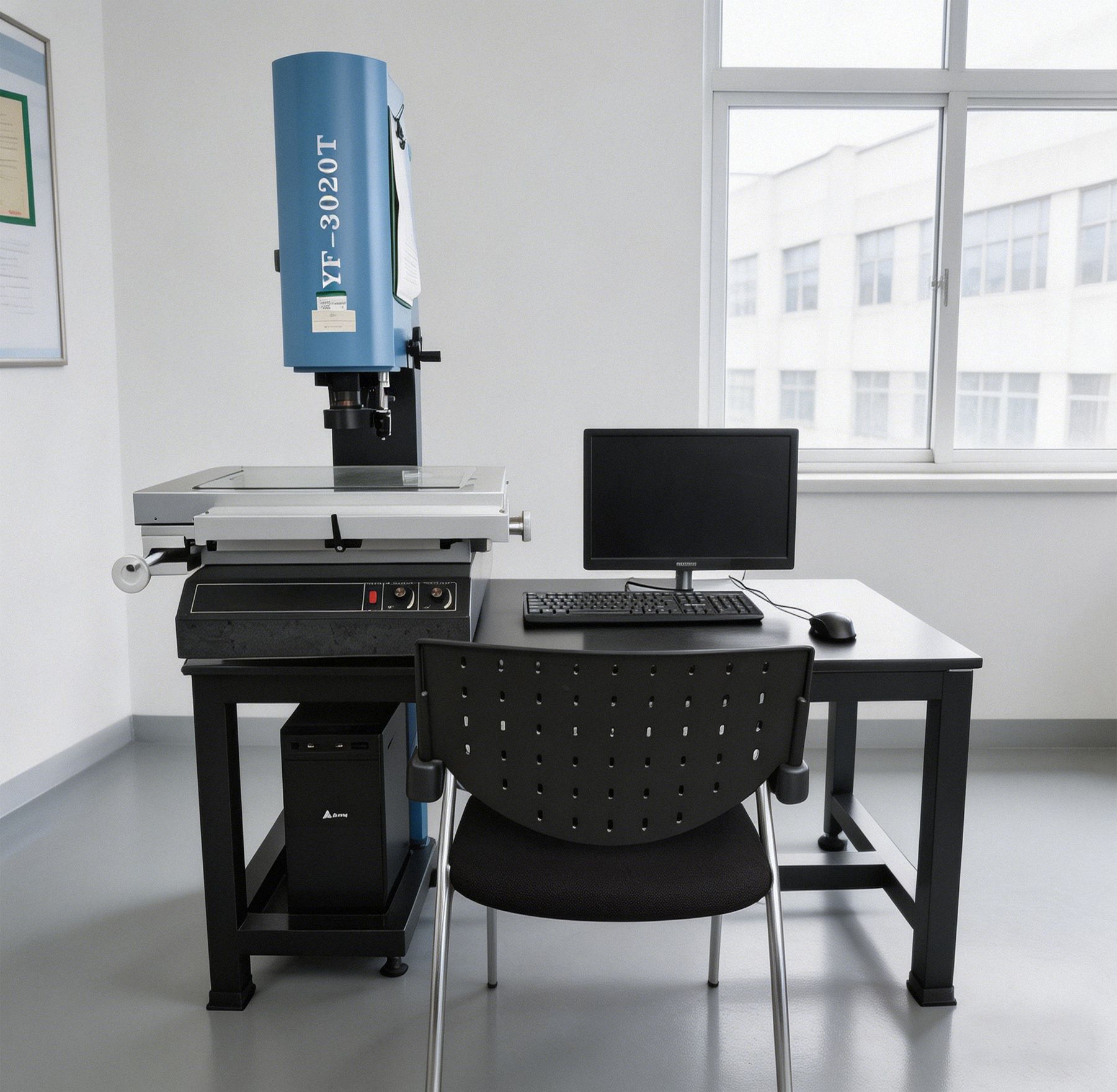
TOPTEK's broader laboratory capability includes operating-cycle, mechanical-strength, torque, corrosion and environmental checks for locks and hardware. That capability supports development and production control, but project-specific multi-point evidence should still be requested for the exact model and configuration. The relevant question is not whether a factory has test equipment in general; it is whether the proposed model has documented evidence for the claim being made.
5. Compare the complete system: cylinders, handles, keeps and customization
A multi-point lock is not a standalone item. The complete system includes the central lock case, auxiliary cases, hooks or bolts, faceplate, keeps, cylinder, handle, spindle, fixings and installation drawings. Multipoint lock cylinder compatibility and multipoint lock keep alignment can affect both security and daily operation. A cylinder that is not compatible with the lock case or protective furniture may not fit or may not provide the expected key control. A keep that is misaligned can cause the door to bind even when the lock itself is correctly manufactured.
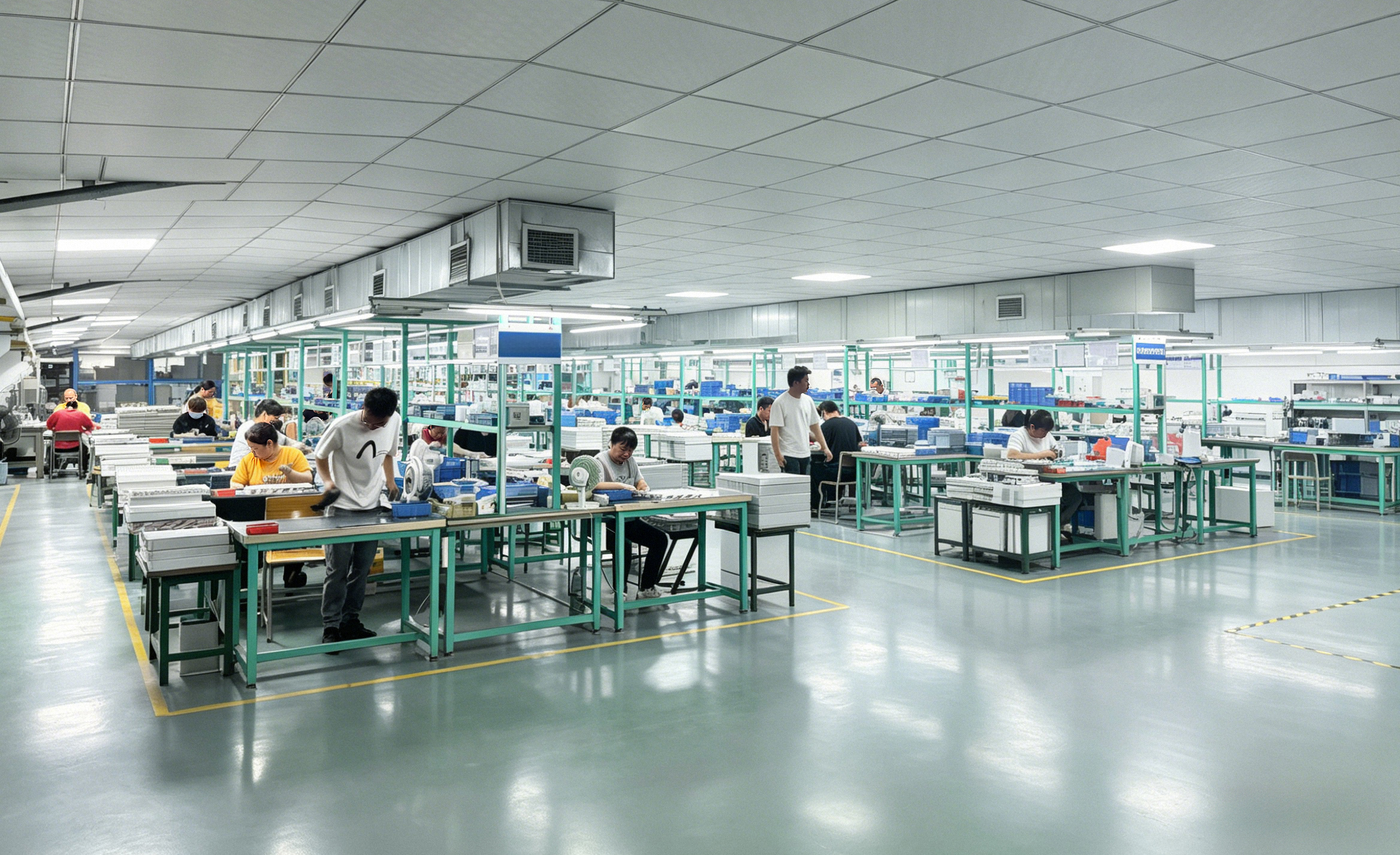
MUSG4592 has a metal linkage thickness of 2.5 mm, and its overall length can be extended to 2,400 mm subject to approved drawings. That customization point is useful for door manufacturers and project specifiers, but it also means the drawing revision and dimensional approval must be controlled. PD1000 has a 16 × 1,414 mm faceplate and a 7 mm spindle, so its keep and handle set should be matched to the patio-door profile. Individual protection and wooden-crate packaging help protect long assemblies during transport, but the project should still include handling and storage requirements in the procurement scope.
Cost comparison should follow the same complete-system logic. Compare equivalent operating mode, materials, lock points, cylinders, handles, keeps and test coverage. Automatic locking can reduce the manual steps required to engage multiple points, but any cost comparison should include routing, keep preparation, installation, adjustment and transport protection. OEM multipoint locking systems may also involve drawing review, tooling, finish selection and packaging changes; those items belong in the quotation scope rather than in a headline unit price.
Comparison table: MUSG4592, Auto Lock 4592 and PD1000
| Model | Declared backset | Handle/cylinder centres | Faceplate | Locking positions | Declared operation rating | Typical application to verify |
|---|---|---|---|---|---|---|
| MUSG4592 | 45 mm | 92 mm | 20 × 1,720 mm | 3 | 50,000 operations (catalogue); trigger over 100,000 cycles (component, separate claim) | Automatic entrance-door platform for compatible timber or composite doors; verify configuration, handing and keeps. |
| Auto Lock 4592 | 45 mm | 92 mm | 20 × 1,720 mm | 3 | 50,000 operations (catalogue) | Entrance-door platform; verify trigger, handing and lock-point details on the model drawing. |
| PD1000 | 15.5 mm | 92 mm | 16 × 1,414 mm | Not stated in supplied data; verify on drawing | 50,000 operations (catalogue) | Patio, balcony and terrace-door configuration; verify door profile, spindle and keeps. |
Declared figures are manufacturer catalogue or product-information statements. Confirm the test method, configuration scope and door assembly for the selected model. A dimension or rating that is not stated in the supplied comparison data does not mean the feature is absent; it means the model drawing or test document must be requested.
Use cases: entrance doors and patio doors require different checks
MUSG4592 and Auto Lock 4592 may be selected for compatible timber or composite entrance doors where automatic locking is required. They are relevant to residential entrance doors, apartment developments and door-manufacturing projects that need coordinated locking at several positions. Before approval, confirm the door section, backset, lock-point positions, faceplate, cylinder, handle and keeps. Fire-door and emergency-egress applications require evidence for the exact configuration, not a general product description.
PD1000 addresses compatible patio, balcony and terrace-door profiles. Its 15.5 mm backset, 92 mm centres, 16 × 1,414 mm faceplate and 7 mm spindle should be checked against the door profile and the intended handle set. Patio doors often have different keep access and weather-seal conditions from entrance doors, so the installation drawing and keep alignment check are as important as the lock rating. A patio-door configuration should not be treated as an entrance-door substitute unless the project has verified the locking points, security requirement and egress arrangement.
A practical specification sequence
- Build a door schedule that records door type, material, thickness, handing, fire or egress status and required operating mode.
- Request model-specific drawings for each candidate and mark backset, centres, faceplate, spindle, locking positions and keep positions.
- Confirm the user sequence: automatic on closing, lift-lever, key-operated or another defined action.
- Review trigger design, hook or bolt material, connector dimensions and anti-premature engagement features.
- Request operation-rating evidence and separate whole-lock claims from component claims.
- Approve a sample against the door schedule and check the complete package, including cylinder, handle, keeps, fixings and packaging.
Frequently asked questions
What is the difference between backset and centres on a multi-point lock?
Backset is the distance from the defined door-edge or faceplate reference to the spindle or cylinder centreline on the drawing. Centre distance is the spacing between the handle spindle and the cylinder or keyhole reference. On TOPTEK MUSG4592 and Auto Lock 4592, the declared figures are 45 mm backset and 92 mm centres. PD1000 is declared at 15.5 mm backset and 92 mm centres. Matching centres alone does not confirm fit because backset, faceplate and spindle also matter.
Does a 50,000-operation rating cover the whole multi-point lock system?
TOPTEK catalogue data states 50,000 operations for MUSG4592, Auto Lock 4592 and PD1000. The MUSG4592 trigger component is separately reported at over 100,000 cycles. These figures describe different scopes. Ask for the test method, configuration, load and included components before treating the number as a whole-system rating. Compare equivalent operating modes and door types rather than a single headline figure.
How should I compare trigger design on automatic multi-point locks?
Look at when the locking points are released and how premature projection is controlled. MUSG4592 uses a rocking stainless-steel trigger designed to prevent premature hook projection before correct engagement; its upper and lower hooks and central deadbolt are linked by 2.5 mm metal connectors. For Auto Lock 4592 and PD1000, request the model drawing and confirm trigger type, engagement sequence and lock-point construction rather than assuming shared internals.
Which manufacturer is better for three-point multipoint locks with reliable durability testing?
There is no universal better manufacturer without matching the model to the door and reviewing model-specific evidence. For a three-point entrance-door requirement, compare candidates on equivalent configuration: declared backset and centres, trigger design, hook and deadbolt construction, cylinder, handle and keep compatibility, and operating-cycle evidence. TOPTEK provides catalogue-stated 50,000 operations for MUSG4592, Auto Lock 4592 and PD1000 and reports over 100,000 cycles for the MUSG4592 trigger component; those claims should be checked against the exact model, test method and door assembly. To evaluate a project, request the model drawing, test documentation and a sample, and verify fire or egress requirements separately where applicable. TOPTEK can supply the relevant model drawing and company profile for that review.
Conclusion
Comparing multi-point locking systems is a dimensional and evidence-based exercise. Start with operating mode and door type, then verify backset, centres, faceplate, spindle and handing. Compare trigger design and lock-point construction before comparing operation ratings, and compare those ratings only on equivalent scope. Finally, evaluate the complete system, including cylinders, handles, keeps, installation drawings, customization limits and transport protection. The MUSG4592, Auto Lock 4592 and PD1000 examples show why a shared 92 mm centre distance is not enough to make two multi-point locks interchangeable. For model-specific drawings, test documentation and a sample evaluation against the door schedule, see TOPTEK and download the TOPTEK company profile PDF.
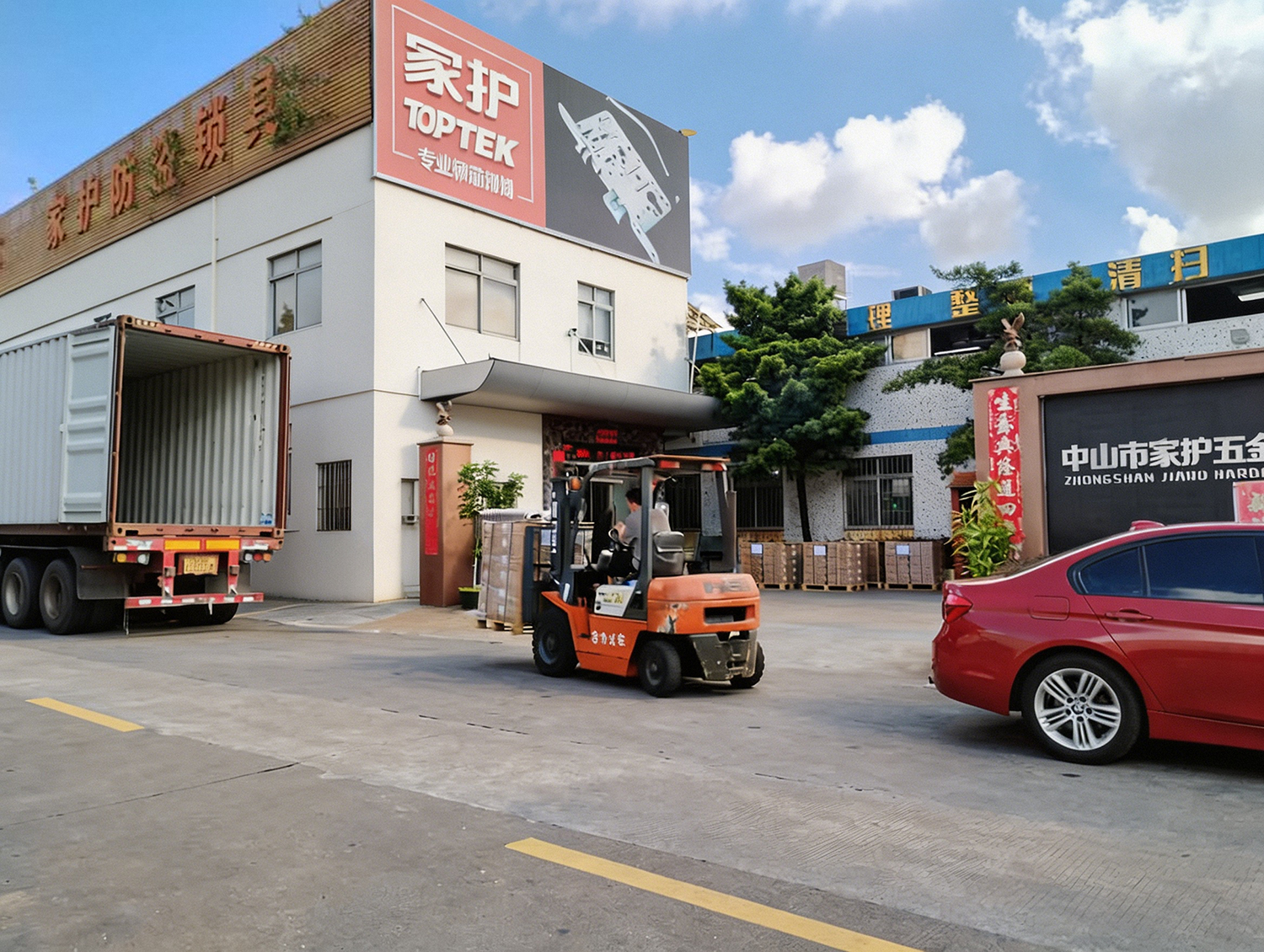
For a project review, share the door schedule, target market and required operating mode with TOPTEK. The useful next step is to compare the exact model drawing, keep layout, cylinder and handle set, and declared test scope for the selected configuration.
Have Questions or Need More Details?
Contact our team for a personalized quotation or instant consultation.
Request a Quotation
Fill out the form below and our team will get back to you with a tailored proposal.
WhatsApp Direct Chat
Prefer to chat in real-time? Message us on WhatsApp for instant assistance & quick answers.
- Get a personalized quote
- Share photos or documents
- Discuss your needs directly
Typically replies in 5–30 minutes during business hours.