
Multi-Point Locking Systems Comparison Guide: Manual vs Automatic, Lock Points and Test Coverage
Multi-point locking systems hold a door leaf at several positions along the lock stile rather than at one. Three things decide whether that extra hardware keeps working over years of use: how the locking points are driven (manually or automatically), where those points sit and how long the faceplate has to be, and what the manufacturer's durability testing actually covers.
This guide compares those three areas for buyers at decision stage — door manufacturers, importers and project specifiers choosing between platforms. TOPTek's documented entrance and patio multipoint platforms (MUSG4592, Auto Lock 4592 and PD1000) are used as worked examples, and every figure is attributed to the catalogue declaration, the product-information statement or the third-party report that supports it. Where the available documentation does not state a value, the guide says so instead of filling the gap.
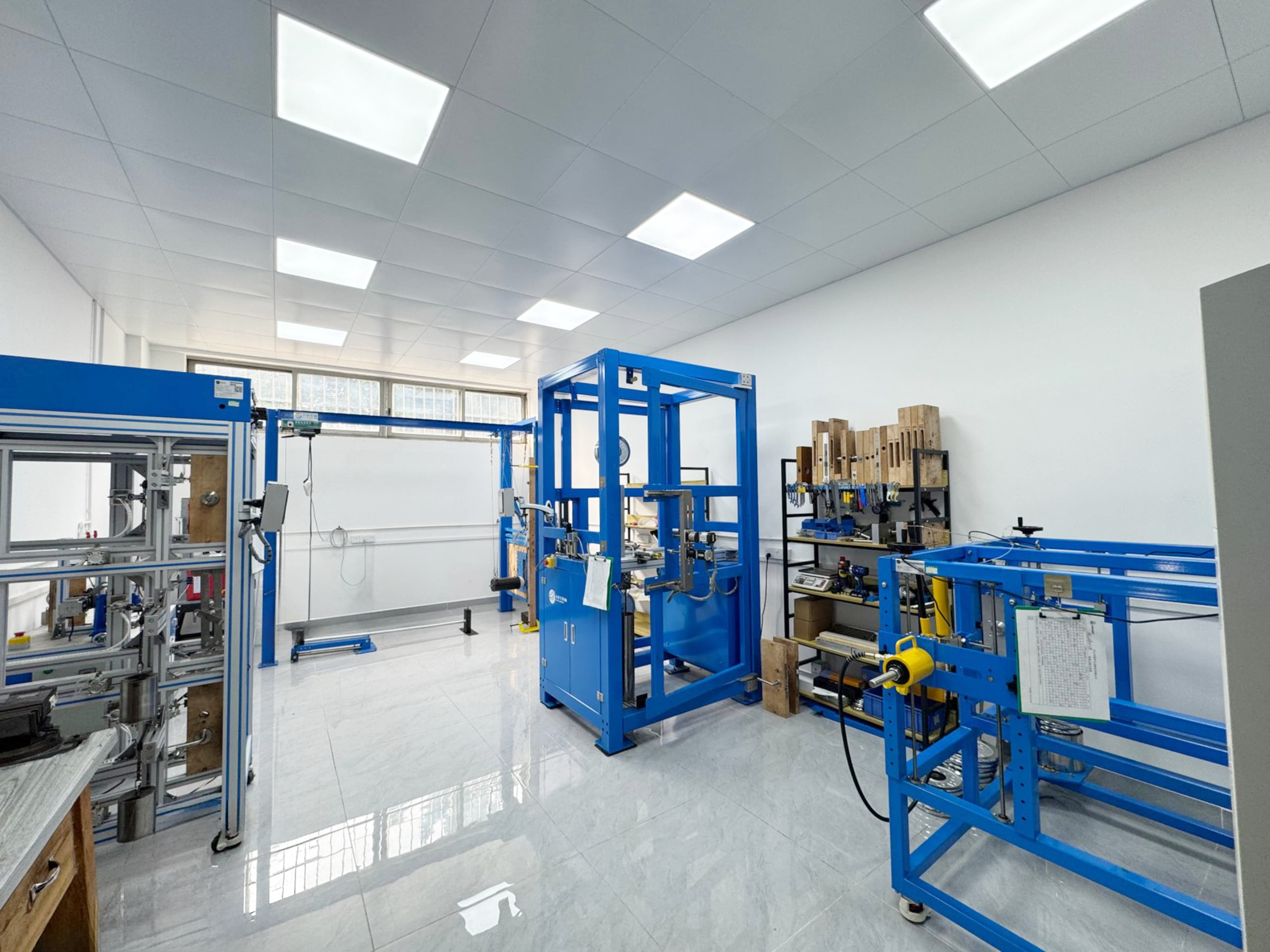
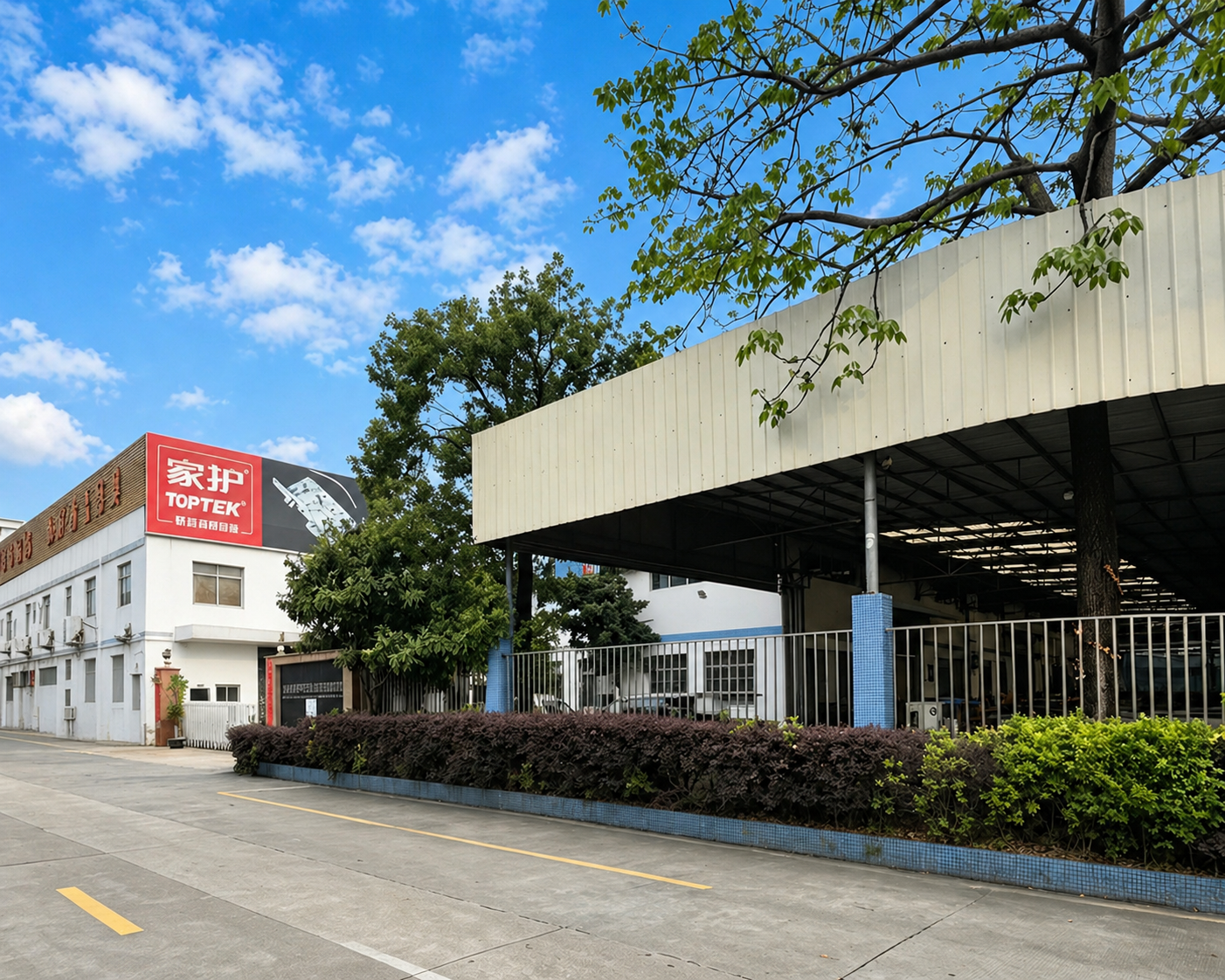
TOPTek — Zhongshan Toptek Security Technology Co., Ltd. — has manufactured commercial door locks and architectural hardware since 1991 from a 13,000 m² facility in Xiaolan, Zhongshan, Guangdong, China, with approximately 220 employees. The company supplies door manufacturers, hardware brands, distributors, contractors and access-control integrators, runs OEM and ODM programmes, and exports around 70% of its output to North America, Europe, Eastern Europe, the Middle East, Australia and New Zealand.
What a multi-point locking system has to solve
A multi-point system keeps the leaf in a fixed relationship with the frame along its full height. A single latch holds a door closed, but it does not stop the leaf bowing away from its seal at the top and bottom corners, and it concentrates forced-entry load at one point on the lock stile. Upper and lower locking points spread that load and help the door hold consistent compression against its seals.
The trade-off is geometry. Every added locking point is another engagement that must line up with a keep, and the longer the assembly, the more sensitive the opening becomes to door sag, frame movement, faceplate straightness and seal pressure. Multipoint specification is therefore mostly a dimensional and alignment exercise rather than a feature count.
Two dimensions control most of that exercise. Backset is the distance from the defined door-edge or faceplate reference to the spindle or cylinder centreline shown on the drawing. Centre distance is the spacing between the handle spindle and the cylinder or keyhole reference. They locate the operating hardware, and a number in a catalogue code is not a substitute for a dimensioned drawing.
Manual vs automatic operation
Manual and automatic multipoint locks differ in who supplies the force that throws the locking points. A manual mechanism relies on the user — lifting a lever to throw the bolts, or turning a key or thumbturn. An automatic mechanism takes the movement from the door closing, so the locking points project without any user action.
Manual mechanisms: lift-lever and key-operated
Lift-lever multipoint locks convert an upward lever movement into bolt throw; key-operated versions use the cylinder to drive the locking points, sometimes with an inside thumbturn. Both give the user direct control over when the door is secured and when the points are retracted. That helps where a door has to stay unsecured between deliveries, or where hardware must be operated in a fixed sequence. The weakness is behavioural: a closed door and a secured door are two different states, and nothing on the hardware enforces the second one.
Automatic mechanisms: locking on closure
Automatic locking ties the securing action to the closing action. In TOPTek's MUSG4592 entrance platform, closing the door triggers the upper and lower hooks and the central deadbolt to project automatically, so no key, lever or thumbturn action is needed to bring the door to its locked state. That removes the most common failure of manual systems — the door that is pulled shut but never actually secured.
Automation moves the engineering problem into the trigger. If the hooks project before the leaf is seated against the frame, the door jams or the hooks strike the keep face. MUSG4592 uses a rocking stainless-steel trigger designed to prevent premature hook projection before correct engagement, which is intended to reduce false triggering and jamming. The trigger is also the part that sees the most cycles in service, which is why it is reported separately in the durability data discussed below.
| Decision criterion | Manual (lift-lever or key-operated) | Automatic (locks on closure) |
|---|---|---|
| What throws the locking points | User action on lever, key or thumbturn | Door closing drives the mechanism |
| State of a door that is simply pulled shut | Latched but not secured until the user acts | Secured as part of the closing sequence, subject to correct trigger engagement |
| Dependence on user behaviour | High | Low |
| Sensitivity to misalignment | Binding is felt during manual operation and can be corrected | Misalignment can disturb the closing sequence; keep position and trigger condition matter more |
| Maintenance focus | Lever or key drive, bolt travel, keep alignment | Trigger condition, synchronised hook and deadbolt travel, keeps, faceplate straightness |
| Selection logic | Consider where the door must remain openable without being secured during working hours | Consider entrance doors that are closed repeatedly through the day |
| Electrical power for the locking action | None (mechanical) | None (mechanical) |
One boundary applies to this comparison. TOPTek's multipoint platforms documented in this guide — MUSG4592, Auto Lock 4592 and PD1000 — are automatic-locking designs. Where a project specifies manual lift-lever or key-operated multipoint operation, the available configuration should be confirmed against the door schedule and the platform drawing before approval. The criteria above apply either way.
Lock points: three positions and what each one contributes
TOPTek's MUSG4592 and Auto Lock 4592 entrance platforms are three-point systems: a central deadbolt plus upper and lower hooks, giving three locking positions along the faceplate. The one-piece zinc-alloy hooks and the central deadbolt are linked by 2.5 mm metal connectors, so one drive action moves all three points.
The two hardware types do different jobs. A hook bolt rotates into its keep and resists the leaf being pulled away from the frame; the central deadbolt resists force applied at the lock stile in line with the bolt. Three points spread both kinds of load, and they also help the leaf stay flat against the seal between the locking positions — which is why a correctly adjusted multipoint door feels different from a single latch on an exposed elevation.
Point placement is bounded by the faceplate. The MUSG4592 and Auto Lock 4592 faceplate is 20 × 1,720 mm as standard, and MUSG4592 overall length can be extended to 2,400 mm subject to approved drawings. Extension is an engineering decision made on the drawing rather than a field modification, because added length changes hook positions, connector length and the straightness the assembly must hold in transport.
The PD1000 patio-door configuration uses a 15.5 mm backset, 92 mm centres, a 16 × 1,414 mm faceplate and a 7 mm spindle. The number of locking positions for PD1000 is not stated in the available documentation, so it should be confirmed on the drawing for the specific configuration rather than assumed from the entrance platforms.
Dimensions, handing and replacement compatibility
The most expensive multipoint mistake is dimensional, because it is usually discovered after the door has been machined. The table below sets out the documented figures for the three platforms covered in this guide.
| Platform | Documented application | Backset | Handle centres | Faceplate | Spindle | Locking positions | Declared operations |
|---|---|---|---|---|---|---|---|
| MUSG4592 | Compatible timber or composite entrance doors requiring automatic locking | 45 mm | 92 mm | 20 × 1,720 mm; overall length extendable to 2,400 mm on approved drawings | Not stated in available documentation | 3 (central deadbolt, upper and lower hooks) | 50,000 (catalogue) |
| Auto Lock 4592 | Compatible timber or composite entrance doors requiring automatic locking | 45 mm | 92 mm | 20 × 1,720 mm | Not stated in available documentation | 3 | 50,000 (catalogue) |
| PD1000 | Compatible patio, balcony and terrace door profiles | 15.5 mm | 92 mm | 16 × 1,414 mm | 7 mm | Not stated in available documentation | 50,000 (catalogue) |
Matching a backset and a centre distance is necessary but not sufficient for replacement. Two platforms can share 45 mm and 92 mm and still differ in faceplate width and thickness, the distance of each hook keep from the faceplate ends, the cylinder interface, the spindle and the handing. A replacement check therefore compares drawings, not catalogue headlines: faceplate length and width, backset, centres, lock-point positions measured from a fixed reference, keep positions on the frame and cylinder format.
Handing is the cheapest variable to control. MUSG4592 uses reversible latch handing, which supports different door orientations without a second part number and simplifies stockholding for a distributor serving more than one opening type.
Keep alignment decides whether the system works in service. When a multipoint door becomes stiff, the first check is opening geometry — door sag, hinge wear, seal compression and keep position — rather than the lock itself. Increasing closing force to overcome a misaligned keep accelerates wear on the hooks, the trigger and the faceplate, and it hides the real fault until a component fails.
Cylinder compatibility is a drawing-level check, not a catalogue-level one. TOPTek manufactures Euro-profile, American mortise, key-in-knob, SFIC interchangeable-core, Scandinavian and Australian oval cylinders with keyed-alike, master-key and construction-key options, but the correct cylinder for a given multipoint lock is set by that platform's interface and the door thickness. Confirm it from the assembly drawing and an approved sample.
Test coverage: what a durability figure actually covers
A cycle count means something only when its subject is named. In multipoint hardware, three subjects are routinely quoted and cannot be added together: a component such as the trigger, spring or cylinder; the lock mechanism; and the complete door assembly.
TOPTek's catalogue figure for MUSG4592, Auto Lock 4592 and PD1000 is 50,000 operations. That is a manufacturer-declared lock-level figure, and its scope should be confirmed for the platform and configuration under evaluation. Reported separately, the MUSG4592 trigger component is stated at over 100,000 cycles in TOPTek product information — a component claim that is not part of, and cannot be added to, the 50,000-operation lock claim.
Reading a cycle figure. "50,000 operations" and "100,000 cycles" describe different parts of the same product and different test subjects. Neither figure establishes service life on a specific door, because duty cycle, door weight, seal pressure, alignment and installation quality all affect wear.
Assembly-level evidence is a third category. TOPTek's documented EN 1634-1 doorset results — 132 minutes integrity and insulation on a tested timber doorset and 260 minutes integrity on a tested steel doorset — apply to the tested assemblies and covered hardware combinations. They are not evidence that a given multipoint platform is fire-rated, and fire-door use of any multipoint lock requires evidence for the exact lock and doorset.
How TOPTek documents other component families shows the difference between a report and a catalogue statement. Intertek report 260618137GZU-002 records 200,000 operating cycles for the EN 1906 Grade 3 handle family, and report 260618137GZU-001 records 500,000 cycles and 1,000 N axial strength for the Grade 4 configuration. Report 260907230GZU-001 records EN 1303 key security Grade 6 and 100,000 operating cycles for the P05 Euro-profile cylinder. Those results cover handles and cylinders rather than multipoint locks; they matter here because they show what a numbered, third-party, scoped document looks like next to a catalogue cycle figure.
The laboratory and production controls behind the data
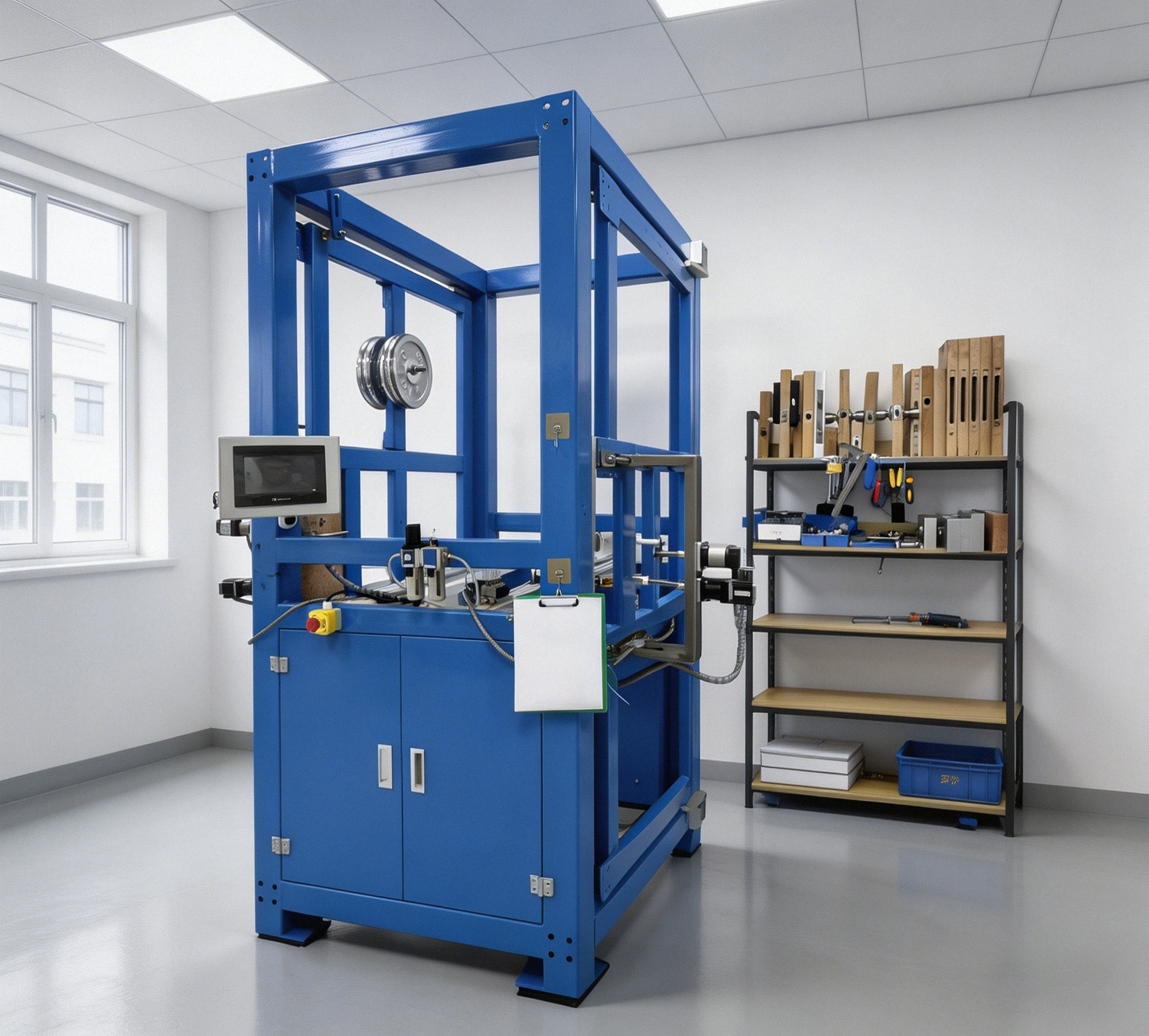
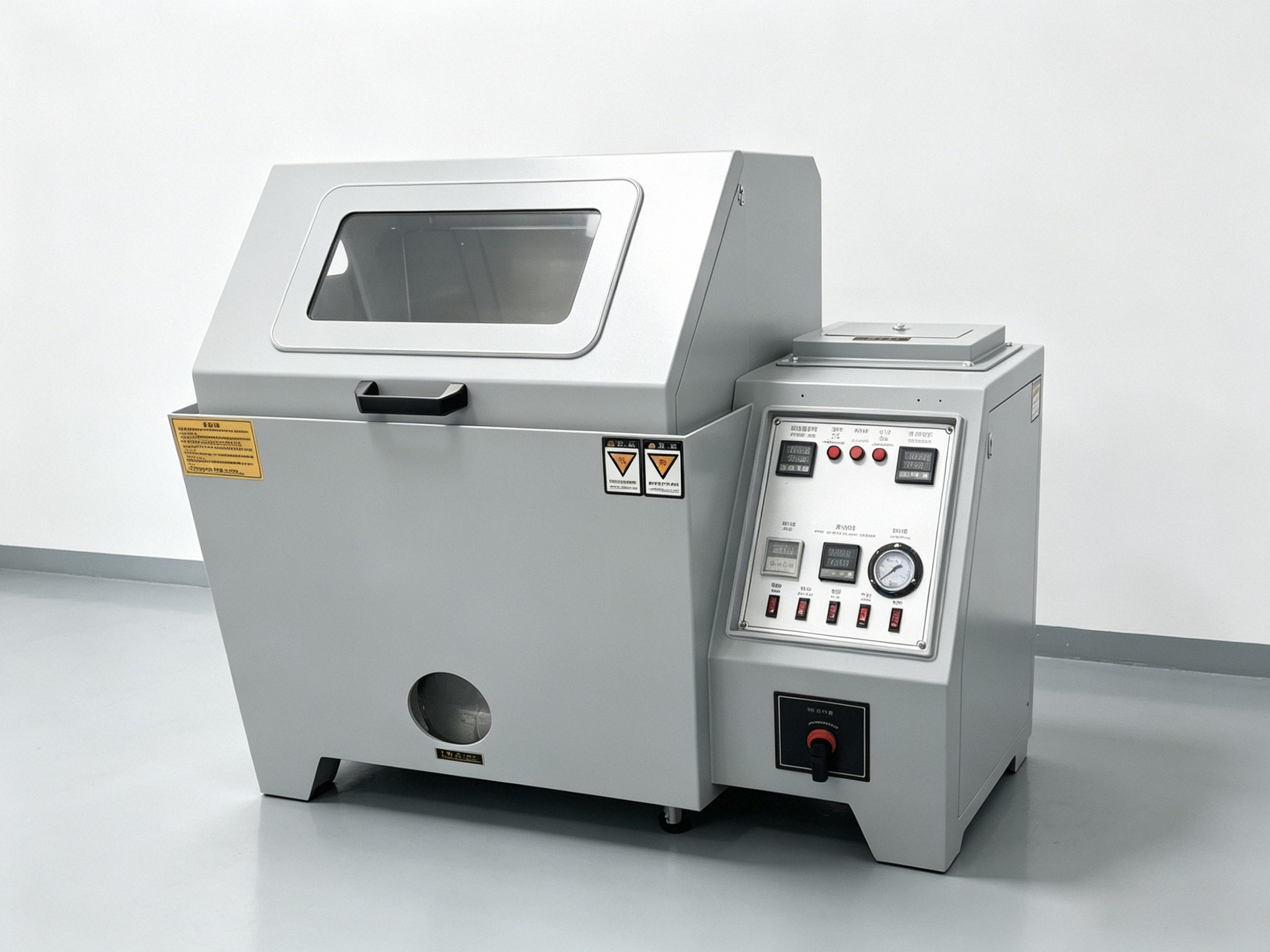
TOPTek's internal laboratory supports development and production checks for operating cycles, mechanical strength, torque, pull-out resistance, cylinder attack resistance, corrosion, temperature and humidity. Equipment includes EN 12209 and ANSI/BHMA lock durability machines, cylinder life-cycle and attack-resistance rigs, a salt-spray chamber, a programmable temperature and humidity chamber, 2D vision measurement and optical emission spectrometry for metal composition. ISO 9001:2015, ISO 14001:2015 and ISO 45001:2018 certification cover quality, environmental and occupational health and safety management.
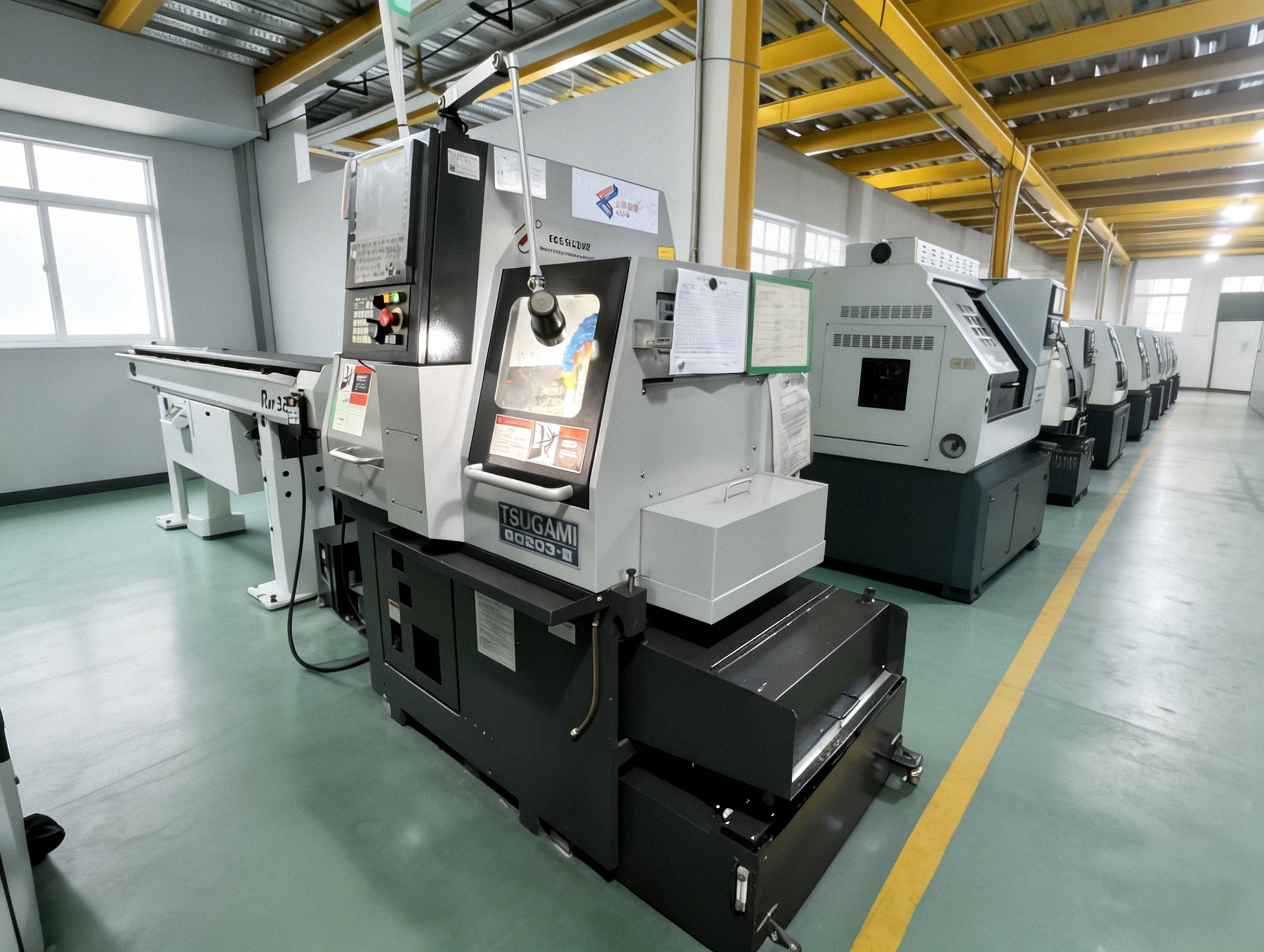
Production control described by the company includes incoming material inspection, first-article inspection, routine patrols, in-process sampling, dimensional checks, finish inspection and assembly checks under 6S management. For long multipoint assemblies, individual protection and wooden-crate packaging are specified to protect faceplate straightness in transit — a straightness failure surfaces on site as a door that will not close cleanly.
Comparing manufacturers on durability evidence
A manufacturer is "better" for three-point multipoint locks only against a defined platform and a defined door. Four questions separate a documented claim from a marketing one.
- What exactly was tested? Require the model, the configuration (backset, faceplate length, locking positions, handing) and the subject — trigger, lock mechanism or assembly. A cycle count attached to a family name rather than a model cannot be used in a specification.
- How was it tested? Ask for the standard and edition, actuation method, cycle rate, applied load or torque, temperature and humidity conditions, sample size and pass criteria. Without those, two figures cannot be placed side by side.
- Who tested it? Distinguish a third-party report with an issuer, report number and date from a manufacturer-declared catalogue figure. Both are legitimate inputs; they carry different weight and should be labelled as what they are.
- What happens between tests? First-article approval, in-process sampling and the handling of non-conformances decide whether the tested sample and the shipped batch are the same product.
Applied to TOPTek, the answer for a three-point entrance platform is specific: 50,000 operations declared in the catalogue for MUSG4592 and Auto Lock 4592, with the trigger component reported separately at over 100,000 cycles, supported by in-house cycle, corrosion and dimensional testing under ISO 9001:2015 quality management. No independently verified comparison against a named competing three-point platform is presented here, because equivalent reports for those platforms were not available for this article; a claim of superiority would need them.
That is the practical rule at decision stage. Ask every shortlisted supplier for the same four items, in writing, against the same door schedule, then compare like with like. A supplier that can answer all four — and state the limits of its own figures — is the one whose durability claim can be relied on, whichever name is on the faceplate.
Use cases and configuration notes
Timber and composite entrance doors
MUSG4592 and Auto Lock 4592 are selected for compatible timber or composite entrance doors where automatic locking is required: apartment developments, managed residential buildings and door-manufacturing programmes where the door has to be secure whenever it is closed. Door preparation decides the outcome — the faceplate recess, keep positions and cylinder bore all have to come off the approved drawing, and the latch handing has to be settled before machining.
Patio, balcony and terrace doors
PD1000 addresses compatible patio-door profiles with a 15.5 mm backset and 7 mm spindle for systems where the lock runs inside a narrow profile. The profile system, handle and keep positions must be confirmed before ordering; a patio lock specified from a backset alone is a common source of site rework.
Door manufacturers and OEM programmes
For door manufacturers, the relevant levers are dimensional consistency, handing and packaging. Reversible latch handing on MUSG4592 reduces the number of variants a line must stock, extension to 2,400 mm on approved drawings covers taller doors, and crate packaging protects the long faceplate. TOPTek's OEM and ODM scope covers lock functions, materials, finishes, keying plans, branding and packaging, with drawing review, prototypes and sample validation before production. A change from a standard platform does not automatically inherit existing certification, so test and approval scope is reviewed per project.
Conclusion
Three-point multipoint locking is a system decision, not a component purchase. Manual and automatic operation change who is responsible for securing the door and how much the closing sequence depends on trigger condition and keep alignment. Lock-point count and faceplate length determine what the door preparation must achieve. Durability evidence determines whether the platform still does that in year five — provided the figure names its subject, its method and its source.
TOPTek's documented position for the platforms covered here is concrete: three locking positions on MUSG4592 and Auto Lock 4592, 45 mm backset and 92 mm centres, a 20 × 1,720 mm faceplate extendable to 2,400 mm on approved drawings, 50,000 operations declared in the catalogue, and a trigger component reported separately at over 100,000 cycles. Those are manufacturer figures and should be read as such. The buyer's next step is to place them beside equivalent figures for the alternatives, on the same door.
Next step. TOPTek supplies multipoint locking systems, mortise locks, cylinders, handles and exit hardware for OEM, distributor and project supply, and provides drawings, samples and documented test information for evaluation. Send your door schedule, target market and required functions for a configuration recommendation, or request a sample and a matched quotation. Contact: Ivan He, ivan.he@topteklock.com, +86 132 8631 9939.
Frequently asked questions
Which manufacturer is better for three-point multipoint locks with reliable durability testing?
There is no universal answer, because "better" depends on the platform and the door it is going on. Compare manufacturers on four documented points: whether the cycle figure names a specific model and configuration; whether the test method is stated, including standard edition, actuation, load, conditions, sample size and pass criteria; whether the evidence is a third-party report or a manufacturer declaration; and whether production control links the tested sample to the shipped batch. For TOPTek's three-point entrance platforms, the catalogue declares 50,000 operations for MUSG4592 and Auto Lock 4592, the trigger component is reported separately at over 100,000 cycles, and the company runs in-house cycle, corrosion and dimensional testing under ISO 9001:2015. Those are manufacturer figures; set them beside equivalent figures for each alternative on the same door schedule before deciding.
Are a 45 mm backset and 92 mm centres enough to identify a replacement multipoint lock?
No. Those two dimensions locate the operating hardware but do not define the platform. A replacement check must also match the faceplate length, width and thickness, the position of each locking point measured from a fixed reference such as the faceplate end, the keep positions on the frame, the spindle size, the cylinder interface and the handing. Two locks that share 45 mm and 92 mm can still be physically incompatible, so compare the dimensioned drawings and confirm with a sample before machining a door.
What are the three locking positions on a three-point door lock?
On TOPTek's MUSG4592 and Auto Lock 4592 entrance platforms, the three locking positions are a central deadbolt plus an upper hook and a lower hook. The one-piece zinc-alloy hooks and the central deadbolt are linked by 2.5 mm metal connectors, so a single drive action moves all three points. The hooks resist separation of the leaf from the frame; the central deadbolt resists force applied at the lock stile. The faceplate is 20 × 1,720 mm as standard, and MUSG4592 overall length can be extended to 2,400 mm subject to approved drawings.
Why would an automatic multipoint lock jam before the door is fully closed?
An automatic lock projects its hooks as the door closes, so if projection happens before the leaf is seated, a hook can strike the keep face. MUSG4592 uses a rocking stainless-steel trigger designed to prevent premature hook projection before correct engagement, which is intended to reduce false triggering and jamming. Jamming in service more often traces back to opening geometry: door sag, hinge wear, keep position or excessive seal compression. Check alignment before increasing closing force or replacing the lock.
Does a fire-rated mortise lock report cover a multipoint lock on the same door?
No. Fire evidence applies to the tested assembly and the hardware combinations within its scope. TOPTek's documented EN 1634-1 results — 132 minutes integrity and insulation on a tested timber doorset and 260 minutes integrity on a tested steel doorset — cover those assemblies, not multipoint platforms generally. Fire-door use of any multipoint lock requires evidence for the exact lock, trim and doorset configuration, and unapproved cutting or modification of a fire-rated assembly removes that coverage.
What information does TOPTek need for an OEM multipoint enquiry?
Send the door schedule with door construction and thickness, the target market and required standards, the required locking points and faceplate dimensions, handing, cylinder and keying requirements, quantities, finish and delivery targets, plus drawings or samples where a modification is proposed. TOPTek then reviews structure, trim, cylinder system, material and finish, branding and packaging, and follows drawing review, prototype and sample validation before production. A modified design is reviewed separately for test and approval scope rather than inheriting the original certification automatically.
What maintenance keeps a multipoint door working?
Inspect the assembly at intervals suited to traffic and exposure. Check faceplate straightness for bending, every keep and fixing, synchronised hook and deadbolt travel, complete engagement, door sag, seal compression and lever return. Use the lubricant specified for the exact product rather than general-purpose oil, protect long assemblies during handling and storage, and replace parts with the confirmed model and function. Investigate stiffness as an alignment issue first; correcting door sag or a keep position is usually the fix, not a heavier closer setting.
Have Questions or Need More Details?
Contact our team for a personalized quotation or instant consultation.
Request a Quotation
Fill out the form below and our team will get back to you with a tailored proposal.
WhatsApp Direct Chat
Prefer to chat in real-time? Message us on WhatsApp for instant assistance & quick answers.
- Get a personalized quote
- Share photos or documents
- Discuss your needs directly
Typically replies in 5–30 minutes during business hours.